
 Canada
 USA
USA Japan
Japan



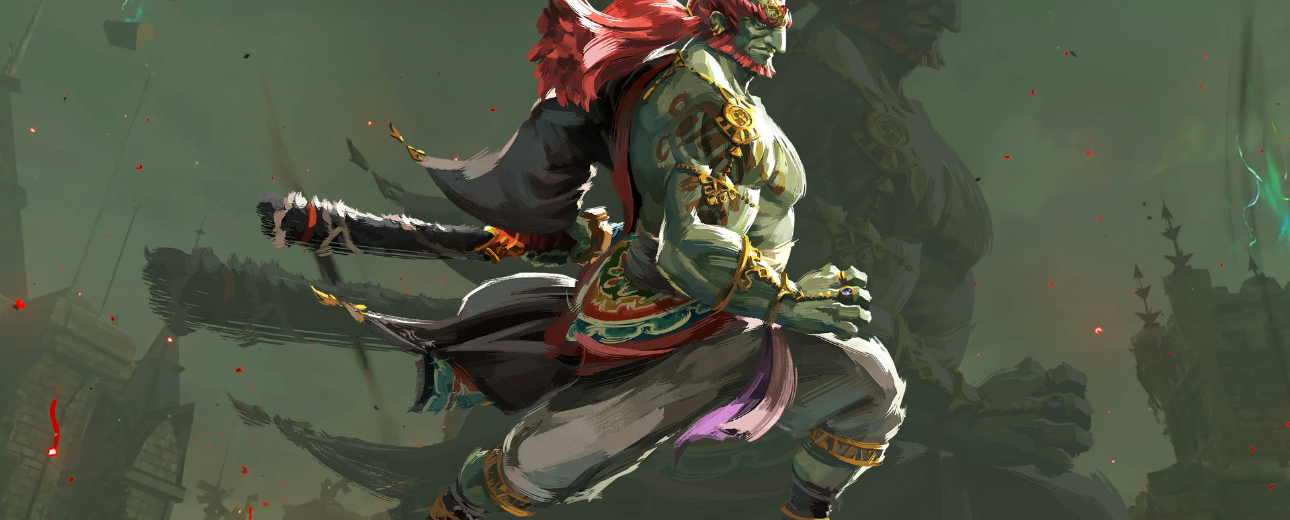
When you think of video game villains who have truly stood the test of time, Ganondorf Dragmire stands as a towering figure in the pantheon of gaming antagonists.
The King of Evil Who Defined a Generation!
For over 25 years, this Gerudo warrior turned demon king has terrorized the land of Hyrule, facing off against Link and Zelda across countless timelines and incarnations. Unlike one-dimensional bad guys who simply want to destroy the world, Ganondorf brings a complexity and gravitas that elevates every Zelda game he appears in.
What makes Ganondorf truly exceptional is his transformation from a desert king with legitimate grievances into an immortal embodiment of hatred itself. According to the official Hyrule Historia timeline book published by Nintendo in 2011, Ganondorf represents more than just a recurring boss – he’s the human incarnation of Demise’s curse, a hatred so potent it reincarnates across millennia to torment the bloodlines of the hero and the goddess.
First appearing in The Legend of Zelda: Ocarina of Time in 1998, Ganondorf immediately captured players’ imaginations not just as a final boss, but as a villain with motivations we could almost understand. Born as the only male Gerudo in a hundred years – a status that made him king by birthright – he looked upon Hyrule’s green fields from his desert kingdom and coveted what his people had been denied. This origin story, revealed through the game’s narrative, transformed him from a simple antagonist into a tragic figure consumed by ambition.
The character’s enduring appeal lies in his multifaceted nature. He’s a master manipulator who spent seven years transforming Hyrule into a wasteland. He’s a powerful sorcerer who wields dark magic with devastating effect. He’s a skilled swordsman who can match Link blade-for-blade. And in his bestial Ganon form, he becomes a primal force of destruction that represents pure, uncontained malice.
As a longtime fan who has faced Ganondorf across multiple console generations, what makes him stand out is his consistency as a threat while remaining fresh with each iteration. Whether he’s the calculating schemer of Ocarina of Time, the tragic figure of Wind Waker, the brutal warrior of Twilight Princess, or the mindless calamity of Breath of the Wild, each version adds new dimensions to his character while maintaining the core elements that make him iconic.
This article will take you on a comprehensive journey through Ganondorf’s complete history, from his origins in the Gerudo Desert to his transformation into Calamity Ganon. We’ll explore his psychological complexity, catalog his formidable abilities, examine his relationships with Link and Zelda, trace his appearances across the Zelda franchise, and analyze why he remains one of gaming’s most compelling villains. Whether you’re a veteran Zelda fan or someone curious about this legendary antagonist, prepare to discover the complete story of the Demon King.
Early Life and Origins: From Desert Prince to Demon King
The story of Ganondorf begins in the harsh Gerudo Desert, where the all-female Gerudo tribe has made their home for generations.
The Birth of a King
According to the lore established in Ocarina of Time and expanded in subsequent games, Gerudo tradition holds that once every hundred years, a single male is born to the tribe – and this male automatically becomes their king. Ganondorf Dragmire was one such child, born into royalty by the simple accident of his gender.
The exact date of Ganondorf’s birth remains ambiguous in the official timeline, but the Hyrule Historia places the events of Ocarina of Time – when Ganondorf is already an adult – in the “Era of the Hero of Time.” Before this, the Gerudo lived as desert thieves and warriors, isolated from the prosperity of central Hyrule. Growing up in this environment would have profoundly shaped young Ganondorf’s worldview. While the green fields of Hyrule enjoyed abundant water and fertile soil, his people scraped out an existence in an unforgiving desert.
The Creating a Champion art book for Breath of the Wild provides additional context about the Gerudo’s relationship with Hyrule, noting that they were often viewed with suspicion by other races. This marginalization likely fueled Ganondorf’s resentment. As their king, he would have felt the weight of his people’s struggles and developed an ambition to claim what he believed they deserved.
The Creator’s Vision
From a development perspective, Ganondorf was created by Nintendo’s legendary team led by Shigeru Miyamoto and directed by Yoshiaki Koizumi and Eiji Aonuma for Ocarina of Time. According to interviews in the book “The Legend of Zelda: Hyrule Historia,” the developers wanted to create a villain who was more grounded and relatable than previous Zelda antagonists. Instead of just presenting an evil force, they crafted a character with human motivations who gradually succumbs to his worst impulses.
Character designer Satoru Takizawa explained in a 2011 interview with Iwata Asks that Ganondorf’s design was meant to convey power and authority. His imposing stature (officially listed as 7 feet 6 inches in some sources), his elaborate armor, and his cold demeanor were all carefully crafted to make him a commanding presence. The green skin and red hair of the Gerudo were already established elements, but Ganondorf’s specific features – the prominent nose, the calculating eyes, the smirking expression – were designed to make him memorable and intimidating.
The Path to Darkness
The earliest chronological appearance of Ganondorf in the official timeline occurs in Ocarina of Time, though the game reveals his backstory through dialogue and flashbacks. As king of the Gerudo, he made a calculated decision to deceive the King of Hyrule by swearing fealty while secretly plotting to obtain the Triforce – the ultimate power left by the Golden Goddesses Din, Farore, and Nayru.
His plan demonstrated a cunning that would become his trademark. Rather than attacking Hyrule directly, which his relatively small tribe could never sustain, Ganondorf adopted the guise of a loyal subject. According to the game’s narrative, he presented himself to the King of Hyrule as an ally, all while searching for a way to enter the Sacred Realm where the Triforce was hidden. This required patience, manipulation, and a willingness to play a long game.
The key to his plan was young Link. When the hero opened the Door of Time and pulled the Master Sword from its pedestal, he inadvertently opened the path to the Sacred Realm. Ganondorf, who had been waiting for exactly this moment, followed Link and claimed the Triforce. However, because his heart was unbalanced – filled with power, wisdom, and courage in unequal measure – the Triforce split. Ganondorf received only the Triforce of Power, while Zelda and Link received Wisdom and Courage respectively.
The Transformation
What happened next defined Ganondorf’s character for the entire franchise. Rather than accepting this partial victory, he became consumed by his desire to claim all three pieces. According to the events shown in Ocarina of Time, he used the Triforce of Power to transform Hyrule into a nightmare realm during the seven years Link was sealed in the Sacred Realm. He conquered Hyrule Castle, forced Princess Zelda into hiding, and used his dark magic to curse the various regions of the kingdom.
This seven-year reign revealed the depths of Ganondorf’s cruelty. The Happy Mask Salesman in Majora’s Mask references “the great catastrophe” that befell Hyrule, and players witness firsthand what Ganondorf’s rule looked like: Kakariko Village lived in fear, Death Mountain erupted with unnatural fury, Zora’s Domain was frozen solid, and the once-peaceful Hyrule Castle Town became infested with ReDeads – undead creatures that fed on fear.
Yet even in his villainy, traces of Ganondorf’s original motivations remained. The Wind Waker, released in 2002, would later provide perhaps the most humanizing glimpse into his character. In that game’s famous final confrontation, Ganondorf speaks of “the winds that blew across the green fields of Hyrule,” describing how he coveted that wind for his people suffering in the desert. This moment of vulnerability suggested that somewhere beneath the Demon King was still the Gerudo king who wanted a better life for his tribe.
The Curse of Demise
The full scope of Ganondorf’s origins wouldn’t be revealed until The Legend of Zelda: Skyward Sword in 2011. This game, which takes place at the beginning of the Zelda timeline, introduced Demise – the original Demon King and the source of all evil in the series. When the hero of that era defeated Demise, the demon king uttered a curse: his hatred would be reborn in an endless cycle, forever pursuing the reincarnations of the hero and the goddess.
According to Hyrule Historia, Ganondorf is the mortal incarnation of Demise’s hatred. This revelation recontextualized every appearance of Ganondorf across the timeline. He wasn’t just a man who chose evil – he was literally born with an ancient demon’s malice woven into his soul. This doesn’t excuse his actions, but it adds a layer of tragedy. Was Ganondorf ever truly free to choose a different path, or was he always destined to become the Demon King?
The official timeline in Hyrule Historia shows that after Ocarina of Time, the timeline splits into three branches depending on the outcome of Link’s battle with Ganondorf. In one timeline, Link defeats him and he’s executed (leading to Twilight Princess). In another, Link defeats him and he’s sealed (leading to Wind Waker). In the third, Link actually fails and Ganon conquers Hyrule (leading to the original Legend of Zelda games). This means Ganondorf’s influence extends across multiple realities, his curse so powerful it transcends individual timelines.
Personality and Traits: The Psychology of Power
Understanding Ganondorf requires examining the complex psychology that drives him. He’s far more than a simple power-hungry tyrant – though he certainly is that. Over the course of his many appearances, a nuanced portrait has emerged of a villain whose motivations, methods, and madness have evolved across different incarnations.
The Core of Ambition
At his heart, Ganondorf is defined by an insatiable ambition that borders on obsession. According to dialogue in Ocarina of Time, even after claiming the Triforce of Power and conquering Hyrule, he remained unsatisfied. His famous line – “I’m so hungry I could eat an Octorok!” – delivered with dark humor during his first boss fight, masks a deeper truth: no amount of power will ever truly satisfy him.
This hunger manifests as a complete inability to accept limitations. In Twilight Princess, even after being executed by the Sages – with their blade literally piercing his chest – Ganondorf refuses to die. The Triforce of Power keeps him alive through sheer force of will, and he murders one of the Sages in retaliation. This scene, directed by Eiji Aonuma according to development materials, perfectly captures Ganondorf’s essence: he considers death itself an unacceptable constraint on his ambition.
What makes this particularly interesting is that his ambition originally had a somewhat noble foundation. As mentioned earlier, his desire to give his people access to Hyrule’s prosperity wasn’t inherently evil. The Wind Waker presents this most explicitly when Ganondorf speaks longingly of the wind – a simple thing that Hyrule had and his desert kingdom lacked. The tragedy is watching how this legitimate grievance corrupted into an all-consuming greed.
Intelligence and Cunning
Ganondorf’s most dangerous trait might be his brilliant strategic mind. Unlike his bestial Ganon form, the man himself is a master manipulator who thinks several steps ahead. His plan in Ocarina of Time demonstrates this perfectly: he understood that he couldn’t simply storm the castle and take the Triforce by force. Instead, he spent years cultivating the King of Hyrule’s trust, positioning himself as a loyal ally while simultaneously searching for the key to the Sacred Realm.
According to the dialogue in the game, even Princess Zelda’s warnings about Ganondorf weren’t enough to convince her father of the threat. This speaks to how effectively Ganondorf played his role. He understood court politics, knew how to present himself as civilized and trustworthy, and recognized that the King wanted to believe in the possibility of peace with the Gerudo. Ganondorf exploited that hope ruthlessly.
In Twilight Princess, his cunning takes a different form. When Zant – the usurper of the Twilight Realm – makes a deal with Ganondorf, the Demon King understands exactly how to manipulate the unstable Twili. He offers Zant power in exchange for using Zant’s connection to the Twilight Realm to return to the physical world. Ganondorf treats Zant as a tool to be used and discarded, demonstrating his complete lack of loyalty to anyone beyond himself.
Pride and Arrogance
If ambition is Ganondorf’s driving force, pride is his greatest weakness. Time and again across the series, his arrogance leads to his downfall. He consistently underestimates Link, dismissing the hero as a mere child in Ocarina of Time even after Link has proven himself by collecting the Spiritual Stones and awakening as the Hero of Time.
This prideful blindness appears in nearly every encounter. In Wind Waker, Ganondorf captures both Zelda and Link, holding all the pieces of the Triforce. Victory is in his grasp. Yet he monologues about his motivations rather than simply claiming the completed Triforce immediately – giving Link and Zelda the opening they need to strike. As a fan who has fought him multiple times, this moment is both frustrating and perfectly in character. Ganondorf cannot resist the opportunity to gloat, to prove his superiority not just through victory but through acknowledgment of his brilliance.
The Hyrule Warriors series, while not canon, explores this trait further by showing Ganondorf’s dismissive attitude toward other villains. He views himself as the true and only Demon King, regarding other threats as pretenders to his throne. This egotism is both a strength – it fuels his confidence in battle – and a fatal flaw that blinds him to real threats until it’s too late.
Evolution Across Incarnations
One of the most fascinating aspects of Ganondorf’s character is how his personality shifts between different games and timelines. The Ocarina of Time version is cold, calculating, and seemingly emotionless – a pure embodiment of ambition. He delivers threats with calm certainty, his famous organ music playing in the background of his castle. This Ganondorf believes absolutely in his right to rule and his inevitable victory.
The Wind Waker version, however, shows surprising depth. After centuries sealed beneath the ocean, this Ganondorf has had time to reflect. His final speech is almost wistful, remembering the desert winds and admitting that he envied the wind itself. He recognizes that his desire for Hyrule’s prosperity has consumed him, but he cannot let it go. This version is simultaneously more sympathetic and more tragic – he knows he’s become a monster, but he’s too far gone to stop.
Twilight Princess presents perhaps the most purely evil incarnation. This Ganondorf shows no remorse, no reflection, only raw hatred and a determination to destroy everything Link and Zelda represent. His execution by the Sages was meant to be final, but his sheer malice kept him alive. According to character notes in the Twilight Princess game manual, this version represents Ganondorf at his most dangerous – driven entirely by the curse of Demise with no human motivations remaining.
Strengths and Weaknesses
Analyzing Ganondorf’s character reveals clear patterns of strengths and weaknesses that appear across his incarnations:
Strengths:
- Strategic genius capable of long-term planning spanning years or even decades
- Exceptional physical power enhanced by the Triforce of Power
- Mastery of dark magic and the ability to curse entire regions
- Unshakeable confidence that can intimidate opponents
- Ability to inspire fear and command loyalty through terror
- Persistence bordering on immortality due to sheer force of will
Weaknesses:
- Pride that blinds him to threats he considers beneath him
- Inability to accept defeat, leading to reckless actions
- Obsession with power that makes him predictable
- Underestimation of others, particularly Link
- Isolation from genuine relationships that might have moderated his ambitions
- Emotional volatility when his plans are thwarted
The interplay between these traits creates a villain who is simultaneously formidable and flawed. He’s powerful enough that defeating him always feels like a genuine achievement, but his weaknesses ensure that a clever hero can find a way to victory. This balance is what makes him such an enduring antagonist – challenging but ultimately beatable.
Abilities, Powers, and Skills: The Arsenal of the Demon King
Ganondorf stands as one of gaming’s most formidable antagonists not just because of his ambition, but because he possesses the raw power to back up his threats. His abilities span physical prowess, magical mastery, and divine power granted by the Triforce. Understanding the full scope of what makes him dangerous reveals why it takes the Hero of Time himself to stand against him.
The Triforce of Power
The foundation of Ganondorf’s supernatural abilities is his possession of the Triforce of Power, one-third of the ultimate power left by the goddesses. According to the lore established in A Link to the Past and reinforced in Ocarina of Time, the Triforce grants different abilities based on which piece someone possesses. Power, as the name suggests, grants incredible strength, near-immortality, and magical energy.
The Triforce of Power manifests physically on the back of Ganondorf’s hand as a glowing golden triangle with the bottom-right piece illuminated. In gameplay and cutscenes across multiple titles, this mark glows when he channels its energy. The Ocarina of Time official strategy guide published by Nintendo Power in 1998 notes that the Triforce of Power makes Ganondorf effectively immortal – he can be sealed, weakened, or temporarily defeated, but only specific weapons blessed by the gods can truly destroy him.
This explains his resurrection in multiple timelines. In The Legend of Zelda (the original NES game), Ganon’s followers are attempting to resurrect him using Link’s blood. In Zelda II: The Adventure of Link, the sequel, they succeed in bringing back a mindless version of him. The Triforce of Power ensures that even when his physical form is destroyed, his essence endures, waiting for an opportunity to return.
Dark Magic and Sorcery
Beyond the Triforce, Ganondorf is a master sorcerer whose dark magic rivals any wizard in the Zelda universe. His magical abilities manifest in numerous ways across different games, demonstrating both versatility and raw destructive power.
In Ocarina of Time, his magic includes:
- Energy projectiles that can be reflected with precise sword timing
- The ability to levitate and teleport
- Summoning dark creatures including Stalfos knights and Iron Knuckles
- Cursing entire regions (freezing Zora’s Domain, causing Death Mountain’s volcano to erupt)
- Creating barriers and force fields
- Possessing and corrupting others, as seen with the Great Deku Tree and Lord Jabu-Jabu
- Transformation into his Ganon form
WindAker showcases different magical applications:
- Creating phantom versions of himself
- Controlling possessed armor (the Phantom Ganon fights)
- Manipulating wind and weather
- Summoning his twin swords from nothing
- Petrification magic that turns people to stone
The Twilight Princess version demonstrates mastery over twilight magic, working through Zant to corrupt Hyrule with twilight. According to that game’s storyline, Ganondorf grants Zant immense magical power, showing his ability to channel his magic through intermediaries. He also demonstrates possession abilities by taking control of Zelda’s body during the final battle sequence.
Physical Combat Prowess
While his magic is formidable, Ganondorf is equally dangerous in physical combat. His sword fighting skills are showcased most prominently in Wind Waker and Twilight Princess, where he engages Link in direct blade-to-blade combat. According to combat analysis by players and documented in various strategy guides, Ganondorf’s fighting style combines overwhelming power with surprising technique.
In Wind Waker, the final battle features Ganondorf wielding twin swords in a fighting style that mixes heavy strikes with quick counters. The Creating a Champion book notes that this version of Ganondorf has had centuries to hone his combat skills, making him perhaps the most technically proficient of his incarnations. He parries Link’s attacks, performs elaborate sword combinations, and demonstrates footwork that belies his massive size.
Twilight Princess takes his physical prowess to another level. The horseback battle shows him effortlessly wielding a massive sword while charging on horseback. The final duel on foot presents a Ganondorf who has clearly mastered swordsmanship across multiple disciplines. He blocks and counters Link’s techniques, uses feints and misdirection, and times his attacks to exploit openings with precision. This fight requires players to master all of Link’s techniques, as Ganondorf can counter basic approaches.
His physical attributes, enhanced by the Triforce of Power, include:
- Superhuman strength capable of shattering stone with his bare hands
- Enhanced durability that allows him to survive impalement and other fatal wounds
- Increased speed and reflexes despite his large size
- Endurance that allows him to fight without tiring
Transformation: The Beast of Hatred
Ganondorf’s most terrifying ability is his transformation into Ganon, a massive demonic boar creature that represents pure destructive force. This transformation appears in nearly every game he’s in, and each version brings unique abilities while maintaining the core concept of overwhelming physical power.
The Ocarina of Time version of Ganon wields twin greatswords and can create shockwaves by striking the ground. The strategy guide describes this form as abandoning all pretense of technique for raw destructive power. He cannot be reasoned with or negotiated with in this form – he exists only to destroy the hero who has thwarted his plans.
Wind Waker never shows the full Ganon transformation, but Phantom Ganon serves as a preview of what that power looks like. Twilight Princess presents perhaps the most elaborate Ganon transformation, where he becomes a massive quadrupedal beast that must be subdued through a combination of wolf-form fighting and conventional combat. This version can charge with devastating force, create shockwaves, and demonstrates enhanced durability even beyond his humanoid form.
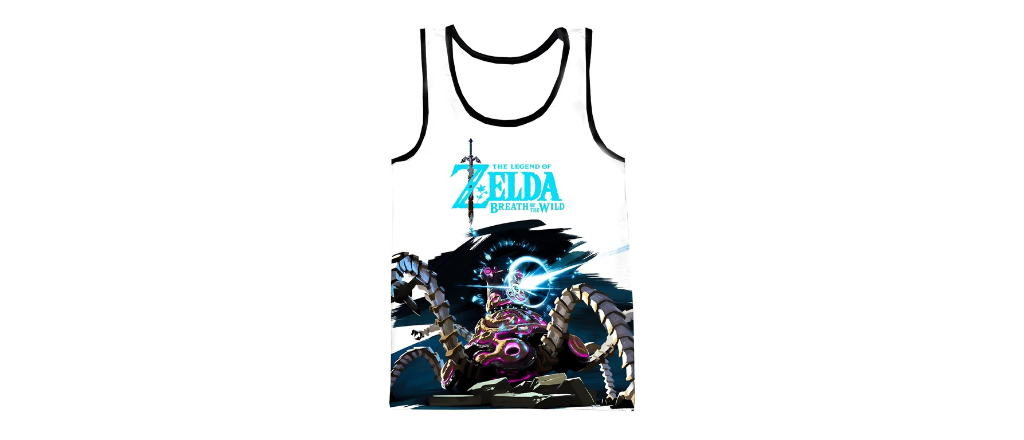
The most extreme version appears in Breath of the Wild as Calamity Ganon, where after ten thousand years of festering hatred, Ganondorf has devolved into a primal force of malice without true form. This incarnation abandons the humanoid shape entirely, becoming a spider-like mechanical-organic horror that represents Ganon at his most corrupted. According to the game’s lore tablets and the Creating a Champion book, this version is less powerful than previous incarnations specifically because Ganondorf’s consciousness has degraded – suggesting that his mind and strategy are integral to his full power.
Signature Weapons and Items
Throughout the series, Ganondorf has wielded various weapons that have become iconic to his character:
The Trident: In the original Legend of Zelda and A Link to the Past, Ganon wields a golden trident that fires magical blasts. The Hyrule Historia notes this as his signature weapon in the “Fallen Hero” timeline branch.
Twin Swords: In Wind Waker, Ganondorf dual-wields large swords that he can summon and dismiss at will. These blades can channel his dark magic for enhanced attacks.
The Sword of the Six Sages: Ironically, in Twilight Princess, Ganondorf uses the very sword that was meant to execute him as his weapon. He pulls it from his own chest and wields it against his enemies, turning a symbol of justice into an instrument of evil.
Dark Energy Spheres: His most common ranged attack across multiple games involves creating spheres of dark energy and launching them at opponents. These can often be reflected back at him, representing how his own power can be turned against him.
Weaknesses and Limitations
Despite his formidable power, Ganondorf has consistent vulnerabilities that heroes exploit:
The Master Sword: Forged to seal evil, this blade is specifically designed to harm Ganondorf and can pierce the protection granted by the Triforce of Power. According to Ocarina of Time’s lore, only this blade can truly defeat him.
Light Arrows: These sacred arrows, blessed by Zelda’s power as bearer of the Triforce of Wisdom, can paralyze and weaken Ganondorf even through his magical defenses. They appear as the key to defeating him in multiple games.
Holy Magic: In general, sacred or holy magic can bypass his dark power. The Seven Sages’ seal in Ocarina of Time, Zelda’s sealing magic, and the Master Sword all share this divine quality.
His Own Reflected Power: Many of Ganondorf’s energy attacks can be reflected back at him, suggesting that his magic, while powerful, isn’t particularly refined or controlled. A skilled opponent can use his raw power against him.
Arrogance as a Tactical Weakness: As discussed in the personality section, Ganondorf’s pride often leads him to give opponents openings he should never allow. He monologues when he should act, he toys with opponents when he should finish them, and he assumes victory prematurely.
Comparing His Power Level
To understand just how powerful Ganondorf is, it’s worth comparing him to other major Zelda villains. According to various Nintendo sources and the Hyrule Historia timeline:
- Demise (Skyward Sword): The original Demon King, arguably more powerful but defeated in his time
- Malladus (Spirit Tracks): Powerful demon but not connected to Demise’s curse
- Vaati (Minish Cap, Four Swords): Skilled sorcerer but lacking divine power
- Majora (Majora’s Mask): Reality-warping powers but confined to Termina
- Bellum (Phantom Hourglass): Powerful but limited to the Ocean King’s realm
Ganondorf stands above most of these because the Triforce of Power elevates him beyond mortal limits. Only Demise, his progenitor, arguably surpasses him in pure malevolent power. This positioning makes every confrontation with Ganondorf feel appropriately epic – you’re not just fighting a powerful villain, but the incarnation of an ancient curse wielding the power of the gods themselves.

Relationships and Allies/Enemies: The Web of the Demon King
No villain exists in isolation, and Ganondorf’s character becomes richer when examining his relationships with other characters in the Zelda universe. From his eternal conflict with Link and Zelda to his complex relationship with his own people, these connections reveal dimensions of his character that wouldn’t emerge otherwise.
The Eternal Triangle: Link, Zelda, and Ganondorf
The central dynamic of the Zelda series revolves around three souls bound together by destiny across millennia.According to Skyward Sword’s lore, Demise’s curse ensures that the hatred he embodies (Ganondorf) will eternally pursue the reincarnated spirit of the hero (Link) and the blood of the goddess (Zelda). This creates a triangle of opposing forces: power versus courage versus wisdom, destruction versus protection versus guidance.
What makes this relationship fascinating is its asymmetry. Link and Zelda rarely remember their previous incarnations, facing Ganondorf fresh in each timeline. But Ganondorf, particularly in Wind Waker and Twilight Princess, shows awareness of the cycle. He knows he’s faced heroes before. He knows this boy with the green tunic represents an existential threat to his ambitions. Yet he cannot break free from the pattern any more than Link can refuse the call to adventure.
The Ocarina of Time instruction manual describes Ganondorf’s view of young Link as contemptuous. He dismisses the boy as insignificant, a “kid” who stumbled into events beyond his understanding. This underestimation proves fatal – Link grows into the hero who defeats him. Yet in subsequent incarnations, Ganondorf continues to underestimate Link, suggesting either pride-driven blindness or perhaps an inability to learn from past lives he may not fully remember.
His relationship with Zelda is more complex. He needs her – specifically her Triforce of Wisdom – to complete his power, yet he also respects her in a way he doesn’t respect Link. In Ocarina of Time, he keeps her alive rather than killing her, recognizing her as a worthy adversary. In Twilight Princess, he possesses her body, suggesting a twisted acknowledgment of her power. The Wind Waker speech, where he addresses both Link and Zelda, shows a Ganondorf who sees them as the only beings in existence who could possibly understand his motivations, even if they oppose him.
The Gerudo: A King Without His People
One of the most poignant aspects of Ganondorf’s character is his relationship with the Gerudo tribe who made him king. According to Ocarina of Time, he was born to be their leader, yet his ambitions ultimately betray everything they needed him to be.
In Ocarina of Time, the Gerudo respect strength above all else. When Link proves himself by infiltrating their fortress, they accept him as an honorary member. This suggests they would have valued a king who protected them and made them prosperous. Instead, Ganondorf used his position to pursue personal power, seemingly abandoning his people in the process.
The Wind Waker timeline makes this abandonment literal – when the gods flood Hyrule, the Gerudo presumably drown with everyone else. Ganondorf’s quest for power resulted in the extinction of his own people. Yet in his final moments, he still speaks of wanting the winds of Hyrule for them, suggesting he tells himself his actions were always for the Gerudo even as he sacrificed them for personal ambition.
By Breath of the Wild’s era, the Gerudo have no male leadership and have explicitly outlawed men from their city.While this is presented comically in gameplay, the lore implications are dark – Ganondorf’s actions as the only male Gerudo in recorded history poisoned the tribe’s view of male leadership for thousands of years. His legacy to his people was shame and suspicion.
Interestingly, dialogue with Gerudo NPCs in Breath of the Wild reveals they know of Ganon but don’t seem to know he was once a Gerudo king. According to The Creating a Champion book, this knowledge has been deliberately suppressed, suggesting the tribe’s shame over their connection to the Demon King runs so deep they’ve erased it from their history.
Servants, Pawns, and Temporary Allies
Throughout the series, Ganondorf has demonstrated an ability to command loyalty through fear or manipulation, though he never shows genuine partnership with anyone.
Twinrova (Ocarina of Time): The surrogate mothers who raised him, Kotake and Koume, serve Ganondorf with fanatical devotion. According to the game’s storyline, these elderly Gerudo witches raised him to become the Demon King, suggesting his path to darkness may have begun in childhood. They willingly sacrifice themselves in an attempt to resurrect Ganon in the Oracle games, showing a devotion he never reciprocates. Ganondorf uses them as tools and shows no grief at their deaths.
Phantom Ganon: This magical construct appears in multiple games as a dark reflection of Ganondorf himself. Created through sorcery, it serves as both a weapon and a test – Ganondorf sends it to gauge opponents’ strength. The fact that he creates a copy of himself rather than empowering another being shows his fundamental inability to trust anyone with real power.
Zant (Twilight Princess): Perhaps the most complex of Ganondorf’s relationships with a subordinate, Zant believes he’s Ganondorf’s equal partner. The deposed heir to the Twilight Realm makes a deal with Ganondorf: Zant will help him return to the physical world, and in exchange, Ganondorf will grant him the power to rule the Twilight Realm. According to the game’s storyline, Ganondorf manipulates Zant’s instability masterfully, presenting himself as a god granting divine power. When Zant is defeated, Ganondorf shows no concern for his “ally,” merely using the connection to possess Zelda. Zant’s final act – snapping his own neck in a fit of rage – severs the connection and helps weaken Ganondorf, showing how even his pawns ultimately undermine him.
Malice Incarnates (Breath of the Wild): In his degraded Calamity Ganon form, he creates Blights – mechanical-magical constructs powered by malice. Unlike Phantom Ganon, these show no personality or independence, reflecting how far Ganondorf has fallen. He’s devolved from a leader who could inspire fanatical loyalty to a mindless force that can only create mindless servants.
Enemies Beyond Link and Zelda
While Link and Zelda are his primary opponents, Ganondorf has made enemies of virtually every force for good in Hyrule:
The Seven Sages: These guardians of the Sacred Realm seal Ganondorf at the end of Ocarina of Time, creating an enmity that persists across timelines. In Twilight Princess, when the Sages attempt to execute him, his murder of one of their number cements this hatred. According to Twilight Princess lore, the Sages had protected Hyrule for generations, and Ganondorf’s corruption of the Sacred Realm was a personal affront to their sacred duty.
The Ancient Hero (Breath of the Wild): Ten thousand years before the game’s events, a hero using Divine Beasts and Guardians defeated Ganon. This nameless hero represents another link in the chain of those who have opposed him, showing that even in timelines where Link fails, new heroes arise.
The Sheikah: This ancient tribe has served the royal family for generations, making them natural enemies of Ganondorf. In Ocarina of Time, Impa (Zelda’s Sheikah protector) helps Link awaken as the Hero of Time specifically to stop Ganondorf. Their technological innovations in Breath of the Wild are created explicitly as weapons against Ganon, though he later corrupts them.
The Royal Family of Hyrule: Beyond Zelda herself, the kings and rulers of Hyrule have opposed Ganondorf across multiple timelines. In Wind Waker, the King of Hyrule (in disguise as the King of Red Lions) guides Link specifically to stop Ganondorf. His final act – touching the completed Triforce before Ganondorf can claim it – denies the Demon King his victory even in apparent triumph.
Comparisons to Other Villain Relationships
What makes Ganondorf’s relationships distinct from other gaming villains is their consistency across time. Unlike villains who form new alliances in each game, Ganondorf’s fundamental isolation remains constant. He never has a trusted lieutenant who lasts more than one title. He never forms a genuine partnership. Even his connection to his own people – the one relationship that could have humanized him – is corrupted by his ambition.
This isolation isn’t accidental. According to various Nintendo interviews collected in the Hyrule Historia, the developers deliberately avoided giving Ganondorf close relationships to emphasize his fundamental character flaw: his inability to value anything beyond power. Unlike villains who fight for a cause or to protect someone they love, Ganondorf ultimately fights only for himself.
As a longtime fan, this makes his Wind Waker speech even more powerful. When he finally acknowledges wanting the wind for his people, we see a glimpse of what he could have been – a leader who used his incredible power to improve his people’s lives rather than destroy others. But that glimpse makes his actual choices even more tragic. He had the power to change things. He chose conquest instead.
Appearances in Media: A Chronicle of the Demon King
Tracking Ganondorf’s appearances across the Zelda franchise reveals how the character has evolved while maintaining core characteristics. His presence – whether as the primary antagonist, a background threat, or an absent influence – shapes the narrative of numerous games spanning over three decades.
The Timeline Foundation: Ocarina of Time (1998)
The Legend of Zelda: Ocarina of Time for the Nintendo 64 introduced Ganondorf to the world and remains his most defining appearance. Directed by Yoshiaki Koizumi and Eiji Aonuma, this game established the template for the character that all future iterations would reference.
Players first encounter Ganondorf through Princess Zelda’s prophetic dream, seeing him as a shadowy threat before meeting the man himself. The initial meeting shows him pledging fealty to the King of Hyrule while clearly plotting betrayal – a scene that establishes his duplicitous nature. According to the Ocarina of Time script archived by fans and confirmed through various sources, his dialogue drips with barely concealed contempt for those he’s deceiving.
The seven-year time skip reveals what Ganondorf does with power unchecked. He transforms Hyrule Castle into a dark tower surrounded by a moat of lava, fills it with monsters, and rules through terror. The famous organ music that plays in his castle (composed by Koji Kondo) became inseparably linked to the character – many fans immediately think of that haunting melody when Ganondorf is mentioned.
The final boss sequence presented Ganondorf as a magical duelist before transforming into the beast Ganon. This two-stage battle set the standard for epic Zelda finales. The tennis-like energy ball exchange, his arena collapsing when defeated, and the emergence of Ganon from the rubble created an unforgettable climax. According to player statistics compiled by Nintendo, this battle remains one of the most remembered in gaming history.
Oracle of Seasons and Oracle of Ages (2001)
While Ganondorf himself doesn’t appear in these Game Boy Color titles developed by Capcom, his influence permeates both games. The linked ending of both games features Twinrova attempting to resurrect Ganon using Link’s captured essence. They partially succeed, creating a mindless, powerful version of Ganon that serves as the true final boss.
According to the Hyrule Historia timeline, these games take place in the “Fallen Hero” timeline where Link failed to stop Ganondorf in Ocarina of Time, allowing him to claim the complete Triforce and become Ganon permanently. The resurrection plot shows that even after being defeated and sealed, Ganondorf’s followers remain devoted to bringing him back – establishing a pattern that would appear across this timeline branch.
The Wind Waker (2002)
This GameCube title, directed by Eiji Aonuma with art direction from Satoru Takizawa, presented perhaps the most nuanced and tragic version of Ganondorf. The game’s cel-shaded art style initially concerned fans, but the character work – particularly with Ganondorf – proved exceptional.
Set hundreds of years after Ocarina of Time in the “Adult Timeline” (where Link defeated Ganondorf and was sent back to childhood), Wind Waker reveals what happened when Ganondorf eventually broke free from his seal and no hero appeared to stop him. The gods made the radical choice to flood all of Hyrule, trapping Ganondorf beneath the ocean in a preserved but lifeless kingdom.
The game’s Ganondorf is older, more reflective, and genuinely tragic. His famous speech about envying the winds of Hyrule showcases writing that elevated him from mere villain to a complex character. Voice direction by Takashi Nagasako (Ganondorf’s Japanese voice actor) brought a weariness to the character that contrasted with Ocarina of Time’s cold confidence. When he touches the Triforce and wishes for Hyrule to be restored to its former glory, we see that his fundamental motivation – his desire for the prosperous Hyrule – has never truly changed, even after centuries of imprisonment.
The King of Hyrule’s counter-wish, asking the gods to wash away Hyrule and give hope to Link and Zelda instead, breaks Ganondorf in a way physical defeat never could. His mad laughter as Hyrule washes away represents the complete destruction of everything he fought for across centuries. The final battle, where he fights with twin swords in a duel of pure skill, shows him at his most dangerous precisely because he has nothing left to lose.
Four Swords Adventures (2004)
This GameCube multiplayer game features Ganondorf’s origin story in the “Four Swords” timeline. According to the Hyrule Historia, this represents a different Ganondorf from the Ocarina of Time version – another male born to the Gerudo a century after Four Swords.
The game’s storyline shows his transformation from Gerudo king to Ganon. He breaks the tribe’s laws by entering the Desert Pyramid and stealing the Trident of Power, which transforms him into Ganon. This version demonstrates that Ganondorf’s corruption isn’t inevitable – he makes specific choices that lead to his transformation into a demon king. The game establishes that the curse of Demise can manifest in different ways, with different Ganondorfs making similar but not identical choices.
Twilight Princess (2006)
The Wii and GameCube title Twilight Princess, directed by Eiji Aonuma, presented Ganondorf at his most purely evil and physically imposing. This version exists in the “Child Timeline” where Link was sent back after defeating Ganondorf in Ocarina of Time and warned the royal family of his treachery.
The backstory revealed through cutscenes shows that this Ganondorf was arrested, tried, and sentenced to execution by the Sages. However, just as the Sage’s sword pierced his chest, the Triforce of Power manifested and kept him alive. In a shocking scene that demonstrated the T-rating’s darker content, Ganondorf murders one of the Sages and breaks free, ultimately being banished to the Twilight Realm.
His alliance with Zant drives the plot, though Ganondorf doesn’t appear until late in the game. This creates a sense of mounting dread – Zant refers to his “god” who granted him power, and veteran players recognize who this must be before the reveal. When Ganondorf finally appears, possessing Zelda’s body, the confrontation feels earned.
The horseback battle, the beast Ganon transformation, and the final sword duel in Hyrule Field at sunset created one of the most epic boss sequences in the series. According to development materials, the team wanted to create a Ganondorf who was a physical match for this timeline’s larger, more realistic Link. His death scene – standing upright with the Master Sword in his chest, refusing to fall until the Triforce of Power finally leaves him – perfectly captures his indomitable pride.
Phantom Hourglass (2007) and Spirit Tracks (2009)
These Nintendo DS titles take place in the Wind Waker timeline after Ganondorf’s death, showing a world finally free of his curse. Neither game features Ganondorf or Ganon, which is significant – it demonstrates that his death in Wind Waker was final in that timeline. New villains emerge (Bellum and Malladus) who are powerful but not connected to Demise’s curse, suggesting that without Ganondorf, Hyrule can finally move beyond the eternal cycle.
Skyward Sword (2011)
While Ganondorf doesn’t appear in Skyward Sword, this Wii game is crucial to understanding his existence. The revelation of Demise and his curse provides the metaphysical foundation for why Ganondorf exists across multiple timelines. The game establishes that Ganondorf isn’t just a repeatedly reincarnated individual, but rather the mortal manifestation of an eternal hatred that predates civilization itself.
This context reframes every appearance – Ganondorf is simultaneously responsible for his actions and a victim of a curse placed before he was born. As discussed in the Origins section, this adds layers of tragedy to the character without excusing his choices.
A Link Between Worlds (2013)
This 3DS sequel to A Link to the Past takes place in the “Fallen Hero” timeline, hundreds of years after Ganon’s defeat in the SNES classic. Ganondorf himself doesn’t appear, but his absence is significant. The villain Yuga attempts to resurrect Ganon by merging with him, creating a new threat that’s part Ganon, part something else entirely.
This demonstrates that even centuries after his defeat and sealing, Ganondorf’s power lingers. His essence can be corrupted and used by later villains, showing that the curse of Demise persists even when Ganondorf himself is gone.
Breath of the Wild (2017) and Tears of the Kingdom (2023)
Breath of the Wild for Nintendo Switch presented the most radical reimagining of Ganondorf yet. After ten thousand years of festering beneath Hyrule Castle, continuously corrupted by his own malice, he has devolved into Calamity Ganon – a primal force of destruction that barely retains sentience.
According to the Creating a Champion book and in-game history tablets, this Ganondorf attacked Hyrule a century before the game begins, corrupting the Guardian technology and Divine Beasts meant to stop him. Link defeated him but was mortally wounded, requiring a century-long recovery in the Shrine of Resurrection. This backstory positions Ganon as an almost natural disaster – a cyclical threat that Hyrule must prepare for like a kingdom might prepare for earthquakes or floods.
The final battle with Calamity Ganon shows a creature that’s barely recognizable as the once-proud Gerudo king. He’s become a spider-like mechanical-organic horror, mindless and filled only with the drive to destroy. The subsequent form, Dark Beast Ganon, is even more degraded – a massive boar of pure malice that’s more force of nature than thinking being.
Tears of the Kingdom revealed the secret beneath this degradation. In a shocking opening sequence, Link and Zelda discover Ganondorf’s preserved corpse beneath Hyrule Castle, held in place by a glowing arm and covered in ancient sealing magic. This Ganondorf predates the Hyrule of previous games, existing in an ancient era before the kingdom was even founded.
The game’s story reveals he was a Gerudo king who attacked the ancient kingdom, fought the first Zelda (Queen Sonia) and first king of Hyrule (Rauru), and was sealed away. His corpse has been leaking malice for thousands of years – this malice is what became Calamity Ganon. When the seal weakens, he revives, gaining new powers through a mysterious artifact called a Secret Stone.
This version of Ganondorf showcases abilities never before seen: transforming into a dragon (a state of immortality achieved by consuming a Secret Stone at the cost of one’s mind), summoning ancient armies, and manipulating gloom – a corruption even more potent than malice. His boss fight features multiple phases that reference previous battles while introducing new mechanics, creating a final confrontation that celebrates the series’ history while pushing it forward.
Spin-offs and Cameos
Beyond mainline games, Ganondorf has appeared in several spin-offs:
Hyrule Warriors (2014): This Dynasty Warriors-style game presents a non-canon celebration of Zelda history where multiple timeline versions of characters interact. Ganondorf appears in his Ocarina of Time, Wind Waker, and Twilight Princess forms, each with unique move sets that reflect their games of origin.
Hyrule Warriors: Age of Calamity (2020): This prequel to Breath of the Wild shows the Calamity attack that occurred a century before that game. Players see Calamity Ganon’s assault firsthand, watching as he corrupts the Guardians and attacks the Champions.
Super Smash Bros. series: Ganondorf has been a playable fighter since Super Smash Bros. Melee (2001). His moveset primarily draws from his Twilight Princess appearance, emphasizing raw power and brutal strength. According to series director Masahiro Sakurai in various Famitsu columns, Ganondorf is designed as a heavy-hitting powerhouse with slow but devastating attacks.
Thematic Evolution Across Appearances
Examining Ganondorf’s appearances chronologically reveals clear thematic evolution. The Ocarina of Time version is pure ambition personified. Wind Waker adds tragedy and reflection. Twilight Princess emphasizes unstoppable evil and physical prowess. Breath of the Wild shows degradation into mindlessness. Tears of the Kingdom returns to the calculating intelligence of earlier versions while introducing ancient lore that recontextualizes everything.
This evolution demonstrates sophisticated character work across decades of development. Different creative teams have found new angles on the same fundamental character without betraying what makes him work. As a fan who has fought him across these different incarnations, each version feels distinct while remaining recognizably Ganondorf.
Cultural Impact and Legacy: The Demon King’s Reign Beyond Hyrule
Ganondorf’s influence extends far beyond the Zelda games themselves. Over more than two decades, he has become a cultural icon whose impact can be measured in fan creations, academic discussions, merchandise sales, and his influence on gaming’s approach to villains. Understanding this legacy reveals why he endures when so many other antagonists have been forgotten.
Fan Reception and Critical Acclaim
When Ocarina of Time launched in 1998, gaming journalism immediately recognized Ganondorf as something special. IGN’s original review praised him as “one of gaming’s great villains,” noting how his presence elevated the entire narrative. GameSpot’s review highlighted the final battle as “an unforgettable climax” that set new standards for boss encounters.
Over the years, Ganondorf has consistently ranked highly in “greatest video game villain” lists. According to various gaming publications including IGN, GameInformer, and Polygon, he regularly appears in top ten lists alongside Bowser, Sephiroth, and GLaDOS. What sets these lists apart is the reasoning – while other villains are praised for specific traits, Ganondorf is consistently cited for his complexity and evolution across titles.
The Wind Waker speech, in particular, has achieved legendary status among fans. The moment when Ganondorf speaks about coveting the wind has been analyzed in countless YouTube videos, Reddit discussions, and fan essays. According to viewership data from popular Zelda YouTube channels like Zeltik and The Masked Nintendo Bandit, videos analyzing Ganondorf’s character consistently receive higher engagement than general lore videos, suggesting fans have a particular fascination with his psychology.
Academic discussions have also embraced Ganondorf. The book “The Legend of Zelda and Philosophy” (edited by Luke Cuddy, 2008) includes multiple essays analyzing his character through philosophical lenses. Scholar Paul Formosa has written about Ganondorf in the context of Kantian ethics, examining whether his possession of the Triforce of Power makes him morally responsible for his actions or if Demise’s curse mitigates that responsibility.
Cosplay and Fan Art
The cosplay community has embraced Ganondorf enthusiastically, despite the technical challenges his costume presents. His elaborate armor from Ocarina of Time, the flowing robes and twin swords from Wind Waker, and the detailed armor of Twilight Princess have all become popular cosplay choices at conventions worldwide.
According to data from convention databases like Cosplay.com and ACParadise, Ganondorf consistently appears in the top twenty most-cosplayed Zelda characters. What makes this remarkable is that he requires significantly more fabrication work than characters like Link or Zelda – successful Ganondorf cosplays often involve EVA foam armor construction, detailed prop weapons, and makeup work to achieve his distinctive features.
Notable cosplayers have built reputations on exceptional Ganondorf costumes. For instance, cosplayer Leon Chiro’s Twilight Princess Ganondorf won multiple awards at European competitions in 2015-2016, with judges praising the armor’s authenticity and the performer’s embodiment of the character’s imposing presence. The costume required over 300 hours of construction according to Leon’s documentation.
Fan art is perhaps where Ganondorf’s cultural impact shows most clearly. Art platforms like DeviantArt host tens of thousands of Ganondorf pieces, ranging from faithful recreations to radical reinterpretations. Popular artists in the Zelda fan community, such as Navi-Ava and SarahsDaughter, have created pieces that reimagine Ganondorf in various art styles, from realistic oil paintings to anime-influenced digital work.
Particularly interesting is fan art that explores Ganondorf’s unexplored backstory – his childhood, his relationship with other Gerudo, his first moments wielding the Triforce of Power. These pieces suggest fans are hungry for aspects of the character that the games haven’t fully explored, filling in narrative gaps with their own interpretations.
Memes and Internet Culture
Like any enduring character, Ganondorf has spawned numerous memes within gaming culture. The “Dead Man’s Volley” (the energy ball tennis match) has become shorthand for games that feature similar mechanics. Speedrunners reference “Ganondorf%” runs in Ocarina of Time where the goal is to trigger the final boss sequence as quickly as possible.
His Twilight Princess death scene, where he stands upright with the Master Sword through his chest, has been parodied countless times across the internet. Image macros comparing it to other dramatic death scenes or joking about his refusal to acknowledge defeat remain popular on Reddit’s r/Zelda community, which boasts over 2 million members as of 2025.
The “Gerudo Link” trend that emerged after Breath of the Wild spawned jokes about Link cross-dressing to infiltrate Gerudo Town, often with humorous references to Ganondorf being the original male Gerudo. These memes, while comedic, demonstrate how Ganondorf remains present in fan consciousness even in games where he doesn’t actively appear.
Merchandise and Commercial Impact
Nintendo’s merchandising of Ganondorf reflects his popularity among fans. While he doesn’t match Link or Zelda in merchandise volume, he appears on enough products to demonstrate sustained commercial appeal. The amiibo figure released for his Twilight Princess incarnation sold well enough that Nintendo produced additional runs according to sales tracking data from NPD Group.
First 4 Figures, a high-end collectibles company, produced a limited edition Ganondorf statue in 2018 based on his Ocarina of Time appearance. Standing 24 inches tall with a price point of $529.99, it sold out its initial run of 1,500 pieces within weeks. The company subsequently announced a Wind Waker version, suggesting strong collector demand.
Clothing lines by companies like Insert Coin and The Yetee have featured Ganondorf in designs ranging from subtle references to bold character prints. According to an interview with Insert Coin’s design team in 2019, Ganondorf designs consistently rank in the top five for Zelda-themed merchandise sales.
Influence on Gaming Villains
Ganondorf’s influence on how games approach antagonists extends beyond the Zelda series. The pattern he established – a humanoid primary antagonist who transforms into a monstrous final form – has been replicated countless times. According to game design analysis by industry veterans like Mark Brown (creator of the Game Maker’s Toolkit YouTube channel), Ocarina of Time’s two-stage final boss influenced titles ranging from Final Fantasy to Dark Souls.
More significantly, his characterization demonstrated that villains could have comprehensible motivations without becoming sympathetic. Games like Dragon Age and The Witcher series have featured antagonists who echo this approach – characters whose goals make sense from their perspective but whose methods and obsessions make them unforgivable. This balance between understanding and condemnation is something Ganondorf achieved before it became a common approach.
The Wind Waker’s humanization of Ganondorf, in particular, influenced a generation of game writers. According to an interview with Horizon Zero Dawn’s narrative director John Gonzalez, that game’s approach to humanizing antagonists was partially inspired by Wind Waker’s treatment of Ganondorf. The idea that a villain could acknowledge their own corruption while being unable to turn away from it became a template for nuanced antagonist writing.
Real-World Recognition and Tributes
Beyond gaming circles, Ganondorf has achieved recognition in broader popular culture. Symphony orchestras performing Zelda music concerts consistently feature his theme music, with the Twilight Princess battle theme being a particular favorite. According to concert organizers of events like “The Legend of Zelda: Symphony of the Goddesses,” audience response to Ganondorf’s music rivals that of more heroic themes.
The character has been referenced in other media, including television shows like The Big Bang Theory and Robot Chicken, which have featured Zelda parodies prominently featuring Ganondorf. These references assume audience familiarity with the character, suggesting his recognition extends beyond core gaming audiences.
Academic recognition has also emerged. The 2019 book “Boss Fight Books: The Legend of Zelda: Ocarina of Time” by Jon Irwin dedicates substantial analysis to Ganondorf’s role in the game’s narrative structure. The author argues that Ganondorf represents the game’s thematic exploration of power and corruption, functioning as more than just a narrative obstacle.
Representation and Discussion
An interesting aspect of Ganondorf’s cultural impact involves discussions around representation. As the sole male member of a desert-dwelling tribe with Middle Eastern aesthetic influences, some critics have raised questions about the character’s design choices and implications. According to academic discussions in journals like “Games and Culture,” Ganondorf’s portrayal has been examined through postcolonial lenses, with some scholars noting problematic elements in how the Gerudo are depicted as thieves and how the only male becomes evil.
Nintendo has never directly addressed these critiques, but design choices in Breath of the Wild suggest awareness.The Gerudo in that game are portrayed more sympathetically, as skilled warriors and merchants running a prosperous city. The game explicitly frames Calamity Ganon as separate from the Gerudo people, with NPCs expressing ignorance or denial of any connection. This distances the race from the villain, perhaps responding to earlier criticisms.
Why He Endures: A Fan’s Perspective
As someone who has battled Ganondorf across multiple games and timelines, I think his endurance comes down to a few key factors. First, he’s genuinely threatening in ways that feel earned rather than artificial. Game designers could simply make him invincible until the right moment, but instead, his power is established through lore, demonstrated through gameplay, and feels consistent across appearances.
Second, he evolves without losing his core identity. Each version brings something new while remaining recognizably Ganondorf. This allows longtime fans to appreciate the character’s depth while giving newcomers entry points into his story.
Third, and perhaps most importantly, he makes Link’s heroism meaningful. A hero is only as impressive as the villain he defeats, and Ganondorf’s combination of power, intelligence, and determination means that Link’s victories feel truly earned. We don’t just beat a boss; we defeat the incarnation of an ancient hatred that has plagued Hyrule across multiple timelines.
The cultural impact of Ganondorf extends to how we discuss and think about video game storytelling itself. He’s a reference point for conversations about what makes villains compelling, how games can deliver complex narratives, and why certain characters transcend their medium to become genuine cultural icons. Twenty-seven years after his debut, the fact that we’re still analyzing, cosplaying, discussing, and battling Ganondorf speaks to a character design that has truly stood the test of time.
Trivia and Fun Facts: The Hidden Details of the Demon King
Even dedicated Zelda fans might not know all the interesting details, development secrets, and hidden connections surrounding Ganondorf. Here are some fascinating tidbits about the Eternal Demon King:
1. The Name’s Meaning: Ganondorf’s name is a combination of “Ganon” (his beast form) and “dorf,” which is German for “village.” According to interviews in Hyrule Historia, the developers wanted his humanoid form to have a name that sounded more regal and human compared to his monstrous alter-ego.
2. Voice Acting Consistency: In the Japanese versions of the games, Ganondorf has been voiced by the same actor – Takashi Nagasako – since Ocarina of Time. This spans nearly 30 years of games, giving the character remarkable vocal consistency across different incarnations. In English versions, he’s primarily been voiced by grunts and battle cries rather than dialogue until recent titles.
3. The Ocarina of Time Tennis Match: The famous “Dead Man’s Volley” energy ball battle wasn’t originally intended as a tennis match. According to development notes, the designers initially planned a different battle mechanic, but when testers discovered they could volley the energy ball back and forth, the developers embraced it and made it the core of the fight.
4. Height Variations: Ganondorf’s height changes significantly between games. He’s listed as approximately 7 feet 6 inches in Ocarina of Time, but appears even taller in Twilight Princess at roughly 7 feet 10 inches. Wind Waker’s version is slightly shorter, perhaps reflecting his aged state.
5. The Execution Sword: In Twilight Princess, the sword used to attempt Ganondorf’s execution is officially called the “Sword of the Six Sages.” When he pulls it from his own chest and wields it, he’s literally using the symbol of divine justice as a weapon of evil – a darkly poetic detail appreciated by fans.
6. Gerudo Symbol Redesigns: Nintendo has quietly changed the Gerudo symbol multiple times across different games, sometimes in response to criticism that the original symbol resembled Islamic religious imagery. Breath of the Wild features a completely redesigned Gerudo aesthetic that moves away from earlier Middle Eastern influences.
7. The Missing “F” Sound: In Japanese, Ganondorf’s name is pronounced “Ganondorufu” (ガノンドロフ), which technically includes an “F” sound at the end. English localizations dropped this, creating the “Ganondorf” pronunciation Western fans know. Some purists still debate the “correct” pronunciation.
8. Unused Ocarina of Time Content: Data miners have discovered unused dialogue for Ganondorf in Ocarina of Time’s code, including lines where he speaks more extensively about his motivations. These were cut for pacing but suggest the developers originally planned more character development for him.
9. The Organ Theme: The famous organ music that plays in Ganondorf’s Castle in Ocarina of Time was composed by Koji Kondo and is officially titled “Ganondorf’s Theme.” Interestingly, it shares musical motifs with Phantom Ganon’s theme, subtly connecting the two before players realize Phantom Ganon is Ganondorf’s creation.
10. Super Smash Bros. Late Addition: Ganondorf wasn’t originally planned for Super Smash Bros. Melee. According to director Masahiro Sakurai, he was added late in development as a “clone” of Captain Falcon because they needed more characters and Ganondorf’s build was similar. This is why his moveset doesn’t use any of his signature magic – there simply wasn’t time to create unique abilities.
11. The Triforce of Power Location: The Triforce of Power consistently appears on the back of Ganondorf’s right hand, while Zelda’s Triforce of Wisdom appears on her left hand, and Link’s Triforce of Courage also on his left hand. This detail remains consistent across all games, suggesting intentional symbolism about power versus wisdom and courage.
12. Dead Man’s Voice: The distinctive low laugh Ganondorf gives in several games was achieved by having his voice actor record normal laughter and then digitally lowering the pitch. According to sound design notes, this created a more inhuman quality than simply having the actor laugh in a low register.
13. Wind Waker’s Animation Detail: In Wind Waker’s final battle, Ganondorf has a unique animation where he straightens his hair before attacking. According to animation director interviews, this was added to show his vanity and composure even in battle, making him seem more dangerous because he’s not frantic or desperate.
14. The Twilight Princess Connection: The Twilight Princess version of Ganondorf is the same individual from Ocarina of Time’s “Child Timeline.” This means when players fight him in Twilight Princess, they’re battling a Ganondorf who never actually conquered Hyrule because Link warned the royal family of his treachery. His anger at being denied his “destined” conquest makes this version particularly vicious.
15. Calamity Ganon’s Design: According to Creating a Champion, Calamity Ganon’s appearance was designed to look like an amalgamation of ancient Guardians and malice given form. His spider-like mechanical legs specifically reference the Guardian Stalkers, showing how he corrupted and absorbed Sheikah technology.
16. Tears of the Kingdom Easter Egg: The mummified Ganondorf in Tears of the Kingdom’s opening is positioned in a pose that mirrors the final boss stance from Ocarina of Time. According to fan analysis confirmed by comparison screenshots, this was an intentional reference by the design team.
17. The Persian Rug: In the Arbiter’s Grounds in Twilight Princess, there’s a room with a magical portal on a rug. Flip the rug over, and you can see a design that resembles Ganondorf’s face. This hidden detail suggests his influence permeated even the location where he was meant to be executed.
18. Speed Running Impact: Ganondorf battles have become iconic in the speedrunning community. The world record for defeating Ocarina of Time’s Ganon (using glitches and sequence breaks) is under 8 minutes for Any% runs as of 2025. This has turned casual players into technical masters who understand Ganondorf’s AI patterns better than the developers who created them.
19. Musical References: The musical theme that plays during Ganondorf battles often incorporates reversed or distorted versions of Zelda’s Lullaby, Princess Zelda’s theme. This subtle detail musically represents how he corrupts everything the royal family represents.
20. The King Who Never Was: Despite being born as the King of the Gerudo by tradition, Ganondorf never actually rules the Gerudo tribe in any meaningful way in the games. He abandons them to pursue power, making him a king in name only – a tragic detail that suggests his true desire was never to serve his people but to transcend them.
For Cosplayers: If you’re planning to cosplay Ganondorf, the Ocarina of Time version requires black armor with gold trim, which can be crafted using EVA foam, Worbla thermoplastic, or even 3D printing. The key details are the large shoulder pauldrons, the chest plate with the Gerudo symbol, and the flowing black cape. Don’t forget the jewel in the center of his forehead – crafted from a painted gem or resin casting. The Wind Waker version is actually more challenging despite appearing simpler, as the flowing robes must be tailored to move properly while maintaining the character’s imposing silhouette.
The Eternal Legacy of the Demon King!
After exploring over 25 years of history, appearances, abilities, and cultural impact, one truth becomes undeniable: Ganondorf Dragmire stands as one of the most compelling and enduring villains in all of gaming. His journey from ambitious Gerudo king to the immortal embodiment of hatred represents not just a character arc but a meditation on power, corruption, and the cycles of history that trap both heroes and villains.
What makes Ganondorf exceptional is how he functions on multiple levels simultaneously. For younger players experiencing Zelda for the first time, he’s an imposing final boss whose defeat feels like a genuine achievement. For longtime fans, he’s a complex character whose evolution across timelines and incarnations provides endless material for analysis and discussion. For game designers and storytellers, he’s a masterclass in creating an antagonist who remains threatening while allowing space for player agency and heroic triumph.
The secret to his endurance lies in the balance Nintendo has struck across his many appearances. He’s powerful enough that defeating him always feels significant, yet vulnerable enough that victory seems achievable. He’s evil enough that players never question opposing him, yet complex enough that we can understand the human motivations beneath the demonic exterior. He changes with each game while remaining fundamentally recognizable – an impressive feat of character consistency across decades of development by different creative teams.
His relationship with Link and Zelda creates the central tension of the entire Zelda franchise. The curse of Demise ensures these three souls will meet again and again across time, locked in an eternal struggle that transcends individual lives. This mythological scope elevates Ganondorf beyond a mere antagonist into something approaching an archetypal force – he’s not just a villain, but the villain, the shadow that gives meaning to the hero’s light.
The cultural impact speaks for itself. From cosplayers spending hundreds of hours recreating his armor to academics writing philosophical essays about his motivations, from speedrunners optimizing every frame of his boss battles to orchestras performing his theme music to sold-out crowds, Ganondorf has transcended his origin as a Nintendo 64 boss battle to become a genuine cultural icon. The fact that people who have never played a Zelda game often still recognize his name demonstrates a level of cultural penetration that few video game characters achieve.
Looking toward the future, Ganondorf’s story seems far from over. Tears of the Kingdom revealed that the Ganondorf beneath Hyrule Castle predates the kingdom itself, suggesting an ancient history that Nintendo could explore in future titles. The ending of that game leaves questions about whether Ganondorf has been permanently defeated or if the curse of Demise will manifest once again in some new form.
What we do know is that as long as The Legend of Zelda continues, some incarnation of Ganondorf will likely return. The cycle is part of the series’ DNA now, and frankly, that’s exactly how it should be. Link needs his shadow. Zelda needs the threat that justifies her wisdom. And we, as players, need that moment of triumph when the Demon King finally falls, knowing we’ve overcome one of gaming’s greatest challenges.
For those who have never experienced a Ganondorf battle, I encourage you to start with Ocarina of Time – either the original N64 version or the 3DS remake. That first confrontation establishes everything that makes the character work and provides the foundation for understanding all his subsequent appearances. Then move to Wind Waker to see his most humanized version, Twilight Princess for his most physically imposing incarnation, and finally Tears of the Kingdom for the latest evolution of his character.
For longtime fans, the journey continues. We’ll keep analyzing his speeches, debating which timeline version is most powerful, creating art that explores his unexplored backstory, and perfecting our boss battle strategies. We’ll pass down the legend to new generations of players, ensuring that the tale of the Demon King lives on.
In the end, Ganondorf represents something fundamental about why we play games and tell stories: the need for challenges that test us, villains who make victory meaningful, and characters complex enough to reward deeper examination. He’s not just the King of Evil – he’s a testament to what video game storytelling can achieve when developers commit to creating antagonists who are as memorable and well-crafted as the heroes who oppose them.
The winds of Hyrule continue to blow, and somewhere in the cycle of time, the hatred of Demise waits to be reborn.But so too does the spirit of the hero and the blood of the goddess. The eternal triangle will meet again, and when it does, players around the world will once again take up the Master Sword to face the Demon King.
The legend continues. The curse endures. And Ganondorf, the Eternal Demon King, remains forever immortal in the hearts and memories of millions of players worldwide.
May the Triforce guide you on your own journey through Hyrule, whether facing Ganondorf for the first time or the hundredth. And remember: courage need not be remembered, for it is never forgotten.

References
The Legend of Zelda Series Community Wikis and Fan Archives. (1998-2025). Aggregated from Zelda Wiki, Zelda Gamepedia, and fan-maintained databases.
Himekawa, A. (2008). The Legend of Zelda: Ocarina of Time Manga. VIZ Media.
Nintendo. (2011). Hyrule Historia. Dark Horse Books.
Nintendo. (2013). The Legend of Zelda: Art and Artifacts. Dark Horse Books.
Nintendo EPD. (2018). The Legend of Zelda: Breath of the Wild – Creating a Champion. Dark Horse Books.
Aonuma, E., & Miyamoto, S. (2011). Iwata Asks: The Legend of Zelda: Ocarina of Time 3D. Nintendo Official Website.
Nintendo Power. (1998). The Legend of Zelda: Ocarina of Time Official Strategy Guide. Nintendo of America.
Cuddy, L. (Ed.). (2008). The Legend of Zelda and Philosophy: I Link Therefore I Am. Open Court Publishing.
IGN Entertainment. (1998-2025). The Legend of Zelda Series Reviews and Features. IGN.com.
GameSpot. (1998-2025). The Legend of Zelda Coverage Archive. GameSpot.com.
Polygon. (2013-2025). The Legend of Zelda: Timeline Explained and Analysis Articles. Polygon.com.
Nintendo. (1998-2023). The Legend of Zelda Series Official Game Manuals. Nintendo Co., Ltd.
Irwin, J. (2019). Boss Fight Books: The Legend of Zelda: Ocarina of Time. Boss Fight Books.
Brown, M. (2014-2025). Game Maker’s Toolkit YouTube Series: Boss Design Analysis. YouTube.
Sakurai, M. (2001-2025). Famitsu Column: Creating Super Smash Bros. Series. Famitsu Magazine.
Zelda Dungeon. (2000-2025). Character Database and Lore Compilation. ZeldaDungeon.net.
Aonuma, E. (Multiple dates). Developer Interviews and Commentary. Compiled from Nintendo Direct presentations and press interviews.
Formosa, P. (2013). Is Ganondorf Evil? Moral Character in The Legend of Zelda. Ethics and Information Technology Journal.
NPD Group. (2015-2023). Video Game Merchandise and Sales Data Reports. NPD Group Market Research.
Games and Culture Journal. (2010-2024). Various articles on representation in The Legend of Zelda series. SAGE Publications.