
 Canada
 USA
USA Japan
Japan



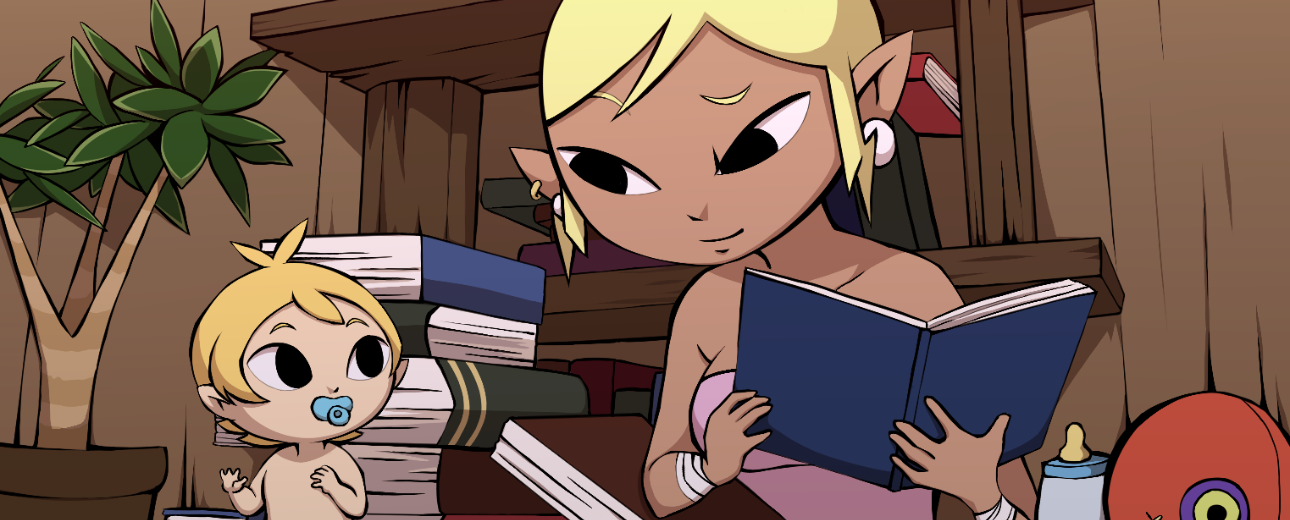
In the vast ocean of The Legend of Zelda franchise, few characters have made as bold and refreshing a splash as Tetra.
The Princess Who Chose Her Own Destiny
When The Legend of Zelda: The Wind Waker launched in 2002, players expecting another iteration of the traditional damsel-in-distress Princess Zelda were instead introduced to a sharp-tongued, confident pirate captain who commanded her own crew and took orders from no one. Tetra shattered expectations and became an instant icon, representing a dramatic evolution in how Nintendo portrayed one of gaming’s most recognizable princesses.
What makes Tetra exceptional isn’t just her unexpected reveal as Princess Zelda—though that twist remains one of the series’ most memorable moments. It’s her complete subversion of the Zelda archetype that had dominated the franchise for over fifteen years. This wasn’t a princess waiting in a castle for rescue. This was a leader, a strategist, a fighter who wielded a cutlass and navigated treacherous seas, who trusted no one easily and earned respect through action rather than birthright. According to interviews with director Eiji Aonuma published in Nintendo Power and various development retrospectives, the team specifically wanted to create a Zelda who was Link’s equal—a partner in adventure rather than a prize to be won.
The character’s design reflects this revolutionary approach. Gone were the flowing gowns and delicate tiaras of previous Zelda incarnations. Tetra sports practical pirate attire: a purple vest over a striped shirt, loose-fitting pants, a red bandana concealing her pointed ears, and boots made for climbing rigging rather than attending royal functions. Her sun-kissed skin speaks to years spent on the open ocean, and her confident posture and sharp eyes convey someone who’s survived by her wits and willpower in a dangerous world. Character designer Yoshiaki Koizumi crafted a protagonist who looked like she belonged in her environment, a pirate first and a princess only by hidden heritage.
The Wind Waker’s Great Sea setting provided the perfect backdrop for Tetra’s character. In a world flooded by the gods themselves, where kingdoms have drowned and civilization clings to scattered islands, traditional royalty means nothing. What matters is adaptability, courage, and the strength to carve out survival in harsh conditions. Tetra embodies these qualities perfectly, making her not just appropriate for the setting but essential to it. She represents what the Zelda legacy had to become to survive in this transformed world—practical, resourceful, and willing to fight for what matters.
Tetra’s impact on the franchise extends far beyond The Wind Waker. She returned in Phantom Hourglass, appeared in various spin-off titles, and influenced how subsequent games portrayed Zelda characters. The more active, combat-capable versions of Princess Zelda in later titles—particularly in Spirit Tracks, Breath of the Wild, and Tears of the Kingdom—owe a debt to the groundwork Tetra laid. She proved that players didn’t just accept but actively embraced a Zelda who was warrior and leader, not just mystic and monarch.
For fans who grew up with The Wind Waker, Tetra represents something deeply personal. She was many players’ first exposure to the Zelda franchise, their introduction to this legendary character, and she set expectations that a princess could be as brave, capable, and interesting as the hero. The character resonated particularly with young female players who finally saw themselves reflected in a Zelda character—not as someone to be protected, but as someone doing the protecting. This representation mattered then and continues to matter now as gaming strives for more diverse and empowering character portrayals.
In this comprehensive exploration, we’ll navigate every aspect of Tetra’s character across her appearances in the Zelda franchise. We’ll chart her origins both within the game’s lore and from a development perspective, analyze the personality traits that make her so compelling, examine her abilities as both pirate captain and hidden princess, explore her complex relationships with Link and her crew, and trace her appearances across multiple games and media. We’ll also dive into her cultural impact, examining how she influenced the franchise, gaming culture, and the ongoing conversation about representation in video games.
Whether you first met Tetra on the shores of Outset Island, encountered her through the manga adaptations, or discovered her through later retrospectives on The Wind Waker’s legacy, this article will provide a complete understanding of one of the Zelda franchise’s most revolutionary characters. Prepare to set sail across the Great Sea and uncover the full story of the pirate princess who proved that destiny is what you make it, not what’s chosen for you.
Early Life and Origins: From Royal Heritage to Pirate Captain
The tale of how Princess Zelda became Tetra the pirate captain is one of survival, adaptation, and the transformation of legacy in the face of catastrophe. Understanding Tetra requires understanding the apocalyptic history of the Great Sea and how royalty became piracy in a world remade by the gods themselves.
The Flooded World and the Scattered Royal Line
According to the backstory established in The Wind Waker’s prologue and elaborated in Hyrule Historia, the Great Sea exists in a timeline where Ganondorf returned after the Hero of Time’s departure, and with no hero to stop him, the gods made a desperate choice. Rather than allow Ganondorf to conquer Hyrule, the gods flooded the entire kingdom, sealing the evil king and the legendary land beneath an endless ocean. The survivors clung to mountaintops that became islands, and Hyrule’s civilization scattered across this new aquatic world.
Princess Zelda’s royal line survived the flood, but the kingdom they ruled did not. Over generations, as the memory of Hyrule faded into legend and myth, the descendants of the royal family adapted to their new reality. They couldn’t rule a drowned kingdom, so they found new purposes, new ways to survive and thrive in the Great Sea’s harsh environment. According to game lore and supplementary materials, Tetra’s mother was one of these descendants, maintaining some knowledge of their heritage while living as a pirate captain commanding a small crew.
The exact timeline of Tetra’s early life remains somewhat ambiguous by design, but key facts emerge from dialogue and environmental storytelling in The Wind Waker. Tetra was born aboard her mother’s ship or on one of the Great Sea’s many islands. Her mother served as captain of a pirate crew, a position Tetra would inherit far younger than anyone should have to shoulder such responsibility. The pirate life wasn’t a romantic adventure—it was survival, trading, treasure hunting, and occasionally engaging in morally gray activities to keep the crew fed and the ship maintained.
Tetra’s mother died when Tetra was still young, the exact circumstances never explicitly detailed in the game but implied to have been tragic and possibly violent. Before her death, she passed on two crucial items to her daughter: leadership of the crew and a mysterious stone pendant that had been passed down through their family for generations. This pendant, unknown to Tetra at the time, was actually a fragment of the Triforce of Wisdom, physically manifesting the royal heritage she didn’t know she possessed.
The Development of Tetra as a Character
From a game development perspective, Tetra’s creation represented a deliberate and bold choice by Nintendo EAD’s Zelda team during the development of The Wind Waker in the early 2000s. Director Eiji Aonuma, who had previously worked on Majora’s Mask, wanted to push the franchise in new directions both visually and narratively. The decision to adopt a cel-shaded, cartoon-like art style—initially controversial among fans who had expected something more like the realistic Spaceworld 2000 tech demo—allowed for more expressive character animation and a lighter tone than previous entries.
According to interviews published in Nintendo Dream magazine and later collected in various development retrospectives, the team wanted this new Zelda to be fundamentally different from her predecessors. Aonuma and character designer Yoshiaki Koizumi discussed creating a Zelda who could stand beside Link as an equal partner rather than someone perpetually requiring rescue. The pirate captain concept emerged from asking what kind of person would thrive in the Great Sea setting—someone tough, resourceful, and commanding respect through capability rather than title.
The name “Tetra” itself carries significance. In Greek, “tetra” means “four,” and the character’s connection to the Triforce (though comprised of three pieces) and her role as a fourth essential element alongside Link, the King of Red Lions, and eventually the King of Hyrule, makes the name symbolically appropriate. Additionally, the Triforce of Wisdom she unknowingly carries is fragmented into pieces throughout the game, with her pendant representing a portion of a greater whole—a “tetra” or fragment of divine power.
The design process involved numerous iterations before arriving at Tetra’s final appearance. Early concept art preserved in art books shows versions with different clothing styles, various weapons including firearms in some sketches, and different color palettes. The final design balanced several considerations: she needed to look like a credible pirate captain while still being immediately likable to players, young enough to be relatable to the game’s younger audience while mature enough to command a crew of adults, and distinct enough that her later transformation into Princess Zelda would feel surprising yet inevitable in retrospect.
Tetra’s Childhood and Rise to Leadership
Though the game doesn’t explicitly show Tetra’s childhood, careful analysis of dialogue and her behavior patterns allows us to reconstruct a probable history. Growing up on a pirate ship under her mother’s command, young Tetra would have learned navigation, swordplay, treasure hunting, and the complex social dynamics of managing a crew of rough individuals who lived by their own codes. This wasn’t a gentle, sheltered childhood but rather a constant education in survival, strategy, and the harsh realities of the Great Sea.
The crew dynamics suggest that Tetra inherited leadership at an age when most children are still in school. The adult pirates under her command—Gonzo, Senza, Nudge, Zuko, and Mako—show her genuine respect and loyalty, suggesting either that her mother groomed her very effectively for leadership or that Tetra proved herself quickly after inheriting the position. Several crew members’ dialogue hints that they remember her mother and honor that memory by serving Tetra faithfully, but they also make clear that Tetra has earned their respect through her own actions, not just her lineage.
Leadership at a young age forced Tetra to mature rapidly. The sharp tongue, the mistrust of outsiders, the constant testing of others’ capabilities—these traits reflect someone who learned early that the Great Sea is unforgiving and that weakness invites exploitation. Tetra couldn’t afford to be a child when she became captain. She had to project confidence, make difficult decisions, and prove repeatedly that she deserved her position. This background explains both her prickly exterior and the genuine care she shows for her crew when no one else is watching.
The years before meeting Link involved numerous adventures that are referenced but never shown. Tetra and her crew sailed throughout the Great Sea, discovering treasures, trading with various islands, and avoiding dangerous situations. They developed a reputation—not as vicious pirates who attacked innocents, but as skilled treasure hunters who could find and claim prizes others couldn’t reach. This reputation served them well, providing income, respect, and the freedom to chart their own course across the ocean.
The Hidden Heritage
The most crucial aspect of Tetra’s origins is the heritage she didn’t know she possessed. Throughout her childhood and early leadership, Tetra had no idea she was Princess Zelda’s descendant or that the pendant she wore contained a fragment of the Triforce of Wisdom. Her mother apparently chose not to reveal this information, perhaps believing that such knowledge would burden her daughter or make her a target for those who might seek the Triforce’s power.
This hidden heritage manifests in subtle ways throughout the early game. Tetra possesses an instinctive nobility that occasionally breaks through her rough pirate persona. Her sense of justice, her unwillingness to abandon those in need despite her tough-talk pragmatism, her natural leadership qualities—these traits hint at something deeper than mere upbringing. According to Hyrule Historia’s timeline and commentary, the royal bloodline carried certain qualities that persisted even when the individuals didn’t know their heritage, suggesting a almost mystical connection between bloodline and character.
The decision to keep Tetra ignorant of her heritage until the game’s midpoint serves important narrative purposes. It allows her to develop as a character independent of royal expectations, making her accomplishments her own rather than fulfilling some predestined role. When the truth is eventually revealed, Tetra must reconcile her self-made identity as a pirate captain with an inherited identity as Hyrule’s princess—a conflict that adds depth to her character arc and raises questions about identity, duty, and choice.
The Moment Everything Changed: Meeting Link
Tetra’s origin story as we experience it truly begins when her ship encounters a young boy being carried by a massive bird over the Great Sea. This chance encounter sets in motion events that will reveal her true heritage and thrust her into an ancient conflict she never knew existed. The Tetra who rescues Link from the ocean after he’s thrown from the Helmaroc King’s talons is still purely a pirate—pragmatic, slightly suspicious, but with an underlying decency that compels her to save someone in need.
This meeting represents the collision of two destinies. Link, beginning his quest to rescue his sister, has no idea the pirate captain who saves him is actually Princess Zelda. Tetra has no idea the boy she’s rescued is the latest incarnation of the legendary Hero. Both are simply doing what they believe is right in the moment, following their instincts and values without understanding the cosmic significance of their meeting. This unknowing beginning makes their relationship more genuine than if they had met as princess and hero with all the expectations such roles carry.
Personality and Traits: The Making of a Pirate Princess
Tetra’s personality is what truly sets her apart in the Zelda franchise and makes her one of the most memorable characters in the series. She’s a study in contrasts—tough but caring, mistrustful but loyal, practical but capable of idealism—and these contradictions make her feel authentic and deeply human despite the fantastical setting.
The Hardened Survivor
The first impression Tetra makes is one of confidence bordering on arrogance. When she first speaks to Link after rescuing him, her tone is brisk and businesslike. She makes clear that saving him was a pragmatic decision rather than pure altruism—he fell near her ship, so retrieving him was the decent thing to do, but she’s not interested in a thank-you parade. This attitude reflects years of living in a world where sentimentality can be exploited and where showing weakness invites trouble.
Tetra’s sharp tongue serves as both weapon and shield. She uses cutting remarks and sarcasm to maintain distance from others, testing them to see how they react and establishing dominance in social situations. When Link first meets her and her crew, she immediately takes control of the interaction, defining the terms of their encounter and making clear who’s in charge. This behavior isn’t mere rudeness—it’s a survival strategy for someone who became a leader while still a child and needed to project authority over a crew of adults.
Beneath the harsh exterior, however, lies a keen intelligence and observational skill. Tetra sizes up people and situations quickly, identifying threats and opportunities with practiced ease. She notices details others miss, formulates plans on the fly, and adapts to changing circumstances without panic. These cognitive skills make her an effective leader and a capable survivor in the Great Sea’s unpredictable environment. According to dialogue from her crew members, Tetra has navigated the crew through numerous dangerous situations through quick thinking and bold decision-making.
Trust doesn’t come easily to Tetra, and for good reason. She’s learned through experience that people often have hidden agendas and that being too trusting can lead to betrayal or exploitation. Her initial interactions with Link demonstrate this wariness—she helps him because it’s the right thing to do, but she doesn’t immediately embrace him as an ally. She watches, evaluates, and only gradually allows him closer as he proves himself through action. This cautious approach has served her well in pirate life, where alliances can be temporary and today’s friend might be tomorrow’s competitor.
The Natural Leader
Despite her youth, Tetra commands genuine respect from her crew, demonstrating leadership qualities that go far beyond her inherited position. Her crew’s loyalty isn’t based on fear or obligation but on earned respect and genuine affection for their captain. Gonzo, her first mate, shows particular devotion, always backing her decisions and serving as her right hand in all endeavors. The other crew members—Senza, Nudge, Zuko, and Mako—follow her orders without hesitation, suggesting they trust her judgment and leadership.
Tetra’s leadership style balances authority with care. She’s decisive, making calls quickly when situations demand action, but she also listens to her crew’s input and values their expertise. She knows each crew member’s strengths and assigns responsibilities accordingly, showing an understanding that effective leadership means utilizing people’s abilities rather than micromanaging everything. When situations go well, she shares credit; when things go wrong, she takes responsibility rather than deflecting blame onto subordinates.
The care she shows for her crew emerges in subtle moments. Despite her tough exterior, Tetra clearly values the men who serve under her command. She ensures they’re provided for, risks herself when they’re in danger, and demonstrates through actions that their lives and wellbeing matter to her. This protective instinct extends beyond just practical consideration for maintaining an effective crew—she genuinely cares about these people, even if she’d never say so directly. This combination of toughness and underlying compassion makes her leadership effective and explains her crew’s fierce loyalty.
Decision-making under pressure reveals Tetra’s true mettle. Throughout The Wind Waker, she faces numerous situations requiring quick judgment calls with incomplete information. Whether deciding to help Link infiltrate the Forsaken Fortress, choosing when to intervene in dangerous situations, or navigating the revelation of her true identity, Tetra consistently demonstrates the ability to make difficult choices without freezing or second-guessing herself. This decisiveness, likely honed through years of experience where hesitation could mean death, serves her well throughout the adventure.
The Hidden Softer Side
While Tetra projects toughness, careful observation reveals a softer, more vulnerable side that she works hard to conceal. Her genuine concern for others breaks through her harsh exterior in crucial moments, revealing that her sharp edges are protective armor rather than her true nature. When Link’s sister is kidnapped, for instance, Tetra not only agrees to help but shows actual empathy for his situation, understanding the fear and desperation driving him.
The relationship with her crew reveals this softer side most clearly. Away from outsiders, with just her trusted crew members, Tetra relaxes slightly. She laughs more freely, shows more emotion, and allows glimpses of the person beneath the captain’s persona. These moments demonstrate that the harsh pirate is a role she plays when necessary, not her complete identity. With people she trusts, Tetra can afford to be more authentic, showing humor, vulnerability, and genuine affection.
Tetra’s protective instincts run deep, particularly toward those she comes to care about. Once Link proves himself and earns her trust, she becomes genuinely invested in his wellbeing and success. She offers assistance not because she’s obligated but because she wants to help. This protective nature extends to innocent people being victimized—despite her pirate lifestyle, Tetra has a strong sense of justice and cannot abide seeing the helpless being preyed upon by the powerful. This underlying nobility hints at her royal heritage even before her identity is revealed.
The revelation of her identity as Princess Zelda creates an identity crisis that Tetra handles with admirable resilience. Suddenly learning you’re royalty, that you carry the Triforce of Wisdom, and that an ancient evil is targeting you specifically would devastate most people. Tetra experiences understandable shock and confusion but doesn’t let it paralyze her. She processes the information, adapts to the new reality, and continues forward. This adaptability—the ability to integrate new information about herself without losing her sense of identity—speaks to remarkable psychological flexibility and strength.
Growth and Character Development
Tetra’s character arc throughout The Wind Waker involves learning to balance her self-made identity with her inherited legacy. She begins the game as purely Tetra the pirate, with no knowledge of her royal heritage. The revelation forces her to reconcile these two identities—pirate captain and princess—and ultimately she chooses elements of both rather than abandoning one for the other. She doesn’t become a traditional princess who gives up her pirate ways, but she also accepts the responsibilities that come with being Princess Zelda when the situation demands it.
The relationship with Link catalyzes significant personal growth. Initially viewing him as just another person she happens to encounter, Tetra gradually comes to respect, trust, and care for him in ways she probably didn’t anticipate. Link proves himself repeatedly—his courage, his determination, his refusal to give up even when situations seem hopeless. These qualities earn Tetra’s admiration and gradually lower the walls she’s built around herself. By the game’s end, their partnership has become one of mutual respect and genuine friendship, with Tetra trusting Link completely and showing vulnerability she wouldn’t have allowed earlier.
Learning to accept help represents crucial growth for Tetra. As a leader responsible for her crew’s survival, she’s used to being the strong one, the one who solves problems and makes things happen. Accepting that she needs help, that she can’t handle everything alone, and that relying on others isn’t weakness but wisdom—this represents significant character development. Her willingness to work with Link, the King of Red Lions, and others to defeat Ganondorf shows maturation from someone who trusted only her crew to someone who can form alliances with outsiders when necessary.
The transformation into Princess Zelda at key moments in the game doesn’t erase Tetra’s personality or make her passive. Even when appearing in her Zelda form, she retains her spirit, her determination, and her willingness to act rather than waiting to be rescued. This continuity of character despite physical transformation reinforces that Tetra and Zelda aren’t separate people—Zelda is simply the true name and heritage of the person who’s been Tetra all along. The pirate captain is the princess, and the princess is the pirate captain, two aspects of one complex individual.
Comparative Analysis
Tetra stands out when compared to other incarnations of Princess Zelda throughout the franchise. While previous Zeldas were often mystics, wise rulers, or individuals with magical powers who primarily provided support, Tetra is an active participant in her own story from beginning to end. She doesn’t wait in a castle for rescue—she’s out on the ocean having her own adventures when she happens to encounter the hero.
Compared to Ocarina of Time’s Zelda/Sheik, Tetra shares the disguised identity aspect but differs in execution. Sheik was Zelda in disguise, hiding her true identity to survive Ganondorf’s rule. Tetra, by contrast, doesn’t know she’s Zelda—her pirate identity is genuine, not a cover story. This makes her transformation more shocking and impactful because she must reconcile an unexpected heritage rather than revealing a planned disguise.
The character also invites comparisons to other strong female leaders in gaming. Like Samus Aran from Metroid, Tetra is a capable warrior who doesn’t rely on anyone to save her. Like Aloy from Horizon Zero Dawn (released much later but worth comparing), Tetra is someone who earned her position through skill and determination rather than relying on heritage or connections. These comparisons highlight Tetra’s importance as part of gaming’s evolution toward better, more complex female character representation.
Abilities, Powers, and Skills: Arsenal of the Pirate Princess
Tetra’s capabilities span both the practical skills of a pirate captain and the mystical powers of Princess Zelda, making her one of the more versatile characters in the Zelda franchise. Understanding her full range of abilities requires examining both her learned skills and her inherited powers.
Combat and Physical Abilities
As a pirate captain, Tetra is a skilled swordswoman, proficient with the cutlass she carries at her side. While the game doesn’t showcase extensive combat sequences with Tetra as the player character, various cutscenes and references from crew members make clear she can handle herself in a fight. The fact that she commands respect from a crew of rough pirates suggests she’s proven her combat capabilities repeatedly—no crew of hardened sailors would follow a captain who couldn’t hold her own in dangerous situations.
Tetra’s fighting style, based on her appearance and personality, likely emphasizes speed and agility over raw power. She’s smaller and lighter than most opponents she’d face, so her combat approach would necessarily focus on quick strikes, evasion, and using opponents’ size and strength against them. This practical fighting style reflects someone who learned combat through experience rather than formal training, developing techniques that work for her specific physical attributes and limitations.
Navigation and sailing represent core competencies for any pirate captain, and Tetra excels in these areas. She can read weather patterns, navigate by the stars, understand ocean currents, and pilot her ship through treacherous waters with skill that comes from years of experience. These abilities, while less flashy than magical powers or sword fights, are actually more fundamental to her survival and success in the Great Sea. A pirate captain who can’t navigate effectively is useless, and Tetra’s crew trusts her to guide them safely, suggesting masterful seafaring abilities.
Climbing, acrobatics, and physical endurance are all demonstrated through Tetra’s actions in the game. She scales the rigging of her ship with ease, navigates difficult terrain when necessary, and generally moves with the confidence of someone comfortable in her body and aware of her physical capabilities. Growing up on a ship in constant motion would develop excellent balance and core strength, and Tetra’s movements reflect this athleticism. She’s not superhuman but is clearly in excellent physical condition and possesses the practical fitness needed for her lifestyle.
Leadership and Strategic Intelligence
Tetra’s intellectual abilities match or exceed her physical capabilities. She possesses strategic thinking that allows her to formulate plans, anticipate problems, and adapt to changing situations with impressive speed. Throughout The Wind Waker, she demonstrates the ability to quickly assess situations, identify the best course of action, and communicate plans effectively to others. This tactical acumen serves her well both in pirate operations and in the larger quest against Ganondorf.
Reading people represents one of Tetra’s most valuable skills. She can assess someone’s character, intentions, and capabilities through observation and interaction, a crucial ability for someone who deals with various people across the Great Sea. This skill helps her avoid dangerous alliances, identify trustworthy individuals, and generally navigate the complex social dynamics of pirate life. Her initial assessment of Link, while cautious, proves accurate—she recognizes his determination and potential even before he fully demonstrates these qualities.
Treasure hunting and puzzle-solving abilities are referenced throughout the game, with Tetra and her crew being known as successful treasure hunters across the Great Sea. Finding hidden treasures requires not just navigational skills but also the ability to decipher clues, solve puzzles, and think creatively about where valuables might be hidden. Tetra’s success in this field suggests strong problem-solving abilities and lateral thinking—skills that serve her well beyond just treasure hunting.
Negotiation and diplomacy, while perhaps unexpected for a pirate captain, are actually crucial parts of Tetra’s skillset. She needs to negotiate with merchants for supplies, with other pirates and sea folk to avoid conflicts, and with the various island communities she encounters. Her interactions throughout the game show someone capable of reading social situations and adjusting her approach accordingly—tough when strength is needed, diplomatic when negotiation serves better. This flexibility in social interactions indicates sophisticated understanding of human psychology and social dynamics.
The Triforce of Wisdom and Magical Heritage
The revelation of Tetra’s identity brings with it the inherited powers of Princess Zelda and bearer of the Triforce of Wisdom. This divine artifact grants abilities beyond normal human capabilities, though the game leaves much of this power unexplored. The Triforce of Wisdom, according to series lore documented in Hyrule Historia and various official guides, grants its bearer enhanced intuition, insight, and the ability to perceive truths hidden from others.
In practical terms, the Triforce of Wisdom manifests in several ways for Tetra. Her instinctive good judgment, her ability to see through deception, and her knack for making the right call in uncertain situations might all be partially influenced by the Triforce’s power, even before she knows she possesses it. After the revelation, she gains access to more overt magical abilities, including the Light Arrows—sacred projectiles that can harm evil beings like Ganondorf who are immune to conventional weapons.
The Light Arrows represent Tetra/Zelda’s most significant offensive magical ability shown in The Wind Waker. During the final battle against Ganondorf, Tetra wields these arrows to weaken the dark lord, allowing Link to land finishing blows. The Light Arrows, according to series lore, are manifestations of pure light that can pierce evil and darkness. That Tetra can wield them demonstrates both her royal heritage and her inherent goodness—the arrows require a pure heart and righteous purpose to use effectively.
Beyond combat applications, the Triforce of Wisdom grants Tetra enhanced magical perception. She can sense things about the world that others cannot, perceive magical barriers or enchantments, and understand ancient mysteries that would confound normal individuals. This heightened awareness becomes increasingly important as the story progresses and the conflict with Ganondorf escalates. Her ability to perceive and interact with sacred or mystical elements of the world proves crucial to ultimately defeating the evil threatening the Great Sea.
The transformation between Tetra and Princess Zelda forms represents another magical ability, though one she doesn’t fully control initially. The transformation seems connected to specific conditions or requirements—sacred places, the Master Sword’s proximity, or perhaps her own acceptance of her dual identity. In her Princess Zelda form, she appears in traditional royal attire and her concealed Hylian ears are revealed. This transformation isn’t merely cosmetic but represents accessing the full scope of her magical heritage and the powers associated with being Princess Zelda.
Limitations and Vulnerabilities
Despite her many capabilities, Tetra has clear limitations that make her more interesting and relatable as a character. Her physical size and strength, while adequate for her needs, are below average for an adult, meaning she’s at a disadvantage in direct physical confrontations against larger, stronger opponents. This is why her combat style likely emphasizes agility and technique—she has to compensate for physical limitations through skill and intelligence.
The lack of formal magical training represents a significant limitation. While Tetra possesses the Triforce of Wisdom and its associated powers, she has no training in how to use these abilities effectively. Princess Zeldas in other games often receive education in magic, mysticism, and the sacred arts. Tetra grew up as a pirate with no knowledge of her heritage, so when her identity is revealed, she suddenly has access to powers she doesn’t know how to properly control or utilize. This inexperience with her own magical abilities creates vulnerability in situations where trained magical prowess would be advantageous.
Trust issues, while beneficial for survival, can also be a limitation. Tetra’s difficulty trusting others means she sometimes refuses help she actually needs or fails to form alliances that would benefit her. Her instinctive self-reliance, while admirable, can become stubbornness that makes situations more difficult than necessary. Learning when to trust and accept assistance represents part of her character growth, but the limitation remains a factor throughout her story.
The emotional vulnerability that comes with caring about others creates tactical weaknesses. Once Tetra comes to care about Link, her crew, and others, she gains emotional attachments that enemies can potentially exploit. A completely ruthless pirate with no attachments would be harder to manipulate or threaten than someone who cares deeply about others’ wellbeing. Ganondorf’s kidnapping of Tetra near the end of The Wind Waker demonstrates how her identity and importance to others makes her a target, turning her very significance into a vulnerability.
Signature Items and Equipment
Tetra’s cutlass serves as her primary weapon, a practical pirate’s blade suited to close-quarters combat. While we don’t see extensive detail about the sword itself, it’s clearly a well-maintained weapon that she’s comfortable wielding. The cutlass represents her pirate identity—it’s not a mystical blade like Link’s Master Sword but a practical tool for someone living a practical life on the ocean.
The Triforce fragment pendant she wears unknowingly represents her most significant possession before the revelation of her identity. This piece of jewelry, passed down from her mother, contains a portion of the Triforce of Wisdom and serves as both a symbol of her heritage and a source of mystical protection. The pendant’s glow in the presence of sacred power serves as the first clue to Tetra’s true identity, marking her as someone special even when she doesn’t understand why.
Tetra’s ship serves as perhaps her most important “equipment”—her base of operations, her home, and the thing that enables her lifestyle as a pirate captain. While the ship belongs to the entire crew, Tetra as captain has the final say in where it goes and what it does. The ship represents her independence, her command, and her ability to chart her own course through the Great Sea both literally and metaphorically. Without the ship, Tetra couldn’t be the pirate captain; it’s essential to her identity and capabilities.
Relationships and Allies: The Pirate Princess’s Inner Circle
Tetra’s relationships define much of her character, revealing the person beneath the tough exterior and showing how she evolves throughout her adventures. From her loyal crew to her developing bond with Link, these connections showcase different facets of her personality and values.
The Pirate Crew: Her Chosen Family
Gonzo serves as Tetra’s first mate and most trusted lieutenant, a position that carries significant responsibility and requires complete trust from the captain. Gonzo is older than Tetra, experienced in pirate life, and could potentially command his own ship—yet he chooses to serve under her, speaking volumes about his respect for her abilities. Their relationship appears almost fraternal, with Gonzo protective of Tetra while still respecting her authority and independence. He offers advice when appropriate but never undermines her decisions, walking the difficult line between counselor and subordinate.
The dynamic between Tetra and Gonzo reveals important aspects of her leadership. She trusts him enough to delegate important tasks, relies on his experience when needed, and values his input on major decisions. However, she also makes clear that final decisions rest with her, maintaining the authority structure necessary for effective command. Gonzo, for his part, seems to understand Tetra’s need to assert authority and supports her publicly while offering honest feedback privately. This mutual respect creates a functional partnership that benefits both the crew and their various endeavors.
Senza, Nudge, Zuko, and Mako round out Tetra’s primary crew, each bringing specific skills and personalities to the group. While individually less developed than Gonzo, collectively they represent the family Tetra has built through pirate life. They follow her orders without hesitation, defend her when necessary, and clearly care about her wellbeing. The crew’s casual banter and comfortable interactions suggest years of working together, building trust and camaraderie through shared experiences and dangers.
The crew’s loyalty is tested and proven throughout The Wind Waker’s events. When situations become increasingly dangerous—infiltrating Ganondorf’s fortress, facing mythical monsters, participating in an ancient battle between good and evil—the crew stays with Tetra. They could abandon ship, literally and figuratively, seeking safer lives. Instead, they remain loyal to their captain, following her into dangers they never signed up for because they trust her judgment and won’t abandon someone who’s never abandoned them. This loyalty goes beyond mere employment or pirate code—it’s genuine devotion earned through years of mutual respect and care.
Tetra’s treatment of her crew reveals her underlying compassion and sense of responsibility. Despite her sharp tongue and tough demeanor with outsiders, she ensures her crew is well-treated, fairly compensated, and protected from unnecessary danger. When situations go wrong, she takes responsibility rather than scapegoating subordinates. When crew members distinguish themselves, she acknowledges their contributions. This fair, protective leadership earns the crew’s loyalty more effectively than fear or obligation ever could.
Link: From Stranger to Trusted Partner
The relationship between Tetra and Link forms the emotional core of The Wind Waker, evolving from mutual suspicion to genuine partnership and friendship. Their first meeting, with Tetra rescuing Link from the ocean after the Helmaroc King drops him, establishes the dynamic that will define their relationship—Tetra in a position of power and competence, Link needing assistance but proving himself capable of handling the situation better than might be expected.
Initially, Tetra views Link as she views most people—with cautious interest and suspicion. He’s a kid from a backwater island with no experience in the wider Great Sea, chasing after a kidnapped sister with more determination than sense. She helps him because it’s the right thing to do, but she doesn’t expect much from him. Her early interactions involve testing him, pushing him to see what he’s made of, and maintaining emotional distance while assessing whether he’s worth further investment of her time and resources.
Link steadily earns Tetra’s respect through demonstrated competence and unwavering determination. When he successfully infiltrates the Forsaken Fortress (with Tetra’s help), survives challenges that would defeat most adults, and shows genuine courage in the face of overwhelming odds, Tetra’s perception shifts. She begins to see him not as a naive child but as someone genuinely capable, someone whose determination and courage make up for his lack of experience. This growing respect changes how she interacts with him—less condescension, more genuine partnership.
The revelation of their respective identities—Link as the Hero and Tetra as Princess Zelda—adds new dimensions to their relationship. Suddenly they’re not just pirate captain and determined kid but participants in an ancient cycle of hero and princess facing ultimate evil. This knowledge could create awkwardness or change their dynamic fundamentally, but interestingly, it doesn’t. They continue relating to each other as Tetra and Link rather than Princess and Hero, suggesting their personal connection transcends their legendary roles.
The developing friendship between Tetra and Link showcases both characters’ growth. Tetra learns to trust someone outside her crew, to share vulnerability, and to accept help without viewing it as weakness. Link gains an ally who treats him as an equal rather than a child, someone who believes in his capabilities and pushes him to excel. Their partnership becomes one of mutual support—they save each other, rely on each other, and work together to overcome challenges neither could handle alone.
Some players and fans have read romantic undertones in Tetra and Link’s relationship, though the game keeps any such elements subtle and ambiguous. The hand-holding scene late in the game, where Tetra takes Link’s hand as they face Ganondorf, could be interpreted as romantic or simply as two people facing danger together finding comfort in connection. Nintendo deliberately leaves this aspect open to interpretation, allowing players to read the relationship as deep friendship, first romance, or something in between depending on their perspective.
The final scenes of The Wind Waker crystallize what Tetra and Link have come to mean to each other. When the ancient Hyrule is flooded permanently and they must escape, when they emerge into a new world full of possibilities, they face this uncertain future together. The game ends with Tetra and Link setting sail to find new lands, suggesting their partnership will continue beyond the immediate crisis. This shared future, chosen by both, represents the ultimate expression of trust and connection—they’re choosing to face whatever comes next side by side.
The King of Red Lions and King Daphnes Nohansen Hyrule
The King of Red Lions, the mysterious talking boat that guides Link throughout The Wind Waker, has a complex relationship with Tetra that changes dramatically when his true identity as King Daphnes Nohansen Hyrule—the last king of old Hyrule—is revealed. Initially, Tetra interacts with the King of Red Lions as she would any talking magical boat (which says something about the Great Sea’s strangeness), with mild interest and some suspicion about his true motives and identity.
The revelation that the King is actually Daphnes, the ancient king of Hyrule and her ancestor, creates a complicated dynamic. Here is a direct link to her royal heritage, someone who knew her family line before the flood, who understands what it means to be Princess Zelda in ways Tetra doesn’t. Daphnes represents the weight of history and expectation that Tetra never asked for, the royal duty she inherited without choosing it, and the legacy she’s expected to uphold.
Their relationship is marked by mutual respect but also tension. Daphnes sees in Tetra the continuation of the royal line he once served and ruled as part of. He views her through the lens of Princess Zelda, emphasizing her heritage and responsibilities. Tetra, however, hasn’t spent her life preparing to be royalty—she’s a pirate captain who’s built her own identity and earned respect through her own actions. Being suddenly told she’s princess and heir to a drowned kingdom doesn’t automatically change who she is or what she values.
The King’s decision at the end of The Wind Waker to let ancient Hyrule remain flooded, giving up on restoring the lost kingdom in favor of letting Tetra and Link build a new future, represents acceptance of Tetra’s right to choose her own destiny. Rather than forcing her into a predetermined role, Daphnes acknowledges that the future belongs to the new generation and they should be free to create it as they see fit. This final act shows growth in their relationship and Daphnes’s ultimate respect for Tetra as an individual rather than just a vessel for continuing the past.
Ganondorf: The Ancient Enemy
Tetra’s relationship with Ganondorf is adversarial by necessity and destiny. As Princess Zelda and bearer of the Triforce of Wisdom, she’s naturally opposed to Ganondorf’s possession of the Triforce of Power and his attempts to rule or destroy the world. However, unlike previous incarnations of Zelda who often had personal history with Ganondorf or understood the conflict from the beginning, Tetra discovers her role in this ancient battle accidentally and must adapt to being targeted by an evil force she didn’t know existed.
Ganondorf’s kidnapping of Tetra near the end of the game demonstrates his strategic thinking—she’s valuable both as Princess Zelda and as bait to lure Link into a trap. The scenes with Tetra imprisoned show her refusing to be cowed despite being at the mercy of the dark lord. Even captured and powerless, she maintains her spirit and dignity, refusing to give Ganondorf the satisfaction of seeing her afraid. This courage in the face of overwhelming evil showcases her strength of character and refusal to surrender to fear.
The final battle, where Tetra fights alongside Link against Ganondorf, represents the culmination of their adversarial relationship. Unlike some previous Zelda incarnations who provided support from afar, Tetra actively participates in the fight, wielding the Light Arrows to weaken Ganondorf while Link engages him in sword combat. This active role in her enemy’s defeat allows Tetra agency in resolving the conflict rather than being merely a prize fought over by hero and villain.
Other Connections and Interactions
Throughout The Wind Waker, Tetra interacts with various other characters across the Great Sea, though most of these interactions are brief or offscreen. Her reputation precedes her in many locations—people know of Tetra and her crew, suggesting they’ve built relationships and reputation across the islands over years of traveling and trading.
The relationship with Link’s family, particularly his sister Aryll and grandmother, remains tangential but positive. Tetra helps rescue Aryll, and one imagines Link’s family views her favorably as both the person who saved Link initially and someone who helped save Aryll. The game doesn’t explore these connections deeply, but they exist as part of the broader web of relationships that develop through the adventure.
The various island communities Tetra and her crew visit likely have mixed feelings about them. Pirates aren’t always welcome, even relatively honorable ones like Tetra’s crew. Some communities might view them with suspicion or outright hostility, while others might appreciate their willingness to trade and their general policy of not victimizing innocents. These varied relationships across the Great Sea reflect the complex reality of pirate life—sometimes welcomed, sometimes tolerated, sometimes chased away, but never ignored.
Appearances in Media: Charting Tetra’s Journey Across the Franchise
Tetra’s presence in the Legend of Zelda franchise extends beyond her debut in The Wind Waker, encompassing sequels, spin-offs, and various adaptations that expand and explore her character across different media formats.
The Legend of Zelda: The Wind Waker (2002)
Tetra’s debut appearance in The Wind Waker for the Nintendo GameCube remains her most significant and defining role. As one of the game’s central characters, she appears throughout the adventure, driving plot developments and serving as Link’s primary ally and companion. The game introduces players to Tetra through a dramatic rescue, with her ship appearing and her crew fishing Link from the ocean after the Helmaroc King drops him.
Her role in The Wind Waker can be broken into several key phases. The early game establishes Tetra as an independent operator with her own goals and agenda. She helps Link infiltrate the Forsaken Fortress to rescue the kidnapped girls, including his sister, demonstrating both her combat capabilities and her underlying sense of justice. Despite her tough exterior, she can’t ignore innocents being victimized and chooses to act rather than remain uninvolved.
The midgame revelation of her identity as Princess Zelda represents The Wind Waker’s most significant plot twist. After Link claims the Master Sword, the blade’s power reacts to Tetra’s Triforce fragment, and King Daphnes reveals her true heritage. The scene handles this revelation with surprising emotional depth—Tetra’s shock and confusion, her struggle to reconcile this new identity with who she’s always thought herself to be, and her gradual acceptance of both her heritage and the responsibilities it carries all play out through excellent animation and voice direction.
Following the revelation, Tetra’s role shifts somewhat. She spends time in Hyrule Castle beneath the waves, hidden and protected while Link gathers what’s needed to power up the Master Sword. Some fans criticized this section for sidelining Tetra, turning her into the traditional kidnapped princess after spending most of the game as an active participant. However, her capture by Ganondorf and imprisonment serve plot purposes, and she remains spirited and unbroken even while imprisoned.
The climactic battle atop Ganon’s Tower restores Tetra’s active role. After being freed, she fights alongside Link in the final confrontation with Ganondorf, wielding the Light Arrows to create openings for Link’s attacks. This cooperative final boss battle, requiring both characters working in tandem to defeat the dark lord, reinforces their partnership and allows Tetra to participate directly in saving the world rather than watching from the sidelines.
The game’s ending shows Tetra and Link setting sail together to find new lands, suggesting their partnership will continue beyond the immediate crisis. This open-ended conclusion left room for the sequel and demonstrated Nintendo’s recognition that Tetra had become too important and popular to simply write out of the franchise.
The Legend of Zelda: The Wind Waker HD (2013)
The high-definition remake of The Wind Waker for Wii U brought Tetra to a new generation of players with enhanced graphics, improved lighting, and various gameplay refinements. While the fundamental story and character remained unchanged, the HD treatment made Tetra’s cel-shaded appearance even more striking, with improved texture work and lighting making her character model more detailed and expressive.
The remake also featured the Tingle Bottle system (later changed to Miiverse integration before that service shut down), allowing players to share messages and screenshots. Many players used this feature to share favorite Tetra moments, screenshots of her character, and appreciation for her role in the story, demonstrating her enduring popularity more than a decade after her debut.
The Legend of Zelda: Phantom Hourglass (2007)
Tetra returns as a major character in Phantom Hourglass, the direct sequel to The Wind Waker released for the Nintendo DS. The game begins with Tetra and Link sailing together to find new lands, continuing directly from The Wind Waker’s ending. Their ship encounters the Ghost Ship, a supernatural vessel surrounded by dark magic, and Tetra—demonstrating the courage and curiosity that define her character—decides to investigate despite obvious danger.
The Ghost Ship’s magic overwhelms Tetra, transforming her into stone and spiriting her away to a cursed realm. This incapacitation early in the game once again places Tetra in the role of rescue objective, which some fans found disappointing after The Wind Waker established her as capable of defending herself. However, the supernatural nature of the threat—immediate petrification rather than capture through defeat—at least preserves Tetra’s competence by showing her overwhelmed by magic rather than outfought in combat.
Link’s quest throughout Phantom Hourglass focuses on rescuing Tetra, navigating the game’s oceanic world and eventually reaching the Ocean King’s temple where she’s held. The game’s plot reveals that the demon Bellum targeted Tetra specifically because of her life force and power, recognizing her as someone of special significance. When finally freed near the game’s conclusion, Tetra helps Link in the final battle, maintaining her role as ally rather than merely being rescued and standing aside.
The game’s ending shows Tetra and Link’s crew relieved and happy to have their captain back, reinforcing the found-family dynamic established in The Wind Waker. Tetra remains her spirited self despite her ordeal, quickly reasserting command of her crew and continuing the quest to find new lands. The game’s final scenes suggest their adventures will continue, leaving open the possibility of future stories.
The Legend of Zelda: Spirit Tracks (2009)
Spirit Tracks, while set in the same timeline as The Wind Waker and Phantom Hourglass, takes place approximately a century later, featuring a different Link and a different Zelda. However, the game explicitly states that this kingdom was founded by Tetra, establishing her lasting legacy within this timeline. According to the game’s backstory, Tetra and her crew discovered new lands after the events of Phantom Hourglass and established a kingdom there, with Tetra serving as its first monarch.
This backstory information positions Tetra as a legendary figure within Spirit Tracks’ world—the founder of the kingdom, the pirate who became a princess (or perhaps more accurately, the princess who chose to remain a pirate until finding her own kingdom to build). The kingdom she founded reflects values she demonstrated throughout The Wind Waker: independence, courage, and the freedom to choose one’s own path. Tetra didn’t restore old Hyrule but created something new, on her own terms, representing the triumph of self-determination over predetermined destiny.
While Tetra doesn’t appear personally in Spirit Tracks (having lived and died approximately a century before the game’s events), her presence is felt throughout. The kingdom’s founding, its values, and its very existence trace back to her choices and actions. This legacy appearance demonstrates how significantly Tetra impacted the Zelda franchise—she’s not just a character in two games but someone whose actions shaped an entire timeline’s future, with kingdoms and civilizations arising from her decisions.
Hyrule Warriors and Hyrule Warriors Legends
Tetra appears as a playable character in Hyrule Warriors Legends (the 3DS version of the game) and its subsequent ports and expansions, marking one of her few appearances outside the Wind Waker timeline. In this non-canonical crossover fighting game that brings together characters from across Zelda history, Tetra fights using her pirate training, combining sword skills with various tools and techniques befitting a treasure hunter.
Her moveset in Hyrule Warriors emphasizes her pirate background, featuring cutlass strikes, agile movements, and special attacks involving her crew members and pirate-themed abilities. The inclusion of Tetra alongside more traditionally powerful characters like Ganondorf, Link, and various incarnations of Zelda demonstrates her popularity and recognizability within the franchise—she earned a spot in this all-star roster based on fan appeal and her significant role in the series’ history.
The game’s Legend Mode includes scenarios specifically featuring Tetra, allowing players to experience adventures with her as the central character. While these scenarios aren’t canonical within the Zelda timeline, they provide opportunities to play as Tetra in ways the original games never allowed, giving fans the chance to directly control this character and experience her combat capabilities firsthand.
Super Smash Bros. Series
While Tetra has never been a playable character in the Super Smash Bros. series, she appears as a trophy in Super Smash Bros. Brawl (Wii) and as a spirit in Super Smash Bros. Ultimate (Nintendo Switch). These collectibles feature artwork and descriptions of her character, introducing her to players who might not have played The Wind Waker and recognizing her importance to the Zelda franchise.
The trophy and spirit descriptions typically emphasize both her pirate identity and her secret heritage as Princess Zelda, encapsulating the dual nature that makes her character so interesting. For many Smash Bros. players whose primary experience with Zelda comes through that franchise rather than the main games, these collectibles serve as introductions to one of the series’ most unique and beloved characters.
Manga and Comic Adaptations
The Legend of Zelda: The Wind Waker manga adaptation by Akira Himekawa expands on Tetra’s character and story, providing additional depth and scenes not present in the game. The manga format allows for more explicit internal monologue and emotional expression, giving readers greater insight into Tetra’s thoughts, feelings, and motivations throughout her adventure.
The manga adaptation explores Tetra’s backstory more thoroughly, including scenes of her mother and her early days as captain. It also develops her relationship with Link more explicitly, giving more screentime to their growing friendship and trust. While not official Nintendo canon, the manga is officially licensed and provides interesting alternative interpretations and expansions of Tetra’s story that many fans appreciate and embrace as valid interpretations of the character.
Merchandise and Promotional Materials
Tetra appears in various official Zelda merchandise, including figurines, art prints, clothing, and other collectibles. The World of Nintendo toy line has produced Tetra figures, and various statue and figure companies have created high-end collectibles featuring her likeness. The First4Figures company, known for premium video game statues, has produced Tetra collectibles that sell for hundreds of dollars and demonstrate the character’s lasting appeal to collectors.
Her image appears on official Zelda art prints, posters, and promotional materials, often alongside Link and other major characters from The Wind Waker. The fact that marketing materials frequently feature Tetra prominently—often as prominently as Link himself—speaks to her importance to The Wind Waker’s identity and appeal. She’s not relegated to background status in promotional imagery but is presented as a co-star deserving equal billing.

Cultural Impact and Legacy: How Tetra Changed the Game?
Tetra’s impact on both the Legend of Zelda franchise and gaming culture more broadly extends far beyond her actual screentime, representing a significant moment in the evolution of how games portrayed female characters, particularly in franchises with established traditions.
Fan Reception and Critical Acclaim
When The Wind Waker released in 2002, the game’s art style generated significant controversy, with many fans initially rejecting the cel-shaded, cartoon-like graphics in favor of the more realistic style shown in previous Spaceworld demo footage. However, as players actually experienced the game, reception shifted dramatically. The Wind Waker is now widely regarded as one of the best Zelda games, and much of that reevaluation centers on elements like storytelling, character development, and Tetra specifically.
Critics and players praised Tetra’s character nearly universally. Gaming publications highlighted her as one of The Wind Waker’s strengths, with reviews specifically calling out how refreshing and well-developed she was compared to previous Zelda characters. According to reviews compiled on sites like Metacritic and in gaming magazines from the era, Tetra was frequently mentioned as a standout element even by reviewers who had mixed feelings about other aspects of the game.
The character resonated particularly strongly with female players, many of whom had limited options for strong, complex female characters in major gaming franchises at the time. Tetra wasn’t a prize to be won, a damsel to be rescued (at least not primarily), or a support character existing only to help the male protagonist. She was a leader with her own goals, her own crew, and her own adventures that happened to intersect with Link’s quest. This representation mattered tremendously to players hungry for female characters who weren’t defined primarily by their relationships to male characters.
Fan communities embraced Tetra enthusiastically. Forums, fan sites, and early social media discussions about The Wind Waker often centered on appreciation for her character, analysis of her personality and motivations, and discussion of what she represented for the franchise’s future. Fans created extensive art, fiction, and other creative works featuring Tetra, often exploring aspects of her character and backstory the game left ambiguous or unexplored.
Influence on the Zelda Franchise
Tetra’s success influenced how subsequent Zelda games portrayed Princess Zelda and female characters generally. While not every game followed The Wind Waker’s timeline, the character proved that players not only accepted but actively preferred a more active, capable Zelda over the traditional passive princess archetype. This opened doors for future iterations to take more creative approaches to the character.
The Legend of Zelda: Spirit Tracks features Princess Zelda as Link’s active companion throughout the adventure, possessing a Phantom and fighting alongside him. This design decision—making Zelda a playable ally rather than someone to rescue—reflects lessons learned from Tetra’s reception. Players enjoyed having a competent, interesting partner rather than a distant princess, so Nintendo gave them more of what worked.
Breath of the Wild and Tears of the Kingdom present Princess Zelda as a scholar, researcher, and eventually a powerful force in her own right, someone whose contributions to saving Hyrule equal Link’s in importance and scope. While these Zeldas differ from Tetra in personality and approach, they share her quality of being fully realized characters with agency, goals, and capabilities independent of the hero. The franchise’s evolution toward more complex, active female characters owes a debt to the groundwork Tetra laid.
The character also demonstrated that diverging from the traditional Zelda formula could work. The Wind Waker took risks with its art style, setting, and character portrayals, and while initially controversial, ultimately these risks paid off critically and commercially. Tetra specifically showed that players would embrace new interpretations of classic characters if those interpretations were well-executed and true to their core qualities even while presenting them differently.
Representation and Gaming Discourse
Tetra became part of broader conversations about representation in video games, particularly regarding female characters and how to write them effectively. Gaming critics and scholars have cited her as an example of good character writing—someone whose gender is relevant to her characterization but doesn’t define her entire existence, someone who’s feminine without being sexualized, and someone who demonstrates traditional heroic qualities without simply being “a male character but female.”
Academic analyses of gender in video games sometimes reference Tetra as a positive example of how to create strong female characters. Papers and book chapters examining representation in gaming have noted how Tetra subverts expectations while remaining true to core character qualities, how her design balances practical functionality with distinct personality, and how her relationships develop naturally rather than being forced into romantic tropes despite opportunities to do so.
The cosplay community embraced Tetra enthusiastically, with her pirate outfit becoming a popular costume at gaming conventions. Unlike some female video game characters whose designs prioritize sex appeal over practicality, Tetra’s outfit is something someone could actually wear while engaging in pirate activities—it’s functional, allows freedom of movement, and makes sense for her lifestyle. This practical design makes it both appealing for cosplayers to recreate and serves as an example of how to design female characters who look good without being objectified.
Fan discussions about best Zelda characters, best female video game characters, and best supporting characters in gaming regularly include Tetra. Lists compiled by gaming websites, fan polls, and community rankings frequently place her among the top characters in the franchise, often ranking her as the best incarnation of Zelda/Princess Zelda across the entire series. This sustained popularity years after her debut demonstrates genuine lasting impact rather than momentary novelty.
Merchandise and Commercial Appeal
Tetra’s commercial appeal is evident in the consistent production of merchandise featuring her character. Unlike some Zelda characters who appear in merchandise primarily because they’re in every game (like Link, Zelda, and Ganon), Tetra appears specific to The Wind Waker and its sequels, yet still generates enough interest to justify producing collectibles and products featuring her.
The collectibles market for Tetra items demonstrates dedicated fan interest. Limited edition statues and figures featuring her character often sell out quickly and command premium prices in the secondary market. This commercial viability confirms what fan enthusiasm suggested—Tetra isn’t a niche character appreciated only by hardcore fans but has broad enough appeal to justify commercial production and generates sufficient demand to sell products at premium price points.
Official Zelda art books, encyclopedias, and reference materials consistently feature Tetra prominently, giving her extensive coverage that matches her importance to The Wind Waker’s story and the franchise overall. The Hyrule Historia, considered the definitive official guide to Zelda lore and history, dedicates significant space to Tetra, her story, and her place in the franchise’s timeline. This official recognition from Nintendo confirms her significance within the franchise’s pantheon of important characters.
Influence Beyond Gaming
Tetra’s influence extends beyond gaming into broader pop culture discussions about storytelling, character development, and representation. She’s been referenced in discussions about Pirates in media, about effective female character writing, and about how to handle legacy characters while keeping them fresh and relevant. Writers and creators outside gaming have cited her as an example of effective character reimagining—taking an established character and presenting them in a new way that honors what made them work originally while adding new dimensions.
The character has inspired creative works beyond just fan art and fiction. Musicians have composed pieces inspired by Tetra, writers have analyzed her character in essays and articles, and game designers have discussed her as an influence on their own character creation processes. This reach beyond just gaming fandom into broader creative communities demonstrates cultural impact that transcends the medium of her origin.
Educational content about game design and storytelling often uses Tetra as a case study. YouTube channels focused on game analysis, writing, and design have produced videos examining what makes her character effective, how her reveal as Princess Zelda is foreshadowed and executed, and what lessons contemporary game developers can learn from her creation. These educational uses confirm her value not just as entertainment but as an example of craft worth studying and learning from.
Legacy and Ongoing Relevance
More than two decades after her debut, Tetra remains relevant in gaming discourse. When new Zelda games release, fans inevitably discuss how Princess Zelda is portrayed and whether she lives up to the standard Tetra set for active, interesting, capable incarnations of the character. This ongoing relevance demonstrates that Tetra isn’t just a nostalgic favorite but a character whose impact continues influencing the franchise and fan expectations.
The character serves as a benchmark against which other Zelda characters are measured. When Spirit Tracks presented an active Zelda who fought alongside Link, comparisons to Tetra were inevitable. When Breath of the Wild revealed Zelda’s extensive role in the backstory and her eventual sacrifice, fans drew parallels to Tetra’s arc. Even when new games don’t directly reference The Wind Waker’s timeline, Tetra’s legacy influences how fans receive and interpret new presentations of Princess Zelda.
For younger players discovering The Wind Waker through the HD remake or through retrospectives and recommendations, Tetra continues to make fresh impressions rather than feeling dated. The character’s core qualities—courage, leadership, competence, complexity—remain appealing regardless of when players encounter her. This timeless quality suggests that Tetra will continue influencing players for years to come, introduced to new generations who will appreciate what made her special just as players did in 2002.
Trivia and Fun Facts: Hidden Treasures About the Pirate Princess
The depths of Tetra’s character and creation contain numerous fascinating details that even dedicated fans might not know, revealing the care Nintendo’s developers invested in crafting this memorable character.
- Tetra’s name comes from the Greek word for “four,” which has multiple symbolic meanings. It could reference the four pieces of the Triforce of Courage scattered throughout The Wind Waker, or perhaps the four cardinal directions her ship navigates across the Great Sea.
- The decision to make this incarnation of Zelda a pirate captain was partially inspired by the team’s desire to match the character to the Great Sea setting. According to interviews in Nintendo Power, the developers asked themselves what kind of person would thrive in this world, and “pirate” was the natural answer.
- Tetra’s original concept designs were significantly different, with some iterations showing her in more traditional pirate garb including a tricorn hat. The design team ultimately chose the red bandana as more distinctive and practical for active movement.
- Voice actress Sachi Matsumoto provided Tetra’s various sounds and exclamations in the original Japanese version. The international versions kept most of her vocal work, believing her performance captured the character’s spirit regardless of language barriers.
- The reveal of Tetra’s identity as Princess Zelda was kept remarkably secret before The Wind Waker’s release, with promotional materials and previews careful not to spoil this twist. Players discovering this revelation during gameplay experienced genuine surprise, making it one of gaming’s more successful plot twist protections.
- In early development, the team considered making Tetra’s identity as Zelda obvious from the beginning rather than a midgame reveal. They ultimately decided the surprise revelation made for better storytelling and allowed Tetra to develop as a character before the Zelda identity added complications.
- Tetra’s pirate crew was named after numbers in various languages—Gonzo (five), Senza (three), Nudge (six), Zuko (nine), and Mako (zero). This naming scheme connects to Tetra’s own number-based name and suggests a cohesive theme in the game’s character naming conventions.
- The transformation scene where Tetra becomes Princess Zelda in The Wind Waker was one of the most technically complex cutscenes in the game, requiring special animation work to handle the magical transformation smoothly while maintaining the cel-shaded aesthetic.
- Tetra is one of the youngest characters to command an entire crew in video game history, with various context clues suggesting she’s perhaps fourteen or fifteen years old. This makes her leadership all the more impressive and speaks to her exceptional capabilities.
- The design team deliberately gave Tetra sun-tanned skin to emphasize her life on the ocean, contrasting with Princess Zelda’s traditionally pale complexion and reinforcing how her environment shaped her appearance.
- In the game’s files, Tetra’s Princess Zelda form is technically a separate character model rather than just a costume change, reflecting how the transformation represents a significant change rather than just different clothes.
- Tetra was featured in a Japanese commercial for The Wind Waker that never aired in Western markets, showing her in action scenes that emphasized her combat capabilities and leadership qualities.
- The Wind Waker’s development team included significantly more women than previous Zelda games, and according to interviews, their input influenced how Tetra was characterized, helping ensure she felt authentic rather than being a male writer’s idea of a strong female character.
- Tetra’s cutlass, while never given a specific name in the games, was designed with a practical, worn appearance suggesting it’s a working weapon rather than a ceremonial piece, reinforcing her identity as a functional pirate rather than someone playing at the role.
- Early test animations for Tetra included her actually engaging Link in a sparring match, showing her swordplay skills explicitly. These animations were cut for time but demonstrate that the developers conceived of her as genuinely skilled in combat rather than just carrying a weapon for show.
- The red bandana Tetra wears serves the practical purpose of hiding her pointed Hylian ears, preventing others from recognizing her heritage. This detail is easy to miss but reflects thoughtful worldbuilding about why her identity remained secret.
- Tetra appears in The Wind Waker for approximately 30% of the game’s runtime, a remarkably high percentage for a supporting character and reflecting her importance to the story. By comparison, Princess Zelda in Ocarina of Time appears for less than 10% of that game.
- The game’s script originally included more scenes showing Tetra interacting with her crew during downtime, providing additional character development. These were cut for pacing but reflect the developers’ desire to show her life beyond just the main plot.
- Tetra’s transformation into Princess Zelda doesn’t just change her appearance but also her voice, becoming softer and more refined, suggesting the magic reveals not just her true form but something of her true noble nature that the pirate persona concealed.
- In Phantom Hourglass’s development, the team debated whether to have Tetra maintain her pirate identity or embrace being Princess Zelda. They ultimately kept her as Tetra, recognizing that players loved the pirate captain and that forcing her into a traditional princess role would betray the character’s essence and appeal.
The Enduring Legacy of the Pirate Princess
As we’ve navigated through the complete story of Tetra—from her origins as a pirate captain to her revealed identity as Princess Zelda, from her debut in The Wind Waker to her lasting impact on gaming culture—one truth becomes clear: this character represents something genuinely special in video game history. She’s not just another memorable supporting character but someone who challenged conventions, exceeded expectations, and permanently changed how fans view one of gaming’s most iconic characters.
What makes Tetra so enduringly compelling is how she embodies multiple appealing qualities simultaneously. She’s tough without being cold, vulnerable without being weak, feminine without being sexualized, capable without being perfect. She’s a leader who makes mistakes, a fighter who knows when to retreat, and a pirate with a heart of gold hidden beneath a cynical exterior. These contradictions don’t make her confusing—they make her human, relatable, and real despite the fantastical setting.
The character’s greatest achievement might be proving that Princess Zelda could be reconceived fundamentally while remaining true to what makes the character work. Tetra is unquestionably Princess Zelda—she possesses the Triforce of Wisdom, she’s the legendary princess destined to face Ganondorf alongside the Hero, she fulfills all the traditional Zelda roles. Yet she does so while being a pirate captain, a swordswoman, and someone who earned respect through actions rather than inherited it through birth. She demonstrates that core character qualities can be expressed through radically different presentations, that tradition and innovation aren’t mutually exclusive, and that honoring what came before doesn’t mean simply repeating it.
For players who experienced The Wind Waker when it first released, Tetra was a revelation—proof that Nintendo could take creative risks with beloved franchises and succeed, evidence that gaming was maturing in how it portrayed characters, and a genuinely enjoyable companion for Link’s adventure. For players who discovered her later through the HD remake or through retrospectives, she represents what makes classic games classic—characters and stories that remain compelling regardless of when you encounter them, that feel fresh and relevant rather than dated.
The influence Tetra had on the Zelda franchise cannot be overstated. While subsequent games might not feature pirate versions of Princess Zelda, they’ve consistently presented more active, capable, interesting incarnations of the character. From Spirit Tracks’ Zelda possessing Phantoms and fighting alongside Link, to Breath of the Wild’s Zelda whose scholarly pursuits and eventual sacrifice save Hyrule, to Tears of the Kingdom’s Zelda whose choices drive the entire plot, these increasingly complex portrayals owe a debt to the groundwork Tetra laid. She proved that players wanted Princess Zelda to be a character with depth, agency, and importance beyond being a prize for the hero to win.
Beyond the franchise, Tetra’s impact on gaming culture and conversations about character representation resonates still. She’s a frequent touchstone in discussions about effective female character writing, about how to handle legacy characters, and about what makes supporting characters memorable. Game developers, writers, and analysts continue referencing her as an example of craft worth studying and learning from, ensuring her influence extends beyond just the games she appeared in.
Looking to the future, while Tetra might not appear in upcoming Zelda games (given that new titles aren’t following The Wind Waker’s timeline), her legacy lives on in every interesting, capable portrayal of Princess Zelda and other female characters in the franchise. Each time a Zelda game presents its Princess Zelda as someone active, intelligent, and important to the plot, that’s Tetra’s legacy. Each time a female character in gaming is allowed to be tough, competent, and complex without being masculinized or sexualized, that’s a path Tetra helped clear.
For cosplayers, Tetra offers an appealing challenge—her outfit is practical enough to wear comfortably while distinctive enough to be immediately recognizable to Zelda fans. The costume requires attention to detail but isn’t overly complex, making it accessible to cosplayers of various skill levels. The character’s personality provides opportunities for performance and role-playing beyond just wearing the costume, allowing cosplayers to embody her confidence, her sharp wit, and her underlying warmth.
As a longtime fan, what makes Tetra stand out is how she refuses to be limited by others’ expectations. She’s a princess who became a pirate, a leader who built her crew into a family, someone who discovered she had a legendary destiny but chose to fulfill it on her own terms rather than following a predetermined script. She represents the idea that who we are isn’t determined solely by heritage or circumstance but by the choices we make and the person we choose to become. In a franchise built on cyclical destiny—heroes and princesses and dark lords reborn across ages—Tetra reminds us that even within cosmic patterns, individual choice and agency matter.
If you’ve never experienced The Wind Waker, Tetra alone makes the game worth playing. If you played it years ago, revisiting it with the HD version or returning to the GameCube original offers opportunities to appreciate details you might have missed and experience again the journey of this remarkable character. For those exploring the broader Zelda franchise, understanding Tetra’s place in the series’ history provides crucial context for appreciating how the franchise evolved and why later games portray Princess Zelda the way they do.
The Great Sea awaits, vast and full of adventure. Somewhere on those waves, a pirate ship sails with a sharp-tongued, big-hearted captain at the helm, seeking new horizons and charting her own course through destiny itself. That’s Tetra—pirate, princess, leader, hero—proving that the most interesting stories come from characters who refuse to be what others expect and instead become exactly who they choose to be. Her legacy endures because the qualities she represents—courage, independence, growth, and the strength to face both enemies and unexpected truths about oneself—remain universally appealing and aspirational.
Set sail, fellow fans, and discover or rediscover the legend of the pirate princess who changed gaming forever.

References
- Nintendo EAD. (2002). The Legend of Zelda: The Wind Waker [Video game]. Nintendo.
- Nintendo EAD. (2007). The Legend of Zelda: Phantom Hourglass [Video game]. Nintendo.
- Nintendo EAD. (2009). The Legend of Zelda: Spirit Tracks [Video game]. Nintendo.
- Aonuma, E., & Nintendo. (2011). The Legend of Zelda: Hyrule Historia. Dark Horse Books.
- Nintendo. (2013). The Legend of Zelda: The Wind Waker HD [Video game]. Nintendo.
- Aonuma, E. (2003). Developer Interview: The Making of The Wind Waker. Nintendo Power Magazine, Issue 165.
- Nintendo Power. (2002). The Legend of Zelda: The Wind Waker Official Strategy Guide. Nintendo of America.
- Himekawa, A. (2008). The Legend of Zelda: The Wind Waker Manga Series. VIZ Media.
- Nintendo. (2013). The Legend of Zelda Encyclopedia. Dark Horse Books.
- Greening, C. (2013). “Koji Kondo & Team: The Wind Waker Soundtrack Interview.” Video Game Music Online.
- IGN Entertainment. (2013). “The Legend of Zelda: The Wind Waker HD Review and Retrospective.” IGN.com.
- GameTrailers. (2012). “Timeline Analysis: The Wind Waker Branch.” GameTrailers Archive.
- Parish, J. (2013). “Why The Wind Waker Is the Best Zelda.” Polygon/Vox Media.
- Aonuma, E. (2013). “Zelda: The Wind Waker HD – Developer Discussion.” Iwata Asks. Nintendo.com.
- Koizumi, Y. (2003). “Character Design in The Wind Waker.” Nintendo Dream Magazine Developer Interview.
- Omega Force & Team Ninja. (2016). Hyrule Warriors Legends [Video game]. Nintendo.
- Nintendo. (2018). Super Smash Bros. Ultimate [Video game]. Nintendo.
- Kohler, C. (2016). “Power-Up: How Japanese Video Games Gave the World an Extra Life.” Dover Publications.
- The Legend of Zelda official website (www.zelda.com). Character Database and Timeline Information.
- Nintendo Life. (2022). “Feature: Why Tetra Is Still the Best Zelda.” Nintendo Life Publishing.