
 Canada
 USA
USA Japan
Japan



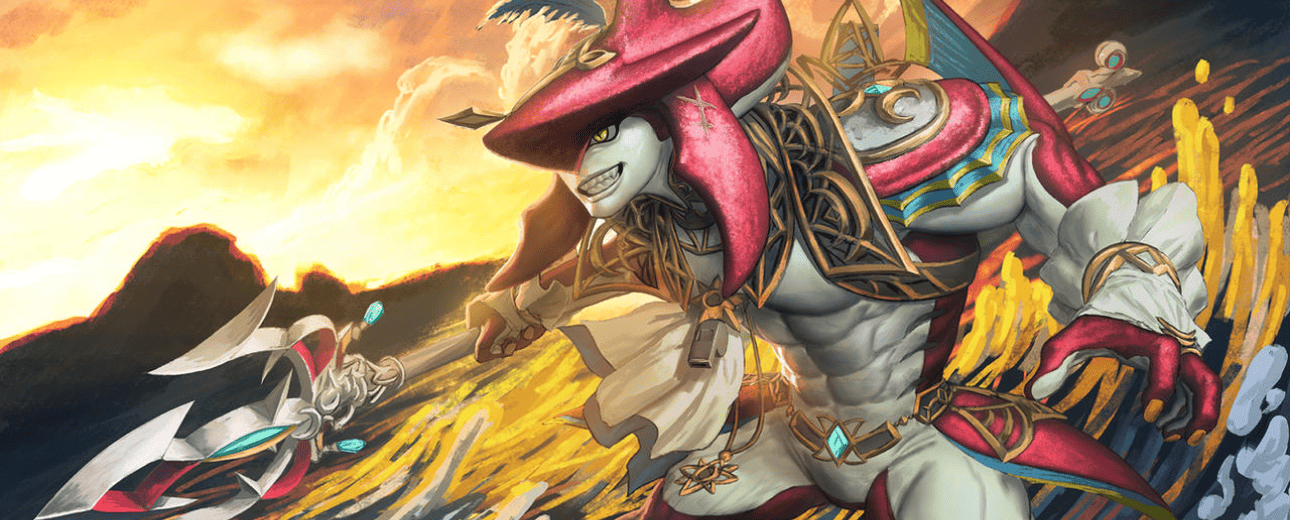
If there’s one character in The Legend of Zelda series who’s captured hearts across the entire gaming community, it’s Prince Sidon. This charismatic Zora prince burst onto the scene in Breath of the Wild and immediately became a fan favorite, not just for his impressive physique and dazzling smile, but for his genuine warmth, unwavering optimism, and the depth of character that Nintendo crafted with surprising care. I’ll never forget my first encounter with Sidon in my initial Breath of the Wild playthrough, standing on that bridge, his enthusiastic greeting cutting through the somber atmosphere that had dominated much of the early game. Here was someone genuinely happy to see Link, radiating positivity in a world still recovering from catastrophe.
What makes Prince Sidon truly special isn’t just his popularity as a character design or internet phenomenon, though he’s certainly achieved both. It’s the masterful character development Nintendo delivered across two major games, showing us a prince who grows from an eager young royal supporting a hero into a wise king bearing the weight of his people’s future. Sidon represents something increasingly rare in video games: a supporting character with genuine emotional depth, personal struggles, and a character arc that resonates on multiple levels. He’s dealing with survivor’s guilt, the pressure of living up to legendary expectations, and the challenge of leading his people through uncertain times, all while maintaining that signature optimism that makes him so beloved.
The cultural impact of Prince Sidon extends far beyond the Zelda fandom. He’s become a symbol of positive masculinity, showing that strength and kindness aren’t contradictory. He’s inspired countless fan works, from art to fiction to cosplay that rivals professional quality. He’s sparked discussions about representation, character design, and what makes supporting characters memorable. And yes, he’s become somewhat of a thirst trap in gaming culture, but reducing him to just that misses the nuanced writing and genuine emotional resonance that makes him actually matter to the story and to players. This comprehensive guide will explore everything about Prince Sidon, from his role in both Breath of the Wild and Tears of the Kingdom, his relationships, his character development, his place in Zora history, and why he’s become one of Nintendo’s most beloved characters.
Sidon’s Role in Breath of the Wild
Prince Sidon’s introduction in Breath of the Wild is nothing short of iconic. As Link approaches Zora’s Domain for the first time in a century, he encounters this towering red Zora on Inogo Bridge, and the energy immediately shifts. Sidon’s enthusiastic greeting, his genuine excitement at meeting Link, and his immediate recruitment of “you there” to help solve the Divine Beast Vah Ruta crisis establishes him as fundamentally different from the quest-givers Link has encountered so far. He doesn’t treat Link as a legendary hero returned or a tool to solve problems. He sees potential in a stranger and radiates infectious optimism about solving what seems like an impossible situation.
The dynamic between Sidon and Link develops beautifully throughout the Vah Ruta questline. Sidon doesn’t just send Link off to handle everything alone, he actively participates in the battle against the Divine Beast, swimming through dangerous waters, providing targeting opportunities, and cheering Link on with genuine enthusiasm. His constant encouragement, his unwavering faith in Link’s abilities, and his visible joy when they succeed together creates one of the most memorable partnerships in the game. There’s real chemistry here, a sense that these two warriors genuinely respect and trust each other despite having just met.
The Weight of Legacy and Loss
Beneath Sidon’s cheerful exterior lies profound grief and survivor’s guilt that makes him far more complex than initial appearances suggest. His older sister, Mipha, was the Zora Champion who piloted Divine Beast Vah Ruta and died during the Calamity a century ago. Sidon was just a child when he lost her, and that loss has shaped everything about who he became. The game reveals this backstory gradually, showing us that Sidon’s determination to stop Vah Ruta isn’t just about saving his people, it’s about confronting the machine that killed his beloved sister and preventing further tragedy.
The memory sequences involving Mipha add devastating context to Sidon’s character. When Link recovers memories of Mipha, we see the sister Sidon lost: kind, talented, deeply in love with Link, and tragically fated to die young. Sidon grew up in the shadow of this legendary Champion, hearing stories of her grace and skill, knowing he’d never see her again. The pressure to live up to her legacy, combined with the trauma of losing her so young, could have broken him or made him bitter. Instead, he channeled that pain into determination to protect others and prevent more loss.
King Dorephan’s dialogue provides additional depth to Sidon’s character, revealing that the prince has worked tirelessly since childhood to become strong enough to protect Zora’s Domain. His impressive physique and combat skills aren’t just natural gifts, they’re the result of years of dedicated training driven by the fear of being powerless again. Every muscle, every fighting technique, every ounce of strength represents Sidon’s response to childhood trauma. He made himself into a warrior capable of protecting his people because he never wanted to experience the helplessness of watching catastrophe unfold without being able to stop it.
Sidon’s Leadership Style
Even before becoming king, Sidon demonstrates remarkable leadership qualities that distinguish him from typical royal characters in video games. He doesn’t hide behind his title or delegate dangerous work to subordinates. When Vah Ruta threatens his people, Sidon personally patrols the area, recruiting help and putting himself in harm’s way. He leads from the front, swimming directly into danger alongside Link during the Divine Beast battle. This hands-on, courageous approach earns genuine respect from his people and from players.
His communication style is equally noteworthy. Sidon doesn’t issue commands from on high or speak in formal royal pronouncements. He’s enthusiastic, personable, and treats everyone with genuine warmth regardless of their status. When he recruits Link, he doesn’t demand service or invoke royal authority. He asks for help, acknowledges the danger, and expresses genuine gratitude. This approachability makes him an effective leader because people want to help him, not because they’re obligated to, but because his passion and sincerity are genuinely inspiring.
The Zora people’s response to Sidon throughout Breath of the Wild reveals how effective his leadership actually is. NPCs speak of him with genuine affection, not just dutiful respect. They’re inspired by his optimism even in crisis, they trust his judgment, and they’re willing to follow his lead even when situations seem dire. The collective relief and celebration when Vah Ruta is freed isn’t just about the Divine Beast being stopped, it’s about Sidon’s plan succeeding and their prince proving capable of protecting them. This genuine connection between leader and people creates emotional stakes that make the questline more than just another dungeon.
The Divine Beast Vah Ruta Battle
The mechanical design of the Vah Ruta battle showcases Sidon’s capabilities beautifully. As Link fires shock arrows from Sidon’s back, the prince navigates treacherous waters, positions them for clear shots, and maintains perfect stability despite the chaos around them. His swimming skills are superhuman, effortlessly keeping pace with a massive mechanical elephant while providing a steady platform for archery. This sequence reinforces that Sidon isn’t just talk and enthusiasm, he’s genuinely one of the most capable warriors among the Zora.
The emotional payoff when Vah Ruta is freed carries extra weight because of Sidon’s personal connection. This isn’t just a prince saving his domain, it’s a brother finally stopping the machine that killed his sister, a son easing his father’s century of grief, and a leader proving he can protect his people from the threats that destroyed the previous generation. Sidon’s joy at their success feels earned and genuine, and his immediate credit to Link for the victory (despite Sidon’s crucial role) shows his humility and generosity of spirit.
Post-Vah Ruta, Sidon’s presence in Zora’s Domain shifts noticeably. He’s more relaxed, more playful, and clearly relieved of an enormous burden. His dialogue becomes less focused on crisis management and more about friendship, culture, and the future. This character progression, subtle as it is, rewards players who return to visit him after completing the quest. He remembers Link, welcomes him warmly, and treats him as a genuine friend rather than just the hero who saved his domain. These small touches of continuity make the world feel more alive and relationships more real.
Sidon’s Transformation in Tears of the Kingdom
If Breath of the Wild introduced us to Prince Sidon, Tears of the Kingdom shows us King Sidon, and the transformation is handled with remarkable nuance and emotional depth. The game picks up several years after the Calamity’s defeat, and Sidon has matured considerably. He’s engaged to be married, he’s preparing to assume the throne officially, and he’s dealing with new crises threatening his people. The enthusiastic prince is still there, but he’s tempered by growing wisdom, greater responsibility, and the weight of impending kingship.
The regional phenomenon affecting Zora’s Domain in Tears of the Kingdom provides perfect context for exploring Sidon’s growth. A strange sludge contaminates the water, making it poisonous and threatening the Zora’s very existence. This crisis differs from the Vah Ruta situation, it’s more insidious, harder to fight with strength and courage alone, and it requires diplomatic and strategic thinking as much as warrior prowess. Sidon must navigate this threat while also managing his people’s fears, maintaining alliances, and preparing for his coronation. It’s a masterclass in showing character growth through escalating challenges.
The Sage of Water Awakening
Sidon’s journey to becoming the Sage of Water parallels his journey to true kingship in beautiful ways. The game reveals that Sidon must awaken the same power his ancestor, the ancient Zora Sage, wielded alongside the legendary hero in Hyrule’s distant past. This isn’t just about gaining magical abilities, it’s about Sidon accepting his place in a lineage of heroes and leaders, acknowledging that he’s worthy of standing alongside legends despite his doubts and insecurities.
The Water Temple and its challenges force Sidon to confront his deepest fears and insecurities. Throughout the dungeon, we see glimpses of Sidon’s internal struggle: Can he truly protect his people? Is he worthy of the throne? Can he live up to the legacies of both Mipha and the ancient Sage? These questions, which he’s probably carried since childhood, come to a head in this crucible. The temple doesn’t just test combat skills, it tests character, resolve, and worthiness in ways that pure strength can’t overcome.
The moment Sidon awakens as the Sage is one of Tears of the Kingdom’s emotional high points, especially for players who loved him in Breath of the Wild. Seeing him embrace his destiny, accept his power, and stand ready to fight alongside Link again carries tremendous emotional weight. The visual design of his Sage form is stunning, combining his natural Zora grace with the ancient power he now wields. He’s no longer just a prince playing at heroism, he’s a true champion in his own right, equal to Link rather than just a supportive ally.
The Avatar of Water ability Sidon grants Link represents their partnership beautifully. Link can summon Sidon’s power to create protective water barriers and enhanced attacks, keeping the prince fighting alongside him even when physically separated. This mechanic reinforces that their bond transcends mere alliance or friendship, they’re true partners whose powers complement each other. Using Sidon’s avatar in combat throughout the rest of the game serves as a constant reminder of the bond they’ve forged and the trials they’ve overcome together.
Marriage and Yona
The introduction of Lady Yona as Sidon’s fiancée adds fascinating complexity to his character and sparked considerable discussion in the fandom. Yona comes from another Zora domain, brought to Zora’s Domain in her youth to be raised as Sidon’s future bride in accordance with Zora royal customs. She’s intelligent, capable, and genuinely caring, serving as the domain’s healer and clearly devoted to both Sidon and the Zora people. Her presence adds a romantic dimension to Sidon’s life that Breath of the Wild didn’t explore.
The dynamic between Sidon and Yona is notably sweet and respectful, showing a couple who genuinely care for each other even if their match was arranged. Sidon speaks of her with warmth and respect, and Yona clearly admires Sidon’s character and leadership. There’s no drama or jealousy, just two people doing their best to serve their people while building a genuine partnership. For some fans, particularly those who shipped Sidon with Link (a popular pairing in fan communities), Yona’s presence was disappointing, but her inclusion adds realism and political dimension to Sidon’s role as future king.
Yona’s role in the narrative extends beyond being Sidon’s romantic interest. She’s actively involved in addressing the sludge crisis, researching solutions and caring for affected Zora. Her knowledge of ancient Zora history provides crucial information for understanding the regional phenomenon. She serves as a trusted advisor to Sidon, offering perspective and support as he navigates the challenges of impending kingship. Nintendo clearly worked to make her a character in her own right rather than just a trophy wife or romantic obstacle, and while execution varies depending on player perspective, the attempt at three-dimensional characterization is evident.
The political implications of Sidon’s marriage add realistic depth to Zora society. Royal marriages as diplomatic alliances are historical reality, and seeing this tradition in Zora culture makes their society feel more developed and complex. Sidon’s acceptance of this arrangement, while clearly caring for Yona genuinely, shows his commitment to duty and his people’s welfare. He’s willing to set aside personal preference (whatever that might be) to do what’s expected of a king. This maturity and sense of duty marks clear growth from the enthusiastic prince of Breath of the Wild.
Becoming King Sidon
The coronation ceremony and Sidon’s official ascension to the throne represents the culmination of his character arc across both games. From the grieving child who lost his sister, through the determined prince who helped defeat Vah Ruta, to the Sage of Water who awakened ancient powers, and finally to King Sidon, ruler of the Zora and protector of his people. The ceremony itself is conducted with appropriate gravitas, acknowledging the significance of this moment for both Sidon personally and Zora society as a whole.
King Dorephan’s retirement and passing of the crown to Sidon carries emotional weight for anyone who paid attention to the Zora storyline. Dorephan has ruled for over a century, bearing the grief of losing his daughter while guiding his people through catastrophe and recovery. Seeing him finally able to rest, confident that Sidon will protect the Zora as well as he did, provides closure to his story while opening Sidon’s next chapter. The father-son relationship between them, while not extensively explored, clearly runs deep and adds generational dimension to the narrative.
Sidon’s leadership as king shows immediate differences from his father’s style while honoring Dorephan’s legacy. Where Dorephan was patient and cautious, Sidon is active and engaged. Where Dorephan often contemplated, Sidon acts. This generational shift in leadership style feels natural and appropriate, showing that Sidon learned from his father while developing his own approach. His first acts as king, addressing the remaining sludge issues and strengthening alliances with other regions, demonstrate both wisdom and the action-oriented nature that’s always defined his character.
The symbolism of Sidon’s red coloring takes on new meaning in his role as king. While red Zora appear occasionally in the series, Sidon’s vibrant red scales make him visually distinct from most Zora, who tend toward blue, white, or green. This distinctive appearance, combined with his impressive size and strength, marks him as special even among his people. As king, this visual distinction reinforces his role as a unique leader guiding the Zora into a new era. Some fans theorize his coloring connects to ancient Zora lineages or special powers, though the games don’t explicitly confirm this.

Character Design and Cultural Impact
Prince Sidon’s character design is nothing short of masterful, combining elements that make him simultaneously impressive, approachable, and memorable. His towering height (approximately 6’9″ or 2 meters based on comparisons to Link) and muscular build convey physical power and capability. His bright red coloring makes him instantly recognizable and visually distinctive. His facial design strikes a perfect balance between shark-like features (the pointed teeth, the fin-like crest) and humanoid expressiveness, allowing for a wide range of emotions while maintaining his aquatic nature.
The animation work on Sidon deserves particular recognition. His enthusiastic gestures, his dazzling smile, the way he moves with fluid grace despite his size, all contribute to making him feel alive and charismatic. The animators clearly understood that Sidon needed to radiate warmth and positivity, and every movement reinforces this. His idle animations show him looking around with interest, his combat animations demonstrate grace and power, and his interaction animations with Link convey genuine friendship and respect. This attention to animation detail transforms what could have been a generic fish-person into a genuine character with personality.
The Famous Sidon Smile
The “Sidon smile” has become iconic in gaming culture, spawning countless memes, fan art, and discussions about character design. That brilliant, toothy grin radiates such genuine warmth and optimism that it’s nearly impossible not to smile back. Nintendo’s artists understood that a character’s smile can communicate volumes about their personality, and Sidon’s smile tells us immediately that this is someone who genuinely cares, who finds joy in helping others, and who maintains hope even in dark times. It’s become his signature expression and a visual shorthand for his character.
The contrast between Sidon’s intimidating physical presence and his warm personality creates delightful cognitive dissonance that makes him more interesting. He’s a massive shark-person with pointed teeth and warrior build who could clearly destroy most opponents in combat, yet he’s unfailingly polite, enthusiastic, and kind. This subversion of expectations (the “big scary monster is actually gentle” trope) is executed perfectly because the kindness feels completely genuine rather than surprising. Sidon isn’t kind despite his strength, his strength and kindness are both integral parts of who he is.
Fan Response and Community
The fan community response to Sidon has been extraordinary by any measure. Fan art of him appeared within days of Breath of the Wild’s release and hasn’t slowed down in the years since. The r/Zelda subreddit and various Zelda fan communities consistently feature Sidon content, from wholesome friendship art to romantic shipping, humorous comics, and serious character analysis. His popularity transcends the usual boundaries of gaming fandoms, attracting artists and writers who might not otherwise engage deeply with Zelda content.
Shipping culture around Sidon is particularly active, with Link/Sidon becoming one of the most popular ships in Zelda fandom. Thousands of fanfictions explore their relationship, ranging from close friendship to romantic partnership. Fan artists have created stunning visual interpretations of their dynamic. While Nintendo maintains Link’s relationships as deliberately ambiguous (and introduced Yona as Sidon’s canon romantic interest), the fan community’s enthusiasm for Sidon/Link shipping demonstrates how strongly players connected to their partnership and chemistry. This isn’t unique to this pairing, fans have shipped Link with various characters throughout the series, but the volume and passion of Sidon-related content is noteworthy.
Cosplay community has embraced Sidon enthusiastically despite the significant challenges his design presents. Creating a convincing Sidon cosplay requires substantial skill, time, and resources: the height requires stilts or platform shoes, the build requires padding or actual physique, the red skin requires paint or elaborate makeup, and the head/face requires either masks or exceptional makeup work. Despite these challenges, talented cosplayers have created stunning Sidon costumes that appear regularly at conventions. Some cosplayers have even created moving jaw mechanisms and LED effects to bring the character to life more fully.
The meme culture around Sidon ranges from wholesome to thirsty to genuinely funny. The “it’s ya boy Sidon” meme referencing his enthusiastic bridge introduction became widespread. Jokes about Sidon being the internet’s boyfriend proliferated. Comparisons between Sidon’s supportive enthusiasm and other less helpful video game NPCs became common. The “Sidon motivational speaker” meme imagining him giving life advice persists. This memetic spread, while sometimes reducing him to jokes, actually demonstrates his cultural penetration beyond serious Zelda fans into broader internet culture.
Representation and Positive Masculinity
Sidon represents something increasingly valued in character design: positive masculinity that combines traditional masculine traits (strength, courage, protectiveness) with emotional openness, kindness, and genuine care for others. He’s physically powerful and combat-capable but also emotionally intelligent and supportive. He’s a warrior who fights to protect rather than dominate. He’s a leader who inspires through example and genuine connection rather than fear or authority. This combination presents a model of masculinity that’s both aspirational and healthy.
His emotional openness particularly stands out in a medium where stoic, emotionally closed male characters remain common. Sidon openly expresses joy, gratitude, concern, and grief. He’s not afraid to show enthusiasm or warmth. He compliments others genuinely and frequently. He acknowledges his own doubts and fears rather than projecting false confidence. This emotional authenticity makes him more relatable and more genuinely heroic than characters who maintain constant tough-guy facades. He shows that real strength includes acknowledging and processing emotions rather than suppressing them.
The relationship dynamics Sidon demonstrates are notably healthy and respectful. His friendship with Link is based on mutual respect and genuine care rather than hierarchy or utility. His relationship with Yona shows respect and partnership rather than possession or dominance. His interactions with his people demonstrate servant leadership rather than authoritarian rule. His relationship with his father shows healthy familial bonds and respect for wisdom while still developing his own identity. These relationships model positive interaction patterns that contrast with toxic masculinity tropes still common in gaming.
Sidon in Zora History and Lore
Understanding Sidon requires understanding Zora history and culture as presented across the Zelda series. The Zora are one of Hyrule’s most prominent races, appearing in numerous games with varying biology and culture depending on the timeline. In Breath of the Wild and Tears of the Kingdom, the Zora are long-lived aquatic people with lifespans extending centuries. This longevity means many Zora remember events from a hundred years past personally, creating unique cultural dynamics where history remains living memory rather than distant past.
The Domain of the Zora in both games showcases a sophisticated civilization with advanced architecture, governance systems, and cultural traditions. The Domain’s design, integrated seamlessly with waterfalls and pools, demonstrates Zora engineering prowess and aesthetic sensibility. Their warrior culture, evidenced by the guards and training grounds, balances with artistic and scholarly pursuits shown in monuments and historical records. Sidon as prince and later king represents the pinnacle of this culture, embodying both warrior excellence and cultural sophistication.
The Champion Mipha’s Legacy
Mipha’s shadow looms large over Sidon’s character and the Zora Domain’s culture. As the Champion who piloted Vah Ruta, Mipha was celebrated as the finest warrior and healer the Zora had produced in generations. Her death during the Calamity was devastating not just for her family but for all Zora, who lost their greatest protector and a symbol of hope. The Domain erected statues in her honor, named the armor she crafted after her, and kept her memory alive through ceremonies and stories. Growing up as her younger brother meant Sidon could never escape comparisons or the weight of her legacy.
The Champion’s abilities Mipha possessed add context to what Sidon had to live up to. She was a prodigy with the spear, mastering techniques that others took decades to learn. Her healing powers were legendary, capable of curing injuries and ailments that would be fatal otherwise. She was chosen as Champion not through royal privilege but through genuine merit and exceptional ability. Knowing his sister was this extraordinarily talented must have created immense pressure on young Sidon to measure up, potentially driving his intense training and determination to become strong enough to protect others.
Mipha’s relationship with Link adds complicated emotional layers to Sidon’s dynamic with the hero. The game strongly implies Mipha loved Link romantically and crafted the Zora Armor (traditionally given to a Zora’s intended spouse) for him. Whether Link reciprocated is deliberately ambiguous, but Mipha clearly died harboring these feelings. Sidon certainly knew of his sister’s affections, making his own friendship with Link potentially complex. Does he see Link as the person his sister loved? Does partnering with Link feel like honoring Mipha’s memory or reopening old wounds? The game doesn’t explicitly explore this, but thoughtful players can read emotional complexity into their interactions.
The Lightscale Trident, passed down as a symbol of Zora royalty and warrior prowess, connects directly to both Mipha and Sidon. Mipha wielded it as Champion, and after her death, it became a treasured relic. The weapon can be reforged if broken, and Sidon eventually claims it as his own, symbolically taking up both the weapon and the responsibility his sister bore. Using the Lightscale Trident in combat as Sidon in certain game sequences carries tremendous symbolic weight, representing the continuation of Mipha’s legacy through her brother’s strength and courage.
Ancient Zora and the First Sage
Tears of the Kingdom reveals that Sidon’s connection to ancient heroes extends beyond Mipha to the original Sage of Water from Hyrule’s founding era. This ancient Zora Sage fought alongside the first hero against the Demon King, wielding water powers to protect Hyrule and seal away evil. Learning this history and awakening the same powers connects Sidon to a lineage spanning millennia, showing that his destiny as protector wasn’t just family expectation but potentially fate or divine purpose.
The ancient Zora civilization depicted in Tears of the Kingdom’s memories shows a people already sophisticated and powerful thousands of years ago. Their architecture, culture, and abilities were well-developed even in ancient times, suggesting the Zora are one of Hyrule’s oldest and most enduring races. Sidon as king represents the latest in an unbroken line of Zora leaders stretching back to Hyrule’s founding, a responsibility that would humble anyone. His ability to rise to this challenge while maintaining his essential kindness and optimism speaks to his character’s strength.
The Secret Stones and Sage powers introduce magical/divine elements to Sidon’s capabilities beyond natural Zora abilities. The awakening of these powers isn’t just political symbolism but genuine magical empowerment that makes him supernaturally capable. This elevation from skilled warrior to divinely empowered Sage puts Sidon in rare company among Zelda characters, marking him as genuinely crucial to Hyrule’s fate rather than just a regional leader. His worthiness to receive and control these powers validates everything he’s worked toward and suffered through.
Sidon’s Relationships and Connections
While Sidon’s relationships with Link and Yona receive the most attention, his connections extend throughout Zora’s Domain and beyond, creating a rich network that makes him feel like a real person embedded in community rather than an isolated character. Examining these relationships reveals different facets of his personality and shows how he adapts his communication and behavior to different people and situations.
Sidon and King Dorephan
The father-son relationship between Sidon and Dorephan is touching despite limited direct interaction. Dorephan clearly loves both his children deeply, and Mipha’s death devastated him as much as it did Sidon. The king has watched his remaining child grow from traumatized boy to capable warrior to worthy successor, and his pride in Sidon shines through in every mention. Dorephan’s willingness to step down and trust Sidon with the throne represents ultimate faith in his son’s capabilities and character.
Dorephan’s parenting style seems to balance guidance with freedom, allowing Sidon to develop his own leadership approach while providing wisdom when needed. The king doesn’t force Sidon into a mold of his own leadership but encourages his son to find his own path. This supportive parenting likely contributed to Sidon’s confidence and willingness to take initiative rather than constantly seeking approval. The security of knowing his father believes in him gives Sidon foundation to take risks and make bold decisions.
The generational transition of power from Dorephan to Sidon represents broader themes of legacy, change, and continuity. Dorephan’s reign was defined by survival and recovery from the Calamity. Sidon’s reign will likely focus on growth, rebuilding, and preparing for future challenges. This shift from defensive survival to proactive development mirrors real historical transitions between generations, adding realism to the Zora political structure. Watching Sidon step into this role while honoring his father’s legacy provides satisfying narrative closure to Dorephan’s story while opening Sidon’s next chapter.
Sidon and the Zora People
Sidon’s relationship with his subjects demonstrates the mutual affection and respect between leader and people. Zora citizens speak of him with genuine warmth, not just formal respect. They appreciate his hands-on leadership style, his accessibility, and his obvious care for their welfare. Unlike leaders who remain distant and mysterious, Sidon is known personally to many of his people, having trained with guards, spoken with elders, and engaged with citizens of all ages and stations.
The younger Zora particularly look up to Sidon as an aspirational figure. He represents what they might become: strong, capable, confident, and kind. His visible dedication to training and self-improvement sets an example that diligence and effort matter. His treatment of everyone with respect regardless of status teaches important values about equality and dignity. In many ways, Sidon serves as much as educator and role model as he does political leader, shaping the next generation’s values and aspirations.
Elder Zora who remember Mipha see both her shadow and Sidon’s own light in him. Some initially struggled to accept him as her successor, perhaps thinking no one could match her excellence. But Sidon’s consistent dedication, his own heroism during the Vah Ruta crisis, and his growing wisdom earned their respect on his own merits. By Tears of the Kingdom, even the most traditional elders support his kingship enthusiastically, recognition that he’s proven himself worthy not by being like Mipha but by being genuinely himself.
Sidon and Link’s Bond
The friendship between Sidon and Link is one of Breath of the Wild’s most beloved relationships, and Tears of the Kingdom deepens it further. From their first meeting, Sidon treats Link with respect and warmth, seeing potential in a stranger when he desperately needed help. This initial trust develops into genuine friendship as they fight together, succeed together, and build mutual respect through shared trials. By Tears of the Kingdom, they’re battle-tested partners who trust each other implicitly.
What makes their friendship work is the balance of mutual respect and complementary strengths. Link is quiet, focused, and deadly efficient in combat. Sidon is expressive, encouraging, and powerful in his own right. Where Link might approach challenges with silent determination, Sidon brings verbal encouragement and tactical support. They cover each other’s weaknesses and amplify each other’s strengths, creating a partnership where both contribute meaningfully rather than one overshadowing the other.
The Avatar of Water ability in Tears of the Kingdom beautifully symbolizes their bond’s permanence. Even when physically separated, Sidon’s power flows through Link, protecting him and enhancing his capabilities. This mechanical representation of their friendship means players experience their connection constantly throughout the adventure, not just during Zora-related quests. Every time Link summons that water barrier, it’s a reminder that Sidon’s got his back, that their friendship transcends physical proximity.
Link’s silence creates interesting dynamics in his relationship with Sidon. Where many might find Link’s quiet nature off-putting, Sidon seems to appreciate and understand it. He doesn’t demand verbal response or mistake silence for disinterest. He reads Link’s body language and actions, understanding that Link communicates through deeds rather than words. This acceptance of Link’s nature rather than trying to change him demonstrates Sidon’s emotional intelligence and genuine friendship rather than surface-level connection.
Sidon and Yona’s Partnership
Lady Yona’s introduction in Tears of the Kingdom adds romantic dimension to Sidon’s life while raising questions about arranged marriages, duty, and personal choice. The game establishes that Yona came to Zora’s Domain years ago specifically to eventually marry Sidon, a political arrangement presumably made by King Dorephan to secure alliances or continue royal bloodlines. This arranged marriage setup could easily have been portrayed as unwelcome duty, but Nintendo chose to show it as a genuine partnership built on mutual respect and growing affection.
Yona’s character is carefully constructed to be worthy of Sidon while having her own identity and capabilities. She’s a skilled healer, knowledgeable about Zora history and lore, and actively involved in addressing the sludge crisis threatening the domain. She’s not passive or decorative but an active contributor to her adopted people’s welfare. Her devotion to the Zora and to Sidon seems genuine, based on respect for their culture and admiration for Sidon’s character rather than mere obligation or ambition.
The dynamic between them shows comfortable partnership rather than passionate romance, which suits Sidon’s character and responsibilities. They work together addressing crises, consult each other on decisions, and support each other’s efforts. There’s warmth and care between them, even if the game doesn’t show overt romantic affection. For a future king with enormous responsibilities, a partner who’s competent, supportive, and shares dedication to their people’s welfare is perhaps more valuable than dramatic passion. Their relationship prioritizes partnership and shared purpose over romance, which may frustrate some fans but adds realism to royal marriages.
Fan reception of Yona has been mixed, with some players appreciating her as a three-dimensional character while others see her primarily as an obstacle to preferred ships (particularly Link/Sidon). This division reflects broader fandom dynamics around canon romantic relationships versus fan-preferred pairings. From a purely character analysis perspective, Yona represents Sidon’s acceptance of royal duty and his maturity in building genuine partnership within an arranged situation. She’s evidence of his growth from enthusiastic prince to responsible king who balances personal feelings with political necessities.
Sidon’s Combat Abilities and Skills
Beyond his character and relationships, Sidon is genuinely formidable in combat, which the games demonstrate through both cutscenes and gameplay mechanics. His swimming prowess is superhuman even by Zora standards, effortlessly maintaining high speeds in turbulent waters while providing a stable platform for Link during the Vah Ruta battle. His physical strength is evident in how he wields the Lightscale Trident and Silverscale Spear, weapons that would be difficult for most warriors to use effectively given their size and weight.
Fighting Style and Techniques
Sidon’s spear techniques combine power with grace, reflecting both his training and his natural Zora agility. When he fights alongside Link during certain sequences, his attacks are swift, precise, and devastatingly effective. He can generate water-based attacks that complement his physical strikes, using his natural Zora abilities to enhance combat effectiveness. The combination of martial skill and elemental power makes him a versatile fighter capable of adapting to different opponents and situations.
His defensive capabilities are equally impressive. The water barriers he can create (which Link can summon through the Sage Avatar) provide protection from multiple damage types while allowing counterattacks. This defensive fighting style suits his protective nature, prioritizing keeping others safe while controlling the battlefield. He’s not a berserker who charges recklessly but a tactical fighter who uses terrain, abilities, and positioning to maximum advantage.
Swimming combat is where Sidon truly excels, operating in an element where most opponents are at severe disadvantage. In water, his speed and maneuverability make him nearly untouchable while his strength remains undiminished. The Vah Ruta battle showcases this, with Sidon navigating treacherous currents, avoiding attacks, and positioning perfectly for Link’s shots all while maintaining encouraging communication. His aquatic supremacy means any opponent foolish enough to fight him in water faces almost certain defeat.
The Sage of Water Powers
Awakening as the Sage of Water elevates Sidon from skilled warrior to supernatural champion. His new abilities include creating massive water constructs, generating powerful water-based attacks, and manipulating water in ways that defy normal physics. These powers aren’t just flashy effects but tactical tools that make him invaluable in combat and problem-solving. The water barriers can block physical attacks, elemental assaults, and even some magical effects, providing versatile protection.
The visual design of Sidon’s Sage powers is stunning, with water effects that feel both powerful and graceful. When he creates barriers or unleashes attacks, the water moves with fluid beauty while conveying tremendous force. This aesthetic reflects Sidon’s character perfectly: beautiful, graceful, and incredibly powerful. The blue-green glow of his activated Sage powers creates striking visuals that make his combat sequences memorable beyond just mechanical effectiveness.
Tactical applications of his Sage abilities extend beyond combat to puzzle-solving and environmental manipulation. Creating water barriers to redirect flow, generating platforms to reach new areas, and manipulating water sources to reveal secrets all demonstrate the versatility of his powers. This multi-purpose utility makes Sidon valuable not just as muscle but as a problem-solver whose unique abilities open options unavailable to others.
Training and Development
Sidon’s impressive abilities didn’t emerge naturally but through decades of dedicated training. King Dorephan mentions that Sidon has trained relentlessly since childhood, driven by determination to never be powerless against threats to his people. This training included not just combat techniques but swimming mastery, tactical education, leadership development, and diplomatic skills necessary for future kingship. The physical results are obvious in his imposing build, but the mental and tactical development is equally important to his effectiveness.
Mentors and teachers likely included the Zora guards, elder warriors who remembered ancient fighting techniques, and possibly even his father King Dorephan, who despite his current peaceful demeanor was surely a formidable warrior in his youth. Sidon would have learned from multiple sources, synthesizing different teaching styles into his own approach. His willingness to learn from others while developing personal techniques demonstrates humility and intelligence that serves him beyond pure combat situations.
The psychological aspect of his combat training connects to processing his childhood trauma. Every hour spent training was an hour spent becoming strong enough to protect others, to prevent future tragedies like Mipha’s death. This driven training probably served as both coping mechanism and productive outlet for grief and guilt. By channeling pain into purpose, Sidon transformed potential psychological damage into strength and capability, though the underlying wounds likely remain even as they motivate rather than debilitate.
Thematic Significance and Symbolism
Sidon represents several important themes that resonate throughout both Breath of the Wild and Tears of the Kingdom. His character arc touches on grief and recovery, the weight of legacy, the balance between duty and personal desire, and the transformation from following in others’ footsteps to forging one’s own path. These themes elevate him beyond simple supporting character into someone whose story carries genuine meaning and emotional resonance.
Overcoming Survivor’s Guilt
The theme of survivor’s guilt runs throughout Sidon’s character, though the games handle it with subtlety rather than melodrama. He survived when Mipha didn’t. He gets to live, grow, lead, and eventually become king while his talented sister died young. This creates psychological weight that could have crushed him or twisted him into bitterness. Instead, Sidon chose to honor Mipha’s memory through service and protection, transforming guilt into purpose. His journey shows that trauma’s aftermath involves choice: let it destroy you or let it drive you toward meaningful action.
Processing grief is another subtle thread in Sidon’s story. The games show Zora’s Domain still mourning Mipha a century later, with statues, ceremonies, and constant references keeping her memory alive. This extended mourning reflects both Zora longevity (a century isn’t as long for them) and the depth of loss the domain suffered. Sidon navigates this collective grief while managing his own, honoring his sister’s memory without being paralyzed by it. His ability to remember her with love while still moving forward models healthy grief processing rather than being consumed by loss.
The moment of confronting Vah Ruta represents Sidon directly facing the source of his trauma. The Divine Beast killed his sister and terrorized his people for a century. Attacking it requires incredible courage, not just physical bravery but emotional strength to confront the machine that caused so much pain. Sidon’s determination to stop Vah Ruta despite fear demonstrates that courage isn’t absence of fear but action despite it. Successfully freeing the Divine Beast provides psychological closure, transforming Vah Ruta from symbol of loss into monument to victory and recovery.
Living Up to Legacy
The weight of legendary expectations presses on Sidon from multiple directions. He must live up to Mipha’s example as Champion and beloved princess. He must prove worthy of the throne his father has held for over a century. He must awaken powers matching ancient heroes from Hyrule’s founding. These accumulated expectations could easily overwhelm anyone, creating paralysis from fear of inadequacy. Sidon’s response shows remarkable maturity: he acknowledges the weight while refusing to be crushed by it, striving to be worthy while accepting he’ll do things his own way.
Finding individual identity while honoring legacy is Sidon’s central character challenge. He can’t be Mipha, no matter how much he might want to honor her or how much others might want her back. He can’t rule exactly like Dorephan, because he’s a different person facing different challenges. He must find the balance between respecting what came before and forging his own path. By Tears of the Kingdom’s conclusion, he’s achieved this balance, becoming King Sidon with his own leadership style while genuinely honoring those who came before.
The symbolism of the Sage awakening represents Sidon finally accepting that he is worthy of legendary status in his own right. The ancient Sage’s power doesn’t go to just anyone; it requires genuine worthiness, strength of character, and heroic nature to awaken and control. When Sidon successfully awakens as Sage, it’s cosmic validation that he’s not just living in shadows of greater heroes but has become one himself. This validation, coming from divine/magical sources rather than just personal achievement, provides the final piece of his journey from insecure younger sibling to genuine hero and worthy king.
Positive Leadership and Service
Sidon embodies servant leadership philosophy, where leaders exist to serve their people rather than rule over them. He doesn’t demand service or expect deference beyond basic respect. Instead, he actively works for his people’s welfare, puts himself in danger to protect them, and treats leadership as responsibility rather than privilege. This approach creates genuine loyalty based on respect and affection rather than fear or obligation. His people follow him because they want to, because they believe in him, not because they must.
The balance of strength and kindness in his leadership challenges toxic leadership models that prioritize dominance and intimidation. Sidon shows that being kind, encouraging, and emotionally open doesn’t preclude being strong, decisive, and effective. In fact, his kindness enhances his effectiveness because it builds genuine relationships and creates willing cooperation. People will work harder and sacrifice more for a leader they love than one they merely fear, and Sidon’s leadership style creates that genuine devotion.
Optimism as leadership tool might seem naive, but Sidon demonstrates its practical value. In crisis situations, people naturally lean toward fear and despair. A leader who maintains hope and confidence, even when circumstances seem dire, provides psychological anchor that prevents panic and paralysis. Sidon’s relentless optimism isn’t denial of problems but refusal to accept defeat before trying. This mindset inspires others to keep fighting, to believe solutions exist, and to maintain morale when things get difficult. His optimism is strategic and valuable, not just pleasant personality trait.

Sidon in the Wider Zelda Universe
While Sidon’s story is primarily contained within Breath of the Wild and Tears of the Kingdom, understanding his place in the broader Zelda timeline and universe adds interesting context and raises fascinating questions about Zora history, evolution, and the nature of time in Hyrule.
Timeline Placement and Implications
Breath of the Wild and Tears of the Kingdom are confirmed to take place far in the future of Hyrule’s history, potentially thousands of years after previous games. This creates interesting implications for Zora longevity and history. If Zora live for centuries (King Dorephan is over 150 years old in Breath of the Wild), then elder Zora might remember events from multiple centuries past. Some might even remember previous iterations of Link and Zelda’s battles against evil, creating living connections to ancient history that other races have forgotten.
The Zora evolution between different Zelda games presents fascinating biological questions. In some timelines, Zora evolved into the bird-like Rito. In others, they remained aquatic. The Zora in Breath of the Wild appear to be the aquatic variant, but Rito also exist in the same world, suggesting either separate Zora populations evolved differently or Rito have completely different origins than some timelines suggested. Sidon’s existence in this timeline means his ancestors chose or were able to maintain aquatic form while developing more humanoid features.
Divine Beast Vah Ruta’s naming after Ruto, the Zora Princess from Ocarina of Time, creates direct connection between Sidon’s era and ancient history. The ancient Zora clearly remembered Princess Ruto and honored her by naming their greatest weapon after her. Sidon likely knows stories of Princess Ruto, how she became a Sage and helped seal Ganondorf. These historical connections mean Sidon exists in a lineage of Zora heroes stretching back thousands of years, adding weight to his own heroic journey.
Connections to Other Games
The Lightscale Trident and certain Zora architectural elements show design continuity with earlier games, suggesting cultural traditions persist across vast timespans. Zora’s Domain in Breath of the Wild shares aesthetic elements with domains from Ocarina of Time and Twilight Princess, implying either the same location rebuilt multiple times or strong architectural traditions maintained across generations. Sidon as prince of this domain represents the latest guardian of traditions spanning Hyrule’s entire history.
Sage of Water connections link Sidon directly to the sage system appearing in multiple Zelda games. The original Sage of Water in this timeline’s founding era parallels other Water Sages like Princess Ruto, suggesting the role is eternal and cyclical. Each era faces darkness, and each era produces champions and sages to combat it. Sidon taking on this mantle connects him to this eternal cycle, making him not just a character in two games but a piece of Hyrule’s eternal struggle between light and darkness.
Sidon’s Potential Future Appearances
Given his overwhelming popularity, Sidon might appear in future Zelda titles, though how remains uncertain. If Nintendo continues the “Wild era” story with additional games, older King Sidon could appear as established ruler and wise advisor. Prequel content exploring young Sidon during the Calamity could show his childhood trauma and Mipha’s loss from his perspective. Spin-off content like Hyrule Warriors could feature Sidon as playable character showcasing his combat abilities in action-focused gameplay.
Crossover potential exists as well, though Nintendo rarely brings Zelda characters into other franchises beyond Super Smash Bros. A Sidon Mii costume or Spirit in Smash seems plausible given his popularity. More ambitious crossovers might include him in Nintendo’s broader universe appearances. His design and character are strong enough to stand independent of specific Zelda plot context, making him versatile for various potential appearances.
Fan game and modification community has already brought Sidon into content Nintendo never created. Mods for Breath of the Wild and Tears of the Kingdom feature expanded Sidon interactions, custom quests, and even romance options. Fan games in development include Sidon as major character or playable option. While unofficial, these fan creations demonstrate the character’s enduring appeal and fans’ desire for more content featuring him, potentially influencing Nintendo’s decision-making about future official content.
Frequently Asked Questions About Sidon
The common questions players ask about Sidon reveal what aspects of his character most intrigue people and where the games leave room for interpretation or speculation. Addressing these questions helps complete the picture of who Sidon is and why he matters so much to so many players.
How Old is Prince Sidon?
Sidon’s exact age is never stated definitively, but context clues provide reasonable estimates. He was a small child when Mipha died during the Calamity 100 years before Breath of the Wild. If he was around 5-10 years old at that time, he’d be 105-110 years old in Breath of the Wild and perhaps 110-115 in Tears of the Kingdom. By Zora standards of longevity, this makes him a young adult, roughly equivalent to a human in their late 20s or early 30s. His enthusiasm and relative inexperience despite his training support this interpretation.
Why is Sidon Red Instead of Blue?
The red coloring distinguishes Sidon visually from most other Zora, who tend toward blues, greens, and whites. No in-game explanation definitively addresses why he’s red, leaving room for speculation. Possibilities include: it’s a rare genetic variant, it indicates royal lineage or special destiny, it connects to his eventual Sage powers, or it’s simply character design choice for visual distinction. From a practical design perspective, the red makes him instantly recognizable and visually striking, ensuring players remember and notice him.
Did Sidon Know Link Before the Calamity?
While young Sidon appears in Mipha’s memories in Breath of the Wild, he was very young (perhaps 5-10 years old) when Link was active as Champion. He might have met Link briefly if Link visited Zora’s Domain with Mipha, but any such meetings would have been when Sidon was a small child. He likely doesn’t remember Link personally from before the Calamity, though he certainly knew of Link as his sister’s fellow Champion and the person Mipha cared for deeply. His enthusiasm at meeting Link in Breath of the Wild seems genuine discovery rather than recognition.
Is Sidon Stronger Than Mipha Was?
Comparing Sidon and Mipha is difficult because they had different strengths and roles. Mipha was chosen as Champion for her exceptional spear skills and unique healing abilities. Sidon developed into a powerful warrior with water-based combat abilities and eventually awakened as Sage. In pure physical combat, adult Sidon might match or exceed Mipha due to his size, strength, and decades of intensive training. However, Mipha’s healing powers were unique and irreplaceable. They’re both exceptional in different ways, making direct comparison somewhat unfair to both.
Why Do Fans Ship Sidon with Link?
The popularity of Link/Sidon shipping stems from several factors. Their in-game chemistry and partnership create a strong foundation. Sidon’s genuine warmth toward Link contrasts with many NPCs who treat him as a tool or legend rather than a person. His enthusiastic support and obvious joy in Link’s company read as romantic to some players. The lack of confirmed romantic interests for either character in Breath of the Wild left space for fan interpretation. Visual appeal and compatible character designs also factor in. While Tears of the Kingdom establishes Yona as Sidon’s fiancée, fan shipping continues because fans enjoy exploring different relationship possibilities regardless of canon.
What Happens to Sidon After Tears of the Kingdom?
The future beyond Tears of the Kingdom remains unwritten, but context suggests likely trajectories. Sidon will presumably rule Zora’s Domain for decades or centuries given Zora longevity. He’ll likely have children with Yona to continue the royal line. As Sage of Water, he’ll presumably help defend Hyrule if new threats emerge. His reign will probably focus on strengthening Zora culture, maintaining alliances with other regions, and preparing future generations to face whatever challenges come. His optimistic, proactive leadership style suggests he’ll lead the Zora into a prosperous era rather than merely maintaining status quo.
Can Sidon Appear in Future Zelda Games?
Future appearances are entirely possible but not guaranteed. If Nintendo continues developing games in the “Wild era” timeline, Sidon could appear as established king and elder statesman. Prequel content exploring the Calamity from different perspectives might feature young Sidon’s experience of losing Mipha. Spin-offs like Hyrule Warriors could include him as playable character. However, Zelda games often feature completely different settings, timelines, and characters, so future mainline entries might not include him at all. His popularity makes some form of future appearance more likely than for minor characters, but nothing is confirmed.

The Fan Community and Sidon’s Cultural Legacy
Prince Sidon has transcended his role as a supporting character in two video games to become a genuine cultural phenomenon with lasting impact on gaming culture, fan creativity, and discussions about character design and representation. Understanding this broader impact reveals why he matters beyond just the games themselves.
Fan Art and Creative Works
The volume of fan art featuring Sidon is staggering, with thousands of pieces created since Breath of the Wild’s release. This art ranges from faithful game-style renderings to highly stylized interpretations, from wholesome friendship art to romantic shipping, from humorous comics to serious character studies. Artists across skill levels and styles have found inspiration in Sidon’s design and character, creating works that keep him visible in fan communities years after his debut. Major fan art platforms like DeviantArt, Twitter, and Instagram feature consistent Sidon content, demonstrating sustained creative engagement.
Fanfiction exploring Sidon’s character, relationships, and adventures numbers in the thousands across platforms like Archive of Our Own and FanFiction.net. These stories range from canon-compliant character studies to alternative universe reimaginings, from short vignettes to novel-length epics. Writers explore his psychology, expand on relationships the games don’t fully develop, create new adventures, and imagine different outcomes for his story. This creative engagement demonstrates how strongly the character resonated with writers who want to explore his potential further than the games allow.
Cosplay of Sidon represents significant undertaking given the character’s physical requirements, yet talented cosplayers have created stunning interpretations. These costumes require platform shoes or stilts for height, extensive body padding or actual physique for his build, full-body paint or suits for his red skin, and elaborate head pieces or makeup for his facial features. Despite these challenges, high-quality Sidon cosplays appear regularly at major conventions, with some cosplayers becoming known specifically for their Sidon work. The dedication required for these cosplays demonstrates fans’ passion for the character.
Community Discussions and Analysis
Character analysis discussions in Zelda fan communities often feature Sidon prominently. Fans dissect his character development, debate his relationships, analyze his symbolic significance, and discuss his role in broader Zelda lore. These discussions treat him as a serious character worthy of thoughtful analysis rather than just a fun side character. Threads discussing Sidon’s psychology, his growth between games, and the implications of his story arcs demonstrate that fans engage with him on deeper levels than pure surface appreciation.
Shipping discourse around Sidon generates substantial discussion and occasional controversy. Link/Sidon shippers celebrate their chemistry and create content exploring romantic possibilities. Others prefer platonic friendship interpretations. Yona’s introduction in Tears of the Kingdom sparked debates about canon relationships versus fan preferences, arranged marriages in fantasy settings, and how much weight to give official relationships versus fan interpretations. These discussions, while sometimes contentious, demonstrate genuine investment in Sidon’s story and relationships.
Representation discussions often cite Sidon as positive example of masculine representation in gaming. His combination of strength and emotional openness, his supportive rather than competitive relationship with the protagonist, and his leadership through service rather than domination present alternatives to toxic masculinity tropes still common in gaming. Discussions about what makes positive male characters often reference Sidon alongside other well-received examples, positioning him within broader conversations about representation and character design in media.
Commercial Impact and Nintendo’s Response
Sidon’s popularity influenced merchandising decisions, with official Nintendo merchandise featuring him appearing more frequently than many supporting characters receive. Figures, plushies, and other Sidon merchandise sold well, demonstrating commercial viability of the character beyond the games themselves. This commercial success likely influenced Nintendo’s decision to feature him prominently in Tears of the Kingdom rather than limiting him to Breath of the Wild cameo status.
Nintendo’s awareness of Sidon’s popularity shows in various ways. The character received substantial role expansion in Tears of the Kingdom, becoming a Sage with major story significance rather than being relegated to minor callback status. Marketing materials for Tears of the Kingdom featured Sidon prominently, recognizing his appeal to fans. Interviews with developers acknowledged the character’s positive reception, suggesting conscious decisions to serve fans who loved him while developing his story meaningfully.
The “Sidon effect” on character design might influence future Nintendo development. When a supporting character generates this level of enthusiasm, it demonstrates the value of thoughtful characterization, appealing design, and positive personality traits even for characters who aren’t protagonists. Future Zelda games and other Nintendo titles might prioritize creating similarly memorable supporting characters, understanding that these characters drive engagement, community discussion, and sustained interest beyond main story completion.
Sidon’s Place in Gaming History
While perhaps premature to declare definitive historical significance for a character from recent games, Sidon’s impact on gaming culture is noteworthy. He represents a particular approach to supporting character design that prioritizes genuine personality, emotional depth, and positive traits over edginess, mysteriousness, or antagonism. His popularity demonstrates that players appreciate and respond to characters who are genuinely kind, optimistic, and supportive, countering assumptions that characters must be dark, complex, or morally ambiguous to be interesting.
The “wholesome character” trend in recent gaming, where genuinely good people who are pleasant and supportive become fan favorites, includes Sidon as one of its most prominent examples. Characters like Panam from Cyberpunk 2077, Karlach from Baldur’s Gate 3, and others who combine competence with genuine kindness have found similar enthusiastic fan response. Sidon helped demonstrate the viability and appeal of this character archetype, potentially influencing industry trends toward creating more genuinely likable characters.
His enduring presence in gaming discussions years after Breath of the Wild’s release, when many game characters fade from conversation within months, demonstrates unusual staying power. This longevity of relevance suggests Sidon achieved something rare: becoming genuinely memorable and meaningful to players rather than just temporarily popular. Whether he’ll be remembered decades from now remains to be seen, but his current cultural penetration exceeds that of most supporting characters from any game.

Conclusion: The Enduring Appeal of Prince Sidon
What makes Prince Sidon special isn’t any single aspect but the combination of elements that came together to create something greater than the sum of parts. His visual design is striking and memorable. His personality is genuinely warm and optimistic without being naive or annoying. His character arc shows meaningful growth and emotional depth. His relationships feel authentic and well-developed. His role in both games’ stories is significant without overshadowing the protagonist. Every piece works together to create a character who feels real, who matters to players, and who represents the best possibilities of video game character design.
The emotional resonance Sidon creates comes from recognizing genuine goodness and struggling with real challenges. He’s not perfect or invincible. He carries trauma, doubt, and pressure. But he chooses optimism, kindness, and service despite these burdens. This combination makes him both aspirational and relatable. We admire his strength and positivity while recognizing the effort required to maintain them. He shows that being good isn’t easy or natural but a choice requiring constant effort and courage.
Sidon’s legacy extends beyond the games themselves into how players think about characters, relationships, and storytelling in games. He’s proven that supporting characters can be as beloved and memorable as protagonists when given proper development. He’s demonstrated that positive, kind characters can generate passionate fan response. He’s shown that players appreciate emotional intelligence and healthy relationship dynamics as much as combat prowess and dramatic storylines. These lessons will hopefully influence how games approach character development going forward.
For Zelda fans specifically, Sidon represents one of the series’ greatest supporting characters, standing alongside memorable NPCs from across the franchise’s long history. He brings something unique to Zelda’s pantheon: genuine warmth, consistent optimism, and visible growth across multiple games. Whether he appears in future titles or his story concludes with Tears of the Kingdom, he’s secured his place as one of the most beloved characters in one of gaming’s most beloved franchises.
This comprehensive guide draws from extensive gameplay experience across both Breath of the Wild and Tears of the Kingdom, combined with research from official sources and the passionate Zelda fan community. For readers wanting to dive deeper into Prince Sidon’s story and the wider Zelda universe, here are valuable resources that informed this guide and offer additional perspectives.
The official Zelda website (https://www.zelda.com) provides canonical information about characters, storylines, and game mechanics across the entire franchise. Nintendo’s official documentation offers the most reliable facts about Sidon’s role, abilities, and place within Hyrule’s history, though it leaves room for interpretation and deeper analysis that fan communities eagerly explore.
For community discussions and fan theories, the r/Zelda subreddit (https://www.reddit.com/r/Zelda/) hosts thousands of conversations analyzing every aspect of Sidon’s character, from his relationship with Link to the symbolism of his transformation into the Sage of Water. The community’s collective insights often reveal details and connections that individual players might miss, making it an invaluable resource for understanding the full depth of Sidon’s character and story.
Zelda Wiki (https://zelda.fandom.com) provides detailed documentation of Sidon’s appearances, dialogue, and connections to broader Zelda lore. The wiki’s comprehensive character entries compile information from both games, interviews with developers, and supplementary materials, offering a centralized reference for anyone researching Sidon’s canonical story and background.
For visual references and fan interpretations, sites like DeviantArt (https://www.deviantart.com) and ArtStation showcase thousands of pieces of Sidon fan art, from faithful game-style illustrations to creative reimaginings. These artistic interpretations demonstrate the character’s impact on the creative community and offer diverse perspectives on his design and personality beyond what the games explicitly show.
The character analysis and lore community on YouTube features numerous deep-dive videos examining Sidon’s psychology, relationships, and thematic significance. Channels dedicated to Zelda lore provide historical context connecting Sidon to previous games and ancient Hyrule history, enriching understanding of his place in the franchise’s mythology.
Archive of Our Own (https://archiveofourown.org) hosts extensive fanfiction exploring Sidon’s character, relationships, and untold stories. While non-canonical, these creative works often explore emotional and psychological dimensions that the games hint at but don’t fully develop, offering interesting perspectives on what drives and defines this beloved character.
For official merchandise and collectibles, the Nintendo Store and licensed retailers offer Sidon figures, plushies, and other items. The existence and popularity of this merchandise reflects his commercial impact and demonstrates how a supporting character achieved mainstream recognition beyond typical gaming audiences.
The Zelda Timeline discussions and official timeline books provide context for understanding where Sidon’s era fits within Hyrule’s vast history. Understanding the timeline helps contextualize references to ancient Sages, previous Champions, and the cyclical nature of heroism that defines the Zelda franchise and Sidon’s role within it.
For those interested in game design and character development, interviews with Breath of the Wild and Tears of the Kingdom developers (often found through gaming news sites like IGN, GameSpot, and Polygon) occasionally discuss the creative decisions behind Sidon’s design and role. These insights reveal the intentionality behind what makes him work so well as a character.
And finally, on a personal level for millions of players, Sidon is simply a character who made us smile, who brightened dark moments with genuine enthusiasm, who showed us that strength and kindness aren’t contradictory, and who reminded us that heroes come in many forms. He’s the friend who believes in you when you doubt yourself, the leader who inspires through example, and the warrior who fights to protect rather than dominate. He’s Prince Sidon, Sage of Water, King of the Zora, and beloved friend to countless players across the world. And that is why he matters.