
 Canada
 USA
USA Japan
Japan



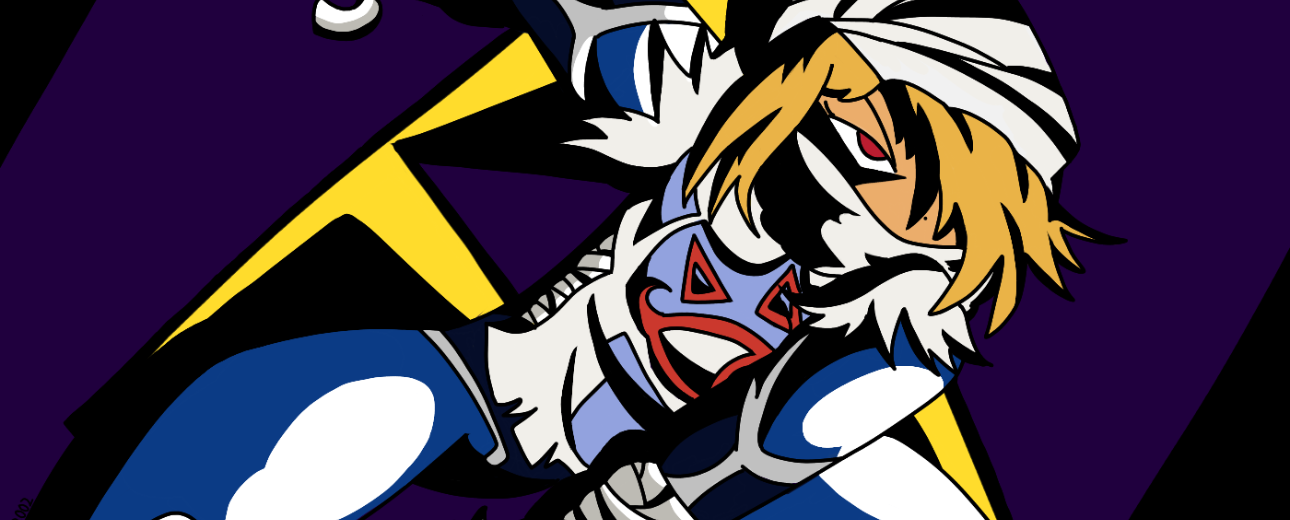
If you’ve ever played The Legend of Zelda: Ocarina of Time, you’ve encountered one of the most mysterious and iconic characters in gaming history – Sheik. This enigmatic figure appears throughout the game offering cryptic advice, teaching Link powerful songs, and vanishing just as quickly as they appear. But who exactly is Sheik? What’s the story behind this mysterious Sheikah warrior? And why does this character continue to captivate Zelda fans decades after their first appearance? I’m here to give you the complete breakdown of everything you need to know about Sheik, from their original role in Ocarina of Time to their appearances in Super Smash Bros., their place in Zelda lore, and the ongoing discussions about their identity and significance.
Sheik represents one of the most brilliant narrative twists in video game history, a character whose true identity shocked players when it was first revealed and continues to spark passionate discussions in the Zelda community. Whether you’re a longtime fan revisiting this beloved character or someone new to the series trying to understand what makes Sheik so special, this complete guide will explore every aspect of this mysterious warrior. We’ll dive into their role in the story, analyze their fighting abilities, discuss the cultural impact they’ve had, and examine why Sheik remains one of the most popular characters in the entire Zelda franchise. Let’s unravel the mystery together and discover what makes Sheik such an enduring and fascinating part of Zelda mythology.
The Big Reveal: Sheik’s True Identity
Let’s start with the question that defines this character: who is Sheik really? If you’ve never played Ocarina of Time or somehow avoided spoilers for over 25 years, I’m about to reveal one of gaming’s most famous plot twists. Sheik is actually Princess Zelda in disguise. After Ganondorf conquers Hyrule and takes control of the kingdom, Zelda uses magic to transform herself into the Sheikah warrior Sheik, hiding from Ganondorf while secretly helping Link on his quest to defeat the evil king.
The Transformation Explained
The transformation from Princess Zelda to Sheik isn’t just a simple costume change – it’s a complete magical disguise that alters Zelda’s appearance, voice, and even physical abilities. Using magic taught to her by Impa, the last surviving member of the Sheikah tribe, Zelda completely reinvents herself to avoid detection by Ganondorf. The disguise is so effective that not even Link recognizes her, despite having met Princess Zelda as a child before being sealed away for seven years.
What makes this transformation particularly fascinating is the level of commitment Zelda shows. She doesn’t just change her clothes and call it a day – she adopts an entirely different persona, fighting style, and way of speaking. Sheik moves with acrobatic grace, speaks in mysterious riddles and prophecies, and demonstrates combat abilities that Princess Zelda never displayed. This suggests that the transformation isn’t purely physical but also involves taking on the skills, knowledge, and perhaps even some personality traits of the Sheikah people.
The magical mechanics of the transformation are never fully explained in the game, which adds to the mystique. We know that Impa taught Zelda the technique, and we know that only Zelda herself can undo the transformation. But questions remain: Does the transformation physically change Zelda’s body, or is it an elaborate illusion? Does Sheik have access to all of Zelda’s memories and knowledge, or are some things blocked? These ambiguities have fueled decades of fan discussion and interpretation.
Why Zelda Chose This Disguise
Understanding why Zelda becomes Sheik is crucial to appreciating the character. After Link pulls the Master Sword and is sealed in the Sacred Realm for seven years, Ganondorf conquers Hyrule and hunts for Zelda, knowing she possesses the Triforce of Wisdom. If captured, Zelda would give Ganondorf access to her piece of the Triforce, allowing him to complete his conquest. Zelda needs to stay hidden while also continuing to oppose Ganondorf’s rule and assist the prophesied hero.
Becoming Sheik allows Zelda to accomplish several goals simultaneously. First, it provides perfect camouflage – Ganondorf is looking for a Hylian princess, not a Sheikah warrior. The disguise is so convincing that Ganondorf never suspects Sheik’s true identity throughout the entire game. Second, it allows Zelda to move freely throughout Hyrule without being recognized, gathering information and monitoring Ganondorf’s activities. As a princess, she would be immediately recognized; as Sheik, she can go anywhere unnoticed.
Third, and perhaps most importantly, the Sheik disguise allows Zelda to actively participate in the resistance against Ganondorf. As a princess, she would be limited in what she could do directly. As Sheik, she becomes a warrior capable of fighting, infiltrating dangerous areas, and directly assisting Link. This transformation represents Zelda taking her destiny into her own hands rather than waiting passively to be rescued.
The Reveal Scene
The moment when Sheik reveals their true identity to Link is one of the most memorable scenes in Ocarina of Time. After Link collects all the spiritual medallions and proves himself as the Hero of Time, Sheik finally drops the disguise in the Temple of Time. The transformation sequence shows Sheik surrounded by light as the magical disguise dissolves, revealing Princess Zelda underneath. The music swells, and players who didn’t already know the truth experience one of gaming’s great “oh my god” moments.
What makes this reveal so effective is the careful foreshadowing throughout the game. Sheik’s red eyes match Zelda’s eyes. Both characters have connections to the Ocarina of Time. Sheik seems to know things about Link’s quest that only someone close to the Royal Family would know. Looking back after the reveal, all the clues were there, but the disguise was so convincing that many players were genuinely shocked by the truth.
The emotional impact of the reveal is heightened by Link’s reaction – or rather, his lack of verbal reaction, since Link doesn’t speak. But the camera work and Link’s body language suggest surprise and recognition. He’s been interacting with Zelda all along without knowing it, and now he understands that the mysterious helper guiding him has been the princess he swore to protect. It’s a moment of connection that recontextualizes their entire relationship throughout the game.
Sheik’s Role in Ocarina of Time
Now that we’ve covered the identity reveal, let’s examine what Sheik actually does throughout Ocarina of Time and why this character is so important to the game’s narrative structure.
Guiding Link Through His Quest
Sheik’s primary function in Ocarina of Time is serving as Link’s mysterious guide through the adult portion of the game. After Link wakes up seven years in the future to find Hyrule conquered by Ganondorf, Sheik appears at critical moments to provide guidance, teach songs, and offer cryptic advice about Link’s mission. These encounters serve as narrative milestones that help structure Link’s journey through the temples.
Each time Link completes a major dungeon and defeats a boss, Sheik appears to acknowledge the accomplishment and point Link toward the next objective. But Sheik never explains everything directly – the guidance comes in the form of riddles, prophecies, and mysterious statements that Link (and the player) must interpret. This narrative technique creates a sense of mystique around Sheik while also making Link feel like he’s discovering the path forward rather than just being told what to do.
The teaching of songs is Sheik’s most concrete contribution to Link’s quest. Sheik teaches Link several ocarina melodies that are essential for progressing through the game: the Minuet of Forest, Bolero of Fire, Serenade of Water, Nocturne of Shadow, Requiem of Spirit, and Prelude of Light. These warp songs allow Link to fast travel to different temple locations, making navigation more convenient and connecting Sheik directly to Link’s practical abilities.
The Ocarina Lessons
When Sheik teaches Link a song, the game presents a distinctive cutscene that has become iconic in Zelda history. Sheik pulls out a harp (not an ocarina, interestingly), and demonstrates the melody while magical effects swirl around. The scene emphasizes Sheik’s musical skill and mystical nature, reinforcing the character’s connection to the spiritual aspects of Hyrule’s mythology.
These musical lessons serve multiple purposes. Practically, they give players essential tools for progressing through the game. Narratively, they create recurring touchpoints between Link and Sheik, building their relationship through repeated interactions. Symbolically, they connect Sheik to Zelda’s established musical talents – Princess Zelda also plays music, so Sheik’s musical abilities are a subtle hint at the true identity.
What’s particularly clever about these lessons is that Sheik appears to know exactly when and where Link will need guidance. This prescient timing suggests that Sheik is actively tracking Link’s progress, perhaps through magical means or through an intelligence network. Sheik always shows up at exactly the right moment, never too early or too late. This perfect timing adds to the character’s mystique and suggests deep knowledge of the prophecy that guides events.
Key Story Moments
Beyond teaching songs, Sheik appears at several critical narrative moments that advance the plot. When Link first awakens as an adult in the Temple of Time, Sheik is there to explain what happened during the seven years Link was sealed away. This exposition is crucial for players to understand the new status quo and the stakes of the adult portion of the game.
Sheik also appears after Link completes the Spirit Temple, delivering a particularly ominous warning about Ganondorf’s increasing power and the approaching final confrontation. This scene ramps up the tension and prepares players for the endgame. Sheik’s tone becomes more urgent, and the cryptic mystique gives way to more direct warnings about the danger ahead.
The final Sheik appearance before the identity reveal happens in Kakariko Village, where Sheik prevents Link from entering the village as it burns. This dramatic scene shows Sheik in a more action-oriented role, demonstrating that this mysterious figure isn’t just a teacher but also a protector actively working to save Hyrule. The burning village creates a sense of crisis that sets up the emotional intensity of the upcoming reveal.
Character Design and Appearance
Sheik’s visual design is instantly recognizable and has become iconic in gaming culture. The character wears a form-fitting navy blue outfit with white wrappings on the arms and legs, red Sheikah eye symbol prominently displayed on the chest, and a face covering that conceals all but the eyes. The outfit is practical and ninja-like, emphasizing agility and stealth rather than the regal elegance of Princess Zelda’s dress.
The face covering is particularly significant because it obscures Zelda’s most recognizable features while drawing attention to the eyes – which remain the same between both forms. The blonde hair is hidden under the wrappings, another distinctive Zelda feature removed from view. This design brilliantly conceals identity while still leaving clues for observant players.
Sheik’s body language and animations differ dramatically from Zelda’s. While Princess Zelda moves with royal grace and gentle gestures, Sheik is all sharp movements, acrobatic flips, and warrior stances. The character often strikes dramatic poses, disappears in flashes of light or smoke, and moves with ninja-like speed. This physical performance is so different from Zelda that it reinforces the disguise’s effectiveness.
The color scheme of Sheik’s outfit is worth noting. The navy blue and white create a mysterious, night-operative aesthetic. The red Sheikah eye provides a striking focal point and immediately identifies Sheik’s tribal affiliation. These colors are quite different from Zelda’s typical pink and white royal garments, further distinguishing the two personas.

The Sheikah Connection
To fully understand Sheik, we need to explore the Sheikah tribe that Sheik claims membership in. The Sheikah are a clan of warriors and protectors who have served the Hyrule Royal Family for generations, and understanding their culture and history illuminates why Zelda chose this particular disguise.
Who Are the Sheikah?
The Sheikah are described as an ancient tribe of ninja-like warriors who swore loyalty to the Goddess Hylia and her mortal descendants, the Hyrule Royal Family. They serve as spies, assassins, protectors, and advisors, working in the shadows to defend Hyrule from threats. Their name literally means “those who see the truth” or “shadow folk,” reflecting their role as information gatherers and hidden protectors.
The Sheikah possess unique magical abilities related to shadow manipulation, stealth, and perception. They can disappear using Deku Nuts, move without making sound, and sense things that others cannot. Their symbol is the all-seeing red eye, representing their role as watchers and their ability to perceive hidden truths. This symbolism makes them perfect as the kingdom’s intelligence operatives and special forces.
By the time of Ocarina of Time, the Sheikah tribe has nearly vanished, with Impa being identified as potentially the last pure-blooded Sheikah. This near-extinction adds tragedy to the tribe’s history and makes Sheik’s adoption of their identity even more significant. By becoming Sheik, Zelda isn’t just creating a disguise – she’s honoring and preserving the legacy of this nearly extinct people who devoted themselves to protecting her family.
Impa’s Role as Zelda’s Teacher
Impa is the crucial link between Princess Zelda and the Sheik identity. As one of the last Sheikah and as Zelda’s personal protector and nursemaid, Impa taught Zelda about Sheikah culture, abilities, and magic. The transformation into Sheik would have been impossible without Impa’s knowledge and training, making her an essential part of Sheik’s existence even though she never appears alongside her student’s alter ego.
The relationship between Impa and Zelda is touching when you consider what Impa’s teachings enabled. By passing on Sheikah secrets to the young princess, Impa gave Zelda the tools she would need to survive Ganondorf’s conquest. Impa couldn’t have known exactly how Zelda would use this knowledge, but her trust in teaching forbidden techniques to Zelda ultimately saved the princess’s life and allowed her to continue fighting for Hyrule.
Impa’s influence is visible in everything Sheik does. The acrobatic movements, the use of Deku Nuts for escape, the preference for appearing and disappearing rather than prolonged confrontations – these are all Sheikah techniques that Zelda learned from Impa. In a sense, when Link interacts with Sheik, he’s experiencing a manifestation of Impa’s legacy and the Sheikah tribe’s devotion to protecting the royal family.
Sheikah Abilities and Techniques
As Sheik, Zelda demonstrates several signature Sheikah abilities that distinguish this persona from her usual magical powers. The most prominent is the use of Deku Nuts for flashy entrances and exits. Sheik frequently throws Deku Nuts that create blinding flashes of light, allowing for instantaneous disappearances. This technique is both practical and theatrical, fitting the mysterious image Sheik cultivates.
Acrobatic combat is another hallmark of Sheikah fighting style that Sheik demonstrates. While we never see Sheik engage in extended combat in Ocarina of Time, the character’s movements suggest deadly efficiency. Sheik flips through the air, balances on impossible perches, and moves with fluid grace that implies extensive martial training. This physicality contrasts sharply with the more magic-focused approach Princess Zelda typically employs.
The ability to sense and track is another Sheikah trait Sheik displays. How else could Sheik know exactly where Link would be and when he’d need guidance? This supernatural awareness of events and ability to appear at crucial moments suggests Sheik is using Sheikah sensory techniques to monitor Link’s progress and anticipate his needs. It’s a subtle power, but one that’s essential to Sheik’s role as guide and protector.
Sheik’s Fighting Style and Abilities
While Ocarina of Time gives us only glimpses of Sheik’s combat capabilities, other appearances in games like Super Smash Bros. have expanded our understanding of how Sheik fights. These depictions build on the foundation established in OoT and create a complete picture of Sheik as a warrior.
Speed and Agility Focus
Sheik’s fighting style emphasizes speed over power. Unlike warriors who rely on heavy armor and strong attacks, Sheik wins through quickness, precision, and the ability to strike and retreat before opponents can counter. This hit-and-run approach fits the Sheikah philosophy of efficiency – why engage in prolonged combat when you can end fights quickly with precisely placed strikes?
The acrobatic elements of Sheik’s fighting are distinctive and visually impressive. Sheik incorporates flips, spins, and aerial maneuvers into combat, making the fighting style as much about movement as about attacking. This three-dimensional approach to combat uses vertical space and momentum in ways that more grounded fighting styles don’t, giving Sheik advantages in mobility and unpredictability.
Low commitment attacks are another characteristic of Sheik’s style. Most of Sheik’s moves are quick to execute and quick to recover from, allowing for constant adjustment and reaction. This stands in contrast to heavy-hitting characters who commit to powerful strikes that leave them vulnerable if they miss. Sheik can afford to take risks because individual failed attacks don’t create dangerous openings.
Ninja-Based Combat Techniques
Sheik’s moveset draws heavily from ninja and martial arts traditions. Hand-to-hand combat forms the foundation, with strikes using hands, feet, elbows, and knees integrated into fluid combinations. Unlike sword-based Zelda characters, Sheik rarely relies on weapons, instead using the body as the primary tool. This weaponless approach emphasizes skill and technique over equipment.
Needles appear as Sheik’s primary projectile weapon in many appearances. These throwing needles allow Sheik to attack from range while maintaining the stealthy ninja aesthetic. The needles are quick to throw and can be used to harass opponents or finish off wounded enemies from safety. They’re not devastating weapons, but they fit Sheik’s tactical approach of wearing down opponents rather than overpowering them.
The use of wire and chain in some Sheik movesets adds another ninja element. These tools allow Sheik to grab, trip, or control opponent movement, adding a technical dimension to the fighting style. The manipulation of distance and positioning through these tools demonstrates the strategic thinking that characterizes Sheikah combat philosophy.
Magic and Mystical Elements
Despite the physical focus, magic remains part of Sheik’s arsenal. The transformation itself is magical, and Sheik demonstrates the ability to disappear, teleport, and create light effects that suggest magical enhancement of physical abilities. This blend of physical and mystical creates a unique hybrid fighting style that’s distinct from pure mages or pure warriors.
Light magic specifically seems to be Sheik’s specialty, which makes sense given Zelda’s connection to the Triforce of Wisdom and sacred power. The golden light that accompanies many of Sheik’s special moves in various appearances suggests that Zelda’s inherent light-based powers carry over into the Sheik form, just expressed through different techniques.
The mysterious vanishing that Sheik performs so frequently might be actual teleportation magic, or it might be a combination of Deku Nut flash-bangs and incredibly fast physical movement. The ambiguity is intentional – it doesn’t matter whether Sheik’s escapes are purely magical or enhanced ninja techniques, because the result is the same: a mysterious figure who appears and disappears at will, always staying one step ahead.
Sheik in Super Smash Bros.
Sheik’s most extensive playable appearances outside of Ocarina of Time have been in the Super Smash Bros. fighting game series. These appearances have dramatically expanded Sheik’s fighting style and cemented the character as one of Nintendo’s iconic fighters.
Melee: Sheik’s Fighting Game Debut
Super Smash Bros. Melee introduced Sheik as a playable fighter for the first time, implementing a unique mechanic where Zelda and Sheik were the same character with the ability to transform mid-match. This transformation mechanic reflected the Ocarina of Time story while creating interesting tactical options – players could switch between Zelda’s magic-focused moveset and Sheik’s speed-based attacks depending on the situation.
In Melee, Sheik quickly became known as one of the strongest characters in the game. The combination of fast attacks, great mobility, chain grab capabilities, and powerful finishing moves made Sheik a favorite in competitive play. Professional players like Mew2King became famous for their Sheik play, and the character has remained a staple of high-level Melee competition for over 20 years.
Sheik’s moveset in Melee established patterns that would continue through later games. Fast tilts and aerials formed the foundation of the combo game. Needle Storm provided ranged pressure. The chain could grab and control opponents. And the Vanish recovery move combined upward mobility with a damaging attack, giving Sheik both survivability and offensive options from the same move.
Brawl Through Ultimate: Evolution of the Character
In Super Smash Bros. Brawl, Sheik returned with tweaked frame data and adjusted moves but retained the transformation mechanic with Zelda. However, the game’s different physics engine made Sheik less dominant than in Melee, leading to different tier placements and strategic applications.
Super Smash Bros. for Wii U and 3DS made a significant change by separating Sheik and Zelda into independent characters. This meant players who wanted to use Sheik no longer had to deal with Zelda’s portion of the moveset, allowing for more focused character development. Sheik received substantial buffs and became a top-tier character again, known for incredible frame data and suffocating neutral game pressure.
Super Smash Bros. Ultimate continued the separation and refined Sheik’s moveset further. The character remained fast and combo-oriented but with reduced individual move damage to balance the frequent hit potential. Ultimate Sheik is known for rewarding technical skill and precise play, with top players like VoiD demonstrating the character’s potential for creative combos and edge guarding sequences.
Competitive Impact and Player Favorites
Across all Smash Bros. games, Sheik has maintained a reputation as a technical character that rewards skilled play. The fast-paced nature and emphasis on precise inputs attracts players who enjoy execution challenges and creative combo routes. Sheik doesn’t have the simple game plans of some heavier characters – success requires reading opponents, adapting constantly, and executing complex sequences.
The aesthetic appeal of playing Sheik shouldn’t be underestimated either. The ninja-like movements, flashy combos, and mysterious character design attract players beyond just tier list considerations. Many people play Sheik simply because the character looks cool and feels satisfying to control, even in games where Sheik isn’t top-tier.
Sheik’s presence in competitive Smash Bros. has also raised the character’s profile among gaming audiences who might never play mainline Zelda games. For many players, especially younger ones, Sheik is primarily known as a Smash character first and a Zelda character second. This crossover appeal has helped maintain Sheik’s relevance and popularity across decades.
The Gender Discussion Surrounding Sheik
No comprehensive Sheik guide would be complete without addressing the ongoing discussion about Sheik’s gender identity. This topic has generated considerable debate among fans, creators, and the wider gaming community, and it’s worth examining the different perspectives thoughtfully.
The Original Intent
In Ocarina of Time’s original context, Sheik was presented as male during the disguise. Characters in the game refer to Sheik with masculine pronouns, and the entire point of the disguise was that no one recognized Zelda. Link himself doesn’t suspect Sheik’s true identity, suggesting the transformation is convincing as a male Sheikah warrior. When the reveal happens, it’s meant to be surprising that Sheik was Zelda all along.
The developers’ original statements about Sheik have varied over the years. Some interviews suggested the transformation was meant to be physically complete, with Zelda actually becoming male while in Sheik form. Other statements indicated it was more about disguise and deception rather than literal sex change. This inconsistency in official explanations has contributed to the ambiguity and ongoing discussion.
From a storytelling perspective, the transformation’s completeness makes sense. If Zelda just put on different clothes and called herself Sheik, Ganondorf would see through the disguise immediately using magic. A magical transformation that changes everything about Zelda’s appearance, including perceived gender, would be necessary for the disguise to work against a powerful sorcerer actively hunting for the princess.
Modern Interpretations and Representation
In more recent years, many fans have embraced interpretations of Sheik that explore gender identity beyond the simple “it’s a disguise” explanation. Some view Sheik as representing gender fluidity, with Zelda moving between feminine and masculine presentations. Others see Sheik as a distinct identity separate from Zelda, regardless of the physical connection. These readings resonate with players who see themselves reflected in Sheik’s transformation.
The LGBTQ+ gaming community has particularly embraced Sheik as a meaningful character for representation. Whether interpreted as a trans narrative, gender nonbinary identity, or simply a woman who presents masculine when needed, Sheik provides a rare example of gender presentation being fluid and magical in video games. The fact that this comes from a beloved major gaming franchise makes it even more significant.
Super Smash Bros. has contributed to these discussions by increasingly presenting Sheik with more androgynous or feminine characteristics in recent games, moving away from the explicitly male presentation of the original Ocarina of Time design. This evolution reflects changing cultural conversations and Nintendo’s awareness of how Sheik is received by different audiences.
Respecting Different Perspectives
What’s important is recognizing that different interpretations can coexist. Some players prefer the straightforward “princess in disguise” reading and that’s valid. Others find deeper meaning in exploring Sheik through the lens of gender identity and expression, and that’s equally valid. The beauty of fiction is that different people can take different things from the same character.
For the purposes of this guide, I’ll use they/them pronouns when referring to Sheik specifically and she/her when referring to Zelda, which acknowledges that Sheik and Zelda, while connected, present differently and can be discussed as distinct identities. This approach respects both the narrative reality that Sheik is Zelda and the interpretive reality that Sheik functions as a separate persona with different gender presentation.
The most important thing is that Sheik matters to many people for many different reasons. Whether you see Sheik as a clever disguise, a representation of gender fluidity, or something in between, the character has touched players’ lives in meaningful ways. That impact is real regardless of which interpretation any individual embraces.
Sheik’s Appearances Beyond Ocarina of Time
While Ocarina of Time is Sheik’s main game, the character has appeared in various other Zelda titles and spin-offs, each adding something to our understanding of the character.
Ocarina of Time 3D
The Nintendo 3DS remake of Ocarina of Time updated Sheik’s model and textures while keeping the core character intact. The improved graphics allowed for more detailed clothing and more expressive eyes, making Sheik’s appearances even more striking. The remake introduced the character to a new generation of players and reignited discussions about Sheik’s role in Zelda lore.
Some players noted that the 3D version’s Sheik appears slightly more feminine than the original N64 version, with a less angular face and more delicate features. Whether this was intentional commentary on the character or simply a result of more detailed modeling is unclear, but it demonstrates how different artistic implementations can affect character perception.
Hyrule Warriors
Hyrule Warriors gave players the first opportunity to play as Sheik in a mainline Zelda-related game (outside of Smash Bros.). In this hack-and-slash spin-off, Sheik is a separate character from Zelda with unique movesets and abilities. The game portrays Sheik as a legendary warrior whose techniques can devastate armies of enemies.
Hyrule Warriors’ Sheik features expanded combat capabilities that build on the foundation from Smash Bros. while adding elements appropriate for the musou genre. Giant water attacks, ninja techniques, and harp-based magic all appear in Sheik’s moveset. The game treats Sheik as a legendary hero in their own right, which feels like proper respect for such an iconic character.
The game also includes multiple costumes referencing different Zelda games and designs, allowing players to customize Sheik’s appearance. This reinforces Sheik’s status as a popular character worthy of special attention and development time from the creators.
Other References and Cameos
Sheik appears in various minor forms across other Nintendo properties. Trophies and stickers in Smash Bros. games feature Sheik. The character appears in Zelda art books and official merchandise. These references keep Sheik present in Nintendo’s overall brand even during years when no new Zelda games feature the character.
Fan games and ROM hacks have also featured Sheik extensively, with modders creating Sheik-focused campaigns and adventures. While not official, these fan creations demonstrate the enduring appeal of the character and the desire for more Sheik content that official releases haven’t fully satisfied.
The absence of Sheik from Breath of the Wild and Tears of the Kingdom disappointed some fans who hoped the character might appear in these massive, lore-heavy games. However, the different timeline placement and narrative focus of those games made Sheik’s inclusion difficult to justify. Perhaps future Zelda titles will find new ways to incorporate this beloved character.
The Legacy and Cultural Impact of Sheik
Beyond the games themselves, Sheik has left an indelible mark on gaming culture and the broader Zelda fandom. Understanding this cultural impact helps explain why a character with relatively limited screen time remains so beloved decades later.
Iconic Status in Gaming
Sheik achieved iconic status remarkably quickly after Ocarina of Time’s release. The mysterious ninja aesthetic, the dramatic reveal, and the connection to Zelda created a perfect storm of memorability. Within a few years, Sheik had become one of the most recognizable characters in the franchise despite appearing in only one main Zelda game.
The character’s iconic status is reinforced by instant visual recognition. Show a silhouette of Sheik to Zelda fans and most will immediately identify the character. The distinctive outfit, the wrapped face, the eye symbol – these design elements are so strong that they’ve become permanently associated with the Zelda franchise even though Sheik isn’t in most Zelda games.
Sheik’s inclusion in Super Smash Bros. played a huge role in cementing this iconic status. By appearing alongside Nintendo’s biggest characters as a premier fighter, Sheik gained recognition beyond just Zelda fans. People who never played Ocarina of Time know Sheik from Smash, creating a broader cultural footprint than many characters who actually star in multiple games.
Fan Art and Cosplay
The fan art community has embraced Sheik enthusiastically, producing countless illustrations, comics, and creative reinterpretations. Artists love Sheik because the character combines recognizable design elements with enough mystery to allow creative interpretation. You can find Sheik fan art in virtually every style imaginable, from cute chibi versions to epic dramatic paintings.
Cosplay culture has similarly embraced Sheik as a popular costume choice. The distinctive outfit is challenging to create but recognizable enough to be worth the effort. Sheik cosplayers appear at gaming conventions worldwide, and many put incredible effort into recreating the wrapped fabric details, the Sheikah symbol, and the overall ninja aesthetic. Some even create functioning harps or replica needles to complete the look.
The popularity of Sheik costumes even extends to commercial products. Multiple companies produce official and unofficial Sheik costumes and accessories, showing that there’s genuine market demand for Sheik merchandise. This commercial viability is remarkable for a character who last appeared in a mainline game over 25 years ago.
Music and Remixes
Sheik’s musical themes from Ocarina of Time have become beloved pieces in their own right. The songs Sheik teaches Link are iconic melodies that players who’ve never even played the game can recognize. These simple but memorable tunes have been remixed countless times by fan musicians and covered by orchestras in official Zelda concerts.
The harp music associated with Sheik’s appearances creates atmosphere and mystique. Even though Sheik plays a harp while Link learns songs on the ocarina, the association between Sheik and music is strong. This musical connection makes Sheik feel like a complete character with artistic dimension beyond just combat abilities.
In Zelda symphony concerts and official orchestral arrangements, Sheik’s themes receive special attention. The character represents a specific era of Zelda history that holds enormous nostalgia value, and including Sheik’s music in these performances acknowledges the character’s importance to the franchise.
Influence on Character Design
Sheik’s success has influenced character design in Zelda and beyond. The idea of a princess who takes on a warrior disguise, the ninja aesthetic within fantasy settings, and the concept of mysterious guides who turn out to be important characters – all of these elements can be traced back to Sheik or were at least popularized by the character.
Later Zelda games include characters with Sheik-like elements. The Sheikah tribe becomes more prominent in Breath of the Wild, where they play a major role with technology and ancient knowledge. While BotW doesn’t feature Sheik personally, the expanded Sheikah lore feels like it’s building on the foundation that Sheik established in Ocarina of Time.
In other gaming franchises, you can see characters clearly inspired by Sheik’s template – mysterious ninja-like figures who serve as guides, characters hiding their true identity to assist the hero, and warrior-ninjas with acrobatic combat styles. Sheik’s influence ripples through gaming in ways both obvious and subtle.
Why Sheik Remains Popular After 25+ Years
Let’s examine the specific factors that have allowed Sheik to maintain popularity and relevance for over a quarter century, long after many video game characters have been forgotten.
The Mystery Factor
Humans are naturally drawn to mystery, and Sheik embodies mystery perfectly. Even after the big reveal, questions remain. How does the transformation work? What was Sheik doing when not helping Link? How did Zelda learn all these combat techniques? The gaps in what we know allow fans to fill in details with imagination and interpretation, keeping the character fresh and open to discovery.
The cryptic dialogue Sheik delivers adds to this mysterious appeal. Lines like “Time passes, people move… Like a river’s flow, it never ends” sound profound and meaningful without being entirely clear. This vagueness allows different players to find different meanings, creating personal connections to the character.
The dramatic entrances and exits maintain mystique even on repeat playthroughs. Sheik never walks into a room normally or sticks around for casual conversation. Every appearance is brief, purposeful, and theatrically mysterious. This commitment to the mysterious persona makes Sheik feel special and important rather than just another NPC.
The Cool Factor
Beyond mystery, Sheik simply looks really cool. The ninja aesthetic, the acrobatic movements, the Sheikah symbolism – everything about Sheik’s design screams “badass” in a way that appeals to players. In a game where Link fights with sword and shield like a traditional fantasy hero, Sheik offers a different kind of warrior fantasy based on speed, stealth, and precision.
The gender presentation also contributes to the cool factor for many players. Whether you see Sheik as a woman in masculine presentation, a gender-fluid character, or something else entirely, there’s something compelling about Zelda transforming into this powerful warrior that defies traditional princess stereotypes. Sheik represents agency, power, and self-determination in ways that resonate with players.
The competence Sheik displays is undeniably cool. This isn’t a character who needs rescue or who fumbles through situations. Sheik is always in control, always one step ahead, always capable. That unflappable competence is attractive to players who want to see characters who can handle themselves in any situation.
Connection to Zelda’s Character Growth
Sheik represents Princess Zelda’s evolution from protected royal to active hero. Instead of waiting to be rescued like in many traditional stories, Zelda takes action, disguises herself, and works to save Hyrule alongside Link. This character development resonates with players who appreciate seeing princesses as active agents in their own stories rather than passive damsels.
The duality of Zelda and Sheik also fascinates fans. These are both the same person, but they represent different aspects of Zelda’s identity and capabilities. The princess and the warrior, the open and the hidden, the light and the shadow – these complementary opposites within one character create depth and complexity that makes both Zelda and Sheik more interesting.
Sheik’s very existence proves that Zelda is more capable than she often gets credit for. She has the magical knowledge to transform herself, the combat skills to survive in a conquered kingdom, the tactical thinking to guide Link without being detected, and the determination to fight Ganondorf rather than surrender. Sheik is evidence of Zelda’s hidden strength, making players appreciate the princess more.
Nostalgia and Timing
We can’t ignore the nostalgia factor. Ocarina of Time is one of the most beloved video games ever made, considered by many to be the greatest game of all time. Characters from such an influential title benefit from association with players’ happy memories. For many people, Sheik is forever connected to the wonder they felt playing Ocarina of Time for the first time.
The timing of Ocarina of Time’s release also matters. The game came out during the late 1990s when many current adult gamers were children or teenagers. Sheik became embedded in their memories during formative years, creating lasting attachment. Characters we love during childhood tend to maintain special places in our hearts as adults.
The limited appearances actually work in Sheik’s favor for nostalgia purposes. Because Sheik hasn’t appeared in every single Zelda game, hasn’t been overexposed or reinterpreted constantly, the character remains pure in fans’ memories. Each Sheik appearance feels special rather than routine, maintaining the character’s mystique and appeal.

Sheik’s Place in Zelda Lore and Timeline
Understanding where Sheik fits in the complex Zelda timeline and lore helps appreciate the character’s significance in the broader mythology of the franchise.
Ocarina of Time’s Timeline Position
Ocarina of Time is positioned as a pivotal point in Zelda’s timeline, the game where the timeline splits into three separate branches based on different outcomes of Link’s confrontation with Ganondorf. Sheik exists in all branches during the events of Ocarina of Time itself, but what happens to Sheik afterward depends on which timeline you’re examining.
In the Adult Timeline (Wind Waker, Phantom Hourglass, Spirit Tracks), Link defeats Ganondorf and the events leading to the flood of Hyrule eventually occur. In this timeline, Zelda presumably returns to her normal form and rules as princess/queen, with the Sheik identity retired after serving its purpose.
The Child Timeline (Majora’s Mask, Twilight Princess, Four Swords Adventures) branches from Link being sent back to his childhood at the end of Ocarina of Time. In this timeline, the events requiring Zelda to become Sheik never happen because Ganondorf’s coup is prevented. Sheik exists only as a potential identity that Zelda prepared for but never needed.
The Fallen Hero Timeline (A Link to the Past, Oracle games, Link’s Awakening, original LoZ, Zelda II) represents what would happen if Link failed to defeat Ganondorf. In this dark timeline, Zelda as Sheik was likely killed or captured when Ganondorf ultimately won, leading to the Imprisoning War and the darker trajectory this timeline follows.
Sheikah Lore Expansion
Later Zelda games have greatly expanded Sheikah lore, providing context for Sheik’s tribal identity. Breath of the Wild in particular makes the Sheikah central to the plot, showing their advanced ancient technology, their villages, and their continuing service to the royal family. While Sheik doesn’t appear in BotW, the expanded Sheikah content feels like it builds on the foundation Sheik established.
The Sheikah eye symbol that Sheik prominently displays appears throughout multiple Zelda games, always associated with ancient wisdom, hidden knowledge, and protection of the royal family. This consistent iconography creates visual continuity between Sheik and the broader Sheikah elements in other games, even when Sheik isn’t personally present.
Impa’s appearances across multiple Zelda games also connect to Sheik’s legacy. As Sheik’s teacher and the primary Sheikah representative in many games, Impa embodies the tradition that Sheik drew upon. Understanding Impa’s role helps understand what Sheik represents in terms of the ancient pact between the Sheikah and Hyrule’s rulers.
Legendary Status Within Hyrule
Within Hyrule’s fictional history, Sheik presumably becomes legendary as the mysterious warrior who helped the Hero of Time during Ganondorf’s reign. While commoners wouldn’t necessarily know that Sheik was Princess Zelda, stories would remember the Sheikah warrior who appeared at crucial moments to guide the hero.
This legendary status might influence future generations. When later Zeldas or Sheikah warriors tell stories of their history, tales of Sheik would be included alongside stories of Link’s heroism. The idea of a Sheikah guardian appearing to help in times of crisis could become an expected part of the cultural mythology.
The question of whether future Zeldas could become Sheik is interesting to contemplate. Did the transformation technique die with Impa’s knowledge, or was it preserved? Could a future Princess Zelda facing similar crisis transform into Sheik again? The games don’t answer this, leaving it to fan speculation and potential future story opportunities.
Sheik Compared to Other Zelda Characters
Examining how Sheik relates to other major Zelda characters illuminates what makes Sheik unique and memorable in the franchise’s large cast.
Sheik vs. Impa
Impa is often compared to Sheik since both are Sheikah warriors connected to Princess Zelda. However, their roles are quite different. Impa is typically presented as the wise guardian, the teacher, the protector who openly serves the royal family. Sheik is the hidden operative, the mysterious guide who works in shadow and secrecy. Impa represents the public face of Sheikah service while Sheik represents the hidden aspects.
In terms of combat, Impa varies across different games – sometimes she’s elderly and non-combative, sometimes she’s a powerful warrior in her own right. When Impa is portrayed as young and capable (as in Skyward Sword or Hyrule Warriors), her fighting style often resembles what we imagine Sheik’s would be, which makes sense given that Impa taught Zelda the techniques Sheik uses.
The emotional dynamic between the two is touching when you remember their connection. Impa gave Zelda the knowledge and skills that allowed her to survive as Sheik. Every time Sheik appears in Ocarina of Time, it’s a testament to Impa’s teaching and the bond between the Sheikah nursemaid and the princess she protected.
Sheik vs. Tetra
Tetra from Wind Waker represents another iteration of Princess Zelda in disguise as a different persona. Like Sheik, Tetra allows Zelda to move through the world incognito and demonstrate capabilities beyond traditional princess roles. However, the contexts and executions differ significantly.
Tetra is unaware of being Zelda for most of Wind Waker, unlike Sheik who consciously adopts the disguise. Tetra’s pirate captain personality developed naturally, while Sheik’s warrior persona was deliberately constructed. This makes Tetra feel more like her own separate character, while Sheik always feels like Zelda wearing a mask.
In terms of personality, Tetra is bold, brash, and openly confrontational. Sheik is mysterious, cryptic, and avoids direct confrontation. These contrasting approaches to the “princess in disguise” concept show different aspects of Zelda’s potential – Tetra shows her leadership and courage, while Sheik shows her wisdom and strategic thinking.
Sheik vs. Link
Comparing Sheik and Link reveals interesting parallels and contrasts between two warriors fighting for the same cause. Both are silent or near-silent characters who communicate more through actions than words. Both possess great combat skill and magical abilities. Both work to save Hyrule from Ganondorf’s evil.
The key difference is methodology. Link is the straightforward hero who confronts evil directly with sword and shield. Sheik is the covert operative who works in shadow, providing support and guidance rather than direct confrontation. Link is the spear, Sheik is the intelligence network behind it. Both are essential to victory, but they operate in completely different spheres.
There’s also a power dynamic worth noting. Sheik knows everything about Link, tracks his progress, and provides guidance from a position of greater knowledge. Yet Link is the one with the Triforce of Courage and the raw combat power to actually defeat Ganondorf. They’re equals in importance but asymmetric in capabilities, creating a partnership dynamic where each brings something the other lacks.
Creating Your Own Sheik Content
For fans inspired by Sheik who want to create their own content featuring the character, here are some thoughts and suggestions based on how the community has engaged with Sheik over the years.
Fan Fiction and Stories
Writing Sheik fan fiction is popular in the Zelda community, with countless stories exploring aspects of the character that the games leave mysterious. What did Sheik do during the seven years between Link being sealed and awakening? How did Zelda feel living as Sheik? What adventures did Sheik have that Link never saw? These questions provide rich material for storytelling.
When writing Sheik, consider the balance between mystery and character development. Part of Sheik’s appeal is the mystique, but good stories need character depth. Finding ways to develop Sheik’s personality, motivations, and internal life while maintaining that mysterious quality is the challenge that makes Sheik writing interesting.
The relationship between Sheik and Link offers great storytelling potential. How does Link feel when he learns Sheik’s true identity? Does Sheik/Zelda have feelings for Link that complicate her role as guide? How does the time they spent together as Sheik and Link affect their relationship afterward? These dynamics create emotional stakes beyond just the plot.
Art and Design
Drawing Sheik is popular among fan artists, but capturing the character effectively requires attention to specific elements. The wrapped fabric needs to look like functional clothing, not just random bandages. The body language should suggest coiled energy and martial readiness. The eyes need to be expressive since they’re the only facial feature visible. Getting these details right makes the difference between generic ninja art and distinctly Sheik art.
Many artists enjoy reimagining Sheik in different styles or contexts. Sheik in modern clothing, Sheik in different art styles (anime, western comic, realistic), Sheik combined with elements from other games – the possibilities are endless. The strong core design of the character is flexible enough to work in many contexts while remaining recognizable.
3D modeling of Sheik has become increasingly popular as software becomes more accessible. Creating Sheik models for use in games, animations, or virtual worlds lets artists explore the character in three dimensions and animate the acrobatic movement style that defines Sheik’s physicality.
Cosplay Construction
Building a Sheik cosplay presents interesting technical challenges. The wrapped fabric aesthetic requires careful planning to look intentional rather than sloppy. The form-fitting bodysuit needs to allow mobility while maintaining the sleek appearance. The Sheikah eye symbol should be crisp and properly proportioned. Meeting these challenges successfully results in one of the most striking cosplay options in gaming.
The face wrapping technique is particularly important. It needs to stay secure throughout a convention day, remain comfortable for breathing, and frame the eyes dramatically. Many cosplayers experiment with different materials and construction methods to find the right balance between aesthetics and practicality.
Adding props like the harp elevates a Sheik cosplay from good to great. Whether you build a functional instrument or a convincing prop, having the harp completes the iconic look and provides great photo opportunities. Some cosplayers even learn to play simple melodies on their prop harps, bringing an extra dimension of authenticity.

Conclusion: The Enduring Legacy of Sheik
After exploring every aspect of this mysterious warrior, it’s clear why Sheik remains one of gaming’s most beloved characters more than 25 years after Ocarina of Time’s release. The combination of cool ninja aesthetics, narrative significance, gender presentation discussions, and genuine mystique creates a character that transcends the single game where they appear.
Sheik represents so many things to different players. To some, Sheik is simply a clever plot twist that makes Ocarina of Time’s story more memorable. To others, Sheik represents gender fluidity and the freedom to present oneself differently than society expects. To competitive gamers, Sheik is a top-tier fighting game character requiring technical skill. To cosplayers and artists, Sheik is an iconic design worth recreating and reinterpreting. All of these perspectives are valid, and together they create the rich tapestry of Sheik’s cultural impact.
The character’s limited appearances have paradoxically strengthened rather than weakened Sheik’s popularity. Each appearance feels special and significant rather than routine. When Sheik shows up in a Smash Bros. game or appears in official artwork, it’s an event that reminds fans why they love this character. The scarcity creates value and prevents overexposure that might diminish the mystery.
Looking to the future, fans hope for more Sheik content in official releases. A game focused specifically on Sheik’s adventures during the seven-year gap in Ocarina of Time would be incredible. Seeing Sheik return in a new mainline Zelda game would thrill long-time fans. Even just more substantial appearances in spin-offs would be welcome. The character has proven enduring popularity that justifies additional development.
Whether you first encountered Sheik in 1998 when Ocarina of Time released, discovered the character through Super Smash Bros., or just learned about Sheik while researching Zelda lore, there’s something undeniably captivating about this mysterious warrior. The combination of strong visual design, narrative significance, combat prowess, and interpretive flexibility creates a character that can mean many things to many people.
Sheik is Princess Zelda’s shadow, the hidden aspect of her identity that emerges in crisis. Sheik is the last Sheikah warrior carrying on ancient traditions. Sheik is the mysterious guide who helps heroes find their path. Sheik is a ninja who moves too quickly to be seen clearly. Sheik is whatever you need them to be – protector, fighter, teacher, inspiration.
As we look back on decades of Zelda history, certain characters stand out as truly special, truly memorable in ways that transcend their screen time or mechanical importance. Sheik is absolutely one of those characters, a testament to how powerful good character design and compelling mystery can be. The red-eyed guardian who appears in flashes of light, teaches songs of power, and vanishes before you can fully understand them – that’s Sheik, and that’s why this character will remain beloved for decades to come.
For more deep dives into Zelda lore and character analysis, check out the Zelda Wiki’s comprehensive character database. For discussions about Sheik’s appearances in competitive Smash Bros., Smashboards hosts extensive frame data and strategy discussions. The Zelda Universe fan community regularly posts articles analyzing Zelda characters and their significance. And for official information directly from Nintendo, the Legend of Zelda official website provides game details and occasionally releases developer insights about character creation.
The mystery of Sheik continues to unfold with each player’s interpretation, each fan’s creative work, each discussion about what the character means. That’s the mark of a truly great character – not one that’s completely explained and understood, but one that remains fascinating no matter how many times you examine them from new angles.