
 Canada
 USA
USA Japan
Japan



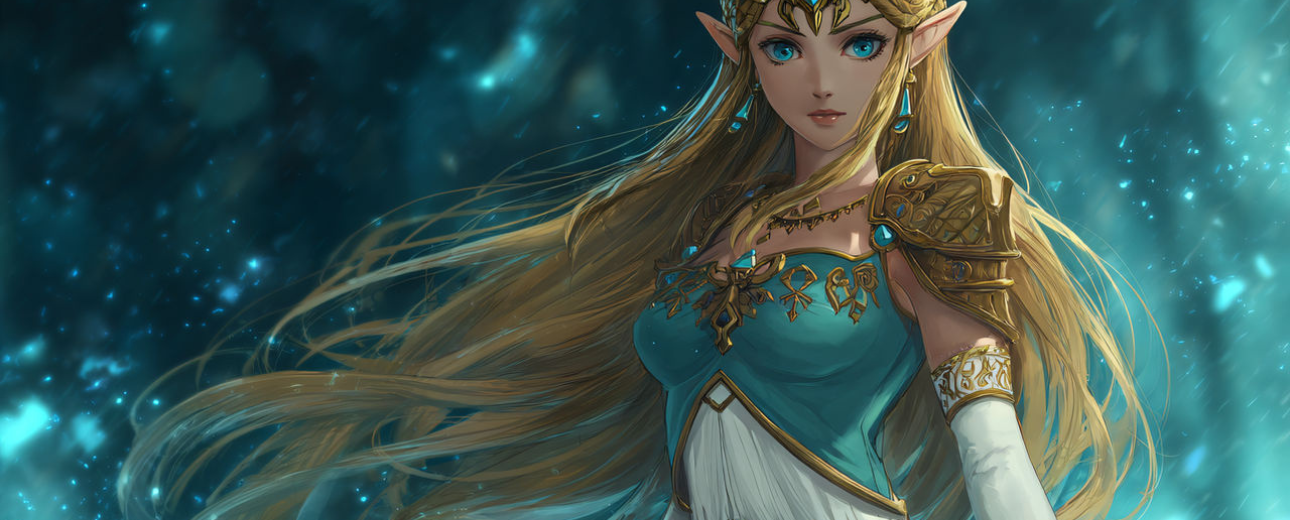
When you think about iconic video game characters, Princess Zelda probably comes to mind pretty quickly. She’s been gracing our screens since 1986, appearing in dozens of games across nearly four decades. But here’s something that might surprise casual fans: Zelda isn’t just some damsel in distress waiting to be rescued. She’s actually one of the most complex, multifaceted, and evolving female characters in all of gaming history. While other franchises have struggled to create compelling female protagonists, Nintendo has spent almost 40 years crafting a character who embodies wisdom, power, courage, and incredible depth.
I’ve been playing Zelda games since I was a kid, and the more I’ve explored this franchise, the more I’ve come to appreciate just how remarkable Princess Zelda truly is. She’s not one character—she’s dozens of different incarnations across timelines, each bringing unique strengths, struggles, and stories. From warrior princesses to scholars, from goddesses in disguise to leaders fighting impossible odds, Zelda has been all of this and more. Let me take you on a journey through why this princess stands head and shoulders above most video game characters, regardless of gender.
The Reincarnation Cycle: Understanding Zelda’s Unique Existence
Before we dive into what makes Zelda so complex, we need to understand something fundamental about the Legend of Zelda universe that sets it apart from most other game franchises. Princess Zelda isn’t just one person—she’s a bloodline of princesses, each named Zelda, appearing across thousands of years of Hyrulean history. This isn’t like Mario where the same character has adventures in different settings. Each Zelda is genuinely a different person living in a different era, facing unique challenges.
The Goddess Hylia’s Legacy
The foundation of Zelda’s complexity starts with her divine origins. In Skyward Sword, we learn that the first Zelda was actually the mortal reincarnation of the Goddess Hylia, the deity who protected the land before recorded history. Hylia made an incredible sacrifice: she gave up her divinity to be reborn as a mortal because only a mortal could use the Triforce to defeat the demon king Demise. Think about the weight of that decision—choosing to become vulnerable, to experience pain and mortality, all to save the world.
This divine heritage echoes through every Zelda who comes after. Each princess carries a portion of Hylia’s power and wisdom, even if they don’t always know it consciously. Some Zeldas are fully aware of their connection to the goddess and embrace it. Others discover it only when crisis forces them to awaken dormant abilities. This creates fascinating variety in how different Zeldas relate to their destiny and power.
The connection to Hylia also means that Zelda is fundamentally different from other “princess” characters in gaming. She’s not royalty because of lucky birth—she’s royalty because her bloodline carries divine responsibility. The crown isn’t just political power; it’s a sacred duty to protect Hyrule and its people. Every Zelda bears this burden differently, and watching how they handle it reveals incredible character depth.
The Eternal Struggle Against Darkness
Alongside Zelda’s reincarnation, there’s also Link (the hero) and usually some form of Ganon or other great evil. This creates an eternal cycle: whenever great darkness arises, the hero and the princess will appear to stop it. But here’s what’s fascinating—while Link is almost always a silent protagonist we project ourselves onto, Zelda gets to be a fully realized character with personality, motivations, fears, and growth.
This cycle means Zelda has appeared in medieval settings, post-apocalyptic wastelands, oceanic worlds, twilight-covered lands, and even in the sky. Each environment shapes that era’s Zelda differently. The Zelda living on a flooded world will develop different skills and perspectives than one living in a thriving kingdom. This environmental and temporal diversity allows Nintendo to explore vastly different aspects of what it means to be a leader, a woman, and a bearer of divine power.
What makes this even more interesting is that different Zeldas have different levels of awareness about the cycle. Some know exactly what they’re up against and prepare accordingly. Others are thrust into situations they never expected. The contrast between a Zelda who’s trained her whole life for this and one who discovers her role mid-crisis creates completely different character arcs and challenges.
Multiple Timelines, Multiple Interpretations
If the reincarnation cycle wasn’t complex enough, the Zelda timeline literally splits into three separate branches after Ocarina of Time, creating parallel universes where different outcomes occurred. This means we get to see how Zelda develops in worlds where the hero succeeded, where he failed, and where he was sent back in time. Each timeline produces Zeldas who face fundamentally different worlds.
In the “Fallen Hero” timeline where Link failed to defeat Ganon in Ocarina of Time, we get Zeldas who live in a world where evil won and darkness reigns. These princesses often operate from positions of weakness, using cunning and resourcefulness rather than open power. In the “Child Timeline” where Link was sent back to warn about Ganondorf’s treachery, Zelda grows up in relative peace but must deal with different threats. The “Adult Timeline” produces a world flooded by the gods themselves, where Zelda’s descendants must adapt to an entirely new reality.
This timeline complexity isn’t just narrative gimmickry—it fundamentally affects Zelda’s character. It lets Nintendo explore “what if” scenarios: What if Zelda had to rule during an occupation? What if the kingdom fell and she became a pirate captain’s descendant? What if she had to sacrifice everything to seal evil, knowing she’d be forgotten? These aren’t random stories; they’re thought experiments in character development that reveal different facets of who Zelda can be.
From Damsel to Warrior: Zelda’s Evolution Across the Franchise
One of the most remarkable things about Princess Zelda is how she’s evolved alongside gaming culture itself. The franchise has responded to changing expectations about female characters, but it’s done so in a way that feels organic to the world and respectful to long-time fans.
The Early Years: Establishing the Foundation
In the original Legend of Zelda from 1986, Princess Zelda is captured by Ganon and needs rescuing. On the surface, this seems like a standard “save the princess” plot that was common in early gaming. But even here, there are seeds of complexity. Zelda didn’t just sit around waiting to be captured—she broke the Triforce of Wisdom into eight pieces and hid them throughout Hyrule to keep them from Ganon’s hands. That’s strategic thinking and sacrifice. She made herself bait while ensuring the villain couldn’t achieve ultimate power.
In Zelda II: The Adventure of Link, we encounter a different Zelda who’s been cursed into an eternal sleep. The backstory reveals she refused to tell her brother’s advisor where the Triforce was hidden, choosing to suffer rather than betray her duty. Again, we see themes of sacrifice, duty, and resistance even when it costs everything. These early games established that Zelda, even when captured or cursed, maintains agency through her choices.
The instruction manuals and supplementary materials from these early games painted Zelda as wise and magical, possessing powers that complemented Link’s courage. She wasn’t helpless—she was playing a different role in the same war. This foundation would become crucial as the series developed and technology allowed for more complex storytelling.
Ocarina of Time: The Turning Point
When Ocarina of Time launched in 1998, it revolutionized not just the Zelda franchise but gaming as a whole. And the portrayal of Zelda in this game marked a watershed moment for her character. For the first time, we got to really interact with Zelda, see her personality, understand her motivations, and watch her make consequential decisions.
Young Zelda in this game is remarkable. She’s a child who has prophetic dreams warning her of impending doom. Despite her youth, she recognizes the threat Ganondorf poses when the adults around her are oblivious or complicit. She trusts a random boy from the forest based on her visions and sets in motion the events that will save (or doom, depending on the timeline) Hyrule. This shows incredible courage and judgment.
But the real genius of Ocarina of Time is Sheik. When Link awakens seven years later to find Hyrule conquered by Ganondorf, he’s guided by a mysterious Sheikah warrior named Sheik. The reveal that Sheik is actually Princess Zelda in disguise is one of gaming’s most iconic moments. Zelda didn’t spend those seven years imprisoned or hiding passively—she trained as a warrior, learned the Sheikah arts, and actively worked against Ganondorf’s regime while guiding Link.
Think about what this means for Zelda as a character. She recognized that being “Princess Zelda” made her a target and a symbol that could be used against her people. So she abandoned her identity, her status, her entire public existence to become what Hyrule needed: a resistance fighter. She chose effectiveness over recognition, survival over pride. This is sophisticated character work that respects the intelligence of both Zelda and the player.
The Wind Waker: Redefining the Princess
The Wind Waker took Zelda in yet another bold direction. In this flooded world set generations after Ocarina of Time, we meet Tetra, a brash pirate captain who commands a crew and navigates the Great Sea. She’s tough, sarcastic, confident, and utterly unaware that she’s actually the descendant of the Hyrulean royal family.
Tetra represents a fascinating exploration of nature versus nurture. She grew up without knowledge of her heritage, without training in royal duties or divine responsibilities. Yet she still became a leader—just in a completely different context. Her leadership style is informal and earned through competence rather than birthright. When she discovers she’s Princess Zelda, it creates an identity crisis that the game handles with nuance.
The transformation scene where Tetra becomes Zelda is visually striking but also symbolically complex. She goes from practical pirate clothes to an elaborate princess gown, from active participant to protected figure. The game doesn’t present this as entirely positive—there’s a real sense of loss when vibrant Tetra becomes static Zelda. This feels like commentary on how traditional gender roles and royal expectations can constrain women, even when those roles come with power and prestige.
What’s brilliant is that in the sequel, Phantom Hourglass, Tetra returns to being Tetra. The game acknowledges that she contains both identities—pirate captain and princess—and she gets to choose which role serves her people better in different contexts. This is far more sophisticated than simply replacing “damsel” with “warrior.” It recognizes that women can be complex, containing multitudes, switching between roles as situations demand.
Twilight Princess: The Tragic Ruler
Twilight Princess presents perhaps the most politically complex Zelda in the series. When her kingdom is invaded by forces from the Twilight Realm, this Zelda faces an impossible choice: watch her people be slaughtered in a war they cannot win, or surrender and submit to occupation. She chooses surrender, trading her freedom for her people’s lives.
This Zelda spends most of the game imprisoned, but the game makes clear this is strategic martyrdom, not helplessness. She endures captivity because it’s the price of her people’s safety. When she’s finally given a chance to strike against the enemy, she makes a devastating choice: she sacrifices her life force to save Midna, the Twilight Princess. Zelda gives up everything, reducing herself to near-death, to save someone else.
This portrayal explores themes of leadership burden, sacrifice, and the weight of impossible choices. This Zelda doesn’t get to fight on the battlefield or engage in direct action for most of the game. Her power lies in her willingness to suffer for others, to make the hard calls that preserve life even at tremendous personal cost. It’s a different kind of strength than swinging a sword, but it’s no less meaningful or complex.
The ending, where Zelda uses the last of her strength to help defeat Ganondorf, shows that she hasn’t been passive—she’s been conserving her power for the moment it matters most. Her entire arc is about strategic patience and sacrifice, themes that resonate differently than typical action-hero narratives.
Skyward Sword: The Origin Story
Skyward Sword gave us the first Zelda chronologically, and she’s wonderfully different from her descendants. This Zelda starts as Link’s childhood friend, completely unaware of her divine nature. She’s warm, playful, teasing, and genuinely close to Link in a way few other Zelda games explore.
When she’s pulled into her destiny—literally thrown from the sky—her journey becomes one of self-discovery and acceptance. She learns she’s the mortal incarnation of Goddess Hylia, that her entire existence has been leading to this moment, that her friendship with Link was partly orchestrated by her past divine self. How do you process that? How do you reconcile being a regular person with being a goddess in disguise?
This Zelda handles it with remarkable grace and determination. She accepts her role, undergoes purification rituals, and ultimately agrees to seal herself away for thousands of years to contain Demise. The scene where she says goodbye to Link, knowing she’s choosing to sleep through millennia, is heartbreaking. She’s sacrificing not just her life but her entire timeline, her chance to live and love and grow, for the greater good.
Skyward Sword’s Zelda also gets to be visibly emotional in ways other Zeldas don’t always. She cries, she laughs, she shows fear and determination and love. This emotional vulnerability makes her feel deeply human despite her divine nature. It’s a beautiful portrayal that shows strength and emotion aren’t contradictory—they’re complementary.
Breath of the Wild and Tears of the Kingdom: The Scholar Princess
The most recent mainline Zelda games present perhaps the most developed version of the princess yet. Through cutscenes and memories, we see this Zelda as a complex, flawed, relatable character struggling with immense pressure. She’s a scholar and researcher, more interested in studying ancient technology and Sheikah artifacts than in awakening her sealing powers through prayer.
This creates fascinating internal conflict. Zelda knows she’s supposed to have divine powers—every woman in her lineage has had them—but hers won’t manifest. She spends years in frustrated prayer and ritual, desperately trying to unlock abilities that remain dormant. Meanwhile, she’s brilliant at archaeology and research, but those talents are dismissed as distractions from her “real” duty.
The pressure comes from multiple directions. Her father, King Rhoam, pushes her relentlessly to awaken her powers, even forbidding her research. Link’s silent presence reminds her constantly that everyone else is doing their duty while she “fails” at hers. The impending Calamity looms closer while she remains seemingly powerless. This Zelda experiences impostor syndrome, parental pressure, societal expectations, and self-doubt—incredibly relatable struggles wrapped in a fantasy setting.
What’s beautiful is that her powers finally awaken not through prayer or ritual, but through love and desperation when Link is about to die protecting her. Her emotional breakthrough becomes her spiritual breakthrough. The game validates that her scholarly pursuits weren’t wastes of time—that knowledge becomes crucial to defeating Ganon. It’s a powerful message about trusting your own path even when everyone around you demands you follow theirs.
In Tears of the Kingdom, Zelda’s complexity deepens further. She’s thrust back through time thousands of years, where she must help found ancient Hyrule while knowing the terrible future that awaits. Her choice to undergo draconification—transforming into an immortal dragon to send the Master Sword forward through time, losing her consciousness and identity in the process—represents perhaps the most extreme sacrifice any Zelda has made. She literally gives up her humanity, her self, everything she is, to give Link a fighting chance millennia in the future.
The Wisdom Wielder: Intelligence as Power
One of Zelda’s most consistent and compelling traits across incarnations is her intelligence. She’s not just book-smart (though many versions are scholars)—she demonstrates strategic thinking, emotional intelligence, and wisdom that often surpasses those around her.
Strategic and Political Intelligence
Across the games, Zelda repeatedly demonstrates sophisticated strategic thinking. In Ocarina of Time, young Zelda recognizes Ganondorf’s threat before any adult advisor does, showing judgment that transcends her years. In Twilight Princess, Zelda’s decision to surrender rather than fight a war she cannot win shows political realism and prioritization of her people’s lives over pride or honor.
The Zelda of Breath of the Wild spends years researching ancient technology, documenting her findings, and trying to understand how to use Divine Beasts and Guardians against Calamity Ganon. Even when her sealing powers haven’t awakened, she’s gathering the knowledge that will eventually prove crucial. This shows understanding that power takes many forms—sometimes the right information at the right time matters more than raw magical strength.
In Wind Waker, even as young Tetra before knowing her heritage, Zelda demonstrates tactical leadership of her pirate crew. She makes quick decisions in dangerous situations, commands respect from hardened sailors, and navigates both literal and political waters with skill. This shows that leadership and intelligence aren’t tied to her divine heritage—they’re intrinsic to who she is.
Magical and Mystical Knowledge
Zelda consistently demonstrates mastery of magic and understanding of mystical forces. She teaches Link songs of power in several games, creates magical barriers, uses telepathy to communicate across vast distances, and performs sealing rituals that contain great evil for centuries. This isn’t innate ability she was born with—it’s knowledge she’s studied and skills she’s practiced.
In Skyward Sword, Zelda undergoes purification at multiple springs, learning ancient hymns and rituals. She doesn’t just do what she’s told—she understands what each ritual means and why it’s necessary. Her journey involves learning about her divine nature, studying prophecies, and comprehending the cosmic forces at play. This pursuit of understanding makes her an active participant in her destiny rather than a passive vessel.
The Zelda of Spirit Tracks is particularly notable for her magical knowledge. As a spirit separated from her body, she actively helps Link by possessing Phantom armor and fighting alongside him. She learns to use possessed Phantoms’ abilities, figures out puzzle solutions, and applies her knowledge in creative ways. Even disembodied, her intelligence remains her greatest asset.
Emotional and Social Intelligence
Beyond tactical and magical knowledge, Zelda demonstrates remarkable emotional intelligence. She understands people, reads situations, and navigates complex social dynamics. In Breath of the Wild, we see through memories how she interacts differently with Link, Urbosa, Daruk, and others—adjusting her approach based on each person’s personality and needs.
This Zelda also shows healthy vulnerability, admitting when she’s struggling, crying when overwhelmed, and allowing others to support her. That’s sophisticated emotional intelligence—knowing that strength doesn’t mean never showing weakness, that asking for help isn’t failure. Her relationship with Link evolves from resentment (he represents her perceived failure) to appreciation to genuine friendship, showing her ability to overcome jealousy and recognize that her struggles aren’t his fault.
In Skyward Sword, Zelda’s warmth and empathy shine through. She notices when Link is upset and tries to cheer him up. She maintains friendships, shows kindness to strangers, and demonstrates care for others’ feelings. These “soft” skills are just as important as her divine powers—they make her a leader people want to follow, not just one they’re obligated to obey.
The Scholar Archetype
Many Zelda incarnations are explicitly portrayed as scholars, researchers, and knowledge-seekers. This is a fantastic character choice that sets her apart from typical princess archetypes. Instead of being defined by beauty or social grace, she’s defined by curiosity and intellectual pursuit.
The Breath of the Wild Zelda is the most developed example. Her journals and research notes scattered throughout Hyrule reveal meticulous documentation of ancient technology, ecological observations, and experimental findings. She approaches problems scientifically, forming hypotheses and testing them. When she discovers that ancient blue flames can activate Sheikah technology, she doesn’t just use the information—she documents it for future researchers.
This scholarly nature creates conflict with traditional expectations. King Rhoam sees her research as frivolous distraction from prayer and ritual. But the game ultimately validates Zelda’s approach—her knowledge of ancient tech becomes essential to victory. It’s a beautiful statement about the value of intellectual curiosity and following your passions even when others don’t understand them.
In Spirit Tracks, Zelda expresses fascination with trains and engineering, wanting to understand how they work. In Hyrule Warriors, certain Zelda incarnations are shown researching magical theory. Across the franchise, we see a consistent pattern: Zelda values knowledge, asks questions, and seeks understanding. This intellectual curiosity makes her relatable to players who value learning and thinking over pure action.
The Triforce of Wisdom: What It Really Means
Princess Zelda is the bearer of the Triforce of Wisdom, one-third of the sacred relic created by the goddesses. While Link carries Courage and Ganon holds Power, Zelda’s Wisdom is just as crucial. But what does “wisdom” actually mean in this context, and how does it manifest in her character?
Wisdom as Foresight and Judgment
Wisdom in the Zelda universe often manifests as the ability to see beyond the immediate. Multiple Zelda incarnations have prophetic dreams or visions warning of coming danger. This isn’t just magical ability—it’s symbolic of the wisdom to recognize threats before they fully materialize, to read warning signs others miss.
In Ocarina of Time, young Zelda’s dreams warn her about Ganondorf long before he makes his move. She trusts these visions and acts on them, showing the wisdom to believe in knowledge that can’t be empirically proven yet. This requires courage (trusting yourself when others doubt) but it’s fundamentally about judgment—distinguishing true visions from mere nightmares, signal from noise.
Wisdom also means understanding consequences. When Zelda sends Link back in time at the end of Ocarina of Time, she’s making a choice with massive implications—creating a split timeline, affecting countless lives, essentially rewriting reality. She does this understanding the weight of the decision. That’s wisdom: acting with full awareness of what your choices mean.
Wisdom as Restraint and Patience
While Power (Ganon’s Triforce piece) often manifests as aggressive action and Courage (Link’s piece) as bold deeds, Wisdom frequently manifests as knowing when NOT to act. This is harder to portray in an action-adventure game, but Nintendo manages it through Zelda’s character arcs.
Twilight Princess Zelda’s surrender to Zant exemplifies this. She could have fought—she had soldiers, power, perhaps even a chance at victory. But wisdom told her the cost would be her people’s lives. Restraining the impulse to fight, accepting personal degradation for the greater good—that’s wisdom overriding pride and anger.
Similarly, in Breath of the Wild, Zelda spends years trying to awaken her power, growing increasingly frustrated. She wants to force it, to make it happen through sheer effort. Wisdom, in this case, comes from finally understanding that some things can’t be forced, that her power awakens through emotional authenticity rather than ritual compliance. Learning to stop fighting herself and trust her journey—that’s deep wisdom.
Wisdom as Understanding Complexity
The Triforce of Wisdom grants understanding of nuance and complexity. While Ganon often sees the world in terms of domination and submission, and Link operates with straightforward heroic determination, Zelda understands that situations are rarely simple.
In Wind Waker, when the King of Red Lions (actually the previous king of Hyrule) reveals his identity and mission to restore Hyrule, Zelda/Tetra initially embraces this destiny. But by the end, there’s recognition that maybe the old kingdom should stay flooded, that trying to resurrect the past isn’t always wise. This shows understanding that tradition and nostalgia aren’t always worth preserving, that wisdom sometimes means letting go.
In Twilight Princess, Zelda recognizes that Midna, despite being from another realm and technically part of the invading force, is complex—not simply enemy or ally. Her choice to sacrifice herself for Midna shows wisdom in recognizing shared struggles and common humanity across boundaries of nation, realm, and species.
Wisdom as Knowledge Application
Having knowledge is one thing; knowing how to apply it is wisdom. Zelda consistently demonstrates this practical wisdom. In Breath of the Wild, her research into ancient technology isn’t theoretical—she understands its applications for defending Hyrule. When Calamity Ganon strikes, she knows how to use the Divine Beasts and Guardians because she studied their operation.
In Skyward Sword, Zelda learns about her true nature as Hylia reborn. Knowledge that could overwhelm her or cause an identity crisis instead becomes functional wisdom—she understands what she needs to do and why, then does it. She applies knowledge of ancient seals and divine power in practical ways to contain Demise.
This application of knowledge extends to interpersonal situations. Zelda knows how to inspire loyalty, when to show vulnerability versus strength, how to communicate effectively with different personalities. She understands people and applies that understanding strategically. That’s wisdom in action.
The Balance of the Triforce
What’s fascinating is how the Triforce of Wisdom complements but also needs the other pieces. Wisdom without Power cannot act on its insights. Wisdom without Courage might understand what needs doing but fear to attempt it. The complete Triforce requires all three virtues in balance.
This creates interesting narrative dynamics. Zelda’s wisdom often identifies the problem and the solution, but she needs Link’s courage to carry it out. Sometimes she needs Ganon’s power (or defenses against it) to make her plans work. The interdependence of the three Triforce bearers reflects a philosophical truth: the ideal leader combines wisdom, power, and courage.
Different games explore this balance differently. In games where Zelda and Link work closely together, we see wisdom guiding courage to effective action. In games where they’re separated, Zelda must develop her own courage and power to complement her wisdom, growing more complete as a character.

Zelda as Leader: Exploring Different Leadership Styles
Across her many incarnations, Princess Zelda demonstrates various leadership approaches, from formal monarch to resistance fighter to spiritual guide. Examining these different styles reveals incredible character depth and understanding of what leadership means.
The Crowned Ruler
In several games, Zelda serves as Hyrule’s monarch or heir apparent, carrying the formal responsibilities of state leadership. This isn’t just ceremonial—she makes real decisions affecting thousands of lives. The weight of that responsibility shapes these Zeldas profoundly.
The Zelda of Twilight Princess embodies the burden of leadership. Her surrender to Zant isn’t personal cowardice—it’s a leader prioritizing her people’s survival over her own freedom or pride. Good leaders make personal sacrifices for the collective good, and she demonstrates this painful truth. Later, when she gives her life essence to save Midna, she’s again putting others before herself.
In Breath of the Wild, Zelda struggles with the expectations of leadership while still a princess. Everyone looks to her to awaken her sealing power because the kingdom’s survival depends on it. That pressure—knowing that entire populations are counting on you, that failure means catastrophic loss—is something real leaders face. Her struggle feels authentic because it acknowledges how crushing that responsibility can be.
These portrayals don’t romanticize leadership. Being royalty isn’t glamorous ball gowns and adoring subjects—it’s impossible choices, crushing responsibility, and personal sacrifice. Zelda handles these burdens with grace, but the games show us the cost. This honesty makes her leadership meaningful rather than fantastical.
The Resistance Leader
When circumstances strip Zelda of formal authority, she often becomes a resistance leader operating from the shadows. This requires completely different skills than ruling from a throne—improvisation, guerrilla tactics, and inspiring loyalty without institutional authority.
Sheik in Ocarina of Time perfectly exemplifies this. With Hyrule conquered and her throne occupied, Zelda abandons royal identity to become a warrior teaching Link songs of power and guiding his quest. She operates in secret, trusts almost no one, and sacrifices comfort and recognition for effectiveness. This is leadership stripped to its essentials—influence through competence and vision rather than title.
In this role, Zelda demonstrates adaptability. She learns Sheikah warrior arts, masters stealth and combat, and operates in a completely different mode than palace life. The ability to radically change your approach when circumstances demand it—that’s sophisticated leadership. Many leaders fail because they can only operate one way; Zelda succeeds by becoming what the situation requires.
The Spiritual Leader
Many Zelda incarnations serve as spiritual or religious leaders, bearing responsibility for rituals, prayers, and maintaining the connection between Hyrule and the sacred realm. This leadership style focuses on meaning, hope, and metaphysical protection.
In Skyward Sword, Zelda performs purification rituals and maintains sacred sites. She’s not commanding armies or passing laws—she’s fulfilling spiritual obligations that keep cosmic forces in balance. This requires faith, dedication, and willingness to undergo personal trials for transcendent purposes.
The Zelda of Spirit Tracks interacts with the spirits of previous rulers and maintains the Spirit Tracks that keep evil sealed. She’s a mediator between mortal realm and sacred forces, a role requiring reverence, understanding, and commitment to duties that might seem abstract but have concrete consequences.
This spiritual leadership matters because it addresses needs that political or military leadership cannot. People need meaning, hope, and connection to something greater than themselves. Zelda provides this through her role as bearer of divine blood and her commitment to sacred duties.
The Collaborative Leader
Perhaps most interestingly, Zelda often demonstrates collaborative leadership, working alongside others rather than commanding from above. This shows understanding that the best leaders empower others rather than hoarding authority.
In Wind Waker, Tetra commands a pirate crew not through fear or royal decree but through earned respect. Her crew follows her because she’s competent, makes good decisions, and treats them as valued members of the team. When she teams up with Link, she contributes actively rather than expecting him to handle everything.
The Breath of the Wild Zelda works alongside the Champions, respecting their expertise in their respective fields. She doesn’t pretend to know better than Daruk about Goron culture or Urbosa about Gerudo traditions. She listens, learns, and treats them as equals united in common cause. This humility and respect make her a leader people want to support.
In Spirit Tracks, Zelda literally cannot complete the quest alone—she works directly with Link, possessing Phantoms to help in combat and puzzle-solving. This gameplay mechanic reflects a leadership philosophy: acknowledge what you cannot do alone and partner with those whose skills complement yours.
Leading Through Example
Regardless of her specific role, Zelda consistently leads through personal example. She doesn’t ask others to sacrifice what she won’t sacrifice herself. She doesn’t demand courage while remaining safe. When she sends Link on dangerous quests, she’s usually undergoing her own trials.
In Skyward Sword, while Link battles monsters, Zelda endures purification rituals that strip away her mortal attachments and prepare her for divine sacrifice. Both are suffering, both are serving—just in different ways. This parallel journey shows Zelda understands that leaders must share in the hardships they ask others to endure.
The willingness to personally pay the costs of leadership appears repeatedly. Twilight Princess Zelda surrenders her freedom. Skyward Sword Zelda seals herself in crystal for millennia. Breath of the Wild Zelda holds Ganon at bay for a century. Tears of the Kingdom Zelda transforms into a dragon. None of these Zeldas ask Link to do what they wouldn’t do themselves.

The Sacred Feminine: Zelda and Divine Power
Princess Zelda’s connection to goddess Hylia and her role as bearer of sacred power creates fascinating exploration of divine feminine energy, making her unique among video game characters.
Goddess Incarnate
The revelation in Skyward Sword that Zelda is the mortal reincarnation of Goddess Hylia fundamentally transforms how we understand the character. She’s not just blessed by the divine—she IS divine, choosing mortality to accomplish what divinity cannot. This is profound theological territory for a video game to explore.
Hylia’s choice to become mortal demonstrates that godhood isn’t always superior to humanity. There’s power in vulnerability, in experiencing mortal struggle, in truly understanding the people you’re trying to save. By becoming Zelda, Hylia gains empathy, limitation, and ultimately the ability to wield the Triforce (which gods cannot use). This suggests that mortal experience, with all its pain, offers something that eternal divine existence lacks.
This divine heritage explains Zelda’s recurring abilities across incarnations—sealing power, telepathy, prophetic dreams, magical potential. These aren’t learned skills (though she often must train to access them); they’re her birthright as Hylia’s descendant. Yet she still must work to unlock and master them, showing that potential must be developed through effort even when divinely granted.
The Sealing Power and Feminine Energy
Zelda’s signature ability across many games is the power to seal away evil. Unlike Link’s masculine energy of confronting and defeating enemies through combat, Zelda’s power often manifests as containment, binding, and sealing. This reflects traditionally feminine associations with boundaries, protection, and preservation rather than destruction.
The sealing power requires immense strength—holding Calamity Ganon at bay for a century, maintaining barriers across millennia, or containing demons in sacred realms. It’s not passive or weak; it’s a different manifestation of power that creates space for healing and recovery. While heroes strike down evil, Zelda preserves the good and contains the darkness until it can be properly addressed.
This power typically awakens through emotional catalysts rather than training. In Breath of the Wild, years of prayer fail to manifest Zelda’s ability, but desperate love for Link unlocks it instantly. This suggests the sacred feminine power operates through connection, emotion, and relationship rather than discipline and ritual. It’s an interesting counterpoint to the typical “train hard, become powerful” narrative.
Priestess and Prophet
Many Zelda incarnations serve explicitly religious roles—performing rituals, maintaining sacred sites, receiving visions. This positions her as intermediary between mortal and divine realms, a classic feminine archetype appearing across cultures.
The prophetic dreams multiple Zeldas experience connect to ancient associations between femininity and intuition, between women and mystical knowledge. Modern feminism sometimes rejects these connections as essentialist, but Zelda games embrace them while avoiding making Zelda weak or incompetent in other areas. She can be mystically intuitive AND politically savvy AND physically capable.
Her priestly duties often involve purification, blessing, and sacred song—actions that maintain cosmic order through ritual rather than violence. This shows understanding that civilization requires both those who fight threats and those who maintain the sacred structures and spiritual health of society. Zelda fulfills the latter role even as Link handles the former.
Balancing Feminine and Masculine Qualities
What makes Zelda sophisticated is that she embodies both traditionally feminine and masculine qualities without that seeming contradictory. She’s compassionate but also strategic. She’s nurturing but also powerful. She can be gentle yet fierce, emotional yet rational.
Sheik represents perhaps the most overt exploration of this balance—Zelda literally presents as masculine (most players assumed Sheik was male in Ocarina of Time) while maintaining her essential identity. This isn’t about denying femininity but expanding what femininity can include. A woman can be a warrior, a strategist, a fighter and still be wholly woman.
Similarly, Tetra in Wind Waker is rough, tough, and commanding—qualities often coded masculine—without ceasing to be female. When she transforms into Princess Zelda and dons traditionally feminine royal garb, it feels constraining rather than liberating, suggesting that feminine power isn’t dependent on dresses and delicate behavior.
The most recent games show Zelda as scholar and researcher, pursuits historically gendered masculine but presented here as natural expressions of her curiosity and intelligence. She’s allowed to be intellectual, passionate about knowledge, and frustrated with enforced traditional roles without becoming a masculine woman—she’s a fully realized woman whose interests happen to fall outside stereotypical feminine domains.
Mother Figure and Protector
Some Zelda incarnations embody maternal/protective energy even when not literally mothers. The care she shows for Link, her people, and even enemies (like when she mourns what Ganondorf could have been) reflects nurturing qualities often associated with femininity and motherhood.
This protective instinct drives many of her sacrifices. She gives herself up to protect others, endures suffering to spare her people, makes choices that cost her everything but save those she loves. This isn’t weakness—it’s fierce protective love, the kind often associated with mothers defending children.
The relationship between Zelda and Hyrule itself sometimes takes on maternal dimensions. She’s described as the “mother of Hyrule” in some texts, her sealing power literally protecting the land like a mother’s embrace shields a child. The kingdom flourishes under her spiritual protection and withers when that protection fails.
Rejecting Damsel Stereotypes While Honoring Feminine Power
Modern Zelda games navigate a tricky balance: updating the character for contemporary audiences while respecting the franchise’s history. They do this by keeping Zelda powerful and complex while not simply making her “Link in a dress.”
She doesn’t need to fight exactly like Link to be strong. Her strength manifests differently—through sealing power, through wisdom, through sacrifice, through leadership. The games assert that these are equally valuable to sword-swinging heroics. This allows Zelda to be powerful while maintaining distinct character identity.
When she does fight directly (as Sheik, or in Hyrule Warriors spinoffs), she’s competent and dangerous, showing she CAN battle when needed. But fighting isn’t her primary role or how she primarily contributes. This distinction matters—it says women can be warriors but don’t have to be warriors to be strong and valuable.
Personality and Character Traits: Who Is Zelda Really?
Beyond powers and duties, who is Princess Zelda as a person? What personality traits appear consistently? What makes her relatable and human despite her divine heritage?
Intelligence and Curiosity
We’ve discussed Zelda’s intelligence extensively, but it’s worth emphasizing how fundamental curiosity is to her character. She asks questions, seeks understanding, and refuses to accept “that’s just how it is” as an answer. This intellectual hunger appears across incarnations.
Breath of the Wild Zelda embodies this perfectly. She doesn’t just pray as she’s told—she questions why prayer should work, researches alternatives, and tries to understand the mechanics of divine power. When told ancient technology is too dangerous to study, she studies it anyway because she NEEDS to understand. This rebellious curiosity makes her relatable to anyone who’s been told to stop asking questions.
Her research journals show meticulous observation skills, careful hypothesis formation, and scientific methodology. She’s not just dabbling in “cool stuff”—she’s conducting genuine research with documentation and analysis. This portrays intelligence as active engagement with the world rather than just having a high IQ.
Determination and Perseverance
Zelda demonstrates remarkable determination when pursuing her goals. In Breath of the Wild, she spends YEARS trying to awaken her sealing power, enduring failure after failure, disappointment after disappointment. Lesser characters would give up, but she keeps trying even as self-doubt gnaws at her.
This perseverance appears across games. Skyward Sword Zelda completes increasingly difficult purification rituals. Spirit Tracks Zelda continues fighting even after being separated from her body. Twilight Princess Zelda endures captivity knowing rescue might never come. In each case, she refuses to surrender to despair or accept defeat.
What makes this compelling is that the games show her struggle. We see her doubt, frustration, and fear. Her determination isn’t effortless or natural—it’s a choice she makes repeatedly despite difficulty. This makes her perseverance inspiring rather than unrealistic.
Compassion and Empathy
Despite her royal status and divine power, Zelda consistently demonstrates genuine care for others. She’s not cold or detached; she feels deeply and acts on that feeling. This compassion extends beyond her own people to former enemies, beings from other realms, and even monsters.
In Breath of the Wild memories, we see Zelda’s kindness toward others—her genuine interest in people’s lives, her care for Link even before they’re close, her grief over fallen Champions. She’s not performing compassion for political purposes; she genuinely cares.
Skyward Sword Zelda’s warmth and friendliness make her immediately likable. She teases Link affectionately, shows concern for his wellbeing, and treats everyone with kindness regardless of social status. This natural empathy suggests that her later choice to sacrifice herself comes from deep love for others, not just duty.
Even toward Ganondorf/Ganon, some Zeldas show complicated feelings. While recognizing the necessity of stopping him, there’s sometimes sorrow about what he could have been, recognition of the circumstances that twisted him toward evil. This nuanced emotional response shows sophisticated moral thinking.
Courage Beneath the Wisdom
While Link bears the Triforce of Courage, Zelda demonstrates tremendous bravery herself. It takes courage to surrender your kingdom to save your people. Courage to undergo life-threatening rituals. Courage to transform into a dragon, losing yourself forever. Courage to keep trying when you’re failing at the one thing everyone needs you to succeed at.
Zelda’s courage often manifests as emotional bravery—vulnerability, honesty about struggle, willingness to show weakness. In cultures that often equate strength with stoicism, her willingness to cry, to admit fear, to show her pain demonstrates courage of a different sort.
She also shows physical courage when needed. Sheik faces dangers directly. Tetra commands a pirate ship through treacherous waters. Spirit Tracks Zelda possesses Phantom armor and fights alongside Link. When circumstances demand physical bravery, she provides it, showing that wisdom doesn’t preclude courage.
Vulnerability and Imperfection
What makes Zelda truly complex is that she’s allowed to be imperfect, to fail, to struggle in ways that heroes often aren’t. She experiences impostor syndrome, self-doubt, jealousy, resentment, and fear. These very human emotions make her relatable despite her divine nature.
Breath of the Wild’s Zelda initially resents Link because his effortless mastery of his role reminds her of her own failure. That’s honest emotional writing—of course she’d feel that way, even though it’s not entirely fair to him. The game doesn’t punish her for these feelings; it lets her work through them naturally.
Her failures matter too. In timelines where her plans don’t work, where evil triumphs despite her efforts, we see that she’s not infallible. Her wisdom and power have limits. Sometimes she makes wrong choices or encounters problems she can’t solve. This vulnerability makes her successes more meaningful.
Growth and Evolution
Perhaps most importantly, Zelda grows and changes within her games. She’s not static; she learns, adapts, and becomes more complete as a person through her experiences. This character development makes her feel alive and dynamic.
In Breath of the Wild, Zelda evolves from insecure, resentful, and frustrated to accepting herself, forming genuine connections, and finally discovering her power. This isn’t instant transformation—it’s gradual growth shown through sequential memories. We watch her become more confident, more accepting, more herself.
Skyward Sword shows similar evolution from playful friend to aware goddess to willing sacrifice. Each phase builds on the last, creating a complete arc. The Zelda at the end isn’t the same as the one at the beginning—she’s been fundamentally changed by her journey and choices.
Zelda’s Relationships: Connection and Complexity
Zelda’s relationships with other characters add tremendous depth to her portrayal, showing how she interacts with different types of people and how those relationships shape her.
The Link Connection: Beyond Romance
The relationship between Zelda and Link varies dramatically across games, from childhood friends to professional partners to something suggesting romance. What’s sophisticated is that the games rarely make this simply about romantic love—it’s more complex than that.
In Skyward Sword, they’re clearly close friends with hints of romantic feelings. Their bond is warm, playful, and genuine. When Zelda must leave Link behind to fulfill her destiny, the pain comes from losing someone she loves deeply—whether that’s romantic love, platonic love, or both doesn’t really matter. The emotional truth of caring deeply and being separated is what resonates.
Breath of the Wild presents a more complicated dynamic. Initially, Zelda resents Link’s presence because he represents her failure. But as she gets to know him as a person rather than a symbol, genuine friendship and respect develop. By the time her powers awaken to save him, it’s clearly deep emotional connection—love in some form, whether romantic or profound friendship.
What’s refreshing is that the games don’t always insist on romance. Sometimes Zelda and Link are partners united by duty. Sometimes they barely interact. The relationship serves the story rather than existing because “princess and hero must fall in love.” This avoids reducing Zelda to a love interest, keeping her an independent character with her own journey.
Female Friendships and Mentorship
Breath of the Wild gives us something rare in Zelda games: substantive relationships between Zelda and other women. Her connection with Urbosa, the Gerudo Champion, is particularly meaningful. Urbosa serves as mentor and mother figure, providing guidance and comfort Zelda isn’t getting from her father.
The scene where Urbosa comforts Zelda after a failed attempt to awaken her power is beautifully tender. Urbosa validates Zelda’s feelings, offers perspective, and provides unconditional support. This female mentorship relationship shows Zelda receiving wisdom and care from another woman, not just male figures.
Zelda’s interest in Gerudo culture and respect for Urbosa’s leadership also demonstrates her ability to learn from other women’s strengths. She doesn’t see other powerful women as threats or competition—she sees them as allies and teachers.
In other games, relationships between Zelda and female characters are less developed, which is a missed opportunity. The franchise could benefit from more scenes of Zelda connecting with other women, learning from them, and building alliances that aren’t mediated through Link.
Complicated Father-Daughter Dynamics
The relationship between Zelda and her father in Breath of the Wild adds painful realism to her character. King Rhoam loves his daughter but pushes her relentlessly, forbids her interests, and prioritizes her duty over her wellbeing. This creates real tension and hurt.
Zelda’s internal conflict—wanting to please her father, resenting his restrictions, feeling she’s disappointing him—mirrors real parent-child struggles. The game doesn’t make Rhoam a villain; he’s afraid for his kingdom and daughter, making choices he thinks are right. But those choices hurt Zelda, and that hurt is valid.
After the king’s death, Zelda must process complex grief—mourning someone she loved but also felt misunderstood and pressured by. This emotional nuance is sophisticated character work that respects the complexity of family relationships.
Interactions with Champions and Allies
Zelda’s relationships with the Champions in Breath of the Wild show her ability to connect across cultural and species boundaries. She forms genuine bonds with Goron, Rito, Gerudo, and Zora warriors, respecting their cultures and treating them as equals.
Her friendship with Mipha, the Zora Champion, is poignant given Mipha’s unspoken feelings for Link. The game handles this potential triangle with maturity—Zelda and Mipha respect each other, united in common purpose despite potential romantic complications. Neither is villainized or made catty.
Daruk’s cheerful affection for Zelda and her obvious fondness for him shows her ability to appreciate different personalities. She doesn’t need everyone to be serious scholars—she values Daruk’s warmth and strength even though they’re very different people.
Zelda and Ganondorf: Eternal Adversaries
The relationship between Zelda and Ganondorf/Ganon is archetypal—light versus darkness, wisdom versus power, creation versus destruction. But some games add nuance to this dynamic.
In Wind Waker, there’s a fascinating moment where Ganondorf speaks of his motivations—the harsh Gerudo desert, his desire for his people to thrive. The game doesn’t excuse his evil actions, but it humanizes him slightly. Zelda’s role in stopping him becomes more complex when we understand he’s not just evil incarnate but a person whose circumstances and choices led to darkness.
In Twilight Princess, Zelda’s willingness to consider Zant’s offer (before ultimately rejecting it) shows she takes even enemies seriously, considers their words rather than dismissing them outright. This demonstrates wisdom—understanding your enemy’s perspective even as you oppose them.
The eternal cycle of reincarnation means Zelda and Ganon are locked in cosmic struggle across millennia. Some fan interpretations suggest this creates a kind of intimate knowledge between them—they’ve battled countless times, making them almost intimately acquainted despite being enemies. The games hint at this but rarely make it explicit.

Why Zelda’s Complexity Matters for Gaming
Princess Zelda’s sophisticated characterization isn’t just interesting in itself—it has broader implications for how video games portray women and develop characters generally.
Representation and Female Gamers
For female gamers, seeing a complex, powerful, intelligent female character who isn’t sexualized or reduced to a love interest matters tremendously. Zelda shows girls that they can be scholars, leaders, warriors, and strategists. She demonstrates that femininity and power aren’t contradictory.
The variety of Zelda incarnations also means different players can find different Zeldas they connect with. Prefer action? Sheik or Tetra might resonate. More interested in intellectual pursuits? Breath of the Wild’s scholarly Zelda. Looking for spiritual themes? Skyward Sword’s goddess incarnate. This diversity within a single character across games creates multiple access points for identification.
Young women growing up playing Zelda games internalize that female characters can be protagonists of their own stories, not just supporting cast in male heroes’ journeys. Even when Link is the playable character, Zelda’s presence and agency assert that women are active participants in shaping their worlds.
Challenging the Damsel Trope
While some early Zelda games featured “rescue the princess” plots, the franchise has worked to complicate and subvert that trope. Zelda is captured or needs rescuing in some games, but the context usually involves her making strategic choices or enemies recognizing her power as a threat worth containing.
When Zelda is captured, it’s typically because she’s dangerous to the villains—her sealing power threatens them, her wisdom enables resistance, her leadership inspires opposition. She’s not kidnapped because she’s weak but because she’s strong. This reframes the “damsel” role as strategic neutralization of a threat rather than exploiting helplessness.
Moreover, many games avoid this setup entirely. In Breath of the Wild, Zelda isn’t captured—she’s actively fighting, holding Ganon at bay for a century. In Skyward Sword, she’s on her own journey separate from Link’s. In Spirit Tracks, she’s your active partner. The franchise has evolved beyond needing Zelda to be rescued.
Depth Without Cynicism
Modern media sometimes equates “strong female character” with cynical, violent, emotionally closed-off women. Zelda shows that you can be strong while maintaining compassion, emotion, and kindness. She’s powerful without becoming cruel, wise without becoming cold, capable without becoming inhuman.
This is important because it rejects the notion that women must adopt masculine-coded emotional distance to be taken seriously. Zelda cries, loves, fears, and still gets the job done. Her emotions are portrayed as sources of strength, not weakness—her love awakens her sealing power, her compassion motivates her sacrifices.
She also maintains traditionally feminine interests and traits without being diminished by them. She can care about fashion (as Tetra does) while also commanding a pirate ship. She can be graceful and elegant (Twilight Princess) while also being politically savvy and brave. The games assert that there’s no contradiction between femininity and strength.
Long-Term Character Development
Most video game characters are static—Mario is the same cheerful plumber in every game, Sonic the same cocky speedster. Zelda benefits from the franchise structure allowing each game’s Zelda to be a distinct person while building on the archetype.
This creates the best of both worlds: newcomers can jump into any Zelda game without prior knowledge, while longtime fans see the evolution of how Nintendo portrays this character across decades. It’s a masterclass in iterative character development—each Zelda explores different facets of what the character can be.
The willingness to take risks and try different approaches shows respect for the audience. Nintendo trusts players to accept a rough pirate captain and an elegant princess as both being valid versions of Zelda. This flexibility has kept the character fresh across nearly 40 years.
Influence on Other Games
Zelda’s complexity has influenced how other games approach female characters. We’ve seen more games featuring intelligent, capable women who aren’t defined solely by relationships with male characters. We’ve seen more exploration of different kinds of strength beyond physical combat.
Games like Horizon Zero Dawn’s Aloy, The Last of Us’s Ellie, and Metroid’s Samus owe something to the groundwork Zelda laid in making complex female characters acceptable in mainstream gaming. While each is unique, they all demonstrate that female characters can carry major franchises while being fully realized people.
The success of games starring these characters has proven to publishers that female protagonists sell, that players appreciate character depth, and that you don’t need to sexualize women to make them appealing characters. Zelda helped pave this road, showing that complexity and femininity could coexist commercially.

The Future of Princess Zelda
With Tears of the Kingdom’s release, speculation naturally turns to what’s next for Princess Zelda. Where can the character go from here? What unexplored territory remains?
Zelda as Protagonist
The most common request from fans is a game where Zelda is the playable protagonist. We’ve had glimpses—Spirit Tracks lets you control her possessed Phantom form, Hyrule Warriors includes her as playable, and various spinoffs feature her. But a mainline Zelda game starring Zelda herself would be groundbreaking.
This would require careful design to differentiate Zelda’s gameplay from Link’s. She shouldn’t just be Link with a different character model. Her gameplay should reflect her unique abilities—magic, sealing power, wisdom-based puzzle-solving, perhaps negotiation and diplomacy alongside combat. Make her feel distinct and true to character.
The narrative possibilities are exciting. We could explore Zelda’s perspective during events we’ve only seen from Link’s viewpoint. We could tell stories about periods between games, showing Zelda ruling in peacetime, handling political intrigue, or exploring ancient mysteries. We could focus on the scholarly, magical, and leadership aspects of her character that combat-focused Link games can’t fully explore.
Exploring Uncharted Eras
The Zelda timeline spans millennia with huge gaps. Future games could place Zelda in completely new contexts—maybe a pre-Skyward Sword era showing Hylia before becoming mortal, maybe the time between Ocarina of Time and Wind Waker when Hyrule flooded, maybe the distant future building on Tears of the Kingdom’s ending.
Each era would allow different exploration of Zelda’s character. A game set during peaceful prosperity could show her administrative and diplomatic skills. One during decline and fall could explore how she handles loss and failure. One during rebuilding could focus on leadership and vision.
The timeline structure gives incredible flexibility. Nintendo could tell virtually any kind of story—mystery, political drama, exploration, discovery—while staying within established lore. Zelda’s presence provides continuity while the specific incarnation remains fresh.
Deepening Supporting Relationships
Future games could develop Zelda’s relationships with characters beyond Link more thoroughly. Give us her friendships with other women, her mentorships of younger characters, her political alliances and rivalries. Show her as someone embedded in networks of relationships, not just existing in relation to the hero.
Expanding the cast around Zelda would enrich her character. How does she interact with advisors who disagree with her? With citizens who look to her for hope? With allies who have different values? These relationships would reveal different aspects of her personality and create more complex storytelling.
We could also explore romantic relationships more directly if Nintendo chose. The series has always been coy about Link/Zelda romance—some games hint strongly, others barely acknowledge it. A game willing to develop that relationship (or alternative romantic interests) as actual subplot rather than subtext could add new dimensions.
Greater Narrative Complexity
As gaming audiences mature and storytelling sophistication increases, there’s room for even more complex Zelda narratives. We could have morally ambiguous situations where the “right” choice is unclear. We could explore the costs of Zelda’s sacrifices more directly—what does a century of fighting Ganon do to someone psychologically?
Mental health themes could be explored more thoroughly. Breath of the Wild touched on Zelda’s anxiety and depression; future games could develop this. How does someone cope with divine responsibility? With repeated failure? With the knowledge that you’ll be reincarnated to fight this battle again?
Political complexity could increase. Show us the messy reality of ruling—competing interests, limited resources, necessary compromises. Let Zelda make decisions that help some people while harming others, forcing players to grapple with leadership’s true complexity.
Maintaining What Works
While innovation is exciting, it’s crucial that future games maintain what makes Zelda compelling. She should remain wise, compassionate, and strong without becoming generic action hero. Her divine heritage and connection to Hyrule’s sacred elements should continue mattering. Her essential goodness and dedication to protecting others should endure.
The balance between tradition and evolution is delicate. Push too far from established character and you lose what makes Zelda Zelda. Don’t innovate enough and the character stagnates. Nintendo has mostly navigated this successfully; future games need the same careful approach.
Whatever comes next, Princess Zelda has earned her place among gaming’s greatest characters. She’s proven that female characters can be complex, powerful, and central to beloved franchises. She’s shown that you don’t need to choose between femininity and strength, between compassion and capability, between wisdom and courage.

Conclusion: The Princess Who Transcends Tropes
So why is Princess Zelda Nintendo’s most complex female character? Because across nearly 40 years and dozens of incarnations, she’s been given the space, development, and respect to become a fully realized person rather than a collection of tropes or a supporting player in someone else’s story.
She’s a warrior who fights with wisdom and sealing power rather than just swords. She’s a scholar who pursues knowledge even when pressured to focus elsewhere. She’s a leader who sacrifices everything for her people. She’s a goddess who chose mortality. She’s a friend, a daughter, a princess, a pirate, a researcher, a prophet, and a protector. She contains multitudes, and that’s what complexity means.
Zelda matters because she shows that “strong female character” isn’t one thing—it’s intelligence, compassion, courage, wisdom, power, vulnerability, growth, sacrifice, and so much more. It’s being allowed to fail and struggle and doubt while still ultimately succeeding through determination and growth. It’s having an internal life rich with thoughts, feelings, and motivations beyond just reacting to the hero.
She matters because she’s been loved by millions of players across generations, proving that complex female characters appeal to everyone, not just women. She matters because she’s influenced how games portray women, contributing to slow but real progress in the industry. She matters because she’s genuinely, compellingly interesting as a character, worthy of analysis and discussion beyond her relationship to Link or her role in saving Hyrule.
When I think about what makes a truly great character in any medium, I think about depth, growth, consistency of core traits alongside evolution of expression, moral complexity, and emotional authenticity. Princess Zelda embodies all of these across her many incarnations. Each version adds to the tapestry of who “Zelda” means while standing alone as a complete character.
The franchise is literally named for her. Not for Link, the character we play. Not for Ganon, the recurring villain. For Zelda—the princess who is so much more than that title suggests. That naming choice, made in 1986 when games rarely centered women, was prophetic. The games have spent decades justifying that choice, showing us again and again why Zelda deserves top billing.
Whether she’s disguised as a Sheikah warrior, commanding a pirate crew, researching ancient technology, sealing away great evil, or transforming into an immortal dragon, Princess Zelda demonstrates the infinite variety of what one character archetype can contain when given thoughtful, respectful, complex development over time.
She’s not just Nintendo’s most complex female character—she’s one of gaming’s most complex characters, period. And that’s exactly the legacy she deserves.

For More Information About Princess Zelda and The Legend of Zelda
If you want to dive even deeper into Princess Zelda’s character and the amazing world of Hyrule, there are some fantastic resources available online. The official Zelda website at https://zelda.com provides news about new games, character information, and beautiful artwork from across the series. For comprehensive information about every Zelda game, character, item, and location, Zelda Wiki at https://zeldawiki.wiki is an incredible fan-maintained resource with detailed articles about Princess Zelda’s appearances throughout the franchise at https://zeldawiki.wiki/wiki/Princess_Zelda.
You can also check out Zelda Dungeon at https://www.zeldadungeon.net for game guides, news, and in-depth analysis of Zelda lore and character development. Their articles about Princess Zelda’s evolution across the series provide fascinating insights. The Nintendo website at https://www.nintendo.com features information about the latest Zelda releases including Tears of the Kingdom and Breath of the Wild.
For those interested in the creative process behind these incredible games, the Game Developers Conference (GDC) YouTube channel at https://www.youtube.com/c/Gdconf often features talks from Nintendo developers discussing game design philosophy, including how they approach character development. The official Nintendo YouTube channel at https://www.youtube.com/nintendo showcases trailers, gameplay videos, and behind-the-scenes content.
Community discussions can be found on r/Zelda subreddit at https://www.reddit.com/r/zelda where fans discuss theories, share fan art, and analyze every aspect of the games including Princess Zelda’s character across different titles. Whether you’re a longtime fan or new to the series, these resources will help you appreciate just how special Princess Zelda truly is.