
 Canada
 USA
USA Japan
Japan



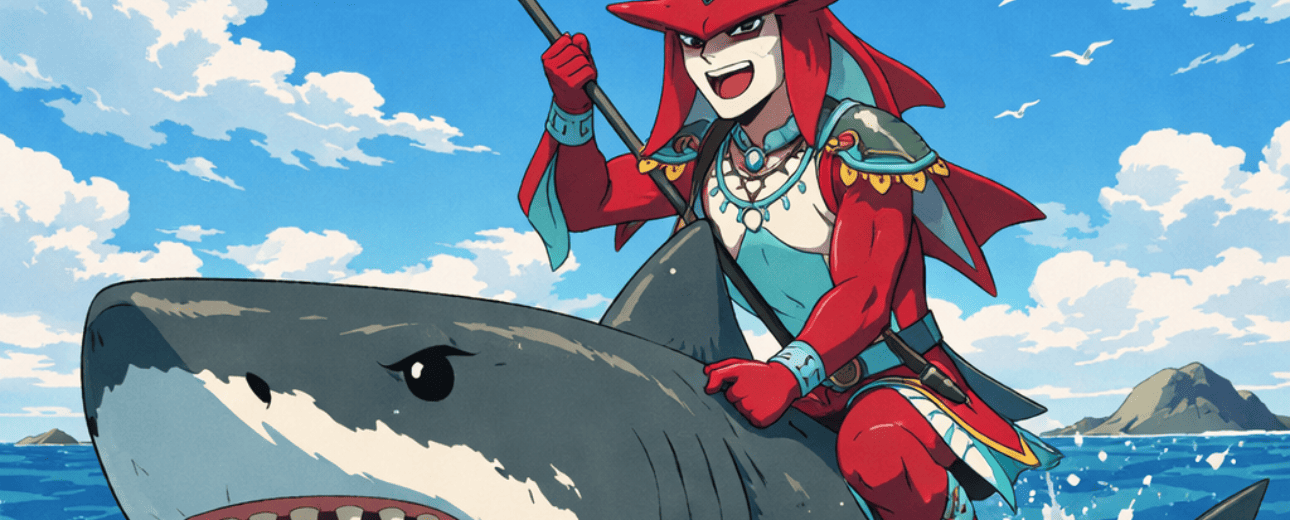
In a franchise filled with stoic heroes, mysterious princesses, and menacing villains, one character managed to capture hearts through sheer unbridled enthusiasm and genuine warmth. Prince Sidon of the Zora—the tall, charismatic, impossibly cheerful shark-toothed champion—burst onto the scene in The Legend of Zelda: Breath of the Wild and immediately became a phenomenon that transcended the game itself. His infectious positivity, unwavering confidence in Link, and that signature tooth-sparkling smile transformed what could have been a simple quest-giver NPC into one of gaming’s most beloved characters. But Sidon’s story doesn’t end with Breath of the Wild. His evolution from enthusiastic prince to legendary king in Tears of the Kingdom reveals layers of depth, growth, and emotional complexity that cement his status as one of The Legend of Zelda’s greatest supporting characters—and perhaps the franchise’s most successful original creation of the modern era.
The Debut That Changed Everything: Breath of the Wild’s Breakout Star
When Breath of the Wild launched in March 2017, players expected to be impressed by the open-world design, the physics engine, and the return to exploration-focused gameplay. What they didn’t expect was to fall head-over-heels for a seven-foot-tall red Zora prince whose enthusiasm could power the sun itself. Sidon’s introduction sequence is a masterclass in character design and presentation that immediately establishes why he would become a cultural phenomenon.
First Impressions: The Perfect Introduction
The moment you encounter Sidon is carefully orchestrated for maximum impact. As Link approaches Zora’s Domain for the first time, following the winding path along the river, Sidon appears standing majestically on a bridge, backlit by the misty spray of waterfalls. He doesn’t just stand there waiting—he calls out to Link with genuine excitement, waving enthusiastically as if greeting a long-lost friend rather than a complete stranger. This immediate warmth is disarming and delightful, especially in a game world where most NPCs are either frightened, suspicious, or indifferent to Link’s presence.
The voice acting (both in English and Japanese) perfectly captures Sidon’s essence. His voice is confident without being arrogant, enthusiastic without being obnoxious, and genuinely warm without feeling fake. Every line delivery communicates authentic emotion—this isn’t a character going through scripted motions but someone genuinely excited to meet you and genuinely confident you can help. The animation work supports this beautifully; Sidon’s body language is open and welcoming, his gestures are broad and expressive, and that smile—that magnificent, toothy, radiant smile—never feels forced or insincere.
What makes this introduction so effective is how it subverts player expectations in the best possible way. By this point in Breath of the Wild, players have likely encountered numerous NPCs with problems, many of whom treat Link with suspicion or demand proof of his capabilities before trusting him. Sidon flips this dynamic entirely—he believes in Link from the very first moment, treating the amnesiac hero like the legendary champion he supposedly was. There’s no test, no proof of worth required, just immediate acceptance and confidence. For players controlling a Link who’s struggling to remember who he was and what he’s capable of, Sidon’s unwavering faith is both touching and empowering.
The Vah Ruta Quest: Building the Bond
The Divine Beast Vah Ruta questline is where Sidon truly shines, transforming from a charming introduction into a fully realized character with depth, motivation, and emotional stakes. The quest isn’t just about stopping a mechanical elephant from flooding Hyrule—it’s about two heroes working together to overcome tragedy, honor the dead, and save a kingdom. Sidon’s personal investment in this quest elevates it beyond typical video game objectives into something emotionally resonant.
As Sidon explains the situation—Vah Ruta is malfunctioning, causing endless rain that threatens to flood Hyrule, and the Zora blame Link (or at least Hylians) for the death of Mipha during the Calamity a century ago—the complexity of the situation becomes clear. Sidon is asking Link to help people who blame him for their greatest tragedy, to save a kingdom that has spent a century resenting Hylians. The fact that Sidon himself holds no such grudge, that he sees past the blame and focuses on solutions, speaks volumes about his character. He’s not naive about the situation—he acknowledges the Zora’s pain and anger—but he refuses to let that pain prevent progress or poison the present.
The preparation sequence where Sidon asks Link to gather shock arrows from the Lynel on Ploymus Mountain is brilliant character work disguised as a fetch quest. Sidon doesn’t demand Link do this dangerous task—he asks, acknowledges the danger, and expresses genuine concern for Link’s safety. When Link returns (likely after either a harrowing stealth mission or a brutal combat encounter with one of the game’s most fearsome enemies), Sidon’s gratitude is effusive and sincere. He doesn’t take Link’s help for granted; he celebrates it, thanks Link profusely, and makes it clear that this is a partnership of equals rather than a prince commanding a servant.
The actual assault on Vah Ruta is one of Breath of the Wild’s most memorable sequences, largely because of Sidon’s presence throughout. As Link rides on Sidon’s back, shooting ice blocks while Sidon swims through the water with incredible speed and agility, the sense of cooperation and teamwork is palpable. Sidon shouts encouragement, warns Link of incoming attacks, and celebrates successful hits with genuine enthusiasm. When Vah Ruta finally stops and the rain ceases, Sidon’s joy isn’t about personal glory—it’s about what this means for his people, for Hyrule, and for honoring Mipha’s memory.
The Mipha Factor: Love, Loss, and Legacy
Sidon’s relationship with his sister Mipha is the emotional core of his character in Breath of the Wild, providing depth and vulnerability beneath the confident, cheerful exterior. The love and admiration Sidon holds for Mipha is evident in every mention of her name, every memory he shares, every moment where his usual cheerfulness dims slightly with the weight of loss. This isn’t just backstory—it’s the driving motivation for much of what Sidon does and who he’s become.
Learning about Mipha through Sidon’s perspective is particularly powerful because of the contrast between their personalities. Mipha was quiet, reserved, thoughtful, and somewhat shy—the complete opposite of her outgoing, boisterous younger brother. Yet the bond between them was clearly profound, with Sidon looking up to Mipha not just as a princess and Champion but as his personal hero. The age difference adds another layer; Sidon is still relatively young (by Zora standards, which measure lifespans in centuries), and losing his sister during his formative years clearly shaped who he became.
One of the most touching aspects of Sidon’s character is how he honors Mipha’s memory without being consumed by grief. He doesn’t pretend she’s not gone, doesn’t avoid talking about her, but also doesn’t let her death define his entire existence. When he speaks of Mipha, it’s with love and admiration, not just sorrow. He tells Link about her strength, her kindness, her dedication to protecting people. He encourages Link to remember her, to honor her legacy by completing the mission she died attempting. This healthy approach to grief—acknowledging loss while still moving forward, honoring the dead by living well—makes Sidon’s character feel mature and emotionally intelligent.
The moment when Link enters Vah Ruta and encounters Mipha’s spirit is made more meaningful by everything Sidon has shared. We understand what Mipha meant to Sidon, what her death cost him, and why this mission to reclaim Vah Ruta isn’t just about saving Hyrule but about giving Mipha’s sacrifice meaning. When Mipha’s spirit grants Link her protection (Mipha’s Grace, the automatic revive ability), it feels like both siblings are now protecting Link—Mipha from beyond death, Sidon in the present. This connection between past and present, between the dead and the living, gives emotional weight to what could have been just another dungeon quest.
Design Excellence: Why Sidon Looks Perfect
Character design is often underappreciated, but Sidon’s visual design is a crucial component of why he works so well. Everything about his appearance communicates his personality and makes him instantly memorable, from his vibrant red coloring to his impressive height to that magnificent smile that launched a thousand fan arts.
The red coloring immediately sets Sidon apart from other Zora in Breath of the Wild, most of whom are various shades of blue, white, or grey. This makes him visually distinctive and easy to spot even from a distance—important for a character who players need to follow and interact with repeatedly during the Vah Ruta quest. The red also has symbolic resonance, suggesting passion, energy, and warmth—all qualities central to Sidon’s personality. The choice of red rather than a more traditional blue for a water-associated character shows confident design that prioritizes character identity over adherence to expected elemental color schemes.
Sidon’s height and build contribute significantly to his presence. He’s noticeably taller than Link, which could be intimidating if not for his open, welcoming body language. The combination of impressive physical stature with genuine warmth creates an interesting contrast—he could be imposing but chooses to be approachable. His athletic build and the visible strength in his frame make his swimming prowess during the Vah Ruta assault believable while also establishing him as capable in his own right, not just a quest-giver who sends Link to do all the dangerous work.
Then there’s the smile. That incredible, toothy, radiant smile that became Sidon’s signature and spawned countless memes, fan art, and even romantic fantasies (more on that phenomenon later). The smile isn’t just a facial expression—it’s a character statement. The prominent teeth could have been menacing or off-putting, but the way they’re drawn and animated makes them charming instead. The smile reaches Sidon’s eyes, transforming his entire face and making the expression feel genuine rather than pasted on. It’s a smile that communicates confidence, warmth, encouragement, and joy simultaneously—everything Sidon embodies distilled into a single expression.
The jewelry and royal trappings Sidon wears—the shoulder guards, the decorative pieces, the royal insignia—establish his status without overwhelming his design. These elements say “this is an important person, a prince” without making him look stuffy or unapproachable. The balance between regality and accessibility in his visual design mirrors his personality perfectly—he’s royalty who doesn’t lord his status over others, who’s as comfortable talking to a wandering adventurer as he would be addressing his court.

The Fan Phenomenon: How Sidon Captured Hearts Worldwide
The response to Sidon upon Breath of the Wild’s release was immediate, overwhelming, and somewhat unprecedented. Within days of the game’s launch, social media exploded with Sidon content—fan art, memes, declarations of love, and earnest discussions about why this particular character resonated so powerfully. What started as typical fandom enthusiasm quickly became a full-blown cultural moment that transcended the Zelda community and penetrated broader gaming and internet culture.
The Meme Explosion and Social Media Takeover
Sidon’s enthusiastic personality and that magnificent smile made him perfect meme material, and the internet wasted no time capitalizing on this potential. The “Sidon’s smile” meme template—featuring his radiant grin with various captions—spread across Twitter, Reddit, Tumblr, and other platforms. People used Sidon’s positivity as a reaction image to counter negativity, as a source of encouragement during difficult times, and as a symbol of unwavering optimism in the face of adversity.
The “I believe in you” energy that Sidon radiates became aspirational and comforting. In a gaming landscape often characterized by gritty antiheroes, morally grey characters, and cynical worldviews, Sidon’s genuine, uncomplicated goodness felt refreshing and needed. He believes in Link completely, encourages Link constantly, and never wavers in his confidence that together they can overcome any obstacle. This unwavering positivity, which could have felt naive or annoying, instead felt like a balm—a reminder that optimism and encouragement are valuable qualities worth celebrating.
The sheer volume of Sidon content generated by fans in the weeks and months following Breath of the Wild’s release was staggering. Fan artists created thousands of interpretations of Sidon—some faithful to the game’s design, others more stylized or romanticized, but all capturing that essential Sidon energy. The character inspired cosplays despite the obvious challenges of recreating his non-human features. Fanfiction writers explored his character, his relationships, and his world. Voice actors created fan dubs and parody videos. Sidon had become more than a character—he was a phenomenon.
The Romantic Angle: Shipping and Fan Interpretations
One of the more surprising aspects of Sidon’s fan reception was the romantic and sexual interest he generated, particularly given that he’s not human and the game never suggests any romantic relationship between him and Link. Yet “Sidon x Link” became one of the most popular ships in the Zelda fandom (and beyond), spawning countless romantic fan works, discussions about inter-species relationships, and genuine expressions of attraction to the character.
This phenomenon says something interesting about what people found appealing in Sidon beyond just his appearance. The foundation of the romantic interest seems to be emotional rather than purely physical—people were attracted to how Sidon made them (through Link as proxy) feel. His unwavering support, genuine encouragement, obvious respect, and consistent positivity created a fantasy of an ideal partner: someone who believes in you completely, encourages your growth, celebrates your successes, and stands by you through challenges without judgment or doubt.
The shipping also reflected appreciation for healthy relationship dynamics, even in a context where the relationship itself was fan-created rather than canonical. Sidon treats Link as an equal despite their different social stations. He asks rather than demands, thanks rather than takes for granted, and celebrates Link’s agency and capabilities. For many fans, this felt like a model of what supportive relationships should look like—whether platonic or romantic—making Sidon attractive not despite being fictional and non-human, but because he embodied relationship qualities many people wish were more common in real life.
The romantic Sidon phenomenon also highlighted the character’s successful design on multiple levels. His physical appearance, while clearly non-human, incorporated enough humanoid features and attractiveness cues (athletic build, expressive face, confident posture) that people could project romantic/sexual interest onto him. The game’s animation work gave him enough personality and expressiveness that he felt like a fully realized individual worthy of emotional investment. And his voice acting brought enough warmth and charm that his dialogue resonated on a deeply personal level.
Why Sidon Succeeded Where Others Failed
Breath of the Wild featured numerous memorable NPCs and characters, many of whom garnered fan appreciation and recognition. Yet none achieved the cultural penetration and sustained popularity that Sidon did. Understanding why requires examining what Sidon offered that other characters didn’t, and what made him uniquely resonant for that particular moment in gaming culture.
First, the timing was perfect. Breath of the Wild released during a period when gaming and internet culture were particularly hungry for positive, encouraging, enthusiastic characters. The mid-to-late 2010s saw increasing cultural exhaustion with grimdark narratives, cynical protagonists, and constant subversion of hope and heroism. Sidon represented a rejection of this trend—he was earnestly heroic, genuinely optimistic, and unapologetically positive without being naive or foolish. This felt refreshing and needed.
Second, Sidon’s role in the game gave him significant screen time and meaningful interaction with Link during a memorable quest. He wasn’t just a one-off NPC with a single conversation—he was integral to an entire questline, appearing repeatedly and developing a clear relationship with Link. Players spent meaningful time with Sidon, heard him speak extensively, worked alongside him, and saw him react to events with genuine emotion. This allowed for real character development and bond formation that brief NPC encounters couldn’t achieve.
Third, Sidon filled a specific niche that Zelda games had largely neglected: the enthusiastic ally who’s excited to adventure with you. Zelda games traditionally feature Link as a solitary hero with various NPCs providing quests, information, or assistance but rarely accompanying him with genuine enthusiasm. Sidon felt like a true companion in a way that few Zelda characters had, creating a sense of camaraderie and partnership that resonated deeply with players who’d been playing alone for hours.
Finally, Sidon’s design was simply excellent across every dimension—visual, vocal, written, and animated. Every aspect of his presentation worked together to create a coherent, appealing, memorable character. There was no dissonance between how he looked, how he sounded, what he said, and how he moved. This unity of design made him feel real and consistent, allowing players to truly believe in and connect with the character rather than constantly noticing the artifice of game design.
Character Depth: More Than Just Enthusiasm
While Sidon’s infectious enthusiasm is his most obvious characteristic, reducing him to just “the cheerful one” does the character a disservice. Careful attention to his dialogue, actions, and context reveals a character with genuine depth, emotional intelligence, and complexity that makes him compelling beyond just surface-level charm.
Leadership and Responsibility
Sidon’s role as prince carries weight that he takes seriously, even if his approach to royal duties differs from traditional stoic leadership. Throughout the Vah Ruta questline, we see Sidon balancing multiple responsibilities: protecting his people from the flooding threat, maintaining diplomatic relations with outsiders (Link) despite his people’s anti-Hylian sentiment, honoring his sister’s memory while moving forward, and preparing to eventually assume his father King Dorephan’s throne.
The way Sidon handles these responsibilities reveals emotional intelligence and political awareness beyond his years. When explaining the Zora’s resentment toward Hylians and Link specifically, Sidon doesn’t dismiss or minimize these feelings. He acknowledges the pain, validates the grief, and explains the historical context that created current tensions. At the same time, he refuses to let past tragedy prevent necessary cooperation in the present. This balance—respecting people’s emotions while still pushing toward productive solutions—demonstrates sophisticated leadership thinking.
Sidon’s interaction with Muzu, the elder Zora who most vehemently opposes Link’s presence, showcases diplomatic skill and patience. Rather than pulling rank and demanding Muzu accept his decision to work with Link, Sidon allows Muzu to express his feelings and works to change his mind through persuasion and demonstrated results. When Link proves himself by acquiring the shock arrows and helping defeat Vah Ruta, Muzu’s change of heart feels earned rather than forced precisely because Sidon gave space for genuine reconciliation rather than demanding immediate compliance.
The prince’s relationship with his father King Dorephan also reveals character depth. Dorephan is clearly elderly and potentially near the end of his reign (by Zora standards, though that could still be decades given their longevity). Sidon shows appropriate respect for his father’s authority while also demonstrating the initiative and decision-making capability of someone ready to eventually take the throne. There’s no tension or power struggle between father and son—instead, we see a healthy mentorship relationship where the older generation trusts the younger to handle important matters while remaining available for guidance.
Emotional Intelligence and Empathy
One of Sidon’s most underappreciated qualities is his emotional intelligence—his ability to read others’ feelings, respond appropriately to emotional needs, and navigate complex interpersonal dynamics with grace and awareness. This isn’t just about being friendly or positive; it’s about genuinely understanding and responding to what others need emotionally in any given moment.
Consider how Sidon approaches Link, knowing that this is an amnesiac hero who doesn’t remember his past, his accomplishments, or his relationship with Mipha. A less emotionally aware character might reference all these things constantly, creating pressure and discomfort for Link. Sidon instead meets Link where he is in the present, treating him with respect and confidence regardless of what Link does or doesn’t remember. When referencing Mipha, Sidon shares information that helps Link understand the situation without demanding Link feel things he can’t genuinely feel about a person he doesn’t remember.
The way Sidon encourages Link also demonstrates emotional intelligence. His encouragement isn’t empty flattery or blind cheerleading—it’s specific, sincere, and responsive to Link’s actual accomplishments. When Link successfully shoots an ice block during the Vah Ruta assault, Sidon’s praise acknowledges the specific achievement. When Link returns from the dangerous Lynel encounter, Sidon’s relief and gratitude recognize the genuine risk Link took. This specificity makes Sidon’s positivity feel earned and meaningful rather than automatic and meaningless.
Sidon also shows appropriate emotional vulnerability, particularly when discussing Mipha. He doesn’t hide his grief or pretend he wasn’t affected by his sister’s death. He allows himself to feel sad when remembering her, to show the pain of her loss, while also celebrating what she meant to him and what she accomplished. This healthy emotional expression—acknowledging difficult feelings while not being consumed by them—models mature emotional processing that makes Sidon feel real and relatable rather than cartoonishly one-note.
The Burden of Comparison and Expectation
Living in the shadow of a legendary sister who died heroically creates a specific kind of pressure, and Sidon’s handling of this dynamic adds another layer to his character. Mipha was a Champion, a legendary warrior, and by all accounts an exceptional individual who earned widespread love and respect. Following in those footsteps while carving out your own identity is challenging, yet Sidon manages it with remarkable grace.
Rather than being bitter about constant comparisons to Mipha or resentful of her legacy overshadowing his own accomplishments, Sidon actively celebrates his sister and works to honor her memory through his own actions. He doesn’t try to be Mipha 2.0 or replicate what she did—he finds his own way to be valuable and contribute to his people. Where Mipha was a warrior and healer, Sidon focuses on diplomacy, morale, and bringing people together. These different approaches to leadership and service show Sidon understanding that he doesn’t need to duplicate Mipha’s strengths; he can contribute through his own unique capabilities.
The fact that Sidon recruits Link to help reclaim Vah Ruta rather than attempting it alone also shows secure self-awareness. He knows his limits and doesn’t let pride prevent him from seeking help. A less secure character might feel compelled to prove themselves by handling everything independently, particularly given the weight of Mipha’s legacy. Sidon instead recognizes that the goal—saving his people and honoring Mipha—is more important than personal glory, demonstrating maturity and perspective.
Tears of the Kingdom: The Evolution of a King
When Tears of the Kingdom was announced and subsequently released in May 2023, fans immediately wondered: would Sidon return, and if so, what role would he play? The answer exceeded expectations, presenting a Sidon who had grown and evolved while maintaining the essential qualities that made him beloved, now navigating new challenges and responsibilities that tested his character in deeper ways than Breath of the Wild had.
The Sludge Crisis and New Challenges
Tears of the Kingdom presents Sidon with a different kind of threat to his people—not external mechanical danger like Vah Ruta, but an insidious environmental corruption seeping into Zora’s Domain through sludge that contaminates the water. This new crisis tests Sidon in different ways than the previous game’s challenges, requiring different skills and revealing new facets of his character.
The sludge crisis is more mysterious and harder to combat than Vah Ruta’s rampage was. With Vah Ruta, the problem was visible, the solution relatively clear (board the Divine Beast and stop it), and the execution straightforward if dangerous. The sludge offers no such clarity—its source is unknown, its spread is insidious, and conventional solutions prove ineffective. This forces Sidon to operate in uncertainty, making decisions without complete information and dealing with a slow-building crisis rather than an immediate emergency.
We see Sidon’s leadership tested by this ambiguity. He must maintain morale among his people even when he doesn’t have answers, coordinate responses to an evolving situation, balance multiple priorities simultaneously, and project confidence even when feeling uncertain internally. The cheerful prince from Breath of the Wild is still present, but we see more clearly the weight of responsibility he carries and the effort required to maintain optimism in genuinely difficult circumstances.
The personal stakes are also heightened. In Breath of the Wild, Sidon was dealing with historical tragedy (Mipha’s death a century ago) and current danger (Vah Ruta’s flooding). In Tears of the Kingdom, the threat directly endangers his home in the present, his father is implied to be in poor health, and Sidon is closer to assuming full kingship. The responsibilities are more immediate and personal, creating different pressures that reveal how Sidon has matured since the previous game.
Meeting Yona: Love and Partnership
One of Tears of the Kingdom’s most significant additions to Sidon’s story is Yona, his fiancée and eventual wife. Yona’s introduction was met with mixed reactions from fans—some were happy to see Sidon in a happy romantic relationship, while others (particularly those who shipped Sidon with Link) felt varying degrees of disappointment. Regardless of personal shipping preferences, Yona’s role in the story reveals important aspects of Sidon’s character and his capacity for partnership.
Yona is described as coming from another Zora domain, having grown up with Sidon and Mipha, and having traveled to Zora’s Domain to help during the sludge crisis. Her presence represents Sidon’s life moving forward from the tragedy of the Calamity—he hasn’t forgotten Mipha (she’s referenced frequently), but he’s building a future that includes love, partnership, and continuity. This demonstrates healthy grief processing and the natural progression of life continuing even after devastating loss.
The relationship between Sidon and Yona is portrayed as genuinely loving and mutually supportive. Yona isn’t just arm candy for the prince—she’s actively involved in managing the crisis, making strategic decisions, and supporting both Sidon and the Zora people. She takes charge when Sidon is away, demonstrates her own capabilities and intelligence, and clearly partners with Sidon rather than simply deferring to him. This egalitarian dynamic reflects well on Sidon’s character, showing he values and respects capable partners rather than seeking someone who’ll simply agree with everything he says.
Sidon’s interactions with Yona show a different side of his personality than we see with Link or other characters. There’s a comfortable intimacy, a shorthand of understanding between long-time partners, and a shared history that informs their present collaboration. We see Sidon being supported emotionally by Yona, accepting help without his pride being wounded, and working in genuine partnership to solve problems. This adds dimension to his character—he’s not just the supportive friend to Link but also someone who receives and needs support from his own partner.
The Sage of Water: Legacy and Destiny
Sidon’s awakening as the Sage of Water represents the culmination of his character arc from enthusiastic prince to legendary hero in his own right, stepping into a role similar to what Mipha held as a Champion. The questline leading to this awakening forces Sidon to confront his legacy, his capabilities, and his relationship to history in ways that create genuine character development.
The Ancient Zora Armor plays a crucial symbolic role in this journey. This legendary armor, associated with ancient Zora heroes, becomes the key to accessing the Water Temple and ultimately to Sidon’s awakening as a Sage. The fact that Sidon wears this armor—taking up a mantle of ancient heroism—represents him stepping into his destiny and accepting the responsibility of protecting not just his people but all of Hyrule in a larger sense.
The Water Temple dungeon and the boss battle against Mucktorok are significant tests of Sidon’s capabilities. Unlike the Vah Ruta sequence where Link did most of the heavy lifting while Sidon provided transportation and support, the Water Temple adventure positions Sidon and Link as more equal partners. Sidon’s unique abilities—particularly the water shield he can create—are essential to progressing through the dungeon and defeating the boss. Link literally cannot complete this quest without Sidon’s active participation, making their partnership feel more balanced and meaningful.
The moment when Sidon awakens as the Sage of Water is emotionally powerful precisely because it’s been earned through character development and struggle. Sidon isn’t just given power as a plot device—he claims it through courage, growth, and dedication to protecting others. The cutscene showing his awakening, with its visual callbacks to Mipha and the previous Champions, acknowledges the legacy he’s stepping into while also establishing that Sidon is forging his own path as a hero. He’s not replacing Mipha or trying to duplicate what she did; he’s becoming his own kind of champion, unique and valuable in his own right.
King Sidon: Assuming the Throne
By the end of Tears of the Kingdom, Sidon has assumed the throne, becoming King Sidon and accepting the full weight of leadership he’d been preparing for. This transition from prince to king represents the completion of his character arc across both games, transforming him from an enthusiastic helper into the full leader his people need.
The coronation (or at least the confirmation of his new status as king) isn’t just a plot point—it’s the acknowledgment that Sidon has proven himself worthy of the responsibility. He’s managed crises, protected his people, honored the past while building the future, formed strategic alliances, awakened as a Sage, and demonstrated the judgment, courage, and compassion necessary for good leadership. The throne isn’t given to him merely by birthright but earned through proven capability.
King Sidon, while still recognizably the same character fans fell in love with in Breath of the Wild, carries himself with new gravitas and authority. The enthusiasm is still there—that core warmth and positivity didn’t evaporate when he gained the crown—but it’s now tempered with wisdom, experience, and the weight of responsibility. We see a more complete picture of Sidon as a leader: still encouraging and optimistic, but also decisive, strategic, and willing to make difficult choices for the greater good.
The relationship between King Sidon and Link also evolves to reflect their changed circumstances. While they remain friends and allies, there’s an acknowledgment of Sidon’s increased responsibilities and the demands on his time and attention. He can’t just abandon everything to go adventuring with Link like he might have as a prince. He has a kingdom to run, a wife to partner with, and obligations that extend beyond personal friendships. This maturation of their relationship—from the initial “let’s work together” dynamic to a deeper bond that respects each other’s separate responsibilities—feels natural and appropriate.

Why Sidon Works: Design Philosophy and Execution
Understanding why Sidon succeeded as a character while many other attempt-at-likeable NPCs fall flat requires examining the specific design choices, writing approaches, and execution elements that came together to create someone genuinely beloved rather than merely functional.
The Balance of Confidence and Humility
One of Sidon’s most appealing qualities is how he balances supreme confidence with genuine humility, never crossing into arrogance or false modesty. He believes completely in Link’s abilities, in his own capabilities, and in their capacity to overcome challenges together. This confidence is inspiring and contagious—when Sidon says “I know we can do this,” you believe him because he believes it so completely.
Yet this confidence never becomes arrogance because Sidon genuinely respects others and acknowledges when he needs help. He doesn’t pretend to have all the answers or claim he could solve everything himself if he just tried hard enough. He recognizes Link’s unique skills and experiences, seeks out help when needed, and celebrates others’ contributions without feeling threatened or diminished. This combination—confidence in what you can do, humility about what you can’t, and genuine appreciation for others’ strengths—is psychologically mature and deeply appealing.
The confidence also manifests as faith in others rather than just self-belief. Sidon’s unwavering confidence in Link inspires Link (and by extension, the player) to rise to challenges. When someone believes in you that completely, you want to prove them right. You want to be worthy of that faith. This makes Sidon’s confidence not just a character trait but a mechanical motivator—he makes you want to succeed, to tackle difficult challenges, to be the hero he’s certain you already are.
Authenticity vs. Toxic Positivity
In an era increasingly aware of “toxic positivity”—the harmful insistence on maintaining positive attitudes even in genuinely difficult situations—Sidon’s enthusiasm could have easily crossed into invalidation or dismissiveness of real problems. The brilliance of his writing is that his positivity never feels toxic or invalidating because it’s paired with genuine acknowledgment of difficulties and authentic emotional expression.
When Sidon discusses the sludge crisis or Mipha’s death or the challenges his people face, he doesn’t minimize these problems or insist everything is fine when it clearly isn’t. He acknowledges the difficulty, validates the pain, and recognizes the genuine stakes. His optimism isn’t about pretending problems don’t exist or aren’t serious—it’s about believing that despite these real, serious problems, solutions are possible and worth striving for. This is fundamentally different from toxic positivity that refuses to acknowledge difficulty at all.
Sidon also allows himself to feel negative emotions appropriately. We see moments where the cheerful facade drops, where grief or worry or uncertainty show through. These moments of vulnerability make his usual optimism feel more genuine rather than performative. He’s not positive because he’s incapable of feeling negative emotions or unaware of problems—he’s positive despite being fully aware of the challenges, which makes the positivity feel like a courageous choice rather than naive ignorance.
The encouragement Sidon offers Link is also specific and earned rather than generic and automatic. He doesn’t just say “great job!” after everything—he acknowledges specific accomplishments, recognizes genuine risks Link took, and calibrates his praise to actual achievements. This specificity makes his encouragement feel sincere and meaningful. You believe he actually noticed what you did and genuinely appreciates it, rather than just auto-praising everything reflexively.
The Power of Unconditional Support
In a gaming landscape filled with NPCs who doubt you, test you, demand proof of your worthiness, or treat you with suspicion, Sidon’s immediate and unconditional support feels revolutionary. He doesn’t need Link to prove himself before offering help or expressing confidence. From their very first meeting, Sidon treats Link as someone worthy of respect, capable of greatness, and deserving of encouragement.
This unconditional support fulfills a genuine psychological need that many players didn’t even realize they had until Sidon provided it. How often in games (or in life) do you encounter someone who believes in you completely without requiring you to earn that belief first? Sidon’s faith in Link isn’t transactional—he doesn’t offer encouragement contingent on success or withdraw support if Link fails. He’s there, encouraging and confident, regardless of outcomes.
The way this unconditional support contrasts with other characters in Breath of the Wild amplifies its impact. Mipha’s father Dorephan is skeptical initially. Muzu is openly hostile. Many Zora regard Link with suspicion or resentment. Against this backdrop of doubt and hostility, Sidon’s unwavering belief stands out even more starkly. He’s not just positive—he’s the only one offering Link that level of faith and support, making his presence feel like a refuge and his encouragement like water in a desert.
This design choice also makes Sidon feel like a true friend rather than just an NPC. Friends are people who believe in you even when you don’t believe in yourself, who see your potential even when you can’t, who support you unconditionally rather than only when you’re succeeding. By giving Sidon these qualities, the developers created an NPC who doesn’t just fill a gameplay function but provides an emotional experience—the experience of being genuinely supported by someone who cares about you.
Voice Acting and Performance
The voice acting for Sidon in both English and Japanese is exceptional, contributing enormously to the character’s success by bringing the written dialogue to life with perfect emotional nuance and infectious energy. The voice actors clearly understood the assignment and delivered performances that transcend typical video game NPC work.
In English, Jamie Mortellaro’s performance captures Sidon’s enthusiasm without ever crossing into annoying or over-the-top territory. Every line is delivered with genuine warmth and authentic emotion, making Sidon’s encouragement feel sincere rather than scripted. The vocal energy never flags—Sidon sounds excited to see Link, thrilled about their progress, genuinely concerned during dangerous moments, and authentically emotional when discussing Mipha. The consistency of this performance across hours of dialogue is remarkable.
The Japanese voice acting by Daisuke Hirakawa brings a slightly different energy that works equally well—perhaps a touch more refined and princely while maintaining the core warmth and enthusiasm. The Japanese performance emphasizes Sidon’s noble bearing alongside his friendliness, creating a character who feels both approachable and regal. Both performances succeed because they commit fully to Sidon’s essential nature without undercutting it through irony or cynicism.
The vocal direction also deserves recognition for knowing when to let Sidon’s voice carry emotion and when to pull back. The moments discussing Mipha are delivered with appropriate weight and subtle sadness that doesn’t overwhelm but adds depth. The battle cries during the Vah Ruta assault are appropriately energetic and exciting. The quieter moments of encouragement have intimacy and sincerity. This range within a consistent character voice makes Sidon feel fully realized rather than one-note.

Cultural Impact and Legacy
Sidon’s impact extended far beyond the Zelda fandom, influencing character design discussions, internet culture, and conversations about what makes NPCs memorable and beloved. His legacy continues to shape how developers think about creating likeable characters and what players respond to in supporting cast members.
Influencing Character Design Philosophy
Game developers and designers took notice of Sidon’s success, leading to discussions about what elements contributed to his popularity and how those lessons could be applied to other characters. The immediate, unconditional support model became something other games attempted to replicate, with varying degrees of success. The importance of voice acting, animation quality, and consistent characterization became talking points in development discussions about NPC creation.
The lesson many developers drew was that players respond positively to characters who are enthusiastically supportive without being sycophantic or annoying. There’s a sweet spot between helpful-but-dull NPCs and over-the-top comic relief characters, and Sidon occupies that sweet spot perfectly. He’s helpful and supportive but never boring because his personality is so vibrant. He’s enthusiastic and energetic but never annoying because his support is genuine and his confidence is justified by actual competence.
The success also highlighted the importance of giving supporting characters their own motivations, backstories, and emotional arcs beyond just “help the protagonist.” Sidon isn’t just a quest-giver—he’s a person with his own life, relationships, responsibilities, and emotional journey. The player’s quest happens to intersect with Sidon’s quest (saving his people, honoring Mipha’s memory, preventing disaster), creating a partnership where both parties have stakes and motivations. This makes the relationship feel more authentic and the character more memorable.
Academic and Critical Analysis
Sidon has been the subject of academic papers and critical essays examining everything from his role in LGBTQ+ representation discussions to analysis of parasocial relationships in gaming to studies of what makes NPCs emotionally engaging. While these analyses sometimes reach contradictory conclusions, their mere existence demonstrates Sidon’s significance as a cultural text worth serious examination.
The discussions about representation are particularly interesting. While Sidon is not explicitly coded as queer in the games (and indeed has a heterosexual romance with Yona), his overwhelming popularity in LGBTQ+ communities and as a subject of queer fan works suggests he fulfilled some representational need that wasn’t being met elsewhere in mainstream gaming. Some analysts argue that his unconditional emotional support and celebration of Link resonated with queer players who longed for such acceptance. Others point to the game’s refusal to explicitly define Sidon’s sexuality as creating space for queer readings and interpretations.
The parasocial relationship angle has also generated scholarly interest. Sidon’s design creates an illusion of personal connection and genuine friendship that, while ultimately artificial (he’s code and animations), feels psychologically real to many players. The way players speak about Sidon—often with genuine affection and using language suggesting real emotional attachment—raises interesting questions about how we form bonds with fictional characters and what purposes these parasocial relationships serve in our emotional lives.
Merchandising and Commercial Success
Nintendo recognized Sidon’s popularity and capitalized on it through various merchandise, from amiibo figures to plushies to inclusion in promotional materials. The character became a selling point for Zelda games and content, with his appearance in marketing materials guaranteed to generate excitement and engagement.
The amiibo featuring Sidon sold exceptionally well, often selling out quickly and commanding premium prices in secondary markets. Fan-made merchandise—unofficial art prints, handmade plushies, custom jewelry, and more—proliferated across platforms like Etsy and at conventions, demonstrating sustained commercial interest beyond official channels. The economic value of Sidon as a character property extends well beyond his role in a single game, representing ongoing revenue potential for Nintendo.
The character’s inclusion in promotional events, crossover opportunities, and social media marketing demonstrates Nintendo’s awareness of his value. When promoting Tears of the Kingdom, materials featuring Sidon generated noticeably higher engagement than those focusing on other characters or elements. This marketing data reinforced industry understanding that players form strong attachments to well-designed, emotionally engaging characters, and that these attachments translate to commercial value.

Comparing Sidon to Other Zelda Allies
The Legend of Zelda franchise has featured numerous companion characters and allies throughout its history, from Navi and Midna to Fi and the various Champions. Comparing Sidon to these characters reveals what makes him unique and why he achieved a level of popularity that even other beloved characters struggled to match.
Navi and Fi: The Companion Problem
Navi from Ocarina of Time and Fi from Skyward Sword represent a particular type of Zelda companion—the tutorial/hint system personified as a character. Both serve primarily functional roles, providing guidance, information, and assistance with game mechanics. While some players appreciate their help, both characters are also frequently cited as annoying, intrusive, or overly hand-holding.
Sidon succeeds where Navi and Fi struggled because his role in the game is primarily narrative and emotional rather than mechanical and instructional. He doesn’t constantly interrupt gameplay to tell you obvious things or nag you about mechanics. He appears during specific story moments, contributes to a meaningful questline, and then steps back, allowing Link to adventure independently. This restraint makes his appearances feel like welcome reunions rather than intrusive interruptions.
The emotional register is also completely different. Navi and Fi communicate information but rarely emotion. They’re helpers but not friends, guides but not companions in any meaningful sense. Sidon, conversely, is all emotion—his dialogue prioritizes emotional support, encouragement, and relationship-building over mechanical instruction. When he does provide information, it’s couched in narrative context and delivered with personality rather than feeling like a tutorial prompt dressed up as dialogue.
Midna: The Fan Favorite Predecessor
Midna from Twilight Princess is probably the closest predecessor to Sidon in terms of fan popularity and impact, though she achieved it through completely different means. Midna is sarcastic where Sidon is earnest, mysterious where Sidon is open, and undergoes a dramatic character arc from selfish to selfless that differs from Sidon’s more consistent personality.
What both characters share is emotional depth, genuine character growth, and meaningful relationships with Link that feel like true partnerships. Both contribute actively to their respective games rather than just commenting from the sidelines. Both have their own motivations and goals beyond just helping Link. Both undergo character development that makes them feel like real individuals rather than just gameplay props.
The key difference is in their emotional impact. Midna’s arc is about change—she starts one way and becomes something different, learning to care about Link and Hyrule despite initially being focused only on her own realm. This transformation is powerful and moving, making her eventual farewell genuinely sad. Sidon’s arc is different—it’s about growth and maturation rather than fundamental change. He starts heroic and becomes more deeply heroic, starts optimistic and maintains that optimism while gaining wisdom. Both approaches work, just differently.
The Champions: Fellow Heroes
The other Champions from Breath of the Wild—Mipha, Daruk, Revali, and Urbosa—provide an interesting comparison point since they share screen time with Sidon (or at least, Mipha does through their connection). Each Champion has a distinct personality and fan following, yet Sidon’s popularity eclipsed them all despite his not being a Champion himself (until Tears of the Kingdom).
Part of this stems from presence and interaction. The Champions appear primarily in memories and flashbacks, creating emotional distance. We learn about them, see snippets of their personalities, and understand their importance, but we don’t interact with them in the present in meaningful ways (beyond freeing their spirits from the Divine Beasts). Sidon, being alive and active in the present, allows for actual relationship development and repeated interactions that build genuine connection.
The personality differences also matter. Revali is abrasive and arrogant, which some fans enjoy but others find off-putting. Daruk is jovial and friendly but less developed than Sidon. Urbosa is dignified and impressive but more distant. Mipha is loving and devoted but defined heavily by her unrequited love for Link and her death, giving her a fundamentally tragic quality. Sidon combines the best elements—friendly and approachable like Daruk, devoted to Link like Mipha, impressive like Urbosa—while avoiding the downsides and adding his own unique flourishes.

The Future of Sidon: What’s Next?
With Tears of the Kingdom concluding Sidon’s arc from prince to king and establishing him as the Sage of Water, the question naturally arises: will we see Sidon again, and if so, in what context? While Nintendo hasn’t announced future plans, examining the possibilities reveals intriguing opportunities for the character’s continued presence in the Zelda franchise.
Potential Appearances in Future Zelda Games
The unique timeline structure of Zelda games creates multiple possibilities for Sidon’s return. If future games continue in the Breath of the Wild/Tears of the Kingdom timeline, we could see Sidon as an established king, perhaps facing new challenges or serving as a mentor figure to a new generation. Alternatively, games set in the past of this timeline could show young Sidon, Mipha’s relationship with her brother, or Sidon’s formative experiences before becoming the prince we know.
The DLC model that Breath of the Wild employed for additional story content could theoretically bring Sidon back in expanded roles. Players would likely embrace DLC focusing on Sidon’s perspective, perhaps showing events from his viewpoint or expanding on storylines mentioned but not fully explored in the main games. Nintendo’s willingness to create character-focused DLC would determine whether this possibility becomes reality.
Spin-off games represent another avenue for Sidon’s return. Hyrule Warriors-style games have included numerous Zelda characters as playable fighters, and Sidon’s combat capabilities (particularly his water-based powers) would translate well to that format. A Sidon gameplay style emphasizing speed, water attacks, and support abilities could be incredibly fun and would certainly generate significant fan interest.
Merchandise and Media Expansion
The commercial success of Sidon merchandise suggests Nintendo will continue producing Sidon-related products as long as demand remains strong. Future amiibo releases, collectible figures, plushies, and other physical goods seem likely. The character’s strong visual identity and recognizable silhouette make him ideal for merchandising across various product categories.
Transmedia storytelling presents opportunities as well. A Zelda animated series (something fans have requested for years) could feature Sidon either as a main character or in significant supporting roles, potentially exploring stories not covered in games. Manga adaptations of Breath of the Wild and Tears of the Kingdom could expand Sidon’s story, providing character development and scenes not present in the games. Books exploring Hyrule’s history and cultures could delve deeper into Zora society and Sidon’s role within it.
The character’s potential in non-game media is substantial because his personality translates well across formats. Sidon’s enthusiasm, emotional expressiveness, and clear motivations would work beautifully in animation. His relationships with various characters provide dramatic material for expanded storytelling. The rich history of Zora civilization offers worldbuilding opportunities that could center around Sidon as a guide to that culture.
Fan Creations and Ongoing Community Engagement
Regardless of official Nintendo plans, Sidon’s legacy is secure within fan communities that continue creating content celebrating the character. Fan artists produce new Sidon illustrations regularly, exploring different art styles, situations, and interpretations. Fan fiction writers continue telling Sidon stories, ranging from romantic tales to adventure narratives to character studies exploring his psychology and relationships.
Cosplay communities keep Sidon present at conventions and events, with increasingly sophisticated interpretations of the character’s non-human features. The challenges of cosplaying a tall, red, fish-person prince have inspired creative solutions that showcase the cosplay community’s ingenuity. These cosplays keep Sidon visually present in gaming spaces, introducing the character to people who may not have played the games.
Fan engagement through social media ensures Sidon remains culturally relevant between official appearances. Anniversary celebrations, fan events, and community challenges focused on Sidon generate regular engagement peaks that keep the character in the broader gaming consciousness. The sustained enthusiasm suggests Sidon has transcended being merely a character from specific games to become an enduring symbol within gaming culture—one whose relevance persists regardless of new official content.

Conclusion: The Enthusiasm That Became Legend
Sidon’s journey from enthusiastic prince to legendary king mirrors a larger journey from supporting NPC to cultural icon, a transformation that speaks to the power of excellent character design, authentic writing, and the profound human need for encouragement and support. In a medium often focused on power fantasies of individual achievement, Sidon reminds us that the fantasy of unconditional support and genuine partnership can be equally compelling.
What makes Sidon’s story particularly remarkable is how a character who could have been a brief appearance in a single quest became one of gaming’s most beloved figures through nothing more than being genuinely, authentically good. He doesn’t have a complex tragic backstory (though he has experienced tragedy). He doesn’t undergo a dramatic redemption arc. He isn’t morally grey or edgy or subversive. He’s just… enthusiastically, unreservedly supportive, confident, and kind. And somehow, that turned out to be exactly what players needed.
The lessons from Sidon’s success are clear: players respond to characters who make them feel valued, who believe in them unconditionally, who celebrate their achievements without demanding constant proof of worth. They appreciate emotional authenticity, even in fantasy settings. They form genuine attachments to characters who feel like friends rather than just quest-givers. They remember characters who treat them with respect and kindness in worlds often filled with doubt and suspicion.
From his introduction standing on a bridge in the rain to his coronation as King of the Zora, Sidon has traveled a hero’s journey that’s fundamentally about becoming who he always had the potential to be. He didn’t change his essential nature—he grew into it more fully, adding wisdom and maturity to his foundational enthusiasm and confidence. This arc of growth without fundamental change resonates because it suggests that being kind, supportive, and optimistic aren’t weaknesses to overcome but strengths to cultivate.
For the fans who’ve followed Sidon’s journey, shared his triumphs, and felt genuinely moved by his character, he represents more than just a well-designed NPC. He’s a reminder that positivity and encouragement have value, that supporting others is heroic, and that maintaining enthusiasm and hope in difficult circumstances is an act of courage rather than naivety. In worlds both virtual and real that can feel dark and discouraging, Sidon’s unwavering light shines all the brighter.
The prince became a king. The enthusiast became a legend. And somewhere in Hyrule, Sidon is still smiling that magnificent smile, still believing in heroes, still ready to face any challenge with confidence and joy. Long may he reign.
External Resources:
- Zelda Wiki – Prince Sidon: https://zelda.fandom.com/wiki/Sidon
- Nintendo Official Zelda Site: https://www.zelda.com/breath-of-the-wild/
- Tears of the Kingdom Official Site: https://www.zelda.com/tears-of-the-kingdom/