
 Canada
 USA
USA Japan
Japan



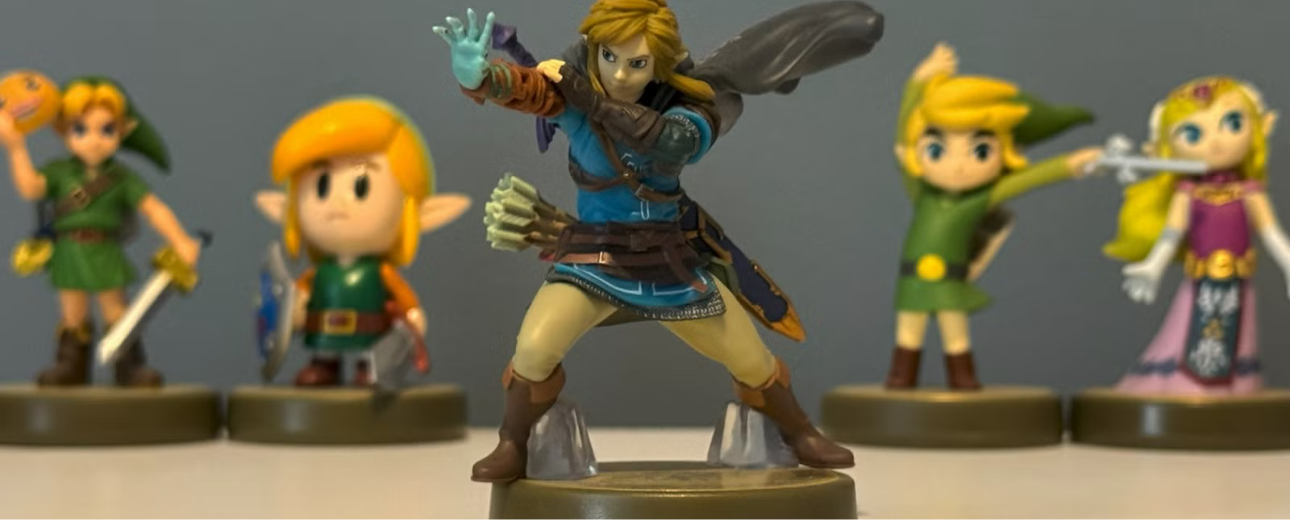
Amiibo functionality in The Legend of Zelda: Breath of the Wild represents one of the most rewarding feature integrations Nintendo ever created, allowing players to unlock exclusive equipment, rare materials, and powerful items simply by scanning compatible figurines. This unique mechanic bridges the gap between physical collectibles and digital gameplay, creating a satisfying feedback loop where your amiibo collection directly impacts your in-game experience. Whether you’re a casual player wanting to enhance your adventure or a completionist pursuing every possible reward, understanding how to properly use amiibo in Breath of the Wild opens up numerous possibilities for acquiring resources that would otherwise take considerable grinding to obtain. The system is straightforward once you understand the mechanics, but many players miss crucial details about timing, frequency, and specific amiibo compatibility that determines what rewards you actually receive. This comprehensive guide walks you through everything you need to know about using amiibo in Breath of the Wild, from initial setup through advanced strategies for maximizing rewards.
Understanding Amiibo and Breath of the Wild Compatibility
Before diving into practical amiibo usage, understanding what amiibo are, why they work with Breath of the Wild, and which specific amiibo are compatible ensures you’re making informed decisions about which figures to acquire or use.
What Are Amiibo and How Do They Work?
Amiibo are small figurines or cards embedded with NFC (Near Field Communication) chips that communicate wirelessly with compatible Nintendo consoles. When you hold an amiibo near a compatible device (like your Nintendo Switch), the console reads data stored on the figurine and translates that information into in-game effects. This technology allows Nintendo to create physical collectibles that have tangible in-game benefits, making amiibo more than just decorative items.
The amiibo ecosystem extends across numerous Nintendo properties—Super Smash Bros., Mario, Donkey Kong, Animal Crossing, Fire Emblem, and many others each have dedicated amiibo lineups. The Zelda-specific amiibo were designed with Breath of the Wild in mind, though some non-Zelda amiibo also work with the game, providing unique rewards based on the character depicted. The figurines themselves are beautifully crafted collectibles worthy of display even if you never use their in-game functionality, making them valuable as physical products independent of their digital utility.
The NFC chip stores specific data identifying which character the amiibo represents. When scanned, the game recognizes the character and triggers corresponding rewards. This one-directional communication means the amiibo always provides the same character data—you don’t need internet connection or account linking, just physical proximity to the Switch. The simplicity of the system belies its sophisticated design, which seamlessly integrates physical and digital gaming in an intuitive way.
Zelda-Specific Amiibo for Breath of the Wild
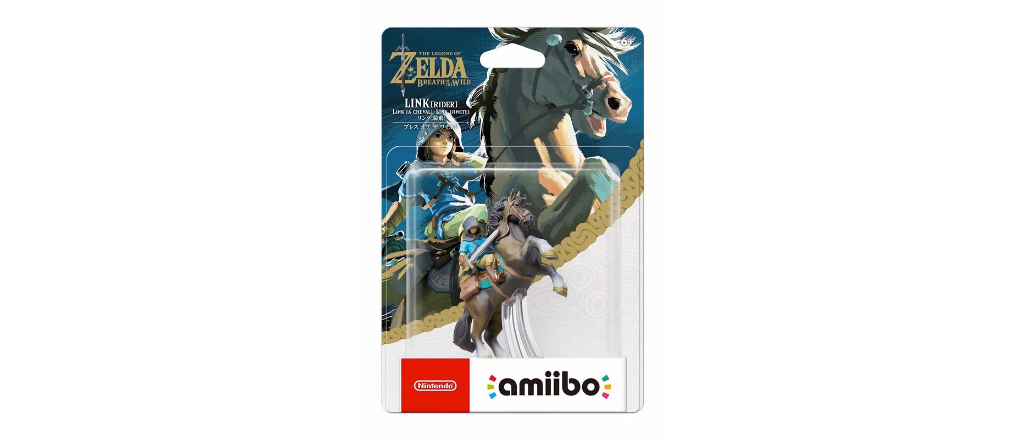
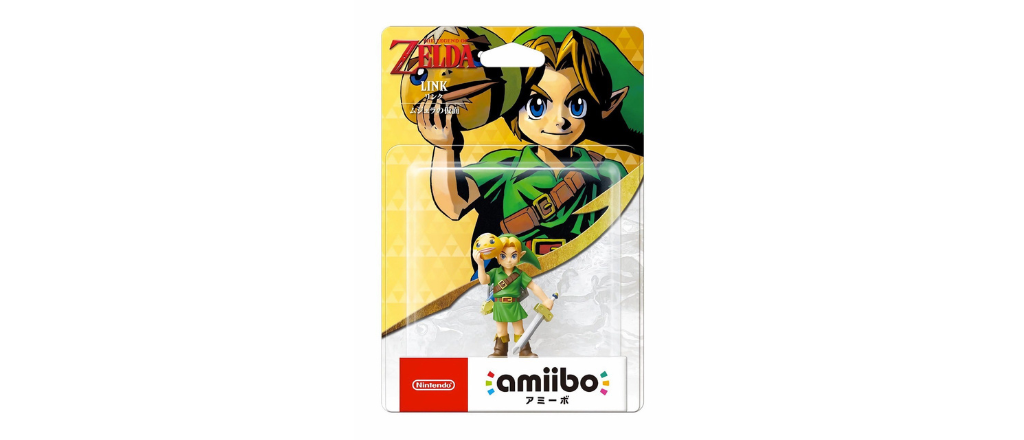
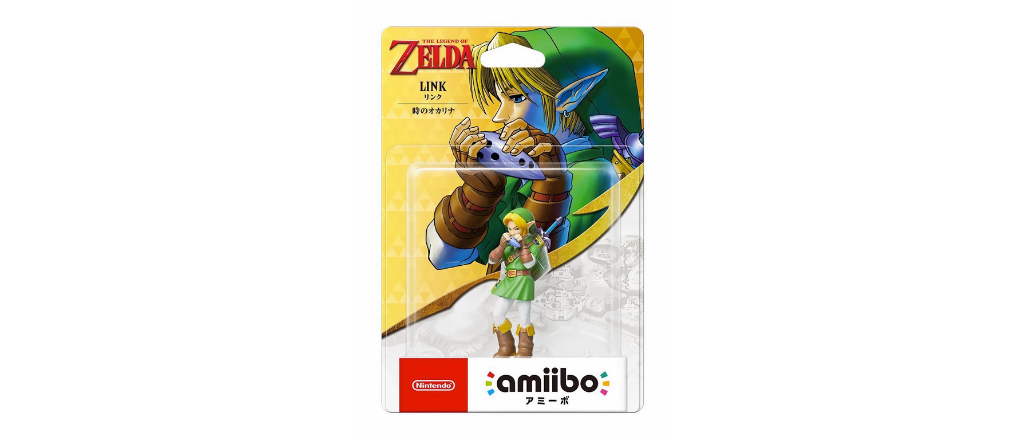
Nintendo released numerous amiibo specifically designed for The Legend of Zelda franchise, with several explicitly compatible with Breath of the Wild. The primary Zelda amiibo lineup includes Link (multiple versions from different games), Zelda, Ganondorf, and Bokoblin figures, each providing distinct in-game rewards when scanned in Breath of the Wild. Additionally, some amiibo from other franchises also work with the game, providing alternative rewards based on their non-Zelda origins.
The main Zelda amiibo compatible with Breath of the Wild include:
Link Variants – The classic green-clad hero appears in multiple versions based on different Zelda games and styles. Each Link amiibo provides similar rewards (weapons, materials, food), making the specific variant less important than having at least one Link figure to scan repeatedly.
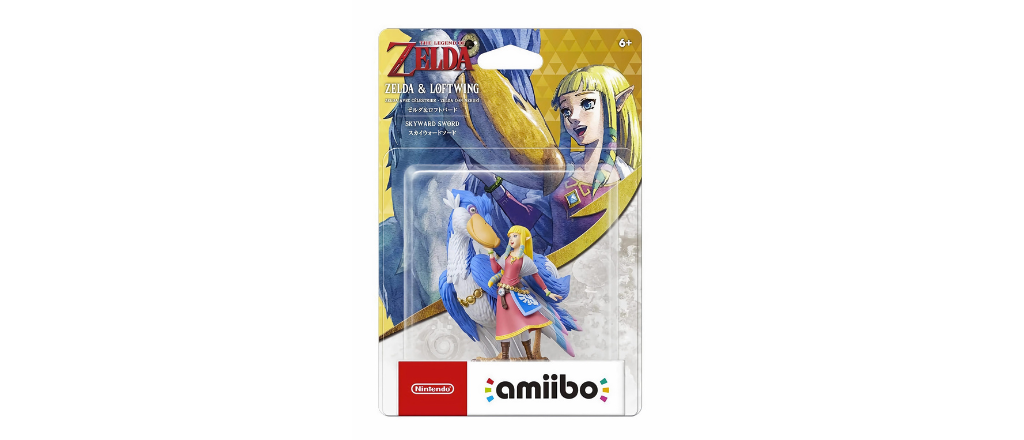
Zelda amiibo – The princess herself offers cosmetic rewards and special items. This amiibo is particularly valuable for players wanting to unlock Zelda-specific equipment unavailable through other methods.
Ganondorf amiibo – The arch-villain provides unique dark-themed weapons and materials reflecting his corrupting influence over Hyrule.
Bokoblin amiibo – The common enemy character offers unique rewards reflecting its connection to monster-kind.
Guardian amiibo – The iconic mechanical enemy provides special rewards related to ancient technology.
Other Zelda amiibo – Various other figures from the Zelda franchise (Toon Link, Twilight Princess characters, etc.) offer rewards, though compatibility with Breath of the Wild varies by specific figure.
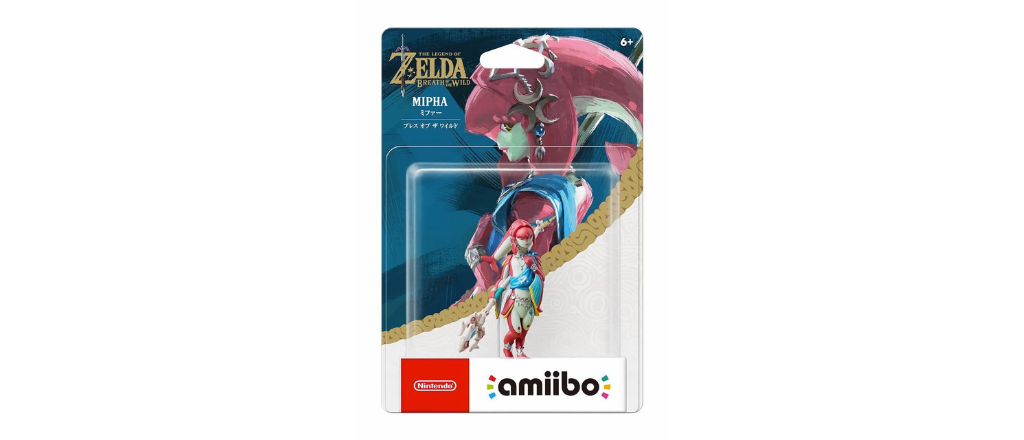
Beyond Zelda-specific amiibo, numerous other Nintendo amiibo work with Breath of the Wild despite having no direct Zelda connection. Super Smash Bros. amiibo, Animal Crossing figures, Fire Emblem characters, and others all provide rewards when scanned. The game treats these non-Zelda amiibo as generic characters, providing random assortments of weapons, armor, and materials rather than character-specific rewards.
Non-Zelda Amiibo Compatibility and Rewards
If you scan non-Zelda amiibo, Breath of the Wild treats them as generic allies and provides random rewards including weapons, shields, bows, and various materials. The specific rewards you receive depend on which non-Zelda amiibo you scan and factors like your current progress and inventory. Super Smash Bros. amiibo are particularly popular for this purpose because they’re widely available, affordable, and provide diverse reward types.
The advantage of non-Zelda amiibo is their availability—if you already own Super Smash Bros. figurines from collecting other games, you can immediately use them in Breath of the Wild without purchasing additional Zelda-specific figures. The disadvantage is the randomness of rewards, meaning you might receive weapons or materials you don’t need rather than the specific items you’re hunting.
Understanding which amiibo are compatible helps you decide whether to invest in new amiibo specifically for Breath of the Wild or utilize existing figures from your Nintendo collection. Many dedicated fans maintain spreadsheets tracking which amiibo provide which rewards, allowing informed decisions about scanning patterns and purchasing priorities.
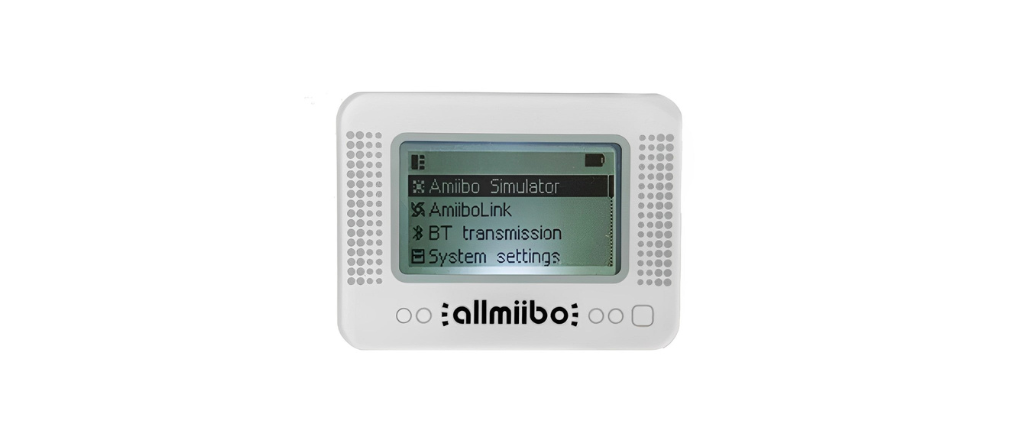
Setting Up Amiibo for Use in Breath of the Wild
Before you can scan amiibo in Breath of the Wild, you need to properly configure your Nintendo Switch and understand the in-game mechanics that govern amiibo usage.
Physical Setup and Hardware Requirements
Using amiibo in Breath of the Wild requires a Nintendo Switch console with functional NFC (Near Field Communication) capabilities. The original Switch model, Switch OLED, and Switch Lite all include NFC functionality in their controllers or built-in hardware. You don’t need any special accessories or additional hardware—the console comes pre-equipped to scan amiibo.
To prepare your Switch for amiibo scanning, ensure the device is powered on and functioning normally. The amiibo scanning feature works from the main menu and during gameplay without requiring special modes or settings adjustments. Simply having an amiibo figure and a working Switch console is sufficient for the basic setup.
When scanning amiibo, hold the figurine against the right Joy-Con controller (or against the device itself if using Switch Lite) until you feel a vibration and hear a confirmation sound. The vibration and audio feedback confirm successful data transfer. The entire process takes only a few seconds—if you hold the amiibo there longer, it doesn’t provide additional benefits or trigger multiple scans (there’s a cooldown preventing rapid re-scans).
In-Game Amiibo Activation
Within Breath of the Wild itself, you need to unlock amiibo functionality through the runes system, which requires progression through the early game. Specifically, you must complete certain initial story elements and acquire a rune that grants amiibo scanning capability. This prevents players from immediately accessing amiibo rewards at the game’s start, maintaining challenge and progression balance.
Once the amiibo rune is unlocked, scanning amiibo becomes available anywhere in the world through the runes interface. Open your runes menu during gameplay and look for the amiibo rune icon (appears as a small amiibo symbol). Select this rune, then follow the on-screen prompt to scan your amiibo figurine against the Joy-Con controller.
The amiibo rune is one of several runes Link acquires, alongside staple runes like bombs and magnesis. Learning to navigate the runes menu smoothly ensures quick amiibo access during gameplay without tedious menu navigation. The rune interface is intuitive once you understand it, making amiibo scanning feel natural within Breath of the Wild’s larger mechanical systems.
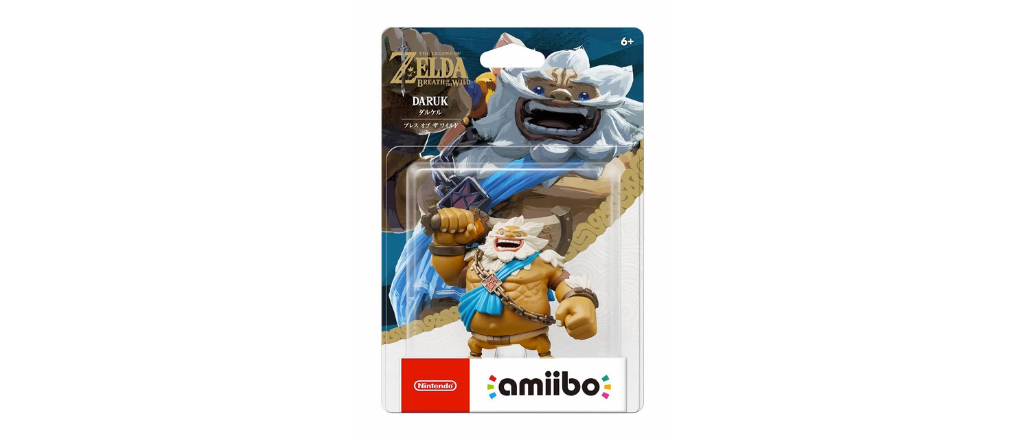
Scanning Amiibo and Receiving Rewards
Understanding the actual mechanics of amiibo scanning and reward distribution helps you optimize when and how you use your figures to maximize value from each scan.
The Amiibo Scanning Process
The moment you scan an amiibo, Breath of the Wild generates a reward based on the specific figure scanned, your current progression, and the game’s underlying item distribution systems. The generation is instantaneous—you’ll see a visual effect showing the reward materializing in your vicinity, typically appearing as a glowing aura that indicates spawned items.
The generated rewards appear directly on the ground in front of Link after scanning. You must pick up the items manually—they don’t automatically enter your inventory. If your inventory is full, the items remain on the ground until you make space or pick them up. This prevents the frustrating scenario where rewards are lost due to full inventory space.
The specific rewards generated depend on multiple factors. The amiibo figure itself determines the reward category and likely types. Your current inventory and equipment status influences specific items offered. Your progress through the game affects reward tiers and difficulty levels of weapons generated. Understanding these factors helps you predict roughly what rewards to expect from different amiibo.
Reward Categories by Amiibo Type
Zelda-specific amiibo provide character-themed rewards directly related to their in-game roles and aesthetics. Scanning a Link amiibo generates weapons and materials associated with the hero—often green-colored armor, classic swords, and useful gathering materials. Scanning Zelda generates elegant, royal-themed weapons and clothing. Scanning Ganondorf generates dark, imposing equipment reflecting his villainous nature.
Non-Zelda amiibo generate more randomized rewards pulling from a broader pool. Scanning Super Smash Bros. amiibo typically generates a mix of weapons, shields, bows, and materials reflecting that character’s gameplay style. A Mario amiibo might generate coins and power-ups. An Animal Crossing amiibo might generate furniture or decorative items.
The rewards aren’t purely random—they follow internal algorithms determining what players at different game progression levels receive. Early-game players might receive lower-tier weapons and abundant food items. Later-game players receive higher-tier equipment and rare materials. This scaling ensures amiibo rewards remain relevant throughout your playthrough rather than becoming trivial mid-game.
The Daily Amiibo Scanning Cooldown
One of the most important mechanics to understand is the amiibo scanning cooldown system—you cannot scan the same amiibo twice within a 24-hour period. This limitation prevents infinite farming of rewards using a single amiibo, ensuring Epic Games maintains resource scarcity even with amiibo usage.
The cooldown timer resets daily at a specific in-game time (typically 4:00 AM in Hyrule time). If you scan an amiibo at 3:00 PM on Monday, you cannot scan that same amiibo again until 4:00 AM Tuesday at the earliest. This allows dedicated players to scan their entire amiibo collection once per day without being able to exploit a single figure repeatedly in short intervals.
Understanding this cooldown mechanism affects how you manage your amiibo collection strategically. If you own multiple amiibo, you can scan different figures on the same day to maximize total daily rewards. If you own only one amiibo, you’re limited to one scan per 24 hours. Planning which amiibo to scan when involves considering your current needs—scanning a weapons-producing amiibo one day, then a materials-producing figure the next day, efficiently diversifies your rewards.
Managing Overflowing Rewards
If you scan multiple amiibo in succession, the rewards can accumulate faster than you can pick up, potentially creating inventory management challenges. Items remain on the ground indefinitely, so they won’t disappear, but managing dozens of items across your inventory requires organization.
One effective strategy is setting up temporary item drops during extended amiibo scanning sessions. Scan all your amiibo, allowing rewards to accumulate on the ground. Then methodically pick up items, manage your inventory space, and continue collecting rewards. Weapons and shields take significant inventory space, while materials and food take less, influencing which items you prioritize collecting when space is limited.
The chest inventory (accessible from any fire camp) provides essentially unlimited storage for items you want to keep but don’t need immediately. Depositing bulk amiibo rewards into chests during scanning sessions frees inventory space for continuing to collect additional rewards. This system ensures you never actually lose rewards due to inventory constraints—you simply need patience and organizational discipline.
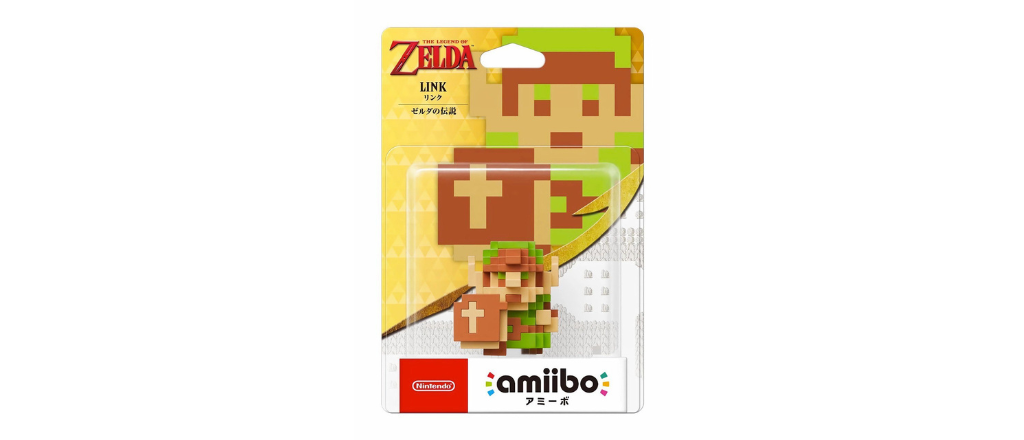
Specific Amiibo Rewards and What to Expect
Understanding which specific rewards different amiibo provide helps you decide which figures to prioritize and when scanning them would be most beneficial.
Zelda Link Amiibo Rewards
Link amiibo (regardless of specific variant—green tunic, white pajamas, Toon Link, etc.) provide weapons, shields, bows, and materials whenever scanned. The specific equipment tends toward iconic Zelda designs—the Master Sword (occasionally), Hylian Shields, bows, and green-colored armor pieces reflecting Link’s traditional appearance.
The exact rewards from Link amiibo vary based on your game progression, but you can generally expect:
Weapons – Swords, spears, and axes ranging from simple to mid-tier quality Shields – Various shield designs with different properties (some fireproof, some waterproof) Bows – Standard arrows and specialized bow types Armor – Green tunic variations and Link-themed clothing pieces Materials – Mushrooms, plants, and other gathering resources Food – Prepared meals and raw ingredients
The consistent quality of Link amiibo rewards makes them valuable for regular scanning throughout your playthrough. Unlike more random non-Zelda amiibo, Link figures reliably provide useful equipment and materials you’re likely to actually use or appreciate.
Zelda Princess Amiibo Rewards
Scanning Zelda amiibo produces unique royal and magical-themed rewards unavailable through other means. These include elegant armor pieces, magical items, and weapons reflecting the princess’s refined aesthetic. Zelda amiibo rewards tend toward higher-quality equipment compared to standard farming methods.
Typical Zelda amiibo rewards include:
Royal Guard Equipment – Elegant weapons and armor with royal aesthetic Magical Items – Special equipment with magical properties Fashionable Clothing – Royal dresses and elegant armor pieces Materials – Rare ingredients associated with magic and nobility Unique Weapons – Sword designs unique to Zelda-specific amiibo
The Zelda amiibo is particularly valuable for cosmetic-focused players wanting to equip Link with character-appropriate clothing reflecting the royal Hyrule aesthetic rather than warrior gear.
Ganondorf and Bokoblin Amiibo Rewards
Ganondorf amiibo generates dark, imposing equipment reflecting the villain’s corrupting influence—black and purple colored armor, demonic weapons, and materials associated with malice. These rewards appeal to players wanting a darker aesthetic or specific themed equipment unavailable through conventional farming.
Bokoblin amiibo produces monster-themed rewards reflecting its association with enemy creatures, offering unique items not otherwise obtainable. These rewards are more novelty-focused, providing cosmetic interest rather than practical power advantages.
Non-Zelda Amiibo Rewards
Non-Zelda amiibo generate randomized rewards from a broader pool, making them less predictable but potentially valuable for diverse equipment acquisition. The random nature means you might receive weapons or items you didn’t specifically need, but the variety ensures interesting surprises and prevents farming the same items repeatedly.
Consistent patterns emerge with non-Zelda amiibo usage. Super Smash Bros. amiibo tend to produce standard weapons and shields reflecting that game’s combat focus. Animal Crossing amiibo generate furniture and decorative items. Fire Emblem amiibo produce warrior-themed equipment. While less specific than Zelda amiibo, non-Zelda figures provide valuable resource generation throughout your adventure.
Strategic Amiibo Usage for Optimal Results
Understanding the mechanics is foundational, but strategic usage maximizes the value you extract from amiibo throughout your Breath of the Wild playthrough.
Planning Your Amiibo Scanning Schedule
Dedicated amiibo farmers create schedules specifying which amiibo to scan on which days, ensuring maximum reward diversity and efficient resource generation. If you own multiple amiibo, scanning different figures daily across a week ensures varied rewards rather than repeatedly scanning the same figure.
For example, if you own three amiibo, you might establish a rotation: Monday scan amiibo one, Tuesday scan amiibo two, Wednesday scan amiibo three, repeat. This approach ensures each figure is scanned every three days while preventing same-amiibo fatigue. Alternatively, if you own more amiibo, you could establish a weekly schedule ensuring each is scanned approximately once weekly.
The specific schedule depends on your amiibo collection size and your resource priorities. If you desperately need cooking materials, prioritize scanning amiibo providing food rewards. If weapons are your concern, rotate weapons-producing figures. Flexible scheduling adapts to your current gameplay needs rather than following rigid patterns.
Timing Scans for Maximum Usefulness
Some strategic players time amiibo scans to specific gameplay moments when resources would be most valuable. Scanning before undertaking a difficult challenge ensures you’re well-equipped. Scanning before extended gathering expeditions generates materials to carry. Scanning before boss encounters provides powerful weapons and healing items.
While amiibo rewards are powerful regardless of timing, strategic timing ensures you actually utilize the items rather than accumulating duplicates you never use. Scanning when you’re unprepared for challenges provides timely help. Scanning when adequately equipped generates resources for storage rather than immediate use.
Managing Weapon Inventory and Space
Amiibo weapons contribute significantly to inventory management challenges, since weapons occupy limited inventory slots and degrade with use. Strategic amiibo scanning generates new weapons as older ones break, essentially providing renewable weapon resources that prevent the frustration of being completely unarmed.
Understanding weapon degradation mechanics helps you appreciate amiibo weapons more fully. Rather than treating amiibo weapons as permanent possessions, recognize them as refreshable resources providing new weapons periodically. This mindset transforms amiibo rewards from transactional items into a system generating consistent equipment renewal throughout your adventure.
Troubleshooting Common Amiibo Issues
Despite being generally reliable, amiibo scanning occasionally encounters technical issues or unexpected behaviors that frustrate players.
NFC Reading Failures
If your Switch fails to read an amiibo, the most common causes are dirty contact points, improper positioning, or temporary console glitches. First, ensure the amiibo itself is clean—dust or debris on the contact area prevents proper NFC communication. Gently wipe the amiibo’s bottom (where the chip is embedded) with a soft cloth.
Next, verify proper positioning. Hold the amiibo against the right Joy-Con’s top-right area (where the NFC reader is located), not the center or other areas. Press firmly and wait for the vibration feedback confirming successful scan. If the initial attempt fails, wait a few seconds before retrying—the console may need a moment to reset the scanner.
If multiple amiibo fail to scan, restart your Switch console entirely. Power off, wait 10 seconds, then power back on. Amiibo scanning usually functions normally after restart.
Duplicate Rewards
Occasionally you’ll receive the exact same reward from consecutive amiibo scans, despite scanning different figures. This isn’t a glitch—the game’s reward algorithm sometimes generates identical items despite varied inputs. Simply accept the duplicate and either store it in your chest or discard it.
If you consistently receive duplicates when wanting variety, try spacing out amiibo scans rather than scanning multiple amiibo in rapid succession. The game’s reward system may generate more varied results with temporal distance between scans.
Cooldown Timer Confusion
Many players misunderstand the 24-hour cooldown, believing it starts when they scan rather than resetting at a specific daily in-game time. Clarifying this mechanic prevents frustration from believing you’ve waited long enough when you haven’t actually reached the daily reset.
The cooldown resets at approximately 4:00 AM Hyrule time (the in-game day cycle reset). If you scan Monday at 3:00 PM and assume you can scan again after 24 real-world hours (Tuesday at 3:00 PM), you’ll be surprised when you still get the cooldown message. You can actually re-scan at Tuesday 4:00 AM (Hyrule time), which may be significantly earlier than you expected.
Amiibo Lost or Damaged
If your amiibo figurine is lost or damaged and no longer scans, purchasing a replacement is straightforward—Nintendo sells amiibo as standalone products. The amiibo figure itself contains all the data needed for scanning, so a new figure of the same character provides identical functionality.
Alternatively, if the amiibo is damaged but the NFC chip still functions (common in cases of aesthetic damage), it may still scan properly despite looking worse for wear. Test the potentially-damaged amiibo before concluding it’s non-functional.
Advanced Amiibo Strategies for Completionists
Players pursuing comprehensive item collection and complete cosmetic variety employ advanced amiibo strategies maximizing reward diversity and coverage.
Building a Diverse Amiibo Collection
Dedicated amiibo farmers note which specific rewards each amiibo generates and purchase additional figures strategically ensuring they have amiibo for every major reward type. If you want to ensure accessing every possible cosmetic and equipment type, owning a diverse amiibo collection including Zelda-specific figures and various non-Zelda options ensures comprehensive reward access.
The optimal collection depends on your specific goals. For weapon variety, non-Zelda amiibo provide diversity. For cosmetic completeness, Zelda amiibo ensure character-specific items. For balanced coverage, owning multiple figure types ensures no major reward category is missed.
Tracking Reward Cycles
Some dedicated players maintain detailed spreadsheets tracking which amiibo generated which rewards, identifying patterns in the game’s reward algorithms. These records reveal preferences for specific equipment types at certain game stages and help predict upcoming rewards.
While obsessively detailed, this approach satisfies completionist goals and reveals interesting patterns in how the game distributes rewards. For most players, casual observation suffices, but dedicated trackers provide insight into the algorithm’s complexity.
Maximizing Daily Scanning
For players with large amiibo collections, establishing rotating daily scan routines ensures maximum reward generation while respecting cooldown timers. Owning 7 or more amiibo allows scanning one different figure daily without repeating, generating consistent resource streams throughout the week.
This approach works best when you have a dedicated area for collecting rewards—usually a fire camp or specific location where you gather items before storage. Establishing these routines makes amiibo farming feel less random and more like a structured daily activity paralleling real-world routines.
The Amiibo Advantage: Is It Worth the Investment?
Understanding the genuine advantages amiibo provides helps you determine whether investing in these figurines aligns with your gaming goals.
Amiibo Benefits for Normal Players
For casual players without amiibo, Breath of the Wild remains an excellent complete experience. Amiibo provides convenience and accelerated resource gathering but doesn’t enable content otherwise impossible to access. Everything achievable with amiibo is theoretically achievable through farming and crafting, just with greater time investment.
The primary advantage amiibo provides is time savings. Rather than spending hours grinding for specific materials or hunting powerful weapons, scanning amiibo generates these resources immediately. For players with limited time, amiibo dramatically improves experience efficiency.
Secondarily, amiibo provides exclusive cosmetics—certain armor pieces and weapons appear only through amiibo scanning. If you care about appearance customization and cosmetic completeness, amiibo becomes more valuable.
Amiibo Benefits for Collectors
For completionists pursuing every item, outfit, and cosmetic variation, amiibo transforms from optional convenience into essential tools ensuring full completion is achievable. Without amiibo, some cosmetics remain permanently inaccessible, preventing true 100% collection. If your goal is authentic completeness, amiibo becomes mandatory.
The cosmetic variety amiibo provides—outfit pieces, weapon designs, equipment options—significantly expands character customization beyond what’s available through farming alone. Serious cosmetic players view amiibo investment as necessary infrastructure supporting their completion goals.
Cost-Benefit Analysis
Amiibo figurines cost approximately $15-20 USD each, making a collection of 5-10 amiibo a $75-200 investment. Determining whether this cost justifies the benefits requires personal evaluation of your gaming goals, budget, and how much you value time savings and cosmetic completeness.
For players viewing amiibo purely as convenience items accelerating resource gathering, the investment may feel excessive—you’ll eventually gather all necessary resources through farming. For players pursuing cosmetic completeness or operating under strict time constraints, the investment offers genuine value. Personal circumstances and preferences determine whether amiibo investment makes sense for your specific situation.
Conclusion: Mastering Amiibo in Breath of the Wild
Using amiibo in The Legend of Zelda: Breath of the Wild transforms these physical figurines from collectibles into functional tools enhancing your digital adventure. Understanding the mechanics—from initial setup through strategic scanning and reward management—ensures you extract maximum value from every amiibo scan.
The amiibo system exemplifies Nintendo’s philosophy of integrating physical and digital gaming in meaningful ways. Rather than feeling gimmicky, amiibo functionality feels natural within Breath of the Wild, providing genuine benefits without being essential to enjoy the game. Whether you’re a casual player leveraging a few amiibo for convenience or a dedicated farmer maintaining rotating daily scan schedules, amiibo usage adds another dimension to an already exceptional game.
As you progress through your Breath of the Wild adventure, treat amiibo as tools supporting your journey rather than exploits bypassing challenges. The weapons they provide will eventually break. The materials they generate will eventually be consumed. But the consistency of renewable resources through strategic amiibo usage ensures you’re never truly unprepared for challenges ahead.
Embrace the amiibo system, plan your scanning strategically, and enjoy the convenience and cosmetic variety these figurines provide. Your adventure through Hyrule becomes richer with thoughtful amiibo integration, and the physical collection sitting on your shelf becomes more meaningful when each figurine represents concrete gameplay experiences and memorable moments from your epic journey.
External Resources:
- Official Nintendo Amiibo Site: https://www.nintendo.com/amiibo/
- Zelda Wiki Amiibo Guide: https://zelda.fandom.com/wiki/Amiibo
- Breath of the Wild Official Site: https://www.zelda.com/breath-of-the-wild/