
 Canada
 USA
USA Japan
Japan



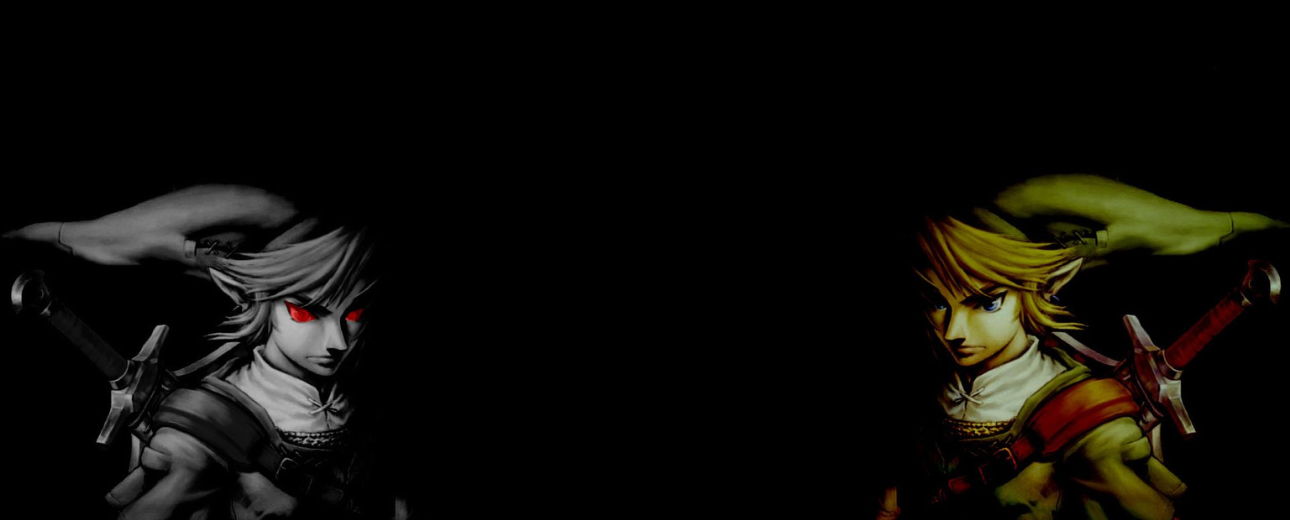
Few video game encounters are as psychologically unsettling as facing your own reflection turned enemy. Dark Link stands as one of gaming’s most enduring symbols of internal conflict, a shadowy mirror that forces players to confront not just a formidable opponent, but themselves. For over three decades, this enigmatic figure has challenged our understanding of heroism, identity, and the darkness that exists within even the greatest champions.
Introduction: The Shadow That Reflects Our Inner Darkness
In the pantheon of video game antagonists, few characters have achieved the psychological depth and enduring fascination of Dark Link. This shadowy doppelganger of the legendary Hero of Time represents something far more profound than just another boss battle—he embodies the concept of internal struggle, the dark reflection of heroism, and the philosophical question of what happens when we must face ourselves as our greatest enemy. Since his debut in The Adventure of Link in 1987, Dark Link has haunted players’ imaginations and become one of the most iconic recurring elements in The Legend of Zelda franchise.
What makes Dark Link so compelling isn’t flashy abilities or complex backstory—it’s the simple, terrifying elegance of the concept. Imagine being confronted by a perfect copy of yourself, one that knows every move you’ll make because it is you, turned against yourself. This isn’t a monster to be slain or an evil overlord to be defeated—it’s a mirror forcing you to acknowledge that the greatest obstacles we face often come from within. The battles against Dark Link across various Zelda titles aren’t just tests of skill; they’re existential confrontations with the shadow self.
The genius of Dark Link’s design lies in its minimalism. He doesn’t need elaborate armor, magical weapons, or a tragic backstory to be memorable. He’s simply Link rendered in silhouette, a perfect inverse—where Link represents light, courage, and heroism, Dark Link embodies shadow, doubt, and the potential for that same courage to be turned inward as self-destruction. This stark visual simplicity makes him instantly recognizable and deeply symbolic, a character design that communicates volumes without a single word of dialogue.
According to interviews with Zelda series developers published in Hyrule Historia and various Nintendo publications, Dark Link was conceived as a way to challenge players not through overwhelming force or complex patterns, but through familiarity turned hostile. The development team understood that fighting an enemy who moves like you, attacks like you, and counters your strategies because it knows them as intimately as you do creates a unique psychological pressure. It’s not about learning the boss’s patterns—it’s about outsmarting yourself, finding weaknesses in your own fighting style that you didn’t know existed.
The character’s most famous appearance in The Legend of Zelda: Ocarina of Time elevated Dark Link from interesting concept to legendary encounter. The Water Temple’s boss room, with its ethereal tree standing in an infinite pool of shallow water, creates an atmosphere of surreal isolation. When Dark Link rises from Link’s reflection, the symbolism is immediate and powerful—you’re literally fighting your own shadow. The encounter became notorious not just for its difficulty but for its artistry, the way it married gameplay challenge with thematic depth in ways few boss battles had achieved before or have managed since.
Throughout the franchise’s history, Dark Link has appeared in various forms and contexts—sometimes as a boss, sometimes as a regular enemy, occasionally as a manifestation of dark magic or corruption, and other times as a psychological trial. Each appearance adds layers to our understanding of what this shadow represents. Is he a separate entity, a magical creation, or a manifestation of Link’s own inner darkness given form? The games deliberately leave this ambiguous, allowing Dark Link to function as whatever the narrative and thematic needs of each specific game require.
The cultural impact of Dark Link extends far beyond the Zelda franchise. The concept of facing an evil version of yourself has become a recurring trope in gaming, from Devil May Cry to Kingdom Hearts, but Dark Link remains the archetype, the original and most pure expression of this idea. When developers create “shadow self” boss battles, they’re walking a path Dark Link first blazed, whether they acknowledge it explicitly or not.
For players who’ve faced Dark Link across multiple games and decades, he represents a unique constant in the ever-evolving Zelda universe. While storylines change, timelines split, and gameplay mechanics evolve with new console generations, the fundamental challenge of facing your dark reflection remains. There’s something primal and universal about this concept that transcends the specifics of any individual game, connecting players across generations through shared experiences of confronting this shadowy nemesis.
As a longtime fan, what makes Dark Link stand out is the recognition that he’s more than just an antagonist—he’s a question posed to the player. Are you strong enough to overcome your own worst tendencies? Can you find the flaws in your fighting style and adapt? Will you let frustration and repetition defeat you, or will you learn and evolve? Every encounter with Dark Link is ultimately an encounter with yourself, and that’s what makes him unforgettable.
In this comprehensive exploration, we’ll delve into every aspect of Dark Link’s existence across the Zelda franchise, from his creation and early appearances through his most challenging encounters, his symbolic significance, and his lasting impact on gaming culture. We’ll analyze his abilities, provide strategies for defeating him in various games, examine his role in Zelda lore, and explore why this silent, shadowy figure continues to captivate players more than thirty years after his debut. Whether you’re a veteran who’s defeated Dark Link in multiple games or a newcomer curious about this legendary foe, prepare to descend into the reflection and discover what makes gaming’s most famous shadow such an enduring icon.
Early Life and Origins: Birth of the Shadow
The story of Dark Link begins not with a dramatic origin tale or complex backstory, but with a simple yet profound design philosophy at Nintendo in the late 1980s. Understanding Dark Link requires examining both his in-universe manifestations and the real-world creative decisions that brought him into existence.
The Development Genesis
The original Dark Link emerged during the development of Zelda II: The Adventure of Link for the Nintendo Entertainment System in 1987. According to development notes and interviews with the game’s creators archived in various Nintendo retrospectives, the team wanted to create a climactic challenge before the final confrontation with the Shadow of Ganon. The idea of Link fighting himself came from discussions about what would constitute the ultimate test for a hero—not conquering an external evil, but mastering the darkness within.
The NES’s technical limitations actually enhanced Dark Link’s impact. With limited colors and graphical capabilities, the development team rendered him as a pure black silhouette, a perfect inverse of Link’s sprite. This wasn’t just a technical compromise—it was brilliant design that made Dark Link instantly memorable and visually striking. The black-on-black aesthetic created an enemy that was simultaneously familiar and alien, recognizable yet unsettling.
According to Shigeru Miyamoto in interviews collected in various gaming publications, the concept drew inspiration from multiple sources. Japanese folklore contains numerous stories of doppelgangers and shadow selves, particularly the concept of the “kage” or shadow that can separate from a person and act independently. Western mythology also features shadow doubles, from Peter Pan’s rebellious shadow to Carl Jung’s psychological concept of the Shadow archetype—the repressed, darker aspects of personality that we refuse to acknowledge but that nonetheless influence our behavior.
The decision to place Dark Link in the Great Palace, the final dungeon before confronting Ganon’s shadow, was deliberate. Narratively, it represented Link’s final trial before facing ultimate evil—he had to prove he could master himself before he could hope to master Ganon. This positioning established a pattern that would recur in later games: Dark Link as a test of worthiness, a gatekeeper who ensures only those who have overcome their own darkness can proceed.
In-Universe Origins and Manifestations
Within the Zelda universe, Dark Link’s origins vary depending on the game, adding to his mysterious nature. Unlike characters with consistent backstories across appearances, Dark Link functions more as an archetypal force that manifests differently based on narrative needs. This flexibility has allowed him to appear across multiple timelines and contexts while maintaining thematic consistency.
In The Adventure of Link, Dark Link is implied to be a magical guardian or test created by the ancient kings of Hyrule to protect the Triforce of Courage. He exists specifically to challenge anyone attempting to claim the Triforce, ensuring that only someone who has mastered themselves can possess such power. This establishes Dark Link as a deliberate creation with a specific purpose—he’s not evil for evil’s sake, but rather a necessary trial, a final examination of the hero’s worthiness.
The lore behind this manifestation, detailed in supplementary materials and implied through game context, suggests that the ancient sages or royalty of Hyrule understood a fundamental truth: power without self-mastery leads to corruption. The Triforce of Courage, which rewards bravery and heroism, could be twisted if claimed by someone who hadn’t confronted and conquered their own inner darkness. Dark Link serves as the ultimate safeguard against this possibility.
Ocarina of Time presents Dark Link differently—as a trial within the Water Temple, though his exact nature remains ambiguous. Some interpretations suggest he’s a magical construct created by the temple itself to test those who would challenge its depths. Others theorize he’s a manifestation of Link’s own shadow given form by the temple’s ancient magic. The game deliberately leaves this unclear, allowing players to interpret the encounter in ways that resonate personally.
The setting of this encounter—the ethereal room with its single tree reflected in shallow water—adds symbolic depth. The tree could represent the World Tree or Tree of Life from various mythologies, a cosmic axis connecting different realms of existence. The water reflects not just visually but metaphorically, suggesting that this space exists between reality and reflection, a liminal zone where the boundary between self and shadow blurs.
Evolution of the Design Concept
From Adventure of Link’s pure black silhouette to modern interpretations with red eyes and detailed features, Dark Link’s visual design has evolved with advancing technology while maintaining core elements that make him instantly recognizable. This evolution reflects both technical capabilities and changing artistic philosophies across console generations.
The NES Dark Link was pure functionality—a black silhouette that clearly communicated “evil Link” despite graphical limitations. This simplicity became iconic, proving that sometimes less is more in character design. When technology advanced enough to add details, designers faced a choice: maintain the pure silhouette or add elements that enhanced the character’s presence without diluting the core concept.
Ocarina of Time’s Nintendo 64 graphics allowed for more sophisticated rendering. Dark Link retained the black coloring but gained dimensional form, looking like Link completely bathed in shadow rather than just a flat silhouette. The addition of glowing red eyes—the only color on his otherwise monochrome form—provided a focal point and suggested malevolence without requiring facial expressions or dialogue. These eyes became a defining characteristic, appearing in most subsequent Dark Link designs.
Later games experimented with variations while respecting the established visual language. Some versions show Dark Link with slightly different proportions, suggesting wrongness even in silhouette. Others incorporate smoke-like effects or shadowy auras, emphasizing his nature as a shadow given form. The most recent appearances in games like Breath of the Wild maintain the black coloring and red eyes while adapting to that game’s more realistic art style, showing how the core design elements can flex to fit different aesthetic contexts.
The Psychological Foundation
Beyond the technical and artistic considerations, Dark Link’s creation and recurring appearances reflect deep understanding of psychological archetypes and player psychology. The developers recognized that fighting yourself creates unique emotional and mental challenges that fighting external enemies cannot replicate.
From a game design perspective, Dark Link solves a specific problem: how do you challenge players who’ve mastered your game’s combat system? By that point in games like Ocarina of Time, players have learned enemy patterns, mastered timing, and developed strategies that work reliably. Standard enemies no longer pose significant challenges. Dark Link circumvents this by knowing those same strategies, by being able to counter them perfectly because he’s using the same tools and capabilities the player has spent the entire game learning to use.
This creates what developers call an “adaptive difficulty” without actually adjusting numerical values. Dark Link is exactly as skilled as the player—no more, no less—because he is the player reflected back. This means the encounter scales naturally to each individual’s skill level. A player who relies heavily on shield blocking will find Dark Link impossible to hit because he’ll block just as effectively. A player who favors aggressive attacks will find Dark Link matching their aggression. The only way to win is to change your approach, to find tactics you haven’t been using, to evolve beyond your established patterns.
The psychological impact of this design choice cannot be overstated. Fighting Dark Link often frustrates players in ways other boss battles don’t, not because it’s unfair, but because it forces uncomfortable self-examination. When you lose to Dark Link, you’re not losing to superior enemy design or cheap tactics—you’re losing to yourself. Your death is your own fault in the most literal sense possible. This creates a unique emotional response: you can’t blame the game or the developers. You can only recognize that you need to improve, to change, to overcome your own limitations.
This psychological dimension elevates Dark Link from a clever gimmick to a meaningful thematic element. The battle becomes a metaphor for personal growth and self-improvement. Just as Link must overcome his literal shadow to progress, players must overcome their metaphorical shadows—their bad habits, their predictable patterns, their comfort zone strategies—to succeed. The victory, when it comes, feels different from defeating a standard boss. It feels like genuine accomplishment, like you’ve actually grown as a player and as a person.
Timeline Placement and Continuity
Dark Link’s place in Zelda’s complex timeline raises interesting questions about whether the various Dark Links are the same entity or separate manifestations of the same concept. The official timeline, established in Hyrule Historia and later materials, places Dark Link’s appearances across multiple branches and eras, yet he remains remarkably consistent in appearance and function.
Some theorists suggest that Dark Link, like Link and Zelda, might be subject to a curse or cycle of reincarnation. Just as each era has its destined Hero and Princess, perhaps each has its Shadow, a dark reflection that must be overcome as part of the hero’s journey. This would explain why Dark Link appears across different timelines and contexts—he’s not a single individual but a recurring archetypal force, the shadow that every Link must face regardless of which timeline they exist in.
Alternative interpretations treat each Dark Link as a unique creation or manifestation specific to its context. The Dark Link in Adventure of Link is explicitly created as a guardian. The Ocarina of Time Dark Link might be a temple trial. Later appearances could be magical constructs, illusions, or manifestations of corruption. Under this interpretation, “Dark Link” is less a single character and more a category—any shadow manifestation of Link, regardless of origin, bears this name because the concept transcends individual instances.
The ambiguity is intentional and valuable, allowing Dark Link to function as whatever the narrative requires while maintaining thematic and visual consistency. Whether one entity or many, whether reincarnating or repeatedly created, Dark Link represents the same fundamental concept: the shadow self, the dark reflection, the inner darkness that must be acknowledged and overcome. This conceptual unity matters more than narrative continuity, giving Dark Link a coherent identity across appearances despite the lack of a single, unified backstory.
Personality and Traits: Understanding the Shadow Self
Analyzing Dark Link’s personality presents unique challenges since he never speaks, expresses no clear emotions, and exists primarily as a dark mirror rather than a fully realized individual. Yet through his actions, combat behaviors, and symbolic significance, a distinct psychological profile emerges that makes Dark Link more than just a silent opponent.
The Psychology of the Mirror
Dark Link functions as a Jungian shadow—the unconscious aspects of personality that the conscious ego doesn’t identify with. According to Carl Jung’s psychological theories, the shadow contains both the negative traits we reject about ourselves and the positive potentials we haven’t recognized or developed. Dark Link embodies this concept made manifest, forcing Link (and by extension, the player) to confront these hidden aspects.
This psychological framework explains Dark Link’s behavior patterns across different games. He doesn’t fight with blind aggression or desperate defense—he fights exactly as Link does, mirroring techniques and strategies with uncanny precision. This mirroring behavior serves a specific purpose: it shows Link his own fighting style from the outside, revealing its weaknesses and blind spots. What seems effective when you’re doing it appears very different when done against you, and Dark Link exploits this perspective shift mercilessly.
The shadow self in Jungian psychology often manifests as an adversary or enemy in dreams and stories, but integration of the shadow—acknowledging and accepting these rejected aspects—leads to psychological wholeness and growth. Dark Link’s defeat represents this integration metaphorically: Link must acknowledge his weaknesses, adapt his strategies, and ultimately prove he’s mastered the darker aspects of combat and conflict that his heroic nature might otherwise reject or ignore.
Defining Characteristics
Despite being a largely silent, non-speaking entity, Dark Link exhibits consistent traits across his appearances:
The most prominent characteristic is relentlessness. Dark Link doesn’t hesitate, doesn’t show mercy, and doesn’t retreat. Once the battle begins, he pursues victory with single-minded determination that never wavers. This contrasts with Link’s often reactive combat style—Link frequently responds to enemy actions, defending when necessary and attacking when openings appear. Dark Link maintains constant pressure, attacking aggressively and defending perfectly, never giving ground psychologically even when physically outmaneuvered.
Precision defines every action Dark Link takes. His movements are economical, wasting no energy on unnecessary flourishes. His blocks occur at the last possible moment for maximum efficiency. His attacks target openings with surgical accuracy. This precision reflects a dark perfection, as if Dark Link represents Link’s combat abilities stripped of hesitation, morality, and restraint—pure technique without the human elements that make Link a hero rather than just a fighter.
Adaptability is perhaps Dark Link’s most dangerous trait. In encounters where he specifically mirrors Link’s actions, he adapts instantly to whatever the player does. Change your strategy mid-fight and Dark Link changes with you, never stuck in predictable patterns because he doesn’t have patterns—he has your patterns, whatever they happen to be at any given moment. This adaptive nature makes him uniquely challenging and forces players to think creatively rather than relying on rote memorization.
The complete absence of personality—no taunts, no expressions, no motivations beyond defeating Link—creates an unsettling blankness. Dark Link is a void, an empty vessel that exists only to oppose. This emptiness is itself a personality trait of sorts, representing the impersonal nature of our internal struggles. Your doubts, fears, and flaws don’t hate you personally—they simply exist and must be overcome. Dark Link’s lack of malice or emotion reflects this impersonal truth.
Symbolic Significance
Dark Link embodies multiple symbolic concepts simultaneously, which is part of what makes him so thematically rich despite his simplicity. At the most basic level, he represents internal conflict—the hero struggling against his own worst impulses, doubts, and weaknesses. Every hero’s journey includes moments of self-doubt, and Dark Link externalizes this internal struggle, making it literal and giving it physical form to be confronted and defeated.
He also symbolizes the cost and corruption of power. Link wields considerable abilities—swordsmanship, magic, legendary weapons—and Dark Link demonstrates what happens when those same abilities serve darkness instead of light. The message is clear: the tools themselves are neutral; it’s the wielder’s heart that determines whether they serve good or evil. Dark Link proves that Link’s strength could destroy as easily as it saves if directed by different intentions.
The doppelganger aspect carries symbolic weight drawn from folklore and literature. In various cultures, meeting your double is an omen, often of death or dramatic change. The German “doppelganger” tradition suggests that seeing one’s double means confronting mortality. Dark Link transforms this folklore into interactive experience—meeting your double is indeed an omen of death (at least in-game death through defeat), and dramatic change occurs whether you win or lose (either progression through victory or learning through defeat).
Some interpretations read Dark Link as representing Link’s potential for darkness—the path he didn’t take, the person he could have become under different circumstances. If Link had chosen power over wisdom, selfishness over service, fear over courage, he might have become something like his dark reflection. This “there but for grace go I” interpretation adds moral dimension to the encounter, suggesting that heroism is a choice continually made rather than an inherent trait.
Strengths and Weaknesses
Analyzing Dark Link’s strengths reveals what makes him such a formidable opponent despite usually lacking special powers or overwhelming force. His primary strength is knowledge—he knows Link’s capabilities because they’re his capabilities. He knows Link’s reach, timing, and available techniques. This perfect information gives him an advantage that compensates for lacking superior stats or unique abilities.
Perfect defense is another major strength, particularly in encounters where Dark Link can block or dodge every straightforward attack. In Ocarina of Time, Dark Link famously stands on your sword when you thrust, negating the attack entirely while demonstrating perfect timing and awareness. This defensive perfection forces players to abandon the techniques that have worked throughout the game, demanding creativity and adaptation.
The psychological advantage cannot be underestimated. Fighting yourself creates mental pressure beyond normal boss battles. There’s frustration in being countered by your own techniques, humiliation in losing to an opponent using your own abilities against you, and the unsettling quality of fighting something that looks exactly like you. These psychological factors can cause players to make mistakes they wouldn’t make against a traditional enemy.
However, Dark Link’s design also incorporates specific weaknesses that observant players can exploit. The most fundamental weakness is his nature as a mirror—he reflects Link, but perfect reflection can be a limitation as well as a strength. If Dark Link is programmed to respond to specific inputs with specific counters, clever players can bait these responses and punish them. The very predictability of mirroring, when understood, becomes exploitable.
His lack of unique abilities means Dark Link relies entirely on superior use of standard techniques. Against a player who has truly mastered the combat system and can outthink themselves, Dark Link becomes beatable. He’s a skills check, ultimately defeatable through player improvement rather than requiring special items or strategies, which means every player has the tools to win—they just need to use them better than they have been.
The symbolic weakness mirrors the psychological solution: integration of the shadow requires acknowledgment and acceptance, not destruction. In gameplay terms, this translates to learning from Dark Link—observing what he does well, recognizing your own flaws reflected in his counters, and evolving your technique. The weakness isn’t something inherent to Dark Link but something you discover about yourself through fighting him.
Evolution of Characterization
Across different games, Dark Link’s portrayal has evolved while maintaining core identity. Early appearances presented him as a straightforward mirror opponent with minimal context. Later games have experimented with giving more background, whether through environmental storytelling, NPC dialogue, or the context in which Dark Link appears.
Some games treat him as an explicit enemy or evil creation, while others maintain ambiguity about whether he’s truly evil or simply a necessary trial. This range allows Dark Link to function in different narrative roles while remaining thematically consistent. Whether guardian, test, manifestation of corruption, or literal shadow given form, he always represents the same fundamental concept even when his specific purpose varies.
The increasing sophistication of AI and combat systems has allowed Dark Link to more accurately mirror player behavior, making the reflection more perfect and the challenge more intense. Early versions could only approximate this mirroring due to technical limitations. Modern versions can create remarkably accurate behavioral reflections, enhancing both the challenge and the thematic impact of fighting yourself.
Abilities, Powers, and Skills: The Arsenal of Shadow
Dark Link’s capabilities vary across his appearances, but certain core abilities and combat characteristics remain consistent, defining him as a uniquely challenging opponent who tests players in ways fundamentally different from standard enemies.
Core Combat Abilities
The foundation of Dark Link’s fighting prowess is perfect mirroring of Link’s capabilities. In most encounters, Dark Link wields the same weapons Link currently possesses, moves at the same speed, and has access to equivalent defensive options. This parity means victories come not from statistical advantages but from superior application of the shared toolkit—Dark Link wins through better use of the same resources available to both combatants.
His swordsmanship matches Link’s precisely, executing slashes, stabs, and special techniques with flawless form. In games with directional sword attacks, Dark Link uses the full range of angles and combinations. His strikes are perfectly timed to exploit openings, and he chains attacks efficiently to maintain pressure. What makes this swordsmanship particularly dangerous is the precision—whereas players might attack somewhat randomly or spam buttons during intense moments, Dark Link’s every strike is deliberate and optimized.
Defensive capabilities often exceed what players can reliably achieve with the same tools. Dark Link’s shield work, dodging, and blocking demonstrate frame-perfect timing that’s theoretically available to players but practically difficult to execute consistently. In Ocarina of Time, his ability to jump onto Link’s sword during thrust attacks has become legendary—it’s not an ability Link can replicate, but it demonstrates Dark Link’s superior reflexes and awareness.
Counter-attacking defines much of Dark Link’s combat philosophy. Rather than initiating exchanges, he often waits for the player to attack, then counters with precision that punishes aggression. This forces players to be more careful and thoughtful, abandoning the button-mashing that works against lesser enemies. The counter-focused style teaches an important lesson: in high-level combat, defense and patience often beat pure aggression.
Unique Characteristics and Techniques
Beyond basic mirroring, Dark Link exhibits specific techniques that make him more than just a reskinned Link. The most famous is the sword-standing maneuver from Ocarina of Time—when Link performs a jumping thrust, Dark Link leaps and lands on the blade, completely nullifying the attack while demonstrating perfect timing and spatial awareness. This isn’t something Link can do, marking it as a unique Dark Link ability that showcases his supernatural precision.
His movement often demonstrates impossible fluidity and precision. Dark Link’s backsteps and sidesteps occur with timing so perfect that attacks miss by millimeters, whereas player attempts at similar dodges rarely achieve such consistency. Whether this represents superior AI programming or intentionally enhanced capabilities, the result is the same: Dark Link moves like a master duelist, every motion economical and purposeful.
The shadow aesthetic sometimes extends beyond visual design to actual abilities. In some appearances, Dark Link can fade into shadows temporarily, disappear and reappear, or become harder to track visually due to blending with dark environments. While not present in all encounters, these shadow-themed abilities reinforce his nature as Link’s dark reflection and add unpredictability to fights that might otherwise become too pattern-based.
Environmental utilization varies by encounter but can be significant. In the Ocarina of Time fight, Dark Link uses the water’s reflective surface to create disorienting visual effects—it’s sometimes unclear which Link is the real one and which is the reflection. This environmental integration makes the arena part of the challenge, forcing players to maintain awareness of their surroundings while focusing on the opponent.
Adaptive AI and Learning Behavior
One of Dark Link’s most impressive traits is his adaptive AI that responds to player behavior, creating the sensation of fighting an opponent who learns and evolves throughout the encounter. While the specifics vary by game and technical implementation, the general principle remains: Dark Link adjusts his tactics based on what the player does, making repeat strategies less effective over time.
This adaptation manifests in several ways. If a player relies heavily on one attack type, Dark Link becomes increasingly effective at countering it. If a player maintains distance, Dark Link pressures more aggressively. If a player attempts the same combo repeatedly, Dark Link finds ways to interrupt or counter it. This creates a dynamic fight that feels alive and responsive rather than scripted and predictable.
The learning behavior encourages player growth and experimentation. Standard boss fights often reward finding the one effective strategy and repeating it until victory. Dark Link punishes this approach, requiring players to use their full arsenal and stay unpredictable. This design philosophy creates more engaging, skill-testing encounters that remain challenging even for experienced players who’ve mastered the game’s basic combat.
From a technical perspective, this adaptive behavior represents sophisticated programming, especially in older games with limited processing power. The developers had to create AI that could assess player patterns, weight effectiveness of different counters, and adjust probability distributions for various behaviors—all in real-time during the fight. The success of this programming is evident in how memorable and challenging these encounters remain decades later.
Weaknesses and Exploits
Despite his formidable abilities, Dark Link has exploitable weaknesses in most encounters, and discovering these vulnerabilities forms a crucial part of the player’s journey to victory. These weaknesses aren’t accidents but deliberate design choices that ensure the fight remains challenging but fair, difficult but beatable.
The most common exploitable weakness involves unconventional tactics that fall outside Dark Link’s mirror programming. In Ocarina of Time, many players discovered that using the Megaton Hammer, Din’s Fire, or other weapons Dark Link doesn’t directly mirror can provide significant advantages. Since his AI is specifically programmed around sword combat, alternative approaches bypass his most sophisticated defensive routines.
Targeting system manipulation offers another exploit in games where Dark Link uses the same targeting mechanics as Link. By unlocking and relocking the target during combat, players can sometimes confuse Dark Link’s positioning algorithms, creating brief windows for attacks. This technique requires precision and timing but rewards players who deeply understand the game’s combat systems.
Environmental advantages exist in some encounters. In battles taking place in shallow water, attacks that create ground-level AOE effects can damage Dark Link even when he’s defending against direct strikes. In arenas with obstacles, using terrain to limit Dark Link’s movement options can create opportunities unavailable in open combat.
Perhaps the most fundamental weakness is that Dark Link, for all his sophistication, is still programmed AI with exploitable patterns. Careful observation reveals consistent responses to specific situations. Once players identify these patterns, they can be systematically exploited. This doesn’t make the fight easy—execution still requires skill—but it transforms an impossible-seeming encounter into a solvable puzzle.
The psychological weakness mirrors this: Dark Link represents your limitations and bad habits reflected back at you, but this means changing your approach neutralizes his advantage. The frustration players feel when losing to themselves becomes satisfaction when they evolve beyond their previous limitations and achieve victory through genuine improvement.
Comparative Power Level
Assessing Dark Link’s power level compared to other Zelda bosses and enemies requires nuanced analysis. In terms of raw stats, he’s rarely the strongest opponent. His health, damage output, and defensive ratings are typically moderate or even below other major bosses. What makes him dangerous isn’t overwhelming force but mechanical and psychological sophistication.
Against standard enemies and even many bosses, Dark Link would theoretically struggle if unable to use his mirroring abilities. A Lynel from Breath of the Wild or a Darknuts from various games possesses superior stats and unique abilities that don’t rely on countering specific player behaviors. Dark Link’s strength is specifically in anti-player combat, making him less universally powerful than specialized for his exact role.
However, within his niche—fighting Link specifically—Dark Link is among the most formidable opponents in the franchise. He’s optimized for this exact matchup in ways other enemies aren’t. Ganondorf is stronger, Majora is stranger, and various other bosses have more impressive abilities, but none of them counter Link as specifically and effectively as Dark Link does. It’s the difference between a generalist and a specialist—Dark Link is the specialist supreme.
This specialization explains why Dark Link works brilliantly as a mid-to-late game challenge but wouldn’t function as a final boss. He tests specific skills—combat mastery, adaptability, self-awareness—rather than everything the player has learned. Final bosses need to test the complete journey, whereas Dark Link tests the player’s fundamental combat skills and ability to overcome themselves. It’s a different kind of challenge, no less valuable but differently positioned within the game’s progression.
Relationships and Dynamics: Connections Through Opposition
Dark Link’s interactions with other characters are necessarily limited given his nature as a silent shadow entity, but the relationships he does have—primarily with Link himself and thematically with concepts of light and darkness—reveal important aspects of his role in the Zelda universe.
The Link-Dark Link Dynamic
The relationship between Link and Dark Link is the central and most significant connection, defined entirely through opposition and reflection. They don’t exchange words, don’t share history (in most interpretations), and exist in a purely adversarial relationship. Yet this opposition carries profound meaning that elevates it beyond simple enemy encounters.
Link represents heroism, light, courage, and selfless action. Dark Link represents the shadow side of these qualities—the doubt that undermines courage, the selfishness that can corrupt heroism, the darkness that makes light meaningful through contrast. They’re not opposites in the sense of representing completely different values, but rather two sides of the same coin, inseparably linked like light and shadow in the physical world.
The fights between them can be read as internal dialogue made external. When Link struggles against Dark Link, it’s his heroic self battling his doubts and fears. When Dark Link counters Link’s attacks, it’s the voice of doubt saying “your strength isn’t enough.” When Link finally lands a decisive blow, it’s the moment of overcoming self-imposed limitations and achieving growth. This psychological reading transforms their battles from simple gameplay challenges into metaphorical journeys of self-discovery and mastery.
From Link’s perspective (as much as we can infer for a mostly silent protagonist), Dark Link represents a uniquely personal threat. Other enemies threaten Hyrule, threaten Zelda, threaten innocent people—they’re external dangers that Link must stop to fulfill his heroic duty. Dark Link threatens Link himself, challenging not just his life but his identity as hero and his mastery of the skills that define him. This makes the conflict simultaneously more intimate and more existential than typical enemy encounters.
The resolution of their conflicts always involves Link proving superior mastery of shared abilities, which metaphorically represents achieving wholeness through shadow integration. Link doesn’t destroy Dark Link through external power or divine intervention—he beats him at his own game, using the same tools better. This teaches that overcoming internal struggles requires self-mastery rather than external solutions.
Relationship to Ganon and Evil Forces
Dark Link’s connection to Ganondorf/Ganon and other evil forces varies across appearances, ranging from direct servitude to complete independence depending on the specific game’s lore. Understanding these varying relationships illuminates different aspects of what Dark Link represents.
In some games, Dark Link appears to be completely independent of Ganon, existing as a trial or guardian created by neutral or even good forces. The Adventure of Link presents him as protecting the Triforce of Courage, suggesting he was created by ancient Hyrulean rulers or sages. In this context, Dark Link serves the light indirectly by ensuring only worthy heroes can claim sacred power. His opposition to Link isn’t malicious but necessary—a harsh teacher whose lessons must be learned.
Other appearances connect Dark Link more closely to dark forces. When manifesting as corrupted or shadow-infected enemies in games like Four Swords Adventures or Tri Force Heroes, Dark Link serves as a minion or corrupted reflection rather than an independent entity. This version represents what happens when darkness takes Link’s form, showing that even the hero’s image can be twisted to evil purposes if darkness gains sufficient power.
The relationship with Ganon specifically is often one of parallel rather than hierarchy. Both Dark Link and Ganon oppose Link, but they represent different types of opposition. Ganon embodies external evil—the tyrant, the demon king, the force of destruction threatening the world. Dark Link embodies internal struggle—the doubts, flaws, and limitations within Link himself. They’re complementary rather than redundant threats, testing different aspects of the hero.
Some interpretations suggest Dark Link might be connected to the curse Demise placed in Skyward Sword, which dooms Link and Zelda’s descendants to face incarnations of Demise’s hatred eternally. While Ganon is the primary manifestation of this curse, Dark Link could represent a secondary aspect—the internal struggles that accompany external conflicts, the shadow that hate casts within those who oppose it. This reading connects Dark Link to the franchise’s overarching mythology while maintaining his unique role.
Connection to Link’s Psychology and Growth
Beyond direct interaction, Dark Link’s relationship to Link functions on a psychological level that’s crucial to understanding both characters. Every hero’s journey includes moments of self-doubt, fear, and the temptation to give up or give in to darker impulses. Dark Link externalizes these internal struggles, giving them physical form that can be confronted and defeated.
The timing of Dark Link encounters within games supports this psychological reading. He typically appears late in adventures, after Link has proven himself against external threats but before the final confrontation. This placement suggests a necessary step in the hero’s journey—before facing ultimate evil externally, one must face and master the evil within. Dark Link is the penultimate test, the final examination before graduation to true herohood.
Link’s growth through the journey is tested and proven through defeating Dark Link. All the skills learned, all the weapons gathered, all the experience gained—Dark Link forces Link to use everything optimally, to demonstrate complete mastery. Victory proves that Link has truly become the hero destiny demands, that he’s overcome not just external challenges but internal limitations as well.
From a player perspective, this relationship between Link and Dark Link creates investment in both characters. Players project themselves onto Link, experiencing his journey firsthand. When Dark Link appears as Link’s reflection, he’s also the player’s reflection in a sense—their fighting style, their habits, their limitations made visible and oppositional. Defeating Dark Link feels personally satisfying because it represents the player overcoming not just a game challenge but their own shortcomings.
Connections to Other Shadow Entities
Within the broader Zelda mythology, Dark Link exists alongside other shadow or dark entities, and comparing these relationships reveals interesting distinctions. Shadow Beasts from Twilight Princess, Phantom forms in various games, and other darkness-affiliated enemies share thematic space with Dark Link but serve different narrative and gameplay purposes.
Shadow Beasts are mindless servants of darkness, dangerous but not intelligent or personal. Dark Link possesses intelligence and specifically counters the hero—he’s targeted and personal in ways Shadow Beasts aren’t. This distinction matters: generic shadow enemies represent ambient evil or corruption, while Dark Link represents personalized internal struggle.
Phantom enemies that mimic Link’s appearance in games like Phantom Hourglass share visual similarities with Dark Link but differ in execution and meaning. Phantoms typically function as stealth/chase enemies rather than dueling opponents, and they represent external threats wearing Link’s shape rather than true dark reflections. Dark Link is defined by the mirroring combat, by being Link turned against himself specifically, which Phantoms don’t replicate.
The relationship with these other dark entities suggests a hierarchy or taxonomy of shadow threats in Zelda. At the bottom are mindless dark creatures—corrupted animals, shadow beasts, etc. Above them are intelligent servants of evil who happen to use shadow or dark powers. Dark Link occupies a unique category: the personal shadow, the reflected self, which is neither mindless nor truly evil but rather a necessary opposing force for the hero’s development.
Impact on the Player-Link Bond
Perhaps the most significant relationship Dark Link influences is the one between player and Link, the identification and projection that makes Zelda games emotionally engaging rather than just mechanically fun. Dark Link tests and ultimately strengthens this bond through unique pressure that other enemies don’t create.
When Dark Link defeats the player, it feels different from dying to a Moblin or even to Ganon. There’s a specific frustration that comes from losing to yourself, from seeing your techniques countered by an opponent who knows them as well as you do. This frustration can break the player-Link bond if handled poorly, creating distance: “This is impossible, it’s not my fault.” Skilled players, however, recognize the challenge differently: “I need to improve, to adapt, to overcome my limitations.”
The victory over Dark Link, when it comes, strengthens the player-Link identification. You’ve proven mastery not through external advantages but through skill improvement and strategic evolution. Link becomes truly yours—not just a character you’re piloting but an avatar of your capabilities and growth. The shared struggle against the dark reflection forges connection through adversity.
This dynamic makes Dark Link crucial to the complete Zelda experience despite his limited appearances. He provides a type of challenge and character development opportunity that no other enemy can replicate. The relationship between Link and Dark Link, mediated through the player, creates a complete circuit: player projects onto Link, Dark Link reflects Link back, player must overcome their reflection, and victory completes the circuit with strengthened player-Link unity.
Appearances Across the Franchise: A Chronicle of Shadow
Dark Link’s presence in the Legend of Zelda franchise spans decades and multiple console generations, with each appearance bringing new challenges, refinements, and interpretations of this iconic character. Examining these appearances chronologically reveals both consistency in core concept and evolution in execution.
Zelda II: The Adventure of Link (1987)
Dark Link’s debut appearance established the fundamental concept that would define all subsequent iterations. In the Great Palace, the final dungeon before confronting the Shadow of Ganon, Link encounters a black silhouette version of himself standing before a curtain. The encounter is stark and memorable—no explanation is given, no buildup provided. Suddenly, you’re fighting yourself.
The NES’s technical limitations meant this Dark Link was relatively simple mechanically. He mirrored Link’s basic movements and attacks, blocked frequently, and required players to use unconventional tactics to defeat. The most famous strategy involved crouching in a corner and using downward thrusts, exploiting AI limitations that are charming in retrospect but were frustrating for players at the time.
Despite technical simplicity, the psychological impact was immediate and significant. Players in 1987 hadn’t encountered this exact concept in gaming before. Fighting an evil version of yourself was new, unsettling, and memorable. The stark black silhouette against Link’s familiar colors created visual impact that transcended the NES’s graphical limitations, proving that sometimes the simplest designs are most effective.
The placement right before the final boss served important purposes. It tested player skill at the game’s combat system before the ultimate challenge. Narratively, it suggested that mastering oneself was necessary before confronting external ultimate evil. This positioning established a pattern that later games would follow, making Dark Link a penultimate challenge, a final test before facing the true antagonist.
The Legend of Zelda: Ocarina of Time (1998)
Ocarina of Time’s Water Temple Dark Link encounter became the definitive version, the one most players think of when discussing this character. The setting, mechanics, and presentation combined to create an iconic boss battle that transcended its gameplay function to become a piece of gaming history.
The approach to the boss room builds anticipation perfectly. After navigating the Water Temple’s challenging puzzles and raising/lowering water levels repeatedly, players enter a seemingly empty room with an ethereal tree reflected in shallow water. When Link approaches, his reflection darkens and rises from the water as Dark Link, standing ready for combat. The visual storytelling of this emergence—Link’s own reflection becoming his enemy—communicates the encounter’s meaning without words.
The fight mechanics in Ocarina of Time represent significant evolution from Adventure of Link. The Nintendo 64’s 3D environment and Z-targeting system created new possibilities for mirroring. Dark Link uses Z-targeting against Link, blocks and dodges with incredible precision, and most famously, jumps onto Link’s blade during thrust attacks, completely nullifying one of the game’s most reliable offensive techniques.
This encounter frustrated countless players, spawning numerous strategy guides, forum discussions, and eventually YouTube tutorials on how to defeat this seemingly impossible opponent. The most common strategies involved:
- Using the Megaton Hammer, which Dark Link doesn’t effectively counter
- Targeting and untargeting rapidly to confuse his positioning
- Using Din’s Fire or other magic to damage him while he’s blocking physical attacks
- Timing sword strikes for the brief moments when he’s recovering from his own attacks
The room’s design enhances both challenge and atmosphere. The shallow water creates reflections that sometimes make it unclear which Link is real and which is the reflection, adding visual confusion to mechanical challenge. The isolated tree, standing alone in the reflective surface, creates an almost meditative atmosphere—this is a test, a trial, a moment separated from the normal adventure.
The emotional impact of this encounter on the generation of players who experienced it in 1998 cannot be overstated. For many, it was their first experience with Dark Link, and Ocarina of Time’s legendary status meant this version became the canonical representation of the character in cultural memory. Fan art, discussions, and references to Dark Link overwhelmingly feature the Ocarina of Time design and setting.
The Legend of Zelda: A Link to the Past (GBA Version – 2002)
The Game Boy Advance port of A Link to the Past introduced new content including a Four Swords multiplayer mode, and within this mode, players could encounter dark versions of Link as enemies. While not identical to the traditional solo Dark Link experience, these encounters adapted the concept to multiplayer contexts.
In Four Swords, dark Links could appear as enemies that mimicked player movements and attacks, creating chaos in cooperative gameplay. The challenge shifted from solo dueling to dealing with dark reflections while coordinating with other players. This multiplayer adaptation demonstrated the concept’s flexibility, showing it could work in contexts beyond one-on-one boss battles.
The GBA’s technical capabilities allowed for more detailed sprites than the NES while maintaining the classic 2D Zelda aesthetic. These dark Links retained the classic black coloring with red eyes, ensuring visual continuity with established designs while adapting to the specific game’s art style.
Four Swords Adventures (2004)
Four Swords Adventures expanded on the multiplayer Dark Link concept, featuring Shadow Links as recurring enemies throughout the adventure. These weren’t single boss encounters but rather enemy types that could appear in various stages, sometimes multiple at once.
The Shadow Links in Four Swords Adventures functioned somewhat differently from traditional Dark Link encounters. They were dangerous enemies but not as perfectly mirroring or singularly challenging as solo Dark Link bosses. Instead, they tested coordination and teamwork, attacking players while they tried to work together on puzzles and combat challenges.
Visually, these Shadow Links maintained the classic dark aesthetic but adapted to the GameCube’s capabilities and the game’s art style. They appeared as shadowy, somewhat translucent versions of Link, with the red eyes providing the only color. The design evolution showed how Dark Link could be rendered with more sophisticated graphics while maintaining instant recognizability.
The lore implications were interesting—these Shadow Links were explicitly created by dark magic or the Shadow Link boss, suggesting they were constructs or corrupted reflections rather than psychological manifestations. This more concrete explanation sacrificed some of the ambiguity that makes solo Dark Link encounters psychologically rich, but it served the multiplayer game’s narrative needs.
The Legend of Zelda: Twilight Princess (2006)
Twilight Princess didn’t feature Dark Link as a boss, but the game’s aesthetic and themes resonated strongly with the character’s concept. The entire game dealt with light and shadow, with Link transforming into a wolf in the Twilight Realm, creating thematic space where Dark Link would have fit perfectly. His absence is notable, leading to fan speculation about whether a Dark Link encounter was planned but cut during development.
The Cave of Ordeals, a challenging gauntlet of combat rooms, would have been a perfect setting for a Dark Link encounter as a final or mid-point test. Some fans theorized that development time or balance considerations led to the exclusion, while others suggested that Wolf Link’s existence as a dark transformation already filled the “dark reflection” thematic space, making a literal Dark Link redundant.
Despite no official appearance, the Twilight Princess era saw significant Dark Link presence in fan works, cosplay, and community discussions. The game’s darker tone and mature aesthetic made fans imagine what Dark Link would look like in this style, generating artwork and speculation that kept the character culturally present even without official inclusion.
Phantom Hourglass and Spirit Tracks (2007, 2009)
The DS Zelda games featured Phantom enemies that, while not exactly Dark Link, shared some conceptual similarities—enemies that looked like Link or mimicked his abilities. Phantom Hourglass’s main Temple of the Ocean King featured Phantoms that Link had to avoid or later control, creating gameplay around Link-like entities as obstacles or tools rather than direct combat opponents.
These weren’t true Dark Link encounters, but they demonstrated the franchise’s continued interest in the concept of Link-shaped adversaries or reflections. The DS’s dual screens and stylus controls created unique gameplay possibilities that traditional Dark Link encounters might not have suited, possibly explaining why full Dark Link boss battles didn’t appear in these titles.
The Legend of Zelda: Breath of the Wild (2017)
Breath of the Wild marked Dark Link’s return in a new form, though not as a traditional boss encounter. Through the amiibo functionality and certain postgame content, dark-colored enemy variants existed, and the “Dark” armor set could make Link appear similar to his shadowy counterpart, but traditional Dark Link boss battles were notably absent from the base game.
However, players could obtain the “Dark Link” armor set, rendering Link in the classic all-black aesthetic with glowing eyes. This cosmetic option allowed players to embody the dark reflection themselves, an interesting inversion of the traditional dynamic. Running around Hyrule as Dark Link created surreal moments and demonstrated the character’s enduring popularity—Nintendo knew players would want this option.
The Master Trials DLC didn’t add a Dark Link boss, which some fans found disappointing given the DLC’s focus on challenging combat trials. The opportunity seemed perfect for a modern Dark Link encounter using Breath of the Wild’s sophisticated combat system, but it remained unrealized. This absence might reflect design philosophy differences—Breath of the Wild emphasized player freedom and exploration over traditional boss encounters, and Dark Link’s tightly designed dueling nature might have felt incongruous with the game’s open-ended approach.
Cadence of Hyrule (2019)
This rhythm-based Zelda spinoff developed by Brace Yourself Games featured a Dark Link-like character named Shadow Link, appearing as a challenging opponent with mechanics adapted to the rhythm gameplay. Players had to defeat him while maintaining rhythm, creating a unique twist on the traditional Dark Link formula.
The game’s musical focus created interesting opportunities for Dark Link interpretation. Since combat occurs on rhythm, Shadow Link moved and attacked in perfect sync with the music, creating a uniquely musical manifestation of the dark reflection concept. This demonstrated how Dark Link could be adapted to gameplay styles far removed from traditional Zelda combat while maintaining core identity.
Other Appearances and References
Dark Link has appeared or been referenced in numerous other Zelda-adjacent media:
- Super Smash Bros. series features Dark Link as an alternate costume for Link characters, allowing players to use the classic dark aesthetic in fighting game contexts
- Hyrule Warriors included a Dark Link character with unique moves and abilities, adapting the character to the Warriors series’ combat system
- Various manga adaptations of Zelda games have featured Dark Link, often expanding on his psychological and symbolic significance through visual storytelling and internal monologue impossible in games
- Fan games and ROM hacks frequently include Dark Link encounters, demonstrating community desire for this character even in games where he doesn’t officially appear.
Cultural Impact and Enduring Legacy: Shadow Across Gaming
Dark Link’s influence extends far beyond his actual appearances in Zelda games, touching game design philosophy, popular culture, and how developers and players think about adversarial relationships and internal conflict in interactive media.
Influence on Game Design
Dark Link established a template for “fight yourself” boss encounters that countless games have subsequently employed. The concept of facing a dark or evil version of the protagonist has become a recognizable trope in gaming, and while Dark Link wasn’t the absolute first instance, he’s certainly the most iconic and influential early example.
Games that have featured similar encounters include:
- Devil May Cry series’ various doppelganger fights where Dante faces shadowy versions of himself
- Kingdom Hearts series’ Anti-Form and dark reflections of Sora
- Final Fantasy series’ various “mirror match” encounters
- Mega Man X series’ Shadow Armor encounters
- Castlevania: Symphony of the Night’s fake Trevor and Grant fights
- Numerous indie games featuring shadow self boss battles
The key design elements Dark Link established have become standard: visual inversion (typically darker coloring or silhouette appearance), mirrored abilities and moveset, high skill requirement rather than stat checks, and symbolic significance beyond mechanical function. Game designers recognize these elements as creating memorable, skill-testing encounters that resonate emotionally beyond typical boss battles.
The psychological dimension Dark Link introduced—treating a boss battle as a mirror for player skill and an opportunity for self-examination—has influenced how designers think about difficulty and challenge. Rather than making bosses purely about memorizing patterns or having correct equipment, the Dark Link approach suggests that meaningful challenge comes from testing players’ mastery of core mechanics and forcing adaptation beyond comfortable strategies.
Fan Community and Creative Works
The Zelda fan community has embraced Dark Link enthusiastically, creating an enormous volume of fan art, fiction, cosplay, and discussion centered on this character. A search for “Dark Link fan art” across platforms like DeviantArt, Pixiv, or Twitter reveals thousands of interpretations, ranging from faithful game recreations to imaginative reinterpretations.
Fan fiction exploring Dark Link’s nature, origins, and potential storylines exists in substantial quantities. Writers have created everything from dark horror stories where Dark Link serves as a genuine villain to redemption arcs where he’s revealed as a tragic figure to philosophical explorations of the shadow self concept. This creative output demonstrates how the character’s ambiguity and symbolic richness provide fertile ground for fan interpretation and expansion.
Cosplay of Dark Link appears regularly at gaming conventions and online cosplay communities. The design is relatively straightforward to execute—standard Link costume elements rendered in black, with red contact lenses or makeup for the glowing eyes effect—making it accessible to cosplayers of various skill levels while still being instantly recognizable. The visual impact of a Dark Link cosplay, particularly photographed with Link cosplayers to recreate the confrontation, creates striking images that regularly circulate in gaming communities.
For cosplayers looking to recreate Dark Link, key elements include:
- All-black versions of Link’s tunic, leggings, boots, and hat (or specific game variant)
- Black or darkened versions of the Master Sword and Hylian Shield
- Red contact lenses or LED lights for the eye glow effect
- Optional: shadowy or smoke effects for photographs
- Specific game accuracy for dedicated cosplayers (Ocarina of Time vs. other versions)
Music and fan compositions have also engaged with Dark Link’s themes. Remixes and arrangements of music from Dark Link encounters, particularly the eerie ambient track from Ocarina of Time’s fight, appear frequently. Some musicians have created original compositions inspired by the character, exploring themes of darkness, reflection, and internal struggle through music.
Philosophical and Psychological Discussions
Dark Link has become a touchstone in discussions about the shadow self, internal conflict, and psychological growth within gaming contexts. Gaming analysis channels on YouTube, written essays on gaming blogs and forums, and even some academic papers examining symbolism in video games have used Dark Link as a primary example when discussing how games can engage with deep psychological concepts.
The Jungian shadow archetype discussion often references Dark Link as a perfect interactive manifestation of this concept. Jung’s theories about shadow integration—acknowledging and accepting the rejected or unknown aspects of personality—map almost perfectly onto the mechanical requirement of adapting your play style to defeat Dark Link. This isn’t coincidental—the character’s design, whether consciously inspired by Jung or independently arriving at similar insights, creates an interactive shadow integration experience.
Educational content about game design, narrative symbolism, and player psychology frequently cites Dark Link as an example of effective design that serves multiple purposes simultaneously: mechanical challenge, thematic reinforcement, character development, and player engagement. Game design students and aspiring developers study Dark Link encounters to understand how simplicity, symbolism, and smart use of mirroring mechanics can create more impact than complex programming or overwhelming stats.
Philosophy discussions about identity, selfhood, and the nature of good and evil sometimes use Dark Link as an accessible entry point. The character raises questions that philosophy has grappled with for millennia: What does it mean to face yourself as an enemy? Can your strengths become weaknesses in different contexts? Is the capacity for darkness inherent in all beings, even heroes? These aren’t abstract philosophical questions when you’re actually fighting Dark Link—they’re immediate, tangible, and personally relevant.
Memes and Internet Culture
Dark Link has significant presence in gaming memes and internet humor, often playing on the frustration of the encounter, the “edgy” aesthetic of a dark character version, or the concept of self-sabotage and internal conflict. Common meme formats include:
- “Fighting Dark Link be like…” jokes about the difficulty or frustration
- Edgy teen humor using Dark Link as the “cool, dark” version of Link
- Self-deprecating memes about personal internal struggles represented by Dark Link
- Before/after comparisons using Link and Dark Link for character development or corruption arcs
- “Me vs. Me when…” format using Link and Dark Link for contradictory behaviors
The character’s visual simplicity—essentially just Link but black—makes him easily recognizable and reproducible in meme formats, contributing to his memetic success. People who’ve never played Zelda games can generally understand “dark version of hero” without explanation, giving Dark Link cross-cultural appeal beyond the Zelda fanbase.
Merchandise and Commercial Presence
While not as commercially prominent as Link, Zelda, or Ganon, Dark Link appears in various official merchandise and has proven popular enough to warrant production. Amiibo figures, while not featuring a standalone Dark Link, have included dark Link variants in special editions. Action figures from manufacturers like Figma and World of Nintendo have produced Dark Link versions alongside standard Link figures.
Apparel featuring Dark Link appears in both official Nintendo merchandise and third-party designs, often playing on the aesthetic contrast between Link and his shadow. T-shirts, hoodies, and accessories featuring split designs showing both Link and Dark Link or showing Dark Link alone in stylized forms sell consistently to fans who appreciate the character’s design and symbolism.
Art prints, posters, and other collectibles regularly feature Dark Link, either alone or in confrontation with Link. Limited edition items and fan-created merchandise at conventions demonstrate continuous demand for Dark Link representation beyond what official channels provide.
Influence on Character Archetypes
Beyond direct gameplay inspiration, Dark Link has influenced how we think about evil twins, dark reflections, and shadow selves as character archetypes in gaming and broader media. The specific formula he represents—protagonist’s abilities inverted to opposition, visual inversion (typically darker colors), psychological rather than purely physical threat, and symbolic significance about internal struggle—appears frequently in various media.
Anime and manga, particularly series influenced by gaming or featuring gaming-like power systems, frequently employ dark reflection characters that share DNA with Dark Link’s concept. The visual shorthand of “make the hero black/dark with red eyes” to signify a corrupted or evil version appears across numerous series, suggesting Dark Link’s influence on visual character design extends beyond gaming.
Even in non-game media, writers and creators discussing “dark reflection” storylines or shadow self narratives often reference gaming examples, and Dark Link frequently appears in these discussions as the archetypal interactive version of this concept. He’s become part of the shared vocabulary of storytelling, a reference point that efficiently communicates complex ideas about duality, internal conflict, and self-mastery.
Academic and Critical Analysis
Game studies scholars have examined Dark Link as an example of effective ludic (gameplay-integrated) storytelling and thematic reinforcement. Academic papers on boss design, difficulty curves, skill expression in games, and symbolic content in interactive media have cited Dark Link’s various encounters as worthy of study.
Critical analyses note how Dark Link represents sophisticated game design that achieves multiple goals simultaneously:
- Tests player skill genuinely (not through artificial difficulty)
- Teaches through challenge (forcing players to expand their tactical repertoire)
- Reinforces themes symbolically (hero facing internal darkness)
- Creates memorable experiences that transcend mechanical function
- Demonstrates that constraint (limited tools, specific conditions) can create more interesting challenges than excess
The encounters are studied as examples of how games can communicate complex ideas through mechanics and design rather than just narrative text or cutscenes. Dark Link never speaks, has minimal explicit backstory, and exists primarily as a gameplay challenge, yet he communicates volumes about heroism, self-doubt, growth, and mastery through the act of fighting him. This ludic storytelling—narrative conveyed through gameplay itself—represents some of gaming’s unique strengths as a medium.

Boss Battle Strategies and Tips: Defeating Your Shadow
For players struggling against Dark Link across various games, understanding his patterns and employing specific strategies can transform seemingly impossible encounters into manageable challenges. Each game’s Dark Link has unique quirks and optimal approaches.
The Adventure of Link Strategy
The original Dark Link encounter, while mechanically simple by modern standards, still challenges players unfamiliar with its specific quirks. Key strategies include:
Position yourself in the bottom corner of the screen and crouch. This exploits AI limitations that make Dark Link less effective at countering low attacks from this specific position. Use downward thrusts while crouched, which Dark Link has difficulty blocking consistently. This technique, while feeling somewhat exploitative, represents legitimate pattern recognition and using available tools creatively.
Alternatively, aggressive jump attacks can work if executed with precise timing. Jump toward Dark Link and strike at the peak of your jump, then immediately jump again after landing. The key is maintaining pressure and not giving him time to establish his defensive rhythm. This approach is riskier but more satisfying than the corner method.
Magic usage can provide advantages if you have spells available. The shield spell reduces damage taken, giving you more margin for error. Thunder magic can damage Dark Link even when he’s blocking, though spell points must be managed carefully for the subsequent boss fight.
Ocarina of Time Strategy
The legendary Ocarina of Time encounter offers multiple viable strategies, each with different difficulty levels and satisfaction factors:
The Megaton Hammer approach is the safest and most reliable. Dark Link’s AI doesn’t effectively counter hammer attacks, allowing you to damage him consistently without complex timing. Simply equip the hammer and use strong attacks. He’ll take damage more reliably than from sword attacks, though the fight will feel less like a proper duel.
For purists who want sword-only victory, the untargeting method works effectively. Instead of using Z-targeting, fight without lock-on. This confuses Dark Link’s positioning algorithms and makes his perfect blocks less consistent. Horizontal slashes seem to work better than stabs in this mode. The timing is tricky initially but becomes manageable with practice.
Din’s Fire and other magic provide alternative damage sources. Since Dark Link focuses on countering physical attacks, magic that doesn’t require direct targeting can slip through his defenses. This method requires magic management but offers consistent damage opportunities.
The most stylish approach uses precise timing with regular sword attacks while targeted. Wait for Dark Link to attack, dodge by backflipping or sidestepping, then immediately counterattack during his recovery frames. This mimics professional dueling and feels incredibly satisfying when executed successfully, though it requires practiced timing and patience.
Four Swords Adventures Strategy
Multiplayer Shadow Link encounters require coordination and awareness. Key approaches include:
Designate roles—have one or two players distract Shadow Links while others accomplish objectives or flank for attacks. Shadow Links can’t effectively counter coordinated attacks from multiple angles simultaneously, so teamwork exploits their individual focus.
Use items and environmental hazards rather than relying purely on sword combat. Bombs, arrows, and stage-specific tools can damage Shadow Links while keeping players at safer distances. In multiplayer contexts, dying is more forgiving than in solo games since teammates can revive you, allowing for riskier item usage.
Communication is crucial. Call out Shadow Link positions, coordinate simultaneous attacks, and warn teammates of incoming strikes. The chaos of multiplayer makes Shadow Links dangerous through confusion rather than individual difficulty, so maintaining awareness counters this advantage.
General Tips Across All Versions
Regardless of which game’s Dark Link you’re fighting, certain universal principles apply:
Stay patient and don’t button-mash. Dark Link punishes aggressive, thoughtless attacking more severely than any other Zelda enemy. Deliberate, timed strikes work better than rapid, desperate slashing. This requires mental discipline, especially during frustrating repeated attempts, but patience almost always proves more effective than aggression.
Observe and adapt your patterns. If you keep losing the same way, doing the same thing faster won’t help—you must change your approach. Notice what tactics Dark Link counters most effectively, and deliberately avoid those tactics. This meta-level strategic thinking represents the core of the Dark Link challenge.
Use the environment and unconventional tactics. Dark Link is designed to counter Link’s standard combat approaches, so non-standard approaches gain advantage. Different weapons, magic, items that create space or damage without direct attacks—anything that falls outside his expected patterns can provide edges.
Take breaks if frustration mounts. Dark Link encounters test psychological endurance as much as mechanical skill. Frustration leads to mistakes and reinforces bad patterns. Stepping away, cooling down, and returning fresh often leads to victory after long frustrating sessions couldn’t achieve it.
Learn from each death. Every defeat shows you something—an attack pattern that works or doesn’t, a timing window, a weakness in your style. Treating deaths as data collection rather than failures transforms the experience from frustrating to educational.
Remember that Dark Link is beatable with standard equipment and abilities in every encounter. You don’t need special items or hidden techniques—just better application of tools you already have. This makes victory genuinely satisfying because it represents personal skill improvement rather than finding the correct external solution.
Speedrun and Challenge Run Strategies
For players attempting speedruns or challenge runs (low health, no damage, etc.), Dark Link presents unique obstacles:
Speedrunners often use the most reliable quick-kill methods even if they feel unsporting—Megaton Hammer in Ocarina of Time, corner crouch stabs in Adventure of Link—because consistency matters more than style in time-based competitions. These methods minimize randomness and reduce the chance of time-losing deaths.
No-damage challenge runners must perfect defensive techniques. Dark Link becomes a test of absolutely flawless execution, requiring mastery of dodge timing, perfect blocking, and identifying the specific attack windows that allow damage without retaliation. These players often spend hours practicing Dark Link specifically since a single mistake ruins the entire run.
Low-level challenge runs (minimal equipment, no upgrades) make Dark Link extraordinarily difficult since his scaling mirrors the player. Without upgraded swords or hearts, the margin for error shrinks dramatically. These challenges require essentially perfect play and deep understanding of the combat system’s underlying mechanics.

Hidden Depths and Secrets: What Fans Should Know
Beyond the obvious aspects of Dark Link’s character and encounters, numerous fascinating details, easter eggs, and behind-the-scenes information reveal additional layers to this iconic character.
Development Insights and Cut Content
In the Ocarina of Time game files, unused data suggests the Dark Link encounter went through multiple iterations before the final version. Some versions apparently featured different arenas, additional phases, or alternative mechanics that were simplified or removed before release. While we can’t know exactly what these versions entailed, their existence indicates the development team invested significant time perfecting this single encounter.
The decision to use the ethereal tree room setting came relatively late in development, according to development retrospectives. Earlier plans apparently placed the Dark Link fight in a more standard temple room. The surreal, reflective water environment was specifically designed to enhance the symbolism and create atmosphere unique among Ocarina of Time’s boss encounters.
The original concept for Twilight Princess apparently included a Dark Link encounter in the Cave of Ordeals or potentially during the wolf transformation sequences. This was cut during development for unknown reasons—possibly time constraints, possibly the feeling that Wolf Link’s existence already covered similar thematic ground. Files discovered by dataminers hint at placeholder text that might reference a Dark Link encounter, though this evidence is disputed and could represent very early brainstorming rather than cut content.
Symbolic and Mythological Connections
The name “Dark Link” in Japanese is “Shadow Link” (Shado Rinku), which more explicitly emphasizes the shadow self concept. The English localization chose “Dark” over “Shadow,” perhaps because it sounded more ominous or because “dark” as opposed to “light” is a more universally recognized duality than “shadow” versus body.
The red eyes specifically might reference various cultural associations between red eyes and evil, possession, or supernatural states. In Japanese media, red eyes often indicate demonic influence or berserk states. In Western traditions, glowing red eyes are associated with monsters and malevolent entities. This cross-cultural symbolism makes the design element work worldwide.
The mirror reflection theme connects to various folklore traditions about mirrors as portals or gateways to darker realms. In some traditions, mirrors show the truth that normal sight cannot see. In others, mirrors can trap souls or create doppelgangers. The Ocarina of Time arena’s reflective water emphasizes these mirror associations, making the metaphorical literal.
Technical Achievements
The Adventure of Link’s Dark Link was technically impressive for its time, representing relatively sophisticated AI within the NES’s limitations. The ability to mirror Link’s moves and respond to player actions in semi-real-time pushed what the hardware could achieve, predating more famous AI-driven opponents in gaming by years.
Ocarina of Time’s Dark Link utilized advanced enemy AI programming that was unique among the game’s bosses and enemies. Special routines allowed him to track and counter player actions with precision no other enemy in the game demonstrated. The frame-perfect blocking and the famous sword-standing maneuver required custom animation and collision detection code specifically for this one encounter.
Fan Theories and Speculation
Some fans theorize that Dark Link might be connected to Link’s Shadow from A Link Between Worlds or the shadow enemies in Twilight Princess, suggesting an underlying dark force that manifests as Link’s opposite across different timelines. While officially unconfirmed, this theory attempts to create unified lore explanations for similar dark entities.
The “Dark Link is Link’s doubts made manifest” interpretation is popular and well-supported by symbolic evidence, though never officially confirmed. This reading suggests Dark Link has no independent existence but rather materializes when Link’s internal struggles become strong enough to manifest physically, explaining why he appears at crucial moments in Link’s journey.
Theories about whether defeating Dark Link means “killing” part of yourself or instead integrating and mastering those aspects draw on psychological concepts of shadow work. The optimistic reading suggests victory represents healthy shadow integration—acknowledging darkness but not being controlled by it.
Cross-Game References and Easter Eggs
In Super Smash Bros. Ultimate, one of Link’s alternate costumes is Dark Link-themed, allowing players to use the iconic dark aesthetic in fighting game contexts. This represents official Nintendo recognition of Dark Link’s popularity beyond Zelda games specifically.
Hyrule Warriors’ inclusion of Dark Link as a playable character with unique moves marked the first time players could actually control this character in an official capacity. His moveset references his boss fight behaviors while adapting them to the Warriors game’s combat system.
Various Zelda games include dark or shadow enemies that, while not explicitly Dark Link, share design DNA—black coloring, red eyes, link-like appearance. These suggest Dark Link’s influence permeates the franchise even in games where he doesn’t appear as himself.
Cultural Impact Tidbits
Dark Link has inspired real-world shadow psychology discussions, with therapists and counselors sometimes using him as an accessible metaphor when explaining Jung’s shadow concept to gaming-literate clients. The interactive nature makes the concept more tangible than purely abstract psychological discussion.
In speedrunning communities, particularly Ocarina of Time speedrunners, Dark Link represents one of the few randomness elements that can’t be completely eliminated. Even using optimal strategies, Dark Link can occasionally behave unpredictably, making him a potential run-killer in certain speedrun categories that require defeating him.
The fan-created “Dark Link fighting dark Link” scenarios—using glitches or mods to make dark Links fight each other—create philosophical paradoxes that amuse fans. What happens when mirrors reflect mirrors? These experiments exist purely for entertainment but demonstrate fan engagement with the character’s concept beyond just defeating him.
Records and Achievements
The fastest recorded defeats of Dark Link in Ocarina of Time using standard methods (no glitches) clock in at just a few seconds, achieved by expert players using the Megaton Hammer method with perfect execution. Sword-only speedruns take slightly longer but demonstrate incredible timing mastery.
Challenge runners have defeated Dark Link under increasingly absurd restrictions: no Z-targeting, three hearts, blindfolded (using only sound cues), with dance pad controllers, and numerous other self-imposed difficulties. Each achievement pushes understanding of the encounter’s mechanics to new limits.
Design Philosophy Statements
Eiji Aonuma has stated in interviews that Dark Link represents the development team’s philosophy that the greatest challenges should come from mastering yourself rather than simply having better equipment or higher levels. This player-skill-focused design philosophy contrasts with RPG traditions where character stats matter more than player execution.
The decision to keep Dark Link silent and visually simple reflected conscious design choices about letting mechanics and symbolism speak for themselves. Adding voice lines, elaborate backstory, or complex visual design would have diluted the pure, immediate impact of “you’re fighting yourself.”
Inspiration for Other Media
Dark Link’s concept has inspired similar characters in various media beyond gaming. Anime featuring shadow self battles, novels with dark reflection antagonists, and even comic books with evil twin storylines sometimes cite gaming examples when explaining their concepts, and Dark Link appears frequently in these discussions.
The character’s influence appears in game design courses and textbooks examining effective boss design, enemy characterization through mechanics, and symbolic storytelling through gameplay. He’s become an educational example of good design principles that students analyze and learn from.
Numerical and Statistical Trivia
Across all appearances, Dark Link has challenged millions of players worldwide, generating countless deaths and eventually victories. While exact statistics don’t exist, educated estimates suggest Dark Link has “defeated” players (caused game overs or forced retries) hundreds of millions of times across all games and players.
The Ocarina of Time encounter specifically is estimated to have stumped players for a cumulative total of years or decades of real-world time when you add up all the hours all players have spent attempting and failing this fight across the game’s 25+ year history.
Online strategy guides, video tutorials, and forum posts about defeating Dark Link number in the thousands, representing enormous community effort to help players overcome this challenge. This collaborative knowledge-building demonstrates how challenging encounters become community experiences rather than just individual struggles.
Cosplay and Fan Recreation
Professional cosplayers have created elaborate Dark Link costumes with LED lighting systems for the eyes, smoke machines for shadowy effects during photoshoots, and even choreographed fight scenes with Link cosplayers to recreate the iconic confrontations. The most ambitious include practical effects that make the Dark Link appear to emerge from shadows or water reflections.
Fan-made Dark Link weapons—replicas of the Master Sword painted black—appear regularly at conventions and in prop-making communities. The craftsmanship ranges from simple paint jobs on existing Link sword replicas to fully custom builds that capture the shadowy aesthetic while maintaining structural integrity for convention rules.
Music and Audio Design
The ambient music during the Ocarina of Time Dark Link encounter—minimalist, eerie, almost silent—was specifically composed to create tension and unease. The relative silence compared to other boss battles makes the encounter feel more intimate and unsettling, psychological rather than epic.
Sound effects for Dark Link’s movements and attacks are often subtly different from Link’s, creating unconscious recognition that something is wrong or different. These audio design choices contribute to the uncanny valley effect of fighting something that looks like you but isn’t quite right.
Preservation and Emulation Communities
In retro gaming preservation communities, special attention is paid to accurately emulating Dark Link encounters since the AI behaviors can be sensitive to emulation accuracy. Incorrect emulation can make Dark Link either impossibly hard or trivially easy depending on how the AI routines are affected, so verification of proper emulation often involves testing the Dark Link fight specifically.
Randomizer communities creating randomized Zelda experiences often treat Dark Link encounters as fixed points that shouldn’t be randomized away, recognizing their special significance. Even when items, dungeons, and quests are shuffled randomly, Dark Link typically remains, ensuring players still experience this iconic challenge.

Conclusion: The Eternal Shadow
As we’ve journeyed through over three decades of Dark Link’s presence in gaming, one truth has become undeniable: this character represents something far more significant than his limited screen time or simple design would suggest. He’s not just a boss, not just a challenge, not just a clever use of mirroring mechanics—he’s a symbol, an archetype, and a deeply personal trial that millions of players have faced and continue to face across generations.
Dark Link endures because he taps into something fundamental about the human experience: the struggle with ourselves, the darkness we all carry, and the journey toward self-mastery that defines personal growth. When we fight Dark Link, we’re not just pressing buttons and timing dodges—we’re confronting our own limitations, recognizing our flaws reflected back at us, and ultimately proving we can overcome the greatest obstacle any hero faces: themselves.
The character’s evolution across the franchise demonstrates how powerful ideas transcend technological limitations. From the simple black silhouette on the NES to the sophisticated AI of modern appearances, the core concept has remained remarkably consistent while adapting to new capabilities and contexts. This consistency in purpose alongside flexibility in execution shows masterful character design that respects what makes Dark Link special while allowing him to grow with the medium.
The psychological and symbolic depth Dark Link carries elevates him from gaming character to cultural touchstone. He’s discussed in psychology classes, referenced in design tutorials, analyzed in academic papers, and recreated by artists across mediums. His influence extends beyond Zelda to gaming broadly and even to media beyond gaming. When creators want to explore shadow selves, internal conflict, or the duality of heroism, they often look to Dark Link as the template, the original, the archetype that did it first and still does it best.
For players, Dark Link represents a rite of passage, a shared experience that bonds the gaming community across time. Players who defeated him in 1987, 1998, 2004, or 2019 all understand something about overcoming themselves, about that particular frustration and eventual triumph. When gamers discuss challenging encounters, Dark Link appears consistently—not always as the hardest, but as the most meaningful, the one that taught the most, the one that felt like genuine victory when finally achieved.
The future of Dark Link in Zelda games remains uncertain but hopeful. While he hasn’t appeared in every title, his returns are always meaningful and memorable. Whether future games will feature him depends on whether developers find contexts where he serves narrative and thematic purposes beyond just nostalgia. But given his enduring popularity and the timeless nature of the concepts he embodies, it seems likely that Link will continue facing his shadow in some form as long as Zelda games are made.
As a longtime fan, what makes Dark Link stand out is the recognition that sometimes the best antagonists aren’t the most powerful or the most evil—they’re the ones that make us better. Ganon threatens Hyrule, but Dark Link challenges Link’s very identity as a hero. Defeating Ganon saves the kingdom; defeating Dark Link proves you’re worthy of being the one who saves kingdoms. That’s a different kind of victory, more personal, more meaningful in some ways than the epic battles against ultimate evil.
For newcomers to the Zelda franchise or those who’ve somehow missed encountering this legendary foe, Dark Link awaits. He’s patient. He’s exactly as skilled as you are. And he’s ready to show you something about yourself you might not have realized. The battles may be frustrating, even infuriating at times, but they’re worth experiencing. The lessons learned facing the shadow—about patience, adaptation, self-awareness, and overcoming internal obstacles—apply beyond gaming, making these encounters genuinely valuable experiences wrapped in entertaining challenges.
The games are there. The challenge is waiting. Pick up the controller, step into the Water Temple or Great Palace or whatever arena holds your Dark Link, and prove you can master yourself. Face your shadow. Learn its movements. Recognize your flaws in its counters. Adapt. Improve. Overcome. And when victory comes—when you land that final blow and the shadow dissipates—you’ll understand why this simple black silhouette with red eyes has captivated players for over thirty years.
Dark Link isn’t going anywhere. Shadows persist as long as there’s light to cast them, and Link’s heroic light will always create a corresponding darkness that must be acknowledged and mastered. The eternal cycle continues, and whether through official games, fan works, or spiritual successors in other franchises, the concept of facing your dark reflection will continue resonating because it speaks to fundamental truths about heroism, growth, and the human condition.
The shadow waits in the reflection. Will you be ready when it rises?
References
- Nintendo EAD. (1987). Zelda II: The Adventure of Link [Video game]. Nintendo.
- Nintendo EAD. (1998). The Legend of Zelda: Ocarina of Time [Video game]. Nintendo.
- Nintendo EAD. (2004). The Legend of Zelda: Four Swords Adventures [Video game]. Nintendo.
- Aonuma, E., & Nintendo. (2011). The Legend of Zelda: Hyrule Historia. Dark Horse Books.
- Nintendo. (2013). The Legend of Zelda Encyclopedia. Dark Horse Books.
- Miyamoto, S., & Aonuma, E. (1998). “Creating Ocarina of Time.” Nintendo Power Magazine, Issue 114.
- Nintendo Power. (1998). The Legend of Zelda: Ocarina of Time Official Strategy Guide. Nintendo of America.
- Jung, C.G. (1959). The Archetypes and the Collective Unconscious. Princeton University Press.
- IGN Entertainment. (2018). “The Evolution of Dark Link.” IGN.com Retrospective Feature.
- GameTrailers. (2013). “Timeline Analysis: Dark Link Across the Ages.” GameTrailers Archive.
- Nintendo Dream Magazine. (1998). “Ocarina of Time Developer Interview: Boss Design Philosophy.” Nintendo Dream, Issue 43.
- Edge Magazine. (2003). “The Psychology of Boss Battles: Dark Link Analysis.” Edge Magazine, Issue 128.
- The Legend of Zelda official website (www.zelda.com). Character Database and Timeline Information.
- GDC Vault. (2012). “Memorable Moments: Designing the Dark Link Encounter.” Game Developers Conference Presentation.
- Himekawa, A. (2008). The Legend of Zelda: Ocarina of Time Manga Series. VIZ Media.
- Nintendo Life. (2020). “Feature: Why Dark Link Remains Gaming’s Best Shadow.” Nintendo Life Publishing.
- Polygon. (2018). “Dark Link and the Art of the Mirror Match.” Polygon/Vox Media.
- Boss Fight Books. (2016). The Legend of Zelda: Ocarina of Time by Jon Irwin. Boss Fight Books Series.
- Kotaku. (2017). “The Hardest Zelda Boss Battles, Ranked.” Kotaku.com.
- YouTube Gaming. (Various). Speedrun archives and strategy tutorials for Dark Link encounters across multiple games.