
 Canada
 USA
USA Japan
Japan



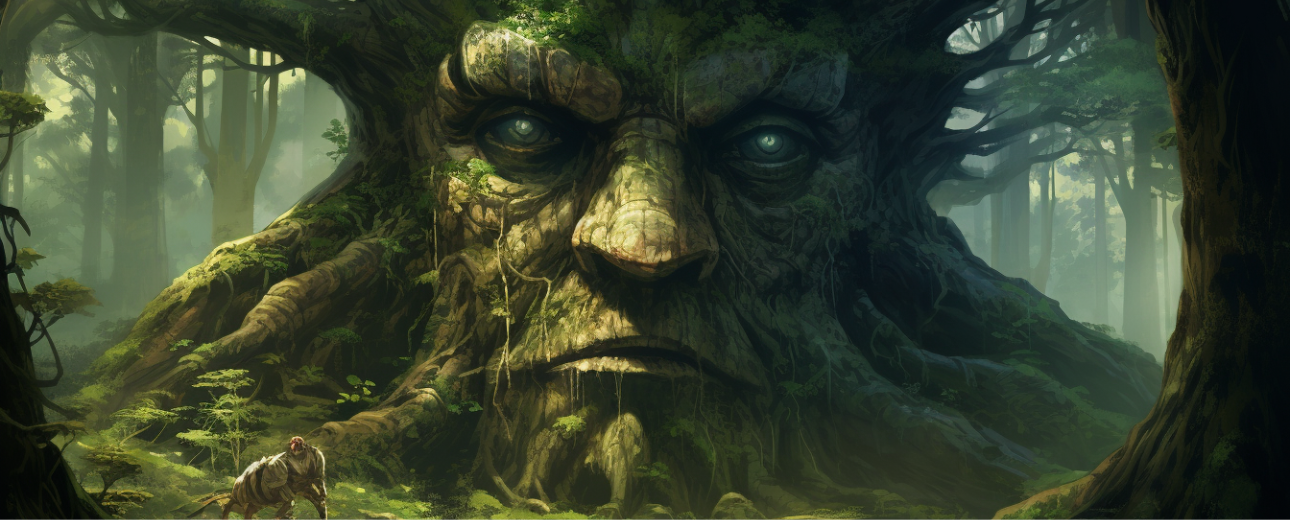
The Great Deku Tree stands as one of the most beloved and tragic figures in The Legend of Zelda universe, a towering ancient guardian whose wisdom, sacrifice, and unwavering dedication to protecting Hyrule have touched the hearts of fans for nearly three decades. From the moment we first encountered this magnificent spirit in Ocarina of Time, watching helplessly as he withered from Ganondorf’s curse while still finding the strength to guide young Link toward his destiny, the Great Deku Tree has represented something profound in the Zelda mythology. He is more than just a talking tree or a tutorial NPC—he is a father figure, a mentor, a guardian of ancient secrets, and a willing martyr who sacrifices everything to ensure that evil doesn’t triumph. His presence across multiple games and timelines has cemented his status as one of Hyrule’s most important spiritual guardians, right alongside the goddess Hylia herself.
What makes the Great Deku Tree so compelling is the combination of immense power and heartbreaking vulnerability that defines his character. He is ancient beyond measure, having witnessed the rise and fall of kingdoms, the birth of forests, and the eternal cycle of light and darkness that shapes Hyrule’s destiny. Yet despite his age, wisdom, and magical abilities, he is ultimately a stationary being rooted to one location, unable to move, unable to flee from danger, and dependent on heroes like Link to act where he cannot. This limitation creates some of the most emotionally resonant moments in the series, as we watch this powerful spirit struggle against corruption, knowing that his fate is sealed but choosing to use his remaining time to guide the next generation toward hope.
The Great Deku Tree’s role extends far beyond his individual appearances in specific games. He represents the living embodiment of nature’s wisdom, the bridge between the mortal realm and the spiritual forces that govern Hyrule, and the guardian of races like the Kokiri and Koroks who depend entirely on his protection and guidance.Understanding the Great Deku Tree means understanding the delicate balance between civilization and wilderness in Hyrule, the importance of guardianship and stewardship over dominion and control, and the profound truth that sometimes the greatest acts of heroism come not from those who swing swords but from those who stand firm in the face of darkness and refuse to let hope die.
The Origins and Nature of the Great Deku Tree
The Great Deku Tree exists as something fundamentally different from ordinary beings in Hyrule—he is a spirit, a guardian deity, and a manifestation of the forest’s collective consciousness all rolled into one magnificent ancient entity. While the games don’t give us a precise origin story for the very first Great Deku Tree, we can piece together a picture of what he is and why he exists from the fragments of lore scattered throughout the series. Understanding his nature helps us appreciate why he holds such an important place in Hyrule’s spiritual ecosystem and why his protection is so crucial to the kingdom’s survival.
A Guardian Spirit Born of the Forest
The Great Deku Tree is what we might call a guardian spirit or deity—a being that exists at the intersection of the physical and spiritual realms, drawing power from the land itself while also shaping and protecting that land through his presence. He isn’t simply a very old, very large tree that happens to be able to talk; he is the spiritual embodiment of the forest, a living god who maintains the balance of nature and protects the sacred spaces under his care. This explains why his death in Ocarina of Time doesn’t just mean the loss of one being but represents a catastrophic spiritual wound to the entire Kokiri Forest. When the Great Deku Tree dies, the forest itself begins to wither, monsters proliferate, and the natural order collapses because the guardian who maintained that order is gone.
The relationship between the Great Deku Tree and the forest he protects is symbiotic and circular—he draws life from the forest while simultaneously sustaining it with his power. We see this most clearly in how the Kokiri Forest in Ocarina of Time is described as a place where time doesn’t flow normally, where children never age, and where the outside world’s troubles cannot easily penetrate. This isn’t natural in the ordinary sense; it’s a supernatural bubble of protection created and maintained by the Great Deku Tree’s constant vigilance and power. His roots run deep into the earth, connecting him to ley lines of magical energy, while his branches reach toward the heavens, perhaps drawing power from the goddesses themselves. He is literally rooted in Hyrule’s spiritual infrastructure, making him irreplaceable in a way that even the most powerful mortal could never be.
The Connection to the Goddesses and Sacred Duty
While the Great Deku Tree’s exact relationship to the Golden Goddesses (Din, Nayru, and Farore) is never explicitly detailed, there are strong suggestions throughout the series that he serves as one of their appointed guardians. In Ocarina of Time, he guards the Kokiri’s Emerald, one of the three Spiritual Stones that protect the entrance to the Sacred Realm where the Triforce resides. This isn’t a task given to just anyone—it’s a sacred duty that requires absolute trustworthiness, immense power, and the wisdom to know when the stone should be given to a worthy hero. The fact that the goddesses (or their representatives) entrusted this crucial artifact to the Great Deku Tree speaks volumes about his standing in the divine hierarchy.
We can infer that the Great Deku Tree, along with other guardian spirits like Lord Jabu-Jabu and the guardian of Death Mountain, were created or appointed specifically to protect Hyrule during the age after the goddesses departed. When Din, Nayru, and Farore created the world and then left it in the hands of mortals, they didn’t abandon Hyrule completely—they established guardians to watch over sacred sites, protect crucial artifacts, and maintain the balance between light and darkness. The Great Deku Tree represents the goddesses’ investment in nature and wisdom, a permanent protector who cannot be corrupted, bribed, or swayed from his duty. His very existence is an act of divine providence, ensuring that there will always be someone watching over the forest and guiding heroes when darkness rises.
The Cycle of Death and Rebirth
One of the most fascinating aspects of the Great Deku Tree is that he exists within a cycle of death and rebirth, ensuring that the forest always has a guardian even when individual manifestations of the Great Deku Tree perish. We see this cycle explicitly in Ocarina of Time, where the dying Great Deku Tree produces a seed before his death, which Link plants and which eventually grows into the Deku Tree Sprout. This younger tree inherits not just the physical space of his predecessor but also the role, the responsibilities, and to some extent, the memories and wisdom of the previous guardian. It’s a form of immortality through succession rather than individual eternal life, ensuring continuity of guardianship across generations.
This cycle raises fascinating questions about consciousness and identity. Is the Deku Tree Sprout the same being as the original Great Deku Tree, just in a younger body? Or is he a completely separate individual who takes up the mantle and role of his predecessor? The Sprout’s dialogue in Ocarina of Time suggests he has inherited at least some memories or knowledge from the original tree, as he understands what happened and what his role must be going forward. Perhaps each Great Deku Tree is like a reincarnation, carrying the essential spirit forward while being a unique individual with his own personality and perspective. This would parallel the reincarnation cycle of Link and Zelda, showing that even guardian spirits participate in Hyrule’s eternal patterns of death, rebirth, and renewal.
Physical Form and Magical Abilities
The Great Deku Tree’s physical form is immediately striking—a massive tree with a face carved or formed into his trunk, eyes that glow with ancient wisdom, and a mouth through which he can speak. His size varies somewhat between appearances, but he’s consistently portrayed as enormous, dwarfing any structure built by mortal hands and visible from great distances across the forest. His bark appears thick and ancient, marked by time and weathering, while his foliage spreads wide to provide shelter and shade for the entire Kokiri village. Inside his massive trunk lies a complex dungeon-like interior filled with passages, chambers, and even pools of water, suggesting that his body is far more than simple wood—it’s a living ecosystem unto itself.
The magical abilities the Great Deku Tree possesses are considerable, though we mostly see them in passive or subtle forms rather than flashy displays of power. He can communicate telepathically across distances, as evidenced by his ability to summon Link even when the young hero is not in his immediate presence. He has the power to create and sustain fairy companions, which in the Zelda universe are spiritual beings of considerable power themselves. The Great Deku Tree maintains the enchantments that keep the Kokiri Forest isolated from time’s normal flow and protect it from external threats. He can produce seeds and offspring that will grow into new guardian trees, ensuring his legacy continues. And he possesses prophetic visions or at least deep intuitive understanding of fate and destiny, knowing that Link is special and understanding what role the young boy must play in the coming conflict with Ganondorf.
What the Great Deku Tree cannot do is equally important to understanding his character. He cannot move from his rooted position, making him vulnerable to attacks he can see coming but cannot flee. He cannot directly fight evil that manifests outside his forest, requiring him to send heroes as his champions. And crucially, he cannot cure himself when afflicted by powerful curses like the one Ganondorf places upon him—his power is oriented toward protection, wisdom, and nurturing rather than combat or self-healing. These limitations make his tragedy all the more poignant, as we watch a being of immense wisdom and power die slowly from a curse he understands perfectly but cannot break.

The Great Deku Tree in Ocarina of Time
Ocarina of Time introduced the Great Deku Tree to the world and created what remains his most iconic and emotionally devastating appearance in the entire series. For many players, their first experience with this character was also their experience of losing him, creating an immediate emotional connection that has resonated across decades. His role in this game establishes virtually every important aspect of his character and sets the template for how he appears in subsequent titles.
The Father of the Kokiri
In Ocarina of Time, the Great Deku Tree serves as the literal father figure for the Kokiri, the child-like forest spirits who live beneath his branches and never age beyond childhood. He created them, protects them, guides them, and provides everything they need to live their innocent, peaceful lives in the forest. The Kokiri themselves refer to him with reverence and love, understanding that their entire existence depends on his continued well-being. He gives each Kokiri child a fairy companion when they come of age, marking their transition into full members of the community and providing them with protection and guidance. This act of giving fairies is deeply paternal, showing his care for each individual child under his protection.
The relationship between the Great Deku Tree and the Kokiri reveals important things about his character—he values innocence, peace, and harmony with nature above all else. He has created a sanctuary where children can live without fear, without war, without the corruption and cruelty that afflict the wider world. The Kokiri Forest is essentially a paradise, a place preserved in eternal spring and childhood, and the Great Deku Tree is the benevolent god-king who maintains this paradise through his constant vigilance. He asks nothing from the Kokiri except that they live well and happily, protecting them not for his own benefit but purely out of love and duty.
Link’s Special Status and the Great Deku Tree’s Secret
One of the most poignant aspects of the Great Deku Tree’s story in Ocarina of Time is his relationship with Link, the only “Kokiri” without a fairy and the only one who doesn’t truly belong in the forest. The Great Deku Tree knows from the beginning that Link is actually a Hylian child, brought to the forest by his dying mother during the Hyrulean Civil War and entrusted to the guardian’s care. He raises Link alongside the Kokiri, protecting him and allowing him to grow up in safety, but he also knows that Link has a greater destiny waiting beyond the forest’s borders. This creates a terrible tension in the Great Deku Tree’s heart—he loves Link as he loves all the children under his care, but he knows that Link cannot stay in the forest forever, that the boy is destined for a much harder, more dangerous path.
The Great Deku Tree’s decision to withhold Navi, Link’s fairy companion, until the moment when destiny calls represents this internal conflict. He doesn’t give Link a fairy as a young child like he does for the other Kokiri because doing so would mark Link as ready to leave the forest, and the Great Deku Tree wants to preserve Link’s innocence and safety for as long as possible. Only when Ganondorf’s curse begins to kill him, when events are set in motion that cannot be stopped, does he finally send Navi to Link and summon the boy to hear his final instructions. It’s a bittersweet moment of necessity—the Great Deku Tree must sacrifice both his own life and Link’s childhood to prevent a greater catastrophe. The weight of this decision is evident in how he speaks to Link, with warmth and affection mixed with profound sadness at what he must ask this child to do.
Ganondorf’s Curse and the Great Deku Tree’s Slow Death
The horror of the Great Deku Tree’s situation in Ocarina of Time lies in how helpless he is against Ganondorf’s curse. The evil Gerudo king, seeking the Kokiri’s Emerald to further his plot to steal the Triforce, comes to the forest and demands the Spiritual Stone. When the Great Deku Tree refuses, recognizing the evil in Ganondorf’s heart, he is cursed with a parasitic monster that begins eating him from the inside out. This isn’t a quick death or an honorable defeat in battle—it’s a slow, agonizing corruption that the Great Deku Tree must endure while remaining conscious and aware, feeling his life force drain away day by day while monsters spawn within his own body.
What makes this even more tragic is that the Great Deku Tree knows the curse will kill him but refuses to give Ganondorf what he wants even to save his own life. He would rather die than betray his sacred duty to protect the Spiritual Stone, understanding that giving it to Ganondorf would lead to far greater suffering than his own death. This is the essence of his character—he is a guardian, and guardians do not compromise, do not negotiate with evil, and do not surrender their charges no matter the personal cost. His integrity is absolute, even unto death. The fact that he maintains his kindness, his wisdom, and his concern for others even while dying in agony speaks to the strength of his spirit and the depth of his nobility.
Inside the Great Deku Tree: Link’s First Dungeon
When Link enters the Great Deku Tree to break the curse, players experience one of the most memorable first dungeons in gaming history. The interior of the Great Deku Tree is a revelation—this isn’t just a hollow tree, it’s a complex ecosystem with multiple levels, water features, giant spiders, parasitic plants, and all manner of creatures that have infested the dying guardian. The dungeon design brilliantly conveys the idea that we’re inside a living being that’s been corrupted and infected. The webs, the parasites, the withering vegetation—everything reinforces that we’re fighting through symptoms of a terrible disease afflicting this ancient spirit.
The boss battle against Queen Gohma, the parasitic creature responsible for the curse, takes place in the Great Deku Tree’s highest chamber, literally inside his “mind” or most vital area. Defeating Gohma represents Link’s attempt to save his guardian father, to prove himself worthy of the trust placed in him, and to repay the Great Deku Tree for years of protection and care. The desperate hope that maybe, just maybe, destroying the parasite will cure the curse adds emotional weight to a boss fight that might otherwise be just another video game challenge. When you finally crush Gohma and rush outside, expecting to see the Great Deku Tree recovered and whole, the reality hits even harder.
The Death Scene: One of Gaming’s Most Emotional Moments
The Great Deku Tree’s death scene remains one of the most powerful and emotionally devastating moments in video game history. After Link defeats Queen Gohma and emerges from inside the guardian’s body, we’re greeted not with celebration but with the terrible truth—the curse has progressed too far, and the Great Deku Tree is dying regardless of Link’s victory. His face, which once glowed with warm light and vitality, dims and withers. His voice, already weak from suffering, becomes fainter. He doesn’t rage against his fate or blame anyone; instead, he uses his final moments to explain the truth to Link, to reveal the boy’s true origin, and to set him on the path that will eventually save Hyrule.
The Great Deku Tree’s final words to Link are carefully chosen to provide comfort, purpose, and hope even in this moment of loss. He tells Link about the Spiritual Stones, about Princess Zelda, about the destiny that awaits. He gives Link the Kokiri’s Emerald, entrusting to this child the sacred artifact he died protecting. He produces his final seed and asks Link to plant it, ensuring that the forest will have a new guardian. And he offers Link reassurance and affection, making it clear that the boy’s true origins don’t diminish the Great Deku Tree’s love for him. “Thou art also Hylian,” he reveals, but this revelation comes with warmth rather than rejection, explaining why Link was different but also validating his place in the forest family.
When the Great Deku Tree finally succumbs to the curse, turning gray and lifeless while his face freezes in a final expression of peaceful resignation, the impact on players is profound. This is the first major character death many young gamers encountered, the first time a video game made them feel real grief and loss. The Great Deku Tree wasn’t an abstract casualty or a villain who deserved punishment—he was a kind, wise, protective father figure who did nothing wrong except refuse to enable evil, and he died for that virtue. His death teaches Link (and players) that heroism sometimes requires terrible sacrifices, that not every problem can be solved by skill or determination, and that losing people we love is an inevitable part of growing up and facing the harsh realities of the world.
Legacy and the Deku Tree Sprout
Seven years pass in Ocarina of Time’s timeline, and when adult Link returns to the Kokiri Forest, he finds that the seed he planted has grown into the Deku Tree Sprout. This young tree has inherited his predecessor’s role and responsibilities, serving as the new guardian of the forest and protector of the Kokiri. The Sprout is noticeably different in personality from his predecessor—younger, more energetic, perhaps less weighted down by ages of accumulated sorrow and responsibility. He still possesses ancient wisdom and knowledge, understanding the nature of the Sacred Realm, the temples, and the Sages, but he expresses it with less gravity and more enthusiasm than the original Great Deku Tree.
The Deku Tree Sprout’s existence provides comfort and hope—death is not the end, guardianship continues, and the forest will be protected even though the original guardian fell. However, his youth also highlights what was lost. The original Great Deku Tree had witnessed thousands of years of history, accumulated wisdom beyond measure, and possessed a deep, world-weary understanding that could only come from experiencing countless cycles of light and darkness. The Sprout will eventually grow into that wisdom, given enough time, but in the immediate aftermath of Ganondorf’s defeat, the forest has a younger, less experienced guardian. This parallels Link’s own journey—both the hero and the guardian have been forced to mature prematurely, thrust into roles they weren’t quite ready for by the actions of evil.

The Great Deku Tree Across Different Timelines and Games
The Great Deku Tree’s appearances extend beyond Ocarina of Time, though that game remains his most significant role. Understanding how he appears across different timelines and eras helps us appreciate the full scope of his importance to Hyrule’s spiritual ecosystem and shows how different incarnations of this guardian spirit face unique challenges.
The Wind Waker and the Great Deku Tree’s Island
In The Wind Waker, set in the Adult Timeline centuries after Ocarina of Time, we encounter what appears to be a descendant or successor of the Deku Tree Sprout from Ocarina of Time. This Great Deku Tree inhabits Forest Haven, an island in the Great Sea that serves as a sanctuary for the forest-dwelling Koroks, who are revealed to be the evolved form of the Kokiri from the previous era. The transition from Kokiri to Koroks represents a massive shift in the nature of the forest people, and the Great Deku Tree has adapted to protect his charges in their new forms and new environment. He is larger and more imposing than his Ocarina of Time predecessor, with a distinctly different facial structure that gives him a more stern and ancient appearance.
This incarnation of the Great Deku Tree has survived the catastrophic flooding of Hyrule, which must have been a traumatic experience for a guardian so intimately connected to the land itself. Watching the world he knew drown beneath the waves, seeing the Kokiri Forest and all the sacred places of old Hyrule disappear under the sea, and adapting to an entirely new world order would have required immense resilience and flexibility. Yet he perseveres, establishing a new home for his people on Forest Haven island and continuing his sacred duty of protection and guidance despite the radical changes to the world around him. His survival and adaptation demonstrate that the guardians of Hyrule are not rigid or fragile—they can evolve and change with the world while maintaining their essential nature and purpose.
The Koroks and a Changed Relationship
The relationship between the Great Deku Tree and the Koroks in Wind Waker differs significantly from his relationship with the Kokiri in Ocarina of Time. The Koroks are more independent, more mobile, and more actively engaged in tasks that serve the greater good of the world. The Great Deku Tree gives them missions to plant trees across the Great Sea islands, helping to restore greenery and life to a world that has lost so much of its forests. This represents a shift from pure protection to active environmental restoration—the Great Deku Tree and his charges aren’t just preserving a sanctuary, they’re working to heal and revitalize a damaged world.
This more active, outward-looking approach might reflect lessons learned from the past. Perhaps after witnessing the fall of Hyrule and the transformation of the world, this Great Deku Tree understands that pure isolation and protection aren’t enough—his people must engage with the wider world, spread life and hope, and actively work against the forces of stagnation and death. The Koroks’ tree-planting missions create a network of life across the Great Sea, each forest seed potentially growing into a new source of vitality and hope. The Great Deku Tree’s vision has expanded from protecting a single forest to helping restore an entire world, showing growth and evolution in his approach to guardianship.
Breath of the Wild and Tears of the Kingdom: Ancient Guardian Reborn
The Great Deku Tree’s appearance in Breath of the Wild and Tears of the Kingdom represents perhaps his most visually impressive incarnation, positioned in the heart of the Korok Forest in the Great Hyrule Forest region. This version of the Great Deku Tree is absolutely massive, dwarfing all previous incarnations and serving as the centerpiece of an entire region rather than just a single village. His design incorporates elements from previous versions while adding new details like glowing patterns in his bark and a more elaborate facial structure that conveys both ancient wisdom and immense power. The sheer scale of this Great Deku Tree suggests either that this is an exceptionally old individual or that the guardian trees grow larger over time, accumulating both size and power as the centuries pass.
The location of the Great Deku Tree in these games is significant—he stands at the center of a forest that is shrouded in the Lost Woods, a magical maze that confounds travelers and turns them around unless they follow specific paths. Only those who are worthy, knowledgeable, or accompanied by the right guides can reach the Great Deku Tree, making his sanctuary far more exclusive and protected than the relatively accessible Kokiri Forest of Ocarina of Time. This suggests either that he has learned to be more cautious after past tragedies, or that the world has become dangerous enough that stronger protections are necessary. The Lost Woods themselves might be a manifestation of the Great Deku Tree’s power, a magical barrier he maintains to ensure that only those who truly need to reach him can do so.
Guardian of the Master Sword
One of the most significant roles the Great Deku Tree plays in Breath of the Wild and Tears of the Kingdom is serving as the guardian and protector of the Master Sword while Link recovers from his century-long sleep. After Link fell in battle against the Calamity one hundred years before the game begins, the Master Sword was placed in the Great Deku Tree’s care, and he has watched over the legendary blade ever since, waiting for the day when Link would return to claim it. This guardianship represents enormous trust from Princess Zelda and the remaining defenders of Hyrule—they knew the Master Sword couldn’t remain with the fallen hero and needed a protector who was both powerful enough to safeguard it and trustworthy enough never to misuse it.
The Great Deku Tree’s role as keeper of the Master Sword also creates a beautiful symmetry in the Zelda mythology. The Master Sword is the blade of evil’s bane, forged specifically to destroy darkness and sealed with the power of the goddess. The Great Deku Tree is a guardian spirit dedicated to protecting the innocent and preserving the light. Both represent forces of preservation and protection, both have sacrificed for the greater good, and both exist outside the normal flow of time as eternal (or at least recurring) presences in Hyrule. Having the Great Deku Tree guard the Master Sword is like having one legendary guardian watch over another, ensuring that both are ready when darkness rises again and the hero returns to claim his destiny.
Wisdom and Counsel in a Changed Hyrule
In Breath of the Wild and Tears of the Kingdom, the Great Deku Tree serves primarily as a source of wisdom and information rather than as a character with an active role in the plot. He recognizes Link when the hero arrives in the Korok Forest, remembering him from before the Calamity and understanding the significance of his return. He provides context about the Master Sword, explains what happened during the century Link was asleep, and offers guidance about the challenges ahead. His dialogue reveals that he has been watching events unfold across Hyrule, aware of the Calamity’s impact and the struggles of the various peoples trying to survive in a monster-infested world. This awareness suggests that despite being rooted in one location, the Great Deku Tree has ways of observing the wider world—perhaps through the Koroks who travel across Hyrule, or through some form of spiritual perception that allows him to sense events at a distance.
The Great Deku Tree’s personality in these games is notably different from his Ocarina of Time incarnation. He speaks with a somewhat archaic and formal manner of speech, but there’s also a hint of dry humor and gentle warmth in his words. He seems less burdened by immediate crisis and more focused on his role as elder statesman and keeper of knowledge. This might reflect the fact that he’s not currently dying from a curse or facing an immediate existential threat—instead, he’s simply doing what he’s always done, protecting his forest, guiding the Koroks, and waiting for the pieces to fall into place so that the hero can complete his quest. There’s a patience and serenity to this Great Deku Tree that suggests he’s learned that some things cannot be rushed, that heroes must discover their path in their own time, and that wisdom sometimes means knowing when to act and when to simply wait and trust.
The Korok Seed Collection and Environmental Themes
While the Great Deku Tree doesn’t directly involve himself in the Korok seed collection sidequest that spans both Breath of the Wild and Tears of the Kingdom, this massive optional challenge reflects his influence and the nature of his charges. The Koroks have hidden seeds across every corner of Hyrule, creating a network of small environmental puzzles that reward exploration and observation. Collecting these seeds and returning them to Hestu, who in turn is connected to the Great Deku Tree, represents a quest to restore connections across Hyrule and to help the forest people fulfill their purpose of spreading life and nature throughout the land.
This mechanically ties into larger environmental themes that the Great Deku Tree represents. In a Hyrule devastated by the Calamity, where ancient technology has failed and civilization has collapsed into scattered pockets of survival, the natural world represented by the Great Deku Tree and the Koroks becomes more important than ever. The forests provide food, shelter, materials, and spiritual renewal. The Koroks work to ensure that nature persists and spreads even in the darkest times. The Great Deku Tree stands as a symbol of resilience—he has survived the Calamity, continues to protect his charges, and maintains the sacred spaces under his care despite the chaos and destruction that surrounds him. In this way, he embodies hope not through flashy heroics but through simple persistence, the determination to continue existing, protecting, and nurturing even when the world seems to be ending.

The Great Deku Tree’s Role in Hyrule’s Spiritual Ecosystem
Beyond his individual appearances in specific games, the Great Deku Tree represents a crucial component of Hyrule’s larger spiritual and ecological systems. Understanding his role in this broader context helps us appreciate why his protection is so vital and what would be lost if the Great Deku Tree’s line ever truly ended.
Guardian Spirits and the Balance of Nature
Hyrule’s world operates on a system where powerful guardian spirits maintain balance in different regions and domains. The Great Deku Tree guards the forests and represents the power of nature, growth, and wisdom. Lord Jabu-Jabu, when he appears, protects the waters and the Zora people. The guardian of Death Mountain (whether it’s Darunia’s people or other spiritual forces) maintains the volcanic regions and the Goron domain. Together, these guardians create a network of protection that keeps Hyrule stable and prevents any one force—whether elemental, spiritual, or moral—from overwhelming the others. The Great Deku Tree’s specific role in this network is to ensure that nature remains vital and that the wisdom of the forest is preserved and passed down through generations.
When the Great Deku Tree dies or is weakened, we see immediate consequences in the natural world. In Ocarina of Time, his death leads to monsters infesting the forest, the natural order breaking down, and only the Deku Tree Sprout’s eventual maturation restoring some semblance of balance. This demonstrates that the Great Deku Tree isn’t merely symbolic—his presence actively maintains magical and ecological systems that would collapse without him. He is essentially a living keystone species in Hyrule’s spiritual ecology, and removing him causes cascading effects throughout the entire system. This makes threats to the Great Deku Tree existential threats to Hyrule itself, not just to the forest or its inhabitants.
Connection to the Spiritual Stones and Sacred Artifacts
The Great Deku Tree’s guardianship of the Kokiri’s Emerald in Ocarina of Time reveals his connection to Hyrule’s most sacred systems of protection. The three Spiritual Stones—Kokiri’s Emerald, Goron’s Ruby, and Zora’s Sapphire—serve as keys to the Sacred Realm, and entrusting one to the Great Deku Tree shows the level of faith the goddesses or ancient Hyruleans placed in him. This isn’t a temporary assignment or a casual responsibility; it’s a sacred trust that defines the Great Deku Tree’s very purpose. He guards the Emerald not because he wants power or recognition, but because this is his duty, his reason for being, and he would literally rather die than betray that trust.
The fact that the Great Deku Tree recognizes when it’s appropriate to give the Spiritual Stone to Link also demonstrates his wisdom and judgment. He doesn’t cling to the artifact out of possessiveness or pride; he understands that sacred objects have purposes beyond simply being guarded, and when the time comes for them to be used, a true guardian must be willing to let them go. This willingness to relinquish sacred trusts when the greater good demands it sets the Great Deku Tree apart from guardians who become so focused on protecting their charges that they lose sight of why those things need protection in the first place. The Great Deku Tree serves the larger purpose, not his own desire to maintain control.
Teacher, Mentor, and Keeper of Ancient Wisdom
Throughout his appearances, the Great Deku Tree serves as a repository of ancient knowledge and a teacher to heroes and ordinary people alike. He knows the true history of Hyrule, understands the prophecies and cycles that govern the land’s fate, and possesses wisdom accumulated over potentially thousands of years of observation and experience.When he speaks to Link, he’s not just giving quest instructions—he’s passing down essential knowledge that might otherwise be lost, ensuring that each new generation of heroes has access to the wisdom of ages past. This educational role is just as important as his protective duties, because without knowledge and wisdom, even the strongest heroes will fail against enemies who understand the deeper patterns of history and magic.
The Great Deku Tree’s teaching style is gentle and patient, even when time is short and the stakes are apocalyptic. He doesn’t talk down to Link despite the vast gap in their ages and knowledge; instead, he speaks respectfully, clearly, and with obvious affection. This pedagogical approach reflects his fundamental character—he believes in nurturing growth, allowing beings to develop at their own pace, and providing guidance rather than demanding obedience. Even when he must send Link into terrible danger, he explains why it’s necessary, what Link needs to know, and ensures that the young hero understands the larger context of his quest. This respectful, explanatory approach to mentorship stands in stark contrast to authority figures who issue commands without explanation or who manipulate heroes into serving their purposes without informed consent.
The Great Deku Tree and the Cycle of Reincarnation
The Great Deku Tree’s own cycle of death and rebirth through successive generations mirrors the larger reincarnation cycle that defines the Zelda series. Just as Link, Zelda, and Ganon are reborn in different eras to replay their eternal conflict, the Great Deku Tree continues through successive iterations, each individual tree building on the legacy of his predecessors while being a unique being in his own right. This parallel suggests that the Great Deku Tree is caught up in the same curse/blessing that Demise placed upon the spirit of the hero and the blood of the goddess—he, too, is bound to an eternal cycle, forever returning to protect the forest and guide heroes no matter how many times he falls.
However, there’s a crucial difference between the Great Deku Tree’s cycle and the cycle of the Triforce wielders. While Link, Zelda, and Ganon seem to reincarnate without clear memory of their previous lives (with some exceptions), the Great Deku Tree appears to maintain continuity of memory and purpose across his incarnations through the seed-and-sprout succession. This gives him a kind of institutional memory that the other major players in Hyrule’s drama often lack. He can learn from past mistakes, remember ancient enemies, and build on the wisdom of his previous incarnations in ways that reincarnated mortals cannot. This makes him an invaluable source of continuity and historical perspective in a world where the same conflicts replay with participants who often don’t fully understand the patterns they’re caught in.
Symbol of Nature’s Resilience and Hope
On a thematic and symbolic level, the Great Deku Tree represents nature’s fundamental resilience and the enduring power of hope even in the darkest times. Trees are among the longest-lived organisms on Earth, surviving through patience, adaptation, and deep roots that draw sustenance from hidden sources. The Great Deku Tree embodies these qualities on a mythological scale—he persists through ages when kingdoms rise and fall, he adapts to changing circumstances while maintaining his essential nature, and he draws strength from sources beyond the physical world. When everything else seems lost, when heroes have fallen and kingdoms have burned, the Great Deku Tree endures, protecting his small corner of the world and keeping hope alive.
This symbolic role becomes especially important in games like Breath of the Wild, where Hyrule has suffered catastrophic defeat and a century of monster rule. The Great Deku Tree’s survival and continued guardianship prove that not everything was destroyed, that some sacred places and beings endured, and that the foundations for recovery still exist. He is living proof that darkness hasn’t won completely, that the old powers and protectors are still present, and that when the time comes for restoration and renewal, the ancient guardians will be there to help. This makes him not just a character but a symbol of hope itself—the promise that life persists, wisdom endures, and guardians remain faithful even when all seems lost.
The Great Deku Tree’s Relationships and Connections
The Great Deku Tree doesn’t exist in isolation—his relationships with other characters, races, and beings throughout the Zelda series reveal different facets of his character and show how deeply integrated he is into Hyrule’s social and spiritual networks.
Father to the Kokiri and Koroks
The Great Deku Tree’s relationship with the Kokiri and later the Koroks is fundamentally paternal. He creates them, protects them, guides them, and loves them with a devotion that goes beyond mere duty or obligation. The Kokiri in Ocarina of Time live their entire lives under his sheltering branches, never aging, never facing the harsh realities of the outside world, kept safe and innocent by his power and vigilance. This protective relationship is touching but also raises questions about whether such total protection is ultimately good for the Kokiri—they remain children forever, never growing, never changing, never facing challenges that might help them develop strength and resilience.
The evolution of the Kokiri into Koroks in the Adult Timeline might represent a response to this question. The Koroks are still child-like and innocent, but they’re also more mobile, more independent, and more actively engaged in meaningful work that contributes to the wider world. They travel across the Great Sea planting trees, completing missions that require courage and determination, and generally taking on more responsibility than their Kokiri predecessors. This suggests that either the Great Deku Tree learned that his children needed more opportunities for growth and contribution, or that the harsh circumstances after the flood forced both guardian and charges to adapt to a more active, engaged way of being. Either way, the relationship evolves from pure protection toward a healthier balance of protection and empowerment.
Bond with Link: Beyond Guardian and Hero
The Great Deku Tree’s relationship with Link is complex and deeply emotional, particularly in Ocarina of Time where he serves as Link’s adoptive father and the only parent figure the young hero has ever known. The Great Deku Tree raised Link from infancy, knowing the boy wasn’t actually a Kokiri but choosing to protect him and give him a home anyway. This act of compassion and adoption speaks volumes about his character—he didn’t reject the Hylian baby or send him back to the troubled world outside the forest. Instead, he took responsibility for this child, sheltered him, and gave him years of peaceful, happy childhood that Link would never have experienced otherwise.
The tragedy of their relationship lies in the Great Deku Tree’s foreknowledge of Link’s destiny. He knows from the beginning that Link cannot stay in the forest forever, that the boy is destined for hardship, danger, and sacrifice.Every moment of Link’s happy childhood is shadowed by the Great Deku Tree’s awareness that it cannot last, that eventually he’ll have to send his adopted son into the world to face terrors that no child should have to confront. The decision to finally summon Link when the curse takes hold is heartbreaking precisely because the Great Deku Tree would give anything to spare Link this burden, but he knows that only Link can prevent the greater catastrophe that Ganondorf’s victory would bring. He sacrifices his own life and Link’s innocence simultaneously, paying a double price to serve the greater good.
Relationship with Princess Zelda and the Royal Family
While the games don’t extensively detail the Great Deku Tree’s relationship with Hyrule’s Royal Family, context clues suggest a relationship of mutual respect and cooperation spanning generations. The Royal Family recognizes the Great Deku Tree as a legitimate guardian and protector, someone whose authority in his own domain is absolute and whose wisdom is worthy of respect. They don’t attempt to rule the forest or impose their authority over the Great Deku Tree’s territory, understanding that his guardianship predates their dynasty and operates on a different mandate than political sovereignty.
In Ocarina of Time, the Great Deku Tree trusts Princess Zelda enough to send Link to her with the Kokiri’s Emerald, believing she will understand its significance and know what to do next. This suggests either previous communication between the guardian and the princess, or at least an understanding that they’re working toward the same goals and can trust each other as allies against the darkness. The relationship appears to be one of peers rather than subject and ruler—the Great Deku Tree serves the goddesses and protects Hyrule, while the Royal Family rules the kingdom and upholds their own sacred duties. They occupy different but complementary roles in maintaining Hyrule’s safety and prosperity.
Connection to Other Guardian Spirits
The Great Deku Tree exists within a network of guardian spirits and sacred beings that collectively protect different aspects of Hyrule. While we rarely see direct interaction between the Great Deku Tree and other guardians like Lord Jabu-Jabu or the light spirits, the existence of multiple guardians suggests a coordinated system of protection rather than isolated individuals acting independently. These guardians might communicate through spiritual channels we never see directly, coordinating their efforts and sharing information about threats to the land. Alternatively, they might operate more autonomously, each trusting that the others are fulfilling their own duties while focusing on their specific domains.
The relationship between the Great Deku Tree and the Deku species (the small plant-like creatures found in various Zelda games) is never clearly explained but seems significant. Are the Dekus somehow related to the Great Deku Tree, perhaps lesser manifestations of the same life force? Or are they simply named similarly with no deeper connection? The games never clarify this, leaving fans to speculate about whether the Great Deku Tree is like a king or father to all Deku creatures, or whether the naming is coincidental. If there is a connection, it would expand the Great Deku Tree’s role beyond just guardian of the Kokiri/Koroks to guardian of an entire species or type of magical creature.
The Great Deku Tree and the Fairies
The Great Deku Tree’s ability to create or assign fairy companions to the Kokiri reveals another important relationship and aspect of his power. Fairies in the Zelda universe are spiritual beings with significant magical abilities, not simple insects or animals. The fact that the Great Deku Tree can create these beings or at least summon and direct them shows the extent of his spiritual authority. He essentially gives each Kokiri a personal guardian angel, a magical companion that will protect them, guide them, and provide healing when needed. This is an extraordinary gift that goes well beyond basic parental care.
Navi’s relationship with Link and the Great Deku Tree is particularly poignant. The Great Deku Tree withholds giving Link a fairy for years, making him the only “Kokiri” without one and subjecting him to the mockery of other children like Mido. This cruel-seeming choice is actually an act of love—the Great Deku Tree knows that receiving a fairy marks Link as ready to leave the forest and face his destiny, and he delays this moment as long as possible to preserve Link’s childhood. When he finally sends Navi to Link, it’s not just a practical tool for the quest ahead but a deeply personal gift, his way of ensuring that Link won’t face the terrors ahead completely alone. Navi herself seems to understand the weight of this assignment, showing unusual dedication and loyalty to Link throughout Ocarina of Time.

Themes and Symbolism Embodied by the Great Deku Tree
The Great Deku Tree represents and embodies numerous important themes that run throughout the Legend of Zelda series and resonate with players on deep psychological and emotional levels.
The Wisdom of Age and the Burden of Knowledge
One of the most prominent themes the Great Deku Tree embodies is the wisdom that comes with age and the burden that such wisdom imposes. He has lived for potentially thousands of years, witnessing the rise and fall of kingdoms, the births and deaths of countless generations, and the eternal cycle of light and darkness that defines Hyrule’s history.This accumulated knowledge makes him incredibly wise and valuable as a mentor, but it also weighs heavily upon him. He knows how stories like this end, understands the patterns that repeat across ages, and bears the loneliness of being one of the few beings who remembers what others have forgotten.
The burden of this knowledge is particularly evident in how the Great Deku Tree handles his relationship with Link. He knows what’s coming, knows the hardships Link will face, and must live with foreknowledge of tragedies he cannot prevent. This creates a kind of chronic sorrow that pervades his character—he’s not just dying from Ganondorf’s curse in Ocarina of Time, he’s been dying a little bit every day for years as he watches Link grow up knowing the terrible destiny that awaits the boy. The wisdom of age in the Great Deku Tree’s case isn’t a blessing—it’s a burden he bears with grace and dignity, but a burden nonetheless. This resonates with players as we age ourselves and accumulate our own painful knowledge about how the world works and how certain patterns inevitably play out.
Sacrifice and Selflessness
The Great Deku Tree is fundamentally defined by sacrifice and selflessness. In Ocarina of Time, he dies protecting the Kokiri’s Emerald and refusing to aid Ganondorf’s evil plans. He could have saved himself by surrendering the Spiritual Stone, but he values his duty and the safety of Hyrule more than his own life. This isn’t passive martyrdom or victimhood—it’s an active choice made with full knowledge of the consequences. The Great Deku Tree chooses to die rather than compromise his principles, and he does so without complaint, without seeking recognition, and without expecting reward. He simply does what he believes is right, accepts the price, and uses his dying moments to ensure that his death serves a purpose by setting Link on the path to defeating Ganondorf.
This theme of selfless sacrifice resonates deeply because it asks profound questions about what we’re willing to give up for others and for principles larger than ourselves. The Great Deku Tree isn’t a warrior going down fighting in glorious battle—he’s a stationary being dying slowly from a parasite, unable to defend himself, watching his body corrupt and decay. Yet he maintains his dignity, his wisdom, and his concern for others even in this degrading, painful death. He shows us that heroism isn’t always about dramatic action and that sometimes the most heroic thing we can do is endure suffering with grace while ensuring that our values and responsibilities outlive us.
The Parent’s Dilemma: Protection vs. Growth
The Great Deku Tree embodies a fundamental parental dilemma: how much should we protect those we love, and when must we release them to face danger and grow through challenge? His relationship with the Kokiri and especially with Link perfectly captures this tension. He has created a sanctuary where children can live safely, forever sheltered from the dangers and corruptions of the wider world. This protection is born of love and granted through immense personal sacrifice—the Great Deku Tree constantly expends his power to maintain the Kokiri Forest’s enchantments and protections. Yet this very protection keeps the Kokiri in a state of permanent childhood, never aging, never growing, never developing the strength and wisdom that come from facing and overcoming adversity.
Link’s journey represents the Great Deku Tree’s recognition that perfect protection is ultimately limiting and that those we love must sometimes face danger in order to fulfill their potential and purpose. Sending Link out of the forest is the hardest thing the Great Deku Tree has ever done, but it’s also necessary—Link cannot become the hero Hyrule needs if he remains sheltered in eternal childhood. This mirrors the struggle every parent faces when deciding when to protect and when to let go, when to shield children from harm and when to allow them to face challenges that will hurt but also strengthen them. The Great Deku Tree’s wisdom lies in recognizing this balance, painful as it is, and having the courage to release Link even knowing the suffering that awaits him.
Nature, Growth, and Cycles of Renewal
As a literal tree and guardian of the forest, the Great Deku Tree embodies themes related to nature, growth, and the endless cycles of life, death, and renewal. Trees are among the slowest-growing and longest-lived organisms, existing on timescales that dwarf human lives. They grow patiently from seeds, weather countless storms, provide shelter and sustenance to other creatures, and eventually die and return their substance to the earth to nourish future generations. The Great Deku Tree operates on this same cycle but elevated to mythological scale—his death produces a seed that will grow into a new guardian, ensuring continuity across generations even as individual manifestations die.
This natural cycle offers comfort and hope in the face of loss and tragedy. When the Great Deku Tree dies in Ocarina of Time, it’s genuinely sad and represents a real loss of an irreplaceable individual. But his death isn’t the end—it’s part of a larger cycle that ensures the forest will always have a guardian and that his wisdom and purpose will continue through his successor. This mirrors how we cope with loss in our own lives, finding comfort in the idea that while individuals are mortal and irreplaceable, the patterns and purposes they served can continue through those who come after. The Great Deku Tree’s death-and-rebirth cycle teaches acceptance of mortality while also affirming the continuity of life and meaning beyond individual existence.
The Tragedy of the Immovable Guardian
There’s a profound tragedy in being a guardian who cannot move, cannot flee, and must simply stand firm no matter what comes. The Great Deku Tree’s rootedness is both his strength and his fatal weakness. He is powerful precisely because he’s so deeply connected to the earth and the forest, drawing strength from his immovable position. But this same characteristic makes him vulnerable to attacks he can see coming but cannot avoid. When Ganondorf comes with his curse, the Great Deku Tree has no option to run, to hide, or to seek help. He can only stand and endure, accepting the curse and its consequences because he cannot compromise his duty by abandoning his post.
This immovability creates a particular kind of heroism that’s less celebrated in popular culture than the heroism of active warriors but is no less valid or admirable. The Great Deku Tree’s heroism is the heroism of the faithful guardian who holds the line no matter what, who stands firm when everything says to flee, and who accepts suffering and death rather than abandon those depending on his protection. It’s the heroism of parents working terrible jobs they hate to provide for their children, of soldiers holding doomed positions to buy time for evacuations, of doctors and nurses staying with patients during disasters when they could save themselves. The Great Deku Tree shows us that sometimes the most heroic thing we can do is simply refuse to abandon our post, our principles, or our people, even when the cost of staying is everything we have.

The Great Deku Tree’s Cultural Impact and Fan Reception
Beyond his role within the games themselves, the Great Deku Tree has had a significant cultural impact and occupies a special place in the hearts of Zelda fans worldwide.
A Shared Emotional Touchstone
For millions of gamers, the Great Deku Tree’s death in Ocarina of Time represents one of their first experiences of grief and loss in a video game. Many players encountered Ocarina of Time as children or young teenagers, and the Great Deku Tree’s death was their first encounter with a genuinely sad, unfair death of a beloved character. This shared emotional experience has created a kind of cultural touchstone for an entire generation of gamers—we all remember where we were, how we felt, and the impact that scene had on our understanding of what games could make us feel. The Great Deku Tree’s death taught us that games could be more than fun diversions, that they could tell stories with genuine emotional weight and create characters we truly cared about.
The scene’s impact is heightened by the brilliant way Nintendo structured it. You work hard to defeat the boss, overcome the challenges, do everything the game asks of you—and your reward is watching your father figure die slowly while explaining that nothing you did could save him. This subversion of video game expectations, where defeating the dungeon boss usually means you’ve won and everyone is saved, created a gut-punch that players still remember decades later. It taught us that sometimes doing everything right isn’t enough, that not all problems have solutions, and that loss is an inevitable part of life that we must learn to accept and endure.
Representation in Fan Art and Creative Works
The Great Deku Tree has inspired countless fan art pieces, musical tributes, written stories, and creative interpretations over the years. Artists are drawn to his distinctive design, the combination of natural beauty and ancient wisdom in his appearance, and the emotional resonance of his story. Fan art often depicts him in moments of peace and beauty, showing what the Kokiri Forest looked like before Ganondorf’s curse, or in tragic pieces showing his death scene with various levels of emotional intensity. Some artists create elaborate fantasy illustrations showing imagined earlier periods of his life, or what the Deku Tree Sprout might look like grown into maturity.
The Great Deku Tree also appears frequently in fan fiction and fan theories, with creators exploring questions the games leave unanswered. What was the Great Deku Tree like in his youth? How did he feel watching Link grow up knowing what awaited the boy? What conversations did he have with previous heroes who might have passed through the forest? How did he survive the Great Flood in the Adult Timeline? These creative explorations show how the character has captured fans’ imaginations and how much we want to know more about this mysterious, beloved guardian. The fact that Nintendo leaves so much unexplained about the Great Deku Tree actually enhances his mystique and gives fans space to imagine and create their own interpretations.
Musical Legacy: The Deku Tree Theme
The music associated with the Great Deku Tree in various games has become iconic in its own right. The Inside the Deku Tree dungeon theme from Ocarina of Time is instantly recognizable to fans, with its mysterious, slightly ominous tones that perfectly capture the sense of exploring inside a living being who’s been corrupted by evil. The Kokiri Forest theme that plays in the Great Deku Tree’s domain is similarly memorable, conveying peaceful innocence mixed with ancient magic. These musical pieces have been covered, remixed, and reinterpreted countless times by fan musicians, orchestras, and even by Nintendo themselves in various official concerts and releases.
In Breath of the Wild, the music in the Korok Forest where the Great Deku Tree resides takes on a more mysterious, ethereal quality that reflects the changed nature of the world and the Lost Woods’ maze-like properties. The musical evolution across games mirrors the character’s own evolution while maintaining threads of continuity that help longtime fans recognize and connect with the guardian across different incarnations. Music is a powerful emotional trigger, and hearing the Great Deku Tree’s themes can instantly transport fans back to specific moments, memories, and feelings from their experiences with the games.
Influence on Other Games and Media
The Great Deku Tree’s archetype—the ancient, wise, immobile guardian who serves as mentor and source of quests—has influenced countless games that came after Ocarina of Time. We see echoes of his character in other talking trees, ancient guardians, and immobile quest-givers across the gaming landscape. While not all of these are direct copies, the success of the Great Deku Tree as a character showed game developers that players could form emotional connections with non-human, non-mobile characters if they’re written with depth, given meaningful relationships with the protagonist, and integrated thoughtfully into the story.
The specific combination of father figure, mentor, and tragic sacrifice that the Great Deku Tree represents has become a recognizable narrative pattern. We see it repeated in various forms: wise beings who know more than they say, guardians who sacrifice themselves to set heroes on their paths, and ancient creatures whose deaths motivate young protagonists to take up heroic quests. Not all of these are necessarily influenced directly by the Great Deku Tree, but his success as a character certainly helped establish that this type of character could work powerfully in video games and could create emotional moments that rivaled anything in traditional media.
The Great Deku Tree in Speedruns and Challenges
In a more mechanical sense, the Great Deku Tree’s dungeon in Ocarina of Time holds a special place in the speedrunning and challenge-running community. As the first dungeon in one of the most speedrun games ever created, Inside the Deku Tree has been analyzed, optimized, and executed perfectly thousands of times. Speedrunners have found countless tricks, skips, and optimizations that allow them to complete the dungeon in a fraction of the time a casual player would need. The most extreme speedruns skip the dungeon entirely through various glitches and exploits, but the dungeon remains an important part of any “all dungeons” or more traditional speedrun category.
Challenge runners have also created various self-imposed restrictions involving the Great Deku Tree’s dungeon. Three-heart challenges, no-sword challenges, randomizer runs, and countless other variants have tested player skill and creativity within this familiar space. The dungeon’s design is simple enough to be accessible but complex enough to allow for creativity and optimization, making it an enduring subject of analysis and experimentation. Even players who aren’t interested in speedrunning often have fond memories of becoming more skillful at navigating the dungeon’s challenges on repeated playthroughs, watching themselves improve and discovering new details they’d missed on previous runs.

Conclusion
The Great Deku Tree stands as one of the most enduring and beloved characters in The Legend of Zelda series, transcending his role as a tutorial area and first dungeon to become a genuine emotional anchor for millions of players worldwide. From his tragic death in Ocarina of Time to his patient guardianship in Breath of the Wild, every incarnation of this ancient spirit has added layers to our understanding of what it means to be a guardian, a mentor, and a willing sacrifice for the greater good.
What makes the Great Deku Tree so special is the combination of power and vulnerability that defines his existence. He is ancient, wise, and connected to divine forces, yet he’s also stationary, limited, and ultimately mortal despite his long lifespan. He can see catastrophe coming, understand exactly what’s happening, and be powerless to prevent his own death—yet he uses his final moments not for self-pity or rage but for ensuring that the next generation has the knowledge and tools they need to succeed where he could not. This graceful acceptance of mortality and dedication to purpose beyond self makes him profoundly heroic in a quieter, more dignified way than the sword-swinging heroism we usually celebrate.
The Great Deku Tree’s relationships—with the Kokiri and Koroks he creates and protects, with Link whom he raises and must eventually release, with the Sacred Stones he guards, and with the wider world he watches over—reveal different facets of his character and make him feel like a fully realized being rather than just a plot device. His love for those under his care is genuine and deep, his sense of duty is absolute, and his wisdom comes from hard-won experience rather than innate superiority. These qualities make him relatable despite his fantastical nature, allowing us to see ourselves in his struggles and to learn from his choices.
The themes the Great Deku Tree embodies—sacrifice, the burden of wisdom, the parent’s dilemma between protection and growth, the cycles of nature, and the heroism of standing firm—resonate across cultures and ages. His story speaks to fundamental human experiences: watching children grow up and leave, accepting mortality while working for purposes that will outlive us, maintaining integrity even when compromise would save us, and finding meaning in guardianship and service rather than in glory and recognition. These aren’t easy lessons or comfortable truths, but they’re important ones, and the Great Deku Tree teaches them with gentleness, wisdom, and heartbreaking sincerity.
As the Zelda series continues to evolve, the Great Deku Tree’s legacy will undoubtedly persist. Whether through new incarnations in future games, continued influence on the Koroks and their tree-planting missions, or simply as a beloved memory for longtime fans, this ancient guardian will remain a vital part of what makes The Legend of Zelda special. He reminds us that heroism comes in many forms, that wisdom and sacrifice matter as much as courage and strength, and that the greatest guardians are those who love what they protect enough to die for it while ensuring their purpose lives on.
The Great Deku Tree may be rooted in place, unable to move or change his location, but his influence spreads like branches across the entire Zelda universe. Every forest we explore, every Korok we meet, every moment of wisdom and sacrifice we witness in these games carries echoes of his presence. He is Hyrule’s eternal guardian, its ancient father, its patient teacher, and its willing martyr—and we are all better for having known him.
Want to explore more about Hyrule’s legendary guardians and deep lore? Check out the comprehensive Great Deku Tree page on Zelda Wiki for detailed information about all his appearances, or visit Zelda Dungeon’s Ocarina of Time walkthrough to relive the emotional journey through his domain. For those interested in the broader spiritual ecosystem of Hyrule, Nintendo’s official Zelda encyclopedia offers insights into how guardian spirits like the Great Deku Tree fit into the series’ rich mythology.