
 Canada
 USA
USA Japan
Japan



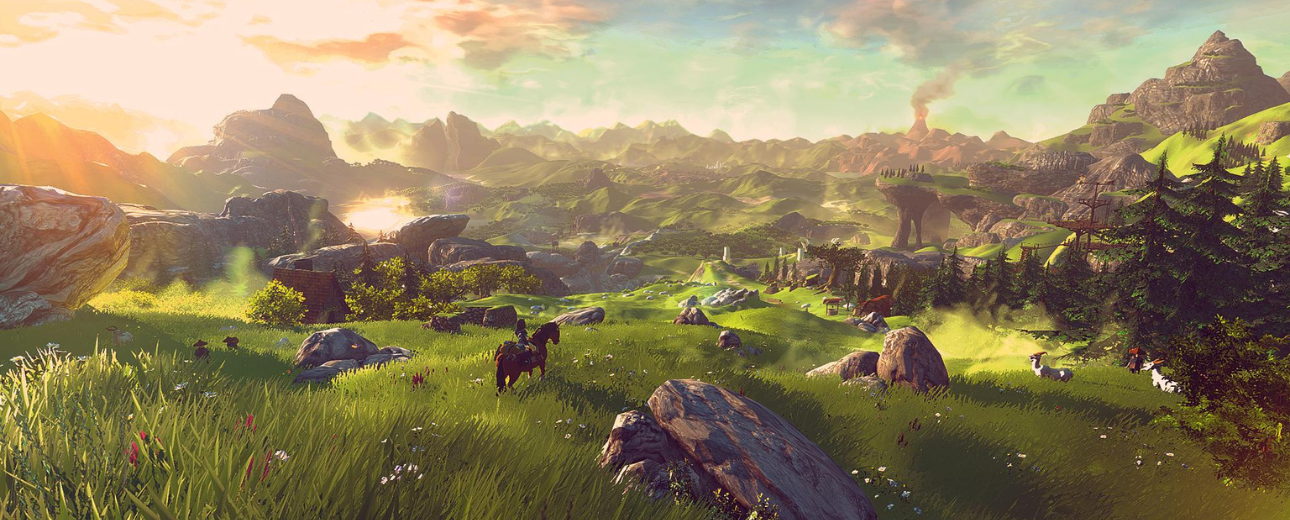
When discussing the evolution of open-world gaming, it is impossible to ignore the profound impact of The Legend of Zelda franchise. Long before open worlds became a dominant trend in the video game industry, Nintendo’s iconic series was already experimenting with freedom, exploration, and player-driven discovery. From its earliest entries to modern masterpieces like Breath of the Wild and Tears of the Kingdom, The Legend of Zelda has consistently redefined what an open-world experience can be.
Open-world games today are often associated with massive maps, countless objectives, and endless icons filling the screen. However, Zelda took a very different approach. Instead of overwhelming players with information, it focused on curiosity, intuition, and a sense of wonder. The world of Hyrule was not designed to be conquered through checklists, but to be explored organically. This philosophy fundamentally changed how developers think about open-world design.
What truly set Zelda apart was its respect for player intelligence. The games trusted players to observe their surroundings, experiment with mechanics, and find their own solutions. This design choice created a deeper emotional connection between the player and the world. Exploration felt meaningful because it was driven by curiosity rather than obligation. Discover the ultimate selection of Zelda collectibles, apparel, and gifts at https://zelda-merchandise.com.
Over the decades, many developers have drawn inspiration from Zelda’s approach, adapting its principles into modern open-world titles across all platforms. From environmental storytelling to physics-based gameplay, the influence of The Legend of Zelda can be seen everywhere. Understanding how this franchise reshaped open-world gaming helps explain why it remains so influential and beloved today.
Redefining Exploration and Player Freedom
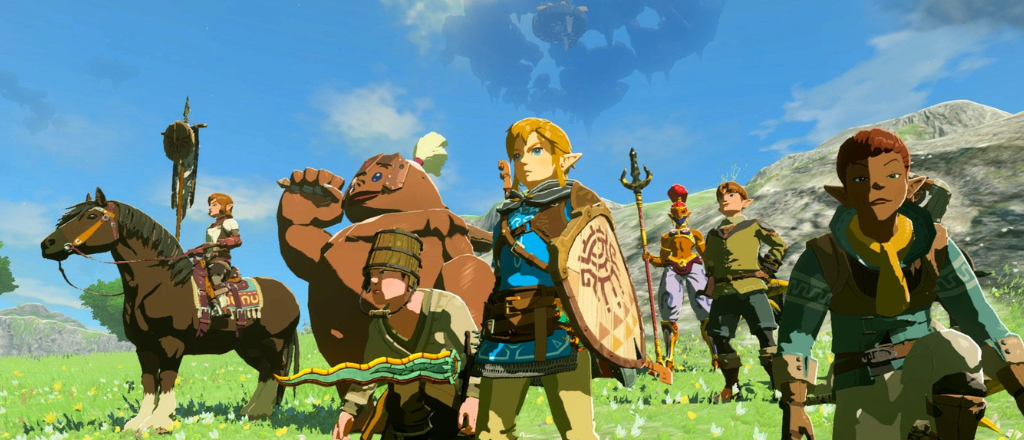
One of the most revolutionary contributions of The Legend of Zelda to open-world gaming is its approach to exploration. In many games, exploration is guided by markers, maps filled with icons, and strict progression paths. Zelda, especially with Breath of the Wild, broke away from this model entirely.
From the very beginning of the game, players are given access to a vast world with minimal restrictions. You can climb mountains, glide across valleys, and travel in almost any direction you choose. There is no “wrong” path, only different experiences waiting to be discovered. This sense of freedom made exploration feel natural and deeply rewarding.
Instead of relying on quest logs and objective arrows, Zelda uses visual cues and environmental design to guide players. A strange structure on the horizon, an unusual rock formation, or a glowing shrine in the distance naturally draws attention. This design encourages players to trust their instincts, making each discovery feel personal and earned.
This philosophy has influenced countless open-world games that now aim to reduce on-screen clutter and promote organic exploration. Zelda proved that freedom does not require complexity, but thoughtful design that invites curiosity.
Emergent Gameplay and Systems-Driven Design
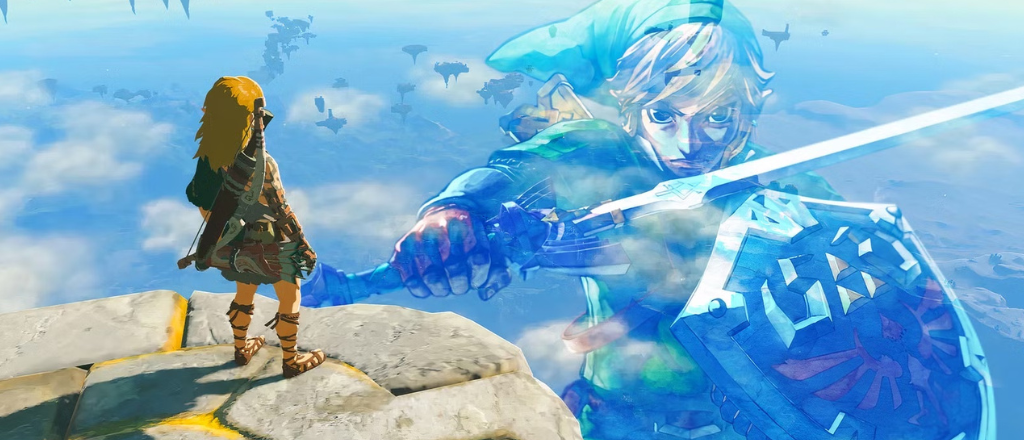
Another major way The Legend of Zelda changed open-world gaming is through its emphasis on systems-driven gameplay. Rather than scripting every possible interaction, the games rely on interconnected systems such as physics, weather, and environmental reactions.
In Breath of the Wild and Tears of the Kingdom, fire spreads naturally, metal conducts electricity, and wind affects movement. These systems interact in intuitive ways, allowing players to solve puzzles and combat situations creatively. There is rarely a single correct solution. Instead, players are encouraged to experiment and find approaches that suit their playstyle.
This emergent gameplay creates memorable moments unique to each player. One person might defeat enemies by rolling a boulder downhill, while another uses the environment or crafted tools to gain an advantage. Zelda showed the industry that giving players flexible systems leads to deeper engagement and stronger immersion.
A Lasting Influence on Modern Open-World Games
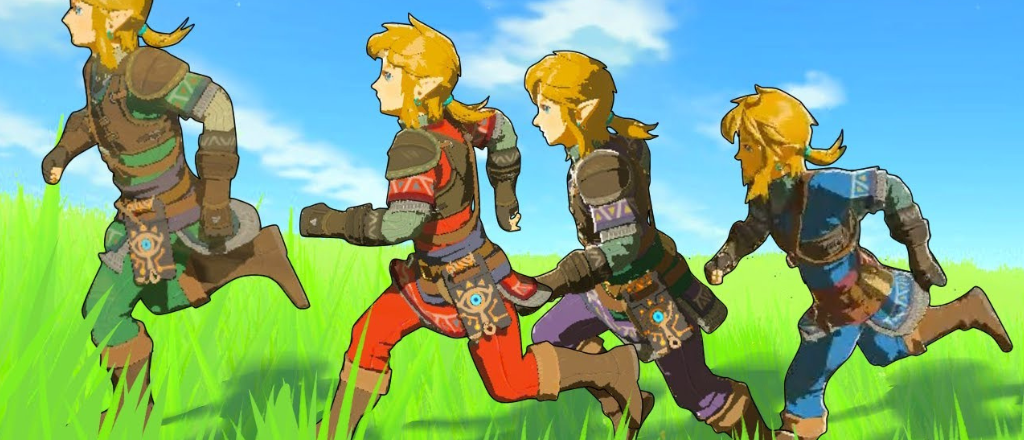
The impact of The Legend of Zelda on modern open-world design cannot be overstated. Many contemporary games have adopted its principles, focusing on player freedom, minimal guidance, and immersive world-building. Developers increasingly design worlds that reward curiosity rather than forcing linear progression.
Zelda also demonstrated that open worlds do not need to be filled with constant action to be engaging. Moments of silence, discovery, and reflection are just as important as combat or story beats. This balance helps create worlds that feel alive and believable.
By prioritizing exploration, creativity, and player-driven experiences, The Legend of Zelda set a new standard for what open-world games can achieve. Its influence continues to shape the industry, proving that true innovation comes from trusting players and letting them write their own adventures.