
 Canada
 USA
USA Japan
Japan



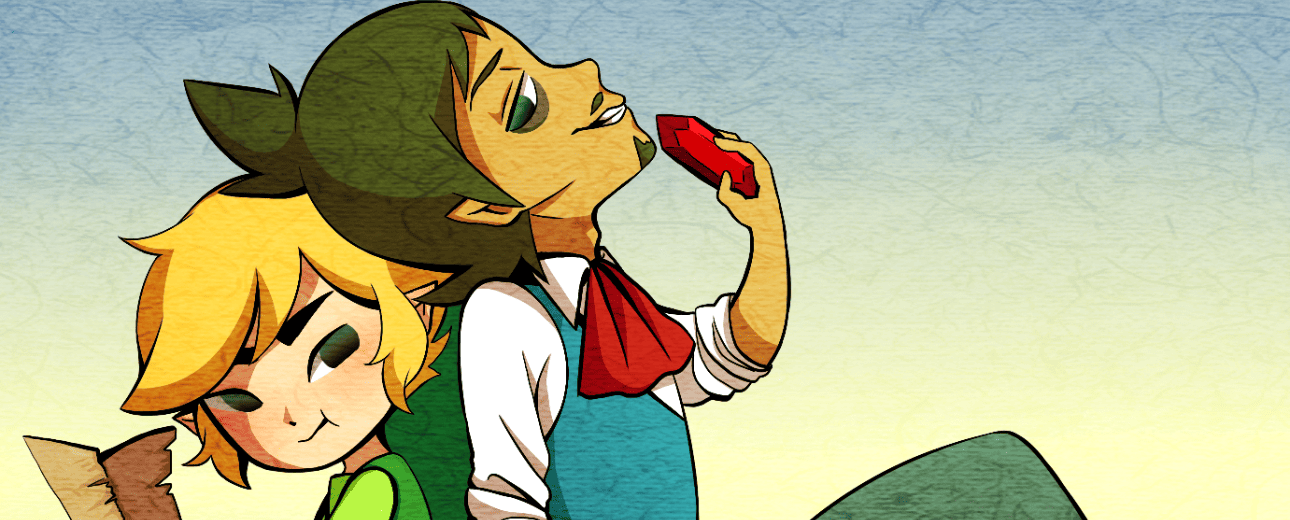
In the vast ocean of memorable characters throughout The Legend of Zelda franchise, few stand out quite like Captain Linebeck—the cowardly, treasure-obsessed sailor who serves as Link’s reluctant companion in The Legend of Zelda: Phantom Hourglass. While the series has given us countless brave warriors, wise sages, and noble allies, Linebeck breaks the mold entirely by being refreshingly flawed, hilariously self-serving, and utterly human in his motivations. He’s not interested in saving the world or fulfilling ancient prophecies; he just wants to find treasure, avoid danger, and maybe get through this whole adventure without dying. And somehow, that makes him one of the most beloved and memorable characters in the entire franchise.
Captain Linebeck represents a fascinating departure from typical Zelda companion characters. Unlike the stoic Sheikah warriors, helpful fairies, or mystical spirits that usually accompany Link on his journeys, Linebeck is driven entirely by greed, plagued by cowardice, and equipped with a sharp tongue that delivers some of the franchise’s best comedic moments. His character arc—from self-centered treasure hunter to genuine friend willing to sacrifice everything—provides emotional depth rarely seen in handheld Zelda titles. Created specifically for the Nintendo DS touch-screen gameplay mechanics of Phantom Hourglass, Linebeck became so popular that he returned in the sequel Spirit Tracks and has maintained a devoted fanbase despite his games being over fifteen years old.
What makes Linebeck truly special is how he subverts player expectations at every turn. When you first meet him, he seems like the classic roguish adventurer archetype—confident captain with his own ship, clearly experienced in treasure hunting, possessing knowledge of the dangerous seas Link must navigate. But within minutes, his true nature reveals itself: he’s a coward who runs from danger, a liar who exaggerates his accomplishments, a schemer constantly looking for ways to exploit situations for personal gain, and someone who makes no secret of the fact that he’s only helping Link because he thinks there’s treasure involved. In any other game, this would make him an antagonist or at best a comic relief character who gets quickly forgotten. In Phantom Hourglass, it makes him absolutely essential to the game’s charm and emotional resonance.
This comprehensive guide will explore every facet of Captain Linebeck’s character: his creation and design philosophy, his personality and evolution throughout Phantom Hourglass, his relationships with Link and other characters, his role in gameplay mechanics, his return in Spirit Tracks, his cultural impact on the Zelda fandom, and why this cowardly, greedy, sarcastic sailor has earned a permanent place in the hearts of Zelda fans worldwide. Whether you’re a longtime fan revisiting the DS Zelda games or someone curious about why people keep talking about this obscure character from a handheld spin-off, prepare to discover why Captain Linebeck proves that sometimes the best companions are the ones who really don’t want to be there at all.
Origins and Creation: Designing a Different Kind of Companion
The development of Captain Linebeck was intrinsically tied to the unique design philosophy and technical capabilities of The Legend of Zelda: Phantom Hourglass, released in 2007 for the Nintendo DS. Understanding his creation requires examining the game’s development context and the specific needs his character was designed to fulfill.
The Phantom Hourglass Development Context
The Legend of Zelda: Phantom Hourglass was developed by Nintendo EAD in collaboration with director Hidemaro Fujibayashi, who would later direct Skyward Sword and Breath of the Wild. The game was conceived as a direct sequel to The Wind Waker, continuing Link’s ocean-faring adventures but translating them to the Nintendo DS’s unique dual-screen, touch-based control scheme. According to interviews with the development team published in Iwata Asks sessions and gaming publications, the team faced significant challenges in adapting Zelda’s traditional gameplay to touch controls while maintaining the series’ sense of adventure and exploration.
The game’s structure emerged from these technical constraints and opportunities. The central hub—the SS Linebeck—became not just a means of transportation but a constant companion throughout the adventure, always visible on the bottom screen as players navigated between islands. This design decision meant that Link’s ship needed more character and personality than typical Zelda vehicles, which are usually just tools for traversal. The ship needed to feel alive, reactive, and integral to the experience rather than simply functional.
This led to a crucial creative decision: what if the ship had a captain with a strong personality who could interact with Link, comment on situations, and provide character-driven motivation beyond the typical “save the world” narrative? The development team, according to design documents and developer interviews, wanted a companion who could provide gameplay tutorials, narrative context, and emotional investment while also being distinctly different from previous Zelda companions like Navi, Tatl, or Midna.
Designing Linebeck’s Personality and Role
The creative team made several deliberate choices that would define Linebeck’s character and set him apart from every Zelda companion before or since. First and most importantly, they decided he would be a coward—not just cautious or reluctant, but genuinely terrified of the dangers Link would face. This was revolutionary for a Zelda companion, as previous partners were typically brave, supportive, and eager to help Link succeed. A companion who actively didn’t want to be there, who complained constantly, who ran from danger rather than facing it—this was unprecedented in the franchise.
Second, they made him greedy and self-interested rather than altruistic. According to developer commentary, they wanted Linebeck’s initial motivation to be entirely selfish: he’s helping Link not because it’s the right thing to do but because he believes there’s treasure at the end. This created immediate tension and comedy, as Link (and by extension, the player) is trying to save Tetra and stop the evil Bellum while Linebeck is mentally calculating potential profits and looking for excuses to bail out when things get dangerous.
Third, they gave him a sharp, sarcastic tongue that could deliver genuinely funny dialogue. The Zelda series has always had humor, but usually of the gentle, whimsical variety found in quirky NPCs or silly side quests. Linebeck’s humor is different—cutting, self-aware, and often at Link’s or others’ expense. He complains, he mocks, he points out the absurdity of situations, and he’s not afraid to express exactly what he thinks even when it’s unflattering to himself or others.
Fourth, they designed him to undergo genuine character growth that felt earned rather than forced. The team knew that keeping Linebeck purely selfish and cowardly throughout the entire game would make him unbearable rather than endearing. According to interviews, they carefully mapped his character arc to have him slowly, grudgingly develop respect and even affection for Link, leading to a climactic moment where he would have to choose between his safety and his friend. This transformation needed to feel natural and consistent with his established personality rather than a sudden, unbelievable change.
Visual Design and Character Model
Linebeck’s visual design perfectly captures his personality through carefully chosen aesthetic elements. His character model, created by the game’s art team under the supervision of art director Satoru Takizawa, includes several distinctive features that communicate his character at a glance:
His outfit combines practical sailor’s clothing with touches of vanity and style that suggest someone who cares about his appearance despite his profession. The red coat with gold trim, the stylish boots, the carefully maintained hair—these aren’t the clothes of a rough, weathered sea captain but of someone who sees himself as debonair and successful even when reality suggests otherwise. This visual disconnect between self-image and actual circumstances is core to his character’s humor.
His facial features—particularly his prominent nose, expressive eyebrows, and animated expressions—were designed to convey maximum personality even within the DS’s technical limitations. The animation team gave him a wider range of exaggerated expressions than most Zelda characters receive, allowing him to communicate fear, greed, annoyance, surprise, and eventually genuine warmth through facial animation alone.
His body language and movement style also communicate character. Linebeck moves with affected confidence when he feels safe, attempting to project the image of a capable captain. But the moment danger appears, his posture changes entirely—he cowers, he hides behind Link, he literally runs away from threats. This physical comedy, implemented through character animation, reinforces his cowardice without requiring dialogue.
The design of his ship, the SS Linebeck, mirrors his personality perfectly. It’s clearly been well-maintained and cared for, suggesting Linebeck’s genuine pride in his vessel, but it’s also not particularly impressive or intimidating—it’s a mid-sized ship suitable for treasure hunting but not exactly the legendary vessel Linebeck sometimes claims it to be. The ship becomes an extension of his character, something he genuinely values and takes pride in even as he exaggerates its capabilities and his own sailing prowess.
Voice Direction and Characterization
While Phantom Hourglass doesn’t feature full voice acting (following Zelda tradition), Linebeck’s dialogue was written with specific vocal patterns and speech quirks that give him a distinct voice even in text form. According to the game’s writers, they imagined a specific vocal performance when writing Linebeck’s lines—something between a fast-talking con artist and a theatrical performer, with hints of desperation underneath the bravado.
His dialogue is characterized by several consistent patterns: he frequently refers to himself in grandiose terms (“the great Captain Linebeck”), he uses flowery language when trying to impress or manipulate, he shifts rapidly between confidence and panic depending on circumstances, he asks rhetorical questions that reveal his self-interest, and he employs sarcasm and complaint when forced into situations he’d rather avoid.
The localization teams for different regions faced the challenge of maintaining Linebeck’s personality across languages while adapting cultural references and humor. According to interviews with Nintendo’s Treehouse localization team, they worked carefully to preserve Linebeck’s essential characteristics—cowardice, greed, sarcasm, and eventual growth—while ensuring his dialogue felt natural in each language. Some specific jokes and references were adapted to work better for different audiences, but his core personality remained consistent across all versions.
Naming and Identity
The name “Linebeck” itself was carefully chosen to fit both his nautical theme and his character. While Nintendo hasn’t officially confirmed the etymology, fans and analysts have noted several possible meanings: “line” could refer to maritime navigation lines or fishing lines (appropriate for treasure hunting), while “beck” is an old English term for a small stream, creating a somewhat diminutive-sounding name that fits his character’s inflated ego masking actual mediocrity.
In Japanese, his name is “ラインバック” (Rainbakku), which is phonetically similar but written in katakana to suggest a foreign or exotic name (common for non-Hylian characters). The consistency across regions in keeping his name recognizable helped establish his identity as a distinct, memorable character rather than just “that ship captain.”
His title of “Captain” is something he clearly takes seriously and insists upon, even when circumstances suggest his authority is questionable at best. This insistence on being called Captain reveals his need for respect and status that his actual accomplishments don’t quite justify—another layer of characterization communicated through simple naming choices.

Personality Deep Dive: The Complexity of Cowardice and Greed
Captain Linebeck’s personality is a masterclass in creating a flawed but ultimately lovable character. His defining traits—cowardice, greed, and vanity—could easily make him unlikable, but the way these characteristics are presented and gradually complicated makes him one of the most human and relatable characters in the Zelda franchise.
The Nature of His Cowardice
Linebeck’s cowardice is not subtle or occasionally apparent—it’s central, constant, and completely undeniable. From the moment danger appears, his immediate response is to flee, hide behind Link, or desperately search for excuses to avoid involvement. This isn’t strategic caution or wise risk assessment; it’s genuine, paralyzing fear that overwhelms his decision-making and reduces him to panicked self-preservation.
What makes this interesting from a character perspective is that Linebeck is fully aware of his cowardice and makes no real attempt to hide it once his initial bravado fails. He doesn’t pretend to be brave or make excuses about why he’s not fighting—he openly admits he’s terrified and that Link should handle the dangerous stuff while Linebeck stays somewhere safe. This self-awareness prevents his cowardice from feeling like simple comic relief and instead makes it a genuine character trait with real consequences.
The game demonstrates his fear in multiple ways throughout the adventure. He refuses to enter dungeons with Link, instead waiting on the ship where it’s safe. He panics visibly when monsters appear, often providing commentary about how terrifying the situation is and questioning why Link isn’t running away. He trembles during tense moments, literally shaking with fear in ways that are animated clearly despite the DS’s graphical limitations. He makes plans that prioritize his survival above all other considerations, willing to abandon the quest entirely if it seems too dangerous.
Yet his cowardice isn’t played purely for laughs. The game occasionally shows moments where Linebeck’s fear is understandable and even justified—the threats he faces are genuinely dangerous, and his terror at facing ancient evils and powerful monsters makes sense for someone who isn’t a legendary hero. This grounds his cowardice in reality rather than making it purely a character flaw, creating sympathy alongside the humor.
Interestingly, the game also hints at the source of his fear through his backstory with Bellum and his crew’s fate. Linebeck’s cowardice isn’t just innate personality—it’s partly trauma from a past encounter that went terribly wrong. This adds depth to what could otherwise be a one-note character trait, suggesting that his fear comes from experience rather than simple weakness.
Greed and Treasure Obsession
If cowardice is Linebeck’s most obvious trait, greed is his primary motivation. He’s not subtle about this either—he openly admits that his only reason for helping Link initially is the promise of treasure at the end. He frequently fantasizes about the riches he’ll obtain, he calculates the monetary value of artifacts and items Link finds, and he makes decisions based primarily on potential profit rather than moral or ethical considerations.
His treasure obsession manifests in consistent behavioral patterns. He gets noticeably excited when treasure is mentioned, his mood improving dramatically and his cooperation becoming more enthusiastic. He becomes irritated when Link pursues objectives that don’t seem to lead to immediate reward, complaining about wasted time and effort. He tries to negotiate for larger shares of any treasure found, positioning himself as an equal partner despite contributing primarily commentary and transportation.
What prevents this from making him completely unsympathetic is that his greed is never truly malicious. Linebeck isn’t trying to cheat Link or steal from innocent people—he’s just very focused on accumulating wealth through treasure hunting, which is his actual profession. His desire for riches is understandable for a treasure hunter and sailor who needs to maintain his ship and livelihood. The game portrays his greed as excessive and somewhat comical but not evil or harmful to others.
The game also uses his greed for character development. As Linebeck grows to genuinely care about Link and the mission, moments arise where he must choose between treasure and friendship, between profit and doing the right thing. These choices become progressively more difficult and meaningful, ultimately leading to the game’s emotional climax where his choice demonstrates how much he’s changed.
His greed also serves a narrative function by creating constant tension with the heroic quest. While Link is focused on saving Tetra and defeating Bellum, Linebeck’s commentary provides a mercenary perspective that grounds the adventure in practical concerns. This creates interesting contrast and prevents the narrative from becoming too self-serious or predictable.
Vanity and Self-Importance
Linebeck possesses a considerably inflated sense of his own importance, skills, and reputation. He refers to himself as “the great Captain Linebeck” and speaks as though he’s a legendary figure whose reputation precedes him, despite evidence suggesting he’s actually relatively unknown and unaccomplished. He exaggerates his sailing prowess, his treasure-hunting success, and his bravery (before his cowardice becomes impossible to hide).
This vanity manifests in how he presents himself and talks about his accomplishments. He dresses in relatively fancy clothing for a working sailor, maintains his appearance even in difficult circumstances, and clearly cares what others think of him despite claiming otherwise. He name-drops supposed past adventures and conquered challenges, though the details are suspiciously vague and unverifiable.
The humor in his vanity comes from the constant deflation—reality repeatedly contradicts his self-presentation. He claims to be brave, then immediately runs from danger. He presents himself as successful, while clearly struggling financially. He acts like sailing is easy for someone of his skill, then gets lost or needs Link’s help navigating. These contradictions between ego and reality create consistent comedy while also making him more human and relatable.
Importantly, the game suggests that Linebeck’s vanity is partly defense mechanism and partly genuine aspiration. He wants to be the person he pretends to be—brave, successful, respected—but he’s painfully aware he falls short. His bravado is armor against acknowledging his inadequacies, and his exaggerations are wishes for what he’d like to be true. This psychological depth prevents his vanity from being purely negative and instead makes it somewhat sympathetic.
Intelligence and Competence Beneath the Bluster
Despite his many flaws, Linebeck is genuinely intelligent and competent in specific areas, which prevents him from being purely comic relief. He’s an excellent sailor with real knowledge of navigation, ocean currents, and maritime survival. His ship is well-maintained and clearly sailed competently for years before meeting Link. He knows the seas they’re exploring and can provide valuable information about islands, dangers, and legends.
He’s also shrewd and strategic when his fear doesn’t overwhelm his judgment. He can assess situations quickly, identify potential problems, and develop plans that (while usually prioritizing his safety) demonstrate genuine tactical thinking. His survival instincts, while cowardly, show someone who’s managed to stay alive in a dangerous profession through caution and cunning rather than bravery.
The game periodically reminds players that Linebeck isn’t stupid or incompetent—he’s just very selective about when and how he applies his abilities. When he feels safe or when treasure is directly involved, he can be remarkably capable and useful. This competence makes his cowardice more interesting because it’s clearly a choice (albeit an involuntary one driven by fear) rather than an inability to contribute.
His intelligence also makes his character growth more believable. A stupid character might change randomly or inconsistently, but Linebeck’s development feels earned because he’s smart enough to recognize what’s happening, to understand the value of friendship despite his cynicism, and to make conscious choices about who he wants to be even when those choices terrify him.
Sarcasm and Wit
Linebeck’s sharp tongue and sarcastic commentary provide consistent entertainment throughout the game. His dialogue is filled with cutting observations, dry wit, complaints delivered with perfect comedic timing, and self-aware humor that acknowledges the absurdity of various situations. He’s not afraid to point out when things are going poorly, when plans seem stupid, or when Link’s heroic tendencies are getting them into unnecessary danger.
This sarcasm serves multiple character functions. It establishes his personality immediately and memorably, differentiating him from more earnest Zelda companions. It provides comic relief that prevents the game’s darker moments from becoming too heavy. It creates bonding moments with players who appreciate his honest reactions to situations. And it gives him a defense mechanism for dealing with fear and uncertainty—if he can mock the danger, maybe it seems less terrifying.
His wit also demonstrates his intelligence in subtle ways. Good sarcasm requires quick thinking and verbal cleverness, which Linebeck possesses in abundance. His ability to deliver perfectly timed comebacks and observations shows someone whose mind is active and engaged even when he’s pretending not to care or trying to distance himself from emotional investment.
The localization teams deserve credit for maintaining the quality of Linebeck’s sarcasm across different languages and cultural contexts. Sarcasm and humor often don’t translate directly, but the various regional versions of Phantom Hourglass preserve his distinctive voice and comedic style while adapting specific jokes to work in each language.
Character Evolution and Growth
Perhaps Linebeck’s most important personality aspect is his capacity for growth and change throughout the adventure. He begins as purely self-interested, cowardly, and dismissive of heroism or friendship. By the game’s conclusion, while still recognizably himself, he’s undergone genuine transformation that earns the emotional weight of the ending.
This evolution is gradual and believable. The game doesn’t present a sudden moment where Linebeck stops being afraid or stops caring about treasure. Instead, it shows accumulated experiences slowly changing his perspective. He begins to respect Link’s bravery even if he doesn’t understand it. He starts making small sacrifices and taking minor risks because he realizes the quest matters beyond personal profit. He forms genuine attachment despite his cynicism about friendship and heroism.
The key to making this growth work is that Linebeck never stops being Linebeck. Even at the game’s climax, when he makes his greatest sacrifice, he does it while complaining, expressing fear, and making it clear he thinks this is a terrible idea. His growth isn’t about becoming brave or selfless—it’s about caring enough about someone else to act despite being terrified and selfish. That’s much more powerful and relatable than a simple transformation from coward to hero.
His character arc validates that growth doesn’t require fundamental personality transformation. You can remain flawed, still be afraid, still prioritize self-interest, and still develop meaningful connections and make heroic choices when it truly matters. This message, delivered through Linebeck’s journey, resonates with players who see their own struggles with fear and selfishness reflected in his character.

Abilities and Skills: What Linebeck Actually Brings to the Adventure
While Linebeck isn’t a combatant and never fights alongside Link directly, he possesses several abilities and provides various forms of support that prove genuinely useful throughout the adventure, even if he’d prefer to contribute from a safe distance.
Expert Navigation and Seamanship
Linebeck’s primary skill and the main reason Link needs him is his expertise in navigation and sailing. He knows the World of the Ocean King intimately, understanding its islands, currents, dangers, and legends far better than Link possibly could. This knowledge isn’t just background flavor—it’s mechanically integral to the game’s structure and progression.
He can navigate the ship between islands efficiently, taking optimal routes that save time and avoid unnecessary dangers. He understands maritime weather patterns and ocean conditions that affect sailing speed and safety. He knows which areas are dangerous and which are relatively safe, providing strategic information that helps Link plan the adventure’s route. He’s familiar with local legends and stories about various islands and locations, providing narrative context and sometimes crucial hints about where to go or what to find.
The game demonstrates his sailing skill through the ship’s performance. The SS Linebeck handles responsively and reliably, suggesting a captain who maintains his vessel well and knows how to sail it effectively. When the ship needs upgrades or repairs, Linebeck understands what’s needed and how to implement it, showing genuine professional knowledge.
His navigation skills also extend to reading maps, understanding nautical charts, and interpreting the various symbols and markers that guide ocean travel in the game’s world. He can look at the game’s sea charts and immediately understand what they’re showing, something Link lacks the expertise to do alone. This specialized knowledge makes him irreplaceable despite his other shortcomings.
Treasure Hunting Experience
Beyond sailing, Linebeck has legitimate experience in treasure hunting—finding valuable artifacts, understanding ancient legends, and knowing where treasures are likely to be hidden. This isn’t just claimed expertise; the game demonstrates he genuinely knows what he’s doing in this area, even if his success rate isn’t as high as his ego suggests.
He can identify valuable items and assess their worth, providing information about artifacts Link finds. He knows legends associated with various treasures and can piece together clues about their locations. He understands the historical context of the ruins and ancient sites they explore, offering insights into who built them and why. He recognizes traps and dangers associated with treasure hunting, making him cautious in ways that sometimes keep them from rushing into avoidable problems.
His treasure hunting background also means he’s familiar with the types of puzzles, riddles, and challenges typically found in ancient ruins and treasure vaults. While he’s too afraid to explore dungeons with Link, he can sometimes provide advice or observations about puzzle solutions based on his past experiences with similar challenges elsewhere. This knowledge occasionally proves useful when Link gets stuck on particularly tricky puzzles.
Ship Maintenance and Upgrades
Linebeck demonstrates genuine competence in maintaining, repairing, and upgrading the SS Linebeck. Throughout the game, as Link acquires ship parts and improvements, Linebeck implements these upgrades, showing understanding of maritime engineering and ship modification. The ship becomes more capable as the adventure progresses, with better cannons, armor plating, and other enhancements that Linebeck installs and maintains.
This mechanical skill suggests broader competence than his cowardice might imply. Maintaining a functional ship requires diverse knowledge—carpentry, metalworking, sail repair, rigging maintenance, and various other practical skills. Linebeck clearly possesses these abilities and takes pride in his ship’s condition, even if he won’t apply the same dedication to fighting monsters or exploring dungeons.
The ship upgrades also demonstrate that Linebeck can learn and adapt when properly motivated (usually by treasure or survival necessity). He figures out how to incorporate Oshus’s modifications and the various parts Link finds, improving the ship’s combat capability and defensive strength. These upgrades become crucial for later sea battles and challenges, making Linebeck’s technical skill directly important to success.
Strategic Planning and Risk Assessment
Despite his cowardice making his risk tolerance extremely low, Linebeck demonstrates solid strategic planning abilities when he can think clearly. He can assess situations, identify potential problems, develop contingency plans, and think several steps ahead—skills honed through years of trying to stay alive while hunting treasure in dangerous locations.
His strategic thinking shows in how he approaches the adventure’s challenges. He suggests careful reconnaissance before rushing into dangerous areas. He points out potential complications in plans that seem straightforward. He considers supply needs, escape routes, and backup plans that Link might not think about in his heroic enthusiasm. While his plans always prioritize his safety possibly excessively, the underlying strategic thinking is sound.
His risk assessment, though skewed dramatically toward avoiding any risk whatsoever, does sometimes catch genuine dangers that a braver person might overlook. His paranoia occasionally identifies real threats before they become critical, and his insistence on preparation and caution sometimes prevents avoidable mistakes. If Linebeck could balance his strategic caution with even moderate bravery, he’d be formidable. As it is, his good strategic sense is often undermined by his overwhelming fear.
Communication and People Skills
Linebeck demonstrates surprisingly effective communication and people skills when he bothers to deploy them. He’s charismatic when he wants to be, capable of convincing people and talking his way into or out of situations. His success in conning people (at least temporarily) and maintaining a somewhat inflated reputation suggests genuine social intelligence and persuasive ability.
He understands social dynamics and can read people’s motivations and desires reasonably well. He knows how to flatter, how to negotiate, how to present information persuasively, and how to manage his reputation (even if that management involves exaggeration and deception). These social skills, combined with his sailing and treasure hunting knowledge, explain how he’s managed to maintain his lifestyle and operation despite his cowardice and limited actual success.
His communication with Link, while often sarcastic and complaining, does sometimes include genuinely useful information delivered in ways that get Link’s attention and understanding. He can explain complex situations clearly, provide directions that make sense, and convey important details despite his tendency toward verbal flourishes and self-aggrandizement.
Limitations and Weaknesses
Linebeck’s most obvious limitation is his complete inability to fight or defend himself effectively. He has no combat skills, carries no weapons, and his immediate response to any threat is to run or hide. This makes him useless in dungeons, during monster encounters, and in any situation requiring direct confrontation with enemies. His cowardice and lack of martial ability mean Link must handle all combat entirely alone, something Linebeck is perfectly happy to allow.
His fear also limits his usefulness in gathering information or exploring dangerous areas. He won’t enter locations that might contain monsters, he refuses to investigate suspicious circumstances personally, and he generally stays as far from danger as possible. This means Link must do all the actual adventuring and investigation while Linebeck provides support from a safe distance.
His greed and self-interest create additional limitations. He makes decisions based on potential profit rather than optimal strategy, he wastes time fantasizing about treasure when they should be focused on immediate problems, and his reluctance to risk his ship or belongings sometimes creates complications. His priorities don’t always align with the mission’s actual needs.
Finally, his vanity and ego can interfere with effective cooperation. He sometimes refuses to admit when he’s wrong, he resists taking advice that would undermine his self-image, and his need to maintain his reputation occasionally leads to poor decisions. While this improves as he develops trust and friendship with Link, it remains an occasional issue throughout the adventure.

Relationships: Connections That Transform the Coward
Linebeck’s relationships with other characters define his journey from self-centered treasure hunter to genuine friend, with each connection revealing different facets of his personality and contributing to his character development.
Link: From Employer to True Friend
Linebeck’s relationship with Link is the emotional heart of Phantom Hourglass and the primary driver of his character arc. Their dynamic begins as purely transactional—Linebeck agrees to transport Link and assist his quest solely because Link promises treasure at the end. Linebeck makes this motivation crystal clear, emphasizing he’s not interested in heroism, friendship, or saving anyone; he just wants to get paid in valuable treasure.
This mercenary beginning creates immediate tension and comedy. Link is on a desperate quest to save his friend Tetra, while Linebeck is mentally calculating potential profits and looking for opportunities to minimize risk. Linebeck complains constantly about the dangers they face, questions the wisdom of Link’s heroic decisions, and makes it abundantly clear he’d prefer to be anywhere else doing anything else, preferably something profitable and safe.
Yet despite this unpromising start, genuine respect and affection gradually develop. Linebeck can’t help but be impressed by Link’s bravery, even though he doesn’t understand it. He begins to appreciate Link’s competence in handling monsters and solving puzzles, recognizing that having a legendary hero for a companion provides safety he couldn’t achieve alone. He grows accustomed to Link’s presence and starts to value his company beyond just the promise of treasure.
The game shows this development through subtle changes in Linebeck’s dialogue and behavior. Early in the adventure, his comments are purely selfish and dismissive of Link’s heroic goals. As they spend more time together, his observations become less critical and occasionally even supportive (though always couched in his characteristic sarcasm). He starts making decisions that prioritize the quest’s success over immediate personal gain, suggesting growing investment in their shared mission.
The relationship’s evolution becomes particularly evident in moments of crisis. When Link faces genuine danger, Linebeck’s fear for Link’s safety becomes apparent, showing that his concern has progressed beyond worrying about losing his source of treasure. He begins offering encouragement in his own backhanded way, making comments that show he’s actually paying attention to Link’s wellbeing and invested in his success.
By the game’s climax, their relationship has transformed completely. Linebeck’s final choice—to ram his beloved ship into Bellum to save Link despite being terrified and knowing he’ll likely die—demonstrates conclusively that Link has become more important to him than his treasured ship, his safety, or his life. This sacrifice is particularly powerful because it requires Linebeck to overcome both his defining character traits simultaneously: his cowardice and his greed. The ship represents his livelihood, his pride, and his safety, yet he destroys it willingly to save his friend.
What makes this friendship work narratively is that it never requires Link to change. Link remains the silent, heroic protagonist he’s always been, while Linebeck does all the evolving and growing. The game trusts that players will form their own attachment to Linebeck through his personality and dialogue, without needing Link to explicitly reciprocate or validate the relationship verbally. The friendship feels earned because we see Linebeck’s genuine transformation while Link simply remains consistently brave and kind.
The game’s ending, where Link and Linebeck must part ways, carries genuine emotional weight because of this earned relationship. Linebeck’s visible distress at saying goodbye, combined with his attempt to hide his emotions through his usual bravado, perfectly captures a character who’s learned to care deeply despite all his cynical defenses. It’s one of the Zelda franchise’s most touching companion farewells precisely because it feels so genuine and hard-won.
Oshus: The Mentor He Doesn’t Respect (Initially)
Oshus, the Ocean King disguised as an old sailor, serves as occasional guide and mysterious mentor throughout Phantom Hourglass, and his relationship with Linebeck is characterized by Linebeck’s dismissive skepticism toward the “crazy old man.” Linebeck clearly doesn’t take Oshus seriously at first, viewing him as a eccentric who spouts mystical nonsense and makes impossible claims about ancient evils and legendary powers.
This skepticism is very much in character for Linebeck, whose worldview is grounded in practical concerns like treasure and survival rather than mystical prophecies and legendary destinies. When Oshus explains the nature of Bellum and the threat they face, Linebeck’s response is to question why they’re listening to someone who appears to be a senile old man. When Oshus provides magical assistance or reveals knowledge he shouldn’t possess, Linebeck is more annoyed by the mystery than impressed by the power.
However, as Oshus’s information and assistance repeatedly prove crucial to their success, Linebeck reluctantly develops grudging respect. He never fully abandons his sarcastic attitude toward Oshus’s mystical explanations, but he does start taking the old man’s advice more seriously and acknowledging that maybe, possibly, there’s more to Oshus than meets the eye.
The revelation of Oshus’s true identity as the Ocean King adds retrospective complexity to their relationship. All of Linebeck’s dismissive comments and sarcastic remarks about the “crazy old man” were directed at a divine being of immense power—a detail that adds humor to replaying the game while also suggesting that Oshus either didn’t mind or actually appreciated Linebeck’s irreverent treatment. Gods being treated casually by mortals is unusual in Zelda lore, making this dynamic particularly interesting.
Oshus’s apparent fondness for both Link and Linebeck, demonstrated by his willingness to help them and his gentle guidance throughout the adventure, suggests he sees potential in both—though for very different reasons. While he recognizes Link’s heroic spirit, he seems to appreciate Linebeck’s humanity, flaws and all. The Ocean King’s final restoration of Linebeck’s ship and memories suggests genuine affection and gratitude for this cowardly, greedy sailor who ultimately helped save his realm.
Bellum: The Source of Trauma and Terror
Linebeck’s history with Bellum, the game’s primary antagonist, provides crucial context for his cowardice and adds darkness to his otherwise comedic character. Through flashback sequences and revealed backstory, players learn that Linebeck previously attempted to hunt the Ghost Ship (Bellum’s vessel) seeking treasure, bringing a crew with him on what he thought would be a profitable adventure.
The expedition went catastrophically wrong. Bellum captured and consumed Linebeck’s entire crew, leaving him as the sole survivor. He escaped only because Bellum decided to use him as a tool rather than immediate prey, psychologically tormenting him and using his fear to serve as unwilling bait for future victims. This trauma explains much about Linebeck’s extreme cowardice—it’s not just innate personality but the result of surviving an encounter with an ancient evil that killed everyone else.
Bellum’s psychological manipulation of Linebeck throughout the game is genuinely dark for a Zelda title, especially one aimed at younger DS audiences. The demon uses Linebeck’s fear against him, appearing in his nightmares, reminding him of his powerlessness, and making it clear that Linebeck only lives at Bellum’s sufferance. This psychological torture keeps Linebeck terrified and compliant, occasionally forcing him to act against Link’s interests when Bellum demands it.
This history makes Linebeck’s final confrontation with Bellum far more significant than a simple climactic battle. When Linebeck chooses to attack Bellum directly by ramming his ship into the demon, he’s not just saving Link—he’s overcoming his deepest trauma, facing the source of his nightmares, and reclaiming agency stolen from him when his crew died. The fact that he does this while still terrified, while knowing he might die, makes the choice even more powerful. True bravery isn’t absence of fear; it’s acting despite fear, and Linebeck demonstrates this perfectly.
The game’s treatment of this trauma and its resolution provides unexpected depth. Linebeck doesn’t magically overcome his fear or erase the trauma of what happened to his crew. He remains terrified of Bellum throughout the game, and his final choice costs him dearly. But he makes the choice anyway, reclaiming his humanity and honoring his lost crew by protecting someone he’s come to care about. This arc handles trauma and recovery with more sophistication than typically seen in games of this era.
Tetra/Princess Zelda: Motivated by More Than Treasure
Although Linebeck has limited direct interaction with Tetra (who spends most of the game as a stone statue after Bellum captures her), the quest to save her serves as his nominal motivation for the entire adventure. Initially, Linebeck doesn’t care about Tetra personally—Link’s mission to save her only matters because Link promises treasure if Linebeck helps.
However, as the adventure progresses and Linebeck learns more about Tetra’s situation and Link’s dedication to saving her, his attitude shifts. He begins to understand the stakes beyond treasure—a person’s life and Link’s genuine emotional investment in her rescue. While Linebeck never becomes as personally invested in saving Tetra as Link is, he does acknowledge that her situation is tragic and that rescuing her matters beyond just fulfilling his contract with Link.
The game’s ending, where Tetra is successfully restored and everyone returns to their normal world, provides Linebeck with closure on the adventure that transformed him. Seeing Tetra saved and reunited with Link validates that all the danger and fear were worthwhile, even if Linebeck would still prefer there had been more treasure involved.
Tetra’s presence as the adventure’s objective also creates interesting thematic parallels. She represents heroic dedication, selfless friendship, and the importance of caring about others’ wellbeing—all qualities that Linebeck initially lacks but gradually develops. In a sense, the quest to save Tetra becomes simultaneously a quest to save Linebeck from his own selfish cynicism and fear.
His Lost Crew: The Weight of Survivor’s Guilt
Though never appearing directly in the game, Linebeck’s lost crew haunts his character and adds tragic dimension to his fear and isolation. Through dialogue and flashbacks, it’s revealed that Linebeck once had companions—fellow sailors and treasure hunters who trusted him as their captain and followed him on the Ghost Ship expedition that ended in disaster.
Their deaths clearly weigh on Linebeck’s conscience. While he doesn’t explicitly discuss survivor’s guilt, his reluctance to form new attachments, his insistence on working alone (until forced to team with Link), and his extreme risk aversion all suggest someone traumatized by losing people who depended on him. His cowardice can be partially understood as determination never to be responsible for others’ deaths again—if he never takes risks, if he never leads people into danger, no one else will die because of his decisions.
This backstory recontextualizes many of Linebeck’s seemingly selfish choices. His refusal to enter dungeons with Link isn’t just cowardice but perhaps also unwillingness to risk another companion’s life in dangerous exploration. His focus on treasure over heroics might partly be escapism—focusing on material gain to avoid thinking about the lives lost pursuing it. His emotional distance and sarcasm serve as armor against forming attachments that could lead to more devastating loss.
The game never explicitly resolves Linebeck’s survivor’s guilt, which is actually more realistic and meaningful than a neat narrative solution would be. He can’t bring back his crew, and he can’t undo his past mistakes. But by choosing to risk everything to save Link, he demonstrates growth beyond his trauma—he’s willing to value connection again, even knowing the potential cost. His new friendship with Link doesn’t erase his lost companions, but it shows he’s capable of moving forward while still honoring their memory.
The Player: Fourth Wall Awareness and Meta Relationship
In an interesting quirk of his character, Linebeck occasionally demonstrates awareness that he’s in a video game, breaking the fourth wall with comments that acknowledge game mechanics and player actions. He’ll make observations about Link’s item collection, comment on the oddity of certain game conventions, or deliver lines that suggest awareness he’s in a constructed narrative.
This meta-awareness creates a unique relationship between Linebeck and the player that exists separately from his relationship with Link. While Link is the silent protagonist Linebeck travels with, the player is the external force guiding Link’s actions that Linebeck indirectly acknowledges through his fourth-wall-breaking commentary. This creates layers to his character’s appeal—he’s entertaining both as Link’s companion within the game world and as a character who occasionally comments on the gaming experience itself.
These meta moments are always played for comedy and never become so frequent or explicit that they undermine the game’s narrative. But they add to Linebeck’s charm by suggesting a character who exists on multiple levels—as in-universe cowardly captain, as player’s humorous companion, and as self-aware character who knows he’s in a video game and finds certain aspects of that situation worth commenting on.
Appearances Across the Franchise
While Linebeck’s primary role is in Phantom Hourglass, his legacy extends to other Zelda titles and media, demonstrating his lasting impact on the franchise despite originating in a handheld spin-off.
The Legend of Zelda: Phantom Hourglass (2007) – The Definitive Appearance
Phantom Hourglass is where Linebeck truly shines, serving as Link’s constant companion throughout the entire adventure. Released for the Nintendo DS in 2007 as a direct sequel to The Wind Waker, the game features Linebeck in practically every scene, with his presence felt even during dungeon exploration through the ship that bears his name constantly visible on the bottom screen.
The game’s structure reinforces his importance by making the SS Linebeck the central hub between all other locations. Every time Link completes a dungeon or explores an island, he returns to Linebeck and the ship, creating constant opportunities for interaction, dialogue, and relationship development. This design choice ensures Linebeck never fades into the background as some companions do—he’s always present, always commenting, always reminding players of his existence through his personality and voiced concerns.
Throughout the game’s roughly 15-20 hour main story, Linebeck delivers hundreds of lines of dialogue that establish his character, develop his relationship with Link, provide hints and guidance, offer comic relief, and gradually reveal his backstory and growth. His role extends beyond mere transportation—he’s quest-giver, tutorial provider, comic relief, emotional anchor, and ultimately the catalyst for the game’s most dramatic moments.
Key Linebeck moments in Phantom Hourglass include:
His Introduction (Mercay Island): Meeting Linebeck establishes everything players need to know about him within minutes—he’s boastful, he’s focused on treasure, he’s willing to make deals, and beneath his confident exterior lies someone much more vulnerable and fearful.
Ghost Ship Revelations (Mid-game): Flashback sequences revealing what happened to Linebeck’s crew and his past encounter with Bellum add tragic depth and explain his psychological state.
Progressive Attitude Changes (Throughout): Careful observation of Linebeck’s dialogue shows gradual shifts from pure mercenary interest to genuine concern for Link and investment in the quest’s success.
The Final Confrontation (Bellum’s Lair): Linebeck’s choice to ram his ship into Bellum, sacrificing his most precious possession and risking his life to save Link, represents the culmination of his character arc and delivers genuine emotional impact.
The Parting (Ending): Linebeck’s difficulty saying goodbye to Link, combined with his attempt to hide his emotions through characteristic bravado, provides touching closure to their friendship.
The Memory Restoration (Post-Credits): Oshus’s decision to restore Linebeck’s ship and his memories of the adventure gives a bittersweet happy ending—Linebeck gets his ship back and can continue his treasure-hunting career, but must carry the memory of his growth and the friend he can never see again.
The game’s touch-screen controls and dual-screen display were specifically designed around having Linebeck and his ship as constant presence, making him integral to both gameplay and narrative in ways that wouldn’t have been possible on other platforms.
The Legend of Zelda: Spirit Tracks (2009) – Linebeck’s Descendant
Spirit Tracks, Phantom Hourglass’s sequel, features not the original Linebeck but his descendant, Linebeck III, who runs a trading business in New Hyrule. This choice allowed the developers to include a familiar character type and name while acknowledging that the game takes place roughly 100 years after Phantom Hourglass in a completely different land.
Linebeck III shares his ancestor’s obsession with treasure and profit, operating a trading post where Link can buy and sell goods. He’s characterized by similar greed and mercenary attitudes but notably lacks the original Linebeck’s cowardice and character depth. Linebeck III is more straightforwardly a greedy merchant NPC rather than a fully developed character with emotional arcs and relationships.
The inclusion of Linebeck III serves several purposes:
Continuity and Easter Egg: Fans of Phantom Hourglass get the pleasure of recognizing the family connection and seeing how Linebeck’s bloodline continues, even though this descendant seems to have inherited only the greed without the eventual growth toward bravery and friendship.
Gameplay Function: His trading post provides mechanical purpose, allowing players to engage in profitable item trading that funds other purchases and activities.
Nostalgia: Simply seeing the name “Linebeck” again and recognizing visual design similarities to the original creates positive associations for players who enjoyed the first DS Zelda game.
However, Linebeck III lacks the original’s charm, depth, and memorable personality, serving primarily as a functional NPC rather than a true companion. Some fans view him as a disappointing follow-up to his famous ancestor, while others appreciate that the developers didn’t try to simply recycle the original Linebeck’s exact personality but instead created a related but distinct character.
The implication that the original Linebeck eventually settled down, had family, and established a bloodline that continues a century later provides a form of extended happy ending to his story. Despite all his fear and treasure-obsession, Linebeck apparently found enough stability and courage to build a life and legacy beyond his adventures with Link.
Hyrule Warriors Legends (2016) – Playable Character Appearance
In a surprising acknowledgment of his popularity, Linebeck appears as a playable character in Hyrule Warriors Legends, the expanded Nintendo 3DS version of the Wii U’s Hyrule Warriors. This action-oriented spin-off brings together characters from across Zelda history, and Linebeck’s inclusion demonstrates that despite originating in a handheld side-game, he’s recognized as a significant franchise character worth celebrating.
His appearance in Hyrule Warriors Legends maintains his characteristic personality and design while giving him combat capabilities he never possessed in his original game (which is hilariously ironic given his established cowardice). His fighting style incorporates his Ship and various treasure-hunting tools, creating a unique moveset that references his source material while adapting him for action gameplay.
Key aspects of his Hyrule Warriors Legends appearance include:
Visual Design: His character model maintains his distinctive appearance from Phantom Hourglass while updated to work in the more detailed graphics of Hyrule Warriors, preserving his recognizable features and personality.
Combat Style: Despite being a coward who never fights in his original game, his Hyrule Warriors moveset creatively uses his ship and treasure-hunting theme to create entertaining attack patterns that feel connected to his character.
Voice Clips: His battle dialogue maintains his characteristic sarcasm and complaints, creating humor through the contrast of this terrified treasure hunter now fighting hordes of monsters (something the original Linebeck would absolutely refuse to do).
Special Attacks: His more powerful moves often incorporate his ship in creative ways, showing the developers’ commitment to keeping his fighting style connected to his identity as a sailor and captain.
His inclusion in Hyrule Warriors Legends serves as official Nintendo recognition of Linebeck’s fan-favorite status, placing him alongside much more prominent characters like Link, Zelda, Ganondorf, and various other legendary figures from the franchise’s history. For a character who only appeared as a major figure in one mainline game (plus a descendant in another), this recognition is significant and validates his impact on the fanbase.
Cameos and References in Other Media
Beyond his major appearances, Linebeck has been referenced or appeared in various Zelda-related media and merchandise:
Super Smash Bros. Series: While not playable, Linebeck appears as a collectible trophy in Super Smash Bros. for Nintendo 3DS and Wii U, with trophy description acknowledging his role in Phantom Hourglass and his character traits.
Zelda Manga Adaptations: Various manga adaptations of Phantom Hourglass feature Linebeck with expanded dialogue and sometimes additional characterization that explores his personality and relationships in ways the game’s format couldn’t.
Trading Cards and Collectibles: Linebeck appears on various Zelda trading cards, collectible figures, and merchandise that celebrates characters across the franchise, usually highlighting his ship and treasure-hunting theme.
Zelda Encyclopedia and Official Guides: Nintendo’s official Zelda reference materials include Linebeck in character guides and series histories, acknowledging his role in the franchise’s handheld era.
Fan Creations and Mods: The modding community has created various tributes including model imports to other Zelda games, custom levels featuring Linebeck, and fan-game appearances that demonstrate his continued popularity.
These various appearances and references, while minor compared to his starring role in Phantom Hourglass, demonstrate that Linebeck has transcended his original game to become a recognized and celebrated part of Zelda’s broader character roster, even if he’s not as universally known as the franchise’s most iconic figures.

Cultural Impact and Fan Reception
Linebeck’s impact on the Zelda community and broader gaming culture reveals how a well-written supporting character can achieve lasting significance despite appearing in a relatively obscure handheld title.
Immediate Fan Reception and Critical Response
When Phantom Hourglass released in 2007, Linebeck received overwhelmingly positive reception from both critics and players, with many reviews specifically highlighting him as one of the game’s strongest elements. Gaming publications praised his personality, character development, and the humor he brought to the adventure, noting that he stood out as one of the most memorable Zelda companions created to that point.
Professional reviews from outlets like IGN, GameSpot, and Nintendo Power specifically called out Linebeck’s dialogue, his relationship with Link, and his character arc as highlights that elevated Phantom Hourglass above being simply a technical showcase for DS controls. Critics particularly appreciated that he felt like a genuine character with realistic flaws rather than an idealized helper, bringing refreshing humanity and comedy to a franchise that sometimes took itself very seriously.
Player reception was similarly positive, with fan forums and communities immediately embracing Linebeck as a fan-favorite character. Discussions about Phantom Hourglass frequently centered on his dialogue, his cowardice, and his eventual heroic moment, with players sharing favorite quotes and character interactions. The fact that players remembered and discussed his character moments more than many of the game’s puzzles or gameplay sequences speaks to his impact.
Some players did find his constant presence and dialogue occasionally annoying, particularly those who preferred silent journeys without constant commentary. However, even most critics of his chattiness acknowledged that his personality was well-crafted and his character arc satisfying, even if they personally preferred less companion interaction.
The initial reception established Linebeck as one of Phantom Hourglass’s most successful elements, ensuring he’d be remembered long after the game’s other innovations (touch controls, dual-screen gameplay) became dated by advancing technology.
Long-Term Legacy and Continuing Popularity
Over fifteen years after Phantom Hourglass’s release, Linebeck maintains dedicated fanbase and continues to appear in Zelda fandom discussions, artwork, and celebrations. This longevity is particularly notable given that his source game is increasingly obscure, with many modern Zelda fans having never played the DS titles.
His continuing popularity manifests in several ways:
Fan Art and Creative Works: Linebeck remains a popular subject for fan artists, who create illustrations, comics, and animations featuring him. These works often explore his relationship with Link, depict moments from Phantom Hourglass, or imagine alternate scenarios and crossovers with other Zelda games. The quality and quantity of Linebeck fan art significantly exceeds what would be expected for a character from a 15-year-old handheld game.
Character Analysis and Discussion: Zelda fan communities continue producing thoughtful analysis of Linebeck’s character, examining his psychology, his growth arc, his role in Phantom Hourglass’s themes, and his place among Zelda companions. These discussions treat him as a seriously crafted character worthy of literary analysis, not just a comic relief NPC.
Comparison to Other Companions: Debates about the best Zelda companion characters inevitably include Linebeck, with many fans arguing he represents the franchise’s peak in companion characterization. These discussions often contrast his genuine character development with other companions who remain relatively static or whose growth feels less earned.
Wish for Return: Fan discussions about what they’d like to see in future Zelda games frequently include requests for Linebeck’s return (either the original or a descendant/alternate timeline version), demonstrating that players would welcome his presence in new adventures.
The fact that Linebeck maintains this presence in fandom discourse despite Phantom Hourglass’s relative obscurity speaks to the strength of his characterization and the impact he made on players who experienced his story.
Influence on Subsequent Zelda Companions
Linebeck’s success influenced how Nintendo approached companion characters in subsequent Zelda titles, with later games showing more willingness to create flawed, complex partners rather than purely supportive helpers. While each companion has unique traits, certain elements of Linebeck’s characterization can be seen echoing through later games.
Groose from Skyward Sword (2011) shares some of Linebeck’s character arc structure—beginning as self-centered and cowardly but gradually developing genuine heroism through exposure to Link’s influence. Like Linebeck, Groose undergoes transformation that feels earned rather than sudden, remaining recognizably himself while becoming better.
Ravio from A Link Between Worlds (2013) exhibits similar focus on treasure and profit, operating primarily from mercenary motivations while gradually revealing more depth. His relationship with Link similarly develops from purely transactional to genuine friendship, though his arc is less developed than Linebeck’s due to less screen time.
The Champions from Breath of the Wild (2017), while more heroic than Linebeck, show increased willingness to give Link’s companions distinct personalities, flaws, and character arcs rather than making them purely supportive. The success of flawed-but-lovable characters like Linebeck helped demonstrate that companions don’t need to be perfect to be beloved.
While Nintendo hasn’t created a direct Linebeck successor, his influence can be felt in the franchise’s general movement toward giving companion characters more personality, complexity, and genuine character arcs rather than making them simply functional quest-givers or hint-providers.
Memes, Quotes, and Cultural References
Linebeck’s distinctive dialogue has spawned numerous memes and frequently-quoted lines within the Zelda fandom. His sarcastic observations, complaints about danger, treasure-obsessed statements, and eventual emotional moments have all been captured in memorable quotes that fans share and reference.
Popular Linebeck quotes that have achieved meme status include various expressions of his cowardice, his treasure-focused rationalizations for helping Link, his sarcastic commentary on the absurdity of their situation, and his attempts to hide his growing affection for Link behind gruff dismissiveness. These quotes function as shorthand for his character and appear regularly in fan discussions, social media posts, and community in-jokes.
The “Linebeck running away from danger” image has become a popular reaction image and meme format, used to express relatable feelings of wanting to avoid problems or responsibilities. His characterization as someone who knows the right thing to do but really doesn’t want to do it resonates with audiences facing their own challenges and reluctantly making difficult choices.
Fan communities have also created “Linebeck energy” as a descriptor for characters or behaviors that match his particular combination of cowardice, greed, sarcasm, and hidden depth. This cultural shorthand demonstrates how completely his characterization has embedded itself in fandom consciousness.
Cosplay and Fan Expression
Linebeck cosplay appears regularly at gaming and anime conventions, with fans appreciating his distinctive visual design and personality that allows for entertaining character performance. Creating a Linebeck costume involves several recognizable elements that make him instantly identifiable to Zelda fans:
Costume Components:
- Red coat with gold trim and naval styling
- White or cream shirt underneath
- Dark pants and tall boots appropriate for a ship captain
- His distinctive hairstyle (somewhat challenging to replicate accurately)
- Optional props including treasure maps, treasure chest, or ship wheel
Character Performance: Successful Linebeck cosplayers often embrace his personality, staying in character by expressing exaggerated fear at cosplay “monsters,” making comments about treasure, sarcastically complaining about convention crowds, or reacting with comedic cowardice to staged photo scenarios. This performance aspect makes Linebeck cosplay particularly engaging for both the cosplayer and observers.
The relatively straightforward costume construction combined with the fun personality makes Linebeck an appealing cosplay choice for fans who want to embody a character with memorable traits beyond just visual appearance.
Academic and Critical Analysis
Linebeck has been the subject of academic and critical analysis examining his role in narrative structure, his psychological complexity, and his function as subversive companion character. Game studies scholars and critics have written about how his characterization challenges typical hero’s journey companion archetypes and provides more nuanced exploration of fear, friendship, and personal growth than typically seen in adventure games.
Analyses have examined topics including:
Subversion of Companion Tropes: How Linebeck’s cowardice and selfishness challenge expectations for Link’s partners and create more interesting character dynamics than typical supportive helpers.
Psychological Realism: The sophisticated handling of his trauma, fear, and gradual emotional opening that demonstrates more understanding of actual human psychology than often seen in video game characters.
Comic Relief Done Right: How Linebeck maintains his humor while also developing seriously, avoiding the trap of comic relief characters who never grow or whose jokes undermine narrative tension.
Silent Protagonist Interaction: How the game creates compelling relationship between Link and Linebeck despite Link’s silence, using Linebeck’s dialogue and behavioral changes to communicate the friendship’s development.
This critical attention, while not extensive, places Linebeck among the more thoughtfully examined Zelda characters, recognized as successfully executing character concepts that many games attempt but few achieve as effectively.
Why He Remains Relevant
In 2024, nearly two decades after his debut, Linebeck remains culturally relevant within Zelda fandom because his core characterization addresses timeless themes that continue resonating with audiences. His journey from cowardly, selfish treasure hunter to brave friend willing to sacrifice everything speaks to universal experiences of growth, overcoming fear, and discovering that connection matters more than personal gain.
His very human flaws—his fear, his greed, his vanity, his sarcasm as emotional armor—make him relatable in ways that perfect heroes or wise mentors often aren’t. Players see their own struggles with fear and self-interest reflected in his character, making his eventual heroism feel more achievable and inspiring. If this coward can overcome his fear when it really matters, maybe we can too.
His character also validates that growth doesn’t require complete personality transformation. Linebeck remains recognizably himself even while becoming better, demonstrating that you can overcome your limitations in crucial moments while still being fundamentally the same person. This message resonates particularly strongly with contemporary audiences increasingly skeptical of narratives requiring total self-reinvention.
Finally, in an era where many games feature dark, serious, self-important narratives, Linebeck’s humor and self-awareness provide refreshing contrast. He represents a type of character—funny but not shallow, flawed but not irredeemable, cynical but capable of genuine emotion—that many modern games could benefit from including.

Secrets, Trivia, and Behind-the-Scenes Details
1. Linebeck almost had a completely different personality Early development documents show that Linebeck was originally conceived as a more traditionally heroic mentor figure before the team decided that making him a coward would be more interesting and comedically fertile. This creative pivot was reportedly made relatively early in development but represents a radically different character concept.
2. His ship design was finalized before his character According to developers, the SS Linebeck’s visual design was completed before they fully fleshed out Linebeck’s personality, with his character traits then being developed partly to match someone who would own and maintain such a vessel—explaining his obvious pride in the ship and his sailing competence despite other shortcomings.
3. The English localization enhanced his sarcasm Interviews with Nintendo’s Treehouse localization team revealed that they deliberately amplified Linebeck’s sarcastic dialogue compared to the original Japanese, finding that English-speaking audiences responded particularly well to his dry wit and cutting observations during test sessions.
4. His character model has more expressions than Link Due to the comedic demands of his character, Linebeck’s character model was rigged with a significantly wider range of facial expressions than Link’s, allowing animators to convey his fear, greed, surprise, and various emotional states more dynamically than the relatively stoic protagonist.
5. Voice direction specified “cowardly but not pathetic” Though Phantom Hourglass uses limited voice acting (primarily sounds rather than full dialogue), direction documents specified that Linebeck’s vocal sounds should communicate cowardice and fear while maintaining enough dignity that players would still respect and like him, a careful balance that shaped his audio characterization.
6. His backstory with Bellum was added mid-development The tragic story of Linebeck’s lost crew and previous encounter with Bellum was reportedly added partway through development after the team realized they needed stronger motivation for his cowardice beyond just personality and wanted to add emotional depth to his character arc.
7. Players can find his wanted poster In Phantom Hourglass, careful exploration reveals a wanted poster featuring Linebeck, suggesting he’s swindled people in the past and adding detail to his characterization as someone who’s made questionable choices in pursuit of treasure.
8. His final sacrifice was scripted from the beginning According to director interviews, the moment where Linebeck rams his ship into Bellum was planned from the very beginning of development and served as the target the entire character arc was built toward, with every earlier scene designed to make that moment as emotionally impactful as possible.
9. The ship cannon mechanics were designed around his cowardice The decision to have the ship’s cannons controlled by Link rather than Linebeck was partly narrative (reinforcing that Linebeck avoids combat) and partly practical (making gameplay more engaging), creating mechanical reinforcement of character traits.
10. He was almost in Breath of the Wild Early brainstorming documents for Breath of the Wild reportedly included concepts for including classic Zelda characters in various forms, with Linebeck mentioned as a potential traveling merchant or NPC, though this idea was ultimately not pursued in favor of the game’s new cast.
11. His descendant’s design recycles his coat Linebeck III in Spirit Tracks wears a coat that’s clearly designed to visually echo the original Linebeck’s distinctive red coat with gold trim, creating immediate visual connection between ancestor and descendant despite the century between them.
12. Fan polls consistently rank him highly In various “favorite Zelda companion” polls conducted by gaming websites and fan communities over the years, Linebeck regularly appears in top positions, often competing directly with much more prominent characters from more popular games.
13. His character informed Hyrule Warriors Legends character selection Developers of Hyrule Warriors Legends mentioned in interviews that they specifically chose Linebeck as playable character partly because fan polls and social media showed he remained popular years after his original appearance, demonstrating sustained appeal.
14. There’s unused dialogue suggesting cut content Data miners have discovered unused dialogue in Phantom Hourglass suggesting cut scenes or alternative dialogue paths involving Linebeck, including what appear to be different versions of key emotional moments and additional humorous exchanges.
15. His name is a pun in multiple languages The name “Linebeck” appears to be a sailing pun (line + beck/back), with the localization teams maintaining similar nautical wordplay in various languages rather than completely renaming him, preserving the intentional nautical theme of his character.
16. He’s referenced in Spirit Tracks’ soundtrack Musical themes associated with Linebeck III in Spirit Tracks contain subtle musical quotes from the original Linebeck’s theme from Phantom Hourglass, creating auditory connection between the characters that attentive listeners can notice.
17. His wanted poster connects to side quest dialogue NPCs in various towns throughout Phantom Hourglass make passing references to a scam artist or dishonest merchant matching Linebeck’s description, creating world-building that suggests his reputation precedes him and he’s known (not always positively) throughout the region.
18. The ending was rewritten multiple times According to development notes, the game’s ending sequence (particularly Linebeck’s farewell to Link) went through multiple revisions to strike the right emotional tone—not too sappy or out of character, but still allowing him to express genuine emotion without completely abandoning his characteristic sarcasm and bravado.
19. His ship’s name appears in other Zelda games References to “Linebeck’s ship” or variations appear in various Zelda titles’ NPC dialogue, ship-name generators, and Easter eggs, creating subtle franchise continuity and acknowledging his place in Zelda history.
20. Fan campaigns requested his Smash Bros. inclusion Following his appearance in Hyrule Warriors Legends, fan communities organized (unsuccessful) campaigns to request Linebeck as playable character or assist trophy in Super Smash Bros. games, demonstrating his fanbase’s dedication and hopes for broader franchise recognition.

Conclusion: The Enduring Appeal of the Reluctant Hero
Captain Linebeck stands as proof that you don’t need to be brave, powerful, or even particularly noble to be a hero—you just need to care enough about someone to overcome your limitations when it truly matters. His journey from selfish, cowardly treasure hunter to the man willing to sacrifice his beloved ship and life to save his friend represents one of the most genuinely earned and emotionally satisfying character arcs in The Legend of Zelda franchise. What makes this transformation particularly powerful is that it never requires Linebeck to stop being himself—he remains afraid, he remains focused on practical concerns like treasure and survival, he remains sarcastic and somewhat selfish. But he learns to be these things while also being capable of friendship, loyalty, and ultimately heroism when the situation demands it.
In a franchise built on legendary heroes, mystical powers, and chosen ones destined for greatness, Linebeck offers something refreshingly different: a completely ordinary person thrust into extraordinary circumstances who succeeds not through special powers or noble bloodlines but through the simple decision to be better than his worst instincts. He’s not a hero because he was born to be one, trained to be one, or magically transformed into one. He’s a hero because he chose to be one in the single most important moment of his life, despite every fiber of his being screaming at him to run away.
This message resonates powerfully with players because it’s fundamentally about choice and agency. We’re all, in our own ways, struggling with our Linebeck moments—times when we know the right thing to do but are paralyzed by fear, when we’re tempted by selfish concerns over nobler actions, when our cynicism and self-preservation instincts war with our better angels. Linebeck’s story validates that these struggles are universal and human, while also demonstrating that we’re capable of rising above them when it really matters.
What makes Linebeck particularly special among video game characters is how completely his characterization defies typical expectations while still creating a satisfying emotional journey. In most games, a companion character who openly admits he’s only helping for treasure, who runs from every fight, who complains constantly about how dangerous and unfair the adventure is, would be either quickly revealed as a traitor or would undergo rapid transformation into a more conventionally heroic figure. Linebeck does neither—he remains genuine in his self-interest and authentic in his fear throughout the entire game, yet still becomes someone players grow to love precisely because of rather than despite these qualities.
His relationship with Link demonstrates that companionship doesn’t require complementarity or agreement on values. Link never changes his heroic nature to accommodate Linebeck’s cowardice, and Linebeck never pretends to understand or share Link’s heroic impulses. They’re fundamentally different people who form genuine friendship anyway, through shared experience and gradual recognition of each other’s value. This feels more real and honest than many video game friendships that require characters to become more similar or to convert each other to shared viewpoints.
The game’s willingness to let Linebeck’s sacrifice cost him everything—his ship, his memories of the adventure, his chance to continue his friendship with Link—adds weight to his choice that makes it genuinely heroic rather than consequence-free feel-good moment. He saves Link knowing it will probably kill him, and even when he survives through Oshus’s intervention, he loses the memories of the experience that changed him. He becomes a better person through his adventure with Link, but he can’t remember why or how, leaving him with only vague sense that something important happened and someone mattered to him. This bittersweet ending is more emotionally sophisticated than typical happy endings where everyone gets everything they want, acknowledging that meaningful choices often involve real loss even when the overall outcome is positive.
For modern audiences, Linebeck’s appeal has perhaps only grown stronger. In an era increasingly skeptical of toxic positivity, hustle culture, and demands for constant self-optimization, there’s something validating about a character who openly admits he’s terrified and would rather be literally anywhere else but recognizes that some things matter more than personal comfort and safety. He represents permission to be afraid and flawed while still being capable of courage when necessary—a middle path between toxic masculinity that denies fear and learned helplessness that claims we can’t overcome our limitations.
His continuing popularity nearly twenty years after his debut, maintained through fan art, character analysis, memes, and persistent presence in fandom discourse, demonstrates that great character writing transcends the platform or game it originates in. Phantom Hourglass’s touch controls have aged poorly, its graphics are primitive by modern standards, and its gameplay has been surpassed by later entries, but Linebeck’s characterization remains as fresh and engaging as it was in 2007. This longevity proves that compelling characters can carry experiences long after technical innovations become dated.
For those who’ve never played Phantom Hourglass, I strongly encourage experiencing it specifically for Linebeck’s character arc. While the game has its quirks and frustrations, the journey alongside this cowardly, greedy, sarcastic captain represents one of the Zelda franchise’s finest achievements in character writing and relationship development. Watching him evolve from reluctant mercenary to genuine friend to sacrificial hero is genuinely moving in ways that few Zelda games achieve, and his final moments deliver emotional impact that rivals the franchise’s most celebrated storytelling.
For longtime fans revisiting the game, pay attention to Linebeck’s subtle shifts in dialogue and behavior throughout the adventure. Notice when he first starts showing concern for Link beyond just protecting his treasure source. Observe the moments when his sarcasm softens into actual encouragement. See how his body language and expressions change as he grows more comfortable and connected. The character arc is carefully constructed with small moments that build toward the climactic choice, rewarding attentive players with a richer understanding of his transformation.
In the end, Captain Linebeck teaches us something important: courage isn’t the absence of fear, heroism isn’t natural nobility, and the capacity for sacrifice doesn’t require superhuman strength. Sometimes it just requires caring about someone else enough to face the things that terrify you, to risk the things you value most, and to choose connection over safety even when every instinct screams to protect yourself first. That’s a heroism more attainable and perhaps more meaningful than slaying dragons or wielding legendary swords—it’s the heroism of ordinary people making extraordinary choices, and it’s available to all of us if we’re brave enough to reach for it when our moment comes.
And that, ultimately, is why this cowardly, greedy, sarcastic treasure hunter has earned his place among the Zelda franchise’s most beloved characters. Not because he was born special, but because he chose to be.

References
The Legend of Zelda: Phantom Hourglass. (2007). Nintendo EAD. Nintendo DS.
The Legend of Zelda: Spirit Tracks. (2009). Nintendo EAD. Nintendo DS.
Hyrule Warriors Legends. (2016). Omega Force, Team Ninja. Nintendo 3DS.
Iwata Asks: The Legend of Zelda: Phantom Hourglass. (2007). Nintendo Co., Ltd. https://iwataasks.nintendo.com
Fujibayashi, H. (2007). Phantom Hourglass Developer Interview. Nintendo Dream Magazine.
The Legend of Zelda: Phantom Hourglass Official Strategy Guide. (2007). Prima Games.
Nintendo Power Magazine. (2007). Phantom Hourglass Review and Character Analysis, Issue 220.
IGN Entertainment. (2007). The Legend of Zelda: Phantom Hourglass Review. https://www.ign.com
GameSpot. (2007). Phantom Hourglass Character Retrospective. https://www.gamespot.com
Nintendo Treehouse Localization Team. (2008). Interview: Localizing Phantom Hourglass. Game Informer.
The Legend of Zelda Encyclopedia. (2018). Nintendo/Dark Horse Books.
Hyrule Historia. (2011). Nintendo/Dark Horse Books.
Zelda Wiki. (2024). Linebeck – Character Information and Analysis. https://zeldawiki.wiki
Polygon. (2017). The Best Zelda Companions, Ranked. https://www.polygon.com
Kotaku. (2015). In Defense of Phantom Hourglass’s Linebeck. https://kotaku.com
Nintendo Everything. (2016). Hyrule Warriors Legends – Linebeck Character Details. https://nintendoeverything.com
Eurogamer. (2020). The DS Zelda Games Deserve More Recognition. https://www.eurogamer.net
Game Developer Magazine. (2008). Character Design in Phantom Hourglass: Creating Memorable Companions.
The Cutting Room Floor. (2024). The Legend of Zelda: Phantom Hourglass – Unused Content. https://tcrf.net
Reddit r/Zelda Community Discussions. (2007-2024). Various character analysis threads and fan discussions.