
 Canada
 USA
USA Japan
Japan



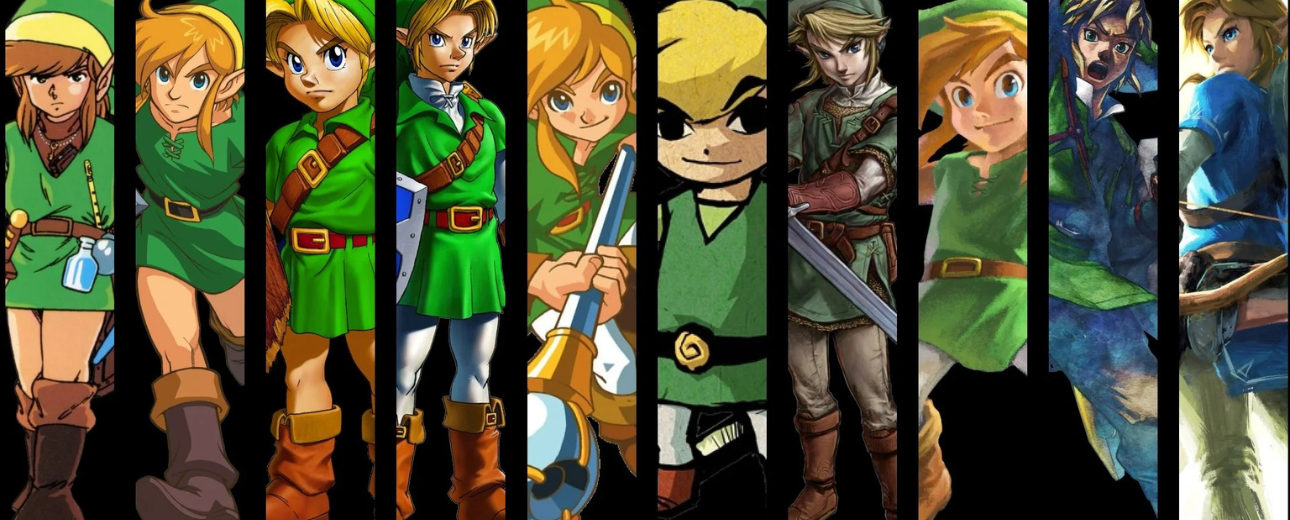
When you think of video game heroes, one name inevitably rises to the surface—Link, the green-clad champion of The Legend of Zelda series. For over three decades, this silent protagonist has captured the hearts of millions, wielding the Master Sword through countless adventures across timelines, dimensions, and incarnations.
The Silent Warrior Who Changed Gaming Forever
Created by the legendary game designer Shigeru Miyamoto and his team at Nintendo, Link first appeared in 1986 in the original The Legend of Zelda for the Nintendo Entertainment System, and he has since become one of the most recognizable and beloved characters in gaming history.
What makes Link so enduring? Unlike many protagonists who evolve through dialogue and personality, Link’s strength lies in his silence—he becomes whoever the player needs him to be. He is courage personified, the eternal spirit of heroism reborn across generations to face the forces of darkness threatening the kingdom of Hyrule. Whether he is a farm boy discovering his destiny, a child thrust into adult responsibilities, or a seafaring adventurer exploring distant islands, Link represents the universal hero’s journey that resonates across cultures and generations.
The Legend of Zelda franchise has sold over 150 million copies worldwide as of 2024, making it one of Nintendo’s most successful properties alongside Mario and Pokemon. Yet Link’s influence extends far beyond sales figures. He has shaped action-adventure game design, influenced countless developers, inspired an ocean of fan art and cosplay, and become a cultural icon recognized even by those who have never picked up a controller. His image—the green tunic, pointed cap, shield, and sword—is as iconic as any superhero’s costume.
This comprehensive exploration will delve into every facet of Link’s character, from his mysterious origins and the creative decisions that birthed him, to his abilities, relationships, media appearances, and the massive cultural footprint he has left on popular culture. Whether you are a longtime fan who has played every title or someone curious about why this silent hero endures, this article will illuminate what makes Link not just a character, but a legend. Beyond convention cosplay, everyday fashion has embraced Link’s legacy with numerous retailers specializing in Zelda-themed clothing, allowing fans to incorporate elements of Hyrule’s aesthetic into their daily wardrobes through hoodies, jackets, and accessories.
The Reincarnation Concept: Not One Hero, But Many
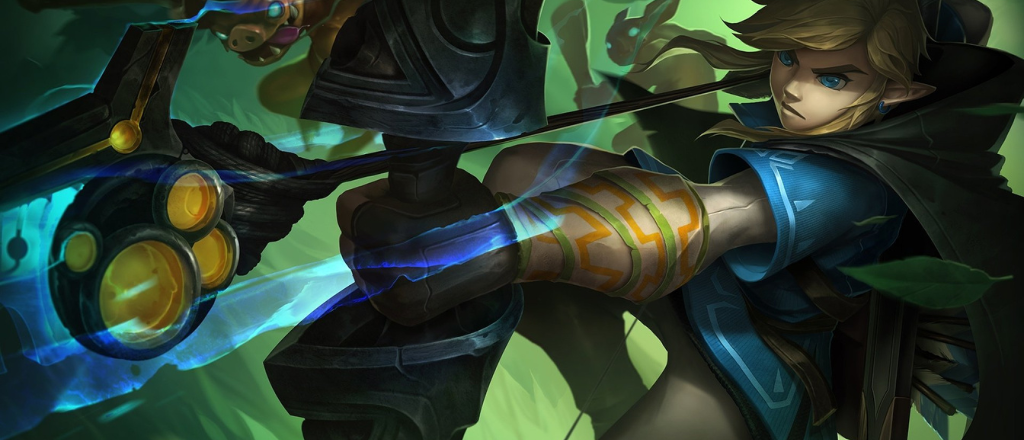
Understanding Link requires understanding a unique narrative structure—he is not one person, but many. According to the official Hyrule Historia and The Legend of Zelda Encyclopedia published by Nintendo, Link is a recurring spirit of heroism that reincarnates throughout Hyrule’s history whenever darkness threatens the land. Each major game typically features a different Link, though some games follow the same incarnation across multiple adventures.
The First Link: 1986 Debut and Creation
The very first Link debuted in The Legend of Zelda (1986), designed by Shigeru Miyamoto as a response to his childhood adventures exploring the countryside around Kyoto, Japan. Miyamoto wanted to capture that sense of exploration and discovery, creating a young hero who could venture into caves, forests, and dungeons. The name Linkwas chosen specifically because Miyamoto envisioned the character as a link between the player and the game world, as explained in various developer interviews compiled in the book The Legend of Zelda: Art and Artifacts.
Design Philosophy: The Iconic Green Tunic
From a design perspective, Link’s iconic appearance was partially influenced by practical limitations. The green tunicmade him easily distinguishable on the NES’s limited color palette, while his left-handed sword grip (in most games) was reportedly inspired by Miyamoto’s own left-handedness. The pointed cap and elf-like ears established him as part of the Hylian race, a people with ancient connections to the goddesses who created Hyrule.
Early Adventures: Building the Legend
The original Link was described simply as a young man who discovered his destiny to rescue Princess Zelda and defeat the evil Ganon. This straightforward hero’s journey would be elaborated upon with each subsequent game. In The Adventure of Link (1987), we learned more about his courage and determination as he faced new trials to awaken a sleeping princess.
Ocarina of Time: The Defining Origin Story
The defining origin story came with Ocarina of Time (1998), which introduced the concept that would shape the entire franchise’s lore. This Link was a Kokiri—or so he believed—a forest child raised among fairy-folk without a fairy companion of his own. The game revealed he was actually a Hylian, left in the Kokiri Forest by his dying mother fleeing a civil war, as confirmed in supplementary materials and dialogue within the game. This origin story of an orphan with a hidden noble destiny has become perhaps the most iconic Link backstory, referenced and echoed in later titles.
Timeline Split: Three Parallel Destinies
According to Hyrule Historia’s official timeline, the franchise splits into three parallel timelines following Ocarina of Time’s conclusion, each spawning different Link incarnations. The Hero of Time timeline leads to Majora’s Mask and Twilight Princess. The fallen hero timeline spawns A Link to the Past, Link’s Awakening, and the original games. The child timeline produces The Wind Waker, Phantom Hourglass, and Spirit Tracks.
Different Incarnations: Unique Origins Across Games
Different incarnations have different origins. The Link in The Wind Waker starts as a simple island boy celebrating his coming-of-age birthday, only later discovering he is descended from the Hero of Time. The Link in Twilight Princessbegins as a humble rancher in Ordon Village, content with a simple life before darkness literally transforms his world. The Link in Skyward Sword, chronologically the first in the timeline, starts as a knight-in-training on a floating island called Skyloft, making him the original hero whose spirit would reincarnate throughout history.
Breath of the Wild: A Tragic Beginning
Breath of the Wild and Tears of the Kingdom present perhaps the most tragic origin. This Link was a child prodigywho demonstrated exceptional skill with weapons, appointed as Princess Zelda’s personal knight at a young age. According to recovered memories in both games, the pressure to be the perfect, silent knight caused him to suppress his personality and become emotionally distant, a revelation that added psychological depth to his characteristically silent nature.
Behind the Scenes: Creative Development
The creative genesis of Link also involves interesting behind-the-scenes details. Early concept art showed Link with different hair colors and outfit designs before settling on the iconic blonde-haired, green-tunic look. Miyamoto has stated in interviews that he envisioned Link as approximately 12-17 years old in most incarnations, deliberately keeping him young to appeal to Nintendo’s family-friendly demographic while still allowing him to face adult challenges.
The Philosophy of Silence
The decision to make Link primarily silent was both practical and philosophical. Miyamoto wanted players to project themselves onto Link, making their own choices and interpretations of events rather than following a fully-defined character. This design philosophy, explained in a 1999 interview with Miyamoto published in Nintendo Power, has remained remarkably consistent across the series, with Link rarely speaking beyond occasional grunts, shouts, and the rare dialogue choice presented to players.
The character’s iconic green tunic has inspired countless apparel items, with fans particularly drawn to comfortable everyday wear like hoodies featuring Hylian crests, Triforce symbols, and Master Sword designs that allow them to showcase their love for the hero in casual settings.
Personality and Traits: The Courage Within Silence
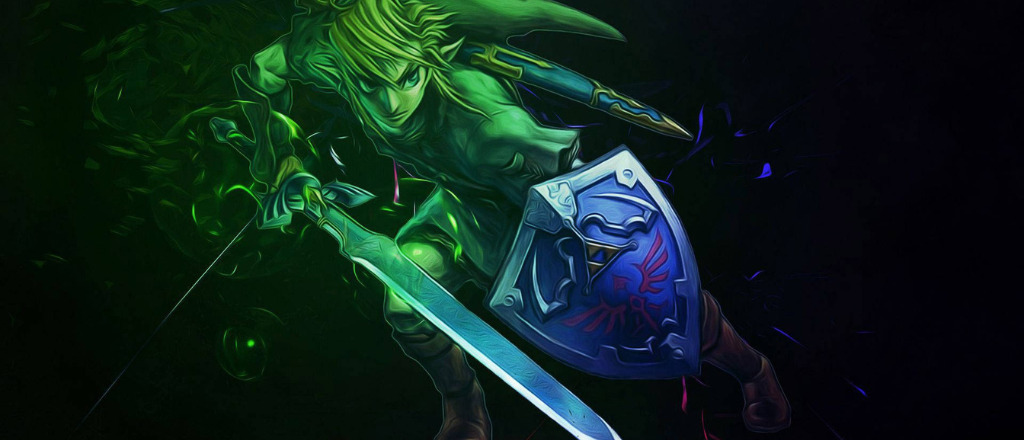
Despite—or perhaps because of—his silence, Link possesses one of gaming’s most compelling personalities. He embodies the Triforce of Courage, one of three sacred golden triangles created by the goddesses Din, Nayru, and Farore. This is not merely symbolic; according to series lore, those who possess the Triforce of Courage literally carry divine bravery within their souls.
Unwavering Determination
Across incarnations, certain personality traits remain consistent. Link demonstrates unwavering determination, never backing down from challenges no matter how insurmountable they appear. In Ocarina of Time, he faces the prospect of becoming an adult to fight evil, sacrificing his childhood. In The Wind Waker, he ventures across a vast ocean despite having no sailing experience, driven by the need to rescue his kidnapped sister. In Breath of the Wild, he awakens after a century-long slumber to a world devastated by his failure, yet immediately resumes his quest without hesitation.
Compassion and Empathy
His compassion extends beyond his primary quest. Link routinely helps ordinary people with their problems, from reuniting lovers to finding lost pets, catching bugs for collectors, and delivering letters. These side quests are not mandatory for completing games, yet they reveal Link’s character—he is someone who cannot ignore suffering, no matter how small. In Majora’s Mask, this trait is central to the game’s design, where Link must help the troubled residents of Termina face their fears and regrets before a moon crashes into the world.
Humility and Selflessness
Link’s humility stands out in an era of boastful heroes. He never seeks recognition or reward for his deeds. In The Wind Waker, when finally acknowledged as the hero, he seems almost embarrassed by the title. In Twilight Princess, he downplays his abilities even as he saves entire regions from darkness. This humility makes him relatable; he is extraordinary in ability but ordinary in ego.
Loyalty and Deep Bonds
His loyalty runs deep, particularly to Princess Zelda across incarnations and timelines. Whether she is a childhood friend, a wise princess, a pirate captain, or a researcher, Link’s dedication to protecting her is absolute. Yet this is not blind devotion—it stems from genuine connection and shared purpose rather than obligation. In Skyward Sword, Zelda is literally his best friend before destiny separates them, making their bond the emotional core of that story.
Adaptability and Intelligence
Link demonstrates remarkable adaptability and learning ability. He masters new weapons and items within moments, learns songs that control time and weather, and adapts to transformations that turn him into a wolf, a Deku Scrub, a Goron, or a Zora. In Breath of the Wild, he utilizes a complex physics-based chemistry system, combining environmental elements in creative ways that demonstrate quick thinking and intelligence.
Sense of Justice
His sense of justice is unwavering but not simplistic. Link fights monsters and villains, but games occasionally present moral complexity. In Twilight Princess, some enemies were once innocent people transformed by dark magic, adding tragedy to combat. Link’s justice is about protecting the innocent and stopping evil, not about revenge or cruelty.
Personality Variations Across Games
Interestingly, different games highlight different personality facets. The Link in The Wind Waker is more expressive, with visible emotions animated on his face—determination, fear, joy, and sadness all play across his features in cel-shaded clarity. The Link in Twilight Princess appears more mature and stoic, bearing his burdens with quiet strength. The Link in Skyward Sword seems younger and more optimistic, still believing in the goodness of the world.
The Psychology of Silence
Breath of the Wild adds psychological depth by revealing that Link’s silence was a conscious choice. Zelda’s diary entries, discovered by players, reveal that Link once spoke more freely but gradually closed himself off as the weight of expectations grew. He became the stoic knight everyone expected, suppressing his true self. This revelation recontextualizes his entire character across games—his silence is not just a gameplay mechanic but a character trait born from pressure and responsibility.
Creativity and Curiosity
Link also displays creativity and curiosity. He experiments with cooking in Breath of the Wild, plays musical instruments across games, and solves elaborate puzzles that require lateral thinking. His curiosity drives him to explore every corner of Hyrule, check every suspicious wall, and investigate every unusual sound or sight.
Courage Despite Fear
Despite his heroism, Link is not invulnerable to fear or doubt. In several games, he faces moments of visible fear—the first time he draws the Master Sword and ages seven years in Ocarina of Time, the moon bearing down in Majora’s Mask, facing Ganondorf in final battles. What defines Link is not the absence of fear but the courage to act despite it, the very essence of the Triforce he carries.
Link’s image appears across casual fashion, with Zelda t-shirts offering fans an accessible way to showcase their favorite hero through designs ranging from minimalist logos to detailed character illustrations.
Abilities, Powers, and Skills: Arsenal of the Hero
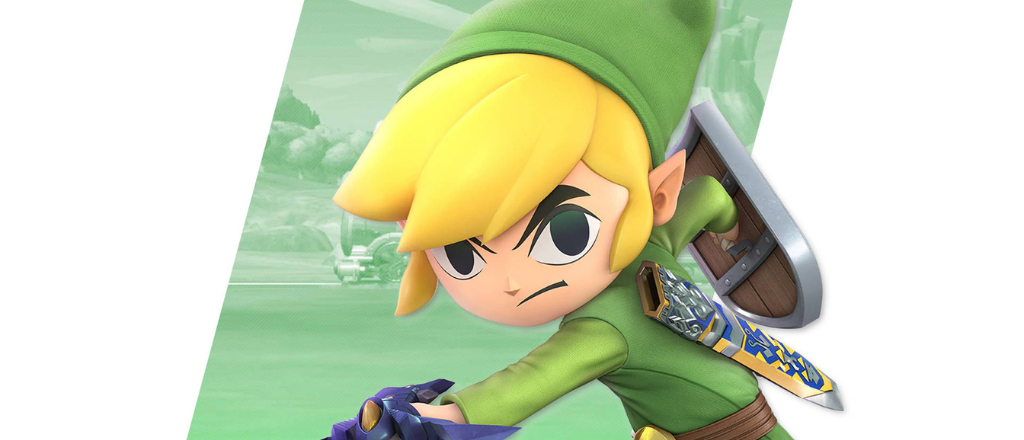
Link’s combat prowess and diverse skill set have evolved dramatically across games, but certain core abilities define him as a warrior and hero. His primary weapons—sword and shield—represent not just tools but symbols of his role as Hyrule’s protector.
The Master Sword: Blade of Evil’s Bane
The Master Sword, also called the Blade of Evil’s Bane, is Link’s most iconic weapon. First introduced in A Link to the Past (1991), this sacred blade can only be wielded by heroes deemed worthy. According to Skyward Sword’s storyline, the sword was originally the Goddess Sword, infused with the spirit of the goddess Hylia’s attendant, Fi, and tempered through trials to become the Master Sword. The blade possesses its own consciousness and can repel evil, never breaking regardless of how much damage it sustains in most games (though Breath of the Wild introduced a durability mechanic where it temporarily runs out of power). The sword literally glows in the presence of evil and, in some incarnations, shoots sword beams when Link is at full health.
Swordsmanship and Combat Techniques
Link’s swordsmanship incorporates various techniques learned throughout adventures. In Ocarina of Time, he learns the Jump Strike, Spin Attack, and other moves from training. Twilight Princess features the Hidden Skills, seven secret sword techniques taught by the Hero’s Shade, the ghostly form of the Hero of Time. These include the Ending Blow, Shield Attack, Back Slice, and Mortal Draw, representing advanced combat training. Skyward Sword introduced motion-controlled swordplay, requiring players to aim strikes precisely to defeat enemies, while Breath of the Wildpresented a more open combat system with perfect dodge mechanics triggering Flurry Rush counters.
The Hylian Shield: Ultimate Defense
His shield work is equally important. The Hylian Shield, introduced in Ocarina of Time, has become almost as iconic as the Master Sword. This nearly indestructible shield can block almost any attack, from sword strikes to dragon fire. Link demonstrates mastery of shield techniques including the Shield Bash, which stuns enemies, and parrying, which deflects projectiles—even Guardian laser beams in Breath of the Wild.
Ranged Weapons and Tools
Beyond swords and shields, Link masters an impressive arsenal of weapons and tools:
The bow and arrow appears in virtually every game, with Link demonstrating expert marksmanship. He can shoot moving targets while running, hit distant switches, and even fire while riding horseback. Special arrows include Fire Arrows that ignite targets, Ice Arrows that freeze enemies, Light Arrows that vanquish evil, Bomb Arrows for explosive damage, and Ancient Arrows that disintegrate powerful foes.
Bombs have been essential tools since the original game, used for destroying walls, defeating enemies, and solving puzzles. Different games feature variations like Remote Bombs controlled by Link, Bombchus that crawl along surfaces, and Powder Kegs for massive demolition.
The Hookshot and Longshot allow Link to grapple to distant targets, pull himself across chasms, stun enemies, and retrieve items. The Clawshot in later games provides similar functionality with enhanced features.
Boomerangs stun enemies, activate switches, and retrieve distant items. The Gale Boomerang in Twilight Princess creates wind currents, while the Boomerang in The Wind Waker can target multiple enemies simultaneously.
Various rods and magical items grant elemental control. The Fire Rod shoots flames, the Ice Rod creates freezing blasts, and the Rod of Seasons in Oracle of Seasons changes the environment itself.
Magical Abilities and Musical Powers
Link’s magical abilities vary by incarnation but often include:
Magical songs played on the Ocarina of Time, controlling weather, time passage, and teleportation. The Song of Stormssummons rain, the Song of Time opens temporal doors, and the Sun’s Song changes day to night. The Wind Wakerallows control of wind direction for sailing. The Spirit Flute in Spirit Tracks and various other instruments in different games demonstrate Link’s musical aptitude as a source of power.
Transformation Abilities
Transformation abilities appear in several games. In Majora’s Mask, Link wears masks that transform him into a Deku Scrub, Goron, or Zora, each with unique abilities—Deku Link can fly short distances with Deku Flowers, Goron Linkrolls at high speeds and becomes immune to heat, and Zora Link swims at incredible speeds and generates electrical barriers. In Twilight Princess, Link transforms into a wolf, gaining enhanced senses, the ability to dig, and unique combat moves.
Physical and Athletic Abilities
Link’s physical abilities are superhuman by normal standards. He can run for extended periods without tiring, climb sheer cliff faces (particularly in Breath of the Wild where climbing is a core mechanic), swim across vast lakes and oceans, and lift massive objects like boulders with the Golden Gauntlets or Power Bracelets. His stamina in later games like Skyward Sword and Breath of the Wild is measured as a resource, but even when depleted, he recovers remarkably quickly.
His jumping and acrobatic abilities have increased with technological advances. Early games limited jumping to specific contexts, but later titles like Ocarina of Time introduced automatic jumping at ledges, while Breath of the Wild and Tears of the Kingdom gave players full control over jumping and paragliding, allowing for incredible aerial maneuvers.
Survival and Horseback Skills
Link demonstrates survival skills including hunting, gathering, cooking (in Breath of the Wild), and crafting. He can tame and ride horses, demonstrated beautifully in his relationship with Epona, his loyal steed who appears across multiple incarnations. His horseback riding skills include mounted combat, archery from horseback, and navigating treacherous terrain.
Puzzle-Solving Intelligence
His puzzle-solving intelligence is perhaps his most underrated ability. Link navigates elaborate dungeons filled with environmental puzzles, logic challenges, and combat trials. He must remember patterns, experiment with item combinations, manipulate time and space, and think in three dimensions to progress. Some puzzles require observation of environmental clues, while others demand trial and error and creative thinking.
Limitations and Weaknesses
Link’s limitations are important to note. He is not invincible—he can be injured, poisoned, frozen, and killed. His weapons can break (especially in Breath of the Wild), and his magical items require resources like magic power or stamina. He must eat and rest, shown in games where health regeneration requires consuming food or resting at inns. He cannot fly without magical assistance, and certain enemies require specific strategies to defeat—brute force alone does not always work.
His silence, while a personality trait, could be considered a limitation in social situations where communication might solve problems more easily than combat. Yet Link consistently finds ways to overcome obstacles through action rather than words, demonstrating that heroism needs no voice.
Link’s influence extends beyond wearables into living spaces, with Zelda decoration items allowing fans to transform their homes into personal shrines celebrating Hyrule’s legendary hero and iconic imagery.
Relationships and Allies: Bonds Across Time and Space
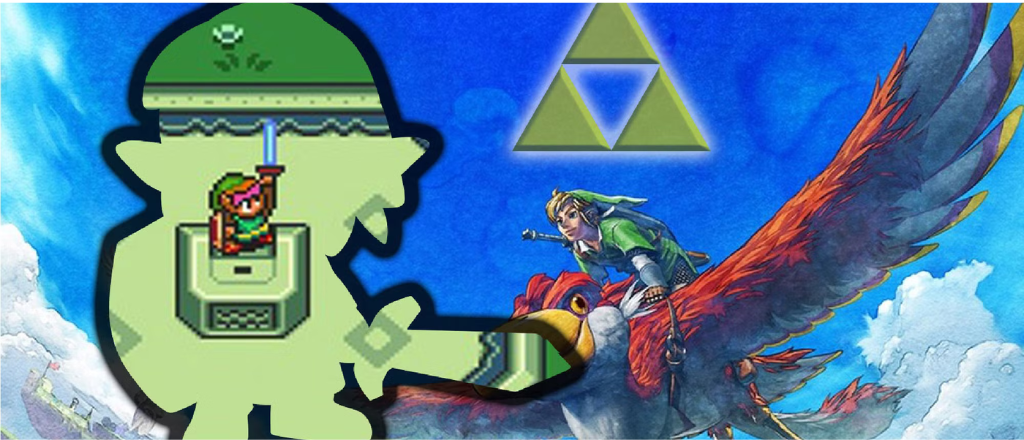
Despite his solitary journey symbolism, Link forms deep relationships that define his adventures and character development. These connections provide emotional weight to his quests and reveal different facets of his personality.
Princess Zelda: The Eternal Partnership
Princess Zelda stands as Link’s most consistent and important relationship across the series. Their connection transcends simple hero-saves-princess dynamics, evolving into a complex partnership rooted in shared destiny. In Ocarina of Time, Zelda first appears as the young princess who foresees Hyrule’s destruction, trusting Link with her prophetic visions. Their relationship deepens when she reveals her identity as Sheik, having disguised herself as a male Sheikah warrior to survive Ganondorf’s takeover. This Zelda is Link’s guide and ally, not merely a damsel in distress.
In Skyward Sword, Zelda is literally Link’s childhood best friend before destiny separates them. Their bond provides the game’s emotional core—Link’s quest is deeply personal, driven by love and friendship rather than duty alone. The game’s ending, where Zelda chooses to remain in the past to maintain the seal on evil, adds bittersweet sacrifice to their relationship.
The Wind Waker presents Zelda as the pirate captain Tetra, unaware of her royal heritage until Link’s quest reveals the truth. This Zelda is tough, sarcastic, and independent, creating a dynamic where she and Link are equals and companions rather than royal and subject.
Breath of the Wild offers perhaps the most nuanced Zelda relationship. Through recovered memories, players witness a complicated dynamic where Zelda initially resents Link’s success while she struggles to awaken her own powers. Her diary entries reveal her gradual understanding and appreciation of Link’s burden. By the game’s emotional climax, their bond has transformed into deep mutual respect and affection, with Zelda holding back Calamity Ganon alone for a century while Link recovers.
Fairy Companions and Guides
Link’s relationship with Navi, his fairy companion in Ocarina of Time, begins with annoyance—her constant “Hey! Listen!” reminders are simultaneously helpful and irritating. Yet by the game’s end, when Navi departs without explanation, her absence is profound. Tatl and Tael in Majora’s Mask, Midna in Twilight Princess, Fi in Skyward Sword, and other companions serve similar roles, evolving from guides to genuine friends.
Midna: The Twilight Princess Bond
Midna deserves special mention as perhaps Link’s most complex companion relationship. In Twilight Princess, she begins as manipulative and self-serving, using Link to achieve her own goals of reclaiming the Twilight Realm. Their relationship develops through shared trials into genuine friendship and possibly romance, with Midna’s departure at the game’s end representing one of the series’ most emotional moments. The destruction of the Mirror of Twilight ensures they can never reunite, making their bond’s ending particularly poignant.
Ganondorf: The Eternal Enemy
Link’s relationship with Ganondorf/Ganon is the eternal conflict of good versus evil, courage versus power. Yet certain games add complexity. In The Wind Waker, Ganondorf delivers a monologue revealing his motivations—jealousy of Hyrule’s green lands compared to his desert home. This humanization does not excuse his evil but adds tragedy to their conflict. The cycle of their reincarnation and eternal battle, explained in series lore, means Link and Ganondorf are bound together across timelines, forever destined to clash.
Friends and Childhood Bonds
Across games, Link forms friendships with diverse characters. Saria, his childhood friend in Ocarina of Time, represents his innocent past in Kokiri Forest. Their farewell when he leaves the forest and her eventual transformation into a Sagecreates emotional resonance. Ruto, the Zora Princess, humorously claims Link as her fiancé after he rescues her as a child, creating awkwardness when they meet again as adults—she is now a Sage, and her childhood crush has matured into respectful friendship.
Epona: The Loyal Companion
Link’s relationship with his horse Epona across games demonstrates his capacity for connection beyond human characters. Epona is loyal, brave, and responds to Link’s playing of Epona’s Song. Their bond represents freedom and companionship, with Epona often appearing when Link needs her most.
Helping Others: Majora’s Mask Connections
In Majora’s Mask, Link befriends the Happy Mask Salesman, Tatl, and the spirit of the Deku Butler’s son, among others. The game’s side quests focus on helping people with personal problems—reuniting Kafei and Anju, helping Romani protect her ranch, and aiding the Deku Princess. These relationships are temporary but meaningful, showing Link’s impact on individual lives beyond grand heroics.
Family Bonds: Aryll and Personal Motivation
The Link in The Wind Waker has a younger sister, Aryll, whose kidnapping initiates his quest. His motivation is intensely personal—not saving the world, but saving family. This grounds his heroism in relatable emotion.
Sages and Spiritual Mentors
Link’s interactions with the various sages and spiritual guides across games—Rauru, Impa, the Deku Tree, and others—position him as a student and recipient of wisdom. These mentors recognize his potential and guide his growth, but they also rely on his courage to accomplish what they cannot.
Enemy-Turned-Ally Dynamics
Enemy-turned-ally relationships appear occasionally. In Spirit Tracks, Chancellor Cole initially appears as an advisor before revealing himself as a villain. Conversely, characters like Groose in Skyward Sword begin as arrogant rivalsbefore becoming genuine supporters.
The Goddesses: Distant Divine Forces
Link’s relationship with the goddesses—Din, Nayru, Farore—and later Hylia, is distant yet foundational. These divine beings created Hyrule and granted Link his courage, but they rarely interact directly. They represent the cosmic forcesthat set Link’s destiny in motion, operating beyond personal relationship but fundamentally shaping his existence.
Romantic Ambiguity
Interestingly, romantic relationships remain largely ambiguous in the series. While various characters express attraction to Link—Zelda in some games, Midna, Malon in Ocarina of Time, Paya in Breath of the Wild—Nintendo deliberately keeps romance subtle and unconfirmed. This allows players to interpret relationships according to their preferences while maintaining the games’ focus on adventure over romance.
Link’s adventures have inspired official building sets, with Zelda LEGO collections allowing fans to reconstruct iconic locations like the Great Deku Tree and memorable scenes brick by brick.
Appearances in Media: The Evolution of a Legend
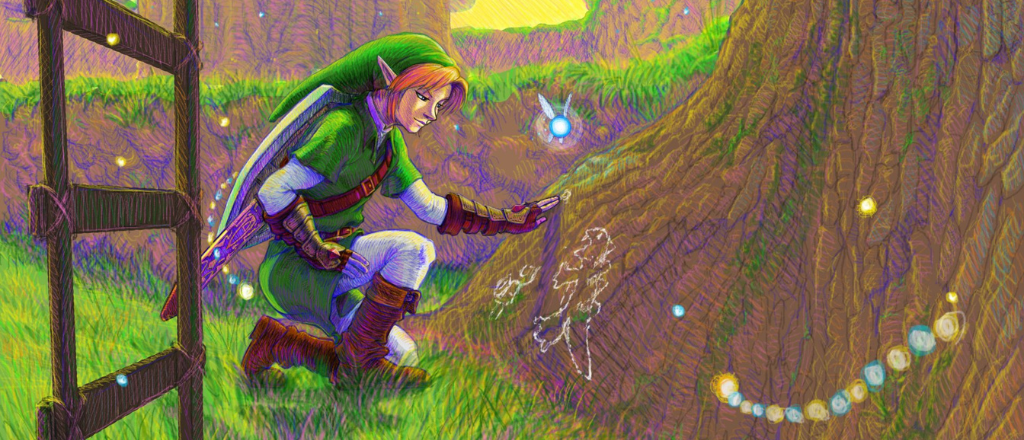
Link’s journey through gaming history reflects technological evolution and creative experimentation across over 35 years and dozens of games across every Nintendo platform.
The Original NES Era (1986-1987)
The Legend of Zelda (1986) introduced Link to the world on the NES. This top-down adventure featured a silent hero exploring an open world, collecting items in dungeons, and defeating Ganon to rescue Princess Zelda. The gold cartridgebecame iconic, and the game’s non-linear exploration was revolutionary for its time. Link’s 8-bit sprite was simple but distinctive with his green tunic and shield.
Zelda II: The Adventure of Link (1987) dramatically changed the formula with side-scrolling action, RPG elementsincluding experience points and leveling, and significantly increased difficulty. While controversial for its departure from the original’s style, it expanded Link’s abilities to include downward and upward sword strikes and magic spells.
Super NES and the Master Sword Debut (1991)
A Link to the Past (1991) on the Super NES returned to top-down perspective while vastly expanding the game world with the Dark World/Light World duality. This Link wielded the Master Sword for the first time and traveled between parallel dimensions. The game established much of the series’ core lore and dungeon-item progression structure, becoming one of the most beloved entries.
Portable Adventures: Game Boy Era (1993-2001)
Link’s Awakening (1993) brought the series to Game Boy with a surreal adventure on Koholint Island. This game revealed Link’s vulnerable side as he navigates a world that may be a dream, ultimately making a heartbreaking choiceto awaken and destroy the island and its inhabitants. The 2019 Nintendo Switch remake updated the graphics with a charming toy-like aesthetic.
Oracle of Seasons and Oracle of Ages (2001) for Game Boy Color featured a unique linked-game system where completing both games unlocked the true ending. Link traveled to the lands of Holodrum and Labrynna, wielding the Rod of Seasons and Harp of Ages respectively to manipulate time and seasons.
The 3D Revolution: Nintendo 64 (1998-2000)
Ocarina of Time (1998) revolutionized gaming with its transition to 3D on Nintendo 64. This Link experienced the most comprehensive character development to that point, aging from child to adult, learning to play the ocarina, and engaging with a cast of memorable characters. The game’s Z-targeting combat system, dungeon design, and cinematic presentation influenced countless games that followed. According to Metacritic, it remains one of the highest-rated games ever made.
Majora’s Mask (2000) took the Ocarina of Time engine in a dark, psychological direction. This Link, confirmed to be the same Hero of Time, searches for Navi while trapped in a three-day time loop before the moon destroys Termina. The game explores themes of grief, loss, and acceptance through transformation masks and side quests focused on helping people face their mortality.
GameCube and the Cel-Shaded Era (2002-2004)
The Wind Waker (2002) shocked fans with its cel-shaded, cartoon art style, which eventually became beloved for its timeless beauty and expressiveness. This Link sailed across a vast ocean, exploring islands and uncovering the truth about the flooded Hyrule beneath the waves. The game’s visual design made Link more expressive than ever, his eyes following enemies and his face showing clear emotions.
Four Swords Adventures (2004) and its predecessor Four Swords focused on multiplayer cooperation with four differently colored Links working together. These games emphasized teamwork and puzzle-solving over traditional solo adventure.
The Minish Cap (2004) for Game Boy Advance featured a young Link who could shrink to tiny size, exploring the world from a new perspective with his talking cap companion, Ezlo.
Wii Era: Motion Controls and Origins (2006-2011)
Twilight Princess (2006) launched on both GameCube and Wii with a darker, more realistic art style appealing to fans who wanted a mature adventure. This Link transformed into a wolf, explored the shadow-filled Twilight Realm, and rode Epona through expansive fields. The Wii version’s motion controls allowed players to swing the sword by moving the controller, though this received mixed reception.
Phantom Hourglass (2007) and Spirit Tracks (2009) for Nintendo DS continued The Wind Waker’s timeline with touch-screen controls and stylus-based gameplay. Link sailed in the first and conducted a train in the second, both featuring cel-shaded graphics and cooperative gameplay with Zelda’s spirit possessing phantoms.
Skyward Sword (2011) on Wii served as the series’ chronological origin story. This Link lived in the sky civilization of Skyloft, and his love for Zelda drove his quest to the surface world below. The game’s motion controls required precise sword movements, and the game established that Link and Zelda are eternally reincarnating spirits locked in an eternal battle against demonic forces.
3DS Innovation (2013-2015)
A Link Between Worlds (2013) for Nintendo 3DS reinvented A Link to the Past’s Hyrule with a fresh perspective and the ability to merge into walls as a 2D painting. This mechanic revolutionized puzzle design and movement.
Tri Force Heroes (2015) emphasized cooperative three-player gameplay with costume-based abilities, though its reception was mixed due to communication challenges in online play.
The Open-World Revolution (2017-2023)
Breath of the Wild (2017) represented the most radical reinvention of the series. This open-world masterpiece for Nintendo Switch and Wii U placed Link in a vast, physics-based Hyrule where he could climb any surface, cook food, battle enemies with degradable weapons, and approach objectives in any order. According to Nintendo’s financial reports, the game sold over 31 million copies, becoming one of the best-selling Zelda games ever and receiving universal critical acclaim. This Link awakened after a century-long slumber with amnesia, slowly recovering his memories of his failure to stop Calamity Ganon.
Tears of the Kingdom (2023) continued Link’s story from Breath of the Wild with new abilities including Fuse(combining objects to create weapons and tools), Ultrahand (manipulating objects in space), Ascend (rising through ceilings), and Recall (reversing object movement through time). The game expanded vertically with sky islands and underground depths, selling over 10 million copies in its first three days according to Nintendo’s press releases.
Spin-offs and Alternative Gameplay
Beyond main series games, Link appears in various spin-offs. Hyrule Warriors (2014) and its sequels presented musou-style combat where Link battles hundreds of enemies simultaneously. Cadence of Hyrule (2019) merged Zelda gameplay with rhythm game mechanics. Link’s Crossbow Training (2007) focused on target shooting.
Crossover Appearances
Link has also crossed over into other franchises. He appears as a playable fighter in every Super Smash Bros. game since the original (1999), with multiple versions—Young Link, Toon Link, and standard Link all playable in Super Smash Bros. Ultimate (2018). His move set includes sword strikes, bomb throwing, boomerang attacks, and bow shots, making him a versatile mid-range fighter.
Link appeared in Soulcalibur II (2003) as a GameCube-exclusive guest character, wielding the Master Sword and Hylian Shield in a 3D fighting game context.
Non-Gaming Media: Television and Animation
In terms of non-gaming media, Link appeared in a 1989 animated television series produced by DIC Entertainment, which aired as part of the Super Mario Bros. Super Show. This Link was voiced by Jonathan Potts and had an entirely different personality—cocky, verbose, and perpetually trying to kiss Princess Zelda, who would respond with “Excuse me, Princess!” This interpretation is widely considered non-canon and is remembered more for its memetic value than faithful characterization.
Comics and Manga Adaptations
A series of comic books published by Valiant Comics in 1990-1991 adapted the games into storylines, though these took significant creative liberties.
Various manga adaptations have been published, particularly by Akira Himekawa, whose multi-volume interpretations of Ocarina of Time, Majora’s Mask, and other games present Link with more defined personality and internal dialoguewhile remaining faithful to game plots.
Cultural References and Parodies
Link has been referenced, parodied, and paid homage to in countless other media, from television shows to films, music videos, and internet content, cementing his status as a transcendent gaming icon.
Link’s striking visual design translates beautifully to wall art, with Zelda posters featuring everything from minimalist Triforce designs to epic scenes of the hero battling Ganon across Hyrule’s landscapes.
Cultural Impact and Legacy: A Hero for Generations
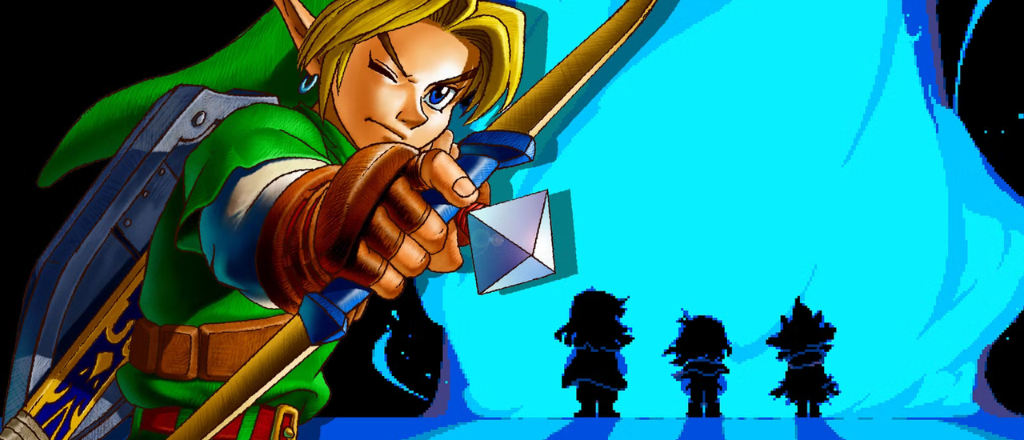
Link’s cultural footprint extends far beyond the boundaries of gaming, influencing design philosophy, fan culture, and popular consciousness in ways few characters have achieved.
Influence on Game Design
The character’s influence on game design is immeasurable. According to game design historians and documented in books like The Legend of Zelda: Hyrule Historia, the Zelda series pioneered numerous mechanics that became industry standards—Z-targeting combat systems, context-sensitive actions, musical puzzles, and the action-adventure genre itself. Link’s adventures demonstrated that games could tell emotionally resonant stories without extensive dialogue, that exploration could be its own reward, and that player freedom and structured progressioncould coexist.
Cosplay Community and Costume Culture
The cosplay community has embraced Link enthusiastically. His iconic design—green tunic, brown belts and boots, pointed cap, shield, and sword—is recognizable yet approachable for crafters of all skill levels. At conventions worldwide, Link cosplayers are ubiquitous, with variations representing different games from Ocarina of Time’s detailed adult Link to Breath of the Wild’s Champion’s Tunic and Wild armor. For aspiring cosplayers, Link’s costume can be constructed from readily available materials—green fabric for tunics, craft foam for shields and armor pieces, and wooden dowels for sword props—making him an accessible first cosplay while still allowing for elaborate, screen-accurate builds featuring chainmail, leather work, and electronic components for glowing Master Swords.
Merchandising Empire and Collectibles
The merchandising empire surrounding Link includes action figures, plushes, clothing, jewelry, home goods, and collectibles. Companies like First 4 Figures produce high-end statues costing hundreds of dollars that sell out within hours. The Master Sword and Hylian Shield replicas range from cheap plastic toys to museum-quality metal reproductions costing thousands of dollars. Link’s iconic symbols have been transformed into wearable art, with Zelda jewelry allowing fans to carry pieces of Hyrule through elegant necklaces, rings, and bracelets featuring the Triforce, Master Sword, and Hylian crests. Link’s image appears across casual fashion, with Zelda t-shirts offering fans an accessible way to showcase their favorite hero through designs ranging from minimalist logos to detailed character illustrations. For fans preferring sophisticated fandom expression, Zelda jewelry collections offer refined pieces that celebrate the series through subtle designs recognizable to fellow enthusiasts yet elegant enough for any occasion. Link’s influence permeates everyday life through Zelda accessories including bags, wallets, keychains, and phone cases that blend practical functionality with iconic imagery from the hero’s adventures. Fans can transform their spaces with Zelda decorations featuring iconic symbols, characters, and scenes from throughout the series’ legendary timeline. Wall space dedicated to Link can feature Zelda posters that span the entire franchise aesthetic, from nostalgic 8-bit tributes to breathtaking contemporary artwork. The collaboration between Nintendo and LEGO has produced Zelda LEGO sets that let fans physically build and display pieces of Hyrule, from intricate dungeon designs to character vignettes. Nintendo’s Zelda Amiibo figures serve dual purposes as both detailed collectible sculptures and functional gaming accessories that unlock special content, costumes, and items across multiple Zelda titles. For fans seeking comfort without sacrificing fandom expression, Zelda hoodies offer the perfect blend, featuring artwork spanning from classic green tunic designs to contemporary Champion’s Tunic aesthetics.
Musical Legacy and Orchestral Concerts
Link’s influence on music culture includes orchestral concerts. The Legend of Zelda: Symphony of the Goddessesconcert series has toured globally since 2012, performing full orchestral arrangements of music from across the series to sold-out audiences. Individual tracks like the main theme, Zelda’s Lullaby, and Song of Storms have been covered by countless musicians across genres from classical to metal.
Internet Culture and Memes
The character’s memetic presence online is substantial. Phrases like “Hey! Listen!” and “It’s dangerous to go alone! Take this!” have become internet culture staples. The CD-i Zelda games, while terrible and non-canon, produced YouTube Poop source material that introduced Link to audiences who never played the games. The “Courage” motivational posters featuring Link inspire people facing real-world challenges.
Influence on Other Creative Works
Link’s influence extends to other creative works. Numerous game developers cite The Legend of Zelda as inspirational—the creators of Okami, Dark Souls, and countless indie games acknowledge Link’s adventures as formative influenceson their designs. The hero’s journey structure that Link embodies has been analyzed in academic papers comparing his adventures to Joseph Campbell’s monomyth structure.
Gender Representation and Academic Analysis
Scholarly attention has been paid to Link’s gender representation. His status as a heroic male character who solves problems through courage and compassion rather than aggression alone, who forms meaningful friendships, and who displays emotional vulnerability challenges certain toxic masculine stereotypes. Simultaneously, discussions about why Link has never been female in main series games (despite Zelda producer Eiji Aonuma expressing openness to the idea in interviews) reflect ongoing conversations about representation in gaming.
The Silence Debate
The question of Link’s silence has sparked extensive fan discussion and academic analysis. Some interpret it as lazy characterization, while others see it as brilliant design allowing player projection. The revelation in Breath of the Wild that silence was a character choice added layers to these discussions.
Economic Impact
Link’s economic impact is substantial. According to Nintendo’s financial reports, The Legend of Zelda franchise has generated billions of dollars in revenue through game sales, merchandise, and licensing. Breath of the Wild alone significantly boosted Nintendo Switch sales, with many consumers purchasing the console specifically for that game.
Fan Art and Creative Community
The character’s artistic influence appears in countless fan works. DeviantArt, ArtStation, and similar platforms host hundreds of thousands of Link fan artworks ranging from faithful reproductions to radical reinterpretations. Fan fiction sites contain tens of thousands of stories exploring Link’s character, relationships, and adventures beyond canon. Fan games and ROM hacks extend his adventures into new territories. For fans seeking deeper dives into Link’s world, dedicated Zelda blogs provide ongoing coverage of new merchandise releases, game analyses, collecting guides, and community discussions that keep the fandom thriving.
Real-World Inspiration and Courage
Link’s influence on real-world behavior includes inspiring courage in fans facing challenges. Mental health advocateshave discussed how Link’s perseverance through impossible odds provides comfort and motivation. Parents name children Link—the name appeared on Social Security Administration data with increasing frequency following major game releases.
Awards and Recognition
The character has received numerous accolades. He consistently ranks in top video game character lists published by gaming media outlets. In 2011, the Guinness World Records Gamer’s Edition listed Link as the second best video game character ever, behind only Mario.
Mainstream Recognition
Interestingly, Link’s cultural presence creates awareness of gaming history among non-gamers. His image is recognizable to people who have never touched a controller, similar to characters like Mario or Pikachu. This mainstream recognition demonstrates transcendence beyond the medium of origin.
Fashion and Streetwear Influence
Link’s influence on fashion includes streetwear collaborations. Clothing brands have produced Zelda-themed apparel, and high-end fashion designers have cited the series’ aesthetic as inspiration. The green tunic has become synonymous with adventure and heroism in visual shorthand.
Charitable Works and Community Impact
The character’s legacy includes inspiring charitable works. Fans have organized fundraising events using Zelda themes, speedrunners raise money for charity through marathon gaming sessions of Zelda titles, and the community has consistently demonstrated the positive impact fictional heroes can have on real-world altruism.
Link’s iconic symbols have been transformed into wearable art, with Zelda jewelry allowing fans to carry pieces of Hyrule through elegant necklaces, rings, and bracelets featuring the Triforce, Master Sword, and Hylian crests.
Trivia and Fun Facts: Secrets of the Hero
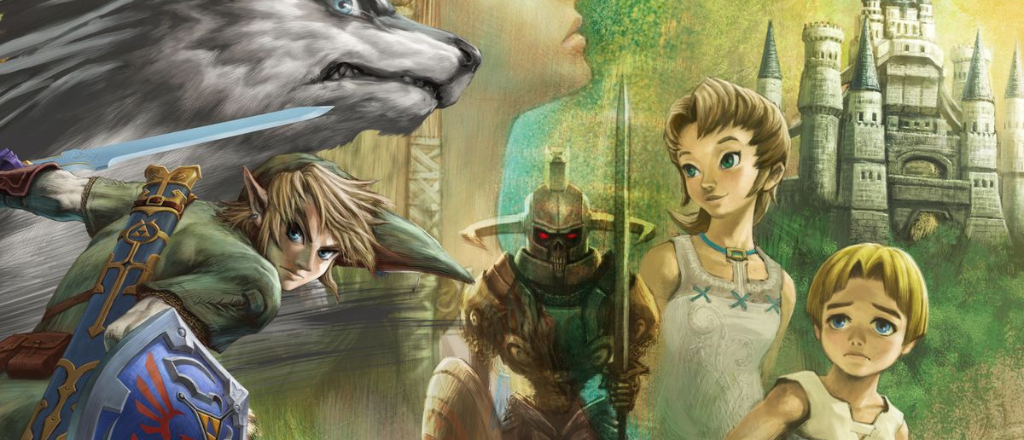
Link’s long history has generated fascinating behind-the-scenes details and fun facts that deepen appreciation for the character:
Link’s name was chosen specifically to represent his role as the “link” between the player and the game world, not as a reference to connecting anything within the game’s plot. Shigeru Miyamoto confirmed this in multiple interviews.
Early Design Concepts
Early concept art for the original game showed Link with different features including darker skin tones and different outfits. The iconic green tunic was partially chosen because it showed up well on the NES’s limited color palette against varied backgrounds.
The Left-Handed Hero (Mostly)
Link is left-handed in most games, reportedly because Miyamoto himself is left-handed. However, the Wii version of Twilight Princess mirrored the entire game world to make Link right-handed, since most players would hold the Wii Remote in their right hand. Skyward Sword and Breath of the Wild also feature right-handed Link.
Early Identity Confusion
The original Legend of Zelda instruction manual in North America incorrectly identified Link as “Link” but also referred to him as “Prince Link” in some sections, creating early confusion about his status that was later clarified—he is not royalty.
Almost Different Names
Link was almost named “Prince” or “Chrys” during development. Imagine an entire generation growing up with “The Legend of Zelda: Ocarina of Time starring Prince.”
Perfect Scaling in Ocarina of Time
In Ocarina of Time, Link’s character model as an adult is exactly twice the size of his child model, maintaining perfect scaling ratios. This mathematical precision helped developers ensure puzzles and environments worked for both ages.
The Rare Spoken Words
Link utters actual words in very rare instances across the series, though players never hear them. In The Wind Waker, he clearly mouths “Come on!” when calling Medli or Makar. In Breath of the Wild, he has full dialogue options when speaking to NPCs, though we only see his choices, not hear him speak them.
Voice Actors Behind the Grunts
The iconic “Hyaaah!” sound Link makes when attacking has been voiced by different actors across games. Nobuyuki Hiyama provided the voice for adult Link in Ocarina of Time, while Fujiko Takimoto voiced young Link. These voice actors have become as associated with the character as the animations themselves.
Cover Art Exception
Link appears on every piece of cover art for main series Zelda games except the original Japanese Famicom Disk System version of The Legend of Zelda, which featured a more abstract design.
The Bremen Mask Easter Egg
In Majora’s Mask, one of the Bremen Mask’s effects is that Link marches while wearing it. If you march all the way from Clock Town to Romani Ranch while wearing it, leading the cuccos, the game acknowledges this absurd achievement.
Official Weight Statistics
Link’s weight has been officially listed in some Japanese guides as approximately 50 kilograms (110 pounds), though this obviously varies by incarnation and age.
The Fierce Deity Almost Cut
The Fierce Deity’s Mask in Majora’s Mask, which transforms Link into a powerful warrior deity, was almost cut from the game due to time constraints during development. Director Eiji Aonuma insisted on keeping it, and it became one of the most memorable elements of the game.
Super Smash Bros. Hidden Detail
In Super Smash Bros. Melee, if Link holds a direction on the control stick while teetering on an edge, his voice will change pitch. This Easter egg has no practical purpose but demonstrates attention to detail.
Motion-Captured Awakening
Link’s awakening animation in Breath of the Wild, where he opens his eyes in the Shrine of Resurrection, was motion-captured from a real person to achieve realistic eye movement and breathing.
Androgynous Design Philosophy
The design team for Breath of the Wild intentionally gave Link a more androgynous appearance to appeal to a broader audience and to allow players of any gender to see themselves in the character more easily, as discussed in the Creating a Champion art book.
The Canonical Death Timeline
Link has died countless times in players’ hands, but canonically, according to the official timeline, there exists a timeline where he actually died fighting Ganon in Ocarina of Time, spawning an entire branch of the timeline.
Wolf Link’s Realistic Animations
In Twilight Princess, Wolf Link’s animations were based on motion studies of actual wolves, lending realistic behavior to this fantastical transformation.
The Silent Princess Detail
Link’s Champion’s Tunic in Breath of the Wild features a small symbol that represents a Silent Princess flower, Zelda’s favorite flower, embroidered near his heart—a subtle detail showing Zelda made or modified the tunic for him.
Speed Over Realism
The running animation for Link in Ocarina of Time was actually sped up from the natural running animation during development because playtesters found the realistic pace too slow for an adventure game, demonstrating how game design prioritizes fun over pure realism.
Understanding Fairy Language
In multiple games, Link’s fairy companions provide hints and information, but according to series lore, Link is supposed to be able to understand fairy language that sounds like chimes to others. This means his silence is even more notable—he understands a language most cannot but still chooses not to speak.
Hylian Language Secrets
The Master Sword’s pedestal in various games bears the inscription “Master Sword” in Hylian, the fictional language of the series. Fans have translated the Hylian alphabet, revealing numerous hidden messages throughout games for dedicated explorers.
Soulcalibur II Non-Canon Ending
Link’s appearance in Soulcalibur II included several alternate costumes, and his ending in that game was deliberately non-canonical, showing him returning to Hyrule through a portal to maintain separation between franchises.
Link’s influence permeates everyday life through Zelda accessories including bags, wallets, keychains, and phone cases that blend practical functionality with iconic imagery from the hero’s adventures.
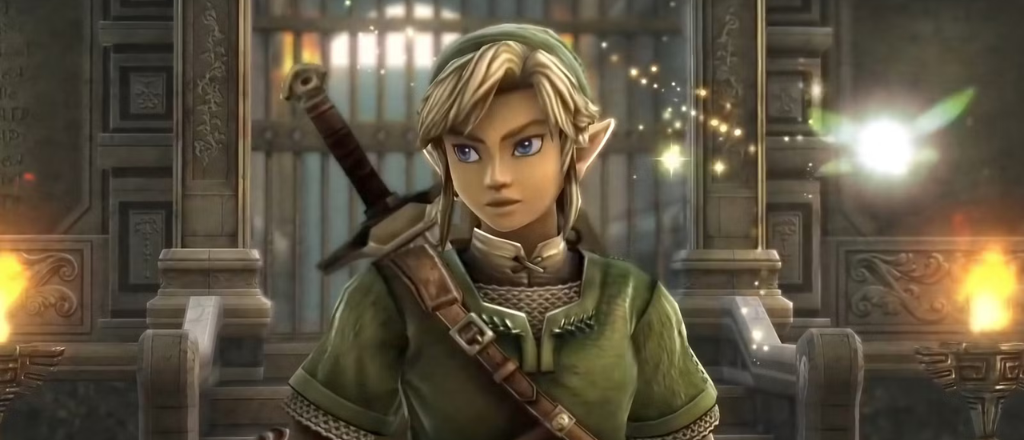
More Than a Character
After exploring the depths of Link’s character, origins, abilities, relationships, and cultural impact, one truth becomes clear—Link is more than a character. He is an ideal, a constant in an ever-changing medium, the embodiment of courage and heroism that resonates across generations, cultures, and platforms.
The Paradox of Link
What makes Link truly special is his paradoxical nature. He is simultaneously a blank slate and a fully-realized character, silent yet expressive, ordinary yet extraordinary. Each player sees something different in Link—some see themselves, others see an aspiration, and still others see a friend guiding them through fantastical worlds. This flexibility, far from being a weakness, is his greatest strength as a character design.
Consistency of Values
As a longtime fan, what makes Link stand out is his consistency of values across decades of games and wildly different incarnations. Whether he is a child in a forest, a young man on an island, a knight in a kingdom, or a hero awakening after a century, Link always embodies courage, compassion, determination, and selflessness. In an era where antiheroes and morally gray protagonists dominate storytelling, Link’s straightforward heroism feels both refreshing and timeless.
Innovation While Respecting Tradition
The evolution of Link across technological generations demonstrates Nintendo’s commitment to innovation while respecting tradition. From 8-bit sprites to vast open-world 3D environments, Link has adapted to every medium without losing his essential identity. Breath of the Wild and Tears of the Kingdom prove that even after 35+ years, there are still new ways to reimagine the hero while maintaining what makes him iconic.
The Future of Link
Looking toward the future, Link’s adventures seem limitless. The success of Breath of the Wild and Tears of the Kingdom suggests that open-world exploration will continue to influence the series, while Nintendo’s history of innovation means future games will likely surprise and delight in unexpected ways. Rumors and speculation about future titles abound in gaming communities, and while specifics remain unknown, Link’s continued relevance seems assured.
Entry Points for New Players
For those who have never experienced The Legend of Zelda, there has never been a better time to begin. The series offers entry points for every preference—sprawling open worlds in Breath of the Wild, classic dungeon crawling in Ocarina of Time or A Link to the Past, experimental storytelling in Majora’s Mask, or charming aesthetics in The Wind Waker. Each game provides a complete, satisfying experience while contributing to a larger mythological tapestry.
Lessons Beyond Gaming
Link teaches us that heroism is not about being the strongest or the smartest or the most powerful. It is about having the courage to act when action is needed, the compassion to help those in need, and the determination to perseverethrough seemingly impossible challenges. These lessons extend beyond gaming into real life, where we all face our own Ganons and must find the courage to draw our own Master Swords, metaphorical though they may be.
A Legend That Continues to Grow
The green-clad hero with the pointed cap and silent resolve has earned his place in the pantheon of cultural icons. Link is not just a character from video games—he is a legend that continues to grow with each generation of players who take up the controller and embark on the eternal quest to save Hyrule, rescue Zelda, and defeat evil. His legacy is measured not in polygons or pixels, but in the millions of hearts he has touched and the imaginations he has inspired.
The Call to Adventure
So whether you are a veteran adventurer who has played every title or a newcomer curious about what makes this hero so special, Link’s story awaits. The Master Sword rests in its pedestal, the kingdom needs saving, and destiny calls. Will you answer?
Nintendo’s Zelda Amiibo figures serve dual purposes as both detailed collectible sculptures and functional gaming accessories that unlock special content, costumes, and items across multiple Zelda titles.
References
- Namco. (2003). Soulcalibur II guest character documentation and promotional materials.
- Nintendo. (2011). The Legend of Zelda: Hyrule Historia. Dark Horse Comics.
- Nintendo. (2013). The Legend of Zelda Encyclopedia. Dark Horse Comics.
- Nintendo. (2017). The Legend of Zelda: Art and Artifacts. Dark Horse Comics.
- Nintendo. (2018). The Legend of Zelda: Breath of the Wild – Creating a Champion. Dark Horse Comics.
- Miyamoto, S. (1999). Interview with Shigeru Miyamoto. Nintendo Power Magazine, Issue 123.
- Aonuma, E. (2013). The Evolution of Zelda: Interview with Eiji Aonuma. Game Informer Magazine.
- Nintendo. (2017-2024). The Legend of Zelda series official website. Nintendo.com.
- Metacritic. (1998-2023). The Legend of Zelda game reviews and scores. Metacritic.com.
- Guinness World Records. (2011). Guinness World Records Gamer’s Edition 2011. Guinness World Records Limited.
- Nintendo. (2017-2023). Nintendo financial reports and investor relations documents. Nintendo.co.jp.
- Himekawa, A. (2008-2016). The Legend of Zelda manga series. Viz Media.
- DIC Entertainment. (1989). The Legend of Zelda animated series. Television broadcast.
- Valiant Comics. (1990-1991). The Legend of Zelda comic series. Valiant Comics.
- Campbell, J. (1949). The Hero with a Thousand Faces. Pantheon Books. (Referenced for comparative mythology analysis)
- Game Developers Conference. (2007-2023). Various presentations and panels featuring Legend of Zelda developers. GDC Vault archives.
- IGN Entertainment. (1996-2024). The Legend of Zelda game guides, reviews, and developer interviews. IGN.com.
- Nintendo Power Magazine. (1988-2012). Various issues featuring Legend of Zelda coverage and developer interviews.
- The Legend of Zelda: Symphony of the Goddesses. (2012-2024). Concert tour official program and materials.
- Super Smash Bros. series. (1999-2018). Character profiles and move descriptions for Link variants. Nintendo.
- Namco. (2003). Soulcalibur II guest character documentation and promotional materials.
For fans seeking deeper dives into Link’s world, dedicated Zelda blogs provide ongoing coverage of new merchandise releases, game analyses, collecting guides, and community discussions that keep the fandom thriving.