
 Canada
 USA
USA Japan
Japan



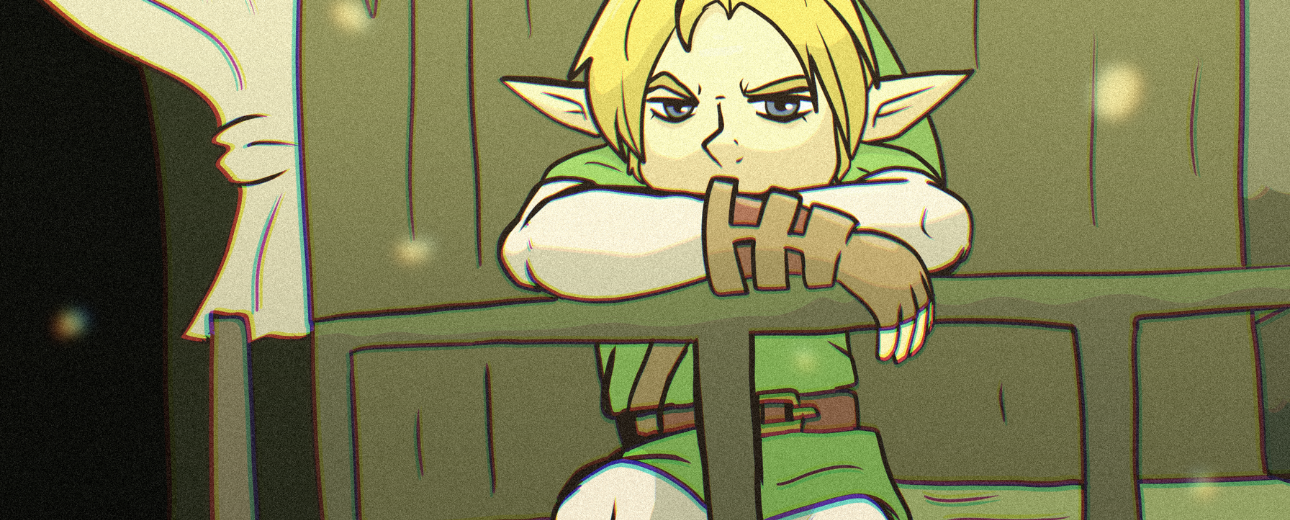
When The Legend of Zelda: Ocarina of Time launched on the Nintendo 64 in November 1998, it didn’t just release a video game—it unleashed a cultural phenomenon that would redefine what adventure games could achieve. As someone who was there on day one, clutching that golden cartridge with trembling hands, I can tell you that nothing could have prepared us for the journey we were about to experience. This wasn’t just Link’s transition into 3D; it was gaming’s evolution into something that transcended entertainment and became art.
Introduction: A Timeless Masterpiece That Defined a Generation
Ocarina of Time represents a perfect storm of innovation, storytelling, and game design that has rarely been matched in the decades since its release. Nintendo didn’t just adapt their beloved Zelda formula to three dimensions—they completely reimagined what an adventure game could be, introducing mechanics and systems that became industry standards almost overnight. The Z-targeting combat system, the context-sensitive actions, the seamless day-night cycle, the emotionally resonant music that you could actually play and control—every element was revolutionary, and somehow they all worked together in perfect harmony.
What makes this game truly special, and why we’re still talking about it over two decades later, is how it managed to capture lightning in a bottle. Ocarina of Time achieved something that most games can only dream of: it appealed to both hardcore gamers seeking complex dungeons and casual players drawn to its enchanting world. It told a story that resonated with children while containing themes and moments that adults found genuinely moving. It was technically impressive for its time yet focused on timeless gameplay rather than flashy graphics. This balance, this magic, is what we’re going to explore in this ultimate guide.
Throughout this comprehensive walkthrough of everything Ocarina of Time, we’ll dive deep into every aspect that makes this game legendary. We’ll explore the intricate story that spans seven years and sees our hero grow from a forest child to the legendary Hero of Time. We’ll break down each dungeon with strategies that will help both first-time players and veterans looking to optimize their runs. We’ll uncover secrets, discuss the music that still gives us chills, analyze the characters that became icons, and examine why this particular Zelda game continues to top “greatest games of all time” lists even as technology has advanced exponentially.
Whether you’re a newcomer curious about what the hype is about, a returning player ready to experience the magic again, or a dedicated fan who speed-runs the game blindfolded, this guide will offer something valuable. We’ll balance nostalgia with critical analysis, celebrating what makes Ocarina of Time special while honestly examining the few areas where time hasn’t been as kind. Most importantly, we’ll capture what it felt like to play this game for the first time—that sense of wonder, discovery, and adventure that defined so many of our childhoods and continues to inspire game developers to this day.
So grab your ocarina, check that your Kokiri Sword is sharp, and make sure Navi is ready to offer helpful (or sometimes not-so-helpful) advice. We’re about to embark on an epic journey through Hyrule, and I promise you, whether it’s your first time or your fiftieth, there’s always something new to discover in this timeless masterpiece. The adventure of a lifetime awaits, and this guide will be your companion every step of the way.

The Revolutionary Impact: How Ocarina of Time Changed Gaming Forever
The Legend of Zelda: Ocarina of Time didn’t just raise the bar for adventure games—it fundamentally altered the trajectory of the entire gaming industry. To truly appreciate this game’s significance, we need to understand the context of its release and the monumental challenges Nintendo faced in bringing their beloved 2D franchise into the third dimension. This wasn’t simply a graphical upgrade; it was a complete rethinking of how players interact with game worlds, how stories could be told, and what depth of experience was possible in an interactive medium.
The Challenge of Bringing Zelda into 3D
Before Ocarina of Time, the transition from 2D to 3D was proving treacherous for many established franchises. Games that had been perfectly designed for two-dimensional play often struggled when given an extra axis to navigate. Nintendo’s challenge was unprecedented: take a series known for tight, precise gameplay and complex dungeons designed around top-down perspectives, and somehow make it work in a fully three-dimensional space without losing the essence of what made Zelda special.
The development team, led by the legendary Shigeru Miyamoto, spent years experimenting with different approaches. Early prototypes reportedly looked nothing like the final game, with some versions featuring a first-person perspective and others struggling with camera controls that made navigation frustrating rather than freeing. The team understood that simply placing Link in a 3D environment wasn’t enough—they needed to solve fundamental problems about how players would orient themselves, target enemies, interact with objects, and navigate complex spaces.
What emerged was a series of innovations that seem obvious in retrospect but were revolutionary at the time. The Z-targeting system (named after the N64’s Z trigger button) allowed players to lock onto enemies and important objects, solving the problem of combat in 3D space while maintaining the precise, tactical feel of previous Zelda games. Context-sensitive buttons meant that the same A button could open doors, talk to people, pick up objects, or perform actions depending on what Link was near, elegantly solving the problem of limited controller buttons while keeping the interface intuitive.
The game’s camera system was another triumph of design. Rather than giving players full camera control (which often led to players fighting the camera as much as enemies), Ocarina of Time employed an intelligent camera that automatically positioned itself for optimal viewing while still allowing manual adjustment when needed. This approach meant players could focus on exploration and combat rather than constantly managing their viewpoint, a lesson that many games since have learned—sometimes the hard way.
Innovations That Became Industry Standards
Z-targeting alone would have been enough to secure Ocarina of Time’s place in gaming history, but it was just one of numerous systems that became so widely adopted they’re now considered fundamental to 3D game design. When you lock onto enemies in modern action games, you’re using a system that Ocarina of Time pioneered. When you see context-sensitive button prompts in contemporary titles, you’re experiencing a design philosophy that this game popularized.
The game’s approach to tutorials and teaching mechanics was subtle and organic, a stark contrast to the text-heavy tutorials or forced tutorial levels common at the time. Players learned by doing, with Navi offering hints that could be ignored by confident players but providing crucial guidance to those who needed it. This respect for player intelligence and agency influenced countless games that followed, showing that you could teach complex mechanics without patronizing your audience or breaking immersion.
The day-night cycle in Ocarina of Time wasn’t just aesthetic—it was deeply integrated into gameplay, puzzles, and the game’s atmosphere. Certain events only occurred at specific times, some enemies only appeared during day or night, and the passage of time could be manipulated through player action. This dynamic world that changed based on temporal factors influenced open-world game design for decades to come. When you see day-night cycles in modern RPGs and adventure games, you’re seeing the legacy of Ocarina of Time’s commitment to creating a living, breathing world.
The game’s approach to music went beyond simply having a great soundtrack (though it certainly had that). Music was interactive and functional, with the ocarina serving as a tool that players actively used to solve puzzles, teleport across the world, change the weather, and progress the story. This integration of music into gameplay mechanics influenced rhythm games, adventure games, and countless titles that sought to make their soundtracks more than just background ambiance.
Critical and Commercial Reception
Ocarina of Time’s release was nothing short of a cultural event. The game received universal critical acclaim, with review scores that were unprecedented at the time. It achieved a perfect 40/40 from the notoriously strict Japanese gaming magazine Famitsu, became one of the few games to receive a 10/10 from GameSpot, and earned similarly perfect scores from virtually every major gaming publication. This wasn’t just fanboy hype—critics recognized that they were witnessing something genuinely revolutionary.
The commercial performance matched the critical success. Ocarina of Time sold over 7.6 million copies worldwide, making it the best-selling Zelda game up to that point and one of the N64’s most successful titles. More impressively, it managed these sales despite the N64’s smaller install base compared to its competitors, proving that quality could overcome platform limitations. The game had legs too, continuing to sell steadily years after release as word of mouth spread and more players discovered it.
Awards poured in from every corner of the gaming industry. Ocarina of Time swept “Game of the Year” honors in 1998 from virtually every publication and organization that gave such awards. It won awards for graphics, sound, design, innovation, and virtually every category it was nominated for. But perhaps more telling than the awards it won upon release are the accolades it continues to receive. Retrospective “greatest games of all time” lists routinely place Ocarina of Time at or near the top, even when competing against thousands of games released in the decades since. This enduring recognition speaks to the game’s lasting impact rather than just its initial novelty.
Long-Term Influence on Game Design
The fingerprints of Ocarina of Time can be found across modern gaming, often in ways that players don’t even realize. The structure of 3D adventure games—overworld connecting to themed dungeons, each with a unique item that enables new abilities—became a template that countless games have followed, from other Zelda titles to the Darksiders series, Okami, and beyond. The formula works because Ocarina of Time proved it works, demonstrating how this structure provides a satisfying gameplay loop of exploration, discovery, and empowerment.
The game’s approach to environmental storytelling and world-building influenced how developers think about creating believable, lived-in game worlds. Hyrule in Ocarina of Time feels like a real place with history, culture, and inhabitants going about their lives independent of Link’s quest. NPCs have schedules, locations change over time, and the world reacts to player actions in meaningful ways. This philosophy of creating worlds rather than just levels influenced everything from the Elder Scrolls series to The Witcher games and countless others.
Combat design in action-adventure games owes a massive debt to Ocarina of Time’s approach. The mix of defensive play (blocking and dodging), offensive options (different attack types and items), and the lock-on system that makes one-on-one combat tactical while maintaining the challenge of crowd control became the foundation for modern action combat. Games from Dark Souls to The Witcher 3 use evolved versions of systems that Ocarina of Time pioneered, even as they add their own innovations on top of that foundation.
Perhaps most significantly, Ocarina of Time proved that games could be genuinely emotionally affecting in ways that went beyond simple power fantasies or challenge-based satisfaction. The story of Link’s journey from childhood to adulthood, the melancholy that permeates the future sections where Ganondorf’s victory has scarred the land, the poignant moments with characters like Saria and Sheik—these elements demonstrated that games could tell meaningful stories that resonated emotionally. This realization helped elevate gaming as a medium and encouraged developers to pursue more ambitious narrative goals.
The Story: A Tale Across Time
At its heart, Ocarina of Time tells a coming-of-age story wrapped in an epic fantasy adventure, and it does so with surprising depth and emotional resonance for a game of its era. The narrative follows Link, a young boy living in Kokiri Forest who doesn’t quite fit in with the other forest children because he’s the only one without a fairy companion. When the Great Deku Tree summons him and assigns him the fairy Navi, Link’s true destiny begins to unfold, setting him on a path that will see him grow from an innocent child into the legendary Hero of Time.
The Child Arc: Innocence and Discovery
The game opens in the idyllic Kokiri Forest, a place of eternal childhood where the forest children, protected by their guardian the Great Deku Tree, live in timeless peace. This beginning is deceptively simple and serves multiple purposes. On a gameplay level, it’s a tutorial area that teaches basic mechanics in a safe, low-stakes environment. On a narrative level, it establishes the innocence and peace that will be threatened by Ganondorf, giving emotional weight to Link’s quest. The childhood section is about wonder and discovery, as Link ventures beyond his forest home for the first time and learns about the larger world of Hyrule.
Link’s journey takes him to meet Princess Zelda, who shares her prophetic dream about Ganondorf’s treachery and enlists Link’s help in a plan to protect the Triforce. This meeting establishes the central conflict: Ganondorf, the king of the Gerudo tribe, has sworn fealty to Hyrule’s king but secretly seeks the Triforce’s power for himself. Link must collect the three Spiritual Stones to open the Door of Time in the Temple of Time before Ganondorf can, protecting the sacred realm from the evil king’s ambitions.
The child portion of the game sends Link across Hyrule—to Death Mountain to help the Gorons, to Zora’s Domain to assist Princess Ruto and the Zoras, and finally to the Gerudo Desert itself. Each location introduces Link to new cultures, new friends, and new challenges. These aren’t just fetch quests—each Spiritual Stone represents Link forming bonds with Hyrule’s different peoples, establishing him as a hero who unites rather than conquers, who helps rather than demands. The Kokiri Emerald, Goron Ruby, and Zora Sapphire are symbols of friendship and trust as much as they are magical artifacts.
But there’s dramatic irony at play here. While Link and Zelda work to prevent Ganondorf from reaching the Triforce, their very actions give him the opportunity he needs. When Link opens the Door of Time and claims the Master Sword, he’s too young to be the Hero of Time. The sword seals him away for seven years, and in that time, with the path to the Sacred Realm open, Ganondorf seizes his chance, claims the Triforce of Power, and conquers Hyrule. The plan to save the kingdom becomes the mechanism of its downfall—a cruel twist that adds weight to everything that follows.
The Adult Arc: Responsibility and Redemption
When Link awakens seven years later, he emerges into a Hyrule transformed by evil. The once-bright Hyrule Castle Town is now a wasteland haunted by ReDeads, the castle replaced by Ganon’s imposing fortress. Death Mountain erupts constantly, threatening to destroy the Gorons. The Zoras are frozen in ice, their domain locked in eternal winter. Kakariko Village cowers beneath the Shadow Temple’s dark influence. This is no longer the world of wonder Link knew as a child—it’s a world of fear, oppression, and decay.
This tonal shift is one of Ocarina of Time’s most powerful narrative elements. The contrast between the child and adult timelines shows the cost of failure, the weight of responsibility, and the consequences of the innocent actions we take. Adult Link isn’t just physically larger—he carries the burden of knowing his quest as a child inadvertently caused this suffering. His journey now is about redemption and restoration, awakening the Seven Sages who can seal Ganondorf away and restore balance to Hyrule.
Each Sage Link awakens has their own story and connection to the hero. Saria, his childhood friend from Kokiri Forest, who becomes the Sage of Forest. Darunia, the Goron leader he helped as a child, now the Sage of Fire. Ruto, the Zora princess he rescued, serving as the Sage of Water. These familiar faces remind players of the bonds Link formed and the friendships that transcend time. The other Sages—Impa, Nabooru, and the mysterious Sheik who is revealed to be Zelda herself—add new dimensions to the story, showing how the fight against Ganondorf extends across all of Hyrule’s peoples.
Sheik’s revelation as Zelda is one of gaming’s most memorable plot twists, handled with surprising sophistication for its time. Throughout the adult portion of the game, this mysterious Sheikah warrior appears to teach Link songs and provide cryptic guidance. The reveal that Sheik is actually Princess Zelda in disguise, hiding from Ganondorf while helping Link from the shadows, recontextualizes every interaction they had. It’s a moment that has sparked countless discussions and theories, adding layers to Zelda’s character and showing her as an active participant in her kingdom’s salvation rather than a damsel waiting for rescue.
Themes and Symbolism
Ocarina of Time explores surprisingly mature themes beneath its fantasy adventure surface. The most obvious is the passage of time itself—Link literally loses seven years of his life, skipping the transition from childhood to adulthood. He never gets to experience growing up; instead, he’s thrust into adult responsibilities and adult burdens without the gradual preparation most people receive. This creates a sense of loss and melancholy that permeates the adult sections of the game.
The game also explores themes of destiny versus choice. Link is the chosen hero, fated to defeat Ganondorf, yet the story is full of choices—who to help, which quests to pursue, how to approach challenges. The tension between predetermined fate and personal agency runs throughout the narrative, asking whether Link is a puppet of prophecy or an individual making meaningful decisions. The answer, as with much of Ocarina of Time’s storytelling, is left somewhat ambiguous, allowing players to interpret the narrative through their own lens.
Loss and longing are persistent undercurrents in the story. Link can never truly return to his childhood—even if he travels back in time, he carries knowledge of the future and the weight of his destiny. Saria’s song and her ultimate fate as a Sage carry bittersweet tones. The entire Kingdom of Hyrule mourns what it was before Ganondorf’s corruption. Even victory is tinged with sadness, as Link must return to his child form at the game’s end, knowing everything he experienced as an adult will be erased from the timeline, leaving him alone with memories no one else shares.
The Ending and Its Implications
Ocarina of Time’s ending is both triumphant and melancholy, a perfect encapsulation of the game’s emotional complexity. After defeating Ganondorf and sealing him in the Sacred Realm with the combined power of the Seven Sages, Link and Zelda stand in the Temple of Time. Zelda, using her power as the Seventh Sage, sends Link back to his childhood, closing the Door of Time and separating the timelines. Link returns to being a child, with the Master Sword back in its pedestal, as though none of his adult adventures happened.
This ending creates the famous timeline split that would define future Zelda lore. In the adult timeline, Ganondorf is sealed but Link has vanished, leading to events like The Wind Waker. In the child timeline, Link warns Zelda about Ganondorf before he can betray the kingdom, preventing his rise to power but leading to different complications that result in Majora’s Mask and Twilight Princess. This wasn’t just a clever narrative trick—it showed that even heroic actions have unintended consequences and that solving one problem can create others.
The final scene, where Link approaches Zelda in the castle courtyard as a child once more, carries enormous weight. These two characters share a secret that no one else in this timeline knows—they’ve already lived through saving the world together. Link’s quest continues as the game ends, with him leaving Hyrule to search for Navi, setting up Majora’s Mask but also emphasizing that heroism doesn’t end with one victory. The circularity of returning to the beginning, wiser but alone, gives the ending a poignancy rare in gaming even today.
Gameplay Mechanics: Innovation Meets Perfection
The true genius of Ocarina of Time lies not just in its story or its technical achievements, but in how it plays.Nintendo crafted a gameplay experience that was immediately intuitive yet deeply complex, accessible to newcomers while offering enough depth to satisfy veterans. Every system, from combat to exploration to puzzle-solving, was carefully designed to work together in harmony, creating what many consider to be the perfect action-adventure gameplay loop.
Combat System and Z-Targeting
As mentioned earlier, the Z-targeting system (or L-targeting in later versions) revolutionized combat in 3D games. By pressing and holding the Z button, Link locks onto the nearest enemy, keeping the camera focused on the target and allowing the player to circle strafe, backflip, and perform precise attacks without worrying about camera angles or positioning. This simple mechanic solved one of 3D gaming’s biggest challenges: maintaining spatial awareness and control precision during combat.
But Z-targeting is deeper than it initially appears. Different enemies require different strategies, and the lock-on system facilitates this strategic depth. Against Stalfos knights, you need to watch for their attack patterns and time your counterattacks. Against Lizalfos, you must quickly switch targets between multiple agile opponents. Against Iron Knuckles, you need to maintain distance and choose your moments carefully. The system makes these tactical considerations possible without the combat becoming unwieldy or frustrating.
Link’s combat repertoire expands throughout the game, adding layers to the fighting system. The shield allows defensive play, blocking projectiles and enemy attacks. The sword has both horizontal and vertical slashes plus the powerful jump attack. As you progress, you learn new techniques like the spin attack (charging your sword or simply spinning the control stick while striking) and the jump slash (targeting an enemy and pressing A). These moves aren’t just flashy—they’re tactically useful in different situations, encouraging players to master Link’s full moveset rather than button-mashing through encounters.
The game’s sub-weapons and items integrate seamlessly into combat, expanding tactical options without overwhelming players. The bow allows ranged attacks, the hookshot provides mobility and crowd control, bombs can stagger groups of enemies, and various magical items offer situational advantages. The genius is in how these items feel necessary rather than optional—certain enemies practically require specific items to defeat efficiently, while creative players can find alternative solutions, rewarding experimentation and player ingenuity.
Exploration and World Design
Hyrule Field serves as the game’s central hub, a large open area connecting the various regions of the kingdom. In 1998, this felt massive and full of possibilities, even though by modern standards it’s relatively modest in size. The brilliance lies in how Hyrule Field makes travel feel meaningful—you encounter enemies, find secret grottos, observe the day-night cycle affecting enemy spawns, and develop spatial awareness of Hyrule’s geography. It’s not just empty space; it’s a world you inhabit.
Each region of Hyrule has distinct geography, atmosphere, and challenges. Kokiri Forest is bright, green, and safe. Death Mountain is dangerous and foreboding with its volcanic activity. Zora’s Domain showcases water-based design with its flowing waterfalls and underwater passages. Gerudo Valley brings desert aesthetics and a unique cultural flavor. These aren’t just different tilesets slapped on similar level design—each location feels genuinely distinct and memorable, with gameplay challenges that match their themes.
The game encourages thorough exploration through its collectibles and secrets. Heart Pieces hidden throughout the world reward players who investigate suspicious walls, experiment with items, and talk to NPCs. Gold Skulltulas provide long-term collection goals, with meaningful rewards for gathering sets of them. Bottles, arguably the game’s most useful items, are hidden in obscure locations that require clever thinking to reach. These secrets aren’t just padding—they’re organically integrated into the world, making exploration feel rewarding rather than mandatory.
The day-night cycle adds another layer to exploration. Certain secrets only appear at night, specific characters only appear during certain hours, and enemy distributions change between day and darkness. This isn’t just aesthetic—it’s functional, giving players reasons to revisit locations at different times and rewarding observation. The ability to play the Sun’s Song and change time at will prevents this from becoming frustrating, putting temporal control in the player’s hands rather than forcing them to wait through cycles.
Puzzle Design Philosophy
Ocarina of Time’s puzzles represent a masterclass in environmental puzzle design, ranging from simple switch-pulling to elaborate multi-room challenges that require careful observation, item usage, and logical thinking. What makes these puzzles work so well is their fairness—solutions are always logical, the game provides enough visual and contextual clues to solve puzzles without excessive hand-holding, and success feels earned rather than stumbled upon.
The game teaches puzzle-solving gradually, introducing concepts in simple forms before expanding on them in more complex scenarios. Block-pushing puzzles start simple in the first dungeon but evolve to require multiple blocks, timing considerations, and creative thinking in later temples. Switch puzzles begin as straightforward “hit the crystal with your sword” but develop into challenges requiring specific items, precise timing, or activating multiple switches in sequence. This curriculum-based approach ensures players develop the mental toolkit to handle later challenges.
Dungeons are the game’s puzzle showcases, each themed around specific concepts and items. The Forest Temple plays with twisted corridors and navigation puzzles. The Fire Temple emphasizes timed challenges and environmental hazards. The Water Temple (which we’ll discuss more later) tests spatial reasoning with its water level mechanics. The Shadow Temple disorients with false walls and invisible paths. The Spirit Temple features both child and adult sections, requiring players to think across time. Each dungeon feels distinct not just aesthetically but in its core puzzle philosophy.
The use of music as a puzzle-solving tool is brilliant and unique. The ocarina isn’t just a story device—it’s central to gameplay, with different songs serving as keys to unlock specific situations. The Song of Storms creates rain to access certain areas. The Scarecrow’s Song summons Pierre to reach high platforms. Zelda’s Lullaby opens special doors and marks Sheikah locations. This musical interaction adds a layer of player agency to puzzle-solving, making you feel like you’re actively participating in the magic rather than just pressing switches.
Inventory and Equipment Systems
The equipment system in Ocarina of Time is elegant in its simplicity while providing meaningful progression. You start with basic equipment and gradually acquire upgrades that genuinely make Link more powerful and capable. The sword progression (Kokiri Sword to Master Sword to Biggoron Sword/Giant’s Knife) is straightforward, as is the shield evolution (Deku Shield to Hylian Shield to Mirror Shield). But each upgrade feels significant, changing not just numbers but how you approach challenges.
The tunic system serves both aesthetic and functional purposes. The Kokiri Tunic is your default green, but the Goron Tunic protects against extreme heat and allows you to survive in volcanic areas, while the Zora Tunic enables underwater breathing. These aren’t just passive buffs—they open up new areas and enable specific challenges, making them feel like important discoveries rather than simple stat boosts.
The item selection system using the C-buttons (later adapted to touchscreen in 3DS) was revolutionary for its time. You could have three items equipped and ready to use instantly, encouraging experimentation and quick adaptation. The Gear menu allows you to equip different boots (Kokiri Boots, Iron Boots, Hover Boots) and swap tunics, with the interface pausing the action to prevent the equipment swapping from becoming a frantic hassle. This balance between accessibility and depth exemplifies Ocarina of Time’s design philosophy—complex systems made intuitive.
Bottles deserve special mention as possibly the most valuable items in the game. These rare collectibles can hold potions, fairies, milk, bugs, fish, or even Poes, providing versatile utility. The fact that bottles are limited (only four exist in the game) and hidden in clever locations makes finding each one genuinely exciting. The decision of what to keep in your bottles adds a light resource management element, making potions and fairies feel precious rather than disposable.
The Master Sword and Time Travel Mechanic
The Master Sword isn’t just a weapon upgrade—it’s a time machine, and this central gameplay mechanic is woven into every aspect of the game’s design. By returning to the Temple of Time and interacting with the Pedestal of Time, Link can switch between his child and adult forms, fundamentally changing the game world, available challenges, and possible interactions. This isn’t a gimmick; it’s a core mechanic that the entire game is built around.
Certain challenges require specific ages to overcome. Some areas are only accessible as a child (small passages, lighter weight to stand on fragile platforms), while others require adult Link’s strength and reach (pulling heavy blocks, using heavy equipment, reaching high platforms). Some puzzles require switching between ages, such as planting Magic Beans as a child and using the resulting platforms as an adult. This creates a satisfying depth where players must think temporally about solutions, considering how actions in one time period affect possibilities in the other.
The visual and thematic differences between child and adult sections reinforce the time travel’s significance. As mentioned in the story section, Hyrule is bright and hopeful in the child era, dark and oppressive in the adult timeline. But these aren’t just aesthetic changes—NPCs have different dialogue, locations have different layouts, enemies are different, and the available quests change. The world feels genuinely transformed by seven years of Ganondorf’s rule, making the time travel feel meaningful rather than arbitrary.
This mechanic also creates interesting narrative moments where you meet characters in both timelines. Malon goes from a cheerful child at Lon Lon Ranch to a saddened young woman oppressed by Ingo’s takeover. The Gorons transition from a thriving community to an imprisoned people facing extinction. Seeing these transformations provides emotional weight to Link’s quest—you’re not fighting Ganondorf because the game tells you he’s evil, but because you’ve witnessed the concrete suffering his rule causes.

Dungeon Deep Dive: From Deku Tree to Ganon’s Castle
The dungeons of Ocarina of Time represent the pinnacle of the game’s design, combining combat, puzzles, exploration, and atmosphere into cohesive challenges that test every skill you’ve learned. Each dungeon follows a similar structure—navigate interconnected rooms, find keys to unlock new areas, discover the dungeon’s unique item which enables new puzzles and leads to the boss, defeat the boss—but within this framework, every temple feels distinct and memorable. Let’s explore each one and discuss what makes them special (and occasionally frustrating).
Inside the Deku Tree: The Tutorial Dungeon Done Right
The Great Deku Tree serves as Ocarina of Time’s introductory dungeon, and it’s a masterclass in teaching through gameplay. This dungeon introduces fundamental concepts—fighting enemies in enclosed spaces, using the Slingshot, lighting torches with Deku Sticks, destroying spider webs with fire—while maintaining a difficulty curve gentle enough that newcomers won’t become frustrated. Yet it’s not condescending; experienced players can move through it quickly while still finding some challenge in enemy encounters.
The dungeon’s design is brilliant in its simplicity. The central room with multiple floors teaches spatial reasoning and observation—you must understand how the different levels connect and what actions on one floor affect others. The introduction of web-burning creates an “aha!” moment when you realize you need to light a Deku Stick and use it to burn the web blocking your progress. The basement section with the shallow water and the giant spider web over the deeper water teaches you to look up and consider vertical solutions to problems.
Queen Gohma, the boss, is perfect for a first boss encounter. She’s intimidating enough to feel like a genuine threat (that eye opening is genuinely creepy) but has clear attack patterns and an obvious weak point. The battle teaches Z-targeting, the importance of using your sub-weapon (Slingshot) to stun enemies, and proper combat timing. Defeating her feels genuinely satisfying, establishing the dopamine rush that comes from overcoming a dungeon’s challenges—a feeling that will drive players through the rest of the game.
Dodongo’s Cavern: Bombs Away
Dodongo’s Cavern is where Ocarina of Time starts to test players with more complex challenges while introducing the Bomb Bag as the dungeon’s signature item. The fire and lava theme creates a dangerous atmosphere, and the introduction of Dodongos as enemies (along with the revelation that bombs are their weakness) teaches item-specific enemy vulnerabilities. This dungeon is all about explosions—bombing walls to find hidden passages, using bombs to destroy eye switches, and eventually bombing your way into the boss chamber.
The dungeon features some clever design elements, particularly the statue pushing puzzles that require you to think about how to create paths while avoiding blocking yourself. The time-limited explosive baby Dodongos add tension to enemy encounters, forcing you to either kill them quickly or get clear before they detonate. The overall difficulty ramp from Deku Tree to Dodongo’s Cavern is perfect—enough new challenge to feel fresh without becoming frustrating.
King Dodongo is a straightforward but satisfying boss battle. The strategy is simple—throw or lay bombs in his mouth when he opens it to breathe fire, then attack with your sword—but the execution requires timing and positioning. The battle takes place in a circular room with a lava pit in the center, adding environmental hazard to the encounter. It’s not the hardest boss in the game by any means, but it feels appropriately challenging for this point in the adventure and introduces the concept of feeding bombs to enemies as a combat strategy.
Inside Jabu-Jabu’s Belly: The Divisive Water Level
Jabu-Jabu’s Belly is one of Ocarina of Time’s most controversial dungeons, with fans either finding it creatively unique or frustratingly annoying. The concept is undeniably inventive—you’re literally inside a giant fish deity, navigating biological passages, using switches that are uvulas, and dealing with organic obstacles. The Boomerang you acquire here becomes one of the most useful items in the game, capable of stunning enemies, activating distant switches, and retrieving items.
The main source of frustration is Princess Ruto, whom you must carry through portions of the dungeon. She’s helpful for her weight-based puzzle-solving abilities (placing her on switches), but she’s also vulnerable to enemies and can make combat awkward when you’re holding her. Some players find this escort challenge adds welcome variety and challenge; others find it tedious and annoying. The dungeon’s squishy, organic aesthetic and the disturbing electrical enemies (Bari and Biri) also contribute to making this temple feel alien and unsettling.
Barinade, the boss, is a electric jellyfish creature that exemplifies the dungeon’s biological horror theme. The battle involves using the Boomerang to cut the tentacles tethering it, then attacking its vulnerable body while avoiding its spinning electrical attack. It’s not particularly difficult but requires the newly acquired item, reinforcing the pattern of dungeon items being necessary for boss battles. This temple completes the child dungeons and earns you the final Spiritual Stone, setting up the fateful sequence where Ganondorf gains access to the Sacred Realm.
Forest Temple: The Adult Adventure Begins
The Forest Temple marks the transition to adult Link’s quest and immediately establishes a darker, more complex tone. This dungeon is eerie and mysterious, with its twisted corridors, ghostly Poes, and the haunting portrait of Ganondorf that dominates the entrance hall. The atmosphere is oppressive and genuinely unsettling, a far cry from the relatively cheerful child dungeons. This is where Ocarina of Time earns its “darker second half” reputation.
The dungeon’s central mechanic involves rotating rooms by shooting crystal switches, creating a three-dimensional puzzle that can be genuinely disorienting. You must constantly reorient yourself as hallways twist, rooms turn, and paths that were impassable become accessible. The Hookshot, this temple’s signature item, revolutionizes navigation and combat, allowing you to pull yourself to distant targets or pull lighter enemies toward you. It becomes one of Link’s most useful tools for the rest of the game.
The four Poe Sisters serve as mini-bosses that you must hunt down before accessing the real boss. This scavenger hunt adds variety to the dungeon’s challenge and emphasizes exploration of the temple’s twisted spaces. Phantom Ganon, the boss, is a significant difficulty spike—he attacks from paintings, requiring you to identify which one is real and shoot it with arrows, then reflects magic projectiles in a deadly tennis match, and finally attacks directly with his trident. This battle teaches reflexes, pattern recognition, and the importance of the Dead Man’s Volley technique (hitting projectiles back and forth) that will appear in multiple future encounters.
Fire Temple: Heat and Heights
The Fire Temple is possibly the most straightforward dungeon in the adult section but remains challenging through its emphasis on environmental hazards and verticality. The temple is a massive structure of flame-filled rooms, with lava pits, flame walls, and burning enemies creating constant danger. The oppressive heat (which requires the Goron Tunic to survive) and the dark amber lighting create an atmosphere of danger and desperation, appropriate for a dungeon where you’re trying to save the Gorons from being fed to a dragon.
The dungeon’s design features massive vertical spaces that emphasize the Small Key hunt—you’re constantly climbing, descending, and looking for paths to higher or lower areas. The Megaton Hammer, acquired here, is both a powerful weapon and a puzzle-solving tool, capable of smashing rusted switches, activating fire pillars, and destroying certain enemies and obstacles. It’s immensely satisfying to use and becomes a go-to combat tool for the rest of the game.
Volvagia, the dragon boss, is one of the most memorable battles in the game. This serpentine dragon emerges from lava pits, forcing you to predict which hole it will appear from and position yourself to attack with the Megaton Hammer when it surfaces. The battle tests your observation skills (watching for the slight disturbance before it emerges) and your timing with the somewhat slow Hammer attacks. The dragon’s aerial fire attacks and the need to avoid lava add tension. When you finally defeat Volvagia and free the Gorons, it feels triumphant—one of the game’s most satisfying victories.
Ice Cavern and Water Temple: The Wet and Wild
The Ice Cavern is technically an optional mini-dungeon (you can skip it though you shouldn’t), serving primarily as the location where you acquire the Iron Boots necessary for the Water Temple. It’s a small, compact dungeon featuring ice-themed puzzles, frozen enemies, and the Blue Fire mechanic that you must use to melt red ice blocking certain passages. While short, it’s atmospheric and introduces mechanics that will be crucial immediately afterward.
The Water Temple is infamous—perhaps the most infamous dungeon in Zelda history—and deserves its own detailed discussion. This temple is built around the mechanic of raising and lowering water levels using the Triforce symbol switches hidden in various rooms. The brilliance and frustration of this design is that the entire temple is interconnected in three dimensions across multiple water levels, creating a massive three-dimensional puzzle that requires you to understand how the different floors connect and which areas become accessible at different water heights.
The dungeon’s difficulty isn’t unfair, but it’s genuinely complex. You must constantly think about water level impacts, remember which rooms you’ve visited at which levels, and understand the vertical layout of the entire temple. The Iron Boots, which allow you to sink and walk underwater but must be manually equipped and unequipped through the menu (in the N64 version), add tedium to navigation. The Longshot upgrade to the Hookshot is essential for navigation, creating situations where you must figure out how to reach the room where it’s located using only the regular Hookshot.
Dark Link, the mid-boss, is one of gaming’s most iconic battles—Link fighting his shadow reflection in a room with a shallow pool that perfectly mirrors the combatants. This enemy mimics your movements and blocks almost all direct attacks, requiring you to use indirect strategies like the Megaton Hammer or unorthodox sword techniques. Morpha, the actual boss, is a water-based entity you must battle while managing Iron Boots to go underwater, using the Longshot to pull out its nucleus for sword attacks. Despite the dungeon’s reputation for difficulty, completing it feels like a genuine achievement—you’ve conquered Ocarina of Time’s Everest.
Shadow Temple and Spirit Temple: Darkness and Light
The Shadow Temple fully embraces horror elements, creating the game’s most disturbing atmosphere. This temple is filled with references to death, torture, and the dark history of the Sheikah people. You navigate invisible platforms using the Lens of Truth (acquired in the Bottom of the Well mini-dungeon, which is itself nightmare fuel). You encounter guillotines, iron maidens, and rooms filled with skulls. The ReDead and Gibdo enemies are genuinely terrifying, screaming and paralyzing you before shambling forward to attack.
Despite the horror aesthetic, the Shadow Temple is mechanically fairly straightforward once you understand to use the Lens of Truth liberally to reveal hidden passages and platforms. The Hover Boots acquired here enable floating across gaps for a short time, opening up new navigation options. Bongo Bongo, the boss, is a invisible phantom that you must reveal with the Lens of Truth while avoiding its drumming attacks and hand slaps. The battle takes place on a giant drum, with the boss’s hands and head emerging from below. It’s bizarre, creative, and appropriately creepy for this dungeon.
The Spirit Temple is unique in requiring visits as both Child Link and Adult Link, with certain rooms only accessible to each age. This creates interesting puzzles where you must plant things or activate switches as a child, then return as an adult to use the results. The desert theme gives the temple an ancient, mysterious atmosphere, and the Gerudo cultural elements add interesting lore. The Mirror Shield found here is both defensive tool and puzzle-solving device, capable of reflecting light to activate switches and deflect magic attacks.
The temple features Twinrova as the boss—actually two bosses, Kotake and Koume, the elderly Gerudo witches who are Ganondorf’s surrogate mothers. The battle involves reflecting their ice and fire attacks with the Mirror Shield, eventually causing them to hit each other and merge into the younger, more powerful Twinrova. This combined form attacks with both elements, requiring you to absorb three attacks of the same type to reflect a charged blast back. It’s mechanically interesting and thematically fitting, concluding the Sage-awakening dungeons before the final confrontation.
Ganon’s Castle: The Final Gauntlet
Ganon’s Castle serves as the game’s final dungeon and ultimate challenge, though it’s structured differently than previous temples. The castle is protected by a barrier that can only be dispelled by completing six mini-challenges, each themed after the previous temples and requiring use of their respective items and skills. These challenges aren’t as extensive as full dungeons but test your mastery of specific mechanics—light refraction, lens of truth navigation, fire traversal, water navigation, etc.
Once the barrier falls, you navigate the central tower, encountering powerful enemies in well-designed combat arenas before reaching Ganondorf’s throne room. The Ganondorf battle itself is dramatic and memorable—you reflect his energy balls back at him (Dead Man’s Volley returns!), stunning him so you can hit him with arrows or your sword, all while the arena slowly crumbles around you. When he’s defeated, the castle begins to collapse, forcing you to escape in a timed sequence with Zelda.
But the most iconic moment comes after the escape. Ganondorf transforms into Ganon, a massive beast of pure malice, and knocks away the Master Sword. The battle against this behemoth without your primary weapon is terrifying and epic, requiring you to avoid his sweeping attacks while retrieving the Master Sword and finding opportunities to attack his tail (his weak point). The atmosphere—the fire, the darkness, the desperate music—creates genuine tension. When you finally land the finishing blow and the Sages seal Ganondorf away, the sense of accomplishment is immense. You’ve truly earned this victory.
Music and Sound Design: The Symphony of Hyrule
If there’s one aspect of Ocarina of Time that has aged flawlessly, it’s the music and sound design. Koji Kondo, Nintendo’s legendary composer, created a soundtrack that is not only beautiful and memorable but deeply integrated into gameplay in ways few games before or since have achieved. The music of Ocarina of Time isn’t just background—it’s a character, a mechanic, and an emotional guide through Link’s journey. Even people who have never played the game often recognize tracks like “Zelda’s Lullaby” or “Saria’s Song,” testament to how these melodies have transcended gaming and entered popular culture.
The Ocarina as Musical Instrument and Gameplay Tool
The ocarina itself is genius in its implementation, serving as both narrative device and core gameplay mechanic. Throughout the game, you learn twelve songs that each have specific effects. Some songs are required for progression—Zelda’s Lullaby opens special doors and proves your connection to the royal family, while the Song of Time opens Time Blocks and is necessary for certain puzzles. Others provide utility—the Song of Storms creates rain to fill holes and grow plants, the Sun’s Song changes between day and night instantly, and the Song of Soaria calls your horse Epona from anywhere in Hyrule Field.
The genius is that playing these songs requires player input, making music an interactive element rather than just a soundtrack. You must input the correct button sequence, and the game provides immediate feedback when you play—the correct notes ring out, the camera often shifts to show what the song affected, and there’s a satisfying feeling of agency in producing these magical effects yourself. This active participation in the game’s music creates a connection between player and game that purely passive soundtracks can’t match.
Warping songs (Minuet of Forest, Bolero of Fire, Serenade of Water, Nocturne of Shadow, Requiem of Spirit, and Prelude of Light) transform the ocarina into a fast-travel system, allowing you to teleport to temple entrances across Hyrule. This might seem like a convenience feature, but it’s elegantly woven into the game’s structure—each song is taught by Sheik in a memorable moment, the songs themselves are all beautiful and distinct, and the act of playing them makes fast travel feel like an earned magical ability rather than a menu selection. The brief cutscene of Link playing followed by the warp animation never gets old, remaining charming through countless uses.
The Scarecrow’s Song deserves special mention as perhaps the game’s most creative use of music. Pierre the scarecrow asks you to create and teach him a unique song as a child. When you play that same song as adult Link, Pierre appears at specific locations to provide Hookshot targets for otherwise unreachable areas. The brilliance is that this song is unique to each player—you input any eight-note sequence you want, creating a personal musical signature that’s yours alone. This personalization, while mechanically unnecessary, creates a special connection to the game’s world.
Environmental and Atmospheric Music
Each location in Hyrule has distinctive music that perfectly captures its atmosphere and mood. Kokiri Forest’s theme is light, innocent, and peaceful, using woodwinds to evoke nature and childlike wonder. The Market theme is bouncy and upbeat, creating a sense of bustling commerce and life. Hyrule Field’s iconic theme is adventurous and sweeping, making even running across empty grass feel epic. These tracks aren’t just pleasant background noise—they’re carefully crafted to enhance the emotional experience of each location.
The contrast between child and adult timeline music reinforces the game’s tonal shift brilliantly. The Market as a child is cheerful and busy; as an adult, the Market theme is replaced by haunting, unsettling music as you navigate the ReDead-infested ruins of Castle Town. Hyrule Field’s day theme remains similar, but the night music becomes more tense and ominous in the adult timeline. These musical changes make the world’s transformation tangible and emotional, showing rather than telling how Ganondorf’s rule has corrupted Hyrule.
Character themes add personality and emotion to NPCs. Saria’s Song is sweet and melancholic, perfectly capturing Link’s childhood friend who is left behind as he grows. The Gerudo Valley theme is exotic and energetic, establishing the Gerudo as a distinct culture before you even interact with them. Zelda’s Lullaby is regal yet somehow wistful, suggesting the weight of responsibility Zelda carries. Ganondorf’s theme is heavy and threatening, using low brass and percussion to create an sense of danger and malice. These character themes help establish personality and emotion more effectively than dialogue or text ever could.
Dungeon Music and Boss Themes
Dungeon music in Ocarina of Time generally takes two approaches. Some dungeons have atmospheric, ambient tracks that create tension and unease—the Shadow Temple’s music is oppressive and creepy, the Spirit Temple’s music has an ancient, mysterious quality, and the Water Temple’s music is haunting and disorienting. Other dungeons have more melodic themes, like the Forest Temple’s somber, ghostly music that’s both beautiful and unsettling. Each approach works for its specific dungeon, creating the right emotional tone.
The standard battle music that plays during enemy encounters is tense and energetic, using rapid strings and percussion to create urgency without overwhelming the player. It’s functional rather than memorable, which is perfect—you hear this track frequently, so it needs to enhance combat without becoming annoying through repetition. When combat ends, the music seamlessly transitions back to the area’s normal theme, maintaining immersion.
Boss battle themes are appropriately epic and intense. The standard boss theme is exciting and dramatic, building tension with its driving rhythm and powerful brass. The final Ganondorf battle features orchestral music that’s both beautiful and terrifying, while the Ganon beast form battle goes full orchestral intensity with dark, urgent instrumentation. These dramatic soundtracks make boss battles feel like the significant challenges they are, providing emotional crescendos to each dungeon’s conclusion.
Sound Effects and Audio Feedback
Beyond music, Ocarina of Time’s sound design deserves recognition for its clarity and effectiveness. Every action Link takes has distinct, satisfying audio feedback. The clink of hitting an enemy with your sword, the whoosh of drawing your bow, the splash of entering water, the crunch of walking on different surfaces—all these sounds are crisp, clear, and informative. You can often tell what’s happening by sound alone, which is crucial for effective gameplay.
Enemy sounds are distinctive and often serve as warnings. ReDeads have that unforgettable scream that still haunts players decades later. Skulltulas make clicking sounds that alert you to their presence. Poes laugh mockingly. These audio cues aren’t just atmospheric—they’re practical, allowing you to identify and locate enemies even when they’re off-screen. The sound design team understood that in a 3D game, audio cues are essential for spatial awareness.
Navi’s “Hey! Listen!” has become one of gaming’s most famous (infamous?) catchphrases. While some players find Navi’s constant advice annoying, her voice serves an important function—alerting you to important objects, providing hints when you’re stuck, and teaching mechanics through context-sensitive prompts. The balance between helpful and intrusive is admittedly imperfect (some players find her too chatty), but the intent was to ensure players always had guidance available without forcing it on those who didn’t want it.
The Legacy of Ocarina of Time’s Music
The music of Ocarina of Time has transcended the game itself, becoming beloved by people who have never played it. Symphony concerts dedicated to Zelda music sell out worldwide, with orchestras performing these compositions to audiences of thousands. YouTube is filled with covers of Ocarina tracks on every instrument imaginable—piano, guitar, violin, saxophone, and of course, actual ocarinas. The music has been remixed, rearranged, and celebrated in countless ways, proving that Kondo created something truly special.
The interactive nature of Ocarina’s music influenced game design across the industry. Games like Fable, Final Fantasy, and countless others have incorporated musical instruments as gameplay elements, recognizing the power of player-created music. Rhythm games exploded in popularity partly because Ocarina of Time showed that musical gameplay could appeal to mainstream audiences. The idea that music could be both narrative device and mechanical system became a goal for ambitious game designers.
Most importantly, Ocarina of Time’s music is timeless. Modern games with massive budgets and full orchestras sometimes struggle to create music as memorable and emotionally resonant as what Koji Kondo achieved with the N64’s limited audio hardware. The melodies are strong, the emotional connections are genuine, and the integration with gameplay is seamless. This is music that doesn’t just enhance a game—it defines it, creating an inseparable connection between sound and experience that elevates both.
Conclusion: Why Ocarina of Time Remains Essential
After everything we’ve explored—the revolutionary gameplay, the emotional story, the brilliant dungeon design, the unforgettable music—one question remains: Why does Ocarina of Time still matter? In an era where games boast photorealistic graphics, massive open worlds, and complex narratives, why should anyone care about a blocky N64 game from 1998? The answer lies not in nostalgia (though that certainly plays a role) but in the timeless principles of game design that Ocarina of Time exemplifies.
This game succeeds because it understood something fundamental: great games aren’t about impressive technology or massive scope—they’re about carefully crafted experiences where every element serves the whole. Ocarina of Time’s Hyrule isn’t the biggest open world ever created, but every part of it serves a purpose. The dungeons aren’t the longest, but each room has meaningful challenges. The story isn’t the most complex, but its emotional beats land with precision. This focus on quality over quantity, on cohesion over feature-bloat, is a lesson modern games sometimes forget.
The game’s accessibility combined with depth created an experience that welcomed newcomers while satisfying veterans. You could play through Ocarina of Time enjoying the adventure without collecting every Gold Skulltula or finding every secret, and you’d have a complete, satisfying experience. Or you could dive deep, mastering every combat technique, finding every hidden grotto, and achieving 100% completion for the ultimate challenge. This scalable difficulty without formal difficulty settings showed respect for players of all skill levels.
The emotional resonance of Ocarina of Time’s story and world proves that technological limitations don’t prevent meaningful storytelling. Despite blocky character models and limited voice acting (just grunts and yells), the game conveys loneliness, friendship, courage, and sacrifice with remarkable effectiveness. When you finish the game and Link returns to childhood, knowing everything he experienced will be erased from history, it’s genuinely bittersweet. When you defeat Ganon and save Hyrule but must say goodbye to the companions you’ve made, you feel the weight of that sacrifice. Games with far more advanced technology often fail to create these emotional moments.
For newcomers approaching Ocarina of Time today, some aspects will feel dated—the graphics are primitive by modern standards, certain design choices (like the Water Temple’s Iron Boots menu management in the N64 version) are inconvenient, and some mechanics that were revolutionary in 1998 are now standard. But beneath these surface-level aging elements lies a game that still teaches masterful design principles. Play it not as a museum piece but as an adventure, and you’ll discover why it captivated millions and influenced decades of game development.
For returning players, Ocarina of Time offers the comfort of familiarity combined with the joy of rediscovery. You’ll remember the layouts of dungeons, the solutions to puzzles, and the locations of secrets, but you’ll also notice details you missed before, appreciate design choices you didn’t understand as a child, and find new meaning in story moments that have gained depth through your own life experiences. The game rewards replays not through randomization or procedural generation but through the timeless appeal of a perfectly crafted experience.
The influence of Ocarina of Time extends far beyond the Zelda series itself. Every action-adventure game owes it a debt, whether through Z-targeting-inspired lock-on systems, context-sensitive buttons, or the dungeon-boss-item progression loop. Games from Dark Souls to The Witcher 3, from Horizon Zero Dawn to God of War, contain mechanical or structural DNA that traces back to innovations Ocarina of Time pioneered. Understanding this game means understanding the foundation of modern gaming.
Looking toward the future, Ocarina of Time will continue to be relevant as long as people care about game design and craftsmanship. It’s been rereleased and remastered on multiple platforms—GameCube, Wii, 3DS, and more—each time introducing new players to Link’s adventure while allowing veterans to experience it with modern conveniences. The 3DS version in particular, with its improved graphics, refined Water Temple, and gyroscopic aiming, shows how the core experience can be enhanced without losing its essential character.
In the end, Ocarina of Time matters because it represents a perfect moment in gaming history when ambition, talent, and technology aligned to create something extraordinary. It matters because it proved that games could be art, that interactive experiences could create genuine emotions, and that thoughtful design trumps raw technical power. It matters because millions of players carry memories of exploring Hyrule, defeating Ganon, and learning the ocarina’s songs, and those memories have shaped who we are as gamers and as people.
For those seeking deeper insights into the game’s development history and design philosophy, Iwata Asks: The Legend of Zelda: Ocarina of Time 3D offers fascinating interviews with Shigeru Miyamoto and the development team, revealing how they overcame the unprecedented challenge of bringing Zelda into 3D and the creative decisions that shaped every aspect of the game. Additionally, speedrunning enthusiasts and those curious about the game’s technical depths can explore Zelda Speed Runs, a comprehensive community resource documenting world records, glitches, routing strategies, and the incredibly dedicated players who have dissected every frame of Ocarina of Time to achieve seemingly impossible completion times. For players interested in the complete canonical timeline and how Ocarina of Time’s ending created the famous timeline split that defines the entire Zelda series, Zelda Dungeon’s official timeline page provides detailed explanations of how this single game branched into three separate continuities affecting every subsequent Zelda title.
So whether you’re playing for the first time or the fiftieth, whether you’re speedrunning for records or taking your time to savor every moment, whether you’re exploring Hyrule on an N64, 3DS, or through emulation, remember that you’re not just playing a classic game—you’re experiencing a piece of gaming history that changed everything. The Legend of Zelda: Ocarina of Time isn’t just a great game from the past; it’s a timeless adventure that will continue inspiring wonder, joy, and unforgettable memories for generations to come.
The Hero of Time’s adventure may end, but the legend truly is timeless. Thank you for joining me on this comprehensive journey through one of gaming’s greatest achievements. Now, if you’ll excuse me, I have an ocarina to play and a kingdom to save—one more time, for old time’s sake.