
 Canada
 USA
USA Japan
Japan



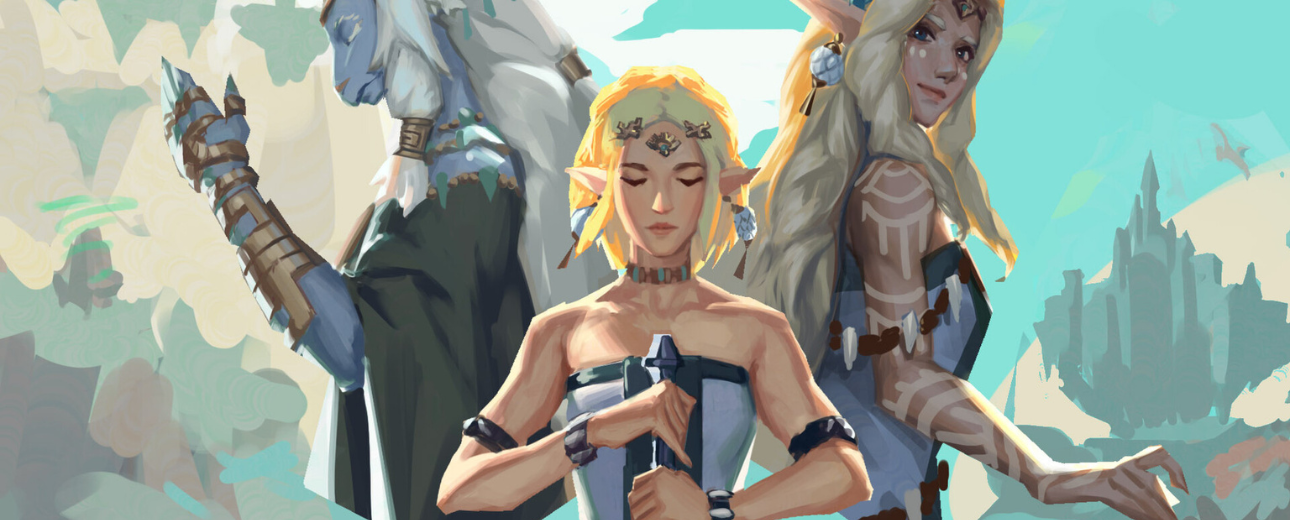
The Royal Family of Hyrule stands as one of gaming’s most fascinating dynasties, weaving through countless timelines, incarnations, and legendary tales that have captivated fans for over three decades. From the moment we first rescued Princess Zelda in 1986, we’ve been drawn into a complex web of royal bloodlines, divine destiny, and the eternal struggle between light and darkness. The Hyrulean monarchy isn’t just a backdrop for Link’s adventures—it’s the very foundation upon which the entire Legend of Zelda universe is built. Understanding this royal lineage gives us deeper insight into why certain events unfold, how the Triforce connects to mortal rulers, and what it truly means to carry the blood of the goddess Hylia herself.
What makes the Royal Family of Hyrule so compelling is how Nintendo has carefully crafted their history across multiple timelines and eras, each incarnation of the royal line bringing something unique to the lore. Every Princess Zelda we meet carries not just a title, but an incredible burden of responsibility, wisdom, and often, magical power that transcends normal understanding. Some Zeldas are fierce warriors, others are scholarly researchers, and some are reluctant princesses thrust into circumstances beyond their control. Yet they all share that divine spark, that connection to Hylia that makes them both blessed and cursed by destiny.
As longtime fans of the series, we’ve watched this royal family evolve from simple narrative devices into fully realized characters with complex motivations, relationships, and struggles. The recent games, particularly Breath of the Wild and Tears of the Kingdom, have given us the most nuanced portrayal of Hyrulean royalty yet, showing us a Zelda who grapples with self-doubt, scientific curiosity, and the crushing weight of expectation. This guide will take you through every major era of Hyrulean royal history, examining the key figures, the divine mandate that defines their rule, and how the Royal Family has shaped the destiny of Hyrule itself.
The Divine Origins of Hyrule’s Monarchy
The story of Hyrule’s Royal Family doesn’t begin with crowns and castles—it begins in the heavens with the goddess Hylia herself. Before Hyrule even existed as we know it, the land was protected by this benevolent deity who fought against the Demon King Demise in an age-old conflict that would echo through every timeline. When Hylia made the ultimate sacrifice to protect the Triforce and the people of the Surface, she shed her divine form and chose to be reborn as a mortal. This wasn’t just any mortal—she became the first Zelda, establishing a bloodline that would carry her power, wisdom, and divine essence through countless generations.
Hylia’s Sacrifice and Mortal Rebirth
This origin story, revealed in Skyward Sword, fundamentally changed how we understand the Royal Family of Hyrule. Every princess named Zelda isn’t just honoring a family tradition—she’s a direct descendant of a goddess, carrying within her blood the power of divinity itself. This explains so much about why Zelda consistently possesses sealing powers, prophetic visions, and an innate connection to sacred artifacts like the Triforce. The goddess Hylia didn’t just protect ancient Hyrule and then disappear; she became part of Hyrule’s very foundation, ensuring that her power would endure through her mortal descendants. The choice to become mortal wasn’t made lightly—Hylia knew that as a goddess, she couldn’t wield the Triforce, which was created by the Golden Goddesses specifically for mortal hands. By sacrificing her divinity, she gained the ability to potentially use the Triforce’s wish-granting power to permanently seal away Demise and protect the world she loved so dearly.
The Eternal Bond Between Hero and Princess
The relationship between Hylia and the first incarnations of Link and Zelda in Skyward Sword establishes patterns that we see repeated throughout the series. Link, chosen by the goddess and her mortal incarnation, becomes the eternal hero, while Zelda embodies both mortal wisdom and divine power. Their bond isn’t romantic coincidence—it’s cosmic destiny, forged in the age before Hyrule even had a name. When Demise cursed them to face incarnations of his hatred for all eternity, he unknowingly ensured that the bloodline of the goddess and the spirit of the hero would be forever intertwined with the fate of Hyrule. This curse-turned-prophecy means that whenever darkness rises in Hyrule, the universe itself conspires to bring forth both a princess of the royal bloodline and a hero bearing the spirit of the knight who first served the goddess. It’s a cycle that transcends individual lives and personal choices, binding these souls together across countless lifetimes and timelines.
The Divine Mandate to Rule
Understanding this divine origin helps us appreciate why the Royal Family maintains such absolute authority in Hyrule, even during times of crisis or when their kingdom faces near-total destruction. Their rule isn’t based purely on political power or military might—it’s founded on a sacred covenant between the goddess and the people of Hyrule. The royal bloodline literally carries the power to seal away darkness, communicate with the goddesses, and wield sacred relics that no ordinary person could hope to touch. This divine mandate makes the monarchy not just a political institution, but a spiritual necessity for Hyrule’s continued existence. The people of Hyrule don’t just obey their royal family out of tradition or fear—they recognize that the princess and her family are their only hope when supernatural threats emerge that no army can defeat. The crown isn’t just a symbol of political authority; it’s a mark of those chosen by the gods themselves to stand between Hyrule and annihilation.

The Era of the Goddess and the Founding Kingdom
Following the defeat of Demise in Skyward Sword, the newly established Kingdom of Hyrule began to take shape on the Surface. The early monarchs of Hyrule had the monumental task of not only building a civilization from scratch but also establishing traditions, laws, and sacred rites that would protect the Triforce and maintain the goddess’s blessing. This era represents the purest expression of Hylia’s influence on Hyrulean governance, as the first generations were still close enough to Skyward Sword’s events to remember the goddess’s direct intervention and sacrifice.
Establishing the Sacred Sites and Temples
The earliest royal structures in Hyrule were likely centered around the Temple of Time and other sacred sites that connected the mortal realm to the Sacred Realm where the Triforce resided. These weren’t just places of worship—they were the literal gateways between worlds, and the Royal Family bore the sacred duty of protecting these nexus points from those who would misuse their power. We can imagine those early kings and queens not as distant monarchs in gilded palaces, but as priest-kings and priestess-queens, equally comfortable performing sacred rituals as they were making decisions about agriculture, defense, and diplomacy. The Temple of Time, in particular, became the crown jewel of early Hyrulean sacred architecture, housing the Master Sword in later eras and serving as the primary gateway to the Sacred Realm. The Royal Family didn’t just guard these temples with soldiers—they protected them with powerful magical seals, barriers, and enchantments that could only be maintained by those carrying the blood of the goddess. This sacred duty meant that the monarchy was always intimately involved in the spiritual life of Hyrule, not as distant figureheads, but as active participants in maintaining the magical infrastructure that kept the kingdom safe.
The Tragedy That Named All Princesses Zelda
One of the most crucial developments during this foundational period was the establishment of the royal tradition of naming princesses “Zelda.” According to The Adventure of Link’s backstory, this tradition was established after a tragic incident involving a prince and his sleeping sister—a Princess Zelda who fell into an eternal slumber because her brother, desperate to learn the location of the Triforce of Courage, allowed a wizard to interrogate her. When she refused to reveal the secret even under magical compulsion, the wizard placed a curse upon her, causing her to sleep forever.The prince, overcome with grief and guilt at what his ambition had caused, decreed that from that day forward, every princess born to the Royal Family would bear the name Zelda, ensuring that this tragedy would never be forgotten and that future generations would remember the price of greed and the virtue of protecting sacred secrets. This naming tradition serves as both a memorial and a warning, reminding each new Princess Zelda of the heavy responsibility she carries and the sacrifices that may be required of her.
The First Kings and Queens of Hyrule
While we don’t know the specific names of most of the earliest monarchs, we can deduce certain things about their reigns from the structures and traditions they left behind. The first king and queen of Hyrule were likely the children or grandchildren of the original Zelda from Skyward Sword, meaning they were only one or two generations removed from the goddess herself. This proximity to divinity would have given them enormous spiritual authority, but it also meant they were pioneering entirely new forms of governance. They had to balance the sacred aspects of their rule—maintaining temples, performing rituals, protecting the Triforce—with the mundane but equally important tasks of feeding their people, defending against threats, and establishing laws that would allow their growing civilization to thrive. These early monarchs probably ruled from relatively simple fortifications rather than the grand castles we see in later eras, focusing more on practical defense and proximity to sacred sites than on displays of wealth and power. The grandeur of Hyrule’s royal architecture would come later, as the kingdom grew wealthy and secure enough to build monuments to its divine heritage.

The Era of Prosperity and the Rise of Hyrule Castle
As generations passed and Hyrule’s borders expanded, the Royal Family transitioned from simple guardians of sacred sites to rulers of an increasingly complex and prosperous kingdom. This era saw the construction of the magnificent Hyrule Castle, which would become the enduring symbol of royal power and the seat of government for countless generations. The castle wasn’t just built as a royal residence—it was constructed as a fortress, a temple, and a repository of sacred knowledge all in one, reflecting the multifaceted role the Royal Family played in Hyrulean society.
The Construction of Hyrule Castle
The decision to build a grand castle represented a major shift in how the Royal Family conceived of their role. While earlier generations had focused primarily on their sacred duties, the construction of Hyrule Castle showed that the monarchy was now confident enough in the kingdom’s stability to invest in permanent, impressive infrastructure.The castle’s location was almost certainly chosen for both strategic and mystical reasons—positioned to defend the realm’s heartland while also maintaining proximity to sacred sites like the Temple of Time. Different incarnations of Hyrule Castle appear throughout the timelines, but they all share certain characteristics: towering spires that reach toward the heavens, extensive underground chambers and dungeons that delve deep into the earth, and a central location that makes the castle visible from vast distances across the kingdom. The architecture itself seems to channel and amplify magical energies, with many versions of the castle featuring rooms specifically designed for royal ceremonies, sealing rituals, and the safeguarding of sacred artifacts.
The Royal Court and Governance Structure
With the establishment of a permanent royal seat came the development of a formal court and bureaucratic structure. The Royal Family couldn’t govern Hyrule alone—they needed advisors, ministers, knights, and officials to help administer justice, collect taxes, maintain the army, and handle the thousand other details that keep a kingdom running. We see glimpses of this court structure throughout the games, from the Seven Sages who advise and support the royal line to the various ministers and chancellors who appear in different eras. The Knights of Hyrule, an elite military order sworn to protect the Royal Family and the kingdom, became one of the most important institutions during this period. These weren’t just soldiers—they were champions of virtue, selected for their courage, skill, and unwavering loyalty to the crown. Many Links throughout history have either been Knights of Hyrule or have been recruited into their ranks, showing how closely the hero’s journey is tied to the formal structures of royal protection. The Sheikah clan also emerged as crucial supporters of the Royal Family during this era, serving as spies, assassins, scholars, and magical guardians who worked in the shadows to protect the throne from threats both mundane and supernatural.
The Golden Age of Hyrulean Culture
This era of prosperity wasn’t just about political and military power—it was also a golden age for Hyrulean culture, art, and learning. The Royal Family served as patrons of the arts and sciences, funding scholars, musicians, artists, and craftspeople who transformed Hyrule from a frontier kingdom into a sophisticated civilization. We can see evidence of this in the beautiful murals, tapestries, and architectural details that adorn various incarnations of Hyrule Castle, as well as in the advanced magical and technological achievements that appear throughout the games. The royal libraries and archives became repositories of incredible knowledge, preserving not just the history of Hyrule but also ancient texts about the goddesses, magical techniques, and prophetic visions that would prove crucial in future crises. This investment in culture and learning wasn’t mere vanity—the Royal Family understood that knowledge and culture were weapons against chaos and barbarism just as surely as swords and shields. Many Princess Zeldas throughout history have been renowned scholars in their own right, contributing to this intellectual tradition and expanding the frontiers of magical and scientific understanding.

The Ocarina of Time Era and the Tragedy of the Civil War
The era depicted in Ocarina of Time represents one of the most significant periods in Hyrulean royal history, but it also reveals deep cracks in the kingdom’s foundation. Before the events of the game itself, Hyrule was torn apart by a brutal civil war, the details of which remain frustratingly vague but whose consequences echo throughout the timeline. This conflict would shape the Hyrule that Link awakens to and set the stage for one of the Royal Family’s darkest hours.
The Hyrulean Civil War and Its Aftermath
The civil war mentioned in Ocarina of Time’s backstory represents a catastrophic failure of royal authority and unity. While we don’t know exactly what caused this conflict—whether it was a succession crisis, a rebellion by nobles, or conflicts between the various races of Hyrule—we know it was devastating enough to leave infant Link orphaned in the Lost Woods and to create lasting scars in Hyrulean society. The war seems to have ended shortly before the game begins, with the Royal Family emerging victorious but weakened. This victory was likely costly, both in terms of lives lost and political capital expended. The Gerudo’s isolation in the desert, the Gorons’ withdrawal into Death Mountain, and the Zoras’ cautious relationship with the crown all suggest a kingdom that is unified in name but fragmented in practice. The Royal Family maintained control of central Hyrule and the capital, but their authority over the kingdom’s periphery was clearly compromised, making Hyrule vulnerable to the manipulation of someone as cunning as Ganondorf.
King of Hyrule: A Well-Meaning but Deceived Monarch
The King of Hyrule during Ocarina of Time is one of the most tragic figures in the royal lineage. He appears to be a kind, wise, and well-intentioned ruler who genuinely wants peace for his kingdom and prosperity for his people.However, his greatest weakness is his inability to see through Ganondorf’s deceptions, despite his own daughter’s prophetic warnings. This isn’t necessarily a character flaw—Ganondorf is supremely cunning, and the king is trying to broker peace after a devastating civil war. Accepting the Gerudo chieftain’s fealty and allowing him into the castle might have seemed like a masterstroke of diplomacy, bringing the last major holdout into the kingdom’s fold. But this decision, made with the best intentions, would prove to be catastrophic, leading directly to Ganondorf’s theft of the Triforce and his seven-year reign of terror. The king’s fate after Ganondorf’s coup is never explicitly shown, but it’s heavily implied that he was killed or imprisoned, leaving young Zelda alone to resist the usurper’s rule.
Princess Zelda: The Prophet and the Fugitive
The Princess Zelda of Ocarina of Time is one of the most important incarnations in the entire series, and her character arc across the game is absolutely fascinating. As a young girl, she possesses powerful prophetic visions granted by her connection to the goddess Hylia, and she immediately recognizes both Link’s destiny as the Hero of Time and Ganondorf’s true evil nature. However, her youth and her position make it impossible for her to act directly against Ganondorf—who would believe a child’s dreams over the testimony and diplomatic credentials of a powerful foreign king? Her decision to send Link to collect the Spiritual Stones and open the Door of Time was meant to keep the Sacred Realm safe from Ganondorf, but it tragically played right into his hands, giving him exactly the opportunity he needed to claim the Triforce. This devastating miscalculation haunts Zelda throughout the rest of the game, and it’s part of what makes her such a compelling character—she’s not infallible despite her divine heritage, and her mistakes have world-shattering consequences.
Zelda as Sheik: A Princess in Hiding
When Ganondorf seizes power and young Link is sealed away for seven years, Zelda makes the desperate decision to go into hiding with the help of Impa and the Sheikah. Her transformation into Sheik—whether through magic, disguise, or some combination of both—represents her complete rejection of her royal identity in favor of survival and resistance. As Sheik, she can move freely through Ganondorf’s Hyrule, gathering information, protecting the Sages, and preparing for the day when the Hero of Time would awaken. This period of Zelda’s life must have been incredibly lonely and difficult—she’s completely cut off from her former life, living as a fugitive in her own kingdom, watching helplessly as Ganondorf corrupts and destroys everything her family built. Yet she never gives up, never stops fighting, and when the time comes, she reveals herself to Link and helps him gather the strength needed to challenge Ganondorf. Her capture by the Demon King and her role in the final battle, where she helps Link deliver the finishing blow, completes her journey from sheltered princess to hardened resistance fighter to the goddess-blessed wielder of sacred power.
The Timeline Split and Its Implications for the Royal Family
The events of Ocarina of Time create something unprecedented in the history of Hyrule: a split in the timeline itself, creating three separate continuities with three different fates for the Royal Family. In the Adult Timeline, Zelda sends Link back to his childhood and warns her past self about Ganondorf, preventing his rise to power but leaving this timeline without a Hero. In the Child Timeline, the young Link warns the Royal Family about Ganondorf’s treachery, leading to his execution and the events of Twilight Princess. In the Fallen Hero Timeline, Link fails to defeat Ganon, leading to the Imprisoning War and the events that culminate in A Link to the Past. Each of these timelines shows different aspects of how the Royal Family responds to crisis, and each reveals different strengths and weaknesses in their governance. The timeline split demonstrates that the Royal Family’s fate is inextricably linked to the hero’s success or failure, and that even the goddess’s bloodline cannot guarantee victory over the forces of darkness without the hero’s courage to complement the princess’s wisdom.

The Child Timeline: Twilight Princess and the Dwindling Royal Authority
In the Child Timeline, where young Link warned the Royal Family about Ganondorf before he could execute his coup, the monarchy took decisive action to prevent the catastrophe that occurred in other timelines. However, this apparent victory came with its own set of complications and unintended consequences that would shape Hyrule for generations to come.
The Execution of Ganondorf and the Sages’ Judgment
Following Link’s warning, the King of Hyrule moved swiftly to arrest and condemn Ganondorf for his planned treason. The ancient Sages were summoned to execute the Gerudo king using the Mirror of Twilight in the Arbiter’s Grounds, a grim prison built in the desert specifically for dealing with the worst criminals and threats to the kingdom. This execution attempt represents one of the Royal Family’s darkest moments—however justified their actions might have been, they were essentially condemning a man for crimes he hadn’t yet committed, relying on the prophetic dreams of a child and the testimony of a boy who claimed to have traveled through time. The fact that they proceeded anyway shows both the Royal Family’s faith in the goddess’s visions and their willingness to take extreme measures to protect the kingdom. The execution failed spectacularly when Ganondorf, blessed by the Triforce of Power, survived the Sage’s blade and had to be banished to the Twilight Realm instead. This failure would have profound consequences, as it merely delayed Ganondorf’s revenge rather than preventing it entirely.
Princess Zelda of Twilight Princess: The Last Monarch
By the time of Twilight Princess, set generations after Ocarina of Time in this timeline, we encounter a Princess Zelda who may well be the last true ruler of the Hyrulean royal line. She is introduced to us not in triumph, but in defeat—having already surrendered her kingdom to Zant and the Twilight invaders to prevent the total annihilation of her people. This Zelda is mature, wise, and deeply compassionate, willing to sacrifice not just her crown but her very life force to save Midna, a stranger from another realm. Her character embodies the best qualities of the royal bloodline: wisdom, selflessness, and an unwavering commitment to protecting others even at tremendous personal cost. Unlike the Zelda of Ocarina of Time, who was a child dealing with adult problems, this Zelda is a fully adult monarch who has already tried everything in her power to resist the invasion before making the agonizing decision to surrender.
The Surrender and Its Meaning
Zelda’s decision to surrender Hyrule to Zant is one of the most controversial and fascinating moments in the series. Some might see it as weakness or failure, but when you examine the circumstances, it becomes clear that she made the only choice available to her that wouldn’t result in genocide. Zant’s forces were overwhelming, empowered by Ganondorf’s magic and the power of the Twilight Realm. The Royal Family’s traditional protectors—the Knights of Hyrule, the Sheikah, and whatever magical defenses the castle possessed—were insufficient against this supernatural threat. By surrendering, Zelda ensured that her people would be transformed into spirits rather than slaughtered, preserving them in a state where they might potentially be saved if a hero ever arose. This decision shows incredible strategic thinking and a deep understanding that sometimes a ruler’s duty is to ensure their people survive rather than to go down fighting in a blaze of glory. She traded her kingdom for her people’s lives, and while that’s a devastating bargain, it’s the mark of a true leader rather than a mere wielder of power.
Zelda’s Role in Link’s Journey
Throughout Twilight Princess, Zelda serves as a spiritual guide and source of wisdom for Link, much as she did in Ocarina of Time, but from a position of even greater powerlessness. Confined to her tower in Hyrule Castle, she cannot act directly but she can advise, empower, and inspire those who still fight for Hyrule’s freedom. Her sacrifice of her life force to save Midna is particularly significant—she gives up everything she has to save someone from the Twilight Realm, the very dimension that her ancestors had used as a prison. This act of mercy and compassion helps redeem the Royal Family’s historical treatment of the Twili and demonstrates that Zelda values individual lives over political considerations or ancient grudges. When Ganondorf possesses her body in the final battle, forcing Link to fight against the princess he’s trying to save, it creates one of the series’ most heartbreaking moments, but Zelda’s spirit remains strong enough to assist Link even while under the Demon King’s control.
The Uncertain Future of the Hyrulean Throne
What makes Twilight Princess’s Zelda so poignant is that we never see what happens to her after the kingdom is saved. The game ends with Midna departing and the Mirror of Twilight shattered, but we don’t see Zelda’s coronation, her marriage, or her establishment of a new royal line. In fact, there’s no mention of a king, other heirs, or any other members of the Royal Family throughout the entire game—Zelda appears to be completely alone, the last of her line. This isolation raises troubling questions about the future of the Hyrulean monarchy. If Zelda has no siblings and no parents, and if she never marries or produces an heir, what happens to the royal bloodline? Does the divine mandate to rule end with her? Some fans speculate that this is why we see no Royal Family in Four Swords Adventures, the next game in this timeline—perhaps Zelda was indeed the last monarch, and Hyrule eventually transitioned to some other form of government or fractured into smaller kingdoms. The ambiguity surrounding her fate makes her one of the most tragic figures in the royal lineage.

The Adult Timeline: The Great Flood and the End of Ancient Hyrule
The Adult Timeline presents perhaps the most dramatic transformation of the Royal Family’s role and the kingdom itself. After the Hero of Time departed, this timeline’s Hyrule was left vulnerable when Ganondorf eventually escaped his seal and no hero arose to stop him. The goddesses’ response was unprecedented and catastrophic: they flooded the entire kingdom, preserving it under the waves and scattering the survivors across mountaintops that became islands.
The Crisis Without a Hero
When Ganondorf broke free from his seal in the Adult Timeline, the people of Hyrule desperately waited for the Hero of Time to return and save them once again. But the hero never came—because Zelda had sent him back to his own time, this timeline was left without the reincarnation of the hero’s spirit. We can only imagine the growing panic and desperation as Ganondorf’s power grew and no green-clad warrior appeared to challenge him. The Royal Family would have tried everything in their power to stop the Demon King—mustering armies, performing sealing rituals, calling upon the Sages—but without the hero, their efforts were ultimately futile. The goddesses, seeing that Hyrule would fall to darkness without divine intervention, made the terrible decision to flood the entire kingdom, literally washing away the land to prevent Ganondorf from ruling over it. This wasn’t just a natural disaster—it was a deliberate act of destruction by the very deities who had created the land in the first place.
The King of Red Lions: The Last King of Ancient Hyrule
The King of Hyrule who lived through the flood and survived beneath the waves is one of the most fascinating and tragic figures in the entire royal lineage. Transformed into a magical boat and known to Link as the King of Red Lions, Daphnes Nohansen Hyrule represents the absolute end of the ancient Hyrulean monarchy. He has spent countless years—possibly centuries—living in the frozen, preserved ruins of his kingdom, waiting for the day when a hero would arise and Ganondorf could finally be defeated. His patience and dedication are extraordinary, but they’re also tinged with deep sadness and regret. He knows that his Hyrule is gone forever, that the world has moved on, and that his role is simply to ensure that the evil that destroyed his kingdom doesn’t spread to the new world above the waves.
Daphnes’s Relationship with Tetra and Link
When Daphnes first encounters Link in Wind Waker, he sees echoes of the Hero of Time—the same courage, the same determination, the same willingness to charge into danger to protect others. His guidance of Link throughout the adventure is both strategic and paternal; he’s not just directing a warrior in battle but mentoring a boy who reminds him of the hero his kingdom once had. His relationship with Tetra is even more complex. When he reveals to her that she is actually Princess Zelda, the last scion of the royal bloodline and his direct descendant, he’s not just delivering information—he’s burdening her with a destiny and a heritage she never asked for. Tetra was perfectly happy as a pirate captain, living free and answering to no one. Learning that she’s royalty, that she carries the blood of the goddess, and that she’s fated to be involved in an ancient conflict fundamentally changes her identity and her future. Daphnes’s decision to reveal this to her is both necessary and cruel, and you can see the weight of it in how the game handles the revelation.
The Wish That Ended Everything
The climax of Wind Waker features one of the most powerful moments in Zelda history: King Daphnes’s wish upon the complete Triforce. When he places his hands on the sacred relic, he doesn’t wish for Hyrule to be restored, for his kingdom to rise from the waves, or for the old order to return. Instead, he wishes for Link and Zelda to have a future—for hope, for tomorrow, for a new world unshackled from the past’s endless cycle of conflict. As he makes this wish, he explicitly tells the old kingdom to be washed away with him, acknowledging that clinging to the past will only bring more suffering. This selfless act represents the ultimate sacrifice of the Hyrulean monarchy—a king who loves his people enough to ensure they’ll never have to be ruled by his dynasty again. He gives up everything, including his own existence, so that the next generation can forge their own destiny free from the burden of ancient grudges and prophetic curses.
The Royal Family in Phantom Hourglass and Spirit Tracks
After the events of Wind Waker, the Adult Timeline continues without a traditional Royal Family. In Phantom Hourglass, Tetra and her crew establish a new kingdom on new lands, but there’s no indication that she takes up the title of princess or establishes a formal monarchy. She remains Tetra the pirate, though she certainly leads her people. By the time of Spirit Tracks, set a century later, we encounter a Princess Zelda who is indeed royalty, but of a very different sort. This Zelda is the princess of New Hyrule, a kingdom founded by Tetra and named in honor of the lost land beneath the waves, but it’s a constitutional monarchy very different from the theocratic divine-right rule of ancient Hyrule. This Zelda sneaks out of the castle, is frustrated by protocol, and seems to have a much more limited role in governance than her ancestors. The Royal Family in this new era serves more as a symbol of continuity and tradition than as divinely mandated rulers, and honestly, that’s probably healthier for everyone involved.

The Fallen Hero Timeline: The Imprisoning War and the Decline of Royal Power
The Fallen Hero Timeline, where Link died fighting Ganon in Ocarina of Time, represents the darkest path for both Hyrule and its Royal Family. Without the hero’s victory, the kingdom faced catastrophe after catastrophe, and the monarchy’s power and authority steadily eroded over centuries of conflict and tragedy.
The Imprisoning War and the Royal Family’s Desperate Gambit
After Ganon claimed the complete Triforce in the Sacred Realm, the Seven Sages and the Knights of Hyrule fought a desperate war to prevent him from emerging into the Light World with godlike power. The Royal Family led this effort, marshaling every resource at their command and suffering staggering casualties in the process. The Knights of Hyrule were nearly wiped out entirely, with legend suggesting that only a handful survived the conflict. The Sages managed to seal Ganon in the Sacred Realm, but at tremendous cost—the Sacred Realm itself became corrupted, transforming into the Dark World, a twisted reflection of Hyrule saturated with evil. This victory was Pyrrhic at best; the kingdom was devastated, its protectors destroyed, and the corrupted Sacred Realm became a festering wound in reality that would spawn monsters and spread corruption for generations. The Royal Family survived, but their power and prestige were greatly diminished, and the kingdom they ruled was a shadow of its former glory.
The Era of Light and Shadow
Following the Imprisoning War, Hyrule entered a long period of rebuilding punctuated by occasional crises when Ganon’s influence would seep out from his prison. The Royal Family during this era focused on maintaining the seal, rebuilding their depleted forces, and trying to restore some semblance of normalcy to a traumatized kingdom. The monarchy’s authority remained intact, but they ruled over a much smaller, more fragile realm. The various disasters that struck Hyrule in this timeline—monsters emerging from the Dark World, corrupt wizards seeking the Triforce, and eventually Ganon’s repeated escapes and defeats—kept the kingdom in a constant state of crisis management. Each time a hero arose to defeat Ganon, it was a temporary reprieve rather than a permanent solution, and the Royal Family knew that it was only a matter of time before evil rose again. This cycle of crisis and salvation became the new normal, and the monarchy adapted by becoming more militarized, more cautious, and more focused on preparation for the next inevitable catastrophe.
Princess Zelda in A Link to the Past: The Prophetic Prisoner
The Princess Zelda of A Link to the Past is one of the most powerful incarnations in terms of magical ability, possessing telepathic powers that allow her to psychically call out to Link from her imprisonment. When the evil wizard Agahnim begins his plot to break Ganon’s seal by sacrificing the descendants of the Seven Sages, Zelda is his ultimate target—not just because she’s the seventh sage-descendant, but because she’s the princess, the bearer of the goddess’s bloodline. Her capture and imprisonment in the castle dungeon represents the depth to which the Royal Family’s power has fallen in this timeline. They can’t even protect their own princess in their own castle from a court wizard’s coup. Link’s rescue of Zelda from the castle and later from Ganon’s tower in the Dark World mirrors the classic rescue narrative, but this Zelda is far from a passive victim—her magical guidance and telepathic communication are crucial to Link’s success.
The Decline of the Royal Line in Oracle of Ages and Seasons
The Oracle games, set in the distant lands of Holodrum and Labrynna, introduce us to regional variations on Hyrulean monarchy. While these aren’t technically part of Hyrule proper, the presence of Princess Zelda and the connections to Ganon suggest these lands have historical ties to the Hyrulean royal lineage. However, the Royal Family’s influence here seems limited—Zelda appears more as a visiting dignitary than as a ruling monarch, and local rulers like Queen Ambi of Labrynna seem to govern independently. This suggests that in this timeline, the Hyrulean Royal Family’s authority doesn’t extend far beyond Hyrule’s borders, and they may even have lost control of territories that once paid them tribute. The fragmentation of royal power across multiple regions and the rise of independent kingdoms where Zelda is respected but not obeyed shows how far the monarchy has fallen from the unified realm we saw in earlier eras.
The Tragedy of Zelda II: The Sleeping Princess
The backstory of The Adventure of Link provides one of the darkest moments in royal history across any timeline. An ancient Prince of Hyrule, desperate to locate the Triforce of Courage and consolidate power, subjected his own sister Princess Zelda to magical interrogation when she refused to reveal its location. When a wizard’s curse placed her in an eternal sleep, the guilt-ridden prince decreed that all future princesses would be named Zelda in her honor. This Princess Zelda, still sleeping in her hidden chamber centuries later, represents the ultimate failure of royal authority—a prince who valued power over family, who allowed ambition to override wisdom, and whose actions cursed his own bloodline. That this sleeping Zelda remains unawakened for so long suggests that the Royal Family either lost the knowledge of where she’s hidden or lost the magical ability to break the curse, both of which point to a severe decline in the monarchy’s power and knowledge. Link’s eventual awakening of her in Zelda II represents a healing of this ancient wound, but it also highlights how much has been lost over the centuries.
The Royal Family in the Era of Decline
By the time we reach the later games in this timeline, like The Legend of Zelda and A Link Between Worlds, the Royal Family persists but in a much-reduced capacity. They still rule Hyrule, still carry the goddess’s bloodline, and still produce princesses named Zelda, but their kingdom is smaller, their power is limited, and they seem to rule more by tradition and respect than by any kind of absolute authority. In A Link Between Worlds, Princess Zelda is introduced as a friend to Link rather than as a distant royal figure, suggesting a more accessible and democratic style of monarchy. When she’s transformed into a painting by Yuga, her rescue becomes personal rather than political—Link isn’t saving the kingdom’s ruler so much as he’s saving his friend who happens to be the princess. This more intimate, less grandiose portrayal of royalty might actually represent a healthier relationship between the monarchy and the people, even if it comes at the cost of the Royal Family’s historical prestige and power.

The Era of the Wilds: A New Understanding of Royal Legacy
Breath of the Wild and Tears of the Kingdom present us with what might be the most radical reimagining of the Royal Family in the entire series. Set in a Hyrule that has been devastated by Calamity Ganon and rebuilt over ten thousand years of cycles, these games show us a Royal Family that has evolved, adapted, and fundamentally transformed its understanding of what it means to carry the goddess’s bloodline.
King Rhoam Bosphoramus Hyrule: The Last King of Hyrule
King Rhoam is one of the most fully realized monarchs in Zelda history, and his character is a study in good intentions, tragic mistakes, and ultimate redemption. Through Zelda’s recovered memories and Rhoam’s own ghostly confessions, we see a king who loved his daughter but failed to understand her, who pushed her to awaken her sealing powers through spiritual devotion when she needed scientific inquiry and emotional support. Rhoam represents the weight of ten thousand years of tradition pressing down on a single family. He knows the prophecy, he knows the Calamity is coming, and he knows that everything depends on his daughter awakening powers she doesn’t seem to possess. His frustration and desperation are understandable, even if his methods were counterproductive and emotionally damaging. The scene where he forbids Zelda from pursuing her Sheikah tech research is heartbreaking because you can see both sides—a father trying to save his kingdom by forcing his daughter onto the path that prophecy demands, and a daughter who knows that understanding the ancient technology might be just as important as prayer.
The Royal Family’s Relationship with the Sheikah
One of the most fascinating revelations in Breath of the Wild is the Royal Family’s historical betrayal of the Sheikah clan. Ten thousand years before the game’s events, the Sheikah had created incredible magitech guardians and divine beasts to help defeat an earlier incarnation of Ganon. After that victory, as Hyrule entered an era of peace, the king of that time grew fearful of the Sheikah’s technological power and ordered their technology suppressed and the clan itself marginalized. This decision split the Sheikah into two factions: those who accepted the king’s decree and continued serving the Royal Family faithfully (eventually becoming the peaceful Kakariko villagers), and those who rejected it and harbored resentment (becoming the Yiga Clan, dedicated to destroying the Royal Family and serving Ganon). This betrayal shows that the Royal Family, for all their divine mandate, is still capable of paranoia, short-sighted political calculations, and deep injustice. King Rhoam inherited the consequences of his ancestor’s decisions, ruling a kingdom where one of the Royal Family’s oldest and most loyal supporter groups had been split, diminished, and in some cases turned into active enemies.
Princess Zelda: Scientist, Princess, and Goddess Reborn
The Princess Zelda of Breath of the Wild and Tears of the Kingdom is arguably the most complex and compelling incarnation in the entire series. From the beginning, we see her struggling with the crushing pressure of being not just a princess, but a prophesied savior whose powers refuse to manifest. Unlike previous Zeldas who possessed their abilities from birth or awakened them easily, this Zelda spends years praying, performing rituals, and desperately trying to force herself to access powers that remain frustratingly dormant. Her true passion lies in researching the Sheikah technology—documenting the ancient guardians, studying the shrines, and trying to understand the scientific principles behind what most people dismiss as magic or divine intervention. This scientific curiosity isn’t a distraction from her sacred duty—it’s actually a different path to the same goal, but her father can’t or won’t see that until it’s too late.When her powers finally awaken in the moment when she sees Link dying before her eyes, it’s not because of prayer or ritual but because of love and desperate need, suggesting that the goddess’s power responds more to genuine human emotion than to rote religious observance.
Zelda’s Century of Sacrifice
After Link falls and Hyrule is destroyed, Zelda makes perhaps the greatest sacrifice of any princess in the series: she locks herself in an eternal psychic battle with Calamity Ganon, containing him within Hyrule Castle for a hundred years while waiting for Link to awaken. This isn’t passive imprisonment or magical stasis—she’s actively fighting Ganon every single moment, pouring all her power into keeping him contained, unable to rest, unable to live, frozen in time while the world slowly heals around her. A hundred years of solitary confinement, of spiritual warfare, of watching through Ganon’s eyes as her kingdom’s ruins are slowly reclaimed by nature. The mental and emotional toll of this vigil is almost unimaginable, yet when Link finally frees her, she doesn’t collapse or retreat—she immediately begins planning Hyrule’s reconstruction and her own research into the kingdom’s past. This Zelda’s strength isn’t just magical power but incredible mental resilience, and her character arc across both games shows a princess who refuses to be defined solely by her royal heritage or divine bloodline.
The Dragon’s Sacrifice in Tears of the Kingdom
Tears of the Kingdom takes Zelda’s sacrifice to an even more extreme level when she makes the irreversible decision to swallow a Secret Stone and transform into an immortal dragon, losing her consciousness and humanity in the process. This isn’t just a temporary setback or a curse that can be broken—draconification is explicitly stated to be permanent and irreversible, meaning Zelda is choosing to essentially die as a human being to give Link the power-enhanced Master Sword he’ll need to defeat Ganondorf. She makes this choice knowing she’ll never be human again, knowing she’ll lose all her memories and identity, knowing she’ll spend eternity as a mindless dragon soaring through the skies. It’s the ultimate expression of selfless love and duty—a princess who gives up not just her kingdom, not just her life, but her very self for the chance that the hero might succeed where she failed. The fact that she’s restored at the end through Sonia and Rauru’s power and Link’s determination doesn’t diminish the sacrifice—she couldn’t have known resurrection was possible, meaning she made peace with eternal oblivion for the sake of Hyrule’s future.
The Founding of Hyrule: A Circular History
Tears of the Kingdom’s revelation that Link and Zelda travel back to witness the founding of Hyrule by King Rauru and Queen Sonia creates a fascinating circular timeline. We learn that Zelda doesn’t just carry Hylia’s bloodline—she’s also descended from Queen Sonia, a priestess with time manipulation powers who marries the Zonai king Rauru.This means the Royal Family has not just divine heritage but also Zonai heritage, connecting them to the mysterious ancient race that built so much of Hyrule’s infrastructure. Rauru and Sonia’s Hyrule seems to be either the original founding or a refounding after some previous catastrophe, and their confrontation with Ganondorf shows the very first conflict between the Royal Family and the Demon King. The fact that Zelda is present at this founding, that she fights alongside her ancient ancestors, and that she receives the power to be restored from them creates a beautiful loop—the Royal Family’s history is circular, with past and future Zeldas supporting each other across unimaginable spans of time.
The End of Monarchy?
Both Breath of the Wild and Tears of the Kingdom end with Hyrule saved but with no clear government or Royal Family structure in place. With King Rhoam dead and Zelda unmarried with no heirs, she appears to be the last of her line, much like the Zelda of Twilight Princess. The game’s ending shows her and Link setting off to rebuild Hyrule together, but there’s no coronation, no royal court, no re-establishment of the monarchy. This ambiguity might be intentional—perhaps this Zelda, who has spent so much of her life crushed by the weight of royal expectations and prophetic destiny, chooses to build a different kind of Hyrule, one where leadership is earned rather than inherited, where knowledge is valued over bloodlines, and where the mistakes of the past aren’t endlessly repeated. Or perhaps she’ll establish a new kind of monarchy, one that learns from ten thousand years of accumulated wisdom and tragedy. Either way, the era of the Royal Family as we’ve known it seems to be ending, and that might not be a bad thing.

The Symbolism and Sacred Duties of the Royal Family
Beyond their political role, the Royal Family of Hyrule serves crucial symbolic and sacred functions that transcend normal governance. Their position is as much about spiritual leadership and magical guardianship as it is about making laws and commanding armies.
The Triforce of Wisdom and Royal Authority
Throughout most timelines and eras, the Triforce of Wisdom is associated with the Royal Family and specifically with Princess Zelda. This isn’t just a magical artifact they happen to possess—the Triforce of Wisdom chooses those who embody its virtues, and the fact that it consistently chooses the royal bloodline suggests that wisdom is literally encoded into their heritage. When a princess bears the Triforce of Wisdom, her judgment becomes supernaturally enhanced, her understanding deepens, and her ability to see through deception and perceive truth becomes almost infallible. This makes the Royal Family’s wisdom not just the accumulated experience of generations but actual divine enhancement of their mental faculties. However, this blessing is also a burden—the bearer of the Triforce of Wisdom can see problems clearly but may lack the power to solve them, understand threats but be unable to act, and perceive the right path while being unable to walk it. Wisdom without power can be its own kind of torture, and we see this play out repeatedly as various Zeldas understand exactly what needs to happen but must rely on Link to actually execute the necessary actions.
The Goddess Hylia’s Bloodline and Sealing Power
The sealing power that manifests in princesses of the royal bloodline is perhaps their most crucial ability and the clearest evidence of their divine heritage. This power allows them to contain, suppress, and sometimes completely nullify evil magic and malevolent entities, turning the princess into a living seal or prison for forces that no physical barrier could contain. We see this power used in different ways across the timelines: the Zelda of Skyward Sword uses it to seal away Demise’s residual consciousness, the Zelda of Breath of the Wild contains Calamity Ganon for a century, and multiple Zeldas throughout history have reinforced or created magical barriers around the Sacred Realm, Hyrule Castle, or other crucial locations. This sealing power isn’t something that can be learned or acquired—it’s an innate ability that flows from the goddess’s blood, and it only manifests in those who carry sufficient purity and strength of will alongside the proper lineage. The anguish we see in Breath of the Wild’s Zelda when her powers don’t awaken despite years of prayer stems from the terrifying possibility that she might be the first princess in millennia who lacks the goddess’s blessing, a failure that would doom not just herself but her entire kingdom.
Royal Ceremonies and the Maintenance of Sacred Sites
The Royal Family serves as the primary keepers and performers of crucial religious ceremonies that maintain Hyrule’s spiritual infrastructure. These aren’t mere symbolic rituals—they’re actual magical workings that reinforce seals, maintain barriers, communicate with the goddesses, and keep various supernatural elements of the kingdom functioning properly. We catch glimpses of these duties throughout the series: the prayer ceremonies that Zelda performs in Breath of the Wild, the ritual at the Spring of Courage that finally awakens her powers, and the various temple ceremonies mentioned in different games. The Royal Family must maintain the Temple of Time, the Springs of Power, Wisdom, and Courage, the Great Deku Tree’s grove, and numerous other sacred sites scattered across Hyrule. Neglecting these duties doesn’t just mean disrespecting tradition—it can lead to weakened seals, dormant sacred sites losing their protection, and making the kingdom vulnerable to supernatural threats. This means that even during peacetime, the Royal Family can never truly rest; they’re always performing ceremonies, maintaining wards, and ensuring that Hyrule’s magical defenses remain intact.
The Burden of Prophecy and Foreknowledge
Many incarnations of Princess Zelda possess prophetic abilities, receiving visions of future disasters, warnings from the goddesses, or intuitive knowledge about events yet to come. This gift of prophecy is deeply tied to the Triforce of Wisdom and the goddess’s bloodline, but it’s perhaps the cruelest aspect of being a Hyrulean princess. Imagine knowing that catastrophe is coming, seeing visions of your kingdom in flames and your people suffering, but being unable to prevent it because you lack the power, because people don’t believe you, or because your warnings are dismissed as the dreams of a child. The Zelda of Ocarina of Time experiences exactly this frustration, watching her father trust Ganondorf despite her prophetic warnings. The Zelda of Breath of the Wild knows the Calamity is coming and spends years desperately trying to awaken powers that might stop it, all while her visions show her the destruction that awaits if she fails. Prophecy without the ability to change fate is a special kind of torture, and the Royal Family bears this burden generation after generation, watching the cycles repeat with helpless foreknowledge.
The Royal Family as Cultural Custodians
Beyond their magical and political roles, the Royal Family serves as the primary preservers of Hyrule’s history, culture, and accumulated knowledge. The royal libraries, archives, and treasure vaults contain thousands of years of records, magical texts, ancient artifacts, and cultural treasures that would be lost without the family’s dedicated preservation. We see evidence of this custodial role throughout the series: the extensive royal library in Hyrule Castle, the preserved memories and photographs in Breath of the Wild, and the historical records that document everything from the Imprisoning War to the locations of sacred springs. The Royal Family doesn’t just rule Hyrule—they remember Hyrule, ensuring that the lessons of the past aren’t forgotten and that future generations can learn from both triumphs and tragedies. This role becomes even more crucial after catastrophic events like the Great Flood or the Calamity, when the Royal Family’s preserved knowledge might be the only thing standing between civilization’s continuity and complete cultural collapse.

The Legacy and Future of the Royal Bloodline
As we look across all the timelines, eras, and incarnations of the Royal Family of Hyrule, certain patterns emerge that help us understand what this dynasty truly represents and what their ultimate legacy might be.
The Eternal Cycle of Courage, Wisdom, and Power
The Royal Family exists in perpetual tension with the cycle established by Demise’s curse and the Triforce’s division. Their bloodline represents Wisdom, forever bound to the cycle alongside the spirit of the Hero (Courage) and the recurring incarnations of Demise’s hatred (Power). This isn’t just mythology—it’s the fundamental operating principle of the Zelda universe, and the Royal Family cannot escape it no matter how much they might wish to. Every few generations, the cycle turns again: evil rises, a princess must face her destiny, and a hero emerges to fight on her behalf. The Royal Family’s curse is to know this cycle exists, to prepare for it, to watch it unfold again and again, and to sacrifice themselves to it repeatedly across thousands of years. Yet within this cycle, each incarnation of the Royal Family brings something unique, learning from the past while facing new challenges that their ancestors never imagined.
Evolution of Royal Power and Authority
Looking at the trajectory of the Royal Family across all timelines, we can see a general trend toward diminishing absolute power but increasing personal agency and character development. The early kings and queens ruled with near-absolute divine authority, their word was law, and their connection to the goddesses was immediate and clear. As time passed and catastrophes accumulated, royal power became more contested, more limited, and more dependent on the cooperation of other factions like the Sages, the Knights, and eventually even common citizens. In the most recent games, we see princesses who are more personally powerful, more educated, and more capable as individuals, but who rule over smaller kingdoms with less absolute authority. This evolution might represent Nintendo’s recognition that absolute monarchy is problematic as a governing system, even in fantasy settings, and that more interesting stories come from princesses who must earn respect and build relationships rather than simply issuing divine commands.
The Question of Succession and Continuation
One of the most persistent mysteries surrounding the Royal Family is the question of succession and how the bloodline continues. We almost never see the full royal family—no siblings, no extended relatives, no mention of royal cousins or cadet branches. Each game typically shows us only the reigning monarch and Princess Zelda, leaving us to wonder what happens if the princess dies without heirs, if there are no male heirs to continue the line, or if the family is wiped out entirely. The multiple timelines where Zelda appears to be the last of her line (Twilight Princess, Breath of the Wild/Tears of the Kingdom) raise troubling questions about whether the royal bloodline can survive at all, and if not, what that means for Hyrule’s future. Perhaps the goddess’s bloodline can continue through any descendants Zelda has, even if they don’t maintain royal titles, or perhaps the divine mandate ends when the formal monarchy ends, and Hyrule will have to find new ways to defend itself without relying on the goddess’s chosen bloodline.
Mistakes, Growth, and Redemption Across Generations
What makes the Royal Family compelling as characters rather than just plot devices is that they make mistakes, terrible ones sometimes, and must grapple with the consequences. The king who banished the Interlopers to the Twilight Realm, the king who exiled and persecuted the Sheikah, the prince who tortured his sister for the location of the Triforce, King Rhoam who emotionally neglected his daughter in the name of duty—these aren’t villains, they’re flawed people trying to do right and failing in ways that haunt their descendants. But we also see redemption: Daphnes wishing for a new world instead of restoring his kingdom, Rhoam apologizing to his daughter’s spirit and acknowledging his failures, Zelda in Breath of the Wild choosing scientific inquiry over blind tradition. The Royal Family’s greatest strength might be their capacity to learn from mistakes, even if it takes generations to do so, and to choose differently when given the chance.
The Royal Family’s Place in a Post-Ganon World
Many Zelda games end with Ganon defeated and the immediate crisis resolved, but we rarely see what happens during the reconstruction period or how the Royal Family adapts to peacetime. In the rare glimpses we get—like Spirit Tracks’ New Hyrule or the peaceful periods between games—we see that the Royal Family remains important but often in different ways than during crises. Without the immediate threat of destruction, they can focus on governance, culture, scientific advancement, and improving their people’s lives rather than just fighting for survival. The question is whether the Royal Family can thrive in peacetime or whether their entire identity is built around responding to cyclical catastrophes. Can there be a Princess Zelda who never faces Ganon, who lives her whole life in peace, ruling justly and dying old having never needed to sacrifice herself to seal away evil? Or is that impossible given Demise’s curse and the nature of the Zelda universe?
The Ultimate Meaning of Royal Sacrifice
If there’s one theme that unites all incarnations of the Royal Family across all timelines, it’s sacrifice. Every king, queen, and princess we meet is defined by what they’re willing to give up for Hyrule and its people. Sometimes it’s their lives, sometimes their freedom, sometimes their humanity itself, but they all sacrifice something irreplaceable because they believe it’s their duty, their destiny, and their choice to protect others. This tradition of sacrifice isn’t imposed from outside—it’s something each generation chooses for themselves, accepting the burden that comes with the goddess’s blood. The Royal Family of Hyrule teaches us that true leadership isn’t about power or privilege but about service and sacrifice, about putting others before yourself even when the cost is unimaginably high, and about carrying hope for the future even when the present looks hopeless. That’s why we keep coming back to these characters, why their stories resonate across decades, and why the legend of the Royal Family of Hyrule will likely endure for generations of gamers to come.

Conclusion
The Royal Family of Hyrule represents one of the most intricate and thoughtfully developed dynasties in all of gaming fiction. From their origins as the mortal incarnation of the goddess Hylia to their various fates across multiple timelines, this bloodline has shaped every aspect of the Legend of Zelda series. They are rulers and warriors, scholars and sacrifice, divine vessels and very human individuals struggling under impossible burdens.
We’ve seen them at their highest glory, ruling prosperous kingdoms and wielding godlike power, and we’ve seen them at their lowest depths, watching their realms flood or burn, surrendering to invaders, and making terrible choices born of desperation. Through it all, the Royal Family has persisted, adapting to new circumstances, learning from catastrophic mistakes, and maintaining their sacred duty to protect Hyrule and its people even when it costs them everything.
What makes the Royal Family so endlessly fascinating is that they’re not static characters or simple quest-givers. Each incarnation of Princess Zelda brings something new to the role while honoring what came before. We’ve seen warrior princesses and scholarly princesses, prophets and pirates, scientists and sacrificial lambs. We’ve seen them stand tall in the face of darkness and we’ve seen them crumble under pressure before finding the strength to rise again. They are, in many ways, the heart and soul of the Zelda series, the constant thread that ties together disparate adventures across time and space.
As the series continues to evolve, the Royal Family will undoubtedly continue to surprise us with new depths, new challenges, and new interpretations of what it means to carry the goddess’s blood. Whether future games will show us the end of the royal line, a transformation into new forms of government, or entirely new eras of monarchy remains to be seen. But one thing is certain: the legacy of the Royal Family of Hyrule, with all its tragedy, triumph, and eternal sacrifice, will remain central to the Legend of Zelda for as long as the series endures.
The crown may be heavy, the burden may be crushing, and the sacrifice may be ultimate, but the Royal Family of Hyrule continues to bear it all with wisdom, grace, and unwavering dedication to the people they serve. That’s what makes them legendary.
Want to dive deeper into Hyrule’s rich lore? Check out the official Zelda Wiki for comprehensive information about the Royal Family’s history, or explore Nintendo’s official Zelda portal to discover more about the games that have brought this incredible dynasty to life. For timeline discussions and fan theories, the Zelda Timeline on Zelda Dungeon offers fascinating insights into how all these royal stories connect across the ages.