
 Canada
 USA
USA Japan
Japan



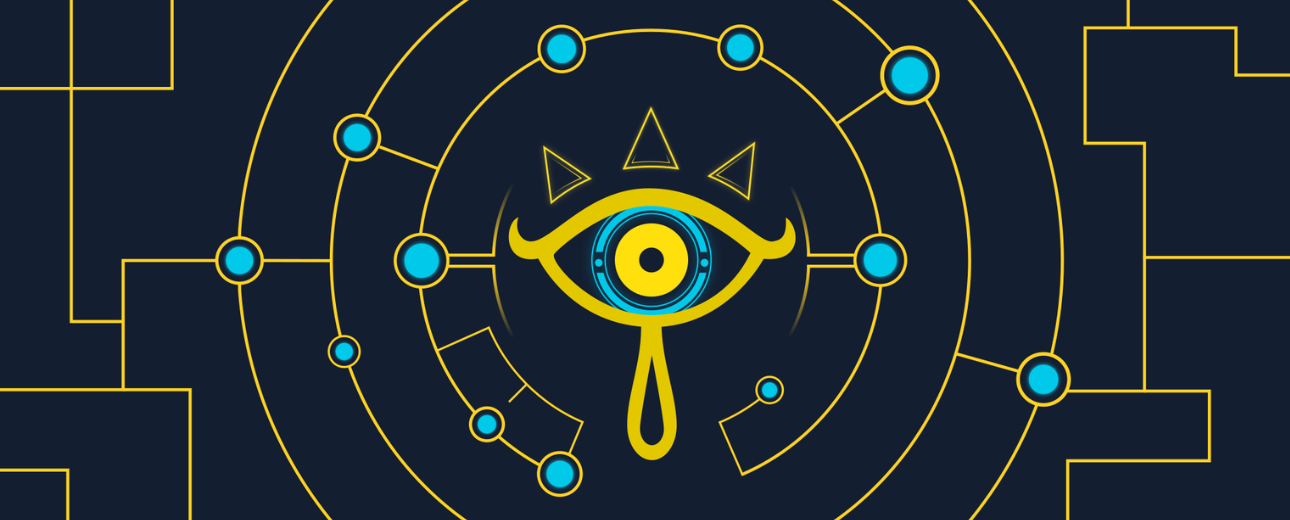
If you’ve spent any time exploring the vast world of Hyrule across the Legend of Zelda franchise, you’ve undoubtedly encountered a mysterious symbol that appears again and again: a stylized eye with three eyelashes above it and a teardrop beneath. This iconic emblem, known as the Sheikah Eye or the Sheikah Symbol, has become one of the most recognizable and enigmatic icons in gaming history. But what does it actually mean? Where did it come from? And why does this ancient symbol appear on everything from mystical stones to advanced technology throughout the Zelda universe?
As someone who’s been absolutely captivated by Zelda lore for years, I can tell you that the Sheikah Eye is far more than just a cool-looking logo that Nintendo designers slapped onto things. It represents an entire civilization’s philosophy, their relationship with the Hylian royal family, their advanced technological achievements, and their spiritual beliefs about truth, protection, and the passage of knowledge through generations. Understanding this symbol opens up deeper appreciation for the intricate world-building that makes the Zelda series so compelling and beloved by millions of fans worldwide.
The Basic Design and Visual Elements
Before we dive into the deep lore and symbolic meanings, let’s start by examining what the Sheikah Eye actually looks like and understanding its distinctive visual components. The symbol consists of several key elements that work together to create its unmistakable appearance, and each of these elements carries its own significance within the broader symbolism.
The most obvious feature is, of course, the central eye itself. This eye is typically depicted in a stylized, almond-shaped form that’s both elegant and slightly unsettling in its intensity. The eye is always shown open and alert, never closed or sleeping, which immediately suggests themes of watchfulness, vigilance, and constant awareness. The pupil is usually clearly defined and centered, giving the impression of direct, unflinching observation that sees everything and misses nothing.
Above the eye, you’ll find three curved eyelashes or marks that sweep upward and outward in a distinctive pattern. These aren’t just decorative flourishes, they’re integral to the symbol’s identity and help distinguish the Sheikah Eye from other eye-based symbols that might appear in fantasy settings. The number three appears repeatedly in Zelda symbolism (the Triforce being the most obvious example), and these three marks connect the Sheikah symbol to that broader pattern of sacred geometry within Hyrule’s mythology.
The Teardrop: A Mark of Sorrow or Wisdom?
Perhaps the most emotionally evocative element of the Sheikah Eye is the single teardrop that appears beneath the eye, positioned directly below the pupil. This teardrop has sparked countless discussions and theories within the Zelda community about its meaning and significance. Is it a tear of sorrow, representing the Sheikah tribe’s tragic history of persecution and betrayal? Is it a symbol of compassion and empathy, showing that those who see truth must also feel the weight of what they witness? Or does it represent something else entirely?
The teardrop has been interpreted in various ways depending on which era of Sheikah history you’re examining and which game in the series you’re playing. In the context of Ocarina of Time, where the Sheikah are described as a nearly extinct shadow folk who served the royal family loyally only to be feared and marginalized, the tear takes on a melancholic quality. It becomes a reminder of sacrifice, of service without recognition, and of the pain that comes from seeing truths that others refuse to acknowledge.
In Breath of the Wild and Tears of the Kingdom, where ancient Sheikah technology dominates the landscape and the tribe’s legacy is more prominent than in any previous game, the teardrop might represent something different: perhaps the price of knowledge, or the responsibility that comes with possessing advanced understanding that others lack. The Sheikah created incredible technology to protect Hyrule, but that same technology was turned against them and later caused the Calamity that nearly destroyed the kingdom. The tear could symbolize the burden of creation and the sorrow of seeing your gifts misused.
Some fans have proposed more optimistic interpretations, suggesting the teardrop represents purification, clarity, or enlightenment, similar to how tears can cleanse and clear vision. In this reading, the tear isn’t about sadness but about the emotional and spiritual transformation that comes from truly seeing reality without illusion or deception. This interpretation aligns well with the Sheikah’s association with truth and their role as keepers of ancient wisdom.
Color Symbolism Across the Games
The Sheikah Eye appears in different color schemes across various Zelda titles, and these color choices aren’t arbitrary, they carry symbolic weight and help convey different aspects of Sheikah identity and purpose. Understanding these color variations helps us appreciate the depth of thought Nintendo puts into visual storytelling.
The most common presentation shows the symbol in blue and white, particularly prominent in Breath of the Wild where ancient Sheikah technology glows with that distinctive blue light. This color scheme evokes spirituality, mysticism, and otherworldly power. Blue has long been associated with wisdom, tranquility, and the divine in many cultures, and its use here connects the Sheikah to these elevated concepts. The glowing blue of Sheikah tech also creates a visual language that immediately tells players “this is ancient, this is powerful, this is important.”
In some contexts, particularly when dealing with corrupted or malevolent Sheikah technology, the symbol appears in red or pink tones. This is most notably seen with the Guardians controlled by Calamity Ganon in BOTW, where the normally benign blue turns to a menacing red-purple that signals danger and corruption. This color shift is brilliant visual storytelling, showing how the same technology and symbols can be perverted to serve darkness rather than light, and how tools of protection can become instruments of destruction.
The Yiga Clan, the traitorous splinter faction of the Sheikah who worship Ganon, use an inverted version of the Sheikah symbol with their own color schemes, typically featuring red prominently. This visual distinction immediately communicates their opposition to the loyal Sheikah and their embrace of different values and allegiances. The modification of the sacred symbol represents their rejection of traditional Sheikah principles while still maintaining connection to their cultural heritage.
The Sheikah Tribe: Guardians of Hyrule’s Secrets
To truly understand the Sheikah Eye symbol, we need to understand the people who created it and what they represent within the Zelda universe. The Sheikah Tribe is one of the most fascinating civilizations in all of gaming lore, a shadow folk who have served as the secret protectors of the Hylian royal family for thousands of years while developing technological and mystical capabilities far beyond what most of Hyrule could comprehend.
The Sheikah are often described as the “Shadow Folk” or “People of the Shadow,” but this doesn’t mean they’re evil or sinister. Rather, it refers to their role as protectors who work from the shadows, unseen and unacknowledged, ensuring the safety of the kingdom through intelligence gathering, covert operations, and the maintenance of ancient seals and wards that keep darkness at bay. They’re essentially a combination of ninja, monks, and advanced scientists rolled into one civilization.
What makes the Sheikah particularly interesting is their dual nature: they possess both highly advanced ancient technology and deep spiritual mystical knowledge. This isn’t contradictory in their worldview, both technology and magic are simply different paths to understanding the fundamental truths of reality. Their symbol, the all-seeing eye, represents this commitment to knowledge, truth, and enlightenment regardless of the method used to achieve it.
The Sheikah’s Relationship with the Royal Family
Throughout Zelda history, the Sheikah have maintained a complex and sometimes tragic relationship with the Hylian royal family they’re sworn to protect. This relationship is foundational to understanding why their symbol appears where it does and what it represents in different contexts throughout the games.
In the ancient past, the Sheikah served the goddess Hylia directly, and after Hylia’s mortal reincarnation as Zelda (a revelation from Skyward Sword), they transferred that service to her bloodline. The Sheikah took on the role of sworn protectors and advisors to the royal family, using their unique skills to ensure the kingdom’s safety from threats both external and internal. This sacred duty was represented by their eye symbol, which conveyed their role as the vigilant watchers who see threats before they materialize.
However, this relationship hasn’t always been harmonious or appreciated. One of the most tragic elements of Sheikah history, particularly referenced in Breath of the Wild, is the period when the royal family feared the Sheikah’s growing power and technological advancement. After the Sheikah helped defeat an ancient calamity using their advanced technology, the king of that era became paranoid about what the Sheikah might do if they turned their capabilities against the throne.
This fear led to the persecution and marginalization of the Sheikah, forcing them to abandon or bury their technology and scatter. Some Sheikah accepted this betrayal with stoic resignation, maintaining their loyalty despite the injustice. Others, bitter and angry at this treatment after millennia of faithful service, broke away to form the Yiga Clan and actively oppose the royal family they once protected. This schism is one of the most emotionally resonant aspects of Zelda lore, showing how fear and mistrust can destroy even the most sacred bonds.
Notable Sheikah Characters Throughout the Series
The Sheikah Eye is more than just an abstract symbol, it’s embodied by actual characters throughout the Zelda series who demonstrate what the Sheikah stand for through their actions, sacrifices, and unwavering dedication to duty. These characters bring the symbol to life and show us what it means to truly be Sheikah.
Impa is undoubtedly the most prominent Sheikah character across the franchise, appearing in numerous games in various incarnations. Whether she’s the wise old woman guiding young Link in Ocarina of Time, the fierce warrior protecting Princess Zelda in Skyward Sword, or the elderly village elder in Breath of the Wild, Impa consistently embodies Sheikah values: wisdom, loyalty, martial skill, and dedication to protecting the royal family and preserving ancient knowledge. Every version of Impa proudly bears the Sheikah Eye symbol somewhere on her person, making her a living representation of everything the symbol stands for.
Sheik, the mysterious warrior who appears in Ocarina of Time, represents another crucial aspect of Sheikah identity: the ability to move unseen and work from the shadows for the greater good. The revelation that Sheik is actually Princess Zelda disguised as a Sheikah warrior is one of gaming’s most iconic plot twists, and it demonstrates the deep trust between the royal family and their Sheikah protectors. When Zelda needed to hide from Ganondorf while still working to thwart his plans, she literally adopted Sheikah identity, taking on their symbol, their fighting style, and their philosophical approach to protecting Hyrule through covert action.
In Breath of the Wild, we meet characters like Robbie and Purah, ancient Sheikah scientists who’ve lived for over 100 years through age-reduction technology, continuing their research and working to counter the Calamity. Their presence shows that the Sheikah aren’t just mystical warriors but also brilliant innovators who push the boundaries of what’s possible. The fact that all their inventions and research facilities are marked with the Sheikah Eye shows how the symbol has evolved to represent not just spiritual sight but also scientific insight and technological advancement.
The Symbol’s First Appearances in Zelda Games
The Sheikah Eye didn’t appear in the very first Zelda games, it was introduced later in the series as Nintendo developed deeper lore and world-building for Hyrule. Tracing the symbol’s first appearances and how it evolved across different titles gives us insight into how the Sheikah’s role in Zelda mythology developed and expanded over time.
The Sheikah themselves were first mentioned in The Adventure of Link (1987), the second game in the series, but only in the instruction manual’s backstory without any visual symbol representation. The tribe was described as loyal servants of the royal family, but they weren’t yet the fully developed civilization with distinctive iconography that we know today. This early reference planted seeds that would grow into rich lore decades later.
The Sheikah Eye symbol as we recognize it made its first appearance in Ocarina of Time (1998), which is fitting because OoT was revolutionary in establishing the deep lore and mythology that defines modern Zelda. The symbol appeared on the Gossip Stones scattered throughout Hyrule, mysterious objects that would share secrets and hints when bombed or played certain songs. These stones being marked with the Sheikah Eye immediately established the connection between the Sheikah and hidden knowledge, secrets, and truths that aren’t immediately apparent.
Ocarina of Time: Establishing the Foundation
In Ocarina of Time, the Sheikah symbol appears in several significant contexts that established its core meanings for future games. Beyond the Gossip Stones, the symbol was prominently displayed in Kakariko Village, the village of the Sheikah that sits at the foot of Death Mountain. The well in the village, which leads to the Bottom of the Well dungeon, bears the symbol, as do various buildings and structures throughout the settlement.
The most important appearance of the symbol in OoT is on Sheik’s outfit, particularly on the chest wrapping that the mysterious warrior wears. This placement, directly over the heart, symbolically represents how the Sheikah identity and purpose are at the very core of who these people are. It’s not just a tribal affiliation or political alliance, it’s fundamental to their being. When we learn that Sheik is Princess Zelda in disguise, it adds another layer of meaning: the symbol represents the deep bond and trust between the royal family and their Sheikah protectors.
The game’s manual and in-game dialogue described the Sheikah as a tribe that had “nearly disappeared,” creating an air of mystery and tragedy around them. This established the melancholic tone that would color interpretations of the Sheikah Eye symbol, the tear taking on additional poignancy when you understand that this represents a nearly extinct people who gave everything in service to Hyrule and received fear and persecution in return. The symbol became not just an emblem but a memorial to sacrifice and loyalty.
Evolution Through Majora’s Mask and Twilight Princess
Majora’s Mask (2000) featured subtle Sheikah references but didn’t expand significantly on the tribe or their symbol. However, this game did continue the tradition of connecting the eye symbol to hidden truths and secrets, reinforcing the association established in Ocarina of Time. The relative absence of prominent Sheikah elements in this alternate-timeline story made their presence in the main Hyrule timeline feel more significant and special.
Twilight Princess (2006) brought the Sheikah back into focus with Impaz, an elderly woman who claims to be the last of the Sheikah bloodline in that era’s Hyrule. The Hidden Village where she lives is filled with Sheikah symbolism, including their eye emblem on various structures and objects. This game emphasized the tragedy of the Sheikah’s decline even further, showing a civilization that had dwindled to a single elderly guardian preserving fading traditions and waiting for a prophecy to be fulfilled.
The Ancient Sky Book that Impaz guards bears the Sheikah Eye and contains ancient text that only those trained in Sheikah lore can read. This reinforced the connection between the symbol and esoteric knowledge, ancient wisdom, and information that must be protected and passed down through generations. The book serves as a key to accessing the City in the Sky, showing how Sheikah knowledge literally unlocks access to higher realms and greater understanding.
The Sheikah Eye in Breath of the Wild and Tears of the Kingdom
No discussion of the Sheikah Eye would be complete without extensively examining its role in Breath of the Wild and Tears of the Kingdom, where the symbol is more prominent and significant than in any previous Zelda game. In these titles, the Sheikah Eye transforms from a relatively rare mystical symbol into an omnipresent marker of ancient technology and lost civilization that players interact with constantly throughout their journey.
In BOTW, the Sheikah Eye is literally everywhere: on shrines, towers, the Sheikah Slate, Guardians, ancient pillars, Divine Beasts, and countless other technological remnants scattered across Hyrule. This ubiquity serves multiple purposes from a game design perspective: it creates a consistent visual language that helps players identify interactive ancient technology, it reinforces the sense that this advanced civilization once dominated Hyrule, and it creates a unified aesthetic that makes exploring ruins feel coherent and purposeful rather than random.
The glowing blue color of the Sheikah technology in BOTW has become iconic, creating striking visuals whether you’re activating a shrine’s pedestal, climbing a Sheikah Tower, or facing down a corrupted Guardian. The eye symbol appearing on these devices before they activate creates a sense of awakening ancient power, as if the technology is literally opening its eyes after 10,000 years of slumber. This is brilliant use of symbolism in game design, making the player feel like they’re not just using old equipment but communing with a sleeping civilization and bringing it back to consciousness.
The Sheikah Slate: Technology Meets Symbolism
The Sheikah Slate that Link receives at the beginning of BOTW might be the most important object bearing the Sheikah Eye in the entire game. This ancient tablet serves as Link’s primary tool for interacting with Sheikah technology, housing the runes that give him special abilities and functioning as a map, camera, and compendium. The prominent eye symbol on the Slate’s surface isn’t just decorative, it represents the device’s function as an extension of Sheikah vision and understanding.
Every time Link activates a rune, solves a shrine puzzle, or uses the Slate to interface with ancient technology, he’s essentially borrowing the Sheikah’s ability to see and manipulate reality in ways that ordinary people cannot. The eye symbol on the Slate glows when active, reinforcing this connection between sight, knowledge, and power. The device literally allows Link to see the invisible (with the Magnesis rune showing metal objects highlighted) and manipulate time (with Stasis), granting him perception beyond normal mortal limitations.
The runes themselves are fascinating from a symbolic perspective: Magnesis (seeing and manipulating metal), Stasis (perceiving and freezing time), Cryonis (creating matter from nothing), and Remote Bombs (controlled destruction). Each of these represents a different aspect of Sheikah understanding of natural laws and their ability to transcend or manipulate those laws. The fact that these godlike powers are all housed in a device marked with the all-seeing eye creates a clear symbolic connection: those who truly see reality can bend it to their will.
Shrines and Towers: Monuments to Ancient Wisdom
The 120 Shrines of Trials scattered across BOTW’s Hyrule are perhaps the most visible manifestation of Sheikah philosophy in the game. Each shrine is marked with the Sheikah Eye, which glows orange before activation and blue afterward, creating a gameplay incentive (finding and completing shrines) that’s deeply intertwined with the symbolic meaning of the Sheikah.
The shrines serve as tests left by the ancient Sheikah monks to prepare the hero for his battle against the Calamity. These aren’t mindless challenges but educational puzzles designed to teach Link how to think like a Sheikah: to observe carefully, understand underlying principles, and use knowledge creatively to overcome obstacles. The fact that each shrine bears the eye symbol transforms that emblem into something educational, it represents the Sheikah approach to developing wisdom through challenge, observation, and mastery.
The mummified monks who wait inside each shrine, having preserved themselves for 10,000 years solely to test and reward the prophesied hero, embody the ultimate expression of Sheikah dedication to duty. Their final act before dissolving is typically a respectful bow or gesture of acknowledgment, showing that even in death, the Sheikah maintain their dignity and purpose. The eye symbol on their shrines becomes a marker of sacrifice, of knowledge preserved at great personal cost, and of faith that future generations will rise to meet the challenges ahead.
The Divine Beasts: Sheikah Engineering Marvels
The four Divine Beasts represent the pinnacle of ancient Sheikah engineering, massive mechanical constructs shaped like animals and piloted by Champions to protect Hyrule from the Calamity. Each Divine Beast is covered in Sheikah Eye symbols, both on its exterior and throughout its interior mechanisms. These aren’t just decorations but seem to serve functional purposes, perhaps as targeting systems, power conduits, or control interfaces.
When you board a Divine Beast and begin manipulating its mechanisms to solve the dungeon, you’re essentially operating a complex machine designed by the Sheikah 10,000 years ago but still functioning perfectly. The eye symbols you encounter while rotating Vah Ruta’s trunk, tilting Vah Rudania’s body, adjusting Vah Medoh’s wings, or manipulating Vah Naboris’s orientation serve as visual guides, helping you understand how these massive machines can be controlled. The symbol thus represents interface design, the Sheikah understanding that even the most complex technology needs intuitive markers that communicate function.
The corruption of these Divine Beasts by Calamity Ganon, marked by the shift from blue to malevolent pink-red coloring, creates one of the game’s most emotionally powerful visual narratives. The Sheikah Eye symbols on the corrupted Beasts seem almost mocking, as if the Calamity is using the Sheikah’s own emblems to taunt them with the failure of their greatest creations. Liberating each Divine Beast and seeing the blue light return to its eye symbols becomes an act of restoration and redemption, reclaiming Sheikah legacy from corruption.
Tears of the Kingdom: New Depths of Meaning
In Tears of the Kingdom (2023), the Sheikah Eye’s prominence is somewhat reduced compared to BOTW, as the ancient Sheikah technology has mysteriously vanished and been replaced by Zonai technology. This absence is itself narratively significant, representing the cyclical nature of civilizations rising and falling. However, the Sheikah haven’t disappeared entirely, and their symbol still appears in significant contexts.
The remaining Sheikah characters, particularly Purah and Robbie, continue to display the eye symbol on their clothing and equipment, maintaining connection to their heritage even as they adapt to studying new Zonai technology. This shows that the Sheikah Eye represents more than just a specific technological era, it represents an enduring philosophy and cultural identity that persists regardless of what tools or techniques are currently dominant.
Kakariko Village remains a Sheikah settlement in TOTK, and the eye symbols that mark buildings and landmarks serve as reminders of continuity and tradition. The village has evolved and changed, but its fundamental Sheikah identity remains intact. This persistence of cultural symbols across generations demonstrates their power to maintain community identity and pass values from one era to the next, which is part of what makes the Sheikah Eye such a resonant symbol within Zelda lore.
Symbolic Meanings and Philosophical Interpretations
Beyond the literal in-game lore and narrative significance, the Sheikah Eye operates on a deeper symbolic level that connects to real-world philosophical and spiritual concepts. Understanding these connections enriches our appreciation of the thought and intentionality that went into creating this emblem and the civilization it represents.
The most obvious symbolic association is with the concept of the all-seeing eye, a motif that appears across numerous cultures and traditions throughout human history. From the Eye of Providence in Western esoteric traditions to the Eye of Horus in ancient Egypt to various Buddhist and Hindu representations of enlightened vision, the single eye has consistently represented elevated perception, divine knowledge, and the ability to see truth that ordinary vision cannot perceive.
In the Sheikah context, this seeing goes beyond physical sight to represent insight, foresight, and understanding. The Sheikah don’t just see what is, they see what was (through their preservation of ancient history), what could be (through their technological innovation), and what must be prevented (through their vigilance against darkness and corruption). The eye symbol encapsulates this multidimensional vision that operates across time and reality.
The Eye of Truth: Seeing Beyond Illusion
The Sheikah Eye is directly connected to one of the most important items in Ocarina of Time: the Lens of Truth, which in Japanese is called the “Eye of Truth.” This magical lens, found in the Bottom of the Well dungeon in Kakariko Village (the Sheikah settlement), allows Link to see through illusions and reveal hidden truths. While the Lens of Truth isn’t marked with the exact Sheikah Eye design in OoT, the conceptual connection is clear and has been reinforced in subsequent games.
This connection transforms the Sheikah Eye from a simple tribal emblem into a representation of a fundamental philosophical principle: reality versus illusion, truth versus deception. The Sheikah, as the bearers of this symbol, are those who commit themselves to seeing and understanding truth even when it’s uncomfortable, hidden, or dangerous. They reject comfortable lies and easy ignorance in favor of difficult knowledge and inconvenient reality.
This philosophy has practical applications throughout the Zelda series. The Sheikah’s role as intelligence gatherers and shadow protectors requires them to see through disguises, understand hidden motives, and perceive threats before they become obvious. Their technological achievements required understanding the true nature of energy, matter, and fundamental forces rather than accepting superficial explanations. Their spiritual development demanded seeing through the illusions of ego and attachment to perceive higher truths. The eye symbol represents all of these levels of truth-seeking simultaneously.
The Teardrop as Emotional Truth
Returning to the teardrop element of the symbol, we can interpret it as representing the emotional dimension of truth-seeking. Pure intellectual understanding without emotional intelligence creates cold, disconnected knowledge. The teardrop suggests that the Sheikah understand that true wisdom includes emotional awareness, empathy, and the acceptance of suffering as part of existence.
In Buddhist philosophy, which seems to have influenced various aspects of Zelda’s spiritual themes, enlightenment includes both wisdom (prajna) and compassion (karuna). You cannot be truly enlightened while remaining emotionally disconnected from the suffering of others. The Sheikah Eye, with its tear, might represent this integration of wisdom and compassion, of seeing clearly and feeling deeply, of understanding both the facts of reality and the emotional weight those facts carry.
This interpretation makes the Sheikah’s tragedy even more poignant. They saw the truth of what would happen if the kingdom didn’t prepare for the Calamity, they felt the weight of that knowledge, and they worked tirelessly to create solutions. When their warnings were ignored and their sacrifices forgotten, when fear replaced gratitude and persecution replaced honor, they felt that betrayal deeply. The teardrop represents the pain of Cassandra, cursed to see the truth but never believed, to offer help that will be rejected, to sacrifice everything for those who will never appreciate what was given.
The Sheikah Eye in Fan Culture and Interpretations
The Sheikah Eye has transcended its origins as an in-game symbol to become a significant icon in Zelda fan culture, appearing in fan art, tattoos, cosplay, merchandise, and countless creative interpretations. Examining how fans have adopted and adapted this symbol reveals what resonates with the community and how the symbol’s meaning continues to evolve beyond Nintendo’s official narrative.
Walk through any gaming or anime convention and you’ll see the Sheikah Eye everywhere: on t-shirts, as jewelry, painted on cosplay props, and yes, tattooed on countless fans who wanted to permanently mark themselves with this symbol. The fact that so many people choose to permanently ink this design onto their bodies speaks to the deep personal connection they feel to what it represents. These aren’t just people who enjoyed a video game, they’re individuals who identified with the Sheikah philosophy of seeking truth, protecting others from the shadows, and valuing wisdom and knowledge.
The symbol’s aesthetic appeal certainly contributes to its popularity, it’s visually distinctive, relatively simple to reproduce, and looks cool whether rendered in traditional blue and white or in custom color schemes. But the deeper reason for its endurance in fan culture is the meaning people project onto it. For some, it represents their own commitment to seeking truth in a world full of misinformation. For others, it symbolizes watching over and protecting loved ones. For still others, it’s a reminder that knowledge and wisdom are worth pursuing even when they come with pain and difficulty.
Fan Theories and Speculative Interpretations
The Zelda fan community is legendary for its deep lore analysis and creative theorizing, and the Sheikah Eye has been the subject of countless discussions, videos, and written analyses. Some of these fan interpretations have added fascinating dimensions to how we understand the symbol, even if they’re not explicitly confirmed by official sources.
One popular theory suggests that the three marks above the eye represent the three goddesses (Din, Nayru, and Farore) who created Hyrule, connecting the Sheikah explicitly to divine creation and suggesting they serve as mortal agents of the goddesses’ will. This interpretation positions the Sheikah as a priestly class with direct spiritual authority derived from the creators of reality itself. The eye beneath these three marks would then represent the Sheikah’s role as observers and interpreters of the divine will, seeing and understanding the intentions of the goddesses.
Another theory proposes that the eye symbol is actually a map or diagram showing the layout of some fundamental mystical principle or energy flow within Hyrule. The central eye might represent the Sacred Realm or Temple of Time, with the three marks above representing the three Spiritual Stones or the three regions of Hyrule. The teardrop below could represent the descent of divine power into the mortal realm, or the flow of time from past (above) to future (below). While this is highly speculative, it demonstrates the community’s engagement with the symbol as something that might contain hidden meaning beyond its obvious visual elements.
Cross-Cultural Comparisons and Influences
Fans and analysts have drawn numerous parallels between the Sheikah Eye and symbols from real-world cultures and traditions, exploring potential influences on Nintendo’s design choices. These comparisons, whether intended by the developers or not, add rich layers of meaning to how we understand the symbol.
The similarity to the Eye of Horus from ancient Egyptian mythology is striking and frequently noted. The Eye of Horus was a symbol of protection, royal power, and good health, often used as an amulet to ward off evil. The mathematical precision of the Eye of Horus’s components, where each part represented a fraction in ancient Egyptian mathematics, resonates with the Sheikah’s combination of mysticism and technological precision. Both symbols represent civilizations that achieved remarkable advances in knowledge and whose emblems continue to fascinate people thousands of years later.
The connection to Buddhist third eye symbolism is also compelling. In Hindu and Buddhist traditions, the third eye represents enlightenment, the ability to perceive beyond ordinary reality, and the awakening of inner vision. The Sheikah Eye, placed on objects and worn on clothing as a marker of those who seek truth and wisdom, functions similarly to these spiritual symbols. The teardrop could even be interpreted through a Buddhist lens as representing the tears of compassion (karuna) that enlightened beings feel for those still trapped in illusion and suffering.
Some fans have noted similarities to the Hamsa or Hand of Fatima, a protective symbol popular in Middle Eastern and North African cultures that often features an eye in its palm. Like the Hamsa, the Sheikah Eye seems to function as a protective symbol, warding off evil and marking places and objects as being under the guardianship of those dedicated to preservation and protection.
The Inverted Symbol: The Yiga Clan’s Rebellion
No examination of the Sheikah Eye would be complete without addressing its dark reflection: the inverted Sheikah symbol used by the Yiga Clan. This twisted version of the sacred emblem represents one of the most fascinating aspects of Zelda lore, showing how symbols of protection and wisdom can be corrupted and turned toward opposing purposes when the values they represent are abandoned or betrayed.
The Yiga Clan emerged from the Sheikah who refused to accept the royal family’s persecution and betrayal. After serving loyally for millennia, creating wonders to protect the kingdom, and sacrificing everything in service to Hyrule, they were rewarded with fear, banishment, and forced abandonment of their technology. Some Sheikah accepted this injustice with stoic resignation, maintaining their loyalty despite the betrayal. Others, understandably, could not stomach this treatment and broke away to form the Yiga.
The Yiga’s inversion of the Sheikah symbol is loaded with meaning. By flipping the eye upside down, they’re making a clear statement: everything the loyal Sheikah stood for, we now oppose. Where the Sheikah protect the royal family, the Yiga seek to destroy it. Where the Sheikah serve the light, the Yiga embrace darkness through their worship of Calamity Ganon. Where the Sheikah value truth and enlightenment, the Yiga employ deception and disguise. The inverted eye represents inverted values, a deliberate rejection of everything their ancestors held sacred.
Visual and Philosophical Inversion
The Yiga symbol retains the basic elements of the Sheikah Eye, the central eye, the three marks (now below rather than above), and the teardrop (now above rather than below), but their inversion creates a fundamentally different impression. Where the upright Sheikah Eye feels balanced and ascending, with the marks pointing toward higher consciousness and the tear descending as a sign of connection to mortal emotions, the inverted Yiga symbol feels unstable and descending, with the marks pointing downward toward baser impulses and the tear rising like inverted grace.
The color scheme used by the Yiga, typically featuring red prominently, reinforces this opposition to the loyal Sheikah’s blue palette. Red carries associations with blood, violence, anger, and passion, all emotions that the disciplined Sheikah traditionally suppress in favor of calm wisdom. The Yiga’s embrace of red signals their embrace of the passions the Sheikah reject: vengeance, rage, and the desire for recognition and power rather than quiet service.
What makes the Yiga Clan narratively powerful is that their grievances are entirely legitimate. They’re not wrong to feel betrayed by the royal family they served faithfully for generations. They’re not irrational for rejecting further service to those who persecuted them. Their anger and desire for vengeance are psychologically understandable responses to genuine injustice. This moral complexity prevents them from being simple cartoon villains and instead makes them tragic figures who took legitimate grievances and channeled them into destructive purposes.
The Tragedy of Symbols Turned Against Their Purpose
The Yiga Clan’s use of the inverted Sheikah symbol creates a painful irony: a symbol that originally represented protection, wisdom, and enlightenment now marks those who spread chaos, embrace deception, and serve a force of pure malevolence. This transformation demonstrates how symbols, no matter how sacred or well-intentioned, can be corrupted when the community that bears them fragments and turns against itself.
The battle between Sheikah and Yiga in Breath of the Wild becomes a battle over what their shared heritage means and who has the right to claim it. Both groups are Sheikah by blood and share the same history, skills, and cultural traditions. They’re family torn apart by different responses to historical trauma and betrayal. The loyal Sheikah chose forgiveness and continued service despite injustice; the Yiga chose rage and rebellion. The symbols they carry represent these divergent paths, two possible responses to suffering encoded in the orientation of a single emblem.
Players encountering Yiga Clan members throughout BOTW experience a consistent visual language: the inverted symbol immediately communicates “this is a corrupted version of something good, a perversion of noble principles.” Even before you understand the full lore, the visual design tells you that the Yiga are what happens when Sheikah philosophy is twisted, when the commitment to truth is replaced by commitment to lies and deception, when protection becomes destruction.
Connecting the Sheikah Eye to Broader Zelda Mythology
The Sheikah Eye doesn’t exist in isolation within Zelda’s rich mythology but connects to and interacts with other major symbols and themes throughout the series. Understanding these connections reveals how carefully Nintendo has woven together the symbolic language of Hyrule and how different elements of lore support and reinforce each other.
The most obvious connection is to the Triforce, the ultimate symbol of divine power in the Zelda universe. While the Triforce represents the power of the three goddesses who created reality (Power, Wisdom, and Courage), the Sheikah Eye represents mortal attempts to understand and safeguard that divine power. The Sheikah serve those blessed by the Triforce of Wisdom (the Zelda lineage) and help the bearer of the Triforce of Courage (Link) on his journey. In this sense, the eye symbol represents the mortal wisdom that supports and protects divine wisdom.
The number symbolism is also significant: the Triforce has three components, and the Sheikah Eye has three marks above the eye. This parallel suggests intentional design linking these symbols together. Some fans theorize that the three marks specifically represent the three aspects of the Triforce, showing the Sheikah’s understanding of and service to the divine order represented by that sacred triangle.
The Sheikah and the Timeline Split
The complex Zelda timeline, with its three-way split following Ocarina of Time, shows how the Sheikah and their symbol evolve differently across different historical branches. In the Downfall Timeline (where Link loses to Ganon), the Sheikah seem to fade into near-obscurity, with few references to them in games like A Link to the Past or the original Legend of Zelda. Their symbol appears rarely if at all, suggesting a timeline where Sheikah influence waned dramatically.
In the Child Timeline (where Link prevents Ganondorf’s rise), Twilight Princess shows us a timeline where the Sheikah have dwindled to near-extinction by that era, preserved only in the memory of a single guardian. Their symbol appears primarily as historical artifact, marking places and objects from a civilization that has essentially disappeared from active participation in Hyrule’s affairs.
In what fans theorize is the Adult Timeline or a convergence/new timeline where Breath of the Wild occurs, we see the most prominent representation of Sheikah influence, with ancient technology and symbols dominating the landscape. This suggests a timeline where the Sheikah achieved their greatest technological heights before the Calamity struck, leaving behind the most extensive legacy of any timeline branch.
The Sheikah Eye and the Master Sword
The relationship between the Sheikah Eye and the Master Sword, another of Zelda’s most iconic symbols, is subtle but significant. While the Master Sword is the Blade of Evil’s Bane forged by the goddess Hylia, the Sheikah are Hylia’s mortal servants who continue her work of protecting Hyrule. The eye symbol and the sword are complementary tools in the fight against darkness: the sword represents the power to destroy evil, while the eye represents the wisdom to identify it and the knowledge to prepare for its return.
In several games, Sheikah characters or locations play crucial roles in Link obtaining or powering up the Master Sword. The connection between the all-seeing eye and the all-cleaving blade represents the union of wisdom and power, of understanding and action, that’s necessary to truly protect Hyrule from recurring cycles of darkness. Neither wisdom without power nor power without wisdom is sufficient, you need both the eye that sees truth and the blade that acts upon it.

The Sheikah Eye in Merchandise and Popular Culture
The commercial success and cultural penetration of the Sheikah Eye extends far beyond the games themselves, becoming one of the most recognizable symbols in gaming merchandise and finding its way into broader popular culture in interesting ways. This mainstream adoption speaks to both the symbol’s aesthetic appeal and the depth of connection fans feel to what it represents.
Official Nintendo merchandise featuring the Sheikah Eye is abundant and varied: clothing, accessories, home decor, collectibles, and more all bear this distinctive emblem. From subtle jewelry pieces featuring small eye pendants to bold graphic tees with large Sheikah symbols, Nintendo and its licensing partners clearly recognize the commercial value of this icon. The symbol’s strong association with Breath of the Wild, one of the best-selling and most critically acclaimed games in Nintendo’s history, has only increased its market presence.
What’s particularly interesting is seeing how the symbol appears in high-quality collector’s items and official art books. When a symbol is deemed worthy of inclusion in premium, limited-edition merchandise rather than just cheap mass-produced items, it indicates that the company recognizes it as a core brand asset with lasting value. The Sheikah Eye has achieved this status, appearing in expensive figurines, art prints, and special edition game cases that fans display proudly.
Fan-Created Merchandise and Crafts
Beyond official products, the fan community has created an enormous ecosystem of unofficial merchandise and handcrafted items featuring the Sheikah Eye. Etsy, Redbubble, and similar platforms are flooded with fan-created designs: custom posters, phone cases, stickers, pins, patches, and more. This fan production demonstrates the symbol’s versatility and the desire fans have to incorporate it into their daily lives in ways that official merchandise might not provide.
The cosplay community has particularly embraced the Sheikah Eye, incorporating it into costumes of Sheikah characters and creating original designs for Sheikah-inspired original characters. Watching talented cosplayers create armor, robes, weapons, and props all marked with careful recreations of the eye symbol shows the care and dedication fans bring to representing this fictional civilization. The symbol becomes a mark of authenticity, communicating “this is genuinely Sheikah” in a visual language that other fans immediately recognize.
Tattoo artists have reported steady demand for Sheikah Eye tattoos, with fans choosing to permanently mark themselves with this symbol for various personal reasons. Some see it as a reminder to seek truth and wisdom. Others connect it to personal experiences with the Zelda games that helped them through difficult times. Still others simply love the aesthetic and the connection to a fictional civilization they admire. The permanence of tattooing shows the deepest level of fan commitment to a symbol, moving beyond temporary display to lifetime identification.
Academic and Critical Analysis
The Sheikah Eye has even attracted attention from academic critics and game studies scholars examining symbolism in video games, world-building in interactive media, and how fictional cultures create coherent iconographic systems. Papers and presentations at academic conferences have analyzed the Sheikah symbol as an example of effective visual storytelling and consistent design language that communicates complex lore without requiring explicit explanation.
This academic attention legitimizes video game symbols like the Sheikah Eye as worthy of serious analysis alongside symbols from literature, film, and traditional art. The recognition that a symbol from a video game can carry the same weight, complexity, and cultural significance as emblems from “serious” media represents an important evolution in how we understand and value interactive entertainment as an art form.
Practical Uses of the Symbol for Players
Beyond lore and symbolism, the Sheikah Eye serves crucial practical functions for players navigating the game world. Understanding these gameplay functions helps us appreciate how Nintendo integrated deep symbolism with functional game design, creating a symbol that works on both narrative and mechanical levels simultaneously.
In Breath of the Wild, the Sheikah Eye functions as a visual indicator that immediately communicates important information to players. When you see structures or objects marked with the glowing blue eye symbol, you know they’re interactive Sheikah technology that likely requires the Sheikah Slate to activate or manipulate. This creates a consistent visual language that players learn quickly and rely on throughout their journey.
The symbol’s color changes convey status information efficiently: blue means friendly/activated, red/pink means corrupted by Ganon, and orange means not yet activated. This color coding allows players to assess situations at a glance. Seeing a Guardian with red eyes tells you to prepare for combat or flee. Seeing a shrine with orange glow tells you there’s still content to complete there. Seeing the blue glow confirms successful activation. This functional use of the symbol makes it not just decorative but integral to gameplay communication.
Navigation and Exploration Guidance
The Sheikah Eye serves as a wayfinding tool for players exploring the vast world of Hyrule. Sheikah Towers marked with the symbol serve as synchronization points that reveal map sections, guiding players to climb them and scout the surrounding area. Shrines marked with the eye become visible from great distances, especially at night when they glow, helping players identify locations worth investigating.
This practical function reinforces the symbolic meaning: the eye represents vision, sight, and revelation. When you activate a Sheikah Tower and the symbol glows as the map reveals itself, you’re literally gaining the Sheikah’s enhanced vision, seeing what was previously hidden. When you spot a distant shrine marked by the glowing eye symbol, you’re using their technology to identify places of significance and power. The gameplay mechanic and the symbolic meaning support each other perfectly.
The Sheikah Sensor upgrade for the Sheikah Slate, which helps players locate shrines by beeping when you’re near one, extends this theme even further. The sensor itself is marked with the eye symbol, and its function is quite literal: it helps you see (or rather, sense) things you couldn’t detect on your own. The Sheikah Eye becomes an actual tool for enhanced perception, making the symbol’s meaning experiential rather than just conceptual.
Combat Recognition and Threat Assessment
In combat situations, the Sheikah Eye helps players quickly identify friend from foe and understand what they’re facing. The Guardians are the most obvious example: their eye color immediately tells you their status. A blue-eyed Guardian is dormant or friendly. A red-eyed Guardian is corrupted and hostile. This instant recognition allows players to make quick tactical decisions about whether to engage, prepare defenses, or flee.
The Divine Beasts also use color-coded eye symbols to show their corruption status and later their liberation. From across the map, players can see whether a Divine Beast is still red (corrupted) or has returned to blue (liberated), providing constant visual feedback on story progression. The symbol thus becomes a way to track your own progress and see the impact of your actions on the world.
The Future of the Sheikah Eye in Zelda
As we look forward to future Zelda titles, the question becomes: what role will the Sheikah Eye continue to play in the series? Tears of the Kingdom’s relative de-emphasis of Sheikah technology in favor of Zonai elements might suggest the symbol’s prominence will vary from game to game rather than remaining constant.
Nintendo has demonstrated through TOTK that they’re willing to dramatically shift the aesthetic and technological focus between games while maintaining core narrative and thematic consistency. The mysterious disappearance of Sheikah technology between BOTW and TOTK has sparked endless fan theories and discussions, but it also demonstrates that Nintendo doesn’t feel locked into maintaining any particular visual or technological paradigm indefinitely.
However, the Sheikah themselves aren’t going anywhere. As long as there’s a Hyrule with a royal family that needs protecting, as long as there are secrets to uncover and ancient wisdom to preserve, the Sheikah tribe will have a role to play. And where the Sheikah go, their eye symbol will follow as a marker of their identity and values. The symbol has become too iconic and too deeply embedded in Zelda lore to disappear entirely.
Evolution Rather Than Abandonment
Future games will likely continue to feature the Sheikah Eye but perhaps in different contexts and with evolved meanings. We might see the symbol primarily on historical artifacts and locations, marking places of ancient importance while new symbols come to the forefront for current-era technology. We might see the Sheikah tribe itself evolve, adopting new techniques and technologies while maintaining their core identity and iconography.
The relationship between Sheikah and Zonai technology and symbolism might be explored in future titles, potentially revealing connections we don’t yet understand. Perhaps the Sheikah learned from or were influenced by the even more ancient Zonai. Perhaps the eye symbol itself has older origins than we’ve been told. Nintendo has shown they’re willing to expand and complicate Zelda lore in unexpected ways, and the Sheikah Eye could be involved in future revelations.
What seems certain is that the core symbolic meaning of the Sheikah Eye, representing truth-seeking, wisdom, protection, and the burden of knowledge, will remain relevant regardless of how its visual presence changes from game to game. These themes are fundamental to the Zelda series and to Link’s heroic journey. Even if future games don’t feature glowing blue Sheikah technology everywhere, the philosophy represented by that watching eye will continue to inform the series’ approach to heroism, sacrifice, and the pursuit of truth.
Conclusion: More Than Just a Symbol
After this deep exploration of the Sheikah Eye across Zelda history, lore, and fan culture, we can definitively answer the question posed at the beginning: What is the Sheikah Eye? It’s far more than just a cool-looking symbol that Nintendo designers created to mark ancient technology in their games.
The Sheikah Eye is a multifaceted emblem that operates simultaneously on numerous levels: as a tribal identifier for an ancient civilization, as a philosophical statement about the pursuit of truth and wisdom, as a functional gameplay element that guides players through vast game worlds, as a memorial to sacrifice and loyalty, as a warning about the corruption of noble purposes, and as a symbol that has transcended its fictional origins to become meaningful to real people in the real world.
It represents a civilization of shadow protectors who valued knowledge above recognition, duty above personal glory, and the safety of others above their own well-being. It embodies the painful truth that seeing reality clearly often comes with a cost, that wisdom includes acknowledging suffering, and that those who guard others from the darkness often remain unseen and unappreciated. The teardrop beneath the eye captures this melancholy perfectly, a permanent marker of the price of vision and the burden of understanding.
The symbol’s evolution from a relatively minor emblem in Ocarina of Time to the dominant visual motif of Breath of the Wild shows how Nintendo has developed and deepened their world-building over decades. The Sheikah aren’t just background lore anymore, they’re central to understanding Hyrule’s history, its cycles of calamity and renewal, and the technological wonders that make modern Zelda games so compelling. Their eye symbol is the thread that ties these elements together into a coherent whole.
For fans who’ve embraced the Sheikah Eye through cosplay, tattoos, merchandise, and creative works, the symbol has become a way to express personal values and identity. When you wear or display the Sheikah Eye, you’re aligning yourself with the principles it represents: seeking truth, valuing wisdom, protecting others, and accepting that knowledge and awareness come with responsibilities and sometimes with pain. It’s become a badge of honor for those who identify with these ideals.
As we look to future Zelda titles, the Sheikah Eye will undoubtedly continue to evolve and appear in new contexts, but its core meaning, that essential representation of vision, wisdom, protection, and sacrifice, will remain constant. It’s become as fundamental to Zelda iconography as the Triforce itself, instantly recognizable and rich with layered meanings that reward deeper investigation.
The next time you see that distinctive eye symbol glowing in a Zelda game, whether on a shrine, a piece of ancient technology, or worn by a mysterious guardian, you’ll understand that you’re looking at far more than mere decoration. You’re seeing the mark of an entire civilization’s philosophy, the embodiment of eternal themes about truth and illusion, power and wisdom, service and sacrifice. You’re seeing, in a very real sense, the eye that sees truth, and through understanding it, you see a little more clearly yourself.
For more information about the Sheikah and their role in Zelda lore, the Zelda Wiki provides comprehensive documentation of their appearances across all games. For in-depth lore analysis and fan theories, YouTube channels like Zeltik offer excellent video essays exploring Sheikah history and symbolism. The official Zelda website from Nintendo provides news and updates about the series, while fan communities on Reddit’s r/Breath_of_the_Wild continue to discuss and analyze every aspect of Sheikah culture and technology.
The Sheikah Eye watches over Hyrule across the ages, and through understanding what it represents, we gain deeper appreciation for the rich, carefully crafted mythology that makes The Legend of Zelda one of gaming’s most enduring and beloved franchises. May we all develop the vision to see truth clearly, the wisdom to understand what we see, and the courage to act on that understanding, just as the Sheikah have done for thousands of years in the world we’ve come to love.