
 Canada
 USA
USA Japan
Japan



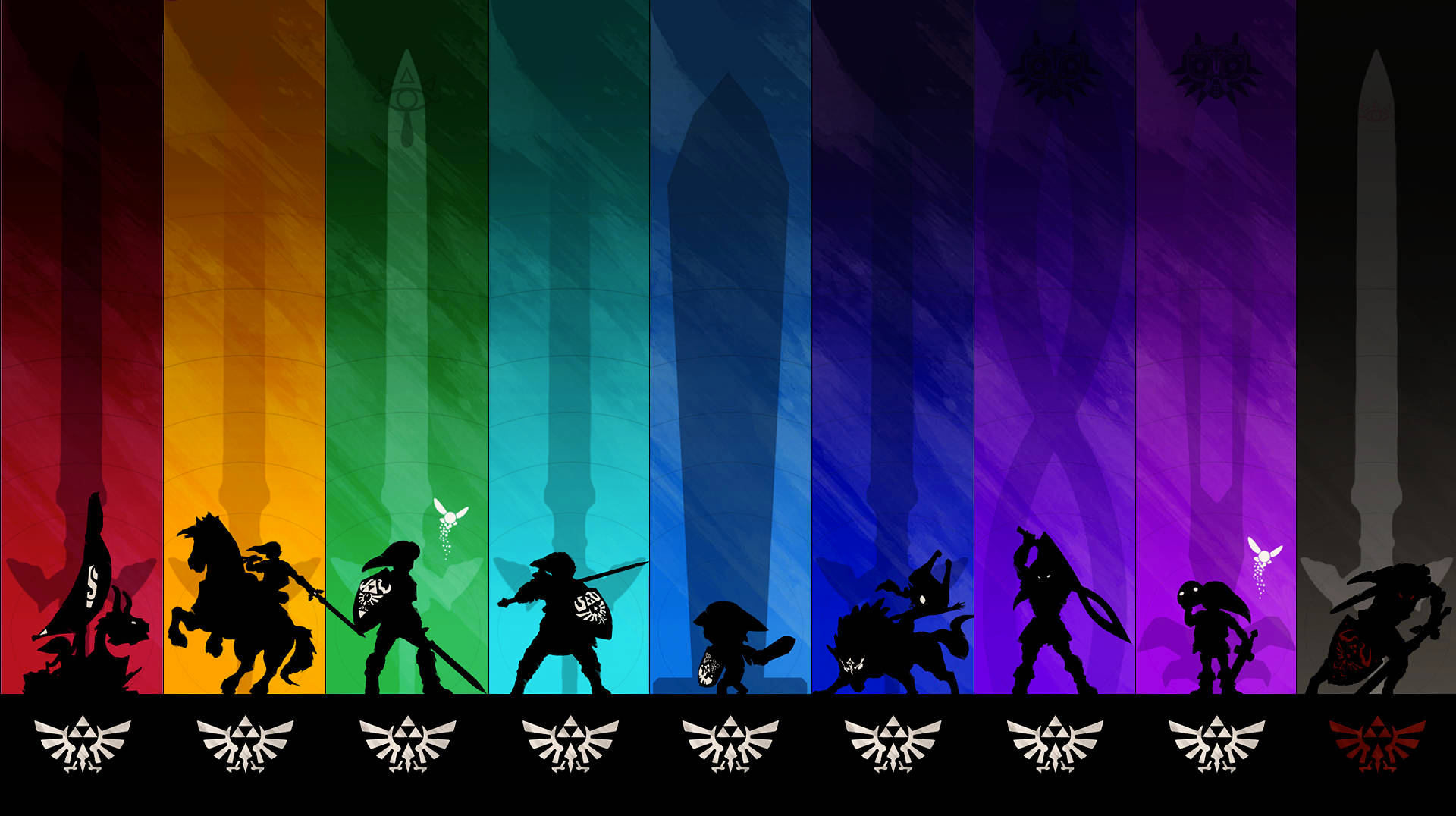
Since it burst onto the scene in 1986, The Legend of Zelda has stolen the hearts of millions, becoming one of gaming’s most beloved and enduring franchises. From its pixelated roots to today’s breathtaking open worlds, the series has blended innovative gameplay, heartfelt stories, and unforgettable tunes that still give us chills. Come along as we trace its incredible evolution—nearly four decades of magic that keeps feeling fresh while staying true to what makes Zelda so special.
The Birth of a Legend: The NES Era
Back in 1986, Shigeru Miyamoto and Takashi Tezuka unleashed The Legend of Zelda on the Nintendo Entertainment System, dropping us into the vast kingdom of Hyrule with a brave hero named Link. It wasn’t just another game; it felt revolutionary.
What made it stand out?
- Freedom to Explore: You could wander Hyrule in any order you liked—burn bushes, bomb walls, discover secrets. That sense of “what’s over there?” was pure addiction.
- Saving Your Progress: Thanks to battery-powered cartridges, you didn’t lose everything when you turned off the console—a huge deal back then.
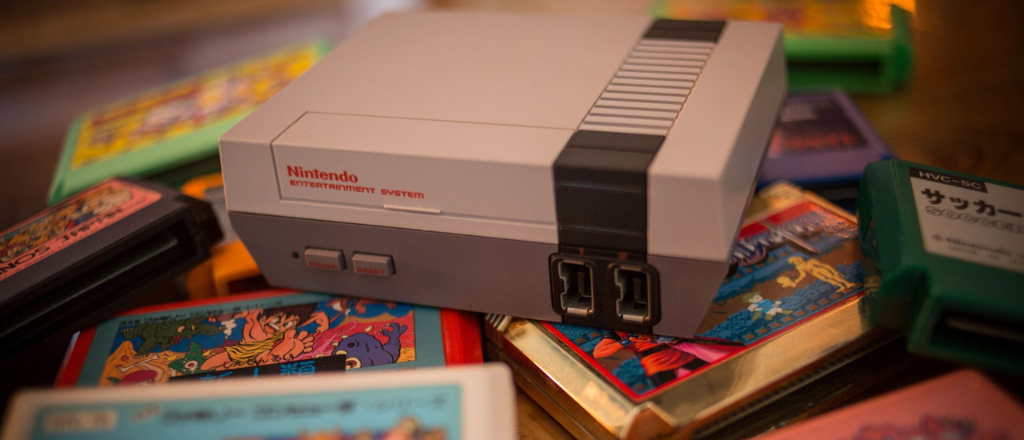
Add in Koji Kondo’s iconic overworld theme (you know the one—it still pops into your head), the Triforce lore, and tough dungeons, and you had the blueprint for everything that followed.
Expanding the Vision: The SNES and Game Boy Era
The series grew up fast, proving it could shine on bigger screens and in your pocket.
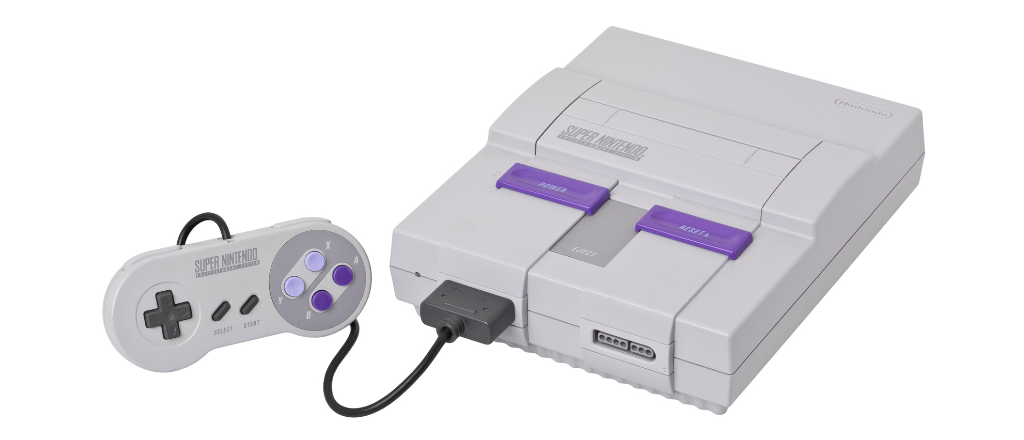
- A Link to the Past (1991) On the Super Nintendo, this gem raised the bar with its parallel Light and Dark Worlds—you’d flip between them to solve mind-bending puzzles. The Hookshot became an instant favorite (who didn’t love zipping across gaps?), and the story dug deeper into Hyrule’s history.
- Link’s Awakening (1993) Nintendo took Zelda portable on the Game Boy, and it was dreamy—literally. Surreal islands, quirky characters (remember the chain chomp cameo?), and fun twists like trading quests and side-scrolling sections. It showed Zelda could be whimsical and emotional anywhere.
These games nailed that perfect mix of fresh ideas and soulful tales we still chase today.
The Leap to 3D: The N64 Revolution
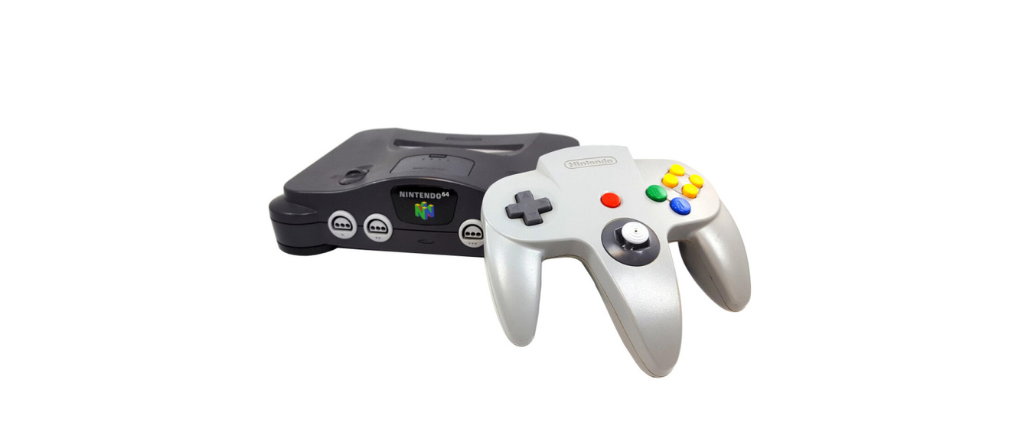
Then came the jump to 3D, and everything changed.
- Ocarina of Time (1998) Often called one of the greatest games ever, Ocarina brought Hyrule to life on the Nintendo 64. Vast fields to ride across on Epona, Z-targeting for smooth fights, and that time-travel twist—playing as kid Link one moment, adult the next. Learning ocarina songs to warp or summon rain? Magical. The final Ganon showdown still gives goosebumps.
- Majora’s Mask (2000) Darker and bolder, this follow-up ran on a haunting three-day cycle. Transforming with masks unlocked wild abilities, and the stories of Termina’s doomed residents hit hard—themes of grief and urgency that felt daring for Zelda.
Innovation Through Iteration: The GameCube and Wii Era
Zelda kept experimenting, swinging between styles to keep us on our toes.
- The Wind Waker (2003) That bright, cel-shaded look was controversial at first, but sailing the Great Sea, conducting winds with your baton—it grew into a timeless classic. The emotional punches, especially around family and loss, linger long after.
- Twilight Princess (2006) Going grittier and more realistic, this one echoed Ocarina’s epic feel. Horseback battles, the shadowy Twilight Realm, and Midna—hands down one of the best companions ever, with her snark and heartbreaking arc.
- Skyward Sword (2011) On the Wii, motion controls let you swing the sword one-to-one. It dove deep into lore, revealing the Master Sword’s origins and the endless cycle of heroism. Polarizing at the time, but its sky-high world and heartfelt moments hold up beautifully.
Reinventing the Series: Breath of the Wild (2017)
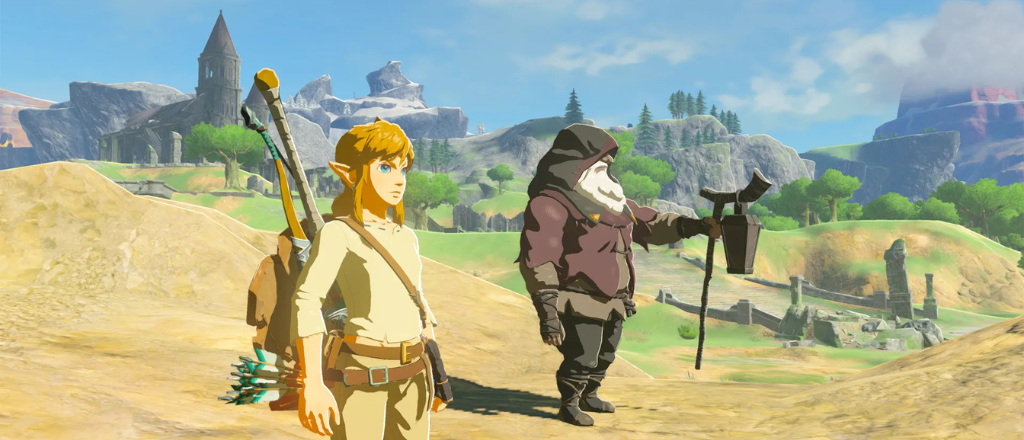
With Breath of the Wild, Nintendo completely reimagined The Legend of Zelda. Released for the Nintendo Switch, the game embraced In 2017, Breath of the Wild flipped the script entirely on the Nintendo Switch. You wake up, grab a paraglider, and… go anywhere. Climb mountains in any order, cook meals for buffs, experiment with physics—shields for surfing, magnets for mayhem.
Then came Tears of the Kingdom in 2023, building sky islands, depths below, and wild building tools like Ultrahand. Crafting vehicles to cross chasms? Pure joy.
And in 2024, Echoes of Wisdom surprised us all by putting Princess Zelda front and center—her first starring role in a mainline game. With clever “echo” summoning for puzzles and fights, it blended classic top-down charm with fresh creativity.
The Future of Zelda: Tears of the Kingdom and Beyond
As we hit the 40th anniversary in 2026, excitement is building—remasters, celebrations, maybe even peeks at what’s next. Fans are buzzing about ports of classics like Wind Waker or Twilight Princess, and with a live-action movie on the horizon, Nintendo’s got plenty up its sleeve to keep the legend growing.
What Makes The Legend of Zelda Timeless?
It’s more than games; it’s magic that sticks with you.
- Constant Innovation: Every entry pushes boundaries—nonlinear worlds, time loops, physics playgrounds.
- Stories That Touch the Heart: Epic quests mixed with quiet moments of wonder, loss, and triumph.
- Unforgettable Sights and Sounds: Kondo’s melodies, evolving art from cartoons to realism.
- Themes We All Feel: Courage in the face of fear, wisdom through tough choices, power balanced with heart.
Conclusion: A Legacy Worth Celebrating
From those humble 8-bit days to vast, living worlds today, The Legend of Zelda has evolved with tech while capturing something deeper—what it means to be a hero. Whether you’re revisiting old favorites or discovering Hyrule anew, it inspires adventure in us all. Here’s to many more years of exploring, discovering, and falling in love with this timeless legend.
If you like this article, feel free to also check this one.