
 Canada
 USA
USA Japan
Japan



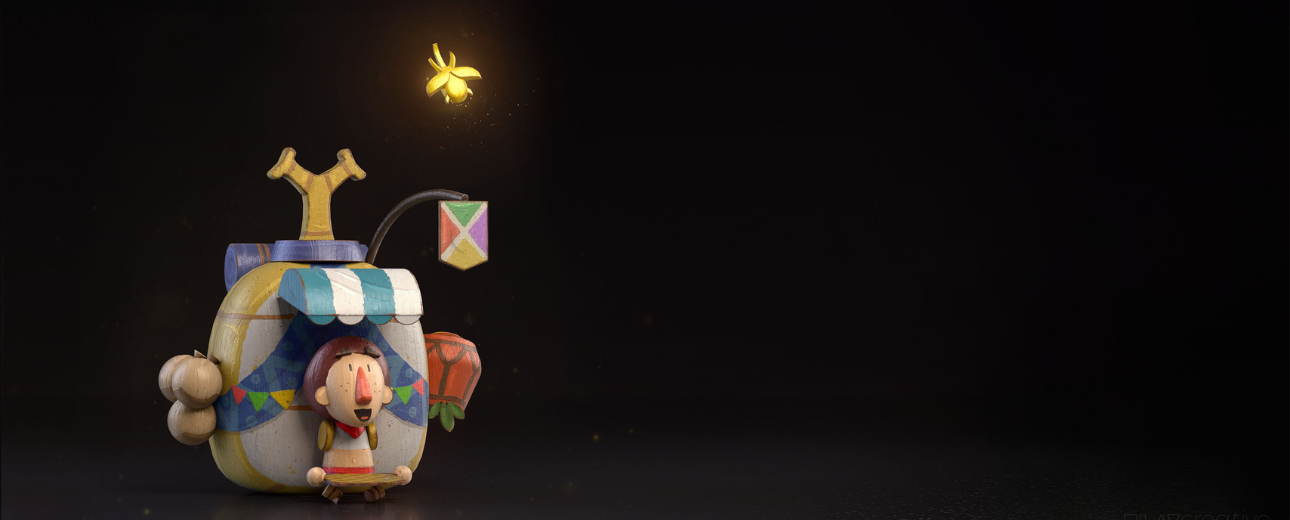
If you’ve played any Zelda game from the past two decades, chances are you’ve encountered a cheerful merchant with a distinctive beetle-shaped backpack who greets you with an enthusiastic “OH!” or “OHHHHH!” That’s Beedle, one of the most beloved recurring characters in The Legend of Zelda franchise. What started as a quirky shopkeeper in The Wind Waker has evolved into a franchise mainstay who appears across multiple timelines, eras, and even dimensions. But who exactly is Beedle? Why does he show up everywhere? And what makes this traveling merchant so memorable that Nintendo keeps bringing him back game after game?
In this comprehensive guide, I’m going to tell you everything you need to know about Beedle – from his first appearance to his most recent adventures, his unique personality quirks, his business practices, and why he’s become such an iconic part of Zelda culture. Whether you’re a longtime fan who’s bought arrows from Beedle dozens of times or a newcomer wondering why this bug-obsessed merchant keeps popping up, this guide will give you the complete Beedle experience. We’ll explore his appearances across different games, analyze his character evolution, discuss his mysterious origins, and celebrate what makes Beedle one of gaming’s most endearing shopkeepers. Let’s dive into the wonderful world of everyone’s favorite traveling salesman!
Beedle’s First Appearance: The Wind Waker
Beedle made his debut in The Legend of Zelda: The Wind Waker for the Nintendo GameCube in 2002, and what an entrance it was. In a game filled with memorable characters, Beedle managed to stand out with his distinctive design, enthusiastic personality, and unique business model that perfectly suited Wind Waker’s oceanic world.
The Shop Ship Concept
In Wind Waker, Beedle operates a floating shop ship that travels between various islands across the Great Sea. This is genius game design that perfectly integrates a merchant character into the game’s sailing-focused exploration. Instead of having static shops scattered around islands, Nintendo created a mobile merchant who could appear in multiple locations, making his services accessible throughout Link’s ocean journey while maintaining the sense of a vast, sparsely populated world.
Beedle’s shop ship is instantly recognizable – it’s a small vessel with a distinctive beetle design, complete with antennae and a rounded shape that makes it look like an insect floating on the water. The ship has a colorful sail and a cheerful appearance that matches Beedle’s personality. When you approach in your boat, you can use the grappling hook to board and access his wares. The whole setup is charming and practical, creating memorable interactions that break up the sometimes monotonous sailing segments.
What’s particularly clever about the shop ship design is how it encourages exploration and creates gameplay variety. Players learn to recognize Beedle’s ship on the horizon, and spotting it becomes a rewarding moment during long voyages. You might be low on supplies, spot Beedle’s ship, and feel genuine relief and happiness. This emotional connection to a merchant character is unusual and speaks to how well-designed Beedle’s implementation is in Wind Waker.
The shop ship also has practical gameplay benefits. Beedle stocks items that are essential for ocean exploration – bait for attracting fish and seagulls, hyoi pears for controlling seagulls, all-purpose bait for general use, and most importantly, arrows and bombs. Having a mobile source for these consumables means players aren’t forced to return to major islands constantly, maintaining the flow of exploration and adventure.
Beedle’s Personality in Wind Waker
From the very first interaction, Beedle’s personality shines through. His enthusiastic “OHHHHH!” greeting has become iconic, a burst of cheerful energy that immediately makes him memorable. He’s clearly thrilled to see customers, and his excitement feels genuine rather than fake or manipulative. There’s something endearing about a merchant who’s this happy about his job and his customers.
Beedle speaks in a distinctive excited manner, with lots of emphasis and enthusiasm in his dialogue. When you buy something, he thanks you profusely. When you look at expensive items without buying, he comments hopefully about future purchases. When you leave without buying anything, he’s disappointed but still polite. This range of reactions makes him feel like a real character with emotions rather than just a gameplay interface.
His obsession with beetles and insects is established right from Wind Waker. His ship is beetle-shaped, his name is Beedle, and he clearly has an affinity for bug-related items and themes. This insect theme becomes a defining character trait that carries through all his appearances, giving him a unique identity among Zelda’s many merchants. It’s a quirky detail that makes him more memorable than he would be as just “generic traveling salesman.”
Beedle also demonstrates business savvy despite his cheerful demeanor. His prices are fair but not cheap, and he knows the value of his goods. He’s not running a charity – he’s operating a legitimate business while maintaining friendly customer relations. This balance between being a shrewd merchant and a friendly character makes him feel multidimensional and realistic.
The Membership System
One of Wind Waker’s most interesting Beedle features is the membership reward system he operates. If you spend enough rupees at his shop (I think it’s around 100 rupees total), Beedle makes you a member and gives you a special sail for your boat. This sail has a beetle design matching his ship and provides a tangible reward for being a loyal customer.
This membership system is brilliant from a game design perspective. It encourages players to actually use Beedle’s services rather than just buying from static shops. It creates a mini-goal within the larger adventure – players work toward that membership milestone, which adds an extra layer of engagement. And the reward (a cosmetic sail) is meaningful enough to feel worthwhile but not so powerful that it’s essential, maintaining good balance.
The membership also creates a relationship between Link and Beedle that goes beyond simple transactions. You’re not just a customer anymore – you’re a valued member of Beedle’s customer base, someone special who gets recognition and rewards. This personal touch elevates Beedle above other merchants and creates positive associations with the character.
What’s particularly touching is how genuinely excited Beedle is when you reach membership status. His enthusiastic dialogue makes it clear this isn’t just a sales tactic – he’s genuinely happy to have Link as a valued customer. This authenticity in his reactions is part of what makes players actually care about this quirky merchant instead of just using him as a gameplay resource.
Items and Inventory
In Wind Waker, Beedle stocks a practical selection of items focused on exploration and combat consumables. His inventory typically includes bait items for fishing and seagull control, arrows for combat and puzzle-solving, bombs for destruction and discovery, and occasionally other useful materials. The selection is curated to be helpful for oceanic exploration without overlapping too much with other shops.
The pricing is reasonable but not dirt cheap, creating a resource management consideration. Players can’t just buy unlimited supplies without thinking about rupee economy. This creates interesting decisions – do I buy more arrows now or save rupees for that expensive item at another shop? These micro-decisions add depth to the gameplay economy and make Beedle’s shop feel integrated into the game systems rather than just a convenience feature.
Beedle’s inventory doesn’t change or rotate significantly, which is actually smart design for Wind Waker’s context. Players learn what Beedle stocks and can rely on him for specific items. This reliability is valuable in an exploration game where you might desperately need arrows or bombs while far from major settlements. Knowing that Beedle will have what you need creates a sense of security.
The transaction interface is simple and clean, with Beedle’s enthusiastic commentary accompanying your purchases. The whole buying experience is smooth and pleasant, never feeling like a chore or interruption. This positive shopping experience contributes to players’ fondness for the character – interacting with Beedle is genuinely enjoyable rather than just mechanically necessary.
Beedle’s Evolution Through the Series
After his successful debut in Wind Waker, Beedle became a recurring character who appears in multiple Zelda games across different timelines and eras. Let’s trace his evolution and see how the character has been adapted and reimagined for different contexts.
The Minish Cap: Land-Based Operations
Beedle appears in The Minish Cap (2004), though this version is quite different from the Wind Waker iteration. Instead of operating a shop ship, this Beedle runs land-based shops at various locations around Hyrule. He’s still recognizable with his distinctive appearance and enthusiastic personality, but the business model has adapted to fit Minish Cap’s overworld design.
In Minish Cap, Beedle operates multiple shop locations rather than a single mobile shop. You’ll find Beedle’s shops in different towns and areas, always marked by his distinctive signage. This version suggests that Beedle might actually be running a successful chain business, which is an interesting character development showing entrepreneurial growth.
The personality remains consistent – the enthusiastic greetings, the friendly demeanor, the love of beetles. Even though the business model changed, the core character traits that made Beedle memorable in Wind Waker are preserved. This consistency across different games and timelines starts to establish Beedle as a multiversal constant, a character who exists in some form regardless of which version of Hyrule we’re visiting.
Minish Cap’s Beedle stocks different items appropriate to that game’s mechanics, including Picolyte (items that help shrink Link to Minish size), various consumables, and other useful goods. The inventory adaptation shows that while Beedle’s character remains consistent, his business adapts to serve the specific needs of each adventure, which makes practical sense for a successful merchant.
Phantom Hourglass: Return to the Sea
Phantom Hourglass (2007) brought Beedle back to his maritime roots with a shop ship similar to Wind Waker’s, which makes sense given that Phantom Hourglass is a direct sequel to Wind Waker. However, there are some interesting differences and additions that show character development.
In Phantom Hourglass, Beedle operates multiple shop ships rather than just one, suggesting his business has expanded significantly. You’ll encounter different Beedle ships with different inventories throughout your ocean travels. This expansion shows Beedle as a successful entrepreneur who’s grown his business since Wind Waker’s events, which is a nice touch of character continuity and development.
The membership system returns with some refinements, continuing to reward loyal customers with special items and recognition. The system works similarly to Wind Waker’s but with rewards adjusted to fit Phantom Hourglass’s specific items and mechanics. This consistency shows that Beedle values customer loyalty across all his business ventures.
One interesting addition in Phantom Hourglass is the VIP membership tier, which requires even more purchases but provides better rewards. This tiered system adds more depth to the customer loyalty program and gives players additional goals to work toward. It’s a smart evolution of the Wind Waker system that provides more engagement without fundamentally changing what made it work.
Beedle’s personality remains wonderfully consistent – still enthusiastic, still beetle-obsessed, still genuinely happy to see customers. The familiar “OHHHHH!” greeting returns, immediately making players feel at home even though this is a new adventure in a new location. This consistency is important for establishing Beedle as a recurring franchise character rather than just a one-off creation.
Spirit Tracks: Railroad Merchant
In Spirit Tracks (2009), Beedle once again adapts his business model to fit the game’s primary transportation method. Instead of ships, Beedle now operates a flying shop balloon that travels along the train tracks, creating a mobile shop that Link can access from his train.
The balloon shop design is creative and charming, continuing Beedle’s tradition of having unique vehicles for his business. The balloon maintains the beetle aesthetic with its coloring and design elements, ensuring Beedle’s shop is always recognizable even with the different transportation method. The sight of Beedle’s balloon floating above the tracks becomes a welcome sight during long train journeys.
In Spirit Tracks, you can signal Beedle’s attention by blowing the train whistle when you spot his balloon, and he’ll lower a platform for you to board. This interactive element is fun and makes encountering Beedle feel more dynamic than just accessing a static shop. The whistle mechanic integrates Beedle smoothly into Spirit Tracks’ train-based gameplay.
Beedle’s inventory in Spirit Tracks includes train-related items and exploration supplies appropriate to that game’s mechanics. He sells treasures, potions, shields, and other useful goods. The adaptation of inventory to each game’s specific needs while maintaining Beedle’s presence shows good design thinking – the character remains relevant and useful regardless of the specific adventure Link is on.
The personality consistency continues to be remarkable. Spirit Tracks’ Beedle is just as enthusiastic and beetle-loving as every other version, maintaining the character’s core identity even as business details change. This consistency across games helps players form a genuine attachment to Beedle as a character rather than just viewing him as a gameplay mechanic.
Skyward Sword: The Original Beedle?
Skyward Sword (2011) is particularly interesting for Beedle’s character because Skyward Sword is set at the very beginning of the Zelda timeline. This means Skyward Sword’s Beedle could potentially be the “original” Beedle from whom all other timeline iterations descend, or at least the earliest version we’ve encountered.
In Skyward Sword, Beedle operates an Airshop – a flying shop that travels between the various floating islands in the sky. The shop resembles an insect (naturally) and is carried by a large balloon, allowing it to move through the aerial world that Link inhabits early in the adventure. The design is charming and fits perfectly with Skyward Sword’s unique setting.
What’s particularly interesting about Skyward Sword’s Beedle is that he actually has a house on Beedle’s Island, a small floating island where he lives when not working. This is the first time we see Beedle’s personal life beyond his shop, and it reveals interesting character details. His home is decorated with bug-related items and has a cozy, lived-in feel that makes Beedle seem more like a real person with a life outside of selling goods.
Skyward Sword introduces Beedle’s love of gratitude crystals, a currency unique to this game. He’s particularly excited when customers give him gratitude crystals, showing more enthusiasm than with regular rupees. This detail adds personality quirk and creates interesting dialogue variations based on what you offer him. It’s a small touch that makes interactions with Beedle more varied and entertaining.
The Skyward Sword Beedle is also notable for being physically fit and active. If you visit his island at night, you find him doing exercises and staying in shape. This detail is adorable and adds depth to his character – he’s not just a merchant, he’s someone who takes care of himself and has hobbies. These human touches make Beedle feel like a fully realized character.
Breath of the Wild: The Modern Beedle
Beedle’s appearance in Breath of the Wild (2017) represents his most extensive and detailed implementation yet. In this massive open-world game, Beedle has been expanded and integrated into the game world in ways previous titles couldn’t achieve due to technical and design limitations.
In Breath of the Wild, Beedle is fully mobile, traveling on foot along roads between major stables. He carries his entire shop on his back in a massive beetle-shaped backpack, which is both adorable and practical. This mobile approach fits perfectly with BotW’s emphasis on exploration and creates numerous opportunities to encounter Beedle throughout your journey.
Each stable in Hyrule serves as one of Beedle’s regular stops, and he travels in a circuit visiting them in sequence. This means you can find him at different locations depending on the time of day and his travel schedule. Learning Beedle’s routes becomes part of mastering the game world, and players often develop preferred Beedle encounter locations based on their own travel patterns.
Breath of the Wild gave Beedle more dialogue and personality than previous appearances. He comments on the weather, shares observations about the locations he visits, and provides flavor text that makes the world feel more alive. His enthusiasm for beetles continues, and he’ll buy beetle specimens from Link at premium prices, which is both cute and financially beneficial for players who collect bugs.
The inventory system in BotW’s version is more complex than previous games, with Beedle stocking different items at different stable locations. Some stables have unique items or larger quantities of certain goods based on their regional context. This variation encourages players to seek out specific Beedles for specific needs, adding strategic depth to the shopping experience.
One of the most charming details is that Beedle actually gets tired from carrying his heavy pack all day. If you talk to him during certain times, he’ll mention his aching back or his need for rest. These human touches make him feel real and relatable rather than just a gameplay function. We’ve all felt that exhaustion from physical labor, and seeing Beedle experience it creates empathy.
Tears of the Kingdom: Beedle’s Latest Adventure
In Tears of the Kingdom (2023), Beedle returns with much of his Breath of the Wild implementation intact, which makes sense given TOTK is a direct sequel. However, there are some new details and additions that show how Beedle has adapted to Hyrule’s changed circumstances after the Upheaval.
Beedle continues his stable circuit travel, visiting the same locations with his beetle backpack full of goods. The familiarity is comforting for players who loved him in Breath of the Wild, and his presence provides continuity between the two games. In a world that’s been dramatically changed by the Upheaval, Beedle represents stability and normalcy.
What’s interesting in Tears of the Kingdom is how Beedle acknowledges the changed world in his dialogue. He comments on the strange phenomena, the floating islands, and the general chaos affecting Hyrule. Yet he continues his business regardless, showing admirable dedication and resilience. Beedle isn’t letting the apocalypse stop him from serving customers, which is both funny and inspiring.
The inventory in TOTK is adjusted to include items useful for that game’s new mechanics, including materials for building and crafting. Beedle has adapted his stock to serve customer needs in Hyrule’s new reality, showing the business flexibility that’s kept him successful across so many adventures and timelines.
Tears of the Kingdom also features Beedle having conversations with stable staff and other NPCs, showing him as part of the social fabric of these locations rather than just an isolated merchant. These interactions make the world feel more interconnected and alive, with Beedle as an active participant in community life.
Beedle’s Business Model and Inventory
Let’s take a deeper look at how Beedle actually operates his business across the various games. Understanding his business model, inventory strategies, and pricing helps us appreciate him not just as a character but as a successful entrepreneur in Hyrule’s economy.
The Traveling Merchant Advantage
Beedle’s choice to be a traveling merchant rather than operating a fixed shop location is strategically brilliant. In the Zelda universe, adventurers and travelers often find themselves far from towns with urgent needs for supplies. By bringing the shop to the customers, Beedle captures business that static merchants miss. He’s essentially providing convenience service, and convenience commands premium pricing.
The overhead costs of a traveling business are also interesting to consider. Beedle doesn’t pay rent for a shop space, doesn’t need to hire employees, and has lower startup costs than a traditional storefront. This lean business model allows him to operate profitably even with relatively small transaction volumes. The tradeoff is that he has to do all the work himself and constantly be traveling, which is physically demanding.
Beedle’s route optimization shows business intelligence. In games like Breath of the Wild and Tears of the Kingdom, his circuit visits stables in an order that makes logical sense given geography and travel time. He’s not randomly wandering – he’s following an efficient route that maximizes his exposure to potential customers while minimizing wasted travel. This is basic logistics optimization, and Beedle’s got it figured out.
The relationship building that comes from being a familiar traveling merchant is also valuable. In small communities like the stables in BotW, people look forward to Beedle’s regular visits. He’s not just a merchant, he’s a familiar face bringing news, conversation, and goods from other areas. This social capital makes his business more sustainable and creates customer loyalty beyond just price and convenience.
Inventory Management and Selection
Beedle demonstrates smart inventory choices across his various appearances. He consistently stocks items that adventurers frequently need – arrows, materials, food, and exploration supplies. He’s not trying to sell heavy armor or furniture; he focuses on lightweight, high-turnover items appropriate for his mobile business model. This specialization makes sense given his operational constraints.
The inventory varies by location in games like Breath of the Wild, showing sophisticated understanding of local demand. A Beedle operating near cold regions stocks more cold-resistant materials. One near combat zones stocks more arrows. This demand-based inventory management maximizes sales by giving customers what they actually need based on local conditions.
Beedle’s beetle obsession creates a unique inventory niche – he’ll buy beetle specimens at prices higher than other merchants pay. This creates a specialized market where Beedle is the best buyer for a specific category of goods. In real business terms, this is called “market making” – Beedle creates a market for beetles that wouldn’t otherwise exist, benefiting both himself (he gets beetles he loves) and customers (they get good prices).
The consumables focus is particularly smart for a mobile merchant. Consumables need to be replenished constantly, creating repeat customers. If Beedle only sold permanent items, each customer might only buy once. By focusing on arrows, food, and materials that get used up, he ensures customers will need to return repeatedly, creating reliable ongoing business.
Pricing Strategy
Beedle’s pricing is generally fair but not the cheapest option available. His prices typically run slightly higher than large town shops, which makes sense given the convenience factor. Customers pay a small premium for the convenience of not having to travel to town, and this premium is what makes his business model profitable. It’s classic supply chain economics – the last-mile delivery costs more.
The consistency in pricing across games creates trust with players. You generally know what to expect from Beedle’s prices, which means you can plan your purchases and budget accordingly. This reliability is valuable in game economies and reflects good business practice. Unpredictable pricing would damage customer trust and reduce repeat business.
Beedle’s willingness to pay premium prices for beetles creates interesting economic dynamics. He pays more for beetles than they’re worth to most players, essentially subsidizing his hobby with his business profits. This is charming and also creates gameplay benefits – it gives players a reason to collect beetles and provides a reliable buyer for them. It’s a win-win that adds depth to the game economy.
The absence of haggling in Beedle’s business is notable. Prices are fixed, take it or leave it. This simplifies transactions and maintains Beedle’s cheerful demeanor – no need for contentious price negotiations that might create negative interactions. The fixed pricing also respects players’ time, avoiding tedious haggling mini-games that would slow down gameplay.
Customer Service Philosophy
Beedle’s exceptional customer service is a defining characteristic. His genuine enthusiasm for customers, his grateful thanks after purchases, and his polite responses even when people don’t buy create positive associations with his business. In marketing terms, he’s building strong brand loyalty through excellent customer experience rather than just low prices.
The membership systems in Wind Waker and Phantom Hourglass demonstrate commitment to rewarding loyal customers. These loyalty programs are smart business – they encourage repeat purchases and create emotional investment in continuing to shop with Beedle. The rewards themselves cost Beedle relatively little but provide significant value to customers, maximizing the return on the investment in these programs.
Beedle never gets angry or insulting even when Link browses without buying. This emotional regulation is impressive and professional. Many NPCs in games become hostile or rude when you don’t buy from them, but Beedle remains upbeat and hopeful. This positivity makes players actually enjoy interacting with him rather than avoiding him out of guilt or annoyance.
His eagerness to share information and chat with customers adds value beyond just the products. Beedle provides company and conversation in addition to goods, which is especially valuable for lonely adventurers traveling dangerous lands. This holistic approach to customer value creates stronger relationships and more memorable positive experiences.
Why Beedle Has Become So Beloved
Let’s analyze what makes Beedle such a fan-favorite character despite being “just” a merchant NPC. Understanding his appeal helps us appreciate good character design and writing in video games.
The Power of Consistency
Beedle’s consistent personality across numerous games and timelines creates familiarity and comfort. No matter which Zelda game you’re playing, if Beedle appears, you know what to expect – the enthusiastic greeting, the beetle theme, the friendly service. This consistency creates a sense of coming home, of encountering an old friend even in a new adventure.
The “OHHHHH!” greeting has become iconic specifically because of its consistency. Players hear that sound and immediately know who they’re dealing with. This kind of auditory branding is incredibly powerful – it makes Beedle instantly recognizable even before you see him. It’s effective character design distilled into a single memorable sound.
Consistency doesn’t mean Beedle is static or boring. While his core traits remain the same, each game adds small variations and new details that keep him fresh. Skyward Sword shows us his house and exercise routine. Breath of the Wild lets him comment on weather and locations. These additions build on the consistent foundation without contradicting it, creating a character who feels both familiar and continually developing.
The reliability factor is also psychologically important. In games full of uncertainty, danger, and surprises, Beedle represents a constant you can count on. He’ll always be friendly, always have useful goods, always provide a brief respite from the challenges of adventure. This reliability makes him comforting and valuable beyond just his mechanical function.
Memorable Design
Beedle’s visual design is instantly recognizable and distinctive. The beetle-themed aesthetic, the large expressive eyes, the prominent nose, the practical adventuring gear – all these elements combine to create a character who stands out visually from other Zelda NPCs. He doesn’t blend into the background; he demands attention and makes an impression.
The backpack or vehicle designs are particularly inspired. Whether it’s a beetle-shaped ship, a giant backpack, or a flying balloon, Beedle’s shop locations always reflect his personality and make visual sense for his business. These creative designs show thought and care in implementation, making Beedle feel like he belongs in each game’s world rather than being arbitrarily dropped in.
His animation and body language contribute to memorability. Beedle’s enthusiastic gestures, his excited movements, and his overall energetic presence make him feel alive and real. He doesn’t stand stiffly like a generic NPC – he moves and expresses emotion in ways that communicate his personality even before any dialogue appears.
The color palette used for Beedle is warm and friendly – oranges, browns, and greens that feel earthy and approachable. He’s not dressed in intimidating blacks or aggressive reds. The color choices support his friendly merchant role and make him seem trustworthy and pleasant, which is important for a character whose function requires player trust.
Positive Interactions
Every interaction with Beedle is designed to be positive or at least neutral. He’s never hostile, never an obstacle, never someone you dread encountering. This positivity makes players genuinely happy to see him rather than treating him as a chore or necessary evil. The emotional valence of Beedle encounters is always tilted toward pleasant, which creates fondness over time.
The transactional relationship is straightforward and fair. Beedle provides goods at reasonable prices, you pay, everyone’s happy. There’s no hidden agenda, no trick, no betrayal waiting. This straightforward honesty is refreshing in games often filled with deception and moral ambiguity. Beedle represents simple, good-natured commerce without complications.
Beedle’s evident joy in his work is infectious. He’s not a miserable merchant forced into his job – he genuinely loves what he does, loves talking to customers, and loves beetles. This enthusiasm for life is endearing and makes players feel good about supporting his business. We want to give money to someone who appreciates it and will be happy about the transaction.
The lack of judgment in Beedle’s interactions is also important. He never comments negatively on Link’s appearance, choices, or actions. He treats Link as a valued customer regardless of context. This non-judgmental acceptance feels good psychologically and makes Beedle a safe, comfortable character to interact with.
The Underdog Appeal
Beedle is essentially a small business owner competing against bigger, more established merchants. He’s doing it alone, carrying his shop on his back or operating small vehicles, working hard every day to make a living. There’s something inherently appealing about this underdog story – we want to support the hard-working independent merchant rather than faceless corporate shops.
His evident struggle makes him relatable. In Breath of the Wild and Tears of the Kingdom, Beedle mentions his aching back and his fatigue. He’s not effortlessly successful – he works hard and sometimes suffers for it. This vulnerability creates empathy and makes us want to help him succeed by being loyal customers.
The beetle obsession is a quirky detail that humanizes Beedle. He has a passion beyond just making money – he genuinely loves beetles and will pay premium prices for them even when it’s not strictly profitable. This shows he’s driven by more than just commerce; he has interests, hobbies, and personality. These human touches make him feel real and relatable.
Beedle’s independence and self-reliance are admirable traits. He doesn’t wait for someone else to create opportunities – he creates his own success through hard work and smart business decisions. This entrepreneurial spirit is inspiring and makes Beedle a character worth rooting for and supporting.
Beedle’s Mysterious Origins and Lore
One of the most intriguing aspects of Beedle is the mystery surrounding his origins and how he appears across different timelines and eras. Let’s explore the theories and implications of Beedle’s multiversal presence.
The Timeline Problem
Beedle appears in games across multiple separate timelines according to Zelda’s official timeline. He’s in the Adult Timeline (Wind Waker, Phantom Hourglass, Spirit Tracks), in the Child Timeline (Twilight Princess through Beedle’s Shop only mentioned), and in games that predate the timeline split (Skyward Sword, Minish Cap). He’s even in Breath of the Wild and Tears of the Kingdom, which are so far in the future that all timelines may have reconverged.
This raises fascinating questions: Is each Beedle the same person living impossibly long? Are they descendants who inherit the family business and personality traits? Is “Beedle” a title or role rather than a specific individual? Or does Beedle somehow transcend timeline splits, existing in all possibilities simultaneously?
The consistent personality across all appearances suggests some deep connection between all versions of Beedle. The same enthusiastic greeting, the same beetle obsession, the same business practices – this consistency is remarkable if these are all completely separate individuals with no connection. It suggests either genetic determinism (all Beedles are naturally similar) or some form of reincarnation or cosmic connection.
Some fans theorize that Beedle might be immortal or at least extremely long-lived. Perhaps his beetle obsession isn’t random – maybe beetles grant longevity, or Beedle has discovered some secret to extended life. This would explain his presence across vast time periods. The theory is speculative but fun to consider, and it fits with the magical nature of the Zelda universe.
The Multiversal Merchant Theory
Another interpretation is that Beedle is a multiversal constant, a character who exists in all possible versions of Hyrule regardless of timeline variations. Like how certain fundamental forces exist across all realities in science fiction, perhaps Beedle is a fundamental aspect of Hyrule’s existence – where there’s adventure, there’s Beedle to supply adventurers.
This theory has thematic resonance. Beedle represents commerce, a human activity that exists in virtually all cultures throughout history. Perhaps he’s the incarnation of trade itself, the spirit of mercantile enterprise given form. Wherever people need goods and services, Beedle appears to provide them. It’s poetic and fits with Zelda’s mythological approach to storytelling.
The lack of official explanation actually makes this ambiguity more interesting. Nintendo has never definitively explained how Beedle exists across timelines, leaving it to player imagination and interpretation. This mystery adds depth and invites engagement beyond just the surface-level gameplay interaction.
Some players enjoy creating elaborate backstories explaining Beedle’s presence. Maybe he’s a Sheikah with access to time manipulation. Maybe he’s blessed by a goddess. Maybe he’s a magical creature only pretending to be human. These fan theories add richness to the character and demonstrate the creative engagement Beedle inspires.
Cultural Significance Within Hyrule
Within each individual game’s world, Beedle represents traveling merchant culture that would have been essential in pre-modern societies. These merchants provided vital connections between isolated communities, bringing not just goods but news, stories, and cultural exchange. Beedle embodies this historical role, updated for Hyrule’s fantasy context.
His beetle obsession might have cultural significance we don’t fully understand. In many cultures, insects have symbolic meaning – beetles specifically often represent transformation, resurrection, or persistence. Perhaps in Hyrule’s culture, beetles have special significance that makes Beedle’s obsession more meaningful than it appears on the surface.
The respect Beedle receives from other NPCs suggests he’s a valued member of society despite being itinerant. Stable workers are familiar with him, people mention him positively, and he’s integrated into community life. This shows that Hyrule’s culture values merchants and recognizes their important role, which is realistic for pre-industrial societies where traveling merchants were crucial to economy and information flow.
Beedle’s business success across so many games suggests he’s genuinely good at what he does. In competitive market economies, businesses that provide poor service or unfair prices don’t survive. Beedle’s longevity (metaphorical or literal) proves he’s offering real value to customers, which has earned him a lasting place in Hyrule’s commercial landscape.
Beedle in Zelda Fandom and Culture
Beyond the games themselves, Beedle has become a significant presence in Zelda fandom, inspiring fan creations, discussions, and affection that extends beyond his role as a simple merchant NPC.
Memes and Internet Culture
Beedle’s “OHHHHH!” greeting has become a popular meme in Zelda communities. Fans use it to express excitement or surprise, often accompanying images or videos with the distinctive sound. This meme status means Beedle has transcended the games to become part of internet culture, at least within gaming communities.
The “thanks come again” phrase** that Beedle uses has also been memed and referenced countless times. Fans quote it in various contexts, sometimes applying it to real-life shopping experiences. This kind of quote adoption shows deep familiarity and affection for the character – people remember these lines years after playing.
Beedle’s obsession with beetles inspires jokes about what he does with all the beetles he buys. Fans create elaborate theories about Beedle’s beetle collection, his beetle shrine, or his secret beetle-based magic. These humorous elaborations show creative engagement with the character and demonstrate how details that seem minor in-game can spawn extensive fan creativity.
The visual design gets memed too, with fans creating Beedle variants for other franchises or imagining Beedle in various absurd situations. The distinctive look makes him perfect for remixing and recontextualizing, and the friendly personality means these memes tend to be affectionate rather than mocking.
Fan Art and Creative Works
The fan art community has embraced Beedle enthusiastically. A search for “Beedle fan art” yields thousands of results ranging from cute chibi styles to detailed realistic paintings. Artists love Beedle because his design is distinctive but flexible, allowing for creative interpretation while remaining recognizable.
Some artists explore Beedle’s backstory through their work, creating comics or illustrations showing his childhood, how he started his business, or imagined adventures. These creative expansions fill gaps in official lore and demonstrate how Beedle inspires imagination beyond what’s explicitly shown in games.
Cosplay of Beedle appears at gaming conventions, with dedicated fans recreating his various outfits and his signature beetle backpack. Creating a convincing Beedle cosplay requires significant effort given the distinctive proportions and details, but fans do it anyway because they love the character enough to invest that time and energy.
Some fans have created Beedle-focused mods for games, expanding his role or adding Beedle to games where he doesn’t officially appear. These mods show technical dedication and demonstrate that some fans want even more Beedle content than the official games provide.
Community Discussions and Theories
Zelda fans love debating and theorizing about lore, and Beedle’s mysterious presence across timelines provides rich material for discussion. Forum threads and Reddit posts explore how Beedle exists across different eras, what his beetle obsession means, and whether all Beedles are connected.
The timeline placement discussions specifically generate lots of engagement. When a new Zelda game releases featuring Beedle, fans immediately start analyzing how this version connects to previous appearances and what it might reveal about Beedle’s nature. These discussions keep the character relevant between game releases.
Fans also discuss Beedle’s business practices and economics. Some analyze his pricing strategies, his route efficiency, or his inventory management. These discussions blend game analysis with real-world business concepts, showing how Beedle inspires thinking beyond just gameplay mechanics.
The “favorite Beedle version” debates are common, with fans arguing about whether Wind Waker’s shop ship, Skyward Sword’s characterization, or Breath of the Wild’s detailed implementation represents the best Beedle. These friendly debates show genuine investment in the character and his various appearances.
Merchandise and Official Recognition
Nintendo has recognized Beedle’s popularity through official merchandise featuring the character. Beedle appears on t-shirts, in figure collections, and in official art books. This commercial recognition confirms that Beedle isn’t just beloved by a niche group – he has broad enough appeal to justify merchandise investment.
The amiibo line has featured Zelda characters, and while Beedle hasn’t received his own amiibo yet, fans frequently request it. A Beedle amiibo would likely sell well given his popularity, and its absence feels like a missed opportunity to many fans.
Beedle appears in official Nintendo promotional materials and social media posts when marketing Zelda games. The fact that Nintendo uses him in marketing shows they recognize his value as a recognizable, beloved character who generates positive associations with the franchise.
In official Zelda concerts and events, Beedle sometimes receives special mention or thematic inclusion. While he might not get entire musical themes like major characters, his presence is acknowledged in ways that confirm his status as a significant part of Zelda’s identity.
Beedle Compared to Other Zelda Merchants
To fully appreciate Beedle’s uniqueness, it helps to compare him to other merchant characters in the Zelda franchise and see what distinguishes him from the rest.
Beedle vs. The Happy Mask Salesman
The Happy Mask Salesman from Ocarina of Time and Majora’s Mask is perhaps Zelda’s most famous merchant after Beedle, but the two couldn’t be more different. The Happy Mask Salesman is mysterious and unsettling, with an ambiguous morality and possible supernatural nature. Beedle is straightforward and cheerful, with clear motivations and a transparent business model.
Where the Happy Mask Salesman feels threatening and unpredictable, Beedle feels safe and reliable. Both are memorable, but they occupy opposite emotional spaces. The Happy Mask Salesman is fascinating because he’s creepy and mysterious; Beedle is beloved because he’s friendly and consistent. Both approaches create memorable characters but through completely different techniques.
The narrative roles differ significantly too. The Happy Mask Salesman drives major plot points in Majora’s Mask and has deep connections to the game’s themes. Beedle is a supporting character whose narrative impact is minimal – he’s there for atmosphere, convenience, and charm rather than plot significance. Neither approach is better, just different.
Beedle vs. Malo Mart
Malo Mart from Twilight Princess represents corporate-style retail, a chain store that eventually expands to Castle Town. This creates an interesting contrast with Beedle’s small business model. Malo Mart offers cheaper prices and wider selection, representing the economies of scale that large retailers achieve. Beedle represents the personal touch and convenience that small merchants provide.
In gameplay terms, Malo Mart is more efficient for shopping – better prices, more items, static location. But Beedle is more charming and memorable – you remember interacting with Beedle, while Malo Mart feels generic despite its expansion storyline. This demonstrates how personality and character design can make functionally inferior gameplay elements more beloved.
The comparison raises interesting thematic questions about commerce and community. Does Hyrule benefit more from efficient corporate retail or personal small businesses? The games don’t take a firm stance, but including both options shows awareness of these real-world economic debates.
Beedle vs. Kilton
Kilton from Breath of the Wild and Tears of the Kingdom offers an interesting parallel to Beedle. Both are specialty merchants who appear in multiple locations. But where Beedle is cheerful and mainstream, Kilton is spooky and deals in monster parts. Kilton represents the “alternative” shopping experience while Beedle is traditional.
The two characters complement each other nicely in BotW. Beedle provides everyday necessities; Kilton offers exotic monster-themed goods. Together they create a richer game economy and offer players different shopping experiences based on their current needs and moods.
Personality-wise, Kilton is quirky and eccentric while Beedle is enthusiastic and straightforward. Both are memorable but through different character traits. Having this variety in merchant NPCs prevents them from feeling generic and makes the world feel more populated with distinct individuals.
Generic Shop NPCs
Most Zelda games feature generic merchant NPCs who run shops in towns and villages. These characters provide necessary gameplay functions but lack Beedle’s personality and memorability. They’re forgettable by design – background characters who serve mechanical purposes without demanding attention.
Beedle’s success shows the value of investing in character design even for functionally simple NPCs. The development time spent giving Beedle personality, distinctive appearance, and memorable dialogue pays dividends in player engagement and franchise identity. Those generic merchants are quickly forgotten; Beedle becomes beloved.
This comparison demonstrates a design philosophy: not every character needs Beedle’s level of development, but having some characters with extra personality creates highlights that players remember fondly. The contrast between memorable characters like Beedle and functional generic NPCs creates variety and makes the special characters feel even more special.
Beedle’s Impact on Game Design
Looking beyond just Zelda, Beedle’s design and implementation have interesting implications for how games approach merchant NPCs and player-economy interactions.
The Personality-Function Balance
Beedle demonstrates that functional NPCs can also be characters. Many games treat merchants as pure gameplay interfaces – you click, you buy, you leave. Beedle shows that adding personality, distinctive design, and memorable traits doesn’t interfere with function and actually enhances the overall experience.
The efficiency isn’t compromised by Beedle’s character traits. His shops are easy to navigate, transactions are smooth, and the interface is clean. The personality elements are layered on top of good functional design rather than replacing it. This shows that character and functionality aren’t opposed – they can and should coexist.
Other games have learned from this approach. Modern RPGs and adventure games increasingly give merchant NPCs more personality, distinctive appearances, and memorable quirks. While not all reach Beedle’s level of iconic status, the general trend toward treating merchants as characters reflects lessons that Beedle’s success taught the industry.
Mobile Merchant Design
Beedle’s various mobile merchant implementations show creative approaches to integrating commerce into different game structures. The shop ship in Wind Waker, the balloon in Spirit Tracks, the backpack in Breath of the Wild – each solution fits that game’s specific design while maintaining Beedle’s identity.
This flexibility demonstrates good adaptive design thinking. Rather than forcing one solution across all contexts, each game reinvents how Beedle operates to fit the specific game mechanics and world structure. The core character remains consistent while the implementation details change, showing that character identity and mechanical execution can be separated and individually optimized.
Modern games with wandering merchants often show Beedle’s influence. The concept of a friendly traveling merchant who follows predictable patterns, stocks useful items, and provides a positive interaction has become common in open-world games. While not all are direct Beedle clones, the template he established has influenced how games approach mobile commerce.
Player-NPC Relationships
Beedle demonstrates how repeated positive interactions can create genuine affection for NPCs. Each individual encounter is brief and functionally simple, but accumulated over dozens of meetings throughout a playthrough, players develop real fondness for the character. This shows the power of consistency and repetition in character building.
The lack of player choice in Beedle interactions is interesting. You can’t befriend Beedle through dialogue choices, can’t complete quests for him, can’t affect his fate. Yet players still care about him based purely on his personality and the positive nature of routine interactions. This shows that player agency isn’t necessary for creating attachment – consistent positive experiences work too.
Modern games often feature complex relationship systems with NPCs, but Beedle shows that simple can be effective. Sometimes a character who’s just consistently friendly and helpful is enough to create player attachment without needing elaborate mechanical systems around relationship building.
Tips for Finding and Maximizing Beedle
For players who want to make the most of Beedle’s services across different Zelda games, here are some practical tips and strategies.
Wind Waker and Phantom Hourglass Tips
In Wind Waker, Beedle’s shop ships are marked on your sea chart once you get close to them. Look for the shop ship icon and sail toward it. You can spot the ships from a distance by their distinctive shape and colorful sails. Use your telescope to identify them before committing to a course change.
To reach membership status quickly in Wind Waker, focus your purchasing on Beedle even when other shops might be more convenient. The membership sail is a nice cosmetic reward, and the recognition is satisfying. Buy arrows and bait regularly from Beedle to accumulate the required rupee total.
In Phantom Hourglass, different Beedle ships stock different items, so check the inventory before dismissing a Beedle encounter. One ship might have exactly what you need while another doesn’t, so it’s worth investigating each one you encounter.
Skyward Sword Strategies
Visit Beedle’s shop in the sky regularly as you travel between surface and sky sections. His inventory includes useful items for exploration and combat. The airship location makes him convenient to access from many sky locations.
Check Beedle Island for the side quest opportunities and to learn more about Beedle’s character. Visiting his home adds charm to the character and provides context for his personality. Try visiting at different times of day to see his full routine.
Remember that Beedle loves gratitude crystals in Skyward Sword. If you’re collecting these special items, consider selling some to Beedle for his enthusiastic reaction and good prices. His happiness is worth the transaction even if rupees alone don’t motivate you.
Breath of the Wild and Tears of the Kingdom Guide
Learn Beedle’s stable route to find him reliably. He travels in a predictable circuit, so once you understand his pattern, you can intercept him at convenient locations. Many players develop a “favorite” Beedle stable where they prefer to shop.
Stock up on arrows from Beedle when you find him, as arrows can be scarce in BotW and TOTK. Different Beedle locations stock different quantities, so if you need lots of arrows, seek out the Beedle encounters with the largest arrow inventory.
Sell beetles to Beedle for premium prices when you have extras. He pays more than other merchants, making him the best buyer for these insects. This also makes him happy, which is its own reward for players who’ve grown fond of the character.
Talk to Beedle multiple times in BotW and TOTK to hear all his dialogue variations. He comments on weather, locations, and has different things to say at different times. These dialogue touches add personality and make the world feel more alive.
General Beedle Tips Across Games
Check Beedle’s inventory carefully before dismissing his shop. He sometimes stocks items that are rare or expensive elsewhere, and his mobile convenience is worth a slight price premium when you’re far from towns.
Be friendly to Beedle in your headcanon and roleplaying. Even though it doesn’t affect gameplay, treating Beedle as a friend rather than just a vendor makes interactions more enjoyable. Buy from him when you can, appreciate his enthusiasm, and consider him part of Link’s support network.
Take screenshots with Beedle when you encounter him, especially if you’re documenting your playthrough. He’s such an iconic character that Beedle photos make great memories of your adventure. His expressive face and distinctive appearance make him very photogenic.
The Future of Beedle in Zelda Games
Looking ahead, let’s speculate about Beedle’s future in upcoming Zelda titles and what role this beloved merchant might play.
Likely Continued Appearances
Given Beedle’s popularity and his successful implementations across multiple games, it’s highly likely he’ll appear in future Zelda titles. He’s become a franchise staple like Epona or the Great Fairies, a familiar element that players expect and enjoy seeing. Removing Beedle at this point would disappoint fans without benefiting the games.
Future games will probably continue adapting Beedle’s business model to fit new gameplay contexts. If a future Zelda has underwater exploration, we might see Beedle in a submarine shop. If there’s dimension-hopping, perhaps Beedle can travel between dimensions. The character’s flexibility allows creative reimagining while maintaining identity.
We’ll likely see further character development in future appearances. Perhaps we’ll learn more about Beedle’s background, meet his family, or discover new aspects of his personality. Each game has added small details; future titles will probably continue this trend of gradually revealing more about this mysterious merchant.
Potential Expanded Roles
Some fans hope for Beedle to receive a larger role in future games, perhaps as a quest giver or a character with an actual storyline. Imagine a game where Beedle needs Link’s help recovering a rare beetle, or where Beedle’s merchant network provides intelligence about enemy movements. These expanded roles could deepen the character while maintaining his merchant identity.
A Beedle-focused DLC or side game isn’t outside the realm of possibility. Nintendo has experimented with spin-offs focusing on side characters before. A game about managing Beedle’s merchant business, traveling Hyrule gathering inventory and serving customers, could be charming and fun. It’s unlikely but not impossible.
We might see multiple Beedles appearing in the same game, perhaps as brothers or members of a merchant family. This would explain how Beedle can be in multiple locations and would add new dimensions to the character. Interactions between different Beedles could be entertaining and would expand the lore.
Technology and Innovation
Future Zelda games on more powerful hardware could implement more sophisticated Beedle behaviors. Imagine a Beedle with fully dynamic pathing who responds to your actions, changing routes if you frequently shop at certain locations. Or Beedle who remembers your purchasing patterns and stocks items you prefer. These AI improvements could make Beedle feel even more alive.
Voice acting is a possibility for future games. While Zelda traditionally uses minimal voice acting, Breath of the Wild showed Nintendo’s willingness to add voices for major characters. If future games are fully voiced, we might finally hear what Beedle’s voice sounds like beyond his characteristic sounds. This could add new dimensions to his personality.
Advanced animation and graphics will make future Beedles even more expressive and detailed. We might see more elaborate facial animations conveying emotion, more detailed shop interiors, and smoother character movement. These technical improvements would enhance the already strong character design.
Community Hopes and Dreams
Fans have specific hopes for Beedle’s future. Many want to see his backstory explained through in-game lore or cutscenes. Others hope for Beedle-themed costumes or equipment. Some want expanded dialogue trees allowing longer conversations. These wishes show the deep engagement players have with the character.
The beetle obsession could be developed further. Perhaps a future game reveals why Beedle loves beetles so much, or features a quest line about helping Beedle complete his ultimate beetle collection. These developments would reward long-time fans while adding depth to his characterization.
Some fans hope for Beedle merchandise beyond what currently exists. A Beedle amiibo is frequently requested. Plushies of Beedle would be adorable and popular. Even a Beedle-themed Switch carrying case would likely sell well. The merchandise potential reflects how much fans love this character.
Conclusion: The Enduring Charm of Beedle
After exploring every aspect of this remarkable character, it’s clear why Beedle has become one of Zelda’s most beloved NPCs. From his debut in Wind Waker to his most recent appearance in Tears of the Kingdom, Beedle has consistently brought joy, convenience, and personality to the Zelda experience in ways that few non-playable characters achieve.
What makes Beedle special isn’t complexity – his function is straightforward and his personality is uncomplicated. Rather, Beedle succeeds through execution. Every detail is crafted to create positive associations: the enthusiastic greeting that brightens your mood, the fair prices that make transactions feel worthwhile, the distinctive design that makes him instantly recognizable, and the genuine enthusiasm he shows for his work and his customers.
Beedle represents excellent character design principles that work across media and contexts. He has a clear visual identity, a distinctive personality, consistent behavior that creates familiarity, and positive associations through beneficial interactions. These principles make him memorable and beloved, teaching valuable lessons about how to create supporting characters that players genuinely care about.
The mystery surrounding Beedle’s existence across timelines adds an extra layer of interest. Is he immortal? Are there multiple Beedles? Is he a multiversal constant? Nintendo’s refusal to definitively answer these questions is smart, allowing player imagination to fill the gaps and creating ongoing discussion that keeps the character relevant between game releases.
Looking at Beedle’s evolution from Wind Waker through Tears of the Kingdom shows thoughtful character development. Each game adds new details while maintaining core traits, creating a character who feels both familiar and fresh with each appearance. This balance is difficult to achieve but essential for keeping recurring characters interesting rather than stale.
Beedle’s impact extends beyond just the games into fan culture, merchandise, and broader gaming design philosophy. He’s proven that functional NPCs can also be beloved characters, that consistency creates connection, and that simple positive interactions accumulate into genuine affection. Other games have learned from Beedle’s success, making him influential beyond just Zelda.
For players, Beedle represents reliability in uncertain worlds. No matter how dangerous Hyrule becomes, no matter what apocalypse threatens, Beedle will be there with his cheerful greeting and useful goods. This consistency is comforting and valuable, making Beedle feel like a friend who’s always around when needed.
The business aspect of Beedle is worth appreciating too. He’s a successful entrepreneur who’s built a sustainable business through hard work, smart strategies, and excellent customer service. In a franchise focused on heroic adventures, Beedle reminds us that ordinary people working honest jobs are also valuable and worthy of respect and affection.
As we look toward future Zelda games, Beedle’s presence feels assured. He’s earned his place among Zelda’s pantheon of recurring characters through consistent quality and genuine player affection. Future games that include Beedle will make fans happy, and any game that omits him will face questions about his absence.
Whether you first met Beedle on the Great Sea, in the sky, or traveling dusty roads between stables, his impact is undeniable. That enthusiastic “OHHHHH!” has echoed through decades of Zelda adventures, always welcoming, always friendly, always ready to help an adventurer in need. It’s the sound of coming across a friend in unexpected places, and it never gets old.
Thank you, Beedle, for being there through so many adventures. For the arrows when we needed them, for the cheerful greetings that brightened dark moments, for the reliable service and fair prices. Most of all, thank you for being yourself – enthusiastic, genuine, and dedicated to both your customers and your beloved beetles. Here’s to many more adventures together in future Zelda games!
For more information about Beedle’s appearances across different games, check out the Zelda Wiki’s Beedle page for comprehensive details. For discussions about favorite Beedle moments and theories, the Zelda subreddit has active conversations. And for official Zelda game information including character details, visit Nintendo’s official Zelda portal for the latest news and game guides.
Keep supporting small businesses, keep collecting those beetles, and always greet the world with Beedle’s enthusiasm. OHHHHH!