
 Canada
 USA
USA Japan
Japan



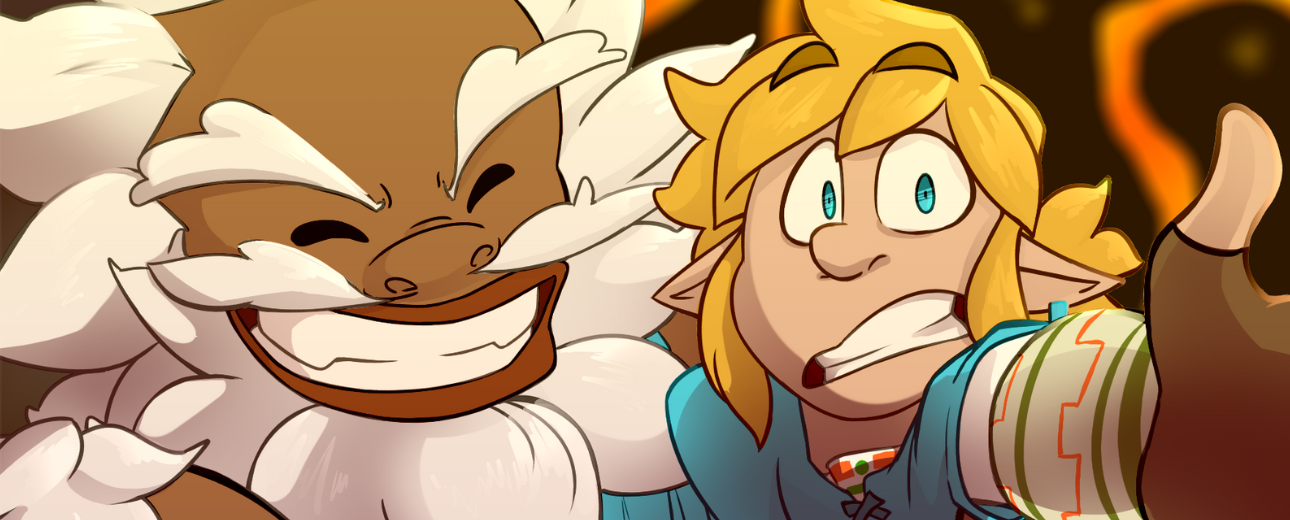
If you’ve played The Legend of Zelda: Breath of the Wild, you’ve encountered one of the most lovable and heroic characters in the entire franchise – Daruk, the Goron Champion. This big-hearted warrior with an infectious laugh and unshakeable courage represents everything great about the Goron race while also being deeply relatable and human in ways that transcend his rocky exterior. But who exactly is Daruk? What’s his full story before and during the Calamity? And why does this boisterous champion continue to resonate so strongly with Breath of the Wild players years after the game’s release?
In this comprehensive guide, I’m going to take you through everything you need to know about Daruk – from his role as Champion piloting Divine Beast Vah Rudania, to his friendship with Link, his incredible combat abilities, his legacy that continues in Tears of the Kingdom through his descendant Yunobo, and the emotional impact of his story. Whether you’re a Breath of the Wild veteran looking to dive deeper into Daruk’s character or a newcomer trying to understand why everyone loves this gentle giant, this complete story explanation will cover every aspect of the Goron Champion’s life, death, and enduring influence. Let’s explore the legend of Daruk and discover what makes him one of Zelda’s most beloved heroes!
Daruk’s Introduction and Role in Breath of the Wild
When you first encounter references to Daruk in Breath of the Wild, it’s clear that this was someone special – a hero whose memory is cherished by the Goron people and whose absence is deeply felt. Understanding Daruk’s role in the game’s narrative requires looking at both his past actions revealed through memories and his present influence as a spirit helping Link.
Meeting Daruk Through Memories
The primary way players learn about Daruk’s character is through the Recovered Memories scattered across Hyrule. These memory sequences show Link’s past interactions with Daruk before the Calamity struck, providing crucial context for who Daruk was and what he meant to both Link and Hyrule. Each memory reveals different facets of his personality, from his booming laughter to his genuine care for others.
One of the most impactful memories shows Daruk and Link traveling together near Death Mountain, with Daruk demonstrating his signature move – Daruk’s Protection. What’s particularly touching about this scene is how Daruk frames his powerful defensive ability. He doesn’t boast about his strength or treat his power as something that makes him superior. Instead, he’s genuinely excited to show Link something useful, like a friend sharing a cool trick. This humility despite incredible power is a defining characteristic that makes Daruk immediately endearing.
Another crucial memory depicts the gathering of Champions at Hyrule Castle, where Princess Zelda officially appoints the four Champions to pilot the Divine Beasts. Daruk’s presence in this formal ceremony is interesting because while he takes the responsibility seriously, he can’t help being himself – warm, enthusiastic, and encouraging to the others. He breaks the tension of the formal moment with his personality, making everyone feel more at ease. This ability to maintain warmth and humanity even in serious contexts is part of what made Daruk such an effective leader.
The memories also show Daruk’s relationship with his people. Unlike some leaders who distance themselves from those they lead, Daruk is deeply integrated into Goron society. He’s not just their champion in title – he’s their brother, their friend, their champion in the truest sense. The Gorons look to him not with fear or distant respect, but with genuine affection and trust. This mutual love between Daruk and his people becomes tragically significant when we learn how his death affected them.
Daruk’s Protection: The Signature Ability
One of Daruk’s most important contributions to Link’s quest is Daruk’s Protection, a powerful defensive ability that becomes available after freeing his spirit from Divine Beast Vah Rudania. This ability creates a protective barrier around Link that blocks attacks and can even damage enemies who strike it, providing both defense and offense in one package.
The mechanics of Daruk’s Protection make it one of the most useful Champion abilities in the game. It activates automatically when Link is attacked, requiring no player input, which makes it incredibly reliable for protecting against unexpected damage. The shield has a limited number of uses before needing to recharge, creating strategic considerations about when to rely on it versus other defensive options. The ability to damage attackers who strike the shield adds offensive utility, occasionally finishing off weakened enemies automatically.
What makes this ability particularly meaningful is the connection to Daruk’s character. Protection – defending others, standing as a shield for the vulnerable – this is who Daruk was fundamentally. The ability he grants Link after death is the same one he used in life to protect his friends and his people. Every time that orange barrier appears around Link, it’s Daruk reaching across death to continue protecting someone he cares about. This thematic resonance makes the ability feel more significant than just a gameplay mechanic.
The visual and audio design of Daruk’s Protection reinforces its connection to the character. The shield has a rocky, crystalline appearance that evokes Goron geology and Daruk’s own stone-like body. The sound effect when it activates is distinctive and satisfying, a sharp crack followed by a resonant hum. And occasionally, when the shield activates, players can hear Daruk’s voice offering encouragement – “You can do it!” or “Leave it to me!” These audio touches make Daruk feel present and active rather than just a passive power-up.
Players often develop emotional connections to Daruk’s Protection precisely because it feels like Daruk himself helping. When that shield saves Link from a Lynel’s crushing blow or a Guardian’s laser, it’s easy to imagine Daruk’s spirit jumping in to protect his friend. The ability transforms from a game mechanic into a narrative element, a continued expression of Daruk’s protective nature and his friendship with Link.
Divine Beast Vah Rudania
Vah Rudania is the Divine Beast that Daruk piloted, a massive mechanical salamander that climbs the slopes of Death Mountain. This incredible Sheikah-created war machine was designed to combat Calamity Ganon, with Daruk chosen as its pilot due to his strength, courage, and connection to the Gorons.
The design of Vah Rudania reflects both Goron culture and the volcanic environment it operates in. The salamander form makes sense for a creature designed to navigate Death Mountain’s extreme heat and treacherous terrain. Its ability to cling to vertical surfaces and climb the mountain itself demonstrates engineering specifically tailored to the Eldin region. The choice of a salamander is also mythologically appropriate – salamanders have long been associated with fire in various cultural traditions, making it perfect for the fire-themed Divine Beast.
Daruk’s role as pilot required incredible skill and strength. The Divine Beasts are massive war machines with complex controls and devastating weaponry. Piloting Vah Rudania meant commanding this mechanical behemoth in combat against Ganon’s forces while managing its various systems and weapons. The fact that Daruk was chosen for this role speaks to the tremendous respect and trust that Hyrule’s leaders had in his capabilities.
When Calamity Ganon corrupted the Divine Beasts and turned them against Hyrule, Vah Rudania became Daruk’s tomb. The Divine Beast he’d piloted with such pride and purpose became the site of his death, controlled by Fireblight Ganon and used to terrorize the very people Daruk had sworn to protect. This tragic irony – a protector’s weapon turned against those he loved – adds emotional weight to the quest to free Vah Rudania.
Freeing Vah Rudania is one of Breath of the Wild’s main quests, requiring Link to board the Divine Beast and defeat Fireblight Ganon to release Daruk’s spirit. The dungeon inside Vah Rudania is mechanically complex, requiring manipulation of the Divine Beast’s orientation and position to solve puzzles. Narratively, the dungeon represents Link honoring Daruk’s memory and freeing his friend from a hundred years of imprisonment. The moment when Daruk’s spirit is finally released is both triumphant and bittersweet – a victory, but also a stark reminder of what was lost.
Daruk’s Legacy Among the Gorons
Even a century after his death, Daruk remains a legendary figure among the Gorons of Breath of the Wild. His memory is preserved through stories, statues, and the continuing reverence his people show for their fallen champion. Understanding how Daruk is remembered helps us understand the impact he had during his life.
The statues of Daruk found in Goron City serve as physical reminders of their greatest hero. These monuments aren’t just political propaganda or obligatory hero worship – they represent genuine love and grief for someone deeply missed. The care with which the Gorons maintain these memorials shows that Daruk’s memory is actively cherished, not just passively remembered.
Yunobo, Daruk’s descendant, carries the weight of this legacy in complex ways. He’s both blessed and burdened by his connection to the legendary champion. The Gorons expect great things from him because of his bloodline, yet Yunobo struggles with self-confidence and fear. This creates an interesting dynamic where Daruk’s legend actually becomes somewhat intimidating to his own descendant, showing how hero worship can create impossible standards for those who come after.
The Goron elders and leaders speak of Daruk with a mixture of respect and familiarity that suggests personal relationships. These aren’t distant stories of some ancient hero – many Gorons alive in Breath of the Wild’s present knew Daruk personally, fought alongside him, and considered him a friend. Their grief is personal and their pride in his memory is rooted in actual experience of his character and deeds.
Daruk’s legacy also manifests in Goron culture and values. The emphasis on brotherhood, courage, and protecting the weak that defines Goron society in BotW reflects the example Daruk set. A culture often takes the shape of its heroes, and the Gorons clearly modeled themselves after Daruk’s example even more strongly after his death. In this way, Daruk continues to influence Goron society long after his physical death.

Daruk’s Personality and Character Traits
What makes Daruk so beloved isn’t just his heroic deeds but his incredible personality that shines through in every interaction. Let’s break down the specific character traits that make Daruk such a memorable and endearing character.
The Warrior’s Heart
Daruk is fundamentally a warrior, someone who excels in combat and doesn’t shy away from danger. His physical power is immense even by Goron standards, allowing him to wield massive weapons and absorb punishment that would obliterate most fighters. He’s not reckless in battle, but he’s also not cautious to the point of hesitation – Daruk knows his capabilities and trusts his strength to see him through conflicts.
What makes Daruk’s warrior nature particularly admirable is that violence isn’t his first choice. He doesn’t seek out fights for glory or to prove himself. Instead, he fights when necessary to protect others or defend his home. This distinction is crucial – Daruk is a protector who happens to be an incredible fighter, not a fighter looking for excuses to battle. His strength serves his compassion rather than the other way around.
Daruk’s fearlessness is legendary among the Gorons. He faces threats that would terrify most people with confidence and even enthusiasm. This isn’t because he doesn’t understand danger – Daruk knows perfectly well when something is deadly – but because he trusts his abilities and refuses to let fear control him. His courage inspires others, showing them that fear can be acknowledged and then overcome through determination.
However, Daruk’s warrior nature is balanced with wisdom. He knows when to fight and when to seek other solutions. He understands that being the strongest person in the room doesn’t mean you always have to prove it. This maturity in how he approaches conflict shows depth beyond the stereotypical “strong warrior” character type.
The Big Brother Energy
One of Daruk’s most endearing qualities is his “big brother” relationship with pretty much everyone, but especially with Link. Despite being chosen as a Champion and given tremendous responsibility, Daruk never gets too serious or distant. He maintains an approachable, warm demeanor that makes others feel comfortable and valued.
His encouragement of others is constant and genuine. Daruk sees potential in people and actively nurtures it. When he shows Link the Daruk’s Protection ability, he’s not showing off – he’s sharing something useful with someone he cares about, hoping it will keep Link safe. This generosity with both praise and practical help characterizes how Daruk treats everyone around him.
Daruk has an infectious enthusiasm that lifts the spirits of those around him. His booming laugh, his excited reactions to things, his genuine joy in life – these qualities are magnetic. People are drawn to Daruk’s energy because it makes them feel more alive and optimistic. In a world threatened by Calamity Ganon and facing potential destruction, Daruk’s ability to maintain joy and enthusiasm is both remarkable and necessary for keeping morale high.
The big brother energy also manifests in protective instincts. Daruk looks out for others, worries about their safety, and intervenes when he sees someone in trouble. This isn’t patronizing or controlling – it’s genuine care expressed through action. Daruk’s protection comes from love, not from a need to demonstrate superiority or control others.
Humility Despite Strength
Despite being one of the most powerful warriors in Hyrule, Daruk remains remarkably humble. He doesn’t boast about his accomplishments or hold his strength over others. When praised, he accepts it graciously but doesn’t let it inflate his ego. This humility makes him accessible and prevents his power from creating distance between him and regular people.
Daruk acknowledges others’ contributions readily and enthusiastically. He doesn’t try to claim all credit for victories or minimize what others bring to collaborative efforts. When fighting alongside others, Daruk treats them as true partners rather than subordinates or sidekicks. This genuine respect for others regardless of their relative power shows character depth and emotional intelligence.
His willingness to ask for help when needed is another aspect of this humility. Daruk doesn’t pretend to know everything or be capable of handling everything alone. He understands that accepting help isn’t weakness but wisdom, and that working together produces better results than stubborn independence. This attitude makes him an effective team member and leader.
Daruk also shows humility through celebrating others’ successes. He takes genuine joy in the achievements of his friends and allies, never letting jealousy or competitiveness sour these moments. When Link accomplishes something impressive, Daruk is the first to congratulate him enthusiastically. This generosity of spirit makes Daruk someone people want to succeed around rather than someone whose presence makes others feel inadequate.
Loyalty and Brotherhood
Loyalty is absolutely core to Daruk’s character. Once he considers someone a friend or brother, that bond is unbreakable. His loyalty to Link, to Princess Zelda, to his fellow Champions, and to the Goron people never wavers even in the face of death. This steadfastness makes Daruk someone you can absolutely trust in any circumstance.
Daruk’s concept of brotherhood extends beyond blood relations. He treats the other Champions as brothers and sisters, Link as a brother, and sees the entire Goron tribe as his extended family. This expansive view of family creates strong bonds that motivate Daruk’s protective actions and heroic sacrifices. Fighting for family makes every battle personal and meaningful.
His reliability is absolute. When Daruk says he’ll do something, it happens. When he makes a commitment, he keeps it. This reliability makes him an ideal Champion and leader – people know they can count on Daruk completely. In a world of uncertainty and danger, this absolute reliability is incredibly valuable both practically and emotionally.
The loyalty works both ways – Daruk inspires loyalty in others through his treatment of them. The Gorons are loyal to Daruk not because of his strength but because of how he treats them and how much he clearly cares. He earns loyalty rather than demanding it, which creates stronger and more genuine bonds.
The Laughter and Joy
Daruk’s booming laugh is one of his most recognizable characteristics. It’s not fake or forced – it’s a genuine expression of joy and amusement that comes from deep within. This laughter is infectious, making others want to laugh along and lightening the mood in tense situations. The sound of Daruk’s laugh immediately communicates warmth and friendliness.
His joy in simple things is refreshing. Daruk doesn’t need elaborate entertainment or luxury to be happy. A good meal, time with friends, a worthy challenge – these simple pleasures bring Daruk genuine satisfaction. This ability to find joy in the everyday makes him more relatable and shows that happiness doesn’t require complicated conditions.
Daruk maintains optimism even in dark times. Facing the threat of Calamity Ganon, knowing the danger that awaits, Daruk still finds reasons to laugh and enjoy life. This isn’t denial or naivety – it’s a choice to not let fear and dread consume him before the actual battle even begins. His optimism helps sustain the morale of everyone around him.
The joy Daruk expresses is generous and shared. He doesn’t hoard happiness or experience joy at others’ expense. Instead, Daruk’s happiness multiplies when shared, and he actively seeks to bring joy to others. Making people laugh, creating fun moments, lifting spirits – these are all things Daruk does naturally because he wants others to feel as happy as he does.
Daruk’s Backstory and Life Before the Calamity
Understanding who Daruk was before becoming a Champion provides important context for his character and helps explain how he became the hero the Gorons remember so fondly.
Growing Up Goron
Daruk was born and raised in Goron City during a time of relative peace in Hyrule. Growing up as a Goron meant being part of a tight-knit community with strong cultural traditions centered around mining, craftsmanship, and the volcanic environment of Death Mountain. From a young age, Daruk would have been immersed in Goron values of brotherhood, courage, and hard work.
Even as a young Goron, Daruk likely showed exceptional strength and courage. Gorons are naturally powerful, but even among his own kind, Daruk stood out. This natural talent could have gone to his head, creating arrogance and ego. Instead, the Goron cultural emphasis on community and brotherhood kept Daruk grounded, teaching him to use his strength in service of others rather than for personal glory.
Goron culture’s emphasis on craftsmanship would have shaped Daruk’s appreciation for quality work and dedication to excellence. Gorons are master smiths and miners, trades that require patience, skill, and attention to detail. While Daruk became known as a warrior, the craftsman’s mindset – the dedication to doing things right and taking pride in your work – informed his approach to combat and leadership.
Growing up around Death Mountain’s dangers taught Daruk to respect nature’s power while not fearing it. The volcanic environment is inherently hazardous, requiring constant awareness and quick reactions. This upbringing made Daruk comfortable with danger and confident in his ability to handle threats, qualities that would serve him well as a Champion.
Rise to Leadership
Daruk didn’t start as the leader of the Gorons – he earned that position through demonstrated courage, strength, and character. While Goron society doesn’t seem to have a rigid hierarchical system with formal titles, natural leaders emerge through respect and recognition from their peers. Daruk became such a leader.
Specific heroic deeds in Daruk’s past earned him increasing respect among the Gorons. Whether it was defending Goron City from monster attacks, solving problems that plagued the community, or taking on challenges others feared, Daruk built a reputation as someone who could be counted on when things got tough. Each success added to his legend and solidified his position as a leader.
Daruk’s leadership style was never authoritarian or distant. He led by example rather than command, working alongside his fellow Gorons rather than directing from above. This hands-on approach meant Daruk understood the realities of the challenges his people faced and never asked anyone to do something he wouldn’t do himself. This created genuine respect rather than obligatory obedience.
The trust his people placed in him grew organically over time. Gorons came to understand that Daruk had their best interests at heart and possessed the capability to protect them effectively. This trust became mutual – Daruk trusted his people to support him and they trusted Daruk to lead them well. This reciprocal trust created strong community bonds.
Discovering Daruk’s Protection
The development of Daruk’s Protection as a unique ability is shrouded in some mystery, but we can infer certain things about how this power emerged. Unlike magical abilities granted by external sources, Daruk’s Protection seems to be a manifestation of his own inner strength and determination, refined through practice and necessity.
The ability likely emerged during a moment of crisis when Daruk’s desire to protect someone he cared about pushed his natural Goron defensive capabilities to a new level. Gorons are naturally resilient with rock-hard skin, but Daruk’s Protection goes beyond passive durability to create an active energy shield. This suggests an evolution of innate Goron traits through intense willpower and focus.
Refining the ability would have required practice and experimentation. Daruk had to learn the limits of his protection, how to activate it reliably, and how to maintain it during combat. The fact that he could teach the basic principle to Link (or at least demonstrate it, since Link receives the ability after Daruk’s death) suggests Daruk understood the mechanics well enough to explain them.
The orange-red color of Daruk’s Protection is significant, matching the volcanic environment of Death Mountain and the natural coloration of heated stone. This visual connection to Goron homeland suggests the ability draws on Daruk’s deep connection to his people and their ancestral land, channeling that connection into defensive power.
Relationships with Other Champions
Before the Calamity, Daruk formed bonds with the other Champions – Mipha, Revali, and Urbosa – as well as with Link and Princess Zelda. These relationships revealed different facets of Daruk’s personality and created meaningful connections that made the group more than just a military unit.
Daruk and Mipha shared a gentle, caring nature beneath their warrior capabilities. Both were protectors at heart, and they likely found common ground in their shared motivation to defend those they loved. Mipha’s grace and healing abilities complemented Daruk’s strength and protection, creating natural synergy between their approaches to helping others.
The relationship with Revali was more complex. Revali’s pride and competitive nature contrasted sharply with Daruk’s humble brotherhood approach. Yet Daruk likely saw through Revali’s arrogance to the genuine skill and dedication underneath. Where others might have been put off by Revali’s attitude, Daruk probably found it more amusing than offensive and responded with good-natured ribbing rather than hostility.
Urbosa and Daruk shared a mature warrior’s perspective and mutual respect. Both were leaders of their people, both possessed great power, and both took their responsibilities seriously while maintaining personality and warmth. Their relationship was likely one of peers who understood each other’s burdens and could relate to the challenges of leadership.
Link clearly held a special place in Daruk’s heart. The memories show genuine affection and almost protective big-brother energy toward Link. Daruk called Link “little guy” and seemed to take joy in Link’s company. This friendship was based on mutual respect – Daruk respected Link’s skills and bravery, while Link appreciated Daruk’s strength and kindness.
Princess Zelda received Daruk’s support and encouragement during a difficult time when she struggled with her powers and the pressure of her destiny. Daruk’s treatment of Zelda showed his emotional intelligence – he recognized when someone needed encouragement versus when they needed space, and he offered both as appropriate.
The Calamity: Daruk’s Final Battle
The Calamity Ganon’s return marked the beginning of the end for Daruk and the other Champions. Understanding what happened during this catastrophic event helps us appreciate Daruk’s sacrifice and the tragedy of his death.
The Day Everything Changed
When Calamity Ganon emerged, the Champions moved into position as planned, each piloting their Divine Beast to attack the malevolent force. Daruk boarded Vah Rudania full of confidence and determination, ready to fulfill the purpose for which he’d been chosen. The plan was sound – the Divine Beasts would assault Ganon from multiple directions while Link and Zelda confronted it directly.
What no one anticipated was Ganon’s ability to corrupt and take control of the Sheikah technology that had been prepared as weapons against it. This corruption happened suddenly and completely, turning the Divine Beasts from Hyrule’s greatest weapons into deadly prisons for the Champions who piloted them. The very technology meant to save Hyrule became the instrument of its heroes’ deaths.
For Daruk specifically, Vah Rudania’s corruption meant the emergence of Fireblight Ganon within the Divine Beast. Suddenly, Daruk found himself fighting for his life inside a war machine that was now his enemy rather than his ally. The controls he’d mastered were turned against him, and a powerful manifestation of Ganon’s malice hunted him through the mechanical interior.
The isolation must have been horrifying. Daruk couldn’t call for help, couldn’t coordinate with the other Champions, and couldn’t even warn them about what was happening. He was alone inside a massive machine on the side of a volcano, fighting a battle that would determine not just his own fate but potentially the fate of all Hyrule.
The Battle with Fireblight Ganon
Fireblight Ganon represented a perfect counter to Daruk’s abilities. As a fire-based entity, it operated in an environment that, while familiar to Daruk, provided no particular advantage. Gorons are resistant to heat, but Fireblight Ganon’s attacks went beyond simple fire, incorporating malicious energy that could harm even Daruk’s stone-like body.
The confined space of Vah Rudania’s interior worked against Daruk’s fighting style. While powerful, Daruk was also large and likely accustomed to open battlefield combat where he could maneuver and use his full strength effectively. Inside the Divine Beast, space was limited, making it harder to dodge and easier for Fireblight Ganon to corner him.
Daruk’s Protection ability certainly came into play during this fight. We can imagine him using it repeatedly to block Fireblight Ganon’s attacks, that orange shield flaring again and again as he desperately tried to defend himself and find a way to fight back. But even Daruk’s incredible defensive power has limits, and in a prolonged battle against a tireless enemy, those limits were eventually reached.
Fatigue must have been a factor. Fireblight Ganon doesn’t get tired, doesn’t need to rest, and can maintain maximum assault indefinitely. Daruk, despite his great strength and endurance, was still a living being with physical limitations. As the battle dragged on, his reactions slowed, his defenses weakened, and his ability to counter the relentless attacks diminished.
Daruk’s Final Moments
We don’t know the exact details of Daruk’s death, but we can infer certain things from context and from the nature of the threat he faced. When Fireblight Ganon finally overcame Daruk’s defenses, the end likely came quickly. The corruption of the Divine Beast was complete, and Daruk’s spirit was trapped within Vah Rudania, unable to rest, forced to watch as the machine he’d piloted was used against his people.
In those final moments, what went through Daruk’s mind? Likely thoughts of those he was leaving behind – his Goron brothers and sisters, Link who he’d tried so hard to protect, Zelda who faced an impossible burden, and the other Champions who he could no longer help. The pain of failure must have been agonizing for someone whose entire identity centered on protecting others.
Despite everything, Daruk’s final thoughts were probably not of despair but of hope. Hope that Link would survive, hope that Hyrule would endure, hope that somehow his sacrifice wouldn’t be meaningless. This optimism, maintained even in death, reflects Daruk’s unbreakable spirit. He died as he lived – thinking of others, refusing to surrender to despair, and trusting in the strength of those he loved.
The tragedy of Daruk’s death is compounded by the corruption of Vah Rudania. Not only did Daruk die, but his death was weaponized against those he died trying to protect. The Divine Beast he’d proudly piloted became a source of terror for the Gorons, attacking Goron City and Death Mountain for a hundred years. Daruk’s spirit, trapped inside, had to watch helplessly as his failure was used against his people over and over.
Impact on Goron City
Immediately after Daruk’s death and Vah Rudania’s corruption, Goron City faced disaster. The Divine Beast that had been their greatest defender became their greatest threat. Vah Rudania’s attacks on Death Mountain disrupted mining operations, threatened the city itself, and created constant danger for the Goron people. The psychological impact of being attacked by their fallen hero’s war machine added emotional trauma to the physical danger.
The loss of leadership when Daruk died created a vacuum that was difficult to fill. While the Gorons had other leaders and elders, Daruk had been a unifying figure whose courage and strength inspired the entire community. Without him, morale suffered and the Gorons faced their crisis with diminished confidence.
Grief paralyzed the community initially. Losing Daruk wasn’t just losing a leader or a warrior – it was losing a beloved brother, friend, and protector. The Gorons mourned deeply, and this grief made it harder to organize effective responses to the ongoing threat from Vah Rudania. Emotional devastation compounds practical challenges, making already difficult situations nearly impossible.
Over the hundred years following the Calamity, Goron society adapted to existence under constant threat from the corrupted Divine Beast. They learned to live with danger, to work around Vah Rudania’s attacks, and to survive despite impossible odds. But they never forgot Daruk, and they never stopped hoping that someday their champion would be freed and avenged.
Daruk’s Spirit and Continued Influence
Even after death, Daruk’s influence persists in powerful ways. His spirit, trapped within Vah Rudania, continues to affect events and eventually aids Link in his quest to free Hyrule from Ganon’s grip.
Trapped But Not Defeated
For a hundred years, Daruk’s spirit remained imprisoned within the corrupted Divine Beast. This century of captivity must have been agonizing – unable to help his people, forced to witness Vah Rudania’s attacks on Goron City, powerless to stop Fireblight Ganon from using the Divine Beast he’d once piloted with such pride. Yet Daruk’s spirit didn’t break or despair.
What kept Daruk’s spirit strong during this imprisonment? Likely the same qualities that defined him in life – his unbreakable optimism, his faith in others, and his refusal to surrender to despair. Daruk believed that eventually someone would come to stop Ganon. He trusted that Hyrule would produce heroes capable of finishing what the Champions started. This faith sustained him through a century of imprisonment.
Daruk’s awareness during this time is unclear. Was he conscious for all hundred years, or did his spirit exist in some kind of suspended state between moments of awareness? The game doesn’t specify, but either possibility is tragic. Constant awareness means a century of conscious imprisonment and suffering. Suspended awareness means missing a hundred years and awakening to find everyone and everything he knew long gone.
Despite the torture of his situation, Daruk’s spirit retained its essential characteristics. When Link finally enters Vah Rudania, Daruk’s spirit hasn’t become bitter, hasn’t turned dark, hasn’t lost its fundamental goodness. This resilience is remarkable and speaks to the incredible strength of Daruk’s character. Lesser spirits might have been corrupted or broken by such an ordeal, but Daruk endured.
The Liberation of Vah Rudania
When Link arrives to free Vah Rudania, Daruk’s spirit recognizes his friend even after a century and through the fog of death. The recognition is immediate and joyful – not resentful that it took so long, not angry about being trapped, but genuinely happy that Link has come. This immediate return to positive emotion shows that Daruk’s essential nature survived imprisonment intact.
Helping Link navigate the Divine Beast and defeat Fireblight Ganon gives Daruk’s spirit purpose after a century of helplessness. Though he can’t fight directly, his presence encourages Link and the very structure of the Divine Beast challenges Link to prove himself worthy of freeing it. When Link defeats Fireblight Ganon, he’s essentially completing the battle Daruk started a hundred years earlier.
The moment of liberation is emotionally powerful. Daruk’s spirit is finally free from the prison that held it for a century. The relief and joy he must feel, combined with the bittersweet awareness that his physical life is over and he can never truly return, creates complex emotions. Freedom is sweet, but it comes with the finality of moving on from the world he loved.
Daruk’s final conversation with Link in this moment is characteristic – he’s proud of Link, grateful for the liberation, and optimistic about the future. There’s no dwelling on the tragedy of the past or the pain of his imprisonment. Daruk focuses on the positive – Link is here, the Divine Beast is freed, and Hyrule has hope again. This forward-looking optimism is pure Daruk.
Granting Daruk’s Protection
One of Daruk’s final acts is granting Link the ability to use Daruk’s Protection. This isn’t just a gameplay reward – it’s a deeply meaningful gesture that shows Daruk’s continuing care for Link even in death. The ability that Daruk developed and used to protect others in life becomes a gift that continues protecting Link in the battles ahead.
The symbolism is powerful. Daruk can’t physically be there to protect Link anymore, but through this ability, he provides protection across the barrier of death. Every time that orange shield appears around Link, it’s Daruk keeping his promise to look out for his little brother. The protection is both literal (blocking damage) and metaphorical (Daruk’s love and care extending beyond death).
Daruk’s voice occasionally accompanies the activation of the protection, offering words of encouragement. “Leave it to me!” or “You can do it!” – these phrases aren’t random gameplay flavor text. They’re Daruk’s personality persisting, his encouragement continuing, his spirit remaining involved in Link’s journey. The developers could have made this ability silent and mechanical, but including Daruk’s voice makes it personal and meaningful.
The ability serves as a constant reminder of what was lost and what remains. Players using Daruk’s Protection are reminded of this great hero who died protecting Hyrule, and they carry a piece of him into every battle. This keeps Daruk relevant throughout the entire game rather than just during the Vah Rudania questline.
Attacking Calamity Ganon
When Link finally confronts Calamity Ganon in Hyrule Castle, the freed Divine Beasts provide crucial support by attacking Ganon and weakening it before Link even enters the battle. Vah Rudania’s assault on Ganon represents Daruk’s spirit directly contributing to the final battle, fulfilling the purpose for which he became a Champion a hundred years late but with his determination intact.
This moment of vindication shows that Daruk’s sacrifice wasn’t meaningless. Though he died in the first attempt to stop Ganon, his Divine Beast ultimately plays a crucial role in Ganon’s defeat. The plan that failed a century ago succeeds now because of Link’s intervention, but also because the Champions’ spirits never gave up and were ready to help when the opportunity came.
Daruk’s attack on Ganon is aggressive and powerful, befitting his warrior nature. The Divine Beast he once piloted is finally used for its intended purpose – as a weapon against the ultimate evil threatening Hyrule. This restoration of Vah Rudania to its proper role symbolically corrects the corruption that turned it into a threat, making Daruk’s legacy one of protection and heroism rather than tragedy.
After Ganon’s defeat, Daruk’s spirit can finally rest. His duty is complete, his people are safe, and Hyrule is saved. The satisfaction he must feel in this moment – knowing that everything he fought for, everything he died for, ultimately mattered and contributed to victory – provides the closure his spirit needed to move on peacefully.
Daruk’s Descendant: Yunobo
In Breath of the Wild and especially in Tears of the Kingdom, we meet Yunobo, a young Goron who is Daruk’s direct descendant. Understanding Yunobo helps us appreciate Daruk’s legacy and shows how heroic lineages continue across generations.
Yunobo’s Introduction in Breath of the Wild
When Link first meets Yunobo in Breath of the Wild, the young Goron is trapped by falling rocks and needs rescue. This introduction immediately establishes Yunobo as someone who gets into trouble and needs help – quite different from his legendary ancestor’s heroic image. Yunobo is timid, easily frightened, and lacks confidence in his abilities.
Despite his fearfulness, Yunobo possesses Daruk’s Protection, the same defensive ability his ancestor wielded. This creates interesting tension – Yunobo has inherited incredible power but doesn’t fully believe in himself or understand his own potential. The ability protects him instinctively but Yunobo doesn’t trust it or himself enough to use it proactively.
Yunobo’s character arc in Breath of the Wild involves Link helping him overcome his fears and contribute to freeing Vah Rudania. With Link’s support and encouragement, Yunobo finds courage he didn’t know he possessed. His ability to roll with protective shield active becomes crucial to accessing the Divine Beast, showing that even frightened people can be heroes when circumstances demand it.
The parallel between Yunobo and Daruk is deliberate but nuanced. Yunobo isn’t just “Daruk but scared” – he’s his own person with different personality traits and challenges. Yet the connection to Daruk’s legacy weighs on him, creating expectations he struggles to meet. This shows the complex reality of being descended from legends – it’s both a blessing (inherited abilities, respect from others) and a burden (impossible standards, constant comparison).
Legacy and Expectations
Being Daruk’s descendant means Yunobo lives under the shadow of incredible expectations. Everyone knows who Daruk was and what he accomplished. When they look at Yunobo, they see Daruk’s bloodline and expect similar greatness. This pressure would be difficult for anyone, and for someone as naturally timid as Yunobo, it’s especially challenging.
The Goron community’s reaction to Yunobo is generally supportive but that support comes with implicit expectations. They believe in Yunobo because he’s Daruk’s descendant, which is both encouraging and pressure-inducing. Yunobo wants to live up to this faith but doesn’t feel capable of it, creating internal conflict between desire and self-doubt.
Daruk’s Protection manifesting in Yunobo proves the bloodline connection but also serves as a constant reminder of who Yunobo is supposed to be. Every time the ability activates, it’s a reminder that Yunobo carries Daruk’s power and should theoretically carry Daruk’s courage too. The disconnect between possessing the power and possessing the confidence creates psychological struggle.
What’s beautiful about Yunobo’s character is that he eventually finds his own courage rather than just mimicking Daruk. He doesn’t become a copy of his ancestor – he becomes his own version of a hero, one who acknowledges fear but acts despite it. This shows that legacy doesn’t mean identical replication but rather finding your own way to honor those who came before.
Yunobo’s Growth in Tears of the Kingdom
Tears of the Kingdom shows remarkable character development for Yunobo. Between the two games, he’s grown significantly in confidence and leadership. He now runs YunoboCo, a mining and construction company, showing entrepreneurial spirit and practical leadership abilities. This Yunobo is still kind and a bit excitable, but he’s no longer the frightened young Goron from BOTW.
Leading YunoboCo demonstrates Yunobo’s growth into a capable adult. Running a company requires making decisions, managing workers, and handling problems – all things that require confidence and competence. Yunobo has found his own path to leadership that doesn’t require being a warrior like Daruk but still serves his community effectively.
When the Marbled Gohma crisis occurs and Yunobo becomes possessed by the evil mask, his character is tested again. After being freed from the mask’s control, Yunobo must confront how he was used and overcome the trauma of that experience. He shows resilience and determination, continuing to help Link deal with the threats facing the Depths and Death Mountain.
Yunobo’s Sage awakening in TOTK represents the culmination of his character development. He becomes the Sage of Fire, a spiritual successor to Daruk’s role as Champion. This isn’t him becoming Daruk – it’s Yunobo fully embracing his own heroic potential and taking his rightful place as a protector of Hyrule. The legacy continues but in a new form appropriate to the new era.
How Yunobo Honors Daruk’s Memory
Yunobo remembers and reveres Daruk, but he’s found a healthy relationship with that legacy. He doesn’t let the comparison to Daruk paralyze him anymore, but he also doesn’t forget where he comes from. Yunobo honors Daruk by being the best version of himself rather than attempting to be a copy of his ancestor.
The protective nature that defined Daruk manifests differently in Yunobo but is still present. Where Daruk protected through combat and direct physical defense, Yunobo protects through his company’s work making the community safer and more prosperous, and through his willingness to help with threats like the Marbled Gohma. Protection takes many forms, and Yunobo has found his own way to embody this family trait.
Yunobo’s courage, hard-won through his experiences, honors Daruk’s memory more than thoughtless fearlessness ever could. Yunobo knows fear intimately and overcomes it through conscious choice and determination. This makes his bravery arguably more meaningful than natural fearlessness – it’s courage earned through struggle rather than inherited confidence.
The continuation of Daruk’s Protection through Yunobo’s bloodline shows that Daruk’s legacy isn’t just symbolic but literally protective. The ability that Daruk developed continues defending future generations, making Daruk’s influence active and ongoing rather than just historical. Through Yunobo, Daruk continues protecting Gorons and helping heroes.

Daruk’s Impact on Breath of the Wild’s Story
Looking at Daruk’s role in Breath of the Wild’s broader narrative helps us understand his importance to the game’s themes and emotional impact.
The Champion’s Tragedy
Daruk represents one-fourth of the Champions’ tragedy – the devastating failure of Hyrule’s greatest heroes and best defenses against Calamity Ganon. His death, along with those of Mipha, Revali, and Urbosa, shows that sometimes even the strongest, bravest, and most prepared heroes can fall. This tragedy drives the emotional weight of Breath of the Wild’s story.
The corruption of the Divine Beasts adds cruel irony to the Champions’ deaths. They didn’t just fail to stop Ganon – their weapons were turned against them and then against the very people they died trying to protect. This twisting of noble purpose into destruction makes the tragedy deeper and more painful. Daruk died protecting people, and his death was weaponized to harm those same people.
Each Champion’s individual story shows different facets of heroism and different types of tragedy. Daruk’s tragedy is the failure of the protector, the shield that couldn’t hold, the strength that wasn’t enough. For someone whose entire identity centered on protecting others, dying while failing to protect represents the worst possible outcome. The pain of that failure likely exceeded the physical pain of death.
The hundred-year aftermath shows the lasting consequences of the Champions’ deaths. Hyrule didn’t just lose four heroes – it lost its best defense, its strongest warriors, and its most advanced weapons all at once. The civilization never recovered, and the world Link awakens to is a shadow of what existed before. This shows that the Champions’ failure had cascading consequences that affected everything.
Brotherhood and Bonds
The relationship between Link and Daruk exemplifies one of Breath of the Wild’s core themes – the power of bonds and relationships. Daruk’s friendship with Link wasn’t just personal affection; it was a source of strength and motivation for both. When Link remembers these connections through the recovered memories, they help drive his determination to complete what the Champions started.
Daruk’s treatment of Link as a little brother rather than just an ally or subordinate shows authentic care that transcends duty. They weren’t just working together to stop Ganon – they genuinely enjoyed each other’s company and valued their friendship beyond its strategic benefits. This authentic connection makes Daruk’s death personally painful for Link, not just tactically unfortunate.
The “brothers in arms” dynamic among the Champions showed that diverse people from different cultures could unite for a common purpose while maintaining their individual identities. Daruk’s easy friendship with Hylians, Zora, Rito, and Gerudo demonstrated that differences don’t have to divide and that shared purpose can overcome cultural boundaries.
Daruk’s encouragement of others strengthened not just individuals but the whole group. His positive energy and confidence in his fellow Champions helped create a cohesive unit from diverse individuals. When the group faced doubts or tensions, Daruk’s optimism and faith in everyone helped maintain morale and unity.
The Weight of Failure
Daruk’s death represents collective failure – not just his own failure to survive, but the failure of Hyrule’s entire plan to stop Ganon. The Divine Beast strategy was sound, the Champions were capable, and the preparations were extensive. Yet it all failed anyway, showing that even good plans can fail and even heroes can lose.
This theme of failure is central to Breath of the Wild’s story. The world Link awakens to is defined by past failures – the Champions died, Hyrule fell, Ganon won. The entire game is about dealing with the aftermath of catastrophic failure and trying to succeed where everyone before failed. Daruk’s story embodies this theme personally and emotionally.
The guilt that would naturally accompany such failure is painful to consider. Did Daruk’s spirit spend a hundred years blaming himself for not being strong enough? Did he agonize over the Gorons being attacked by his own Divine Beast because he couldn’t defend it? The game doesn’t explicitly address this, but for someone as protective as Daruk, the psychological torture of perceived failure would be immense.
Yet Daruk’s response to failure shows resilience and refusing to surrender to despair. Even after death and a century of imprisonment, Daruk doesn’t give up. He maintains hope, helps Link when the opportunity comes, and contributes to ultimate victory. This shows that failure doesn’t have to be final and that perseverance can eventually lead to success even after devastating setbacks.
Memory and Legacy
The Recovered Memories mechanic makes Daruk’s story deeply personal. Players don’t just hear about Daruk – they see him alive, hear his voice, and witness his interactions with Link. This direct experience creates emotional connection more effectively than exposition could. When you’ve seen Daruk laugh and encourage Link, his death means more than if he were just a name in a history book.
Goron City’s memorials to Daruk show how communities remember their heroes. The statues and the reverent way Gorons speak of Daruk demonstrate that heroic sacrifice creates lasting impact. Daruk’s physical life ended, but his influence on Goron culture and identity persists. He shaped his people’s values and gave them an example to aspire to.
The continuation of Daruk’s Protection through Link demonstrates how legacies transcend death. Daruk’s ability to protect continues functioning a century after his death, defending Link throughout his quest. This shows that what we create and who we teach outlive our physical existence, making our impact potentially eternal.
Daruk’s presence in the final battle through Vah Rudania’s attack on Ganon shows that heroes who fall fighting evil still contribute to ultimate victory. His death wasn’t the end of his contribution to the fight against Ganon – it was a setback that was eventually overcome. This suggests that persistence and continued struggle matter more than never failing.

Daruk in Popular Culture and Fandom
Beyond the game itself, Daruk has become a beloved figure in Zelda fandom and popular gaming culture. Understanding his cultural impact shows how well-designed characters transcend their source material.
Fan Reception and Popularity
Daruk quickly became a fan favorite among the Champions, with many players citing him as their favorite character in Breath of the Wild. The combination of his powerful abilities, warm personality, and tragic story creates a character that resonates emotionally with players. Daruk represents accessible heroism – he’s not aloof or mysterious, he’s warm and genuine in ways that make him feel like someone you could actually know.
The enthusiastic greeting – “Hey there, little guy!” – became an iconic Daruk line that fans quote and reference. This simple, warm greeting perfectly encapsulates Daruk’s friendly nature and his affectionate relationship with Link. The fact that fans remember and repeat this line years after playing shows how effectively it captured character essence.
Daruk’s laugh is another memorable element that fans love. The booming, genuine laughter communicates joy and warmth without words. Voice actor Joe Hernandez delivered this laughter perfectly, making it feel authentic rather than forced. Many players report that Daruk’s laugh made them smile, creating positive emotional associations with the character.
Online communities frequently discuss favorite Champions, and Daruk consistently ranks highly or wins these informal polls. The reasons players cite usually focus on his personality – his kindness, his humor, his loyalty, and his genuine care for others. While all the Champions are well-designed, Daruk’s emotional accessibility makes him particularly beloved.
Fan Art and Creative Works
The fan art community has embraced Daruk enthusiastically, creating countless illustrations, comics, and animations featuring the Goron Champion. Artists love drawing Daruk because his design is distinctive and expressive – the large build, the white hair, the facial features all create a visually interesting character who’s recognizable even in simplified art styles.
Much fan art focuses on Daruk’s relationships, particularly his friendship with Link. Wholesome comics showing Daruk and Link’s adventures together, Daruk protecting or encouraging Link, or the two simply spending time as friends are common and popular. These works expand on the relationship shown in the game and explore the emotional bonds that made Daruk’s death so impactful.
Tragic fan art depicting Daruk’s death or his century of imprisonment also appears frequently. These darker works explore the painful aspects of Daruk’s story, showing the moment Fireblight Ganon kills him or Daruk’s spirit trapped and suffering. While emotionally heavy, these works demonstrate how deeply Daruk’s tragedy affected players and inspired creative expression of that emotional impact.
Some artists create alternate universe or “what if” scenarios where the Champions survived or where Daruk gets to reunite with Link properly. These works are wish fulfillment, giving fans the happy endings that the game’s canon denied. They show how much players wanted better outcomes for characters they cared about, particularly for someone as lovable as Daruk.
Cosplay and Physical Representation
Daruk cosplay appears at gaming conventions, though less frequently than more humanoid characters due to the challenges of representing a large, rocky Goron. Dedicated cosplayers have created impressive Daruk costumes incorporating foam sculpting, paint techniques, and clever construction to capture the character’s distinctive appearance. These cosplays show dedication to the character despite the technical challenges.
The Daruk amiibo is one of the Champions amiibo released by Nintendo, providing a physical representation of the character that fans can collect. The figure captures Daruk’s pose and expression well, and many fans display it prominently in their game collections. The existence of official merchandise shows that Nintendo recognizes Daruk’s popularity and market appeal.
Statues and figures beyond the amiibo have also been produced, including higher-quality collectibles for serious collectors. These premium items command significant prices yet sell successfully, demonstrating that there’s genuine market demand for Daruk merchandise. Fans are willing to invest money in physical representations of a character they love.
The Champion’s Ballad DLC added more Daruk content including the ability to wear his outfit, allowing players to literally embody the character. Many players enjoy using this outfit as a tribute to Daruk or when exploring Goron areas, showing how cosmetic options can strengthen player connection to characters.
Memes and Internet Culture
Daruk’s “DARUK’S PROTECTION IS NOW READY TO ROLL!” voice line became a minor meme in Zelda communities. The distinctive delivery and slightly awkward phrasing made it memorable and quotable. Fans reference this line when discussing the game or when joking about protection and safety in other contexts.
The boulder-smashing scene from one of the memories, where Daruk demonstrates his strength by destroying massive rocks, gets referenced and parodied in fan content. It’s become a shorthand for Daruk’s impressive strength and his tendency to solve problems through direct force.
Daruk’s death is referenced in discussions of game tragedies and impactful character deaths. While not as frequently memed as some other gaming deaths, Daruk’s sacrifice appears in conversations about effective emotional storytelling in games and characters whose deaths affected players deeply.
The relationship between Daruk and Yunobo has spawned discussions and some gentle jokes about hereditary courage and living up to family legacies. Yunobo’s fearfulness compared to Daruk’s bravery creates humor while also touching on serious themes about expectations and individual identity.
Comparing Daruk to Other Zelda Characters
Understanding how Daruk relates to other characters in the Zelda franchise helps contextualize his uniqueness and appreciate his specific role in the series’ character pantheon.
Daruk vs. Other Gorons
Compared to previous Goron characters in the Zelda series, Daruk represents a mature evolution of the race’s portrayal. Earlier Gorons like Darunia from Ocarina of Time were likable but sometimes treated as somewhat comic relief. Daruk maintains the Goron warmth and humor while also being portrayed as genuinely competent, intelligent, and emotionally complex.
Darunia, the Goron leader from Ocarina of Time, shares some traits with Daruk – both are warriors, both lead their people, both become allies to Link. However, Darunia is more temperamental and slower to trust, initially hostile to Link until won over. Daruk shows immediate friendship and openness, suggesting either different personality or reflection of different cultural moments for the Goron people.
Gongoron from Twilight Princess provides an interesting contrast – a young Goron who has to overcome his fears and prove himself. This shares elements with Yunobo’s arc but differs from Daruk’s established confidence. Daruk represents the fully-realized Goron warrior while characters like Gongoron and Yunobo show the journey to becoming such warriors.
The collective Goron portrayal across games generally emphasizes strength, simplicity, and straightforward emotions. Daruk embodies these traits while adding layers of emotional intelligence, strategic thinking, and nuanced relationships that show Gorons can be both strong and sophisticated. He elevates the race’s portrayal while honoring their established characteristics.
Daruk vs. The Other Champions
Among the Champions, Daruk represents approachability and warmth while the others have more complicated or reserved personalities. Mipha is gentle but melancholy, Revali is skilled but arrogant, Urbosa is wise but reserved. Daruk is the emotional center of the group, the one who brings people together and maintains morale.
Mipha and Daruk share protective natures and caring personalities, but Mipha’s care is quiet and often unspoken while Daruk’s is loud and demonstrative. Mipha heals wounds; Daruk prevents wounds. Their different approaches to helping others complement each other and show that care can be expressed in multiple ways.
Revali’s pride contrasts sharply with Daruk’s humility. Both are skilled warriors chosen as Champions, but Revali needs others to acknowledge his superiority while Daruk simply wants everyone to succeed together. Their different approaches to skill and recognition show contrasting paths to heroism – the individualist versus the team player.
Urbosa’s maturity and Daruk’s maturity operate differently. Urbosa is wise, measured, and strategic – the sage warrior. Daruk is emotionally mature and socially intelligent – the people’s champion. Both are effective leaders but through different strengths, showing that leadership takes many forms.
Daruk vs. Link
The relationship between Daruk and Link is one of the most purely positive in the game. Unlike Mipha’s complicated romantic feelings, Revali’s competitive resentment, or even Urbosa’s somewhat maternal concern, Daruk’s friendship with Link is straightforward brotherhood. He likes Link, respects Link, and wants to protect Link simply because that’s who Daruk is.
Daruk’s extraversion contrasts with Link’s quiet nature. Daruk fills silences with laughter and conversation while Link communicates more through actions than words. This dynamic works well – Daruk’s energy doesn’t overwhelm Link, and Link’s quiet steadiness grounds Daruk. They balance each other.
In terms of fighting style, both are primarily physical combatants but with different approaches. Link is versatile and adaptive, using various weapons and tactics. Daruk is specialized and straightforward, using overwhelming strength and defensive power. Together they cover each other’s weaknesses – Link handles situations requiring finesse while Daruk handles those requiring raw power.
Thematically, both characters represent heroism but in different contexts. Link is the chosen hero, the reincarnated warrior of legend, destined to fight evil. Daruk is a regular person (well, regular Goron) who becomes a hero through character and choice. This shows that heroism can be both destiny and decision, and both are equally valid.
Daruk in the Context of Zelda Warriors
Looking at warrior characters across the Zelda series, Daruk represents a specific type – the strong defender who protects others through resilience and power. This contrasts with warriors like Link (versatile all-rounder), Impa (agile ninja), or Ganondorf (overwhelming dark power).
Daruk’s Protection as a defining ability places him in the “tank” or “defender” archetype common in fantasy and RPG contexts. He’s the party member who takes hits for others and keeps everyone alive. This role is crucial but often underappreciated, and Daruk’s character shows how vital and heroic defensive play can be.
The emotional warrior archetype that Daruk represents is relatively rare in Zelda games. Most warriors are stoic (Link), cold (Dark Link), or consumed by pride/anger (Ganondorf). Daruk shows that strength and emotional openness aren’t contradictory – you can be both a powerful fighter and a warm, caring person.
Daruk’s legacy through Yunobo creates a multigenerational warrior lineage showing how heroism continues across time. This theme appears elsewhere in Zelda (Link’s various reincarnations, Zelda’s bloodline) but Daruk and Yunobo’s relationship explores it through actual family connection rather than mythical reincarnation.

Lessons from Daruk’s Character
Beyond entertainment value, Daruk’s character teaches valuable lessons about courage, friendship, leadership, and resilience that apply beyond the game world.
Strength and Kindness Aren’t Contradictory
Daruk demonstrates that being powerful doesn’t require being harsh. He’s one of the strongest characters in the game yet also one of the kindest. This challenges the stereotype that strong people must be intimidating or distant. Daruk shows that true strength includes the strength to be gentle, vulnerable, and caring.
This lesson is particularly valuable in cultures that often pressure strong people (especially men) to suppress emotions and avoid showing care. Daruk models a healthier masculinity where strength serves protection and care rather than domination. He’s comfortable with his feelings and expresses them openly without feeling it diminishes his warrior status.
Children and young people can benefit especially from this example. Seeing a heroic character who is both strong and kind, who laughs freely and cares deeply, provides a positive role model that counters toxic cultural messages about strength requiring emotional suppression.
The practical application is recognizing that in real life, the strongest people are often those who combine physical or professional capability with emotional intelligence and compassion. Daruk represents the ideal of comprehensive strength – strong in body, strong in character, strong in relationships.
The Value of Optimism
Daruk’s persistent optimism even in dark times teaches the importance of maintaining hope and positive outlook. He faces apocalyptic threats yet still finds reasons to laugh and enjoy life. This isn’t naivety – it’s a conscious choice to not let fear and dread consume him before battles even begin.
Maintaining morale during difficult times is crucial, and Daruk’s example shows how one person’s positive energy can uplift entire groups. His optimism isn’t just personal – it’s contagious and strategic, keeping spirits high when despair would be debilitating.
The lesson applies to real-world challenges: maintaining hope and finding moments of joy during difficult periods isn’t frivolous – it’s psychologically necessary for sustained resilience. Daruk models how to acknowledge serious problems while not letting them destroy your ability to function and fight back.
After death, Daruk’s optimism sustains his spirit through a century of imprisonment and enables him to help when Link arrives. This shows that optimism isn’t just pleasant – it’s functionally valuable, maintaining motivation and capability when pessimism would lead to despair and helplessness.
Protection as Purpose
Daruk’s identity as a protector shows how purpose centered on helping others creates meaningful life. He’s not protecting others because he wants glory or recognition – he does it because that’s his fundamental purpose and it brings him genuine satisfaction.
This teaches that service to others can be a valid and fulfilling life purpose. Not everyone needs to pursue fame, wealth, or power. Finding meaning in protecting and helping others, like Daruk does, is equally valid and often more sustainably satisfying.
Daruk’s Protection as both character trait and ability shows that protection takes many forms – physical defense, emotional support, creating safety for others to flourish. The broad definition of protection means many people can fulfill this purpose in ways suited to their capabilities.
The ultimate sacrifice Daruk makes shows that true protection sometimes requires giving everything. While most people won’t face such dramatic choices, the principle applies to smaller sacrifices – time, comfort, resources – that protecting and helping others sometimes requires. Daruk’s example shows these sacrifices as noble rather than burdensome.
Brotherhood Beyond Blood
Daruk’s concept of brotherhood extends beyond biological family to encompass chosen family and deep friendship. He treats Link as a brother despite no blood relation, and he views the entire Goron community and the Champions as his extended family.
This teaches that family can be chosen and that bonds of love and loyalty don’t require genetic connection. Daruk’s approach to relationships emphasizes that who you choose to care about and commit to matters more than who you’re related to by accident of birth.
The inclusive nature of Daruk’s brotherhood shows that these bonds can cross cultural, racial, and species lines. His friendship with Hylians, Zora, Rito, and Gerudo demonstrates that meaningful connection transcends superficial differences.
Practically, this lesson encourages building strong friendship networks and treating friends as family. Daruk shows that these chosen family bonds can be as strong as or stronger than blood relations, providing support, purpose, and belonging that enrich life tremendously.

Conclusion: The Enduring Legacy of Daruk
After exploring every facet of Daruk’s character, story, and impact, it’s clear why this Goron Champion has become so beloved by Breath of the Wild players and Zelda fans. Daruk represents heroism at its most accessible and genuine – not perfect or invincible, but brave, kind, and absolutely committed to protecting those he loves.
What makes Daruk special isn’t just his strength or his cool abilities – it’s his heart. In a game filled with tragic figures and broken kingdoms, Daruk’s warmth and optimism provide light in the darkness. His laugh echoes through memories as a reminder that joy exists even in times of crisis, and his protective instincts show that caring for others is its own form of strength.
The tragedy of Daruk’s death hits particularly hard because of who he was. This wasn’t some distant warrior dying in abstract battle – it was a beloved brother, protector, and friend dying while trying to save everyone he cared about. The corruption of Vah Rudania adds cruel irony, turning his greatest weapon into a threat against his own people.
Yet Daruk’s legacy transcends his death. His spirit endures through Vah Rudania’s eventual liberation and attack on Ganon. His protection continues defending Link throughout the quest. His example shapes Goron culture and inspires future generations like Yunobo. His influence persists in ways both tangible and spiritual, making his impact far greater than his physical presence.
Yunobo’s growth from fearful youth to confident leader and Sage shows that Daruk’s legacy isn’t about creating perfect copies but inspiring others to find their own courage. The connection between ancestor and descendant demonstrates how heroic examples ripple through time, influencing people who never met the original hero but still benefit from their example.
The lessons Daruk teaches – that strength and kindness aren’t contradictory, that optimism is valuable even in dark times, that protection is a worthy purpose, that brotherhood can transcend blood – these are applicable beyond the game world. Daruk’s character provides a model of healthy masculinity, effective leadership, and meaningful heroism that resonates in real life.
For players, Daruk represents reliability in a game about rebuilding from catastrophic failure. His cheerful greeting, his unwavering protection, his consistent character – these provide comfort and inspiration. When you activate Daruk’s Protection and hear his voice encouraging you, it feels like having a friend watching your back.
The emotional impact of Daruk’s story demonstrates excellent game writing and character development. That players genuinely mourn this fictional Goron, celebrate his victories, and carry his lessons shows how well the creators crafted his character. Daruk isn’t just well-designed mechanically – he’s meaningful emotionally.
Looking forward, Daruk’s continued relevance through Tears of the Kingdom and ongoing fan engagement shows that his impact extends beyond a single game. He’s become part of Zelda’s permanent character pantheon, a hero whose story will be remembered and retold as long as people play these games.
So here’s to Daruk, the Goron Champion – protector, brother, warrior, and friend. Thank you for showing us that heroes can be both strong and gentle, brave and joyful, powerful and humble. Thank you for your sacrifice, your protection, and your example. And thank you for that booming laugh that reminds us to find joy even in difficult times.
For more information about Daruk and the other Champions, check out the Zelda Wiki’s comprehensive character pages. For discussions about favorite moments and character analysis, the Zelda subreddit hosts active conversations. And for official game information and artwork, visit Nintendo’s official Zelda portal.
Keep protecting those you love, keep laughing even when times are hard, and remember – Daruk’s Protection is ready to roll! YAHAHA! (Sorry, wrong character – but Daruk would appreciate the enthusiasm!)