
 Canada
 USA
USA Japan
Japan



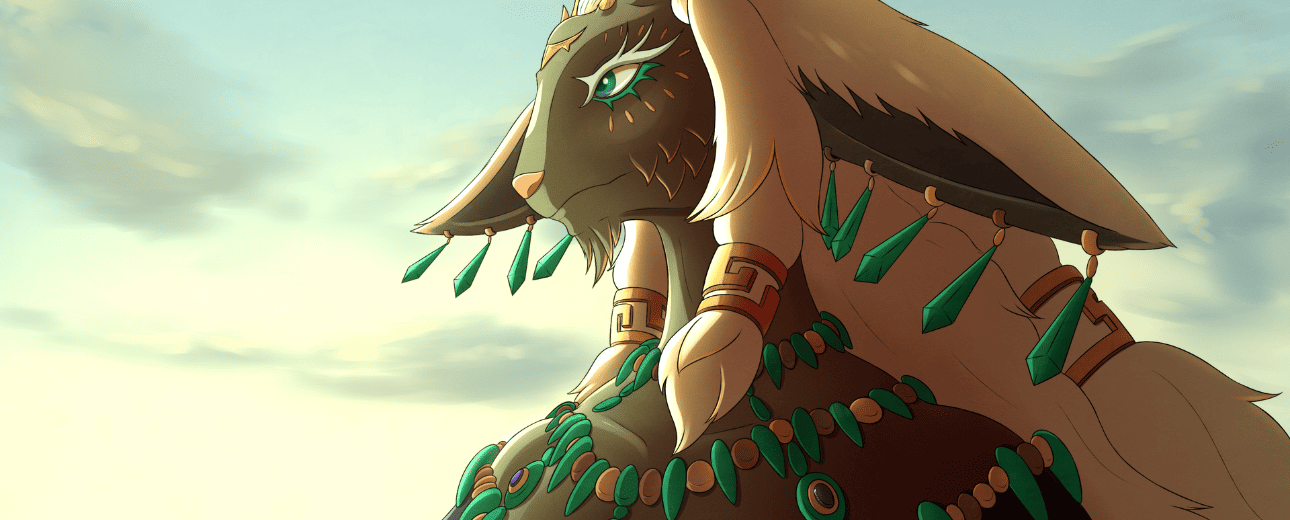
When you first boot up The Legend of Zelda: Tears of the Kingdom, you’re immediately thrown into a mysterious underground chamber where you encounter a ghostly figure with glowing Zonai markings – that’s King Rauru, and he’s about to become one of the most important characters in the entire Zelda timeline. I remember my first playthrough being absolutely captivated by this enigmatic character who seemed to know so much about the ancient past and the looming threat facing Hyrule. Rauru isn’t just some random NPC or quest giver – he’s literally the founding king of Hyrule, a powerful Zonai warrior, and the catalyst for the entire story of Tears of the Kingdom.
After spending hundreds of hours diving deep into TOTK’s lore, exploring every memory, and piecing together the timeline, I can confidently say that understanding King Rauru is essential to truly appreciating the game’s narrative depth. He’s connected to everything – from the Sages you recruit to the ancient temples you explore, from the sky islands floating above to the very arm that gives Link his new abilities. In this comprehensive guide, I’ll break down everything you need to know about King Rauru, his role in Hyrule’s history, his powers, his relationships, and why he matters so much to the overall story. Whether you’ve just started playing or you’re trying to make sense of the complex timeline, this deep dive will give you a complete understanding of one of the franchise’s most fascinating characters.
King Rauru’s Identity: The Last Zonai King
Let’s start with the basics – who exactly is King Rauru? He’s introduced as the first king of Hyrule, but that title alone doesn’t capture the full scope of his importance. Rauru is a member of the Zonai tribe, an ancient and technologically advanced civilization that existed long before the Hyrule we know from other Zelda games. The Zonai are the mysterious people who created all those incredible sky islands, advanced constructs, and magical devices that Link uses throughout Tears of the Kingdom.
Rauru’s Zonai Heritage
The Zonai civilization is one of the biggest revelations in Tears of the Kingdom’s lore. Before this game, we only had hints about the Zonai from environmental storytelling in Breath of the Wild – those ruins in the Faron region with their distinctive animal motifs and spiral patterns. TOTK finally gives us concrete answers about who they were and what happened to them. Rauru represents the last generation of this dying civilization, and his story is fundamentally about trying to preserve something precious even as it inevitably fades away.
What makes the Zonai so special is their unique blend of spiritual power and technological mastery. They weren’t just skilled engineers who built impressive structures – they had a deep connection to the fundamental forces of light and creation. Rauru himself embodies this dual nature perfectly. He can create constructs and build incredible mechanisms, but he’s also the Sage of Light with immense magical abilities. This combination of technology and spirituality is what allowed the Zonai to create such lasting achievements, and it’s what makes Rauru such a formidable force.
By the time we meet Rauru in the game’s prologue, he’s described as one of the last Zonai, possibly the very last male of his species. This adds a layer of tragedy to his character – he’s not just a king trying to protect his kingdom, he’s the last representative of an entire civilization watching his people disappear. His marriage to Queen Sonia represents an attempt to preserve the Zonai legacy by blending it with Hylian culture, creating a new hybrid civilization that would become the Hyrule we know.
Physical Appearance and Characteristics
When you first see Rauru in his spiritual form, he appears as a tall, ethereal figure with distinctive goat-like features – long ears, a beard, and horns that mark him as unmistakably Zonai. His body is covered in glowing green Zonai patterns that pulse with energy, and he has a commanding presence that immediately conveys his importance. Even in death, existing only as a spirit bound to the ancient chamber beneath Hyrule Castle, Rauru maintains the dignity and authority of a king.
In the memory sequences where we see Rauru alive during the founding of Hyrule, he appears more substantial and vibrant. His clothing is regal but practical, decorated with Zonai symbols and made from materials that seem to shimmer with magical energy. He wears jewelry and adornments that signify his royal status, but he’s clearly a warrior-king who’s comfortable in battle, not just a ceremonial figurehead. His physical appearance reflects both his Zonai heritage and his role as Hyrule’s first monarch.
What’s particularly interesting is how Rauru’s design incorporates both familiar and alien elements. He’s recognizably humanoid enough that we can empathize with him and read his emotions, but the goat-like features and glowing markings remind us that he’s not human or Hylian. This visual design perfectly captures his role as a bridge between the ancient Zonai civilization and the Hyrule that would eventually develop. He’s both familiar and mysterious, approachable yet otherworldly.
Rauru as the Sage of Light
One of Rauru’s most important aspects is his role as the Sage of Light, which is fundamental to understanding his power and his purpose. The Sages in Tears of the Kingdom are individuals who possess Secret Stones – mysterious gems that amplify their innate abilities to extraordinary levels. Rauru’s Secret Stone is the most powerful of all because he possesses light-based abilities that represent creation, purification, and sealing.
The Light element in Zelda lore has always been associated with the sacred, the divine, and the power to banish darkness. Rauru’s abilities as the Sage of Light allow him to create barriers, seal away evil, and even construct entirely new forms of matter. We see him use these powers throughout the game’s flashback sequences – creating the imprisoning seal that holds Ganondorf, manifesting his ghostly arm to save Link, and even constructing the sky islands as a final desperate measure.
What makes Rauru unique among the Sages is that his power isn’t tied to a specific element or domain like wind, fire, water, or lightning. Instead, light represents the fundamental creative force that underlies all existence. This is why Rauru can do things the other Sages cannot – his power operates at a more fundamental level of reality. When he seals Ganondorf, he’s not just using magic to contain an enemy, he’s literally creating an eternal prison using the power of light itself.
The role of Sage of Light also comes with incredible responsibility. Throughout the memories, we see Rauru constantly aware of the burden he carries. He knows that he might be the only one capable of stopping Ganondorf if diplomacy fails. This knowledge weighs on him, especially because using his full power requires sacrifice. The sealing of Ganondorf ultimately costs Rauru his life and his physical form, reducing him to a spirit bound to his own arm. It’s a tragic but heroic sacrifice that defines his character.
Rauru’s Role in the TOTK Prologue
The first time players encounter King Rauru is in the game’s dramatic opening sequence, and this initial meeting sets the stage for everything that follows. Let’s break down exactly what happens in this prologue and why Rauru’s presence is so crucial to both the story and the gameplay.
The Underground Chamber Discovery
The game begins with Link and Zelda exploring beneath Hyrule Castle, investigating the source of a mysterious malevolent force that’s been causing earthquakes and disturbing phenomena. Deep underground, they discover an ancient chamber containing what appears to be a mummified corpse restrained by a glowing arm. This corpse is Ganondorf, sealed away for thousands of years, and the arm holding him in place is King Rauru’s spiritual form.
This scene is absolutely loaded with significance. The chamber itself is covered in Zonai architecture and symbols, hinting at the ancient civilization that created this prison. The glowing arm represents Rauru’s last act – using his own body and spirit to create an eternal seal that would contain Ganondorf’s evil. For countless millennia, Rauru has existed in this twilight state, neither truly alive nor completely dead, maintaining the seal through sheer force of will and the power of his Secret Stone.
When Link and Zelda approach, we can see that the seal is weakening. The glyphs and patterns that cover Ganondorf’s body are flickering, and there’s a palpable sense of dark energy building. Rauru’s spirit has been holding back this corruption for ages, but even his incredible power has limits. The malice seeping from Ganondorf has been gradually eroding the seal, and by the time our heroes arrive, it’s on the verge of complete failure.
The Seal’s Breaking and Link’s Injury
In a moment of terrible timing, Ganondorf awakens just as Link and Zelda discover him. The Demon King’s consciousness returns, and he immediately begins to break free from Rauru’s weakened seal. The malice that’s been contained for so long erupts outward in a devastating explosion of dark energy. Link tries to protect Zelda, but he’s struck directly by this corrupting force, and we watch in horror as his arm begins to decay and crumble.
This is where Rauru makes his first active intervention. As Link collapses from the injury and the entire underground chamber begins to collapse, Rauru’s spirit separates from the seal to save the hero. The king’s ghostly arm reaches out and merges with Link’s body, replacing the corrupted arm and preventing the malice from spreading further. It’s a desperate measure and one that comes at a cost – with Rauru’s spirit no longer maintaining the seal, Ganondorf is free to fully awaken.
The replacement arm isn’t just a prosthetic or a healing spell – it’s literally Rauru’s own spiritual essence taking physical form as part of Link’s body. This is an incredibly significant act that creates a permanent connection between the ancient king and the modern hero. Through this arm, Rauru can communicate with Link, grant him access to Zonai abilities, and guide him toward stopping Ganondorf. It’s both a gift and a burden, tying Link’s fate to the unfinished business of the ancient past.
Link’s Awakening on the Great Sky Island
After the catastrophic events in the underground chamber, Link finds himself awakening on the Great Sky Island, a floating landmass high above Hyrule. He’s been unconscious for an unknown period of time, his wounds being tended to by Rauru’s spirit. This sky island serves as the game’s tutorial area, but it’s also deeply significant to the lore – it was created by Rauru himself as a last refuge and a testing ground.
Rauru appears to Link as a ghostly guide, visible only to the hero because of their connection through the arm. The king explains the basics of what happened – Ganondorf has awakened, Zelda has disappeared, and Hyrule is in grave danger. But Rauru doesn’t just dump exposition on Link and send him on his way. Instead, he guides the hero through a series of shrines that teach him how to use the Zonai abilities – Ultrahand, Fuse, Ascend, and Recall.
These tutorials are clever because they serve both gameplay and narrative purposes. On the practical level, they teach players the core mechanics they’ll need to survive in Tears of the Kingdom. On the story level, they represent Rauru preparing Link to face the challenges ahead by granting him access to ancient Zonai technology and powers. The shrines themselves are Zonai constructions, designed to test and train worthy individuals. By completing them, Link proves he’s capable of wielding Rauru’s power responsibly.
Throughout this tutorial section, we get glimpses of Rauru’s personality. He’s patient and encouraging, never condescending despite being an ancient king speaking to a modern soldier. He explains things clearly, offers helpful advice, and shows genuine concern for Link’s wellbeing. We also see hints of his guilt – he knows that his failure to permanently stop Ganondorf in the past has led to this current crisis, and he’s determined to help Link succeed where he ultimately fell short.
The Arm’s Abilities Explained
The arm that Rauru gives Link is one of the most important gameplay and story elements in Tears of the Kingdom. It’s not just a replacement for his corrupted arm – it’s a conduit for ancient Zonai technology and power that gives Link capabilities far beyond what he possessed in Breath of the Wild. Understanding what this arm represents helps us appreciate Rauru’s sacrifice and the connection between past and present.
The arm grants Link access to several core abilities that define the gameplay experience. Ultrahand allows manipulation of objects and construction of vehicles and structures – a reflection of the Zonai’s technological prowess. Fuse enables combining items to create more powerful weapons and tools – representing the Zonai philosophy of innovation and adaptation. Ascend lets Link phase through solid ceilings – a mobility power that symbolizes transcendence and ascension. Recall reverses an object’s movement through time – a reality-warping ability that shows how advanced Zonai understanding of fundamental forces was.
What’s fascinating is that these abilities aren’t random powers – they’re reflections of Rauru’s own capabilities as a Zonai and as the Sage of Light. Throughout the memory sequences, we see Rauru demonstrating similar powers. He constructs complex mechanisms with ease, he manipulates light and matter, he defies conventional physical limitations. By giving Link his arm, Rauru is essentially making the hero into a temporary Zonai, granting him access to abilities that would normally be impossible for a Hylian.
The arm also serves as a visual reminder of Link’s connection to the ancient past. The glowing Zonai patterns that cover it are identical to those on Rauru’s own body, making it clear that this limb doesn’t truly belong to Link. Some players might find this slightly unsettling – your character is walking around with a dead king’s arm grafted onto his body. But this discomfort is intentional. It reinforces that Link is carrying a burden from the past, that he’s been chosen (or forced) to finish what Rauru started.
The Founding of Hyrule: Rauru’s Historical Importance
To truly understand why Rauru matters, we need to explore his role in founding the Kingdom of Hyrule itself. Through the game’s memory sequences, we witness the actual moment when Hyrule was established, and Rauru is at the absolute center of this pivotal historical event. This isn’t just backstory – it’s the origin point of everything we know about the Zelda universe.
The Ancient Past Before Hyrule
The memory sequences in Tears of the Kingdom take us back to a time long before any other Zelda game we’ve played. This is a period when the land that would become Hyrule was divided among various tribes and peoples – Hylians, Gorons, Zora, Rito, and Gerudo all existed as separate societies without a unified kingdom. The Zonai, meanwhile, were already in decline, their civilization fading as their population dwindled.
Rauru and his sister Mineru appear to be among the last pure-blooded Zonai remaining. They possess incredible knowledge and power, but they’re also aware that their civilization is ending. Rather than simply accepting extinction, Rauru has a vision – he wants to create something that will outlast the Zonai by bringing all the different peoples together under one banner. This is where the idea of Hyrule begins, not as a conquest or an empire, but as an idealistic attempt to unite diverse cultures in peace.
What’s particularly interesting is that Rauru doesn’t force this vision on anyone. He reaches out to leaders from each race and proposes an alliance based on mutual benefit and shared values. He offers the Zonai’s knowledge and protection in exchange for cooperation and unity. This diplomatic approach shows that Rauru is a true leader, not a tyrant. He understands that a kingdom built on coercion would never last, so he invests the time and effort to build genuine relationships with the other peoples.
The world of this ancient past is both similar to and different from the Hyrule we know. The geography is recognizable – we can see familiar landmarks and regions. But there are no towns or villages in the modern sense, no established trade routes, no central government. It’s a frontier world where each community is largely isolated and self-sufficient. Rauru’s vision is to change all that by creating infrastructure, establishing laws, and fostering cooperation that would benefit everyone.
Meeting Queen Sonia
One of the most important relationships in Rauru’s life is his marriage to Queen Sonia, a Hylian priestess who possesses her own unique powers. Their union represents more than just a political alliance – it’s a genuine love story that also symbolizes the blending of Zonai and Hylian cultures that would define the future of Hyrule. Through the memories, we see how Sonia and Rauru complement each other perfectly, both in their abilities and their personalities.
Sonia is a priestess of Hylia with the power of time, able to manipulate temporal flow in limited ways. This makes her incredibly valuable to Rauru’s mission because time-based powers are rare and potent. When the two of them combine their abilities – Rauru’s light and Sonia’s time – they can accomplish things neither could achieve alone. We see this synergy in action when they work together to push back against Ganondorf’s attacks and create protective barriers around vulnerable settlements.
Beyond her powers, Sonia brings wisdom and compassion that balance Rauru’s more militant and practical approach. While Rauru thinks strategically about building a kingdom and defending against threats, Sonia focuses on the people themselves – their happiness, their culture, their spiritual needs. She reminds Rauru that a kingdom isn’t just about territory and power, it’s about creating a place where people can thrive and find meaning. This perspective makes Rauru a better king and helps shape Hyrule into something more than just another kingdom.
Their relationship also has huge implications for the Zelda timeline. Sonia is established as an ancestor of Princess Zelda, which means that the royal family of Hyrule carries both Rauru’s Zonai legacy and Sonia’s Hylian heritage. This explains why Zelda has such powerful abilities – she’s descended from two incredibly strong bloodlines. When we see Zelda in the past interacting with her ancestors, there’s a beautiful moment of recognition where Rauru and Sonia realize who she must be, and they embrace her as family.
The tragedy of Sonia’s fate makes her relationship with Rauru even more poignant. When she’s murdered by Ganondorf in a brutal act of betrayal, Rauru is absolutely devastated. We see his grief and rage in that memory, and it’s one of the few times the composed king completely loses his emotional control. Sonia’s death hardens Rauru’s resolve and makes him realize that Ganondorf cannot be reasoned with or reformed. It’s the turning point that leads to the final confrontation and Rauru’s decision to seal the Demon King away, regardless of the personal cost.
The Ceremony of Hyrule’s Foundation
One of the most memorable sequences in the game is the actual founding ceremony of Hyrule, where representatives from all the major races come together to pledge their support for Rauru’s vision. This isn’t just a political event – it’s a sacred ceremony where the Sages are chosen and granted their Secret Stones, binding them to Rauru and to each other in a solemn oath.
During this ceremony, we see leaders from the Rito, Goron, Zora, and Gerudo peoples step forward to receive their Secret Stones and swear allegiance to the new kingdom. Each of them represents their entire race, and their decision to join Hyrule is a momentous one that will shape the destiny of their people for generations. The Secret Stones don’t just grant power – they create a mystical connection between the Sages that allows them to support each other and combine their strengths.
The visual presentation of this ceremony is stunning. The setting is on a high plateau with the sunrise illuminating the gathered crowds. Rauru and Sonia stand at the center, radiating light and time energy respectively. The representatives approach one by one, and as each receives their Secret Stone, we see their transformation into Sages – their bodies glowing with power, their eyes shining with determination. It’s a moment of hope and promise, where it truly seems like this alliance could create lasting peace.
What makes this ceremony so significant is that it establishes the pattern for the Sages that continues throughout Zelda history. The idea of champions from different races working together under a central authority becomes the template that we see repeated in other games. Breath of the Wild’s Champions and Tears of the Kingdom’s modern Sages are both echoes of this original founding ceremony. Rauru’s vision wasn’t just about creating one kingdom – it was about establishing a model for cooperation that would endure through the ages.
The ceremony also marks the moment when Hyrule transitions from an idea to a reality. Before this, Rauru had a dream and various allies who supported it. After the ceremony, there’s an actual kingdom with defined borders, established laws, and recognized authority. The Sages become not just warriors but also administrators who help govern their respective regions while maintaining loyalty to the central throne. It’s the birth of the political structure that would define this land for thousands of years.
Rauru’s Vision for a United Kingdom
Understanding Rauru’s philosophy and what he hoped to achieve with Hyrule is crucial to appreciating his character. He’s not motivated by personal ambition or a desire for power – instead, he’s driven by a genuine belief that cooperation and unity make everyone stronger and safer. His vision is fundamentally idealistic, almost utopian in its optimism about what different peoples can accomplish together.
Rauru believes that each race has unique strengths that complement each other. The Gorons have physical power and mining expertise, the Zora excel at water management and fishing, the Rito dominate the skies and provide aerial reconnaissance, the Gerudo are fierce warriors and skilled craftspeople, and the Hylians have agricultural knowledge and spiritual traditions. By bringing these groups together, Rauru creates a kingdom where each race’s weaknesses are covered by another’s strengths.
But it goes deeper than just practical benefits. Rauru understands that cultural exchange enriches everyone. When the Rito share their music with the Hylians, when the Gorons teach others about geology, when the Zora demonstrate advanced aquatic engineering – everyone benefits from this knowledge sharing. Hyrule becomes more than the sum of its parts because each culture contributes to a shared civilization while maintaining its own identity.
Rauru’s vision also includes a strong defensive purpose. He’s aware that threats exist in the world – monsters, dark forces, and ambitious conquerors like Ganondorf. A unified Hyrule can mount a coordinated defense that isolated villages and tribes never could. The Sages represent this defensive strategy – powerful warriors from each race who can respond to threats anywhere in the kingdom. It’s a mutual defense pact where an attack on one is treated as an attack on all.
What’s most impressive about Rauru’s vision is his commitment to legitimacy and consent. He could have used his superior Zonai technology and his power as Sage of Light to simply conquer the various peoples and force them into submission. Many rulers throughout history have done exactly that. But Rauru chooses the harder path of diplomacy, negotiation, and persuasion. He wants the other races to join Hyrule willingly because they believe in the vision, not because they fear his power.
This idealism is both Rauru’s greatest strength and his greatest vulnerability. His belief in the goodness of others and the possibility of peaceful cooperation makes him an inspiring leader that people genuinely want to follow. But it also makes him susceptible to betrayal by those who don’t share his values – a weakness that Ganondorf ruthlessly exploits. Rauru’s tragic flaw is that he wants to believe the best in people, even when evidence suggests he shouldn’t.

Rauru vs. Ganondorf: The Central Conflict
The heart of Tears of the Kingdom’s story is the conflict between King Rauru and Ganondorf, representing not just a battle between two powerful individuals but a clash of fundamentally opposed philosophies and worldviews. Understanding this conflict is essential to grasping why Rauru is so important to the game’s narrative.
Ganondorf’s Arrival and False Allegiance
The conflict begins when Ganondorf, the king of the Gerudo, approaches Rauru and offers to join the newly formed Kingdom of Hyrule. On the surface, this seems like a diplomatic victory – the powerful Gerudo kingdom pledging loyalty would make Hyrule’s unity complete. Ganondorf presents himself as a reasonable ruler who recognizes the benefits of cooperation and wants to ensure his people have a place in this new order.
But there are warning signs that Rauru notices immediately. Ganondorf’s body language, his tone of voice, the way his eyes calculate and assess everything – it all suggests ulterior motives. Rauru is experienced enough to recognize ambition and hunger for power when he sees it. He’s also aware of the prophecy that a male Gerudo born every hundred years is destined for either greatness or terrible evil. Ganondorf fits this prophecy perfectly, and Rauru’s instincts tell him that this particular male Gerudo leans toward the latter.
Despite his suspicions, Rauru is trapped by his own ideals. If he refuses Ganondorf’s offer without concrete proof of treachery, he would be betraying the very principles Hyrule was founded on. How can he preach unity and cooperation while simultaneously rejecting an entire people because of his gut feeling about their leader? Rauru’s commitment to fairness and legitimacy prevents him from taking preemptive action, even though his instincts scream that Ganondorf is dangerous.
This creates a painful situation where Rauru must accept Ganondorf’s pledge while remaining vigilant for the betrayal he knows is coming. We see Rauru’s internal conflict in the memory sequences – the way he watches Ganondorf carefully, how he positions guards and Sages to respond quickly to threats, how he tries to limit Ganondorf’s access to sensitive areas and information. He’s essentially allowing a viper into his home while trying to ensure it can’t strike fatally.
The other Sages have mixed reactions to Ganondorf’s presence. Some are cautiously optimistic, wanting to believe in the possibility of genuine alliance. Others share Rauru’s suspicions but defer to their king’s judgment. Queen Sonia tries to mediate, suggesting that people can change and that welcoming Ganondorf might actually prevent him from turning to evil. Her compassionate perspective adds to Rauru’s dilemma – what if rejecting Ganondorf would become a self-fulfilling prophecy that pushes him toward darkness?
The Philosophical Divide
What makes the Rauru-Ganondorf conflict so compelling is that it’s not just about good versus evil – it’s about fundamentally different worldviews about power, leadership, and the nature of civilization. Rauru represents cooperation, shared prosperity, and the belief that working together makes everyone stronger. Ganondorf represents domination, individual supremacy, and the belief that power is the only thing that truly matters.
Rauru’s philosophy is built on the idea that strength comes from unity and diversity. He believes that a kingdom where different peoples contribute their unique abilities creates something greater than any single culture could achieve alone. In his vision, leadership means service – a king exists to protect and enable his people, not to exploit them. Power should be used to create conditions where everyone can flourish, and success is measured by the wellbeing of the entire population.
Ganondorf’s philosophy is the complete opposite. He believes that power is the ultimate currency and that the strong have a natural right to rule over the weak. In his worldview, cooperation is just a temporary strategy that the powerful use until they’re strong enough to dominate completely. He sees Rauru’s idealism as naive weakness and views the diverse alliance of Hyrule as an inefficient system that divides power among too many people. Ganondorf wants absolute authority concentrated in himself.
These opposing philosophies extend to their approach to conflict. Rauru prefers diplomacy and seeks peaceful solutions whenever possible, resorting to force only when absolutely necessary. He believes in giving people chances to change and grow. Ganondorf sees violence and intimidation as efficient tools that get results quickly. He believes that mercy is foolishness and that crushing enemies completely is the only way to ensure they don’t threaten you later.
Even their understanding of loyalty differs fundamentally. Rauru earns loyalty through genuine relationships, mutual respect, and demonstrated concern for his followers’ wellbeing. The Sages follow him because they believe in his vision and trust his leadership. Ganondorf demands loyalty through fear, power, and the promise of sharing in his victories. His followers obey because they’re terrified of the consequences of disobedience or because they hope to benefit from his success.
This philosophical divide makes their conflict inevitable. There’s no compromise position between Rauru’s cooperative kingdom and Ganondorf’s vision of absolute domination. One philosophy must prevail, and the other must fail. The tragedy is that Rauru recognizes this reality but wishes it weren’t true, while Ganondorf embraces it and actively works to eliminate his rival.
The Betrayal and Sonia’s Murder
The conflict escalates dramatically when Ganondorf finally reveals his true intentions in the most brutal way possible – by murdering Queen Sonia and stealing her Secret Stone. This act of betrayal is so shocking not just because of its violence, but because of what it represents. Ganondorf isn’t content with simply defeating his enemies – he wants to humiliate them, to demonstrate that their ideals are worthless, and to break them psychologically as well as physically.
The murder scene is one of the darkest moments in the entire Zelda franchise. Ganondorf approaches Sonia under false pretenses, pretending to seek counsel or assistance. She, embodying the compassion and trust that Rauru’s kingdom is built on, doesn’t suspect treachery until it’s too late. Ganondorf strikes without warning, killing her instantly and ripping the Secret Stone from her body before anyone can react. It’s a violation of every sacred principle that Hyrule stands for.
The immediate aftermath shows us Rauru’s grief and rage in raw, unfiltered form. This composed, diplomatic king who always maintains his calm completely loses control when he sees Sonia’s body. He attacks Ganondorf with everything he has, light energy exploding around him in an uncontrolled fury. For the first time, we see Rauru not as a wise king or a powerful Sage, but as a husband who just watched his wife murdered before his eyes. It’s a devastating moment that humanizes him completely.
Ganondorf’s theft of Sonia’s Secret Stone has strategic implications beyond the personal tragedy. The stone grants him power over time, adding to his already formidable dark magic. More importantly, it proves that Secret Stones can be stolen and used by those they weren’t meant for. This revelation puts all the other Sages at risk and forces them to be constantly vigilant. Ganondorf has demonstrated that he can and will target them to increase his own power.
The betrayal also shatters any remaining hope for peaceful coexistence. Even the most optimistic supporters of diplomacy must now acknowledge that Ganondorf cannot be trusted or reformed. The time for negotiation is over – the only question now is how to stop him before he destroys everything Rauru has built. Sonia’s murder transforms the conflict from a tense political standoff into an existential war for Hyrule’s survival.
The Final Battle and Rauru’s Sacrifice
The conflict between Rauru and Ganondorf culminates in an epic confrontation where the fate of Hyrule hangs in the balance. Ganondorf, now possessing both his own Secret Stone and Sonia’s stolen stone, has become incredibly powerful. He’s gathered an army of monsters and corrupted followers, and he’s ready to tear down Hyrule and replace it with his own empire of darkness. Rauru and the Sages must stop him, but they’re facing an enemy who’s arguably more powerful than any of them individually.
The battle is devastating for both sides. Ganondorf’s forces are numerous and empowered by dark magic, but the Sages fight with the desperation of people defending everything they hold dear. We see incredible displays of power – Rauru channeling massive amounts of light energy, the other Sages unleashing their elemental abilities, and Ganondorf countering with dark magic and time manipulation. The landscape itself is transformed by the energies being thrown around.
Despite their best efforts, the Sages cannot defeat Ganondorf permanently through conventional means. He’s simply too powerful, especially with two Secret Stones amplifying his abilities. Rauru realizes that the only way to stop the Demon King is to seal him away, but doing so will require a sacrifice. The type of sealing magic needed would require Rauru to give up his physical form and bind his spirit to the seal, maintaining it for as long as necessary. It’s essentially a death sentence, an eternity spent as a prison guard for an evil being.
Rauru makes this choice without hesitation. He knows that if Ganondorf wins, everything he and Sonia worked for will be destroyed. All the diverse peoples who came together to build Hyrule will be enslaved or killed. The vision of a united, peaceful kingdom will die. His sacrifice is the only way to preserve that vision and give Hyrule a chance to survive and grow. It’s the ultimate expression of his philosophy – a king exists to serve his people, even if that service requires giving up everything, including his own existence.
The sealing process is shown in fragmented memories and through the imagery we see in the game’s prologue. Rauru channels every ounce of his power as the Sage of Light, creating a prison of pure energy around Ganondorf. But containing someone that powerful requires constant effort – the seal isn’t a lock you can walk away from, it’s more like physically restraining someone forever. Rauru’s spirit merges with the seal itself, his consciousness becoming the bars of Ganondorf’s cage.
As Rauru performs the seal, he makes one final plea to Ganondorf, asking him if this is really what he wants – an eternity of imprisonment, his power wasted, his ambitions forever frustrated. Ganondorf’s response is defiant laughter. Even faced with eternal captivity, he doesn’t regret his choices or show any hint of remorse. This exchange perfectly encapsulates the fundamental incompatibility between these two characters. Rauru offers redemption until the very end, and Ganondorf rejects it completely.
The seal succeeds, but at terrible cost. Ganondorf is imprisoned deep beneath what will become Hyrule Castle, his body mummified, his consciousness suppressed. Rauru’s physical form dissolves into light, and his spirit becomes bound to the glowing arm that restrains the Demon King. The other Sages survive but are diminished – they’ve expended so much power in the battle that they know they won’t live much longer. Hyrule is saved, but the heroes who saved it are gone.
Legacy of the Conflict
The confrontation between Rauru and Ganondorf has repercussions that echo through thousands of years of history. The sealed Ganondorf becomes a dark presence beneath Hyrule Castle, his malice slowly seeping upward and corrupting the land above. The stories of the first king and his sacrifice become legends, then myths, and eventually are almost forgotten. But the conflict itself never truly ends – it just enters a long pause.
What’s fascinating is how this ancient battle shapes the entire geography of future Hyrule. The location where Ganondorf is sealed becomes Hyrule Castle, the seat of power for all subsequent rulers. It’s as if the kingdom built its most important structure directly over its greatest threat, either as a way to watch over the seal or as an expression of defiance – we will not let this evil dictate where we build. The castle’s foundations are literally Ganondorf’s prison.
The conflict also establishes patterns that repeat throughout Zelda history. A hero (Link), a princess with sacred power (Zelda), and the manifestation of evil (Ganon/Ganondorf) – this triangle of conflict originates in the ancient past with Rauru, Sonia, and Ganondorf. The roles get reincarnated and repeated across different eras, but the fundamental dynamic remains the same. Evil rises, heroes oppose it, and sacrifice is required to prevail.
Rauru’s choice to seal rather than destroy Ganondorf is often debated by players. Some argue that he should have found a way to kill the Demon King permanently, preventing all future conflicts. But this perspective misunderstands both Rauru’s capabilities and his philosophy. As powerful as Rauru was, truly destroying someone as mighty as Ganondorf might have been impossible. And even if it were possible, Rauru’s worldview rejects the idea of executing someone, even an enemy, when containment is an option.
The conflict ultimately demonstrates that idealism must sometimes be defended with force. Rauru’s vision of a peaceful, cooperative kingdom is beautiful and worth pursuing, but there exist individuals like Ganondorf who will exploit that idealism as weakness. The tragedy isn’t that Rauru was wrong to believe in cooperation and trust – the tragedy is that the world contains people who make such beliefs dangerous. Rauru’s sacrifice proves he understood this reality and was willing to pay any price to protect his ideals.

Rauru’s Relationship with Princess Zelda
One of the most touching and important aspects of Tears of the Kingdom’s story is the relationship between Rauru and Princess Zelda, his distant descendant from thousands of years in the future. When Zelda is sent back in time to the ancient past, she encounters her ancestors Rauru and Sonia, creating a unique cross-temporal family relationship that’s both heartwarming and tragic.
Zelda’s Arrival in the Ancient Past
When the catastrophic events of the prologue send Zelda tumbling through time, she finds herself in an era she’s only read about in fragmented historical texts. The disorientation must be overwhelming – she’s surrounded by people who died millennia ago, in a world that will eventually become the Hyrule she knows but is currently radically different. She’s completely alone, separated from Link and everyone else she knows, trapped in an era where she doesn’t belong.
Rauru and Sonia are the first to find her, and their reaction to this confused young woman who claims to be from the future is remarkably compassionate. They don’t dismiss her claims as madness or treat her as a threat. Instead, they listen to her story, observe her powers, and recognize the truth – this is their descendant, a princess of Hyrule from an age that hasn’t yet come to pass. The recognition is both intellectual and emotional – they can see aspects of themselves in her, and they feel an immediate connection.
What’s particularly beautiful is how Rauru and Sonia immediately embrace Zelda as family. They don’t treat her as just a historical curiosity or a political asset. She’s their granddaughter (many times removed), and they welcome her with genuine warmth and love. For Zelda, who lost her own mother at a young age and has always felt the weight of her lineage as a burden, this unconditional acceptance must be incredibly healing. She’s finally meeting the ancestors she’s tried to live up to, and they actually like her for who she is.
Learning About Her Heritage
Through her time with Rauru and Sonia, Zelda gains invaluable insights into her own powers and heritage. She’s always known she was supposed to possess sacred sealing powers, but they never awakened reliably in Breath of the Wild until the moment of Crisis. Being with her ancestors who actually understand these abilities, who can explain what they are and how they work, transforms Zelda’s understanding of herself.
Rauru helps Zelda understand the light-based aspects of her power. He explains that the ability to seal evil isn’t just about having strong willpower or pure faith – it’s about channeling the fundamental creative force of light itself. He teaches her meditation techniques that the ancient Zonai used to focus their energy, and he helps her see that her power isn’t separate from herself, it’s an expression of who she fundamentally is. This is radically different from how she was taught in her own era, where the power was treated as something external she needed to access through prayer.
Sonia focuses on the time-based elements that run through Zelda’s bloodline. She teaches Zelda to feel the flow of time around her, to sense how moments connect to each other. We see scenes where Sonia guides Zelda through exercises, helping her develop abilities she didn’t know she possessed. The relationship between them is especially touching because Sonia becomes the mother figure that Zelda lost – patient, nurturing, and deeply invested in helping Zelda reach her full potential.
What Zelda learns goes beyond just technical knowledge about her powers. She gains a deep understanding of where she comes from and what her family stood for. Rauru and Sonia share stories about why they founded Hyrule, what they hoped it would become, and the principles they believed were worth fighting for. Zelda realizes that the weight of expectation she’s always felt isn’t just about having special powers – it’s about carrying forward a legacy of service, sacrifice, and dedication to protecting others.
This knowledge also brings painful clarity about Zelda’s own situation. She’s trapped in the past, watching events unfold that she knows from historical fragments. She knows that Ganondorf will betray Rauru, that Sonia will die, that terrible war is coming. But she also knows she can’t simply prevent these events without risking paradoxes that might erase the future she came from. She’s forced to watch the tragedy approaching while being largely powerless to stop it.
Witnessing the Tragedy
Being present during Sonia’s murder is absolutely devastating for Zelda. She’s grown close to this ancestor who treated her with such kindness, and now she has to watch her die. Zelda’s grief is compounded by guilt – she feels like she should have been able to prevent this, even though logically she knows Ganondorf’s betrayal happened so quickly that even those standing next to Sonia couldn’t save her. The loss hits Zelda personally and also robs her of the maternal figure she’d finally found.
After Sonia’s death, Zelda becomes even more important to Rauru. She’s a living connection to Sonia, a reminder of the future they were trying to build together. Rauru also recognizes that Zelda possesses knowledge about what’s coming – she’s seen how this conflict ends, even if she can’t or won’t share all the details. Her presence is both comforting and painful for him, a glimpse of the future he’s fighting to protect but may never see.
As the final battle approaches, Zelda and Rauru have increasingly meaningful conversations about sacrifice, duty, and what it means to be a leader. Rauru knows he’s going to have to seal Ganondorf at the cost of his own existence, and he finds solace in knowing that Zelda comes from a future where Hyrule survived. His sacrifice won’t be in vain – the kingdom will endure, even if he won’t be there to see it. Zelda provides him with the confirmation he needs to make the ultimate choice.
Zelda’s Own Sacrifice
The most heartbreaking part of Zelda’s relationship with Rauru comes when she makes her own impossible choice. After Rauru seals Ganondorf and the crisis seems to have passed, Zelda realizes she needs to help Link in the future. She knows he’ll be facing Ganondorf when the seal eventually weakens, and he’ll need more power to succeed. The only way she can provide that power is through an irreversible sacrifice – transforming herself into a dragon.
Rauru’s spirit, still conscious in the seal, would be able to sense this decision. Zelda is choosing to give up her identity, her memories, and her humanity to become an immortal dragon that can channel sacred power across thousands of years. It’s a sacrifice that echoes Rauru’s own – giving up everything to protect the future. The parallel is intentional and incredibly moving. The ancient king who sacrificed himself to seal evil inspires his descendant to make her own sacrifice to ensure evil stays sealed.
The process requires Zelda to swallow her Secret Stone, which will transform her into an immortal dragon but at the cost of everything that makes her Zelda. She’ll spend thousands of years in this form, her consciousness gradually dissolving until she’s essentially a living battery of sacred power with no memory of who she was. It’s a fate that might be worse than death because at least death is final – this is an eternity of slow erasure.
Before she makes this transformation, Zelda thinks about Rauru and Sonia and everything they taught her. Their example of sacrifice, their willingness to give up their own happiness for the greater good, gives her the strength to make this choice. She’s carrying forward their legacy in the most literal sense possible – by choosing the same path they walked, by prioritizing Hyrule’s future over her own existence. It’s the ultimate expression of what it means to be part of this family line.
The dragon that Zelda becomes is the Light Dragon that players see throughout Tears of the Kingdom, floating peacefully through the skies. She’s been there for thousands of years, since the ancient past, carrying the Master Sword that will eventually be needed. When Link finally restores Zelda to her true form at the game’s conclusion, it’s Rauru’s power (channeled through the arm he gave Link) combined with the efforts of the other Sages that makes the restoration possible. Even in his long death, Rauru is still protecting his family.
The Zonai Technology and Rauru’s Legacy
Beyond his role in the story, Rauru’s most visible legacy is the incredible Zonai technology scattered throughout Tears of the Kingdom. Every device Link uses, every sky island he explores, every ancient mechanism he encounters – these are all products of the civilization Rauru came from, and many were likely created or commissioned by Rauru himself.
The Sky Islands: Rauru’s Final Sanctuary
The massive network of sky islands floating above Hyrule represents one of Rauru’s greatest achievements and his final desperate measure. When it became clear that sealing Ganondorf would require his death and that the seal might eventually weaken, Rauru needed to create a backup plan. The sky islands serve multiple purposes – they’re a refuge beyond Ganondorf’s reach, a testing ground for potential heroes, and a repository of Zonai knowledge and technology.
Creating these islands and lifting them into the sky would have required immense power and coordination. Rauru would have worked with his sister Mineru and possibly the other Sages to construct these floating landmasses. They’re not just chunks of rock with buildings on them – they’re carefully designed complexes with specific purposes. Some contain shrines that test worthiness, others have research facilities where Zonai experiments were conducted, and some serve as gardens preserving ancient flora and fauna.
The Great Sky Island, where Link awakens in the game’s opening, is particularly significant. This was clearly designed as a tutorial area, a place where someone unfamiliar with Zonai technology could learn the basics in a safe environment. Rauru specifically appears here to guide Link, suggesting that he always intended this island to serve as a starting point for a future hero. The shrines here teach the fundamental abilities – Ultrahand, Fuse, Ascend, and Recall – in a logical progression.
What’s impressive about the sky islands is their sustainability. They’ve been floating up there for thousands of years without any apparent maintenance, still functional and still serving their purpose. This speaks to the sophistication of Zonai engineering – they didn’t just build impressive structures, they built systems that could endure essentially forever. The energy sources powering the islands, the mechanisms keeping them aloft, the environmental systems maintaining livable conditions – all of this has functioned autonomously for millennia.
Zonai Devices and Construct Technology
The Zonai devices that Link can find and use throughout the game – fans, rockets, wheels, wings, and countless others – represent the pinnacle of ancient engineering. These aren’t just simple machines; they’re sophisticated devices that respond to energy sources, combine with other devices seamlessly, and function reliably even after thousands of years of sitting around. The fact that Link can grab random Zonai devices and build functioning vehicles on the fly demonstrates how user-friendly and versatile this technology is.
Rauru himself would have been intimately familiar with all this technology. As a Zonai royal and the Sage of Light, he would have had access to the most advanced devices and likely contributed to their development. We see in memories that Rauru can manipulate objects telekinetically and create complex structures with ease – abilities that the Zonai devices are designed to replicate. When Rauru gives Link the Ultrahand ability, he’s essentially granting him simplified access to the same technological interface Zonai users had.
The Construct enemies and NPCs scattered throughout the sky islands and depths are another aspect of Zonai legacy. These autonomous robots were created to serve various purposes – some as guards, others as workers, some as researchers. The fact that they’re still active after all this time is both impressive and slightly sad. They’re continuing to follow programming from a civilization that’s long gone, protecting facilities that no one visits, conducting research that no one reads.
Some Constructs have clearly degraded or been corrupted, becoming hostile to outsiders. But others, particularly the Construct NPCs in the sky islands, retain their original helpful programming. They recognize Link as someone with Rauru’s arm and treat him accordingly, offering assistance and items. These Constructs represent the last “living” remnants of Zonai culture, and interacting with them provides glimpses into what that civilization was like – orderly, purpose-driven, and focused on research and development.
The Depths and Lightroots
Beneath Hyrule’s surface lies a massive underground realm called the Depths, and this shadowy mirror world is deeply connected to Rauru’s final battle with Ganondorf. The Depths are where Ganondorf’s malice has been seeping for thousands of years, corrupting everything it touches. But scattered throughout this darkness are Lightroots – massive tree-like structures that channel Rauru’s light energy into the depths, pushing back the darkness and creating safe zones.
These Lightroots are directly connected to Rauru’s sealing magic. They’re extensions of his power as the Sage of Light, anchoring points that prevent Ganondorf’s corruption from completely consuming the underground. The fact that they’ve maintained their function for thousands of years, constantly battling against the Demon King’s malice, shows the incredible strength of Rauru’s final seal. Every Lightroot is like a small piece of Rauru himself, continuing his mission even in death.
The pattern of Lightroots matches the pattern of shrines on the surface above, suggesting a deliberate design. Rauru and the ancient Sages created a network of light that penetrates from the sky islands down through the surface and into the depths. This three-dimensional grid of sacred energy contains Ganondorf’s corruption and provides resources for a future hero who might need to venture into these dangerous areas. It’s a comprehensive defensive system that operates on a geological timescale.
Activating Lightroots as Link explores the Depths feels significant because you’re essentially restoring Rauru’s protective network. Each Lightroot you activate pushes back more darkness, makes more of the underground safe to explore, and strengthens the overall seal on Ganondorf. It’s a gameplay mechanic that’s deeply integrated with the lore – you’re not just revealing the map, you’re continuing the mission that Rauru started thousands of years ago.
Ancient Shrines and Divine Trials
The shrines scattered throughout Hyrule and the sky islands are another key part of Rauru’s legacy. These structures serve as both training facilities and tests of worthiness. Anyone can enter a shrine, but completing the challenges inside requires intelligence, creativity, and mastery of the Zonai abilities that Rauru grants. The shrines are essentially an application process for heroes – if you can complete enough shrines, you’ve proven you’re worthy of facing greater challenges.
What’s interesting is that shrines seem to have been created at different times and for different purposes. Some appear to be ancient Zonai constructions from before Ganondorf’s betrayal, designed as general training facilities. Others seem to have been created specifically after Rauru sealed Ganondorf, positioned strategically to help a future hero gain the strength needed to face the Demon King. The variation in shrine designs and challenges reflects this mixed origin.
The Lights of Blessing you receive for completing shrines can be exchanged for heart containers or stamina vessels at goddess statues. This system creates a direct path for Link to increase his capabilities, systematically growing stronger as he completes more trials. It’s a brilliant design that Rauru would have appreciated – the shrines don’t just hand out power, they require demonstration of skill and commitment. You have to earn every upgrade by proving you can handle complex challenges.
Some shrines are hidden or require elaborate puzzle-solving just to access. These hidden shrines often contain more valuable rewards or more challenging trials, suggesting they’re meant for particularly dedicated heroes. Rauru’s system essentially allows heroes to self-select their difficulty level – you can complete just enough shrines to get by, or you can seek out every hidden trial and maximize your potential. It’s a flexible system that accommodates different play styles and skill levels.
Rauru’s Connection to Other Zelda Games
One of the most fascinating aspects of Rauru’s character is how he connects to the broader Zelda timeline and mythology. His name itself is significant – Rauru appears in other Zelda games, and fans have spent countless hours debating whether these different Raurus are the same person, reincarnations, or separate individuals who share a name.
The Ocarina of Time Connection
In The Legend of Zelda: Ocarina of Time, there’s a character named Rauru who is the Sage of Light and appears as an elderly Hylian man with a long beard. He’s the one who awakens Link in the Chamber of Sages after seven years have passed. This Rauru built the Temple of Time and has deep knowledge of the Sacred Realm and the Triforce. The similarities to TOTK’s Rauru are obvious – both are Sages of Light, both are associated with founding important institutions, and both play crucial roles in sealing evil.
However, there are significant differences that complicate the connection. Ocarina of Time’s Rauru is clearly Hylian, not Zonai. He lives in a different era with different historical context. The timeline placement doesn’t obviously match up. This has led to extensive fan theories about whether TOTK’s Rauru is an ancient predecessor to OoT’s Rauru, whether one is a reincarnation of the other, or whether they’re completely separate individuals who coincidentally share a name and title.
The most popular interpretation is that TOTK’s Rauru represents a refounding of Hyrule after some previous calamity destroyed an earlier version of the kingdom. This would place the events of Tears of the Kingdom in a sort of mythical pre-history, before even the earliest established games in the timeline. OoT’s Rauru might be a descendant of TOTK’s Rauru, someone who inherited his name and his role as Sage of Light across many generations.
What’s frustrating and fascinating in equal measure is that Nintendo intentionally leaves this ambiguous. The developers clearly know that fans will spend years debating these connections, and they’ve provided just enough hints to fuel speculation without confirming any specific interpretation. The name “Rauru” itself must be significant – they wouldn’t reuse such a distinctive name for the Sage of Light if they didn’t want players drawing connections between these characters.
The Imprisoning War and Timeline Placement
Tears of the Kingdom’s backstory depicts an Imprisoning War where Ganondorf is sealed beneath Hyrule Castle, and this immediately calls to mind the Imprisoning War mentioned in A Link to the Past’s backstory. That conflict also involved Ganon being sealed away after attempting to conquer Hyrule. Are these the same event? Different iterations of a recurring pattern? It’s deliberately unclear.
If we take the game at face value, the events of TOTK’s past – Rauru’s founding of Hyrule and the sealing of Ganondorf – happen in a timeline that predates all other Zelda games. This would make TOTK’s backstory the true origin point of the franchise’s mythology, the first instance of the eternal conflict between Light and Dark that replays throughout different eras.
However, this placement creates problems with established lore. Skyward Sword was previously presented as the beginning of the timeline, showing the creation of the Master Sword and the origin of the curse that binds Link, Zelda, and Ganon together in endless reincarnation. Where does TOTK fit relative to Skyward Sword? Did the Zonai exist before or after the events of that game? The developers haven’t provided clear answers.
Some fans theorize that TOTK represents a convergence or reset of the timeline. After the split created in Ocarina of Time resulted in three separate timeline branches, perhaps those branches eventually merge back together, and TOTK’s ancient past represents a new beginning after that convergence. Rauru’s founding of Hyrule would then be a literal refounding after previous versions of the kingdom had risen and fallen.
Connections to Skyward Sword and the Goddess Hylia
The relationship between Rauru’s power and the Goddess Hylia’s blessing is another intriguing connection. In Skyward Sword, we learn that Princess Zelda is the mortal reincarnation of the Goddess Hylia, and her sacred power comes from this divine heritage. TOTK’s Zelda clearly has this same sacred power, but she’s also descended from Rauru and Sonia, inheriting abilities from both lineages.
This suggests that Rauru’s light-based powers and Hylia’s divine light might be connected or even the same force expressed differently. Both represent sacred energy that can seal evil and purify corruption. Both are associated with creation and protection rather than destruction. It’s possible that the Zonai, with their advanced understanding of light as a fundamental force, were tapping into the same divine power that the Goddess Hylia represents.
Queen Sonia’s abilities related to time might also connect to established mythology. In other Zelda games, the Royal Family of Hyrule is said to be descended from the Goddess Hylia herself. If Sonia possessed time powers and was indeed descended from Hylia, then Zelda’s bloodline carries both divine descent through Sonia and Zonai light powers through Rauru. This would explain why Zelda is so incredibly powerful when she finally learns to use her abilities.
The Secret Stones themselves might be connected to the Timeshift Stones from Skyward Sword or the elemental stones from other games. These magical gems that amplify the user’s innate powers appear in various forms throughout the series. The Zonai either discovered Secret Stones or created them using their advanced understanding of magical principles. Either way, Rauru’s role in distributing these stones to create the first Sages establishes a pattern that echoes through future ages.
Thematic Connections to Other Zelda Villains and Heroes
Beyond specific timeline placement, Rauru’s story shares thematic elements with other characters throughout the Zelda franchise. His role as a wise king who must seal away evil rather than destroy it completely mirrors the King of Hyrule in various games. His sacrifice to protect the future parallels the sacrifices made by other heroes and leaders throughout the series.
Rauru’s conflict with Ganondorf is essentially the archetypal struggle that defines the Zelda franchise – Light versus Dark, Order versus Chaos, Cooperation versus Domination. Every game in the series presents some variation of this conflict, but TOTK gives us what might be the original instance, the first time these opposing forces clashed. All future conflicts between Link, Zelda, and Ganon/Ganondorf echo this ancient battle.
The tragedy of Rauru’s idealism being exploited by Ganondorf’s treachery also connects to broader themes in Zelda games. Throughout the series, we see well-meaning leaders whose trust is betrayed, kingdoms that fall because they couldn’t recognize evil until too late, and heroes who must clean up messes created by previous generations’ failures. Rauru’s story is a mythologized version of this recurring pattern – the noble king whose vision was right but who couldn’t prevent its corruption.

The Spiritual and Philosophical Meaning of Rauru’s Character
Beyond his plot importance, Rauru represents deeper philosophical and spiritual concepts that give Tears of the Kingdom its emotional and thematic weight. Understanding what Rauru symbolizes helps us appreciate why his story resonates so strongly with players.
The Burden of Leadership and Sacrifice
Rauru embodies the idea that true leadership requires sacrifice. He doesn’t ask others to do anything he wouldn’t do himself – in fact, his final act is sacrificing more than he asks from anyone else. This creates a powerful model of leadership where authority and responsibility are inseparable. You can’t claim the right to lead without accepting the obligation to protect those you lead, even at personal cost.
The specific nature of Rauru’s sacrifice makes it particularly meaningful. He doesn’t die in a quick heroic moment – instead, he commits to thousands of years of conscious imprisonment, his spirit bound to a seal that must be maintained forever. It’s an eternity of service with no reward, no recognition, and no hope of release. This is leadership as an act of pure duty, stripped of any glory or personal benefit.
The Limits of Idealism
Rauru’s story also explores the tension between idealism and pragmatism. His vision of a united, cooperative kingdom is genuinely beautiful and worth pursuing. But his commitment to his ideals makes him vulnerable to those who don’t share them. Ganondorf exploits Rauru’s belief in giving people chances and his reluctance to act on suspicion without proof. The tragedy isn’t that Rauru’s ideals were wrong – it’s that living by them fully can be dangerous in a world where not everyone is equally principled.
This creates a complex moral lesson. The game doesn’t suggest that Rauru should have abandoned his ideals and become cynical or ruthless. His idealism is what makes him admirable and what allows him to create something worthwhile. But it also shows that idealism alone isn’t enough. You need wisdom to know when ideals must be defended with force, and you need the courage to make hard choices when necessary. Rauru eventually learns this, but the lesson comes at a terrible price.
Legacy and Immortality Through Impact
Perhaps the most profound aspect of Rauru’s character is what he represents about legacy and how we achieve immortality. Rauru’s physical body is long gone, destroyed in the sealing of Ganondorf. But thousands of years later, his influence is everywhere. The kingdom he founded still exists, the technology he helped create still functions, the ideals he fought for still inspire people. He achieved a kind of immortality through the lasting impact of his actions.
This connects to real-world questions about meaning and legacy. Rauru will never see the future he fought to protect – he died thousands of years before Link was even born. Yet knowing that future exists, that his sacrifice wasn’t in vain, that the kingdom he founded endured and grew – this is what gives his sacrifice meaning. He lives on through the world he helped create, even if he’s not present in it.
The relationship between Rauru and Link embodies this idea perfectly. Link never met Rauru when he was alive, but Rauru’s power literally becomes part of Link’s body through the arm. The ancient king’s abilities, knowledge, and even his voice guide Link throughout the adventure. In a very real sense, Rauru continues to act in the world through Link, making his influence direct and tangible rather than just historical.
The Cycle of Rise and Fall
Finally, Rauru’s story illustrates the cyclical nature of civilizations – they rise with great ideals and achievements, they face corruption and challenges, they fall or transform, and eventually, new civilizations rise from their remnants. The Zonai were an advanced civilization that fell into decline. Rauru tried to preserve their knowledge by founding Hyrule, blending Zonai technology with Hylian culture. Even this hybrid kingdom faces its own cycles of crisis and renewal.
This cycle continues beyond Rauru. The Hyrule he founded will eventually fall to Ganondorf’s malice, be rebuilt, fall again, rise again. By the time of Breath of the Wild, the kingdom has been destroyed multiple times, each time recovering but also losing something in the process. Rauru’s original vision becomes diluted across thousands of years, reinterpreted by each generation until the true history becomes legend and eventually myth.
Yet even in this cycle of decline, something essential persists. The core idea that different peoples can work together, that cooperation creates strength, that leaders should serve their people – these principles that Rauru established continue to influence Hyrule even when specific historical details are forgotten. His philosophical legacy outlasts his technological legacy, which outlasts his biological legacy. This is perhaps the most optimistic message of his story – that good ideas and noble principles can survive even when everything else falls away.
Why Rauru Matters to TOTK’s Overall Narrative
Having explored all aspects of Rauru’s character, let’s synthesize why he’s so crucial to understanding and appreciating Tears of the Kingdom’s story. He’s not just a plot device or a convenient way to give Link his powers – he’s the emotional and thematic heart of the entire narrative.
Rauru Provides Historical Context
Without Rauru’s story, the events of Tears of the Kingdom would feel disconnected from Zelda’s broader mythology. His backstory anchors the game in a deeper history, showing us where Hyrule came from, why Ganondorf is imprisoned beneath the castle, and how the ancient structures and technology scattered throughout the world came to exist. Every sky island, every Zonai device, every ancient ruin now has context and meaning because we understand Rauru’s role in creating them.
This historical grounding makes exploration more meaningful. When you discover a Zonai shrine or activate a Lightroot, you’re not just checking off map markers – you’re uncovering pieces of Rauru’s legacy, finding remnants of the civilization he tried to preserve. The world becomes a kind of archaeological site where you’re reconstructing ancient history through exploration, and Rauru is the key figure whose story ties all these discoveries together.
He Creates Emotional Investment
Rauru’s personal tragedy – losing his wife, sacrificing his existence, watching his civilization fade away – creates emotional investment in the story beyond just “stop the bad guy.” We care about stopping Ganondorf not just because he’s evil in the abstract, but because we’ve seen the specific harm he caused to people we’ve grown to care about. Rauru’s suffering, Sonia’s murder, and Zelda’s isolation in the past all give us emotional reasons to want to prevent Ganondorf from ever being free again.
The relationship between Rauru and Link, mediated through the arm, also personalizes the quest. Link isn’t just some random hero fighting evil – he’s carrying forward Rauru’s mission, using the ancient king’s own power to finish what he started. When Link finally defeats Ganondorf, it’s not just his victory – it’s Rauru’s victory too, achieved through the hero he empowered. This creates a satisfying narrative arc where the hero from the past and the hero from the present work together across thousands of years.
He Represents the Game’s Themes
All of Tears of the Kingdom’s major themes are embodied in Rauru’s character and story. The theme of sacrifice and duty is obvious – Rauru literally gives up everything to protect others. The theme of cooperation and unity is central to his founding of Hyrule and his creation of the Sages. The theme of legacy and how the past influences the present is written into every aspect of his existence as a long-dead king whose choices still matter.
Even the gameplay mechanics connect to Rauru thematically. The Zonai devices and construction system represent the same innovative problem-solving that Rauru himself would have employed. The shrines test your worthiness the way Rauru would have evaluated potential heroes. The Sages you recruit are spiritual descendants of Rauru’s original Sages, continuing a tradition he established. Playing Tears of the Kingdom is in some sense playing out Rauru’s philosophy – using creativity, cooperation, and perseverance to overcome challenges.
He Bridges Past and Future
Perhaps most importantly, Rauru serves as the bridge between the ancient past shown in memories and the present day where Link’s adventure takes place. Without him, these would feel like separate stories that happen to share a setting. With Rauru connecting them, they become one continuous narrative where the past directly causes and informs the present.
When Link uses Ultrahand, he’s using Rauru’s power. When he activates a Lightroot, he’s strengthening Rauru’s seal. When he recruits a Sage, he’s rebuilding the alliance Rauru created. Every major system in the game connects back to Rauru, making the ancient king a constant presence even though he died thousands of years ago. This gives the game a thematic cohesion that it wouldn’t have if the past and present were more disconnected.

Conclusion: The Enduring Legacy of King Rauru
King Rauru is far more than just a supporting character in Tears of the Kingdom – he’s the foundation upon which the entire narrative is built. As the first king of Hyrule, the Sage of Light, and the one who sealed Ganondorf at tremendous personal cost, Rauru’s influence touches every aspect of the game. Understanding his story, his motivations, and his sacrifice transforms Tears of the Kingdom from a fun action-adventure game into a profound meditation on leadership, legacy, and the eternal struggle between light and darkness.
What makes Rauru such a compelling character is his fundamental humanity despite his godlike power. Yes, he can channel incredible light energy and create impossible structures. But he’s also a husband grieving his murdered wife, a leader struggling with impossible choices, and an idealist watching his dreams corrupted by betrayal. These human elements make his story emotionally resonant rather than just mythologically interesting.
The tragedy of Rauru’s story – that he achieved everything he set out to do and still lost almost everything in the process – reflects a sophisticated understanding of heroism. True heroism isn’t about perfect victories where everyone lives happily ever after. Sometimes it’s about making the best choice available even when all options are terrible. Rauru saves Hyrule, but the cost is his life, his physical form, and thousands of years bound to a seal. His victory is real, but it’s not triumphant – it’s bittersweet and painful.
Yet there’s also hope in Rauru’s legacy. The kingdom he founded endured for thousands of years. The ideals he fought for continued to inspire new generations. The technology and knowledge he preserved eventually empowered Link to finally destroy Ganondorf permanently. Rauru’s sacrifice mattered, not because it solved every problem forever, but because it gave future generations the chance to build something better.
When you finish Tears of the Kingdom and look back on the journey, Rauru’s presence is woven through every moment. He gave you the arm that grants your abilities, he created the shrines that made you stronger, he sealed the enemy you ultimately defeat, and his descendant Zelda becomes the person you’re trying to save. The entire adventure exists because of choices Rauru made thousands of years before Link was born. That’s the mark of a truly important character – one whose influence shapes everything even in their absence.
For players who invest the time to uncover all the memories and piece together Rauru’s full story, the reward is a deeper appreciation for what Tears of the Kingdom is trying to say. It’s not just a game about exploring Hyrule and fighting monsters. It’s a story about how the choices we make ripple through time, how sacrifices made in one era can protect people in distant futures, and how the legacy we leave behind is ultimately more important than our individual existence.
King Rauru teaches us that leadership means service, that idealism must sometimes be defended with force, and that true immortality comes not from living forever but from creating something that outlasts you. These are lessons that resonate beyond the context of a video game, touching on fundamental questions about meaning, purpose, and what it means to live a life that matters.
If you want to dive deeper into Tears of the Kingdom’s lore and explore more about Rauru’s connection to the broader Zelda timeline, check out Zelda Dungeon’s extensive timeline analysis. For detailed breakdowns of each memory sequence and how they fit into the overall story, IGN’s complete TOTK guide provides excellent resources. The Zelda Wiki also has comprehensive lore articles that explore connections between TOTK’s Rauru and characters from previous games. For community discussions and fan theories about Rauru’s place in the timeline, the Zelda subreddit hosts ongoing conversations where fans share their interpretations. And for official information straight from Nintendo about the game’s development and story choices, the Nintendo Official Site occasionally releases developer interviews and design documents that provide additional context.
The story of King Rauru reminds us that even in a fantasy world of magic and monsters, the most powerful forces are courage, compassion, and the willingness to sacrifice for something greater than ourselves. That’s why he matters to Tears of the Kingdom, and that’s why his story will continue to resonate with players long after they’ve put down the controller.