
 Canada
 USA
USA Japan
Japan



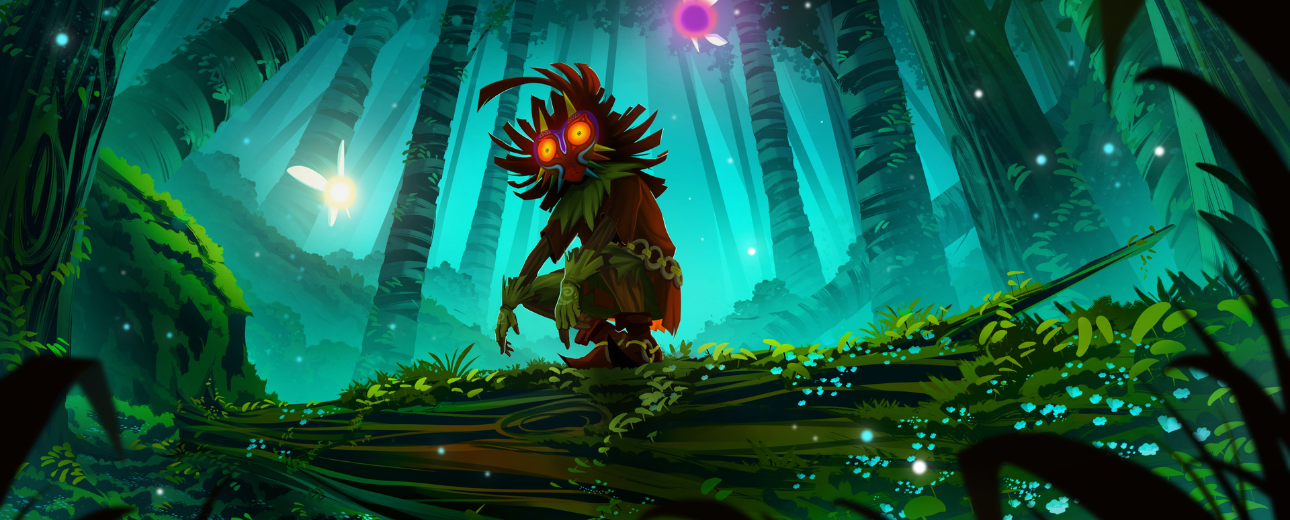
When you think of The Legend of Zelda, your mind probably jumps to Link’s heroic adventures, Zelda’s wisdom, or Ganon’s menacing presence. But lurking in the shadows of Hyrule’s mythology is a character whose story is far more heartbreaking and complex than many fans initially realize—Skull Kid.
The Tragic Figure Behind the Mask!
This mysterious, masked figure has captured the hearts and imaginations of Zelda enthusiasts worldwide, transforming from a simple forest imp into one of the franchise’s most emotionally resonant antagonists.
Skull Kid’s journey through the Zelda universe is nothing short of remarkable. First appearing as minor woodland sprites in The Legend of Zelda: Ocarina of Time (1998), these mischievous creatures seemed destined for obscurity. However, one particular Skull Kid would rise to prominence in The Legend of Zelda: Majora’s Mask (2000), becoming the unwitting vessel for one of gaming’s most terrifying artifacts and starring in what many consider the darkest, most psychologically complex entry in the entire franchise.
What makes Skull Kid so compelling isn’t just the creepy aesthetic—though that horned mask and glowing yellow eyes certainly leave an impression. It’s the tragic backstory, the themes of loneliness and abandonment, and the question of culpability when someone is corrupted by forces beyond their control. According to Nintendo’s own developer interviews, the team wanted to create a villain who wasn’t purely evil but rather a victim of circumstance, and they succeeded beyond measure.
The character represents something deeper within Zelda lore: the consequences of isolation, the corrupting influence of power, and the fragile nature of friendship. In Majora’s Mask, we witness a being so consumed by loneliness that they lash out at the entire world, literally trying to destroy it by crashing the moon into Termina. Yet beneath that apocalyptic rage lies a child-like entity who simply wanted friends and felt betrayed when they disappeared.
For longtime fans of the series, Skull Kid embodies the franchise’s ability to weave mature, emotionally complex narratives within its fantasy framework. The character has inspired countless fan theories, artwork, cosplays, and discussions about the nature of good and evil in video games. From speedrunners who have dissected every frame of Majora’s Mask to theorists who connect Skull Kid to the broader Zelda timeline, this forest imp has left an indelible mark on gaming culture.
In this comprehensive exploration, we’ll journey through every appearance Skull Kid has made across the Zelda franchise, from the Lost Woods of Hyrule to the twisted realm of Termina. We’ll uncover the character’s origins both in-universe and from a game design perspective, analyze the psychological depths of a being corrupted by Majora’s Mask, examine their abilities and the terrifying power they wielded, and explore the relationships that ultimately defined their fate. We’ll also dive into the cultural phenomenon Skull Kid has become, examining fan theories, merchandise, and the character’s lasting impact on one of gaming’s most beloved franchises.
Whether you’re a veteran who’s played through Majora’s Mask dozens of times or a newcomer curious about this mysterious masked figure, prepare to see Skull Kid in an entirely new light. This is the complete story of one of Zelda’s most tragic and fascinating characters—a tale of friendship, betrayal, corruption, and ultimately, redemption.
Early Life and Origins: From Forest Sprite to Legendary Antagonist
The story of Skull Kid begins not with a single character, but with an entire species of mysterious forest dwellers whose very existence raises haunting questions about the nature of transformation and loss in the Zelda universe. These creatures represent one of the darker aspects of Hyrule’s mythology, serving as a reminder that not all who enter the sacred woods emerge unchanged—or emerge at all.
The Creation of Skull Kid
The genesis of Skull Kid as a character concept dates back to the development of The Legend of Zelda: Ocarina of Time at Nintendo EAD (Entertainment Analysis & Development) in the late 1990s. According to interviews with director Eiji Aonuma and producer Shigeru Miyamoto published in Nintendo Power and various development retrospectives, the team wanted to populate Hyrule’s Lost Woods with unique creatures that embodied the mysterious and slightly unsettling nature of the forest.
The original Skull Kids in Ocarina of Time were designed as minor NPCs, serving primarily to teach Link melodies and add atmospheric depth to the Lost Woods. The character design team, led by Yoshiaki Koizumi, created these imp-like creatures with distinctive features: straw-like bodies, glowing eyes, and trumpet-like instruments called ocarinas. The name itself—Skull Kid—was deliberately chosen to evoke both the innocent playfulness of children and the darker, more macabre elements that lurked beneath the forest’s surface.
In Hyrulean lore, according to supplementary materials from the Hyrule Historia and official Zelda encyclopedias, Skull Kids are children who became lost in the forest and were transformed by its magic. This transformation isn’t explicitly death, but rather a metamorphosis into forest spirits who exist in a liminal state between the mortal world and the realm of the Kokiri and forest spirits. They retain child-like qualities—playfulness, mischief, and a desire for companionship—but are no longer truly human.
The original concept art preserved in Hyrule Historia shows that early designs for Skull Kid were even more unsettling, with some iterations featuring more skeletal appearances that were ultimately softened for the final game. The development team wanted to strike a balance between creepy and sympathetic, creating creatures that were strange enough to unsettle players but not so monstrous that they couldn’t evoke empathy.
Skull Kid’s Backstory in Termina
The specific Skull Kid who becomes Majora’s Mask’s antagonist has a backstory revealed through careful observation and dialogue within the game. This particular Skull Kid once lived in Termina’s woods, specifically in the area that would become known as the Woodfall region. According to Tatl and Tael, the fairy siblings who serve as Link’s companions and the Skull Kid’s former friends, this Skull Kid was a lonely figure who desperately sought companionship in a world that seemed indifferent to their existence.
The breakthrough in the character’s story came when the Skull Kid befriended the Four Giants, powerful deity-like beings who protected Termina. These friendships provided the Skull Kid with the connection and acceptance they craved. The Giants, despite their immense power and responsibilities, took time to play with the lonely forest imp, engaging in games and spending time together in the woods. For the Skull Kid, these weren’t just casual friendships—they represented everything: family, purpose, and proof that they mattered to someone.
However, as detailed in the game’s Anju’s Grandmother storyline (accessible by listening to her tales as both young and old Link), the Four Giants eventually had to leave to fulfill their duties as guardians at the four corners of Termina—north, south, east, and west. They promised to return, reassuring the Skull Kid that their departure wasn’t permanent and that they would always protect Termina and, by extension, their small friend. But to a lonely being who had already experienced abandonment, promises meant little compared to the stark reality of being left behind once again.
This perceived betrayal became the foundation for everything that followed. The Skull Kid’s heartbreak and anger created a vulnerability that would later be exploited by Majora’s Mask. In Nintendo Dream magazine interviews translated by fan communities, the development team explained that they wanted to create a villain whose motivations stemmed from emotional pain rather than simple malevolence, making the character more relatable and tragic. The Skull Kid wasn’t born evil—they were created by circumstance, by abandonment, by the crushing weight of loneliness that no child should have to bear.
Enter Tatl and Tael, two fairy siblings who found the Skull Kid wandering alone in the woods some time after the Giants’ departure. According to the game’s flashback sequences and dialogue pieced together throughout the adventure, these fairies befriended the Skull Kid, partially filling the void left by the Giants. Tatl, the sharp-tongued older sister, initially approached the Skull Kid out of curiosity. Tael, the gentler younger brother, was drawn to the Skull Kid’s obvious loneliness. For a time, this trio formed their own little family in the woods of Termina. The Skull Kid taught them games, they explored together, and for perhaps the first time since the Giants left, the Skull Kid wasn’t alone.
The dynamic between the three was genuinely affectionate, based on the snippets of their past that emerge during gameplay. The Skull Kid clearly cared for Tatl and Tael, protecting them and including them in every adventure. The fairies, in turn, provided the companionship the Skull Kid desperately needed. Yet the shadow of the Giants’ abandonment never fully lifted. The Skull Kid would sometimes speak of them, according to Tatl’s recollections, wondering when they would return, questioning whether they had been forgotten. This underlying insecurity would prove to be the crack through which Majora’s evil would seep.
The Fateful Encounter with the Mask
The turning point in Skull Kid’s story—and indeed, in all of Termina’s history—occurred when the Happy Mask Salesman arrived in Termina carrying Majora’s Mask. This ancient artifact, according to the Salesman’s own account given in the game’s opening and closing sequences, was an evil mask used in ancient hexing rituals, its power so terrible that it was sealed away to prevent catastrophe. How the Salesman acquired it remains a mystery, but his warnings about its danger would prove tragically prescient.
According to the game’s opening sequence and various in-game texts, the Skull Kid encountered the Salesman in the woods during one of his travels. The exact circumstances remain somewhat ambiguous—did the Skull Kid deliberately ambush the Salesman, or was it a chance encounter that escalated? What is clear is that the Skull Kid, driven by curiosity and the mischievous nature inherent to their species, stole the ancient artifact along with Epona, Link’s horse, and the Ocarina of Time that Link possessed.
What happened next transformed a simple forest imp into a world-threatening force. Upon donning Majora’s Mask, the Skull Kid became possessed by the ancient evil sealed within. The mask’s malevolent consciousness, dormant for centuries, awakened and began influencing and ultimately controlling the Skull Kid, amplifying their feelings of abandonment and rage while granting them immense magical power. This wasn’t a conscious choice to become evil—it was a corruption, a hostile takeover of the Skull Kid’s will by an entity of pure malevolence that fed on negative emotions like a parasite feeds on its host.
The transformation was both immediate and gradual. Immediately, the Skull Kid gained access to powerful magic, including the ability to manipulate celestial bodies (pulling the moon from its orbit) and curse individuals (transforming Link into a Deku Scrub, changing Kafei into a child). The mask granted powers far beyond what any Skull Kid should possess—reality-warping abilities that allowed them to twist the very fabric of Termina to their will. Gradually, however, the Skull Kid’s original personality became subsumed by the mask’s influence, though moments of the original personality would occasionally shine through, particularly in interactions with Tatl and Tael.
The development team at Nintendo created this origin story to explore themes of corruption and loss of agency. In interviews collected in the Majora’s Mask Official Strategy Guide and later retrospectives published on Nintendo’s official channels, Aonuma explained that the team wanted players to question whether the Skull Kid was truly evil or simply a victim. This moral ambiguity was revolutionary for the Zelda series, which had traditionally featured more straightforward villain archetypes like Ganon, whose evil was unquestioned and absolute.
The timeline of Skull Kid’s transformation can be reconstructed from in-game evidence: The theft of the mask occurred shortly before Link’s arrival in Termina (approximately three days before the game’s start, based on dialogue from various NPCs who mention when the moon began its descent). The immediate use of newfound powers to begin summoning the moon, making it leer menacingly over Clock Town with a grotesque, anguished face. The corruption of the Four Temples corresponding to the regions the Giants protected—Woodfall, Snowhead, Great Bay, and Ikana Canyon—each twisted by curses that prevented the Giants from being summoned. And the progressive loss of self to Majora’s influence throughout the three-day cycle, with the Skull Kid becoming less responsive to Tatl’s pleas and more consumed by the mask’s will.
Design Evolution and Symbolism
From a design perspective, the Skull Kid of Majora’s Mask represents a significant evolution from the generic Ocarina of Time sprites. Character designer Takaya Imamura and art director Yoshiaki Koizumi developed a more distinctive, memorable appearance for this particular Skull Kid that would become iconic in gaming culture. The design incorporates several symbolic elements that reward close examination and reveal the thought process behind creating a truly memorable antagonist.
The most striking feature is, of course, Majora’s Mask itself—a heart-shaped wooden mask with horns, spikes, and large, hollow eyes that glow with sinister yellow light. The mask’s design draws from various cultural influences, including ancient tribal masks from indigenous cultures, Japanese Noh theater traditions with their emphasis on fixed expressions conveying complex emotions, and even some elements reminiscent of Mesoamerican ceremonial masks. The result is something both familiar and deeply unsettling, a fusion of cultural touchstones that creates universal discomfort.
The heart shape is particularly significant from a symbolic standpoint, representing the corrupted emotions that fuel the mask’s power. What should be a symbol of love and connection has been inverted into something malevolent, just as the Skull Kid’s desire for friendship has been twisted into apocalyptic rage. The spikes radiating from the mask suggest both a crown (implying the power the mask grants) and thorns (suggesting the pain that power inflicts on its wearer). The hollow eyes allow glimpses of the yellow glow beneath, creating the unsettling sense that something else is looking out from behind the mask, something ancient and malign.
Beneath the mask, the Skull Kid wears a tattered orange tunic and a purple cape, with straw-like appendages for limbs that end in crude, mitten-like hands. The color orange, according to Zelda design documents preserved in development archives and discussed in art books, was chosen to contrast with the dark greens and browns of the forest environment, making the character stand out visually while maintaining an earthy, natural palette. The brightness of the orange also suggests autumn, a season of death and transition, thematically appropriate for a character caught between innocence and corruption.
The purple cape adds a regal element, suggesting power beyond the Skull Kid’s true nature—this is a being pretending to be something greater, wearing the trappings of royalty while lacking any legitimate claim to such status. The cape’s tattered condition, however, undermines this pretension, revealing the fragility beneath the posturing. It flutters dramatically during boss encounters, adding to the theatrical, almost tragic quality of the confrontations.
The character’s proportions deliberately invoke both childlike innocence and otherworldly menace. The oversized head and small body create a child-like silhouette, reinforcing the tragedy of a child-being corrupted by forces beyond their understanding. The straw-like limbs suggest fragility—this is not a physically imposing villain like Ganondorf, but something small and vulnerable that has been given terrible power it cannot properly control or contain. The glowing yellow eyes visible through the mask serve as windows into the malevolent consciousness now controlling the Skull Kid, a constant reminder that this is no longer purely the lonely imp but something far darker.
The recurring visual motif throughout Majora’s Mask of the Skull Kid appearing in silhouette—often backlit by the moon or framed against the sky—creates an almost iconic image that has become synonymous with the game itself. These silhouettes, frequently featuring the Skull Kid in a dancing or prancing pose, emphasize the character’s otherworldly nature while also suggesting a performance, as if the Skull Kid is acting out a role in a cosmic tragedy they don’t fully comprehend.
Personality and Traits: A Study in Corruption and Innocence
Understanding Skull Kid’s personality requires examining two distinct but interconnected identities: the lonely forest imp before corruption, and the apocalyptic force of nature under Majora’s control. The tension between these two selves creates the character’s psychological depth and makes them one of the most compelling figures in Zelda lore.
The Uncorrupted Skull Kid
Before donning Majora’s Mask, the Skull Kid exhibited personality traits typical of their species but amplified by their particular experiences and emotional wounds. Forest Skull Kids are inherently mischievous creatures, as evidenced by their behavior in Ocarina of Time, where they would surprise Link with jump scares, play pranks involving getting lost in the woods, and test his musical knowledge with challenges. However, beneath this playful exterior lay deeper emotional needs and vulnerabilities that set this particular Skull Kid apart from others of their kind.
The pre-corruption Skull Kid demonstrated several key characteristics that emerge through careful analysis of flashbacks and dialogue with Tatl, Tael, and the Giants. First and foremost was an intense, almost desperate desire for friendship and belonging. Unlike some Skull Kids content to exist in solitude or small groups in the forest, this particular individual actively sought deep, meaningful connections with others. The relationships with the Four Giants weren’t casual acquaintanceships—they represented the Skull Kid’s entire social world, their reason for existing, making their departure all the more devastating and the Skull Kid’s reaction all the more understandable, if not justified.
This Skull Kid also exhibited remarkable loyalty to those they considered friends. The relationship with Tatl and Tael, formed after the Giants’ departure, became just as important to the Skull Kid’s sense of self. The Skull Kid protected the fairies from dangers in the woods, played with them constantly despite the underlying sadness, and treated them as true companions rather than mere servants or hangers-on. This loyalty would persist even under Majora’s influence, with the Skull Kid never directly harming Tatl or Tael despite the mask’s control and despite Tatl’s increasing concerns about the Skull Kid’s behavior. This selective mercy reveals that some part of the original personality remained, buried but not entirely extinguished.
A childlike curiosity defined much of the Skull Kid’s behavior, both for better and worse. The theft of Majora’s Mask wasn’t motivated by evil intent or a deliberate desire to acquire power—it was born from simple curiosity about a strange and powerful object that radiated an aura of mystery. This impulsiveness—acting without considering consequences—is typical of child psychology and reinforces the character’s tragic nature. A more mature being might have recognized the danger, sensed the malevolence emanating from the mask, and left it well alone. The Skull Kid simply saw something interesting and unusual and took it, never imagining the catastrophic consequences that would follow.
Vulnerability and emotional fragility lay at the core of the Skull Kid’s pre-corruption personality. The Giants’ departure left a wound that never healed, a sense of abandonment that colored every subsequent interaction and relationship. When Tatl and Tael befriended the Skull Kid, there must have been a constant, gnawing fear: when will they leave too? When will I be alone again? This fear created the perfect breeding ground for Majora’s corruption, as the mask fed on and amplified these negative emotions, turning fear into rage and hurt into destructive power.
Transformation Under Majora’s Influence
The personality shift upon wearing Majora’s Mask is one of the most psychologically complex transformations in gaming, a masterclass in showing how external forces can corrupt and twist someone fundamentally good into something monstrous. Rather than a complete personality replacement where the Skull Kid simply ceases to exist and Majora takes full control, the mask amplified and twisted existing emotions while gradually suppressing the Skull Kid’s core identity. This creates a layered antagonist whose actions reflect both the mask’s evil and the Skull Kid’s pain, making it impossible to fully separate the two influences.
The corrupted Skull Kid exhibits megalomania and destructive tendencies far beyond their natural inclinations or capabilities. The decision to crash the moon into Termina—essentially an apocalyptic tantrum of cosmic proportions—represents the mask amplifying the Skull Kid’s feelings of abandonment into world-ending rage. The mask channels and distorts the thought process: “If my friends abandoned me, then everyone deserves to suffer. If the Giants won’t stay with me, won’t prioritize me above all else, then they don’t deserve to protect Termina. If Termina matters more to them than I do, then Termina doesn’t deserve to exist.” It’s the logic of a hurt child given the power of a god, a dangerous combination that threatens to destroy an entire world.
Sadism and cruelty emerge as dominant traits under the mask’s influence, characteristics completely absent from the Skull Kid’s original personality. The corrupted Skull Kid takes pleasure in others’ suffering, as evidenced by the curses placed on various characters throughout Termina. Transforming Link into a Deku Scrub, cursing Kafei to become a child (preventing his marriage and destroying his relationship), poisoning the waters of Great Bay, freezing Snowhead in an eternal winter, and tormenting the citizens of Clock Town all demonstrate a capacity for calculated cruelty that the original Skull Kid lacked. The Skull Kid under Majora’s influence doesn’t just want revenge—they want others to feel the pain of loss and helplessness that they themselves experienced.
Yet even here, the cruelty often feels performative, as if the Skull Kid is acting out a role dictated by the mask rather than expressing genuine malice. The theatrical nature of the Skull Kid’s appearances—the dramatic poses, the mocking laughter, the taunting dialogue—suggests someone playing at being a villain rather than embodying villainy naturally. This performance aspect reinforces the tragedy: the Skull Kid is being forced to play a role they never auditioned for, speaking lines written by an ancient evil using them as a puppet.
Moments of vulnerability reveal the original personality struggling against Majora’s control, creating some of the game’s most poignant scenes. When confronted by Link at various points, particularly in the presence of Tatl and Tael, the Skull Kid occasionally shows confusion or hesitation. The mask’s control isn’t absolute—it requires the Skull Kid’s negative emotions as fuel, and moments of doubt or clarity can briefly disrupt that fuel supply. Tatl’s attempts to reach her friend sometimes result in flickers of recognition, brief instants where the mask’s glow dims and something resembling the old Skull Kid emerges, only to be swallowed again by Majora’s influence.
The relationship with the fairies provides the clearest window into this internal struggle. Despite Majora’s control, the Skull Kid never harms Tatl or Tael directly, even when they interfere with plans or express doubts. When Tatl is separated from the Skull Kid early in the game (trapped on Link’s side of the Clock Town gate), the Skull Kid could easily retrieve or punish her but doesn’t. When confronting Link on top of Clock Tower, the Skull Kid’s dialogue suggests genuine surprise and hurt that Tatl has sided with Link, indicating that the original personality’s attachment to the fairy remains intact beneath the corruption.
Paranoia and defensiveness characterize much of the corrupted Skull Kid’s interactions, particularly regarding the Four Giants. When Link begins freeing the Giants from their prisons in the four temples, the Skull Kid’s reactions become increasingly desperate and irrational. The mask’s influence has twisted the Skull Kid’s hurt over their departure into a conviction that the Giants never truly cared, that they were always going to abandon their small friend. The idea that the Giants might return, might actually fulfill their promise to protect Termina, threatens the narrative the mask has constructed, and so the Skull Kid fights desperately to prevent their summoning.
The duality of the Skull Kid’s corrupted personality is most apparent in the contrast between their actions and their words. While orchestrating the destruction of Termina, the Skull Kid’s dialogue often contains hints of the underlying pain and loneliness. Taunts about playing together forever, mockery of Link’s friends, and dismissals of the Giants’ importance all reveal someone trying to convince themselves as much as others that they don’t need friendship, that they’re better off alone, that destruction is preferable to the vulnerability of caring. It’s a defense mechanism amplified to apocalyptic proportions, a child’s tantrum given cosmic power.
The progressive loss of self throughout the game represents the mask’s increasing control. Early encounters show more of the Skull Kid’s original personality, with playfulness mixed with malice. Later encounters reveal a being almost entirely subsumed by Majora’s will, speaking in the mask’s voice rather than their own. By the final confrontation atop Clock Tower, when the mask finally abandons the Skull Kid’s exhausted body, it’s unclear how much of the original personality would even remain if not for Link’s intervention and the Giants’ arrival.
Psychological Profile and Motivations
From a psychological perspective, the Skull Kid represents a complex study in attachment disorders, abandonment issues, and the corruption of innocence. The character’s core motivation—the desperate need for connection and the fear of loss—makes them deeply relatable, even as their actions become increasingly monstrous. This is someone who has been hurt and, in their pain, hurts others, a cycle of trauma that the mask exploits and amplifies.
The Skull Kid’s attachment to the Four Giants shows characteristics of anxious attachment, where the fear of abandonment becomes self-fulfilling. By clinging too tightly, by demanding that the Giants prioritize them above their duties, the Skull Kid creates the very situation they fear. When the Giants leave to fulfill their responsibilities as guardians, the Skull Kid interprets this as personal rejection rather than understanding that others can have commitments beyond friendship. The mask takes this distorted thinking and weaponizes it, transforming hurt feelings into a conviction that everyone will eventually leave, so it’s better to destroy everything first.
Isolation played a crucial role in the Skull Kid’s vulnerability to corruption. As a forest spirit, the Skull Kid already existed in a liminal space, not quite belonging to either the human or spirit world. This in-between status created a profound loneliness that the Giants temporarily alleviated. When they left, that loneliness returned with crushing force, made worse by the temporary reprieve. Tatl and Tael helped, but they couldn’t fully replace the Giants in the Skull Kid’s heart. This emotional wound, never properly healed, provided exactly the kind of negative energy that Majora’s Mask feeds upon.
The Skull Kid’s story also explores themes of power and responsibility, or rather, the catastrophic results when immense power is granted to someone emotionally unprepared to wield it. The mask doesn’t just corrupt—it empowers, giving the Skull Kid abilities beyond imagination. For someone who felt powerless and abandoned, this sudden surge of power must have been intoxicating, even as it destroyed them from within. The ability to make others suffer as they suffered, to bend reality to their will, to demand attention and respect through fear if not love—all of this feeds into the corruption cycle.
Redemption and the capacity for change represent the hopeful aspects of the Skull Kid’s psychology. Despite everything, despite the apocalyptic destruction they’ve enabled, the Skull Kid is ultimately saved rather than destroyed. When Majora’s Mask abandons them, the original personality returns, confused and disoriented but still fundamentally the same lonely imp who just wanted friends. The Giants, despite everything, forgive their small friend, understanding that the Skull Kid was as much a victim as anyone. This capacity for redemption, the idea that corruption isn’t permanent and that underlying goodness can survive even the most terrible circumstances, provides a powerful message that elevates the character beyond a simple villain.
Character Development and Growth
While the Skull Kid’s arc within Majora’s Mask is primarily one of corruption followed by liberation rather than traditional character growth, there are elements of development that emerge through careful analysis. The experience of possession, though traumatic, forces the Skull Kid to confront the consequences of their pain-driven actions. When freed from the mask, the character must reckon with what they’ve done, even if it wasn’t entirely their choice. This reckoning, though not explicitly shown, is implied in the game’s resolution and the Skull Kid’s interactions with the Giants and fairies afterward.
The ending suggests growth through reconciliation. The Skull Kid’s reunion with the Giants demonstrates a more mature understanding of their relationship. The Giants didn’t abandon the Skull Kid out of malice or indifference—they had responsibilities to fulfill but never stopped caring about their small friend. Understanding and accepting this represents emotional growth, moving from the black-and-white thinking of a child (they left, therefore they don’t care) to a more nuanced comprehension of adult relationships where care and duty can coexist.
The relationship with Tatl and Tael also evolves through the ordeal. These fairies stayed with the Skull Kid through the corruption, even when it became dangerous, showing a depth of loyalty the Skull Kid perhaps didn’t fully appreciate before. Tatl’s decision to help Link, while initially driven by self-preservation and concern for her brother, also stems from a desire to save the Skull Kid from themselves. The fact that their friendship survives and possibly strengthens through this trauma speaks to the genuine bond between them, something more resilient than the Skull Kid might have believed possible given their fear of abandonment.
Abilities, Powers, and Skills: From Forest Magic to Cosmic Catastrophe
The transformation from a simple forest imp to a being capable of threatening an entire world showcases one of the most dramatic power escalations in Zelda history. Understanding Skull Kid’s abilities requires examining both their natural capabilities and the enormous amplification provided by Majora’s Mask.
Natural Skull Kid Abilities
Before acquiring Majora’s Mask, Skull Kids as a species possess several innate abilities that mark them as supernatural creatures rather than ordinary forest dwellers. These powers, while modest compared to what comes later, are significant in their own right and demonstrate why Skull Kids are treated with a mixture of reverence and caution by those who know of them.
Musical magic represents the primary natural ability of Skull Kids, as demonstrated in Ocarina of Time. Skull Kids can teach melodies to those they deem worthy, such as Saria’s Song, and use music to communicate with forest spirits and creatures. This musical affinity isn’t mere performance—it’s a form of magic that connects them to the mystical energies of the forest. The ocarina-like instruments they carry serve as focuses for this power, allowing them to channel forest magic through sound and melody.
Forest manipulation on a small scale falls within a Skull Kid’s natural repertoire. They can influence the Lost Woods to some degree, making paths appear or disappear, causing travelers to become disoriented and lost. This is primarily a defensive ability, protecting the deeper forest from intruders rather than an offensive weapon. According to Hyrule Historia, this is why those who enter the Lost Woods without a fairy guide often become lost and eventually transform into Skull Kids themselves—the existing Skull Kids are subtly influencing the forest to protect its mysteries.
Enhanced agility and supernatural reflexes allow Skull Kids to navigate the forest with inhuman grace, leaping between branches, disappearing and reappearing in unexpected locations, and generally moving in ways that defy normal physics. This is evident in both Ocarina of Time and Majora’s Mask, where the Skull Kid can appear suddenly, vanish in a flutter of leaves, and traverse distances impossibly quickly. This ability is tied to their nature as forest spirits—they’re not quite bound by the same physical laws as mortal creatures.
Shapeshifting or illusion magic appears to be a lesser-known Skull Kid ability, suggested by their capacity to appear as scarecrows or blend into the forest environment. In Ocarina of Time, the connection between Skull Kids and scarecrows is repeatedly emphasized, with some theories suggesting Skull Kids can assume scarecrow forms or that scarecrows are related to Skull Kids in the broader ecosystem of forest magic. This ability is never fully explained but adds to their mysterious, trickster-like nature.
Spiritual perception allows Skull Kids to see and interact with beings invisible to normal humans, such as fairies, forest spirits, and the more subtle manifestations of forest magic. This perception is what allowed the Skull Kid to recognize the Four Giants as the powerful entities they were and form relationships with them. It’s also why Tatl and Tael could become such close companions—the Skull Kid could perceive and appreciate them in ways most creatures could not.
Powers Granted by Majora’s Mask
The moment the Skull Kid donned Majora’s Mask, they gained access to powers so vast and terrible that they could threaten an entire world. These abilities far exceeded anything a Skull Kid could naturally possess, marking the transformation from forest trickster to apocalyptic threat. Understanding these powers is crucial to appreciating both the danger the Skull Kid posed and the tragic nature of their corruption.
Celestial manipulation stands as the most visually striking and terrifying power granted by the mask. The ability to pull the moon from its orbit, give it a horrifying, anguished face, and set it on a collision course with Termina represents reality-warping magic of the highest order. This isn’t mere telekinesis—it’s the complete subversion of natural laws, bending celestial mechanics to an individual will. The moon in Majora’s Mask doesn’t just fall; it descends with malevolent purpose, growing larger and more menacing each day, its grotesque face expressing the rage and pain that fuel the Skull Kid’s corruption.
According to analysis of the game’s mechanics and timeline, the moon would impact Termina exactly 72 hours after its summoning begins, corresponding to the game’s three-day cycle. The precision of this timing suggests conscious control rather than random destruction—the Skull Kid (or rather, Majora) wants the inhabitants of Termina to know exactly when their world will end, to watch helplessly as doom approaches. The psychological torture of this countdown is as much a weapon as the physical impact would be.
Transformation curses represent another terrifying aspect of the mask’s power. The Skull Kid can fundamentally alter the physical form of living beings, as demonstrated with Link’s transformation into a Deku Scrub and Kafei’s curse that reverted him to childhood. These aren’t illusions or temporary changes—they’re genuine metamorphosis that can only be undone with powerful counter-magic. The transformation of Link specifically
serves multiple purposes: it weakens a potential threat, causes suffering (Link is trapped in a form that cannot speak or be easily recognized), and demonstrates the Skull Kid’s power to others.
The curse on Kafei shows the mask’s power used for pure cruelty. By transforming Kafei into a child shortly before his wedding, the Skull Kid doesn’t just cause physical change—they destroy relationships, create social stigma, and inflict emotional trauma that extends beyond the target to affect Anju and everyone who cares about Kafei. This demonstrates a sophisticated understanding of human psychology and relationships, suggesting that Majora’s intelligence and malevolence guide these specific applications of power.
Environmental corruption on a massive scale allows the Skull Kid to poison entire regions of Termina. The four temples that must be cleansed—Woodfall Temple, Snowhead Temple, Great Bay Temple, and Stone Tower Temple—are corrupted by the Skull Kid’s power, each manifesting a different form of environmental catastrophe. Woodfall is poisoned, its waters turned toxic and its Deku inhabitants afflicted. Snowhead is frozen in an unnatural, deadly winter. Great Bay’s waters become murky and dangerous, threatening the Zora and other sea life. Ikana Canyon, already cursed, is further twisted into a nightmarish realm where the dead cannot rest.
These environmental corruptions serve a tactical purpose: they prevent the Four Giants from being summoned to stop the moon’s descent. Each region’s Giant is trapped or sealed by the corruption, unable to respond to calls for help. This shows strategic thinking beyond mere destruction—the Skull Kid is systematically neutralizing the only forces capable of stopping their apocalyptic plan.
Teleportation and dimensional manipulation allow the corrupted Skull Kid to appear and disappear at will, seeming to exist in multiple places simultaneously and moving through space without traversing the distance between. This is most evident in the encounters atop Clock Tower and in various cutscenes where the Skull Kid appears, delivers ominous warnings or taunts, and vanishes before Link can respond. This ability makes the Skull Kid effectively uncatchable and unkillable by conventional means—you cannot fight an enemy you cannot reach.
Reality distortion manifests in more subtle ways throughout Termina. The three-day time loop itself, while primarily Link’s doing through the Song of Time, is influenced by Majora’s presence. The Skull Kid’s power affects the flow of time, the nature of reality, and the boundary between the physical and spiritual worlds. Some theorists have suggested that Termina itself might be a reality created or heavily influenced by Majora’s Mask, though this remains a debated point in Zelda lore.
Energy projection and combat abilities emerge during the final confrontation with the Skull Kid atop Clock Tower. Here we see the mask granting offensive magical capabilities—energy beams, magical explosions, and the ability to levitate or float without visible means of support. While the Skull Kid isn’t primarily a combat-focused antagonist (the mask abandons them before the final boss fights), these abilities demonstrate that if necessary, they could defend themselves against physical threats.
Puppet mastery and mind control, while not extensively shown, are implied by the mask’s ability to control the Skull Kid themselves. If Majora’s Mask can override the will of its wearer, it stands to reason it could influence others, though perhaps to a lesser degree. The cultists in Ikana Canyon and various other antagonistic forces throughout Termina might be operating under subtle influences from the mask’s power, spreading chaos and preventing resistance to the Skull Kid’s plans.
Limitations and Weaknesses
Despite the immense power granted by Majora’s Mask, the Skull Kid is not omnipotent, and understanding their limitations is crucial to understanding how Link ultimately succeeds in stopping them. These weaknesses are both inherent to the mask’s power and specific to the Skull Kid as a vessel.
The dependence on negative emotions represents the primary limitation of Majora’s power through the Skull Kid. The mask feeds on and amplifies pain, rage, loneliness, and other negative feelings. When these emotions waver, so does the mask’s control and power. This is why moments of connection with Tatl and Tael, or the arrival of the Four Giants, can disrupt the Skull Kid’s apocalyptic plans—they introduce positive emotions (love, friendship, hope) that undermine the fuel source for Majora’s corruption.
The Skull Kid’s physical fragility remains unchanged despite the magical power. The body itself is still that of a small forest imp, with no enhanced durability or strength beyond the supernatural agility natural to Skull Kids. This is why Majora’s Mask eventually abandons the Skull Kid—the physical and spiritual strain of channeling such immense power through such a small, relatively weak vessel proves unsustainable. A more powerful being might have served Majora’s purposes better, but the Skull Kid’s emotional vulnerability made them an easier target for initial possession.
The Four Giants represent both a psychological and practical weakness. Psychologically, the Skull Kid’s conflicted feelings about the Giants create cracks in the mask’s control—residual love and longing for their friends war with the amplified feelings of betrayal and rage. Practically, the Giants possess power comparable to or exceeding Majora’s, and their combined strength can halt the moon’s descent. The Skull Kid’s need to corrupt the four temples to prevent their summoning reveals an acknowledgment of this weakness.
Limited direct combat ability is another significant limitation. Unlike other Zelda antagonists who are personally formidable warriors, the Skull Kid relies almost entirely on magic, curses, and indirect methods. In the Clock Tower confrontation, the Skull Kid fights from a distance, using projectile attacks and evasion rather than engaging Link directly. This suggests that despite the mask’s power, the Skull Kid lacks the combat training, instincts, or physical capability to be an effective fighter. A skilled warrior like Link, once they’ve recovered their original form and acquired the necessary tools and allies, can overcome the Skull Kid in direct confrontation.
The Ocarina of Time and the Song of Time provide a practical limitation to the Skull Kid’s plans. The ability to reset the three-day cycle gives Link unlimited attempts to prevent the apocalypse, effectively creating a time loop that allows trial and error. While the Skull Kid initially possesses the ocarina (stolen from Link), they either don’t understand its time-manipulation properties or can’t effectively use it, eventually losing it to Link early in the adventure. This represents a crucial oversight that ultimately enables Link’s success.
Dependency on the mask itself is perhaps the ultimate weakness. The Skull Kid’s power is entirely borrowed—without Majora’s Mask, they revert to a relatively powerless forest imp. The mask can choose to abandon its host if a better vessel appears or if the current one proves inadequate. This lack of inherent power means the Skull Kid is ultimately a puppet rather than a true threat, and defeating or removing the mask ends the danger they pose.
The Happy Mask Salesman’s knowledge represents an unusual weakness. The Salesman understands Majora’s Mask’s nature and power, knows its history, and can provide Link with crucial information about how to counter it. The fact that the Skull Kid didn’t eliminate this threat (despite the Salesman being in Clock Town for the entire three-day cycle) suggests either oversight, inability to perceive him as a threat, or some limitation on the mask’s ability to harm those who understand its nature.
Comparison to Other Zelda Villains
Placing Skull Kid’s abilities in the context of other Zelda antagonists reveals both unique qualities and interesting parallels. In terms of raw destructive potential, the corrupted Skull Kid ranks among the most dangerous villains in the franchise, comparable to or exceeding even Ganon in some respects.
Ganondorf/Ganon typically serves as the Zelda series’ primary antagonist, wielding the Triforce of Power and commanding armies, dark magic, and the forces of evil. However, Ganon’s methods are typically more direct—military conquest, dark sorcery, and personal combat prowess. The Skull Kid’s approach is more apocalyptic and impersonal: rather than conquering Termina, they’re destroying it entirely. Rather than seeking to rule, they seek to end. In this sense, the Skull Kid under Majora’s influence represents a more nihilistic, and therefore potentially more dangerous, threat than Ganon’s conquest-driven evil.
Vaati from The Legend of Zelda: The Minish Cap shares some similarities with Skull Kid—both are relatively small, originally non-evil beings who are corrupted by powerful magical artifacts (Vaati by his study of dark magic, Skull Kid by Majora’s Mask). However, Vaati consciously chooses his path, while the Skull Kid is forced onto theirs, making their stories thematically distinct. Vaati seeks power for its own sake; the Skull Kid is wielded as a weapon by the power they stumbled upon.
Zant from The Legend of Zelda: Twilight Princess provides perhaps the closest parallel to Skull Kid’s situation. Both are relatively weak beings granted immense power by darker forces (Zant by Ganondorf, Skull Kid by Majora), both have emotional vulnerabilities that are exploited (Zant’s wounded pride, Skull Kid’s loneliness), and both serve as intermediate antagonists before the true evil is revealed. However, Zant embraces his role more consciously than the Skull Kid, making him less sympathetic despite the similarities.
The Skull Kid’s powers, while immense, lack the versatility of characters like Link himself, who combines physical prowess, magical items, and adaptive problem-solving. This highlights an important distinction: raw power without wisdom, strategy, or balance creates threats that are dangerous but ultimately defeatable. The Skull Kid can move the moon but cannot effectively defend themselves in combat. They can curse individuals but cannot prevent Link from gathering the tools and allies needed to counter those curses.
Relationships and Allies/Enemies: The Emotional Core of Skull Kid’s Tale
The relationships Skull Kid forms throughout their appearances define the character far more than their powers or actions. At the heart of this tragic figure’s story lies a desperate need for connection that both saves and damns them.
The Four Giants: Gods Who Became Friends
The relationship between Skull Kid and the Four Giants represents the most foundational and complex dynamic in the character’s history. These massive, deity-like beings who watch over Termina’s four cardinal directions formed an unlikely friendship with a small, lonely forest imp, a relationship that would ultimately shape the fate of an entire world.
According to the tale told by Anju’s Grandmother in Majora’s Mask, the Four Giants were ancient guardians who protected Termina from various threats. They were beings of immense power, essentially gods in the region’s mythology, commanding respect and worship from the people they protected. Yet despite their divine status and responsibilities, they found time to befriend a small Skull Kid who wandered the woods alone. This speaks to the Giants’ essential benevolence—they didn’t see the Skull Kid as beneath their notice but as a being worthy of friendship regardless of status or power.
For the Skull Kid, this friendship represented everything. These weren’t just companions—they were validation of worth, proof that even a lonely forest spirit could matter to beings of cosmic importance. The games spent playing together, the time shared in the woods, created bonds that the Skull Kid treasured above all else. In the Skull Kid’s eyes, the Giants weren’t gods—they were friends, perhaps the first real friends the Skull Kid had ever known.
The departure of the Giants to fulfill their duties as guardians represents the inciting incident for everything that follows. From the Giants’ perspective, explained through various in-game sources and developer commentaries, this was a necessary choice—they had responsibilities to protect all of Termina, and stationed at the four corners, they could best fulfill this sacred duty. They promised to return, to always be there when needed, and they meant it. They never intended to abandon their small friend.
From the Skull Kid’s perspective, however, the departure felt like betrayal. The logic was simple and painfully childlike: if they truly cared, they would stay. If Termina matters more than our friendship, then I don’t matter at all. This interpretation isn’t entirely fair to the Giants, but emotional wounds rarely follow logical rules. The Skull Kid couldn’t reconcile the Giants’ love for them with their choice to leave, and this cognitive dissonance created a festering resentment that would later be exploited by Majora’s Mask.
The corrupted Skull Kid’s actions specifically targeting the Giants—corrupting the regions they protect, sealing them away in temples, preventing their summoning—reveal how deeply personal this conflict is. This isn’t random destruction; it’s revenge against those who the Skull Kid believes hurt them most deeply. The Skull Kid doesn’t just want to destroy Termina—they want to make the Giants fail in their duty to protect it, to prove that their choice to leave was wrong, to make them feel helpless as the Skull Kid once felt.
The Giants’ response to the Skull Kid’s actions demonstrates the depth of their original friendship. When finally summoned, they don’t attack the Skull Kid or seek revenge. Instead, they stop the moon, save Termina, and then deal gently with their corrupted friend. The scene where the Giants appear and halt the moon’s descent is one of Majora’s Mask’s most powerful moments—these massive beings, capable of holding up the moon itself, treating their small friend with gentleness and understanding even after everything that’s happened.
After Majora’s Mask is finally defeated and removed from the Skull Kid, the reunion between the Skull Kid and the Giants is bittersweet but healing. The Giants, understanding that their friend was corrupted rather than truly evil, forgive the Skull Kid. They acknowledge their part in the pain—while their departure was necessary, they could have better communicated, better maintained their friendship across distance. This mutual understanding and forgiveness provides closure that many games never offer, acknowledging that both sides bear some responsibility for the breakdown of their relationship.
The relationship ultimately teaches important lessons about friendship, duty, and forgiveness. Friends can have other responsibilities without loving each other less. Absence doesn’t equal abandonment. Forgiveness is possible even after terrible actions if we understand the context and pain that drove them. These themes elevate Skull Kid’s story from simple video game plot to genuinely meaningful narrative.
Tatl and Tael: The Fairy Siblings Who Stayed
If the Four Giants represent the Skull Kid’s idealized friendship that was lost, Tatl and Tael represent the messier, more complicated reality of relationships—and ultimately prove more enduring for it. These two fairy siblings, one sharp-tongued and practical, the other gentle and empathetic, become the Skull Kid’s companions after the Giants leave, and their loyalty through the Skull Kid’s corruption forms one of the game’s emotional cores.
Tatl, the elder sister with her distinctively purple glow, initially presents as abrasive and somewhat selfish. Her early dialogue after being separated from the Skull Kid shows frustration and impatience with Link, and she makes clear she’s helping primarily to reunite with her brother and the Skull Kid. However, as the adventure progresses and she witnesses the devastation the corrupted Skull Kid is causing, Tatl’s character deepens considerably. She reveals information about their friendship, shows genuine concern for both her brother and the Skull Kid, and ultimately comes to understand that helping Link stop the apocalypse is the only way to truly save her friend.
Tael, with his yellow glow and gentler demeanor, remains with the Skull Kid throughout most of the game. His occasional appearances to deliver cryptic warnings to Link suggest an internal struggle—loyalty to his friend versus recognition that what’s happening is terribly wrong. Tael’s messages about the four regions and the temples that need cleansing indicate that some part of him wants Link to succeed, wants someone to stop the Skull Kid before it’s too late. This internal conflict makes Tael more than just a hostage or passive victim; he’s actively working within his limitations to prevent catastrophe.
The history of how Tatl and Tael befriended the Skull Kid emerges through various dialogue pieces and flashbacks. They found the Skull Kid alone in the woods, clearly lonely and still grieving the Giants’ departure. Where others might have been wary of a Skull Kid or dismissed them as just another forest creature, the fairy siblings saw someone who needed friends. They chose to stay, to fill the void the Giants left, despite the Skull Kid not being a fairy and existing in a different social sphere entirely.
The dynamics of their friendship before the corruption appear genuine and warm. The three of them played together in the woods, the Skull Kid showing them secret places and teaching them games, the fairies providing companionship and someone to talk to. It wasn’t the same as the relationship with the Giants—the fairies are smaller, less powerful, more peer-like than the god-like Giants were—but it was real friendship nonetheless. The Skull Kid protected them, cared for them, and for a while, the wound left by the Giants’ absence seemed to heal.
The corruption changes everything while simultaneously revealing the relationship’s strength. Tatl and Tael don’t abandon the Skull Kid even as their friend’s behavior becomes increasingly erratic and dangerous. They voice concerns, try to reason with the corrupted Skull Kid, but they don’t leave. This loyalty, even in the face of evil actions, shows a depth of friendship that the Skull Kid perhaps didn’t fully appreciate until it was tested by the mask’s influence.
Tatl’s separation from the group early in the game, while initially seeming like a simple plot device to give Link a companion, actually serves to externalize the internal conflict all three friends face. Tatl, forced to work with Link, must confront what the Skull Kid is doing from the outside, seeing the fear in Clock Town’s residents, witnessing the environmental devastation, understanding the scope of the apocalypse their friend is enabling. This external perspective, combined with her emotional connection to the Skull Kid, creates the perfect guide for Link—someone who knows the antagonist personally and wants to save rather than destroy them.
Tael, remaining with the Skull Kid, experiences the corruption from the inside. He sees his friend disappearing beneath the mask’s influence, watches the Skull Kid he knows being subsumed by ancient evil, and can do nothing but send cryptic warnings and hope someone powerful enough to help will understand. The fact that Tael isn’t abandoned by the corrupted Skull Kid, despite his attempts to help Link, shows that even under Majora’s control, the Skull Kid’s core loyalty to the fairies endures.
The reunion of the three after Majora’s defeat is understated but emotionally powerful. The Skull Kid, freed from the mask, is reunited with both fairies, who clearly forgive their friend for actions taken while corrupted. There’s no lengthy explanation needed, no dramatic declarations—just friends reunited after a terrible ordeal, grateful to all be alive and together. This quiet moment of reconciliation contrasts beautifully with the epic scale of the preceding battle, reminding players what all the heroics were really about: saving a friendship.
The Tatl and Tael relationship also provides important contrast to the Giants relationship. While the Giants were powerful and inspiring, they ultimately had other responsibilities that took them away. Tatl and Tael, lacking cosmic duties or world-protecting obligations, could simply be friends without the complications of duty and destiny. In a sense, they represent a more sustainable, realistic kind of friendship—one between equals who choose each other not because of what they represent but simply because they enjoy each other’s company.
Link: From Victim to Savior
The relationship between Skull Kid and Link is antagonistic from the start but reveals layers as the story progresses. Link doesn’t know the Skull Kid personally, has no emotional investment in their redemption, yet he becomes the instrument through which the Skull Kid is ultimately saved rather than destroyed. This dynamic creates an interesting contrast to the personal relationships that define most of the Skull Kid’s story.
The first encounter sets the tone: the Skull Kid, under Majora’s influence, ambushes Link in the woods while he’s searching for Navi. The Skull Kid steals the Ocarina of Time and Epona, and transforms Link into a Deku Scrub—a humiliating and debilitating curse that traps Link in a body that cannot speak normally or perform many of the actions he’s capable of. From Link’s perspective, this is an unprovoked attack by a malevolent entity. He has every reason to view the Skull Kid as purely evil, and his quest to stop the moon’s descent could easily be one of simple revenge.
However, through Tatl’s guidance and the various stories Link hears throughout Termina, a more complex picture emerges. Link learns about the Skull Kid’s loneliness, the betrayal they felt, the friendships that defined them. While this doesn’t excuse the apocalyptic tantrum, it provides context that transforms Link’s mission from defeating a villain to saving a victim along with everyone else. Link’s actions in freeing the Four Giants and stopping Majora aren’t just about revenge for his transformation—they’re about breaking the cycle of pain that created this situation.
The confrontation atop Clock Tower at the end of the three days represents the climax of their relationship. Here, with the moon mere moments from impact, the Four Giants arrive at Link’s summoning to hold back apocalypse itself. The Skull Kid, seeing the Giants return despite everything done to prevent it, experiences a moment of confusion and vulnerability that Majora’s Mask can’t tolerate. The mask, recognizing the Skull Kid has been pushed beyond their limits and is no longer a useful vessel, abandons them to fight Link directly.
In this moment, the Skull Kid transforms from antagonist to victim in Link’s eyes. The small, exhausted figure collapsing as the mask floats free makes clear that Link’s true enemy was never the Skull Kid but the ancient evil using them. Link’s subsequent battle is against Majora directly, liberating rather than defeating the Skull Kid. This shift is crucial to the story’s themes—revenge against the Skull Kid would perpetuate the cycle of pain and abandonment, while defeating Majora breaks it.
After Majora’s defeat, the Skull Kid briefly interacts with Link, though the nature of this interaction varies based on player choices throughout the game. If Link wears the Skull Kid’s Mask (obtained by trading the Mask of Truth to the Skull Kid earlier), the Skull Kid recognizes Link as having similar experiences of loneliness and searching for lost friends, creating a moment of connection between them. This optional scene rewards players who paid attention to the Skull Kid’s story and chose compassion over simple completion.
The relationship ultimately represents the power of external intervention in breaking cycles of pain. Link, unburdened by personal history with the Skull Kid, can approach the situation with clarity the directly involved parties lack. The Giants, too close to the situation emotionally, couldn’t simply defeat their corrupted friend. Tatl and Tael, lacking power, couldn’t free the Skull Kid from Majora’s control. Link, a stranger with the necessary power and the emotional distance to act decisively, becomes the catalyst for everyone’s salvation. Yet he does so with compassion, choosing to save rather than destroy when he could have easily opted for the latter.
The Happy Mask Salesman: Mysterious Manipulator or Benevolent Guide?
The Happy Mask Salesman’s relationship with the Skull Kid is unique in that it’s almost entirely adversarial yet strangely non-violent, and his ultimate role in the Skull Kid’s story raises questions that the game deliberately leaves unanswered. This mysterious, unsettling figure with his fixed grin and seemingly impossible knowledge serves as both victim of the Skull Kid’s theft and potential manipulator of the entire situation.
The Salesman’s possession of Majora’s Mask raises immediate questions. According to his own account, he acquired this ancient evil artifact at great difficulty, knowing full well its terrible power. He claims to be collecting masks, traveling the world to find them, but why would anyone deliberately seek out and carry an object capable of apocalyptic destruction? Some fan theories suggest the Salesman isn’t human at all but some kind of immortal entity collecting dangerous artifacts to prevent them from causing harm. Others propose darker motives, suggesting he wanted someone to use the mask for purposes we never fully understand.
The theft by the Skull Kid could have been pure chance—wrong place, wrong time, a mischievous forest spirit encounters a mysterious stranger carrying interesting items and steals them. However, the Salesman’s presence in Termina specifically, at exactly the time when a desperately lonely Skull Kid vulnerable to corruption was wandering the woods, seems suspiciously coincidental. Did the Salesman deliberately allow the theft, knowing or hoping the mask would be used? Or was he genuinely robbed, his subsequent presence in Clock Town representing his attempt to recover the mask before it could cause irreparable harm?
The Salesman’s interactions with Link reveal more questions than answers. He tasks Link with recovering Majora’s Mask, providing the three-day deadline that structures the entire game, yet he never seems particularly worried about the moon’s impending impact. His mood swings from cheerful to terrifying depending on Link’s progress, suggesting emotional investment, yet his knowledge of the mask’s power and the Song of Healing that can free corrupted individuals implies he understood the solution all along. Why not tell Link everything immediately? Why the games and tests?
After Majora’s defeat, the Salesman’s reaction is surprisingly muted. He recovers the mask, offers a few cryptic remarks about its evil being destroyed, and departs Clock Town without ceremony or celebration. For someone who just witnessed (and indirectly enabled) the near-destruction of an entire world, his casual departure is jarringly anticlimactic. This has led to extensive fan speculation about his true nature and purposes. Is he a guardian who deliberately tests heroes by allowing evil artifacts to fall into the wrong hands? A collector who cares only about his possessions? Something else entirely?
The relationship between the Salesman and Skull Kid is one of the game’s great mysteries. They likely never meet again after the initial theft, yet the Salesman shapes the Skull Kid’s destiny more than almost anyone through his possession and subsequent loss of Majora’s Mask. Whether he’s ultimately responsible for enabling the Skull Kid’s corruption or simply an unfortunate victim whose stolen property caused catastrophe remains deliberately ambiguous.
Other Relationships and Minor Connections
Beyond the primary relationships, the Skull Kid’s interactions with various other characters in Termina, while limited, help paint a fuller picture of their role in the world. The Bombers’ Secret Society of Justice, a group of children in Clock Town, have an interesting tangential connection to the Skull Kid through the game’s password system. The Deku Scrub form Link is trapped in when meeting them is directly the Skull Kid’s handiwork, creating an ironic link between the antagonist and one of Link’s first sources of help in Clock Town.
The various cursed and afflicted individuals throughout Termina—Kafei trapped in a child’s body, the Deku King whose grief makes him irrational, the Gorons frozen in Snowhead, the Zoras who lose their eggs and their leader—are all indirect victims of the Skull Kid’s corrupted actions. None of them know the Skull Kid personally, yet their lives have been devastated by the forest imp’s apocalyptic tantrum. This web of victimization, each person suffering without understanding the ultimate source of their pain, reinforces the scale of the tragedy. The Skull Kid, in their pain, has inadvertently created that same pain a hundred times over throughout Termina.
The Deku Butler, encountered in Woodfall, has a particularly tragic connection to the Skull Kid’s actions. His son, we learn through subtle details and a heartbreaking late-game scene, was transformed into the Deku Scrub form Link initially inhabits—the very transformation the Skull Kid used on Link. Whether the Skull Kid directly killed the Butler’s son or whether he was another victim of the corruption sweeping through Woodfall remains unclear, but the connection adds another layer of tragedy to the situation.
Appearances in Media: Tracking Skull Kid Through Zelda History
Skull Kid’s journey through the Legend of Zelda franchise spans multiple games and media formats, with each appearance adding new dimensions to our understanding of these mysterious forest dwellers. While the character’s most significant role is undoubtedly in Majora’s Mask, their presence across the series helps build a comprehensive picture of what Skull Kids are and represent in Hyrulean mythology.
The Legend of Zelda: Ocarina of Time (1998)
The debut appearance of Skull Kids as a species occurs in the Lost Woods and Sacred Forest Meadow of Ocarina of Time, where they serve as atmospheric NPCs that contribute to the mysterious, slightly unsettling nature of the forest environment. Players encounter Skull Kids in both child and adult timelines, and these interactions, while brief, establish important lore about these creatures.
In the Lost Woods, players can encounter a Skull Kid standing on a tree stump who will teach young Link Saria’s Song after Link performs Skull Kid’s melody for them. This musical exchange establishes the Skull Kids’ connection to forest magic and music, setting precedent for how they interact with the world and other beings. The Skull Kid in this scene appears friendly, if mischievous, willing to share knowledge with someone who proves themselves through musical ability.
Another notable Skull Kid appearance occurs in Sacred Forest Meadow, where one Skull Kid is surrounded by Mad Scrubs (hostile Deku Scrubs). Players must defeat the Mad Scrubs before proceeding, but the Skull Kid itself is not hostile and simply observes. This scene reinforces the Skull Kids’ passive nature—they’re tricksters and pranksters, not warriors or aggressors, and are themselves sometimes threatened by more hostile forest creatures.
The game’s most significant contribution to Skull Kid lore comes from Navi’s observations when targeting them. She explains that Skull Kids are children who became lost in the forest, providing the fundamental backstory that haunts the species’ entire existence. This one line of dialogue transforms Skull Kids from simple forest creatures into tragic figures, children whose fate it was to transform rather than find their way home. The implication—that any child who wanders too deep into the Lost Woods might meet this fate—adds an element of cautionary fairy tale to the Zelda universe.
The Ocarina of Time appearances, while minor, establish Skull Kids as:
- Musical beings connected to forest magic
- Transformed children who maintain childlike personalities
- Non-aggressive but mischievous creatures
- Inhabitants of the liminal spaces between civilization and wilderness
- Beings capable of teaching and communication despite their transformation
These foundational characteristics would be expanded exponentially in Majora’s Mask, but the seeds were all planted in Ocarina of Time’s Lost Woods.
The Legend of Zelda: Majora’s Mask (2000)
This is where the Skull Kid transcends from background character to one of the Zelda franchise’s most complex and memorable figures. Majora’s Mask doesn’t just feature a Skull Kid—it makes one the central antagonist (or more accurately, the vessel for the central antagonist) and weaves their story throughout every aspect of the game’s design.
The opening sequence immediately establishes this Skull Kid’s importance. As Link searches for Navi in the woods, he’s ambushed by the Skull Kid and Tatl and Tael. The scene is deliberately unsettling—the Skull Kid’s movements are jerky and unnatural, the mask’s glow is menacing, and the transformation of Link into a Deku Scrub is both humiliating and frightening. Unlike the friendly Skull Kids of Ocarina of Time, this one radiates threat from the first moment.
Throughout the game’s three-day cycle, the Skull Kid makes several key appearances:
The Clock Tower confrontation at midnight of each final day shows the Skull Kid atop the tower, with Tatl and Tael, observing the moon’s descent with apparent satisfaction. These scenes reveal the Skull Kid’s power and madness, with dialogue emphasizing their belief that they’ll be the one laughing when the moon destroys everything. The theatrical nature of these appearances—the Skull Kid striking poses, delivering monologues to the moon, reveling in the chaos—shows both the mask’s influence and the original Skull Kid’s child-like playfulness twisted into something sinister.
Flashback sequences accessed through various means show the Skull Kid’s past: playing with the Four Giants, befriending Tatl and Tael, and the gradual corruption after acquiring Majora’s Mask. These aren’t fully animated cutscenes but rather impressionistic glimpses conveyed through dialogue and strategic camera work, requiring players to piece together the full story from fragments. This approach respects player intelligence and rewards careful attention to every NPC conversation and environmental detail.
The journey through the four temples is implicitly a confrontation with the Skull Kid’s power. Each dungeon must be cleansed of corruption, each giant freed from imprisonment, and these actions directly counteract the Skull Kid’s plans. Players aren’t fighting the Skull Kid directly during these sections, but their entire purpose is undermining the antagonist’s apocalypse, creating a sense that even separated by distance, Link and the Skull Kid are locked in conflict.
The final confrontation atop Clock Tower is perhaps the most emotionally complex boss encounter in Zelda history. When Link plays the Oath to Order and summons the Four Giants, the Skull Kid’s reaction is crucial. There’s confusion, disbelief, and pain in their body language and dialogue. The Giants, whom the Skull Kid believed had abandoned them forever, have returned. They’re holding back the moon itself, fulfilling their promise to protect Termina, proving that they never truly abandoned their friend. This moment breaks something in the Skull Kid—the foundation of rage and hurt that gave Majora’s Mask its power—and the mask, recognizing the Skull Kid is no longer useful, abandons them.
The post-game interactions after Majora’s defeat provide closure to the Skull Kid’s arc. Players can return to the game, and when Link meets the Skull Kid under specific conditions, the Skull Kid recognizes Link and expresses gratitude, stating that they’ve learned that they had friends all along. This simple statement, delivered in a brief, easily missable scene, encapsulates the entire thematic arc: a being convinced of their abandonment learning that love and friendship endured even through their corruption and terrible actions.
The game also features the Skull Kid’s Mask, obtainable through the trading sequence with the Bomber’s Notebook. This mask, when worn, transforms Link’s appearance and, most significantly, allows the post-game interaction with the freed Skull Kid to occur. The description of the mask suggests it’s imbued with memories of friendship, reinforcing the game’s emphasis on connection and relationships as the true power that saves Termina.
The Legend of Zelda: Twilight Princess (2006)
Skull Kids make a return in Twilight Princess, appearing in Faron Woods as hostile enemies rather than neutral NPCs. This represents a significant shift from previous appearances, with these Skull Kids actively attacking Link by calling upon Puppets (plant-based creatures) to fight for them. The change from passive to aggressive isn’t clearly explained in-game, though it might relate to the Twilight’s corruption of the forest or simply represent a different interpretation of Skull Kid behavior in Hyrule’s altered timeline.
The Twilight Princess Skull Kids are visually distinct from their Majora’s Mask counterpart, wearing different colored tunics and lacking any masks beyond simple wooden face coverings. They’re treated more as minor enemies than characters with depth, serving primarily to populate the forest with themed encounters appropriate to the setting. Link can defeat them like any other enemy, and they drop various items upon defeat.
Despite the more antagonistic role, some connections to previous lore remain. The Skull Kids still inhabit forests, still demonstrate supernatural abilities (the Puppet summoning suggests continued forest magic), and still maintain childlike proportions and movements. Their apparent hostility might be interpreted as the mischievousness seen in Ocarina of Time escalated to actual combat by external circumstances or corruption from the Twilight.
From a lore perspective, Twilight Princess Skull Kids raise interesting questions. Is this game set in a timeline where Skull Kids naturally evolved to become more aggressive? Are these Skull Kids corrupted by the Twilight in ways similar to how Majora’s Mask corrupted the Skull Kid in Termina? Or are they simply defending their territory against an intruder (Link), and their methods happen to be more direct than the pranks and tricks seen in previous games? The game doesn’t provide definitive answers, leaving room for interpretation and fan theories about how Skull Kids exist across different Zelda timelines.
The Legend of Zelda: Breath of the Wild and Tears of the Kingdom (2017, 2023)
While Skull Kids don’t appear as characters in Breath of the Wild or Tears of the Kingdom, the games contain several references that acknowledge the species’ place in Zelda lore. Most notably, the Skull Kid outfit becomes available as wearable armor through the Super Smash Bros. series amiibo functionality or through specific in-game challenges in Tears of the Kingdom.
The Skull Kid outfit in these games directly references the Majora’s Mask appearance, featuring the orange tunic, purple cape, and even a version of Majora’s Mask itself as a helmet piece. When Link wears this outfit, he visually resembles the corrupted Skull Kid from Majora’s Mask, creating a fun callback for longtime fans. The outfit’s inclusion suggests that even in this timeline, thousands of years after previous games, the legend of the Skull Kid who nearly destroyed Termina endures in Hyrulean culture.
Additionally, the Korok Forest and Lost Woods in Breath of the Wild evoke similar themes to the forests where Skull Kids traditionally dwell. While the Koroks themselves are different from Skull Kids, the concept of forest spirits and beings transformed or created by forest magic continues. The maze-like nature of the Lost Woods, where taking wrong turns loops players back to the entrance, echoes the mechanics and mythology associated with Skull Kids’ domains in previous games.
The absence of actual Skull Kids as characters or enemies might be explained through the games’ timeline placement. Breath of the Wild occurs so far in the future that much of Hyrule’s previous history has been forgotten or mythologized. If Skull Kids are transformed children who wander into forests, perhaps the near-total destruction of Hyrulean civilization during the Calamity meant fewer children to become lost, resulting in fewer or no new Skull Kids being created. Alternatively, they might exist in forests Link never explores, or they might have evolved into the Koroks or another forest species we encounter.
Appearances in Spin-off Games and Media
Hyrule Warriors and Hyrule Warriors Legends include Skull Kid as a playable character, marking one of the few times players can directly control this character. The Skull Kid in Hyrule Warriors wields both a fairy lantern and Majora’s Mask’s power, combining elements from different games into a single combat-oriented character. While Hyrule Warriors games are non-canon crossover celebrations rather than mainline Zelda titles, the inclusion demonstrates the character’s popularity and iconic status within the franchise.
In Hyrule Warriors, Skull Kid’s moveset focuses on magical attacks, puppet summoning, and utilizing powers derived from Majora’s Mask. The character can call upon giant versions of Tatl and Tael, summon the moon as an attack, and use various forest-themed magic. This combat-focused interpretation takes liberties with the character’s abilities as shown in Majora’s Mask but creates a satisfying and thematically appropriate playing experience.
Super Smash Bros. Ultimate features Skull Kid as an Assist Trophy, one of the NPC helpers that players can summon during matches. When summoned, Skull Kid appears and uses various attacks inspired by Majora’s Mask, including flipping the screen upside down for opponents and summoning damaging effects. The character also appears as a spirit in the game’s single-player mode, with associated artwork drawn from Majora’s Mask. While not a playable fighter, this inclusion in Nintendo’s flagship fighting game crossover demonstrates the character’s enduring popularity and recognizability.
The Legend of Zelda manga series by Akira Himekawa includes adaptations of several games, including an extensive Majora’s Mask adaptation that expands on Skull Kid’s backstory and emotional journey. The manga format allows for more explicit internal monologue and emotional expression than the games’ implicit storytelling, providing deeper insight into the Skull Kid’s psychological state throughout their corruption and redemption. While not official Nintendo canon, the manga adaptations are officially licensed and provide interesting alternative interpretations of the characters and stories.
Various official Zelda guides, encyclopedias, and art books include extensive information about Skull Kid, providing concept art, developer commentary, and lore details not fully explored in the games themselves. The Hyrule Historia, Hyrule Encyclopedia, and Master Works books all feature sections on Skull Kid, treating the character as significant enough to warrant detailed analysis and documentation. These reference materials help codify Skull Kid lore and provide official answers to questions the games leave ambiguous.
Cultural Impact and Legacy: How Skull Kid Haunted Gaming Culture
The impact of Skull Kid on gaming culture and the Legend of Zelda fandom extends far beyond their actual screentime in the games. This character has become an icon of tragic villainy, a symbol of Majora’s Mask’s mature themes, and a fixture in fan discussions, art, theories, and creative works. Understanding Skull Kid’s cultural impact requires examining how fans have engaged with and interpreted the character over more than two decades.
Fan Reception and Community Response
When Majora’s Mask released in 2000, the game’s darker tone and complex themes initially polarized the Zelda fanbase, but over time, it’s come to be regarded as one of the series’ masterpieces, and Skull Kid stands at the center of that reevaluation. Early reviews and player responses focused on the game’s time limit mechanics and difficulty, but as the community spent more time with the game, appreciation grew for its storytelling, atmosphere, and emotional depth. Skull Kid, initially seen as just another Zelda villain, became recognized as something more nuanced.
Fan forums and communities in the early 2000s (before social media dominated online discourse) featured extensive discussions analyzing Skull Kid’s motivations, debating their culpability for their actions, and exploring the ethical questions their story raises. These conversations continued and intensified with the rise of platforms like Reddit, Twitter, and YouTube, where Zelda theorists and enthusiasts could reach wider audiences. Channels like Zeltik, Commonwealth Realm, and Monster Maze have all produced videos analyzing Skull Kid, contributing to ongoing discourse about the character’s role in Zelda lore.
The character resonates particularly strongly with players who’ve experienced loneliness, abandonment, or mental health challenges. Skull Kid’s story of corruption resulting from unprocessed emotional pain, while fantastical in its execution, reflects real psychological dynamics. The idea that someone fundamentally good can do terrible things when consumed by hurt and anger, and that recovery and forgiveness are possible, provides a hopeful narrative that many find personally meaningful. Fan testimonials on forums and social media frequently mention how Skull Kid’s story helped them process their own experiences or view their struggles differently.
The Majora’s Mask 3D remake for Nintendo 3DS in 2015 introduced Skull Kid to a new generation of players while allowing longtime fans to revisit Termina with enhanced graphics and some gameplay refinements. The remake’s release sparked renewed interest in the character, with articles, videos, and discussions analyzing how the improved visuals enhanced the storytelling and whether any narrative elements were changed or improved. The remake’s Boss Challenge mode also gave players additional opportunities to engage with the Clock Tower confrontation, further cementing that scene’s importance in the game’s emotional arc.
Merchandise and Collectibles
Skull Kid’s iconic appearance has made them a popular subject for official Nintendo merchandise and third-party collectibles. The character’s distinctive silhouette —particularly when wearing Majora’s Mask—is instantly recognizable to Zelda fans and translates well to various merchandise formats.
Official Nintendo merchandise featuring Skull Kid includes figures from the World of Nintendo toy line, where Skull Kid appears alongside other major Zelda characters like Link, Zelda, and Ganon. The inclusion in this line demonstrates Nintendo’s recognition of the character’s popularity and importance to the franchise. The First4Figures company has produced high-end collectible statues of Skull Kid, with multiple versions including standard and exclusive variants that sell for hundreds of dollars and often sell out quickly, indicating strong collector demand.
Amiibo functionality in later Zelda games provides in-game content related to Skull Kid, and the scarcity of certain Zelda amiibo has created a secondary collector’s market where Skull Kid-related items can command premium prices. The Super Smash Bros. series Young Link amiibo, for example, which can unlock Skull Kid items in some games, became sought-after not just by Smash Bros. players but by Zelda collectors wanting the associated in-game content.
Apparel featuring Skull Kid has become common at conventions, in online stores like Redbubble and Etsy, and through official Nintendo-licensed clothing lines. T-shirts, hoodies, and accessories featuring Skull Kid’s silhouette against the moon, Majora’s Mask designs, or artistic interpretations of the character are popular among fans. The character’s visual simplicity—recognizable even in silhouette—makes them ideal for clothing designs.
Art prints and posters featuring Skull Kid are fixtures at gaming conventions and in online art marketplaces. Professional and fan artists alike have created interpretations ranging from faithful reproductions of the game’s art style to dramatic reimaginings, abstract interpretations, and crossover art combining Skull Kid with other properties. The most popular pieces often feature the iconic image of Skull Kid silhouetted against the looming moon, capturing the game’s atmosphere in a single striking image.
Cosplay and Fan Creativity
The Skull Kid costume has become one of the more popular Zelda cosplays, appearing at gaming conventions, Halloween events, and cosplay competitions worldwide. The character’s design presents interesting challenges for cosplayers: the straw-like appendages, the proper construction of Majora’s Mask itself, and the characteristic poses and body language all require skill and creativity to execute effectively.
Cosplay tutorials and build logs for Skull Kid costumes are abundant on YouTube, cosplay forums, and social media platforms. These range from simple interpretations using basic materials accessible to beginners to elaborate professional-quality builds incorporating LED lights, articulated masks, and carefully weathered fabrics. The community around Skull Kid cosplay has developed techniques for everything from constructing stable straw-like limb extensions to creating masks that are both screen-accurate and comfortable to wear for extended periods.
Group cosplays featuring Skull Kid and related characters (the Four Giants, Tatl and Tael, the Happy Mask Salesman) occasionally appear at large conventions, creating impressive tableaux that capture Majora’s Mask’s key relationships. Some cosplayers have created elaborate performance pieces, acting out scenes from the game or creating original scenarios that extend the story. These performances demonstrate how deeply fans engage with not just the character’s appearance but their narrative and emotional arc.
The character has also inspired fan art at every skill level, from amateur sketches shared on social media to professional-quality paintings and digital illustrations featured in art galleries and sold as prints. Fan art interpretations of Skull Kid explore the character from every angle: their appearance before corruption, their friendship with the Giants and fairies, their internal struggle while wearing Majora’s Mask, their liberation and redemption, and countless “what if” scenarios imagining different outcomes or unexplored aspects of their story.
Music and Fan Compositions
The music associated with Skull Kid, particularly the Clock Tower theme and variations on the Lost Woods theme, has inspired countless fan arrangements, remixes, and original compositions. Musicians on platforms like YouTube and SoundCloud have created orchestral arrangements, electronic remixes, metal covers, and acoustic interpretations of themes associated with the character.
The distinctive, somewhat unsettling music that plays during Skull Kid encounters contributes significantly to the character’s atmosphere and emotional impact. Composers have analyzed these tracks, noting how they combine childlike musical elements with dissonant, unsettling harmonies to reflect the Skull Kid’s dual nature as corrupted child. Fan compositions often attempt to capture this same duality, creating music that is simultaneously playful and menacing.
Original songs inspired by Skull Kid’s story have been created by various musicians in the Zelda fan community. These range from instrumental pieces attempting to musically represent the character’s emotional journey to songs with lyrics that tell the story from the Skull Kid’s perspective or explore themes of loneliness and redemption. Some notable examples have achieved hundreds of thousands of views, demonstrating the character’s continued relevance and ability to inspire creative works decades after Majora’s Mask’s release.
Fan Theories and Lore Discussions
Skull Kid has been the subject of extensive fan theorizing, with discussions ranging from plausible interpretations of ambiguous lore to wild speculation about connections to other Zelda games and characters. The Zelda timeline debates, particularly heated regarding Majora’s Mask’s placement and whether Termina is a real place or some kind of dream/parallel dimension, inevitably involve Skull Kid as a key piece of evidence for various theories.
One persistent theory concerns the identity of the specific Skull Kid in Majora’s Mask. Some fans believe this is the same Skull Kid who taught Link Saria’s Song in Ocarina of Time, pointing to subtle hints in dialogue and the Skull Kid’s recognition of Link when certain conditions are met. Others argue they’re different individuals, with Majora’s Mask’s Skull Kid being native to Termina rather than Hyrule. Nintendo has never definitively confirmed either interpretation, leaving it open to player interpretation.
The nature of Majora’s Mask itself and its relationship with the Skull Kid generates extensive discussion. How much of the apocalyptic plan is the mask’s will versus the Skull Kid’s own desires amplified? Could the mask have functioned without a host’s negative emotions to feed on, or was the Skull Kid’s pain essential to its power? If someone content and emotionally stable had worn the mask, would the same catastrophe have occurred? These questions about agency, corruption, and culpability reflect deeper philosophical debates using Skull Kid’s story as a framework.
Theories about the Skull Kid’s fate after Majora’s Mask range from the optimistic (they live happily with the Giants and fairies, fully recovered) to the tragic (the trauma of possession leaves lasting damage, or the Skull Kid doesn’t survive long after the game’s end). The game’s ambiguous ending allows multiple interpretations, and fans have developed headcanons to fill the narrative gaps based on their readings of the character and story themes.
Connections between Skull Kid and other Zelda characters or concepts have been proposed by theorists looking for overarching narrative throughlines across games. Some have suggested connections between Skull Kids and Koroks, noting both are forest spirits associated with transformation. Others have theorized about Skull Kid appearances in various timelines and whether the Skull Kid species exists across all Zelda realities or only specific ones. While many of these theories are speculative and unconfirmed, they demonstrate the character’s integration into broader Zelda lore discussions.
Influence on Game Design and Storytelling
Skull Kid’s success as a tragic, morally complex antagonist has influenced how subsequent Zelda games approach villainy and character development. While Ganon/Ganondorf remained the primary antagonist for many titles, later games showed increased willingness to explore villains’ motivations and create sympathetic antagonists. This trend, while not solely attributable to Skull Kid, certainly benefited from the character’s positive reception and demonstrated player appetite for more nuanced storytelling.
The character has also been cited by game developers and critics in discussions about creating memorable antagonists in video games more broadly. Skull Kid appears in articles, videos, and discussions analyzing what makes a villain effective, how to create antagonists players remember, and techniques for generating emotional investment in conflicts beyond simple good-versus-evil dynamics. The character serves as a case study in how even limited screen time and dialogue can create lasting impact through strong visual design, atmospheric presentation, and themes that resonate with players’ emotional experiences.
Independent game developers have cited Majora’s Mask and Skull Kid specifically as influences on their work, particularly games exploring themes of time, loss, and emotional trauma manifested through fantastical scenarios. The legacy of Skull Kid’s story can be traced through numerous indie titles that ask players to empathize with antagonists, explore the roots of destructive behavior, and seek redemption rather than simple defeat for those who’ve done wrong.
Academic and Critical Analysis
As video game studies have matured as an academic discipline, Majora’s Mask has received scholarly attention, and Skull Kid features prominently in these analyses. Academic papers and book chapters have examined the game’s themes, narrative structure, and character development, with Skull Kid often serving as a focal point for discussions of how video games handle complex emotional narratives.
Analyses have explored Skull Kid through various critical lenses: psychological (attachment theory, trauma responses, the impact of isolation), philosophical (questions of moral responsibility when one’s will is compromised), and narrative (the tragic antagonist archetype, redemption arcs, the hero’s role in saving rather than destroying villains). These academic treatments validate what fans have long argued—that Majora’s Mask, and Skull Kid’s story within it, represents sophisticated storytelling worthy of serious critical engagement.
The character has appeared in discussions about representation of mental health in video games, with scholars and critics noting both the strengths and limitations of Skull Kid’s portrayal. The positive aspects include showing how pain and isolation can lead to destructive behavior, the possibility of healing and forgiveness, and the importance of support systems in preventing worst outcomes. Some critics note potential problematic elements, such as whether depicting mental health struggles through the lens of supernatural corruption risks stigmatizing real mental illness, though most analyses acknowledge the fantastical framing as necessary for the video game medium while appreciating the emotional core of truth beneath the fantasy.
Trivia and Fun Facts: Hidden Depths of the Skull Kid Legend
The Skull Kid’s story contains numerous fascinating details, hidden references, and behind-the-scenes information that even dedicated fans might not know. These tidbits reveal the care and thought Nintendo’s developers put into creating this character and the layers of meaning embedded in their appearances across the franchise.
- The original Japanese name for Skull Kid is “Sutaru Kido” (スタルキッド), which more directly translates to “Stal Kid”—”Stal” being the prefix used for skeleton enemies in Japanese Zelda games (Stalfos, Stalchild, etc.). This naming connects Skull Kids more explicitly to death and undead themes than the English “Skull Kid” might suggest.
- Majora’s Mask was developed in less than a year, an extraordinarily short timeframe for a game of its complexity. According to developer interviews, the Skull Kid’s expanded role was partially a practical decision—using an existing character model from Ocarina of Time (modified with the mask and new animations) saved development time while allowing them to create a complex new antagonist.
- The Skull Kid’s laugh in Majora’s Mask has been analyzed by sound designers and fans alike for its unsettling quality. It combines child-like giggling with distorted, reverb-heavy processing that makes it sound simultaneously playful and menacing—perfectly capturing the character’s dual nature.
- In the Majora’s Mask game files, there exists an unused scene of the Skull Kid playing with the Four Giants. This cut content would have made the backstory more explicit through direct flashback, but the developers ultimately chose the more subtle approach of conveying this history through dialogue and environmental storytelling.
- The face of the moon in Majora’s Mask, which bears Majora’s Mask’s visage, was inspired by concept art that showed the Skull Kid’s reflection warped and projected onto the moon’s surface—a visual metaphor for how the mask has taken the Skull Kid’s pain and magnified it to cosmic proportions.
- Tatl and Tael’s names are a pun in both Japanese and English. “Tatl” and “Tael” (or “Taru” and “Taru” in Japanese) sound similar to “tattle-tale” in English, referencing how fairy companions in Zelda games provide information. In Japanese, the names reference the onomatopoeia for chattering.
- The Skull Kid’s dancing animation during Clock Tower confrontations was motion-captured from one of the game’s developers, who performed an improvised “creepy child dance” that the animation team loved and incorporated into the final game.
- According to Hyrule Historia, the Happy Mask Salesman’s journey and his encounter with the Skull Kid happened because he was specifically searching for Majora’s Mask after learning of its location. This suggests the theft was less random coincidence and more an inevitable collision course between someone seeking the mask and someone vulnerable to its corruption.
- The Skull Kid’s Mask item description in Majora’s Mask contains hidden meaning. It states the mask “seems to symbolize friendship,” but using the mask to interact with the Skull Kid after Majora’s defeat reveals they recognize Link as someone who also knows loneliness and searches for a lost friend (Navi). This creates a meta-textual parallel between player-character and antagonist that deepens the thematic resonance.
- In early concept art for Majora’s Mask, the Skull Kid was going to wear different masks throughout the game, not just Majora’s Mask. This concept was scaled back but lives on in the various transformation masks Link uses, transferring the “power through masks” theme from antagonist to protagonist.
- The music box theme associated with Skull Kid and the music in the Observatory (where the Happy Mask Salesman waits) share melodic elements, subtly connecting the character’s story to the game’s overarching themes of time, memory, and childhood.
- Voice actress Sachi Matsumoto provided the Skull Kid’s vocalizations in Majora’s Mask, including the laugh and various utterances. She was directed to channel the energy of a mischievous child who knows they’re doing something wrong but finds it thrilling—capturing the character’s corruption without losing their essential childlike nature.
- The Skull Kid is one of the few Zelda antagonists who is neither killed nor sealed away at the end of their game. They’re freed from corruption and allowed to continue living, making the resolution genuinely redemptive rather than simply removing a threat through destruction.
- In the game’s code, Majora’s Mask (the final boss) has higher priority than the Skull Kid in the entity hierarchy, suggesting even the game’s programming reflects the mask dominating and eventually abandoning its host.
- The Skull Kid’s silhouette became so iconic that it was used in promotional materials for Majora’s Mask 3D and appears on special edition game cases, demonstrating how a relatively minor character in terms of screen time became the visual shorthand for an entire game.
- Speedrunners have discovered that specific interactions with the Skull Kid early in the game can cause sequence breaks or glitches, leading to the joke in the speedrunning community that “the Skull Kid is trying to prevent speedruns” by creating unpredictable code behaviors.
- The parallel between the Skull Kid’s story and Link’s quest in Majora’s Mask—both searching for someone they’ve lost (the Skull Kid for the Giants, Link for Navi)—was intentionally crafted by the writers to create thematic resonance and make the conflict more personal than a simple hero-villain dynamic.
- In Japanese folklore, there are stories of children who become lost in forests and transform into yokai (spirits/monsters). The Skull Kid concept draws directly from these traditions, making the character feel mythologically grounded despite their fantastical nature.
- The Skull Kid never speaks in complete sentences or clear words when corrupted by Majora’s Mask, only laughing, making sounds, or speaking in fragmented phrases. This linguistic breakdown represents the loss of self—language and clear communication are human/person attributes that deteriorate as the mask’s control increases.
- Post-release interviews revealed that the development team considered but ultimately rejected a subplot where Link could encounter the Skull Kid’s original human form in a flashback or dream sequence, showing them before they became lost in the forest. They decided this would over-explain and reduce the character’s mythic quality, keeping their pre-transformation identity mysterious.
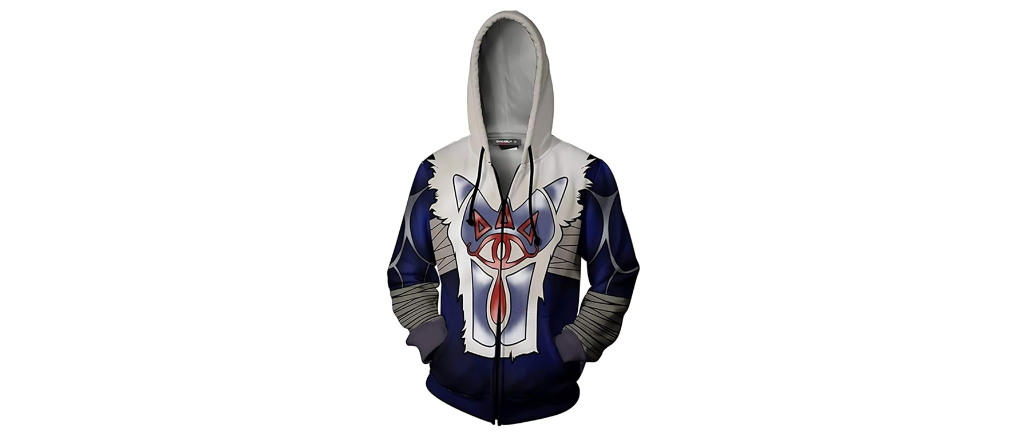
The Enduring Power of a Tragic Figure!
More than two decades after Majora’s Mask’s release, Skull Kid remains one of the most discussed, analyzed, and beloved characters in The Legend of Zelda franchise. This is remarkable for a character whose actual appearance and dialogue amount to perhaps fifteen minutes of a 20-30 hour game, a testament to the power of strong character design, thematic resonance, and storytelling that trusts players to piece together deeper meaning from carefully arranged fragments.
What makes Skull Kid so enduringly compelling is the universality of their core emotional experience. Most players, regardless of age, culture, or background, understand loneliness. Most have felt abandoned at some point, have experienced the pain of friendships ending or changing, have known the fear that the people they care about will leave them. The Skull Kid’s story takes these universal experiences and amplifies them through fantasy elements—the transformation into a forest spirit, the corruption by an ancient evil mask, the power to threaten an entire world—but the emotional core remains immediately recognizable and deeply human.
The character also represents something rare in video game storytelling: a villain who is genuinely saved rather than defeated. The climax of Majora’s Mask isn’t Link destroying the Skull Kid but Link liberating them from the force controlling them. The Four Giants don’t punish their corrupted friend but hold back apocalypse while understanding that the real enemy is the mask, not the small, hurt being it possessed. This framework—where the solution is healing rather than violence, redemption rather than destruction—provides a hopeful counterpoint to the “defeat the bad guy” narratives that dominate the medium. It suggests that cycles of pain can be broken, that those who’ve done terrible things while suffering can be helped rather than condemned, and that understanding the roots of destructive behavior is the first step toward preventing future tragedies.
The relationships at the heart of the Skull Kid’s story—with the Four Giants, with Tatl and Tael, even tangentially with Link—demonstrate the game’s sophisticated understanding of how connections define us. The Giants’ departure wasn’t malicious, but it still hurt. Tatl and Tael’s loyalty persisted even through corruption, proving friendship’s durability. Link’s intervention saved not just Termina but the Skull Kid themselves, showing how sometimes external help is necessary to escape cycles we can’t break alone. These relationship dynamics feel true in ways that resonate far beyond the fantasy setting.
From a game design perspective, Skull Kid demonstrates how to create a memorable antagonist with limited resources. Rather than extensive cutscenes or constant presence throughout the adventure, the character appears sparingly, making each appearance significant. The environmental storytelling—the corrupted regions, the looming moon, the fearful NPCs—keeps the Skull Kid’s threat present even when they’re offscreen. The careful revelation of backstory through dialogue fragments and optional content rewards players who engage deeply with the game world while leaving room for interpretation and imagination. This approach created a character who feels more present and developed than many antagonists with far more screen time.
The themes Skull Kid embodies—isolation, corruption, redemption, the power and fragility of friendship—remain relevant regardless of when players encounter the character. A child playing Majora’s Mask might respond to the fairy tale elements and the clear narrative of a lonely being learning they had friends all along. A teenager might connect with the feelings of abandonment and the fear of being forgotten. An adult might appreciate the complexity of the Giants’ impossible choice between duty and personal relationships, or recognize in the Skull Kid’s behavior patterns they’ve seen in themselves or others when pain goes unprocessed. The character’s story contains layers that different players at different life stages can engage with, ensuring continued relevance as new generations discover the game.
Looking toward the future, Skull Kid’s place in Zelda history seems secure. Each new Zelda game brings renewed interest in the series’ history, leading new players back to Majora’s Mask and the characters who inhabit it. The character has transcended their original game to become a symbol—of Majora’s Mask itself, of the Zelda series’ capacity for mature storytelling, and of video games’ potential to create characters as memorable and meaningful as those in any other medium. Whether through future game appearances, continued presence in merchandise and media, or simply ongoing discussions in fan communities, Skull Kid’s story continues to resonate and inspire.
For those who’ve never experienced Majora’s Mask, the Skull Kid’s story awaits—a tale of loneliness, corruption, and ultimately, hope and redemption that stands among gaming’s finest character arcs. For veterans who’ve lived through the three-day cycle countless times, the forest imp who nearly destroyed a world while seeking connection remains a powerful reminder of the themes that make The Legend of Zelda more than just a series about a hero, a princess, and a villain. It’s about the connections that define us, the pain that can corrupt us, and the possibility of healing when we’re willing to extend understanding and help to those who need it most.
The moon no longer threatens Termina. The mask’s evil has been destroyed. The Skull Kid is free, reunited with friends who never truly left. And somewhere, in the woods, a lonely forest spirit has learned that even in our darkest moments, even when we feel most abandoned, the possibility of connection and redemption remains. That’s the lesson of Skull Kid—not a lecture but a story lived, a truth earned through suffering and salvation, and a message that continues to echo through gaming culture: loneliness is not permanent, corruption can be overcome, and friendship endures even through the longest, darkest nights.
References
- Nintendo EAD. (2000). The Legend of Zelda: Majora’s Mask [Video game]. Nintendo.
- Nintendo EAD. (1998). The Legend of Zelda: Ocarina of Time [Video game]. Nintendo.
- Aonuma, E., & Nintendo. (2011). The Legend of Zelda: Hyrule Historia. Dark Horse Books.
- Nintendo. (2017). The Legend of Zelda: Breath of the Wild – Creating a Champion. Dark Horse Comics.
- Nintendo Power. (2000). “The Legend of Zelda: Majora’s Mask Official Strategy Guide.” Nintendo of America.
- Aonuma, E. (2015). Interview: The Making of The Legend of Zelda: Majora’s Mask 3D. Nintendo Dream Magazine.
- Miyamoto, S., & Aonuma, E. (2000). Developer Interview: Majora’s Mask Postmortem. Game Informer Archives.
- Nintendo. (2013). The Legend of Zelda Encyclopedia. Dark Horse Books.
- Himekawa, A. (2009). The Legend of Zelda: Majora’s Mask Manga Series. VIZ Media.
- Greening, C. (2015). “Koji Kondo: Majora’s Mask Soundtrack Interview.” Video Game Music Online.
- IGN Entertainment. (2020). “The Legend of Zelda: Majora’s Mask – 20th Anniversary Retrospective.” IGN.com.
- GameTrailers. (2011). “Timeline Analysis: The Legend of Zelda – Majora’s Mask.” YouTube/GameTrailers Archive.
- Nintendo. (2015). The Legend of Zelda: Majora’s Mask 3D [Video game]. Nintendo.
- Gantayat, A. (2000). “Zelda: Majora’s Mask Developer Discussion.” IGN Nintendo Archives.
- Parish, J. (2015). “The Enduring Legacy of Majora’s Mask’s Strangest Ideas.” Polygon/Vox Media.
- Kohler, C. (2016). “Power-Up: How Japanese Video Games Gave the World an Extra Life.” Dover Publications. [Chapter on Zelda series evolution].
- Extra Credits. (2014). “Majora’s Mask – Deconstructing a Masterpiece.” YouTube Educational Series.
- Schreier, J. (2017). “Blood, Sweat, and Pixels: The Triumphant, Turbulent Stories Behind How Video Games Are Made.” Harper Paperbacks. [Nintendo development culture section]
- The Legend of Zelda official website (www.zelda.com). Character Database and Lore Archives.
- Nintendo Life. (2020). “Feature: The Characters of Majora’s Mask – Skull Kid.” Nintendo Life Publishing.