
 Canada
 USA
USA Japan
Japan



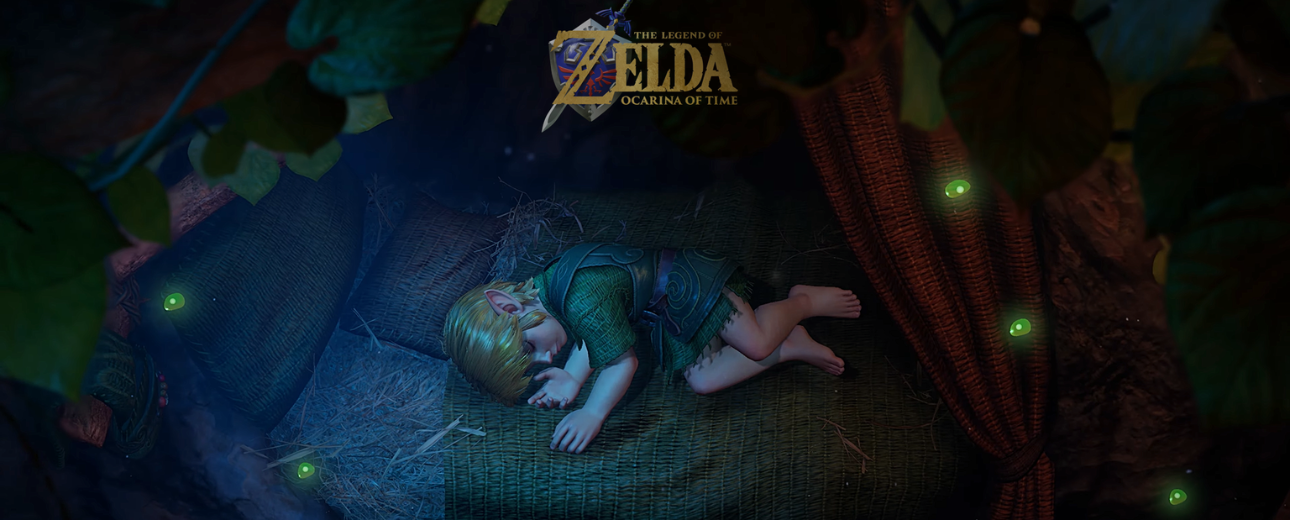
Asking “how many Legend of Zelda games are there?” seems like a straightforward question, but the answer is far more complex and fascinating than most fans realize. The Legend of Zelda franchise has produced an astounding collection of games spanning nearly four decades, with the official count depending on how you define “Legend of Zelda game” and whether you include remakes, remasters, spin-offs, and various releases across Nintendo’s entire console history. As of 2024, Nintendo has released approximately 20+ mainline Legend of Zelda games, with an additional 10+ spin-off titles, remakes, and special releases, bringing the total count to over 30 games across the entire franchise. Understanding exactly how many games exist requires breaking down categories by console generation, game type, timeline placement, and distinguishing between original releases and enhanced versions of previously released titles. This comprehensive guide walks you through the complete history of Legend of Zelda releases, explaining which games count toward the official tally and why the franchise’s diverse catalog makes answering this seemingly simple question genuinely complex.
The Official Legend of Zelda Game Count: The Exact Number
Determining the precise number of Legend of Zelda games requires understanding what Nintendo officially recognizes as part of the franchise and how different game types factor into the total count.
Mainline Games vs. Spin-Offs: Understanding the Categories
Nintendo officially recognizes approximately 20 mainline Legend of Zelda games as core entries in the franchise, though this count varies slightly depending on whether remakes and remasters are counted separately from originals or as the same game. The mainline games represent the traditional action-adventure formula that defines the Zelda series—Link’s adventures in various incarnations of Hyrule and connected worlds, featuring dungeon exploration, puzzle-solving, and the eternal conflict against evil forces. These games form the canonical timeline and represent what most fans think of when discussing “true” Zelda games.
Beyond mainline entries, Nintendo has developed approximately 10-12 spin-off or special release titles that exist within the Zelda universe but diverge significantly from the core gameplay formula. These include titles like Cadence of Hyrule (a rhythm-game crossover), Hyrule Warriors (a musou-style action game), and various smaller releases. The distinction matters because mainline games receive official timeline placement and contribute directly to the franchise’s canonical narrative, while spin-offs exist more as side experiences exploring the Zelda universe through different gameplay lenses.
The difference between mainline and spin-off isn’t always perfectly clear-cut, which creates some ambiguity in the total count. Games like Link’s Awakening occupy an interesting position—it’s a fully canonical mainline adventure with dungeon exploration and puzzle-solving, but it exists outside the official timeline and feels somewhat different from other Zelda games. Some fans count it as mainline, others as semi-spin-off. This categorization flexibility explains why different sources sometimes report different total game counts.
Remakes and Remasters: Do They Count Separately?
A significant complication in counting Legend of Zelda games involves remakes and remasters, which are enhanced versions of previously released games rather than entirely new titles. The original Legend of Zelda (1986) and Zelda II: The Adventure of Link (1987) have both received remakes and re-releases across multiple platforms. Similarly, Link’s Awakening received a complete Nintendo Switch remake in 2019. Ocarina of Time has been ported and remastered across multiple generations of Nintendo hardware.
The question becomes: should remakes count as separate games or the same game released multiple times? Technically, a remake is a distinct product with new assets, controls, and sometimes expanded content. The Link’s Awakening Switch remake added new side quests and quality-of-life improvements, making it genuinely different from the original Game Boy version. However, the core game and story remain identical. Most comprehensive counts treat remakes as the same game but note platform variants, while treating entirely new titles as separate entries.
If you count remakes and remasters as separate games, the total count rises significantly—perhaps to 25-30+ games. If you count each unique title’s story only once regardless of how many platforms it appeared on, the count drops to approximately 20. The most common approach is counting approximately 20 mainline games as the official number, with the understanding that many exist in multiple versions across different platforms.
The Complete Official Mainline Count
The 20 official mainline Legend of Zelda games are:
- The Legend of Zelda (1986)
- Zelda II: The Adventure of Link (1987)
- A Link to the Past (1991)
- Link’s Awakening (1993)
- Ocarina of Time (1998)
- Majora’s Mask (2000)
- Oracle of Seasons (2001)
- Oracle of Ages (2001)
- Four Swords (2002)
- The Wind Waker (2002)
- Four Swords Adventures (2004)
- The Minish Cap (2004)
- Twilight Princess (2006)
- Phantom Hourglass (2007)
- Spirit Tracks (2009)
- Skyward Sword (2011)
- A Link Between Worlds (2013)
- Tri Force Heroes (2015)
- Breath of the Wild (2017)
- Tears of the Kingdom (2023)
This count represents the generally accepted list of mainline Zelda games, though some sources include or exclude certain titles based on their specific categorization criteria. Games like Four Swords and Tri Force Heroes occupy interesting positions as multiplayer-focused entries that some fans consider spin-offs, while others count them as legitimate mainline adventures. The count could legitimately range from 18-22 depending on these categorization choices.
Mainline Legend of Zelda Games: The Complete Breakdown
Understanding each mainline game and where it fits in the franchise’s history helps appreciate the franchise’s evolution and scope.
The Classic Era: NES and SNES Classics (1986-1995)
The Classic Era established the foundational Legend of Zelda games that defined the franchise’s identity and remain beloved decades later. The original Legend of Zelda (1986) for the Nintendo Entertainment System revolutionized gaming by introducing the action-adventure genre and proving that games could feature expansive worlds, complex puzzles, and engaging narratives. This groundbreaking title spawned an immediate sequel and inspired countless imitators, making it one of gaming’s most influential releases.
Zelda II: The Adventure of Link (1987) took a dramatically different approach, shifting to side-scrolling perspective and incorporating role-playing game elements that felt radical for the franchise. The game proved divisive among fans—some appreciated the bold departure while others wanted another traditional Zelda experience. Regardless of personal preference, Zelda II demonstrated the franchise’s willingness to experiment and evolve rather than simply repeating the original formula.
A Link to the Past (1991) for the Super Nintendo cemented the franchise’s place among gaming’s elite. This masterpiece synthesized the best elements from both NES games while introducing the Light World/Dark World mechanic that became iconic. The game’s perfect dungeon design, engaging story, and expansive overworld created the template that subsequent Zelda games would follow for decades. Many critics still rank A Link to the Past as the greatest 2D Zelda game ever made.
Link’s Awakening (1993) brought Zelda to the Game Boy, proving the franchise could thrive on handheld systems with limited processing power. The game’s quirky island setting and dreamlike narrative gave it a unique flavor within the franchise. Though shorter than console entries, Link’s Awakening delivered complete Zelda experience in portable form, establishing that handheld Zelda games could be legitimate mainline adventures rather than just portable spin-offs.
The 3D Transition Era: Nintendo 64 and Early GameCube (1998-2004)
The transition to three-dimensional gaming represented the franchise’s most significant evolution, with developers needing to completely reimagine how Zelda gameplay functioned in three-dimensional space. Ocarina of Time (1998) became legendary as one of the most critically acclaimed games ever made, earning numerous Game of the Year awards and maintaining high rankings on greatest-games lists even decades later. The game’s revolutionary Z-targeting system solved the 3D camera problem that plagued early 3D games, becoming the industry standard for action games. Ocarina of Time proved that Zelda’s classic gameplay translated perfectly to 3D, with dungeon exploration, puzzle-solving, and combat all working beautifully in three dimensions.
Majora’s Mask (2000) took an experimental approach, using the same engine as Ocarina of Time but completely reimagining the game structure around a three-day time loop where Link must constantly reset and replay days to accomplish objectives. This radical design choice meant no traditional long narrative progression—instead players solved interconnected puzzles across multiple cycle iterations. Majora’s Mask proved more divisive than Ocarina of Time, but many fans consider it the more ambitious and interesting game of the two.
The Zelda Games for Game Boy (Oracle of Seasons and Oracle of Ages, 2001) proved handheld Zelda remained strong, offering complex dungeon designs and engaging narratives on Game Boy Color hardware. Though graphically simple compared to console games, these titles delivered complete Zelda experiences that proved the franchise worked across all Nintendo platforms.
Four Swords (2002) introduced multiplayer Zelda gameplay, using the Game Boy Advance as a multiplayer peripheral connected to GameCube. The Wind Waker (2002) meanwhile shocked fans with its cell-shaded cartoon aesthetic and ocean sailing exploration, proving Zelda could embrace artistic styles completely different from realistic graphics. Wind Waker was initially criticized for its art style but is now celebrated as innovative and beautiful.
Four Swords Adventures (2004) expanded the multiplayer concept, and The Minish Cap (2004) brought Zelda to Game Boy Advance with a charming small-scale adventure where Link shrinks to tiny size. These games proved the franchise remained vibrant across multiple platforms simultaneously.
The Modern Console Era: Twilight Princess Through Skyward Sword (2006-2011)
Twilight Princess (2006) for both Nintendo GameCube and Wii represented a return to darker, more realistic Zelda aesthetics after Wind Waker’s stylization. The game sold over 7 million copies and proved one of the most commercially successful entries ever. Twilight Princess featured adult Link, a darker narrative tone, and the Wii’s motion controls (in the Wii version), demonstrating the franchise’s continued evolution.
The Nintendo DS received two mainline Zelda entries with Phantom Hourglass (2007) and Spirit Tracks (2009), proving handheld systems could host substantial Zelda games. Both games used the DS touchscreen creatively, with Phantom Hourglass featuring sailing-based exploration and Spirit Tracks introducing train-based transportation. While different from traditional Zelda experiences, both games were well-received and proved the franchise could thrive on handheld platforms.
Skyward Sword (2011) for the Nintendo Wii became both celebrated and controversial, with its motion-control combat system inspiring passionate debate. Some players loved the sword-swinging mechanics while others found them tedious. Regardless of individual preferences, Skyward Sword proved innovative and represented the Wii’s capabilities well. The game also introduced a new timeline interpretation, revealing that Zelda history was more complex than fans realized.
The Contemporary Era: Wii U Through Nintendo Switch (2013-2023)
A Link Between Worlds (2013) for Nintendo 3DS returned to the A Link to the Past formula, updating the classic into a 3D handheld experience with item rental mechanics that gave players freedom in dungeon approach order. The game proved that return to classic formulas could work wonderfully when executed with modern sensibilities.
Tri Force Heroes (2015) introduced another multiplayer Zelda experience, though its focus on cooperative gameplay made it less central to the main timeline than other entries. Some fans consider it a spin-off despite being developed as a mainline adventure.
Breath of the Wild (2017) revolutionized the franchise with open-world gameplay that broke from dungeons-and-narrative traditions Zelda had followed for 30 years. Players could tackle challenges in any order, skip dungeons, and explore freely in a non-linear adventure that influenced game design industry-wide. Despite radical departure from established formulas, Breath of the Wild was universally acclaimed and won numerous Game of the Year awards.
Tears of the Kingdom (2023) continued Breath of the Wild’s approach with additional mechanics, improved dungeons, and greater story focus. The game proved the open-world Zelda formula had legs and could serve as the franchise’s direction going forward.
Legend of Zelda Games by Nintendo Console Platform
Understanding which Legend of Zelda games appear on different Nintendo hardware helps appreciate the franchise’s presence across the entire Nintendo ecosystem.
Nintendo Entertainment System (NES) Zelda Games
The Nintendo Entertainment System received three official Legend of Zelda games, establishing the franchise on Nintendo’s foundational console. The Legend of Zelda (1986) launched on NES and became one of the console’s best-selling games, proving there was enormous demand for action-adventure games in a market dominated by side-scrolling platformers. Zelda II: The Adventure of Link (1987) followed as the NES sequel, and a later compilation would include the enhanced The Legend of Zelda: Link’s Awakening DX as an NES title in some releases, though it originally appeared on Game Boy.
The NES provided 8-bit limitations that forced creative game design, with designers working around memory and processing constraints to create expansive worlds. Both NES Zelda games are still playable and enjoyed today despite their age, proving the quality of the underlying design transcends technical limitations.
Super Nintendo Entertainment System (SNES) Zelda Games
The Super Nintendo Entertainment System hosted two legendary Zelda titles, both considered among the franchise’s best games. A Link to the Past (1991) brought Zelda to 16-bit graphics with the dual-world mechanic and expanded dungeon complexity that impressed players worldwide. Link to the Past’s critical and commercial success established Zelda as a marquee Nintendo franchise that could sell consoles independently.
Link’s Awakening originally released on Game Boy (1993) but the game is also frequently counted as SNES era due to its release timing during the SNES’s commercial peak, even though it was technically a handheld game. The enhanced Link’s Awakening DX was later released on Game Boy Color.
Nintendo 64 Zelda Games
The Nintendo 64 received two mainline Zelda games that revolutionized the franchise through 3D gameplay and proven that Zelda’s core design principles translated perfectly to three dimensions. Ocarina of Time and Majora’s Mask demonstrated the N64’s capabilities and provided the most compelling reasons to own the console. Both games received Ocarina of Time Master Quest as a bonus dungeon arrangement and later a full 3D remake for the 3DS handheld system.
The N64’s limited game library but strong exclusive titles made Zelda games particularly important to the console’s identity, with fans often purchasing N64 systems specifically to play these games.
Game Boy, Game Boy Color, and Game Boy Advance Zelda Games
Nintendo’s handheld systems received the most Zelda games across the various Game Boy iterations. The Game Boy had Link’s Awakening (1993), establishing that Link could have adventures on portable systems. Game Boy Color added Link’s Awakening DX, Oracle of Seasons, and Oracle of Ages. Game Boy Advance hosted Four Swords, The Minish Cap, and later received re-releases of earlier games.
These handheld entries proved Nintendo’s commitment to providing Zelda experiences across all hardware, not just home consoles. The willingness to develop substantial Zelda games for less-powerful portable systems established the franchise as essential software across Nintendo’s entire product line.
GameCube Zelda Games
The Nintendo GameCube received three original Zelda games plus compilations. The Wind Waker (2002) launched with the console and Four Swords Adventures (2004) gave GameCube multiplayer Zelda experiences. Later, The Legend of Zelda Collector’s Edition compiled earlier games. The Twilight Princess was initially promised as GameCube exclusive before Wii’s launch created a dual-platform situation where both versions launched simultaneously.
Wii and Wii U Zelda Games
The Nintendo Wii received Twilight Princess (2006) as a launch title and later Skyward Sword (2011), making the Wii a strong Zelda platform despite limited overall game library. The Wii U’s notorious commercial failure meant fewer Zelda releases during its lifespan, with the console serving primarily as an alternate Twilight Princess platform.
Nintendo 3DS and DS Zelda Games
The Nintendo DS handheld proved crucial to Zelda’s handheld presence, receiving Phantom Hourglass and Spirit Tracks as original titles plus earlier game re-releases. The 3DS continued this legacy with enhanced remakes of Ocarina of Time and A Link Between Worlds as an original title. These handheld systems demonstrated that substantial Zelda games thrived on portable hardware.
Nintendo Switch Zelda Games
The Nintendo Switch has become the most successful Zelda platform, receiving Breath of the Wild as a launch title (2017), The Master Sword DLC pack (2018), and Tears of the Kingdom (2023). Additionally, various ports and remakes appeared including Cadence of Hyrule (2019), Link’s Awakening remake (2019), and Skyward Sword HD (2021). The Switch’s hybrid console-portable nature proved ideal for Zelda games, allowing substantial adventures playable in television or portable mode.

Legend of Zelda Timeline: Understanding Multiple Branches
The Legend of Zelda franchise features an official timeline split into three separate branches, creating multiple parallel worlds where different games occur in sequence. This timeline complexity explains why there are so many games—Nintendo developed multiple branching timelines that each contain series of games, rather than a simple linear progression.
The Official Timeline Explanation
Nintendo officially revealed in 2011 that the Zelda timeline splits after Ocarina of Time into three separate branches, depending on whether Link succeeds, fails, or is sent back in time. This revelation shocked fans who’d spent decades trying to figure out how games connected, proving the timeline was even more complex than most theories suggested. The three branches each contain multiple games occurring in sequence within that timeline branch.
The Downfall Timeline branches when Link loses to Ganon after retrieving the Master Sword in Ocarina of Time, leading to Ganon’s victory and the games occurring in a world where evil conquered Hyrule. Games in this timeline include A Link to the Past, the original Legend of Zelda, and Zelda II.
The Child Timeline branches when Link is sent back to childhood by the Ocarina of Time, allowing him to warn authorities about future danger. Games in this timeline include Twilight Princess, Four Swords Adventures, and The Four Swords.
The Adult Timeline branches when Link succeeds in Ocarina of Time and exists as an adult, creating a world where Link can’t return to save childhood from Ganon. Games in this timeline include Wind Waker, Phantom Hourglass, Spirit Tracks, and the still-unexplained Tetra’s Trackers.
Timeline Placement and Game Sequence
Understanding where each game fits within the timeline branches helps appreciate how Nintendo connected decades of games into a coherent historical narrative. Some games are direct sequels to others—Majora’s Mask occurs immediately after Ocarina of Time. Wind Waker occurs centuries after Ocarina of Time in the Adult Timeline. Others are separated by centuries or millennia.
Some games appear to be unconnected to the official timeline, existing outside the three branches. Link’s Awakening, which occurs on an island, operates in a dream-state that exists outside normal Hyrule geography and the official timeline. Nintendo later clarified Link’s Awakening occurred outside the three timelines, making it essentially independent.
Breath of the Wild and Tears of the Kingdom initially had unclear timeline placement, with Nintendo eventually suggesting they occur so far in the future that all three timelines have potentially converged, making these games effectively exist across all branches or in some unified future version of Hyrule.
Spin-Off and Special Release Legend of Zelda Games
Beyond the mainline games, Nintendo developed numerous spin-offs and special releases featuring Zelda characters and worlds but different gameplay formats.
Hyrule Warriors Series
Hyrule Warriors (2014) and Hyrule Warriors: Age of Calamity (2020) took the musou action-game formula and applied it to Zelda, featuring fast-paced real-time combat with dozens of enemies on screen. These games proved genuinely fun despite being completely different from traditional Zelda experiences. Age of Calamity specifically served as a prequel to Breath of the Wild, expanding the backstory and proving that Zelda spin-offs could contribute meaningfully to the overarching narrative.
Cadence of Hyrule
Cadence of Hyrule (2019) combined Zelda with rhythm game mechanics, creating a roguelike adventure where Link must move to a musical beat. The game proved surprisingly engaging despite its unconventional premise, attracting both Zelda fans and rhythm-game enthusiasts.
Other Spin-Offs and Special Releases
Various smaller spin-offs have existed throughout the franchise, including CD-i games (which Nintendo disavows), Tingle’s Rosy Rupeeland, and various mobile titles. Nintendo also released HD remasters and re-releases of games, like Twilight Princess HD for Wii U and Skyward Sword HD for Nintendo Switch.
The categorization of what constitutes a “real” spin-off versus supplementary content remains debated among fans, affecting the total count of Zelda games depending on inclusion criteria.

Counting All Legend of Zelda Games: The Comprehensive Total
The total number of Legend of Zelda games depends entirely on what you choose to count. If you count only mainline canonical adventures, the number is approximately 20. If you include spin-offs, remakes, remasters, and platform-specific releases, the count climbs to 30 or beyond. The most accurate answer is approximately 20-25 official games, with the ambiguity reflecting genuine questions about categorization rather than uncertainty about what games exist.
Conservative Count: 20 Mainline Games
The conservative count includes only games Nintendo officially recognizes as core Zelda adventures with canonical placement in the timeline. This count totals approximately 20 games and represents the “true” mainline Zelda entries that comprise the official historical narrative.
Moderate Count: 25-27 Games
The moderate count adds spin-offs like Hyrule Warriors and Cadence of Hyrule while treating remakes as versions of original games rather than separate entries. This count reaches approximately 25-27 games and represents the most commonly cited total across gaming publications and fan communities.
Comprehensive Count: 30+ Games
The comprehensive count includes every Legend of Zelda-related game ever released, including remakes as separate entries, platform-specific versions, and every spin-off regardless of how tangential. This count can exceed 30 games depending on which releases and localizations you include.

The Most Complete Legend of Zelda Collection
If you want to experience every mainline Legend of Zelda game, the Nintendo Switch is currently the best platform, featuring several games either as originals or remakes. Breath of the Wild and Tears of the Kingdom anchor the Switch’s Zelda library, with remakes of Link’s Awakening and Skyward Sword available. Nintendo Switch Online provides access to NES and SNES games including the original Legend of Zelda and A Link to the Past.
However, accessing every Zelda game requires owning or accessing multiple Nintendo platforms. The original Game Boy Oracle games, Phantom Hourglass, Spirit Tracks, and Twilight Princess are only playable on their respective original hardware (Game Boy Color, Nintendo DS, GameCube/Wii) without re-releases or remakes.
Conclusion: How Many Zelda Games Are There?
The answer to “how many Legend of Zelda games are there?” is definitively between 20-30 games depending on what you count. The 20 mainline games represent the official canonical adventures Nintendo considers core Zelda experiences. The additional 10+ spin-offs, remakes, and special releases expand the franchise’s total portfolio significantly. Understanding this distinction helps clarify that the Zelda franchise is simultaneously more focused (20 core games) and more expansive (30+ total releases) than the simple number might initially suggest.
The franchise’s longevity—nearly 40 years of continuous releases from 1986 through 2023—demonstrates Nintendo’s commitment to the series as one of its most important properties. Whether you count conservatively or comprehensively, the Zelda franchise represents one of gaming’s most substantial and beloved franchises, with enough games to occupy players for years while maintaining exceptional quality across the entire library.
If you’re interested in experiencing the full Legend of Zelda saga, you’re looking at an incredible journey spanning NES classics, SNES masterpieces, N64 revolutionaries, and modern Switch innovations. Every era has brought distinctive Zelda experiences that define gaming for their respective generations, making the complete catalogue a testament to gaming history itself.
External Resources:
- Official The Legend of Zelda Website: https://www.zelda.com/
- Zelda Wiki Comprehensive Database: https://zelda.fandom.com/wiki/Main_Page
- Metacritic Zelda Games Ratings: https://www.metacritic.com/search/all/the-legend-of-zelda/results