
 Canada
 USA
USA Japan
Japan



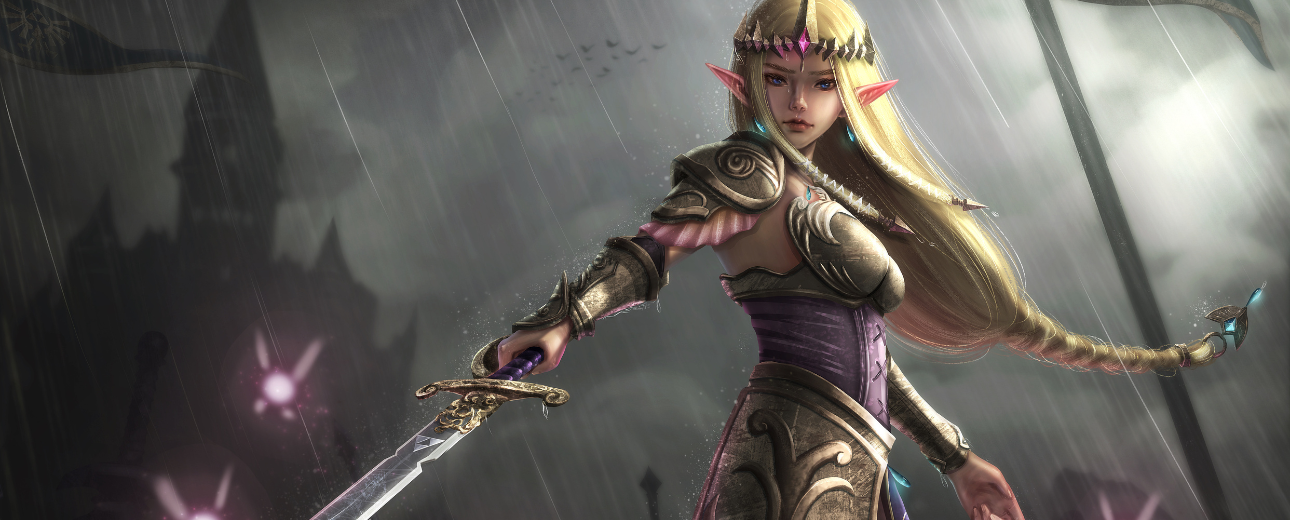
Asking “how old is Princess Zelda?” might seem like a straightforward question with a simple numerical answer, but the reality is far more complex and fascinating than most fans realize. Princess Zelda’s age varies dramatically across different games and timelines, ranging from a young child to a full adult depending on which game you’re discussing and which timeline branch the story occurs within. The official Zelda timeline splits into three separate branches after Ocarina of Time, each containing games where Zelda exists at different ages and life stages. Additionally, remakes and remasters sometimes change character ages from the originals, creating further variations. Understanding Princess Zelda’s actual age requires examining each game individually, understanding how the official timeline establishes chronological relationships between games, and recognizing that Nintendo has occasionally contradicted previous age information through new game releases. This comprehensive guide explores exactly how old Princess Zelda is in every major Legend of Zelda game, explains why her age varies so dramatically, and clarifies the timeline relationships that make this character’s age such a fascinating puzzle for dedicated fans.
Understanding Princess Zelda’s Age Across the Games
Before diving into specific games, understanding the fundamental principles that determine Zelda’s age helps contextualize why this character’s age varies so dramatically across different titles.
Why Zelda’s Age Varies: Timeline Complexity and Game Progression
Princess Zelda appears in numerous Legend of Zelda games spanning different timelines and time periods within each timeline branch. In some games, she’s a child princess just beginning her role as Hyrule’s ruler. In others, she’s a young adult managing kingdom affairs. In still others, she’s a fully mature adult or even elderly. The variation isn’t inconsistency—it’s intentional narrative design where Nintendo creates games set at different points in Hyrule’s history, naturally resulting in Zelda being different ages depending on when the story occurs.
The three timeline branches established after Ocarina of Time create separate histories where Zelda experiences completely different life trajectories. In the Child Timeline, Zelda receives a warning from adult Link about future danger and uses that knowledge to change history. In the Adult Timeline, Zelda becomes trapped in a flooded Hyrule centuries in the future. In the Downfall Timeline, Zelda experiences entirely different historical events. Each branch contains games where Zelda exists at different ages, creating multiple versions of the character at various life stages.
Additionally, some games feature Zelda at different ages within the same timeline branch. Ocarina of Time features both young Zelda (as Sheik in the past) and an older Zelda later in the game. Twilight Princess features an adult Zelda managing a kingdom. These age variations reflect the natural aging that occurs throughout a character’s life and across historical progression.
The question of “how old is Princess Zelda?” is genuinely complicated because there isn’t a single answer—Zelda is a different age in almost every game she appears in. However, understanding the timeline placement and chronological relationships between games helps determine her approximate age in each title.
Establishing a Reference Point: Ocarina of Time as the Timeline Hinge
Ocarina of Time serves as the pivotal point in Zelda’s age history because the game features her at two different life stages and creates the timeline split that affects all subsequent games. In Ocarina of Time’s past sections, young Zelda is approximately 8-10 years old when she first encounters Link and begins suspecting Ganondorf’s treachery. By the game’s conclusion, adult Zelda is approximately 17 years old, having spent seven years in stasis while Ganondorf ruled Hyrule.
This single game contains Zelda at two distinct ages that serve as reference points for dating other games. Games occurring before Ocarina of Time feature younger versions of Zelda or Zeldas from previous eras. Games occurring after Ocarina of Time use the older Zelda age as reference, with chronological distance from Ocarina of Time determining whether subsequent Zeldas are older or younger versions of the character.
Understanding Ocarina of Time as the timeline anchor helps organize Zelda’s ages across the franchise. The game serves as a dividing point—everything before it features younger Zeldas, everything after it features progressively older or differently-aged Zeldas depending on the timeline branch and chronological distance from the original game.
Princess Zelda’s Age in Specific Games: A Complete Breakdown
Understanding exactly how old Princess Zelda is in each game she appears requires examining individual titles and establishing her approximate age based on official information, character appearance, and timeline placement.
Early Timeline Games: Skyward Sword and Pre-Ocarina Games
Skyward Sword, occurring thousands of years before the official timeline split, features Zelda as an approximately 17-18 year old girl, though she’s not technically “Princess” Zelda in the traditional sense during this game. This Zelda is the goddess Hylia’s chosen vessel and the ancestor of all future Zeldas in Hyrule. Her age in Skyward Sword is significant because it establishes that the original Zelda was a young woman when she made the choices that would affect all subsequent timelines.
A Link to the Past occurs in the Downfall Timeline thousands of years after Skyward Sword, placing it chronologically distant from other major events. The Zelda in A Link to the Past is presented as a young princess, approximately in her late teens, though the game provides minimal specific age information. Her youth is evident from her appearance and the narrative positioning her as a princess learning to rule. The game’s events occur before the original Legend of Zelda, making this Zelda one of the earliest incarnations in the Downfall Timeline.
The original Legend of Zelda features a Zelda who is approximately 16-17 years old, presented as a young princess kidnapped by Ganon. Her age is evident from her appearance and dialogue, though the game’s limited narrative provides minimal development compared to later entries. This Zelda exists in the Downfall Timeline, centuries after A Link to the Past but still in the same chronological branch.
Zelda II: The Adventure of Link features an older Zelda, approximately 20-22 years old, living hundreds of years after the original Legend of Zelda’s events. The passage of time between games reflects in Zelda’s increased age and maturity. This game continues the Downfall Timeline’s narrative with a Zelda who is fully adult and participating directly in the adventure rather than merely being rescued.
The Ocarina of Time Timeline Split: The Pivotal Ages
Ocarina of Time’s Young Zelda (child sections) is approximately 8-10 years old, presenting as a young princess concerned about her kingdom’s future and slowly discovering that Ganondorf is deceiving her father. Her youth is evident from her size, voice, and innocent perspective on court politics. This young Zelda is approximately the same age as Link during these sections, creating shared vulnerability and bond between the characters.
Ocarina of Time’s Adult Zelda (after the seven-year time jump) is approximately 17 years old, having aged while in stasis as Sheik. This older Zelda is significantly more confident and strategic than her younger self, having spent years planning the kingdom’s liberation while disguised. The seven-year gap is crucial to Zelda’s development—she goes from naive young princess to capable young adult leader, making her one of the most dramatically aged characters between game sections.
The timeline split creates three separate Zeldas with different life trajectories after Ocarina of Time. In the Child Timeline, young Zelda returns to her original time with knowledge of future dangers, altering history. In the Adult Timeline, adult Zelda witnesses Ganon’s defeat but faces new challenges. In the Downfall Timeline (containing original Zelda games), an alternate adult Zelda experiences completely different events. Each timeline’s Zelda ages differently based on subsequent historical events and game chronology.
Child Timeline Progression: From Twilight Princess Through Modern Era
Twilight Princess, occurring several centuries after Ocarina of Time in the Child Timeline, features an adult Zelda who is approximately 20-25 years old. This Zelda is a fully mature princess managing a kingdom and demonstrating sophisticated political understanding. She’s not a damsel in distress but rather an active participant in events, using her powers and intellect to influence outcomes. Her age is evident from her appearance, voice, and leadership responsibilities.
Four Swords Adventures occurs roughly around the same era as Twilight Princess or slightly earlier, featuring a Zelda approximately 18-22 years old. This younger-seeming Zelda is less mature than Twilight Princess’s version, reflecting earlier chronological placement in the Child Timeline. She participates in adventures alongside Link with youthful energy despite her royal duties.
The Four Swords (original) occurs very early in the Child Timeline, featuring an extremely young Zelda approximately 8-10 years old. This early adventure shows Zelda at a young age before the complex politics and challenges of later games. Her youth is evident from her innocence and reliance on Link for protection.
Adult Timeline Progression: Wind Waker and Beyond
The Wind Waker, occurring centuries after Ocarina of Time in the Adult Timeline, features a Zelda who is not directly present as Princess Zelda but rather as Tetra, a young pirate captain approximately 12-14 years old. This version of Zelda has no memory of her royal heritage, existing as a seemingly ordinary pirate. Later in the game, when her true identity as Zelda is revealed, she transitions from pirate to princess, but her young age remains consistent throughout Wind Waker’s story.
Phantom Hourglass, occurring decades after Wind Waker, features an adult Zelda (Queen Zelda) who is approximately 40+ years old, significantly older than in any other game. This elderly Zelda has lived an entire lifetime since Wind Waker, ruled Hyrule, and passed much of her responsibility to the next generation. Her age here is a stark contrast to her youth in other timeline branches, demonstrating how dramatically different life can be depending on timeline circumstances.
Spirit Tracks, occurring centuries after Phantom Hourglass, features a young Zelda reincarnation who is approximately 12-13 years old. This new incarnation of Zelda is separated from her body and exists as a spirit throughout most of the game, making chronological comparison with other Zeldas complex. Her apparent age is young, matching her youthful appearance and energetic personality despite lacking her body.
Downfall Timeline Progression: From Original Games Through Modern
Zelda II’s older Zelda (approximately 20-22 years old) represents an aged version of the original Legend of Zelda’s princess. By this point in the Downfall Timeline, Zelda has experienced the original game’s events, lived through subsequent years, and matured into a responsible adult queen. Her increased age reflects historical progression and personal development from the naïve princess kidnapped in the original game.
A Link Between Worlds, occurring thousands of years after A Link to the Past in the Downfall Timeline, features a young princess Zelda who is approximately 18-20 years old. This Zelda is presented as royalty but in a somewhat different role than in A Link to the Past, with adjusted timeline placement affecting her narrative positioning. Her age suggests she’s a young adult managing royal duties while adapting to mysterious threats to her kingdom.
Remakes and Remasters: Potential Age Adjustments
Link’s Awakening DX (Game Boy Color remake) and the Nintendo Switch remake feature Zelda who doesn’t appear directly, though the game’s narrative context remains similar to the original Game Boy version. The Link’s Awakening games technically don’t occur in the official timeline and feature a Zelda existing in a dream state, making chronological age comparison challenging. However, any Zelda references would maintain consistency with the original game’s approximate time period.
Ocarina of Time 3D (3DS remake) maintains the same age structure as the original, with young Zelda approximately 8-10 and adult Zelda approximately 17. The remake’s improved graphics and quality-of-life changes don’t affect character ages, keeping the timeline relationships consistent.
Twilight Princess HD (Wii U) preserves the original’s Zelda age of approximately 20-25, with no character age adjustments made in the remaster.
The Official Zelda Timeline: How Chronology Determines Age
Understanding the official timeline and how chronological relationships between games affect Zelda’s aging helps organize the seemingly contradictory ages across different games.
Timeline Chronology and Age Relationships
The Child Timeline, starting with Twilight Princess occurring centuries after Ocarina of Time’s child section, features Zelda aging from young princess to mature leader. Twilight Princess’s Zelda is significantly older than Ocarina of Time’s child Zelda because centuries of history have passed, but she’s the same person in spiritual lineage if not direct succession. This timeline’s Zeldas experience relatively stable aging across games as centuries progress between entries.
The Adult Timeline presents the most complex Zelda aging because of extreme chronological gaps between games. Wind Waker occurs centuries after Ocarina of Time, making chronological sense of Tetra’s youth despite the time gap (she’s a new incarnation of Zelda, not the same person). Phantom Hourglass places Zelda centuries after Wind Waker, explaining her old age. Spirit Tracks occurs so far in the future that yet another Zelda incarnation exists, explaining the new young princess despite millennia of progression.
The Downfall Timeline features the most dramatic Zelda age variations because of extreme chronological distances between games. A Link to the Past occurs thousands of years after Skyward Sword. The original Legend of Zelda occurs thousands of years after A Link to the Past. Zelda II occurs centuries after the original Legend of Zelda. Each progression logically results in different Zelda incarnations at different ages, creating the variation fans observe across these games.
How Nintendo Establishes Age References
Nintendo uses multiple methods to establish character ages across the timeline. Official guides sometimes provide explicit age information, though this is rarer than fans hope. More commonly, visual appearance, character maturity level, and dialogue provide clues about age. Chronological distance from key events like Ocarina of Time also helps date when characters exist relative to each other.
The official timeline document released by Nintendo provides chronological placement for games but typically doesn’t specify individual character ages. Instead, fans and scholars use the chronological information combined with character appearance and context to estimate ages. This approach is generally accurate but occasionally creates ambiguity when visual interpretation varies.
In-game dialogue occasionally references character ages directly. Characters might mention how many years have passed since previous events or reference their own ages in conversation. These references are crucial anchors for determining timeline accuracy and verifying age estimates.
Timeline Gaps and Incarnation Cycles
The extreme chronological gaps between some timeline games necessitate multiple Zelda incarnations rather than a single immortal character. Princess Zelda, while connected spiritually across generations, is reincarnated rather than immortal. This explains how Zelda can be young in Spirit Tracks despite millennia of progression—she’s a new incarnation living in that distant future.
The incarnation cycle is established in Skyward Sword, where Hylia chooses Zelda as her vessel, beginning a cycle of reincarnation that continues through subsequent timelines. This explains the pattern of young Zeldas appearing in various games—they’re different incarnations of the same spiritual character rather than impossibly aged versions of the same person. Understanding incarnation cycles is crucial to comprehending how Zelda can be multiple different ages across games without logical contradictions.
Character Ages in Relation to Each Other: Zelda and Link Comparisons
Understanding Zelda’s age becomes more meaningful when compared to Link’s age, as the two characters’ relative ages and development throughout games reveal narrative relationships and character dynamics.
Age Gaps and Character Dynamics
In Ocarina of Time, young Link and young Zelda are approximately the same age (8-10 years old), creating a peer relationship where they encounter dangers together as children. The seven-year gap that transforms them both into young adults maintains their peer relationship despite the dramatic aging. This synchronization of aging creates the sense that Link and Zelda experience parallel journeys, maturing together through shared challenges.
In Twilight Princess, Link and Zelda have an age gap of several years, with Zelda being slightly older. This dynamic differs from Ocarina of Time’s peer relationship, creating instead a slightly hierarchical relationship where Zelda’s maturity exceeds Link’s. The age difference is subtle but narratively meaningful, affecting how the characters interact and the responsibilities each carries.
In Wind Waker, young Tetra (Zelda) is approximately 12-14 years old, similar in age to Link. Their youth creates a youthful adventure dynamic where both characters are learning about themselves and the world simultaneously. The peer relationship is maintained despite Tetra’s initial ignorance of her true identity, as both characters experience discovery and growth.
In Spirit Tracks, young Link and young Zelda (as a spirit) are similarly aged, creating the same peer dynamic as Ocarina of Time. Their youth and concurrent development suggests they’re meant as counterparts experiencing adventure together, with Zelda’s spiritual nature creating unique narrative positioning rather than age-based separation.
How Age Affects Character Roles and Responsibilities
Younger versions of Zelda often operate as damsel-in-distress figures or passive supporters, though this reflects both age appropriateness and narrative positioning rather than character capability. Young Zelda in Ocarina of Time begins as a curious princess but becomes the powerful warrior Sheik later in the same game, demonstrating that age doesn’t fully determine capability.
Older versions of Zelda operate as political leaders and strategic planners, managing kingdoms and understanding complex international relations. Twilight Princess’s adult Zelda demonstrates this shift, existing as a capable ruler managing crises rather than a princess needing rescue. Her age is necessary for this role—a young child couldn’t plausibly manage kingdom politics despite magical ability.
The progression from young to old Zelda across different timeline branches demonstrates character development and the natural consequences of aging. Zelda doesn’t remain perpetually young; she ages as timelines progress, taking on greater responsibilities as she matures. This creates narrative cohesion where Zelda’s role and age logically align.

Specific Age References: What Nintendo Has Officially Stated
While Nintendo doesn’t consistently provide explicit character ages, various official sources have offered specific age information that helps clarify Zelda’s age across different games.
Official Game Guides and Age References
Nintendo’s official Ocarina of Time guide confirms that young Zelda is 8 years old and adult Zelda is 17 years old, providing definitive ages for the timeline’s most important age reference points. These official confirmations serve as anchors for estimating ages in other games.
The Twilight Princess official guide confirms that Zelda is approximately 20 years old, establishing her as a young adult princess managing a mature role. This confirmation helps place other games chronologically—any Zelda that appears significantly older or younger can be dated relative to Twilight Princess’s reference age.
Wind Waker’s official materials confirm that Tetra is 12-14 years old when the game begins, making her one of the youngest Zelda incarnations in games. This young age is significant to her character arc and the adventure’s youthful energy.
Spirit Tracks confirmation places young Zelda at approximately 12-13 years old, similar to Tetra’s age in Wind Waker. This young age creates parallel dynamics between these two games despite occurring in completely different timelines.
Timeline Official Documents and Age Implications
The official Zelda timeline released by Nintendo in Hyrule Historia establishes chronological placement for games but rarely provides explicit character ages. However, chronological distance between games allows estimation of age progressions. For example, if a game occurs 500 years after another, Zelda incarnations would be completely different people rather than aged versions of previous characters.
Nintendo’s 2011 official timeline document placed games chronologically, revealing that Ocarina of Time’s split into three timelines meant three separate Zeldas aging differently depending on timeline progression. This revelation solved many fan debates about age contradictions, confirming that different Zeldas at different ages was intentional rather than inconsistency.
In-Game Dialogue Age References
Twilight Princess’s Zant refers to Zelda as “young lady” and “princess,” suggesting she’s young but mature enough for marriage and political responsibility, consistent with the 20-year-old age estimate. The dialogue reinforces her young adulthood rather than providing explicit age.
Ocarina of Time’s dialogue references “seven years” have passed, allowing exact age calculation for adult Zelda. Characters explicitly state the time progression, making age calculation straightforward for this game.
Wind Waker references Tetra’s youth and inexperience, with characters treating her as a capable young person but not fully mature. The dialogue contextualizes her young age without stating it explicitly, requiring visual and narrative interpretation.
Zelda’s Age in Popular Culture and Fan Interpretations
Beyond official Nintendo information, Zelda’s age has become a topic of substantial fan discussion and interpretation, particularly regarding how age affects character relationships and narrative implications.
Fan Age Estimates vs. Official Information
Fans have spent decades estimating Zelda’s age in games lacking explicit age information, creating detailed spreadsheets and analyses calculating ages based on chronological timeline placement. These fan estimates are generally accurate when based on official timeline information but occasionally diverge when fans make different assumptions about incarnation cycles or time progression.
The fan community’s detailed age analyses have sometimes revealed inconsistencies or ambiguities in Nintendo’s timeline that Nintendo later addressed or clarified. Fan scholarship occasionally exceeds official clarity, with dedicated fans creating more comprehensive age documentation than Nintendo itself provides.
Relationship Age Gaps and Fan Discussion
The age gap between Link and Zelda has been extensively analyzed by fans, particularly regarding games where the gap is significant. Some fans prefer stories where characters are similar in age, while others appreciate the dynamics that age differences create. This preference varies significantly based on individual fan perspectives.
Fan discussions about character relationships often reference character ages, with some fans using age as justification for or against particular relationship dynamics. Official ages and chronological placement provide concrete information that grounds these discussions in canon rather than pure speculation.
Conclusion: Princess Zelda’s Age Across Time and Timelines
Princess Zelda’s age varies dramatically across Legend of Zelda games, ranging from approximately 8-10 years old (Ocarina of Time’s child section) to 40+ years old (Phantom Hourglass’s elderly Zelda). This variation isn’t inconsistency but rather intentional narrative design where Nintendo places games at different chronological points across three timeline branches, naturally resulting in different Zeldas at different life stages. The official timeline reveals that Zelda is reincarnated rather than immortal, explaining how multiple young Zeldas can exist despite millennia of chronological progression.
Understanding Zelda’s age in any specific game requires knowing that game’s chronological placement in the official timeline and recognizing that extreme time gaps between games necessitate new Zelda incarnations. Ocarina of Time serves as the timeline anchor (featuring young Zelda at 8 and adult Zelda at 17), with all other games’ Zelda ages estimated relative to this reference point. The Child Timeline features Zelda aging relatively consistently across games, the Adult Timeline features the most dramatic age variation due to extreme time gaps, and the Downfall Timeline features multiple Zelda incarnations at different life stages across thousands of years of history.
If you’re asking “how old is Princess Zelda?” the most accurate answer is that Zelda’s age depends entirely on which game you’re discussing and which timeline branch the story occurs within. There isn’t a single “correct” answer—Zelda is genuinely different ages in different games. This complexity reflects the franchise’s sophisticated approach to character development and chronological storytelling, where characters age naturally across centuries of game progression. Whether Zelda is a young child just discovering her powers, a young adult managing a kingdom, or an elderly queen overseeing multiple generations of rule, her age is consistent with her story’s chronological placement and role in that narrative.
External Resources:
- Official The Legend of Zelda Website: https://www.zelda.com/
- Zelda Fandom Wiki – Character Ages: https://zelda.fandom.com/wiki/Zelda
- Zelda Fandom Wiki – Timeline Placement: https://zelda.fandom.com/wiki/Timeline
- Zelda Fandom – All Games List: https://zelda.fandom.com/wiki/The_Legend_of_Zelda_(series)