
 Canada
 USA
USA Japan
Japan



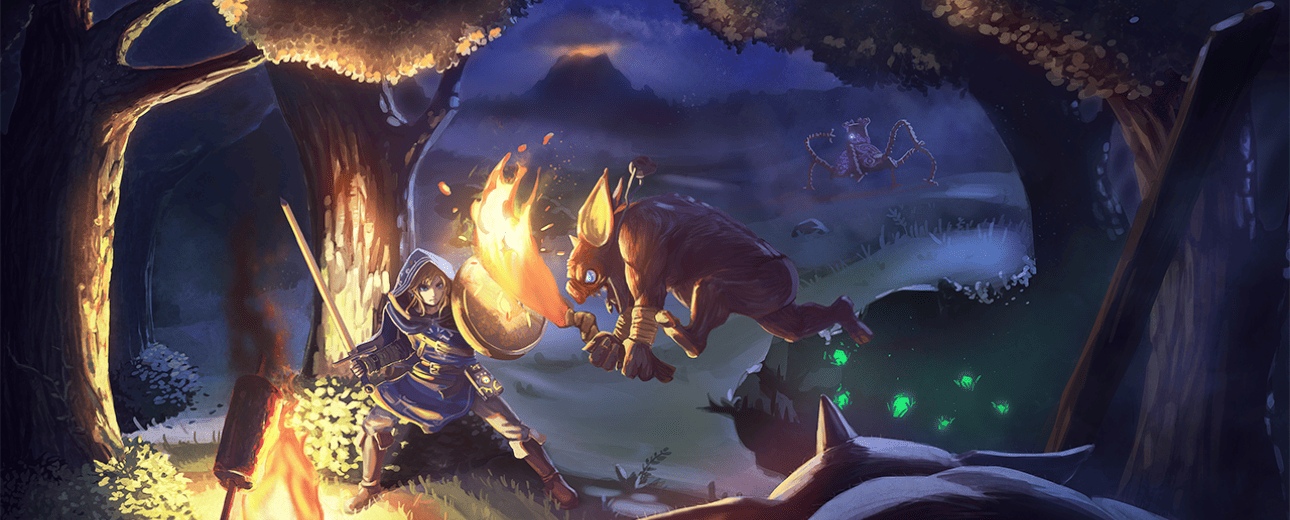
If you’ve ever finished a Legend of Zelda game and found yourself wondering whether you’re more of a stoic silent hero, a strategic princess, a chaotic trickster, or a wise old sage, you’re definitely not alone. As a longtime fan who has spent countless hours theorizing about personality types within the Zelda universe, debating with friends about which character best represents our real personalities, and watching the incredible diversity of characters this franchise has built over nearly four decades, I can confidently say that few gaming franchises offer such a rich cast of personality archetypes to identify with. From Link’s quiet determination to Zelda’s brilliant resourcefulness, from Ganondorf’s calculated ambition to Midna’s sharp wit hidden beneath sarcasm, every character in this beloved series represents distinct values, strengths, flaws, and approaches to facing adversity that many of us recognize in ourselves.
Personality quizzes centered around Zelda characters have become a beloved tradition within the fandom, offering fans a fun and reflective way to connect more deeply with the series they love. According to observations across fan communities, forums, and social media platforms, these “which character are you” style explorations tap into something deeper than simple entertainment—they invite genuine self-reflection about our values, how we handle challenges, what motivates us, and how we relate to others. Are you the type who charges into danger without hesitation like Link, or do you prefer calculated strategy like Zelda? Do you find yourself drawn to freedom and rebellion like Midna, or do you carry the weight of duty and destiny like Impa? These questions matter because Zelda characters aren’t simple archetypes; they’re richly developed personalities shaped by their unique circumstances, cultures, and personal journeys across Hyrule and beyond.
The beauty of exploring which Zelda character matches your personality lies in the incredible breadth of characters this franchise offers. Unlike many game series that rely on a handful of personality types, Zelda has given us heroes both loud and silent, villains both sympathetic and terrifying, allies both wise and mischievous, and supporting characters who often steal the show with unexpected depth. Whether you gravitate toward the courage embodied by various incarnations of Link, the wisdom and political savvy of Princess Zelda, the raw power and tragic ambition of Ganondorf, or the quirky charm of characters like Tingle or the Great Deku Tree, this comprehensive personality guide will help you discover your true Hyrulean counterpart while celebrating everything that makes these characters so unforgettable.
Understanding which Zelda character represents you requires examining core personality traits like courage versus caution, leadership style, emotional expression, relationship with power and responsibility, sense of humor, and approach to problem-solving. Throughout this guide, we’ll explore the major personality categories represented across the Zelda franchise, dive deep into what makes each character type unique, examine specific traits and behaviors that define these characters across different games, and help you identify which Hyrulean hero, villain, or ally truly resonates with who you are. Whether you’re a lifelong Zelda fan who has played every title since the original 1986 release or someone who recently discovered the magic of Breath of the Wild and Tears of the Kingdom, this personality exploration will deepen your appreciation for these incredible characters while helping you understand yourself a little better along the way.
Understanding Zelda Personality Archetypes
Before diving into specific characters, it’s worth exploring why Zelda characters make such compelling personality archetypes and what psychological and narrative elements make this kind of character-matching exercise so satisfying for fans. The Legend of Zelda franchise has spent decades refining certain core character types while simultaneously subverting expectations and adding surprising depth to seemingly simple roles, creating a rich tapestry of personalities that resonates with players across different life experiences and personal values.
Why Zelda Characters Resonate So Deeply
The Legend of Zelda franchise has succeeded in creating characters that feel archetypal yet deeply individual, allowing fans to project their own personalities onto beloved heroes while still recognizing distinct traits that separate each character from generic fantasy tropes. According to analysis of the series’ narrative design across nearly forty years of games, Nintendo’s approach to character writing emphasizes actions and implied emotion over extensive dialogue, particularly with Link’s traditional silence, which paradoxically makes these characters more relatable rather than less. When Link doesn’t speak, players fill in his internal monologue with their own thoughts and reactions, creating a uniquely personal connection to the protagonist that differs from franchises with heavily voiced, pre-determined personalities.
This design philosophy extends beyond Link to other major characters as well. Princess Zelda across her many incarnations demonstrates consistent core traits—intelligence, resourcefulness, and quiet strength—while each game’s version adds unique circumstances and challenges that reveal different facets of her personality. According to longtime fans and critics alike, this consistency-with-variation approach allows players to see themselves reflected in whichever version of Zelda resonates most with their own experiences, whether that’s the scholarly Zelda of Breath of the Wild struggling with self-doubt or the confident warrior Zelda of Skyward Sword’s spiritual successor incarnations.
The villains of the Zelda series, particularly Ganondorf, have similarly evolved from simple evil overlords into complex figures whose motivations, while ultimately destructive, contain elements of tragic circumstance and understandable (if corrupted) desires. According to character studies across the franchise, this complexity makes even antagonist-focused personality matches meaningful, as fans who identify with Ganondorf’s ambition or Ghirahim’s flamboyant confidence aren’t necessarily claiming villainous tendencies but rather recognizing specific traits like determination, self-assurance, or unwillingness to accept limitations that manifest very differently depending on one’s moral compass and life circumstances.
The Role of Player Choice in Character Identification
Unlike franchises with heavily scripted, unchangeable character personalities, many Zelda games incorporate player choice and interpretation that allows for personal identification beyond just recognizing preset traits. According to game design analysis, particularly regarding Breath of the Wild and Tears of the Kingdom, players’ approaches to solving puzzles, engaging combat, and exploring the world create personalized experiences that shape how they interpret Link’s silent characterization.
A player who consistently chooses stealth and patience over direct confrontation naturally imagines a more contemplative, strategic Link, while a player who charges headfirst into every battle envisions a bolder, more impulsive version of the same character. This flexibility according to fan discussions across forums and social media represents one of the franchise’s greatest strengths in fostering personality identification—the games themselves become tools for self-discovery as players project their own decision-making patterns onto blank-slate protagonists, then find themselves surprised by how naturally these choices align with specific character archetypes throughout the broader Zelda universe.
This interactive element extends to how fans interpret relationships between characters as well. According to fan theories and community discussions, the dynamic between Link and Zelda, or between Link and various companions like Midna, Fi, or the Champions in Breath of the Wild, often reflects players’ own relationship values and communication styles. Someone who values quiet, supportive partnerships might connect most with the Link-Zelda dynamic in Breath of the Wild, while someone who thrives on witty banter and playful tension might identify more with the Link-Midna relationship from Twilight Princess.
Core Personality Dimensions in Zelda Characters
To properly determine which Zelda character best represents your personality, it helps to understand the core dimensions that differentiate characters throughout the franchise. According to comprehensive character analysis across the series, these dimensions include courage expression (bold and immediate versus cautious and calculated), leadership style (commanding versus collaborative versus reluctant), emotional processing (open expression versus internal reflection versus stoic suppression), relationship with destiny and duty (embracing versus resisting versus redefining), and social approach (extroverted charisma versus introverted competence versus chaotic unpredictability).
These dimensions create a complex web of personality possibilities that goes far beyond simple “hero versus villain” categorization, allowing for nuanced self-reflection through the lens of beloved characters. According to psychological frameworks sometimes applied to character analysis by fan communities, understanding where you fall on these spectrums helps clarify which Zelda character truly represents your authentic self rather than simply your favorite character from a narrative or aesthetic standpoint. Someone might love Ganondorf as a villain from a storytelling perspective while recognizing that their actual personality aligns much more closely with Impa’s steady wisdom or Groose’s boisterous but ultimately good-hearted energy.
Additional dimensions worth considering according to detailed character studies include humor style (dry wit versus slapstick versus earnest sincerity), relationship with power (seeking control versus empowering others versus avoiding responsibility), adaptability (thriving on change versus preferring stability versus actively disrupting the status quo), and moral flexibility (rigid principles versus pragmatic adaptation versus situational ethics). By considering these multiple dimensions together rather than focusing on just one or two obvious traits, fans can arrive at much more accurate and satisfying character matches that genuinely reflect their complex, multifaceted personalities.
The Heroic Archetype: Are You a Link?
Link represents the most iconic personality type in the Zelda franchise, though as we’ll explore, the various incarnations of this legendary hero display significant personality variation despite sharing the core traits of courage, determination, and selfless heroism. Understanding whether you truly embody the Link archetype requires looking beyond surface-level heroism to examine specific behavioral patterns, emotional processing styles, and approaches to challenges that different Link incarnations demonstrate throughout the series.
The Silent but Determined Type
If you’re the kind of person who lets actions speak louder than words, who faces overwhelming challenges with quiet determination rather than dramatic proclamations, and who finds yourself naturally stepping up to help others even when you’d rather avoid the spotlight, you might share significant personality overlap with the classic Link archetype. According to character analysis across games like Ocarina of Time, Twilight Princess, and Breath of the Wild, this version of Link demonstrates unwavering commitment to protecting others without needing external validation or recognition for his efforts. He doesn’t seek glory; he simply does what needs to be done because it’s right.
This personality type often struggles with emotional expression, preferring to show care through actions rather than words. According to fan interpretations and the subtle character animation and reactions built into various games, Link frequently demonstrates concern, determination, sadness, or joy through body language and facial expressions rather than dialogue, mirroring real people who process emotions internally and express care through deeds rather than declarations. If you find yourself naturally more comfortable showing someone you care through helpful actions rather than verbal affirmations, this resonates strongly with the classic Link characterization.
According to observations from Breath of the Wild specifically, this Link incarnation also demonstrates remarkable adaptability and resourcefulness, willing to use unconventional methods and creative problem-solving to overcome obstacles rather than relying solely on traditional heroic combat. This adaptable, resourceful nature suggests someone who thinks outside the box, isn’t afraid to use whatever tools are available to solve problems, and values practical effectiveness over following rigid, traditional approaches. If you’re someone who prefers finding creative solutions to problems rather than following prescribed methods, and who remains calm and focused when facing seemingly impossible odds, you likely share significant personality traits with this incarnation of the Hero of Hyrule.
The Reluctant Hero Type
Not every version of Link eagerly embraces his heroic destiny from the outset. According to character development across several games, particularly The Wind Waker and elements of Ocarina of Time’s early sections, some incarnations of Link begin as reluctant participants thrust into extraordinary circumstances rather than eager adventurers seeking glory. This version of the character resonates with fans who recognize themselves as people who rise to meet challenges when circumstances demand it, even though they might prefer a quieter, simpler existence.
If you’ve ever felt called to step up and help others despite personal reservations, fear, or the desire to simply live a normal life, this reluctant hero archetype might represent your authentic personality far better than the eager adventurer stereotype. According to The Wind Waker’s characterization, this Link begins his journey specifically to save his sister Aryll, demonstrating that personal connection and loyalty to loved ones, rather than abstract concepts of heroism or destiny, often provide the strongest motivation for stepping into dangerous, uncertain situations. This resonates deeply with people whose courage stems from love and loyalty rather than a desire for adventure or glory.
According to gameplay experiences and narrative structure across these reluctant hero incarnations, character growth typically follows an arc where initial fear or uncertainty gradually transforms into genuine confidence and leadership as the character gains experience and recognizes their own capabilities. This mirrors real personal growth journeys many people experience, moving from self-doubt to self-assurance through lived experience and accumulated small victories rather than an innate, unchanging heroic nature from the very beginning.
The Skilled Warrior Type
Some incarnations of Link, particularly in games like Skyward Sword and certain sections of Twilight Princess, emphasize dedicated training, skill development, and mastery over natural talent or reluctant circumstance. This version of the archetype appeals to fans who value discipline, continuous improvement, and the satisfaction that comes from developing expertise through deliberate practice rather than relying purely on natural ability or being thrust unwillingly into heroic circumstances.
According to Skyward Sword’s narrative structure, this Link undergoes significant formal training under Instructor Horwell and later receives guidance from the goddess sword spirit Fi, representing a character who values mentorship, structured learning, and methodical skill-building. If you’re someone who appreciates having clear goals, values feedback and guidance from mentors, and takes satisfaction in visible skill progression and mastery, this incarnation likely resonates with your personality more than the reluctant or naturally gifted hero types.
This warrior-focused Link also demonstrates strong protective instincts specifically toward Zelda in Skyward Sword, showing a personality type deeply motivated by specific, personal relationships rather than abstract concepts of saving the world or defeating evil. According to character analysis, this suggests someone whose greatest motivation comes from protecting people they specifically care about, with broader heroic actions flowing naturally from that core personal commitment rather than existing as separate, abstract goals.
The Wise Strategist: Are You a Zelda?
Princess Zelda represents perhaps the most consistently evolving character in terms of personality complexity across the franchise’s history, moving from the classic damsel role of early games to the brilliant, capable, and increasingly action-oriented character we see in modern titles. Understanding which version of Zelda’s personality resonates with you requires examining her intelligence, leadership qualities, emotional depth, and the specific challenges she faces across different games.
The Scholarly and Introspective Type
If you find yourself naturally drawn to research, learning, and understanding complex systems before taking action, and if you sometimes struggle with self-doubt despite possessing genuine talent and intelligence, you might identify strongly with Breath of the Wild’s version of Princess Zelda. According to this game’s extensive character development through memories and journal entries, Zelda spends years pursuing scientific research and ancient technology study specifically because she struggles to unlock her divine powers through more traditional prayer and meditation, demonstrating a personality that values understanding and mastery through study and effort rather than accepting things as simply given or innate.
This version of Zelda according to her characterization throughout Breath of the Wild’s memories deals with tremendous internal pressure and self-doubt, feeling inadequate compared to her mother’s memory and struggling with her father’s expectations while her childhood friend Link seemingly possesses innate heroic qualities she must work incredibly hard to develop. If you’ve ever felt like you needed to work twice as hard as others to achieve similar results, or struggled with imposter syndrome despite genuine capability, this deeply human portrayal of Zelda’s struggles resonates powerfully.
According to her ultimate character arc across the game, this Zelda eventually finds her power not through forcing herself to match expectations but through authentic self-acceptance and channeling her genuine passions (scientific curiosity, protective love for Hyrule and its people) rather than trying to become someone she’s not. This resonates with anyone whose personal growth journey has involved learning to trust their unique strengths rather than constantly comparing themselves to others’ more obvious or traditional talents.
The Confident Leader Type
Other incarnations of Zelda, particularly in games like Twilight Princess and various depictions throughout the Zelda timeline, present a more immediately confident, politically astute leader who commands respect through natural authority and strategic thinking. This version of the character appeals to fans who identify as natural leaders, who think several steps ahead in complex situations, and who balance compassion with pragmatic decision-making when facing difficult circumstances.
According to Twilight Princess’s characterization, Zelda demonstrates remarkable composure and strategic thinking even when facing the complete conquest of her kingdom, choosing to surrender rather than cause additional casualties among her people—a decision that requires both courage and wisdom to prioritize long-term outcomes over immediate pride or resistance. If you’re someone who can maintain calm, strategic thinking even in crisis situations, who prioritizes practical outcomes over emotional reactions, and who naturally takes charge when leadership is needed, this confident leader archetype likely represents your personality more accurately than more hesitant or reluctant character types.
This version of Zelda also demonstrates willingness to work within difficult political constraints and alliances, including her complex relationship with Midna throughout Twilight Princess, showing a personality type comfortable with nuanced, sometimes uncomfortable partnerships in service of greater goals. According to her overall characterization, this suggests someone who values pragmatic cooperation over rigid ideological purity, willing to work with unconventional allies when the situation demands practical solutions.
The Warrior Princess Type
More recent and alternate universe interpretations of Zelda, including her role in certain Hyrule Warriors content and various points throughout Zelda’s extensive timeline, present a Zelda who combines her traditional wisdom and strategic thinking with genuine combat capability and willingness to fight directly rather than relying solely on Link or others for physical protection. This archetype resonates with fans who value both intellectual and physical capability, who refuse to be sidelined despite others’ expectations, and who insist on active participation rather than passive waiting.
According to various depictions of this warrior princess archetype, this version of Zelda demonstrates that intelligence and physical capability aren’t mutually exclusive, challenging traditional gender role expectations by excelling in both scholarly pursuits and combat training. If you’re someone who refuses to accept limitations others try to place on you, who insists on developing multiple types of competency rather than specializing narrowly, and who values being taken seriously as a complete, capable individual rather than existing in a single supportive role, this multifaceted warrior princess archetype likely resonates with your core personality and values.
This character type also often demonstrates protective instincts that extend beyond her immediate circle to encompass genuine concern for her entire kingdom and its people, suggesting someone whose leadership and capability stem from authentic care rather than desire for power or control. According to this characterization pattern, the warrior princess Zelda archetype represents personalities who combine competence with genuine compassion, using their capabilities specifically to protect and serve others rather than for personal glory or advancement.

The Complex Antagonist: Are You a Ganondorf?
While identifying with a villain might initially seem counterintuitive for a personality quiz, Ganondorf’s character across the Zelda franchise represents far more nuanced traits than simple evil, including ambition, determination, resistance to accepting limitations, and in some interpretations, understandable if ultimately corrupted motivations stemming from his people’s historical circumstances. Understanding which aspects of Ganondorf’s personality might genuinely resonate with your own character requires examining these traits separately from his villainous actions.
The Ambitious Visionary Type
If you’re someone who refuses to accept the status quo, who dreams big and pursues ambitious goals despite significant obstacles, and who possesses natural charisma and leadership abilities that draw others to your cause, certain aspects of Ganondorf’s personality might resonate with your own drive and determination. According to various depictions across the Zelda timeline, particularly Ocarina of Time and its expanded lore, Ganondorf’s motivations stem partly from witnessing his people, the Gerudo, living in harsh desert conditions while other races enjoy Hyrule’s fertile lands and abundant resources—creating a complex mixture of legitimate grievance and destructive ambition.
This version of the character according to lore and various interpretations demonstrates genuine strategic brilliance, patience in executing long-term plans, and remarkable charisma that allows him to build alliances and command loyalty even among those who might otherwise resist his goals. If you’re someone who thinks in terms of long-term strategy rather than immediate gratification, who can inspire others to follow your vision even when that vision requires significant sacrifice or risk, and who refuses to accept “impossible” as a final answer, these leadership and visionary qualities align with Ganondorf’s more admirable traits separate from his ultimately destructive methods.
According to character analysis focusing on his motivations rather than his actions, this ambitious visionary aspect of Ganondorf resonates with anyone who has felt frustrated by systemic unfairness or limitation, who possesses genuine talent and capability that exceeds their circumstances, and who struggles with channeling that ambition constructively rather than through destructive or ethically compromised methods. This doesn’t mean identifying with Ganondorf means embracing villainy, but rather recognizing that ambition, charisma, and refusal to accept limitations are neutral traits that can manifest either positively or negatively depending on one’s moral choices and methods.
The Determined Survivor Type
Beyond pure ambition, Ganondorf across various incarnations demonstrates remarkable resilience and determination, repeatedly returning despite defeat after defeat throughout the Zelda timeline’s recurring reincarnation cycle. According to this pattern across multiple games and timeline branches, this version of the character represents someone who refuses to give up despite repeated setbacks, who adapts strategies based on previous failures, and who maintains unwavering commitment to their goals regardless of how many times circumstances seem to definitively end their pursuit.
If you’re someone who has faced repeated setbacks or failures in pursuing important goals but continues adapting and trying again rather than abandoning your ambitions entirely, this determined survivor aspect of Ganondorf’s characterization might resonate with your own resilience and persistence. According to the mythology surrounding his repeated reincarnation and eternal conflict with the Link and Zelda reincarnations, this represents perhaps the ultimate expression of stubborn determination in the entire franchise—a character who exists specifically to keep trying despite what should be insurmountable, repeated failure.
This resilience according to character analysis doesn’t excuse his methods or goals but does represent a genuinely relatable human (or Gerudo) trait: the refusal to accept defeat as final, the willingness to learn and adapt from failure, and the sheer stubborn persistence required to continue pursuing difficult goals despite overwhelming historical evidence suggesting those goals may be unachievable. Many successful people in various fields share this same relentless determination, simply channeled toward constructive rather than destructive purposes.
The Tragic Product of Circumstance Type
Some interpretations of Ganondorf, particularly those examining his origins as the sole male born to the Gerudo people in many generations and the cultural weight and expectation this placed upon him, present a more sympathetic understanding of how circumstance and cultural pressure shaped his eventual path toward darkness and destruction. This interpretation resonates with fans who recognize how systemic pressures, expectations, and circumstances beyond individual control can shape personality and choices in complex ways.
According to various lore interpretations and expanded backstory materials, being the prophesied sole male Gerudo carries with it inherent cultural weight, destiny, and pressure that shaped Ganondorf’s worldview from birth, potentially explaining (without excusing) his eventual embrace of power and conquest as means of “providing” for his people even through ultimately destructive methods. If you’re someone who deeply understands how family, cultural, or societal expectations can shape personality and life choices, sometimes pushing people toward paths they might not have chosen under different circumstances, this tragic dimension of Ganondorf’s character offers meaningful reflection on the relationship between circumstance and individual choice.
This interpretation according to thoughtful character analysis doesn’t remove Ganondorf’s personal responsibility for his ultimately destructive choices, but it does add nuance to understanding how someone might begin with potentially legitimate grievances or protective instincts toward their people, only to have those instincts twisted through pursuit of power and control rather than more constructive collective solutions. This complexity resonates with fans who appreciate villains as fully realized characters rather than simple embodiments of evil, recognizing that real-world antagonistic figures often possess similarly complex origins and motivations.

The Loyal Companion: Are You a Midna, Fi, or Navi?
The various companion characters throughout the Zelda series—including Midna from Twilight Princess, Fi from Skyward Sword, and Navi from Ocarina of Time—represent distinct personality types built around supporting the hero while maintaining their own distinct character traits, motivations, and growth arcs. Understanding which companion personality resonates with you reveals interesting insights about your own approach to supporting relationships, communication style, and personal growth journey.
The Sarcastic but Devoted Type
If you express care through playful teasing and sharp wit rather than overt sentimentality, if you value your independence and freedom even while forming deep loyal bonds with others, and if you’ve experienced significant personal transformation that shaped your worldview and relationships, Midna’s personality from Twilight Princess likely resonates strongly with your own character. According to her extensive character development throughout the game, Midna begins as a seemingly self-serving, sarcastic imp who manipulates Link for her own purposes, gradually revealing genuine care, vulnerability, and eventually profound loyalty as the story progresses.
This personality type according to her characterization arc demonstrates that initial guardedness and sarcasm often mask deeper emotional investment and care, with trust and vulnerability revealed gradually rather than immediately. If you’re someone who takes time to open up to others, who uses humor and playful antagonism as a way of testing and building trust before revealing genuine emotional investment, and who ultimately proves fiercely loyal once that trust is established, Midna’s character arc mirrors this authentic relationship-building pattern many people experience in their own lives.
According to her tragic backstory involving Zant’s betrayal and the corruption of her kingdom, Midna also represents someone who has experienced significant personal loss and betrayal, shaping her initial guardedness and manipulative tendencies as protective mechanisms rather than inherent character flaws. This resonates with anyone whose past experiences with betrayal or loss have made them more cautious about trust and emotional vulnerability, even while they retain genuine capacity for deep loyalty and connection once that trust is properly established.
The Dutiful and Analytical Type
Fi, the sword spirit companion from Skyward Sword, represents an entirely different companion personality type built around precise, analytical thinking, unwavering duty, and gradual emotional development throughout her time serving Link. According to her characterization, Fi initially presents almost robotic precision and detachment, frequently citing exact statistical probabilities and analytical observations rather than emotional reactions to events.
If you process the world primarily through logical analysis rather than emotional reaction, if you take your responsibilities and duties extremely seriously even when personal feelings might suggest otherwise, and if you’ve gradually learned to balance analytical thinking with authentic emotional connection over time, Fi’s character arc likely resonates with your own personal development and worldview. According to her gradual character evolution throughout Skyward Sword, Fi slowly develops genuine emotional attachment to Link despite her initial purely functional, dutiful approach to her role as his guide and companion.
This character type according to careful analysis of her dialogue and behavior patterns represents someone who values precision, competence, and reliability above emotional displays, but who nonetheless develops genuine care and connection through consistent interaction and shared experience over time. If you’re someone others might initially perceive as cold or overly analytical, but who actually experiences deep emotional connections that simply manifest through actions and reliability rather than obvious emotional expression, Fi’s characterization offers meaningful validation for this authentic but sometimes misunderstood personality type.
The Anxious but Well-Meaning Type
Navi, Link’s fairy companion from Ocarina of Time, represents perhaps the most divisive companion character in franchise history, frequently mocked by fans for her repetitive “Hey! Listen!” callouts and sometimes overly anxious guidance style. However, examining her personality beyond surface-level fan criticism reveals a character type built around genuine care expressed through perhaps overly anxious vigilance and constant concern for Link’s wellbeing and success.
If you tend to express care through excessive worry, repeated reminders, and anxious attention to detail regarding others’ safety and success, even when this behavior sometimes comes across as overbearing or annoying to those you’re trying to help, Navi’s personality type offers surprisingly relatable representation of anxious but well-meaning care. According to her characterization throughout Ocarina of Time, Navi’s constant guidance and warnings stem from genuine concern for Link’s survival and success rather than any negative intent, even though her delivery method sometimes creates friction or annoyance.
This personality type according to psychological understanding of anxiety-driven caregiving represents people who express love and concern through vigilant attention and frequent check-ins, sometimes to the point of seeming excessive or overbearing to recipients who might prefer more subtle or less frequent expressions of care. If you’ve ever been told you worry too much about others or that your attempts to help sometimes feel overwhelming despite genuinely good intentions, Navi’s character offers validation that this anxious care style, while sometimes imperfect in execution, stems from authentic love and concern rather than any negative motivation.
The Wise Mentor: Are You an Impa, Rauru, or the Great Deku Tree?
Mentor characters throughout the Zelda franchise, including Impa across multiple incarnations, Rauru from various games, and figures like the Great Deku Tree, represent personality archetypes built around wisdom, patience, guidance, and often bearing the weight of significant knowledge or responsibility that younger characters haven’t yet developed. Understanding which mentor personality resonates with you reveals insights about your own relationship with knowledge, guidance, and supporting others’ growth.
The Steadfast Guardian Type
If you naturally take on protective, guiding roles for those around you, if you demonstrate unwavering loyalty and dedication to duty even when personal desires might suggest otherwise, and if you balance strength with genuine warmth and care, Impa’s personality across her various incarnations throughout the Zelda timeline likely resonates with your core character. According to her consistent characterization across multiple games including Ocarina of Time, Skyward Sword, and Breath of the Wild, Impa represents unwavering dedication to protecting the royal family and preserving crucial historical knowledge and Sheikah traditions.
This mentor type according to her various depictions demonstrates that strength and protective capability don’t require sacrificing warmth or emotional connection, with Impa frequently shown providing not just physical protection and training but genuine emotional support and wisdom to those under her care. If you’re someone others naturally turn to for both practical guidance and emotional support, who takes protective responsibilities seriously without becoming cold or distant in the process, this steadfast guardian archetype likely represents significant aspects of your authentic personality.
According to her characterization in Breath of the Wild specifically, where she appears as an elderly Sheikah elder who has witnessed and survived tremendous loss and historical trauma, Impa also represents resilience and continued dedication to duty despite personal cost and the passage of tremendous time. This resonates with anyone who has maintained commitment to important values and responsibilities across significant life challenges, continuing to provide guidance and support to others even while carrying their own history of loss or difficulty.
The Patient Teacher Type
Rauru, appearing across multiple Zelda games in various forms including as a sage in Ocarina of Time and more prominently as an ancient king in Tears of the Kingdom, represents a mentor archetype built around patient teaching, historical knowledge, and gradual guidance rather than direct intervention or control. This personality type resonates with fans who value education, believe in empowering others to develop their own capabilities rather than simply solving problems for them, and demonstrate patience even when immediate action might seem more expedient.
According to his characterization across various appearances, Rauru consistently demonstrates willingness to share knowledge and provide guidance while ultimately trusting younger characters like Link and Zelda to make their own choices and develop their own capabilities rather than attempting to control outcomes directly. If you’re someone who believes strongly in teaching others to fish rather than simply providing fish, who values long-term capability development over quick fixes, and who demonstrates genuine patience even when watching others struggle through necessary learning experiences, this patient teacher archetype resonates with your fundamental approach to supporting others’ growth.
This mentor type according to detailed character analysis also often carries significant historical knowledge and wisdom accumulated over long periods, representing someone whose guidance comes from genuine accumulated experience and understanding rather than superficial advice. If you find yourself naturally drawn to lifelong learning, historical understanding, and sharing accumulated wisdom with younger generations in ways that empower rather than control their choices, Rauru’s characterization likely resonates strongly with your personal values and approach to mentorship.
The Ancient and Nurturing Type
The Great Deku Tree, appearing prominently in Ocarina of Time and referenced throughout various other games, represents a unique mentor archetype combining ancient wisdom with deeply nurturing, almost parental care for those under his protection. This character type resonates with fans who combine tremendous accumulated knowledge and experience with genuine warmth and protective love, particularly toward those who might be considered vulnerable or in need of guidance and protection.
According to his characterization in Ocarina of Time, the Great Deku Tree demonstrates willingness to sacrifice himself to protect Link and share crucial information despite already being weakened and dying from Ganondorf’s corruption, representing ultimate selfless dedication to protecting and guiding the next generation even at tremendous personal cost. If you’re someone who prioritizes protecting and nurturing others’ growth even when this comes at significant personal sacrifice, who combines deep wisdom with genuine nurturing warmth, and who takes seriously your role in protecting and guiding those who depend on you, this ancient and nurturing archetype resonates with your core personality and values.
This mentor type according to broader thematic analysis across the franchise also represents connection to natural, ancient wisdom that exists beyond typical human or Hylian timescales, suggesting personalities who value long-term thinking, environmental protection, and understanding how current actions connect to much larger historical and natural patterns. If you find yourself naturally drawn to environmental protection, long-term thinking that extends beyond immediate personal concerns, and genuine reverence for accumulated natural wisdom, the Great Deku Tree’s characterization likely resonates with these deeper aspects of your worldview and values.
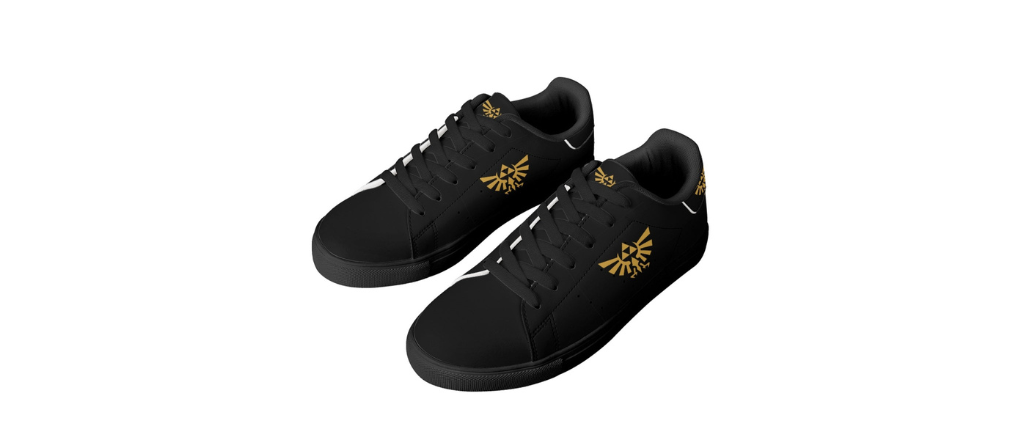
The Chaotic Trickster: Are You a Tingle, Groose, or Skull Kid?
Not every Zelda character fits neatly into heroic, villainous, or wise mentor archetypes. Characters like Tingle, Groose, and Skull Kid represent chaotic, unpredictable, or comic relief personality types that nonetheless offer genuine insight into specific personality traits many fans recognize in themselves, including embracing eccentricity, learning through mistakes, and finding genuine growth through unconventional paths.
The Eccentric Individualist Type
If you march to the beat of your own drum regardless of others’ opinions, if you pursue passions and interests that others might find bizarre or eccentric without shame or self-consciousness, and if you maintain genuine enthusiasm and joy despite others’ skepticism or ridicule, Tingle’s personality across his various appearances throughout the Zelda franchise might resonate more than you’d initially expect. According to his characterization across multiple games including Majora’s Mask and his own spin-off titles, Tingle represents unashamed pursuit of personal passions (fairy obsession, treasure hunting, map-making) regardless of how others perceive these interests.
This personality type according to character analysis demonstrates that authentic self-expression, even when it results in social awkwardness or ridicule from others, often provides greater personal satisfaction than conforming to more socially acceptable interests or behaviors. If you’ve ever been told your interests or passions are strange or embarrassing, but you’ve continued pursuing them anyway because they bring you genuine joy and fulfillment, Tingle’s unashamed eccentricity offers surprising validation for authentic self-expression regardless of social judgment.
According to his continued popularity and expanded role across multiple games despite frequently divisive fan reception, Tingle also represents resilience in continuing to be authentically yourself even when facing consistent criticism or mockery. This resonates with anyone who has maintained their authentic personality and interests despite social pressure to conform, recognizing that genuine self-acceptance sometimes requires weathering others’ judgment and ridicule.
The Boastful but Loyal Type
Groose from Skyward Sword represents a fascinating character arc from seemingly antagonistic bully to genuine, if still boastful, ally and friend. This personality type resonates with fans who recognize their own journey from insecurity-driven arrogance toward more genuine self-confidence and loyalty, understanding that initial negative behavior sometimes masks underlying insecurity rather than reflecting someone’s true character.
According to his character development throughout Skyward Sword, Groose begins as Link’s arrogant rival, driven by jealousy and insecurity about his own capabilities compared to Link’s natural heroic talents, but gradually transforms into a genuinely helpful, loyal ally who contributes meaningfully to defeating the game’s antagonists. If you recognize your own journey from insecurity-masked arrogance toward genuine confidence and supportive relationships with former rivals or those you initially viewed with jealousy or competition, Groose’s character arc offers meaningful representation of this common personal growth pattern.
This character type according to his eventual characterization also demonstrates that boastfulness and confidence, when redirected from insecurity toward genuine self-assurance, can become valuable leadership qualities rather than purely negative traits. If you’re someone who has learned to channel natural confidence and charisma toward supporting others rather than purely self-promotion, while still maintaining your fundamentally bold, assertive personality, Groose’s transformation resonates with this positive redirection of naturally strong personality traits.
The Misunderstood Chaos Type
Skull Kid from Majora’s Mask represents perhaps the most tragic and complex character in this chaotic trickster category, someone whose destructive actions throughout the game stem from genuine loneliness, abandonment, and misunderstanding rather than inherent malice. This character type resonates with fans who recognize how loneliness and feeling misunderstood can manifest as seemingly chaotic or even harmful behavior, masking deeper pain and need for genuine connection.
According to his backstory and characterization throughout Majora’s Mask, Skull Kid’s increasingly destructive behavior stems directly from being abandoned by his friends the Four Giants and subsequently manipulated by Majora’s Mask, representing how genuine loneliness and lack of understanding connection can lead someone toward increasingly harmful choices despite not being inherently malicious. If you’ve experienced periods of loneliness or feeling misunderstood that led to behavior you’re not proud of, or if you recognize how lack of genuine connection and support can push people toward destructive patterns even when that’s not who they fundamentally are, Skull Kid’s tragic characterization offers meaningful, compassionate understanding of this common human experience.
This character type according to his eventual resolution and redemption also represents hope for healing and positive change when someone receives genuine understanding, connection, and support rather than simple condemnation for their harmful actions. If you believe strongly in the possibility of redemption and positive change when people receive genuine compassion and connection rather than pure judgment, Skull Kid’s character arc throughout Majora’s Mask resonates with these values regarding forgiveness, understanding, and belief in people’s capacity for positive change.
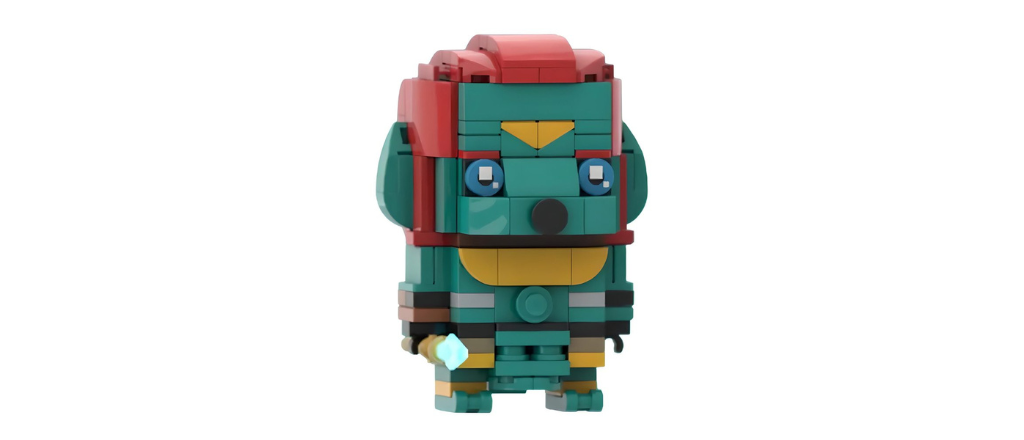
Discovering Your Match: A Comprehensive Self-Reflection Guide
Now that we’ve explored the major personality archetypes represented across the Zelda franchise, it’s time to synthesize this information into practical self-reflection that helps you identify which character genuinely represents your authentic personality rather than simply your favorite character based on aesthetic appeal or narrative importance.
Key Questions for Self-Reflection
Consider how you typically respond when facing significant challenges or obstacles: Do you charge forward with determination like the classic Link archetype, do you retreat to careful analysis and strategic planning like Zelda’s scholarly incarnations, or do you find yourself adapting fluidly based on specific circumstances rather than following one consistent pattern? According to psychological understanding of authentic personality assessment, our response patterns during genuine challenges often reveal more about our true character than how we imagine we’d respond in hypothetical situations, making honest reflection about actual past behavior during difficulties particularly valuable for accurate character identification.
Think carefully about how you express care and support for others in your life. Do you show love through consistent actions and quiet support like Link’s classic characterization, through witty banter and gradually revealed loyalty like Midna, through anxious vigilance and frequent check-ins like Navi, or through patient teaching and empowerment like Rauru? Understanding your natural expression of care and support provides significant insight into which Zelda character’s relationship patterns most closely mirror your own authentic approach to connection and support.
Consider your relationship with leadership, authority, and taking charge of situations: Do you naturally step into leadership roles with confidence like Twilight Princess’s Zelda, do you prefer supporting others’ leadership while contributing your own expertise like various mentor characters, or do you sometimes struggle with self-doubt despite genuine capability like Breath of the Wild’s Zelda? Your authentic relationship with leadership and authority, rather than how you imagine you’d ideally like to lead, offers crucial insight into which character’s leadership style genuinely resonates with your natural tendencies and comfort level.
Balancing Multiple Character Traits
It’s worth noting that most people, like most well-developed fictional characters, don’t perfectly embody a single, simple archetype but rather combine traits from multiple character types in ways that reflect their complex, multifaceted personalities. According to comprehensive personality psychology, humans typically demonstrate different dominant traits in different contexts and relationships, meaning you might identify strongly with Link’s quiet determination in professional settings while recognizing Midna’s protective sarcasm in close personal relationships.
This complexity shouldn’t be viewed as a failure to properly identify with a single character but rather as recognition that authentic personality, like well-written fictional characters, resists simple, singular categorization. According to character writing best practices that the Zelda franchise has increasingly embraced throughout its evolution, the most memorable and beloved characters combine multiple traits and even contradictory tendencies in ways that feel genuinely human rather than one-dimensional, making it entirely appropriate that your own personality similarly combines elements from multiple character archetypes rather than fitting perfectly into just one category.
Consider creating a personal ranking of the traits discussed throughout this guide that resonate most strongly with your authentic self, then identifying which combination of characters best represents this unique blend. Perhaps you combine Link’s quiet determination with Zelda’s scholarly curiosity and Midna’s protective sarcasm, creating a personality profile that draws from multiple beloved characters rather than existing as a pure representation of any single archetype. This nuanced approach to character identification honors the genuine complexity of human personality while still providing meaningful insight through connection to these beloved fictional representatives of various authentic personality traits and values.
Using This Self-Knowledge Constructively
Beyond simple entertainment value, genuine reflection about which Zelda character personality traits resonate with your authentic self can provide meaningful insight for personal growth and self-understanding. According to psychological benefits of media-based self-reflection, using beloved fictional characters as lenses for examining our own personality patterns, values, and behavioral tendencies can make abstract self-reflection more engaging and accessible than purely clinical personality assessment.
If you recognize that you strongly identify with reluctant hero archetypes but wish you demonstrated more of the confident leadership qualities present in other Link incarnations or Zelda’s more assertive characterizations, this recognition offers concrete direction for personal growth rather than simply passive self-labeling. Understanding your natural tendencies through character identification can highlight both strengths to celebrate and continue developing, as well as potential growth areas where adopting traits from other characters might benefit your personal development and relationships.
Similarly, if you recognize concerning parallels with more antagonistic characters like Ganondorf’s ambition-driven destructive tendencies, this recognition offers valuable opportunity for self-reflection about how to channel similar underlying traits (ambition, determination, resistance to limitation) toward more constructive rather than destructive expression. According to this constructive approach to character-based self-reflection, even recognizing villainous character traits within yourself provides valuable opportunity for conscious redirection toward more positive expression rather than simple denial or suppression of these natural personality tendencies.
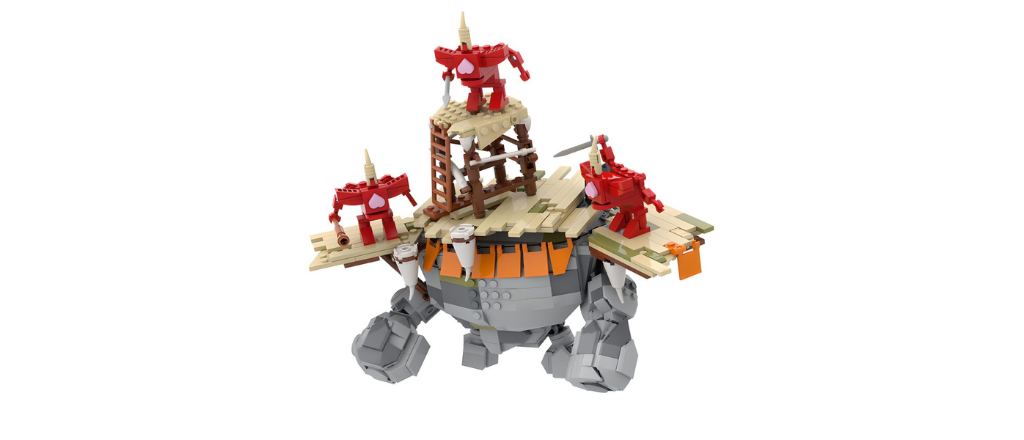
Conclusion: Embracing Your Hyrulean Identity
After this comprehensive exploration of Zelda character personalities—from Link’s various heroic incarnations to Zelda’s evolving strength and wisdom, from Ganondorf’s complex ambition to the loyal support of companions like Midna and Fi, from wise mentors like Impa and Rauru to chaotic but genuine characters like Tingle and Groose—hopefully you’ve gained meaningful insight into which beloved Zelda character truly represents your authentic personality, values, and approach to navigating life’s challenges.
The beauty of this exercise extends far beyond simple entertainment, offering genuine opportunity for self-reflection through the lens of characters whose struggles, growth, relationships, and values often mirror authentic human experience despite existing within fantastical, magical circumstances. According to the enduring popularity of the Zelda franchise across nearly four decades, these characters resonate so deeply with millions of fans precisely because Nintendo’s writers and designers have crafted personalities that, despite existing within Hyrule’s magical kingdom, reflect genuinely relatable human traits, struggles, and growth patterns that transcend the fantasy setting.
Whether you discovered strong identification with Link’s quiet determination and action-oriented care, Zelda’s intellectual growth and leadership evolution, Ganondorf’s complex ambition and resilience, or found yourself drawn to supporting characters like loyal companions or wise mentors, remember that these character archetypes represent starting points for self-reflection rather than rigid categories limiting your understanding of your own complex, multifaceted personality. Most importantly, recognize that like the best characters throughout the Zelda franchise, your own personality likely combines multiple traits, contradictions, and ongoing growth rather than existing as a simple, static representation of any single archetype.
For fans wanting to explore these character personalities more deeply, replaying specific games with attention to character development and dialogue offers rich opportunity for deeper understanding beyond this overview guide. Consider revisiting Breath of the Wild’s memory sequences for deeper insight into Zelda’s character development, replaying Twilight Princess with attention to Midna’s gradually revealed depth and loyalty, or exploring Skyward Sword’s extensive character interactions between Link, Zelda, Fi, and Groose for richer understanding of how these personalities interact and develop throughout extended gameplay experiences.
In conclusion, whether you’re a determined hero forging your own path forward, a wise strategist balancing intellect with compassionate leadership, someone channeling ambitious drive toward constructive rather than destructive goals, a loyal companion whose care manifests through actions rather than words, a patient mentor guiding others’ growth, or someone whose beautiful chaos and authentic self-expression defies easy categorization, the Zelda franchise offers a character archetype that celebrates and validates your unique personality. These characters, much like the players who love them, resist simple categorization while offering genuine insight, entertainment, and meaningful reflection about courage, wisdom, loyalty, ambition, and authentic self-expression.
May you find your own Triforce of Courage, Wisdom, and Power reflected not just in whichever character resonates most strongly with your personality, but in the ongoing journey of self-discovery and personal growth that makes engaging with these beloved characters so meaningful across generations of Zelda fans worldwide. Your Hyrulean identity, like the Legend of Zelda franchise itself, continues evolving and growing with each new experience and reflection—embrace this journey with the same courage, wisdom, and authentic determination that makes these characters so beloved across nearly four decades of gaming history.
References
This comprehensive personality guide has been written by a passionate Zelda fan drawing on extensive knowledge of the franchise’s characters across multiple decades of games including Ocarina of Time, Majora’s Mask, The Wind Waker, Twilight Princess, Skyward Sword, Breath of the Wild, and Tears of the Kingdom. Character analysis and personality observations draw from direct gameplay experience, official character descriptions, and extensive dialogue and cutscene content across these titles.
The official Nintendo website at https://www.nintendo.com/ provides canonical character information and official artwork referenced throughout this analysis. Zelda Wiki at https://zeldawiki.wiki/ offers comprehensive character databases and development tracking that supplemented direct gameplay analysis for this comprehensive character study. Fan community discussions and personality theories referenced throughout come from platforms including Reddit’s r/zelda at https://www.reddit.com/r/zelda/ and various Zelda-focused forums and social media communities that have discussed character analysis and personality identification extensively since the franchise’s inception in 1986.
Character backstory and development details draw from in-game dialogue, memory sequences, journal entries, and narrative content across all referenced games, supplemented by official strategy guides and the Hyrule Historia reference book published by Dark Horse Books, which provides additional character background and developer insight into the personality design choices that make these characters so memorable and relatable across nearly four decades of franchise history.