
 Canada
 USA
USA Japan
Japan



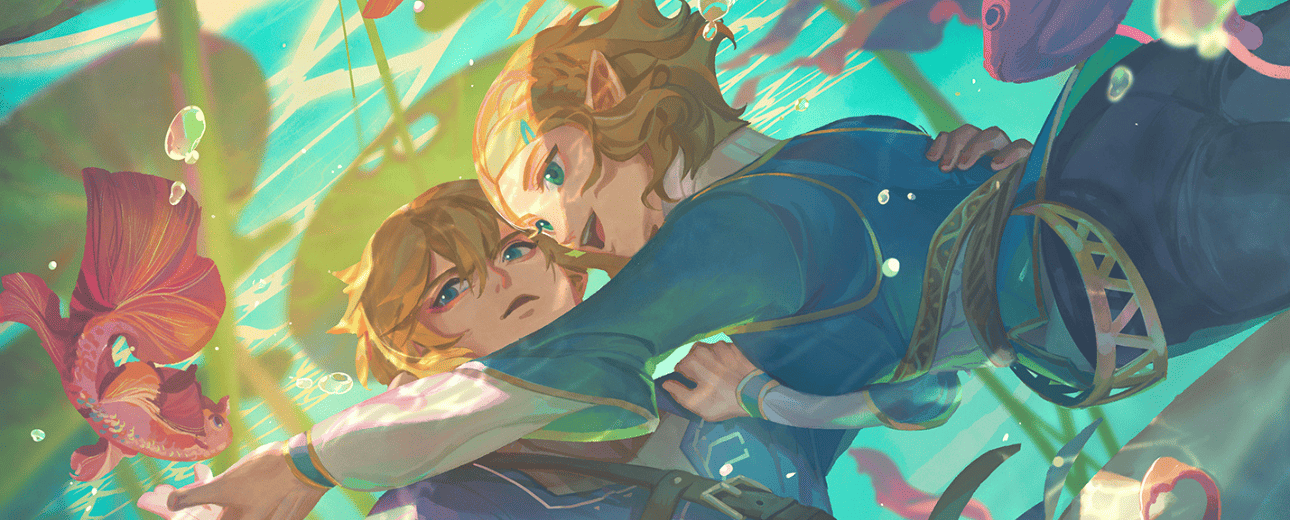
If you’ve found yourself standing at the edge of an incredible franchise spanning nearly four decades, wondering which entry point makes the most sense for your first journey into Hyrule, you’re asking exactly the right question before diving in. As a longtime fan who has introduced countless friends and family members to this beloved series, and who remembers vividly my own first steps into this magical world, I can tell you that choosing your first Zelda game is one of the most personal and important decisions you’ll make as a new player. Unlike many franchises where you absolutely must start with the first entry to understand the story, Zelda’s unique timeline structure and largely standalone game design means you have genuine flexibility in choosing where to begin your adventure.
The Legend of Zelda franchise presents newcomers with a wonderful but sometimes overwhelming dilemma: over two dozen mainline games spanning multiple console generations, art styles, gameplay mechanics, and difficulty levels, all technically part of one sprawling universe yet each offering a complete, self-contained experience. According to the franchise’s design philosophy that Nintendo has maintained since Shigeru Miyamoto and his team created the original 1986 game, each Zelda title tells its own story with its own version of Link, Zelda, and often Ganon or Ganondorf, meaning you don’t need to play games in chronological or release order to understand and enjoy any individual entry. This design choice, unusual for franchises with such extensive lore, makes Zelda uniquely welcoming to newcomers regardless of when they decide to jump in.
Choosing your first Zelda game ultimately depends on several important factors: what gaming platforms you currently own or have access to, what type of gameplay experience appeals to you most, whether you prioritize modern graphics and mechanics or appreciate classic design philosophy, how much time you’re willing to invest, and what specific aspects of adventure games excite you most. Someone drawn to open-world exploration and freedom will have different ideal starting points than someone who prefers tightly structured dungeon design with clear linear progression. Understanding these personal preferences before diving into recommendations will help you make the choice that leads to genuine enjoyment rather than frustration or disappointment.
This comprehensive guide will walk you through the most commonly recommended starting points for Zelda newcomers, examining what makes each option particularly suited for different types of players, discussing the various console and platform considerations you’ll need to navigate, exploring how the series has evolved across generations, and ultimately helping you identify which specific game will provide the ideal introduction to this legendary franchise based on your individual preferences and circumstances. Whether you’re coming from other adventure games, curious after hearing endless praise from friends, or simply ready to experience what many consider gaming’s greatest ongoing series, this guide will help ensure your first Hyrule adventure becomes the beginning of a lifelong passion rather than a confusing false start.
Understanding the Zelda Timeline Confusion (And Why It Doesn’t Matter)
Before diving into specific game recommendations, it’s essential to address the elephant in the room that intimidates many potential newcomers: the notoriously complex Zelda timeline that splits into multiple branches and spans thousands of years of in-universe history. Understanding why this timeline complexity shouldn’t actually influence your decision about which game to play first will free you to focus on what really matters when selecting your entry point into the franchise.
The Three-Branch Timeline Explained
According to official Nintendo materials, particularly the Hyrule Historia reference book published in 2011, the Zelda timeline actually splits into three distinct branches following the events of Ocarina of Time, based on different potential outcomes of that pivotal game’s final battle. These branches include a timeline where Link is defeated by Ganon (leading to games like A Link to the Past and its sequels), a timeline where Link succeeds as an adult (leading to games like Wind Waker and its sequels), and a timeline where Link succeeds as a child and is sent back in time (leading to games like Twilight Princess and Ocarina of Time’s immediate sequels).
This branching structure according to timeline analysis creates fascinating lore connections for dedicated fans who enjoy piecing together historical connections between games, but according to Nintendo’s own design philosophy, understanding this timeline has never been necessary for enjoying individual games. Series producer Eiji Aonuma has stated repeatedly in interviews that the timeline serves as background lore for those interested rather than required knowledge for gameplay enjoyment, meaning you can absolutely dive into any game without worrying about where it fits into this larger chronological puzzle.
The practical reality according to how these games are actually designed is that each entry provides all necessary context within its own narrative, introducing you to that specific game’s version of Hyrule, its particular incarnation of Link and Zelda, and its unique take on the recurring conflict between courage, wisdom, and power represented by the Triforce. You won’t find yourself confused by references to previous games’ events because each title functions as a complete, standalone story regardless of its timeline placement.
Why Recurring Character Names Don’t Mean Continuity
One of the most common points of confusion for newcomers involves understanding that characters named Link, Zelda, and Ganon/Ganondorf appear in nearly every game but represent different individuals across different timeline periods and alternate universes rather than the same characters experiencing one continuous story. According to the franchise’s mythology, these names represent recurring reincarnations or legacy titles rather than single characters living for thousands of years.
This reincarnation concept according to official lore means that each game’s Link represents a different hero chosen by destiny or the Triforce of Courage to face that era’s particular incarnation of evil, typically embodied by Ganon or Ganondorf, while Zelda represents the current bearer of the Triforce of Wisdom and typically Hyrule’s royal bloodline. Understanding this concept immediately eliminates any concern about missing crucial character development from earlier games, since you’re essentially meeting entirely new characters who happen to share names and certain destined roles with characters from other entries.
According to game design philosophy across the series, this approach allows Nintendo tremendous creative freedom to reimagine these core characters, their relationships, and their specific circumstances with each new release, meaning your first Zelda game will introduce you fully to its particular version of these iconic characters without requiring outside knowledge. This is fundamentally different from franchises with continuous, ongoing storylines where missing earlier entries creates genuine confusion or reduced enjoyment.
Focus on Gameplay Generation, Not Story Chronology
Rather than worrying about timeline placement, according to practical advice from longtime fans and gaming critics alike, newcomers should instead focus on understanding which gameplay era and design philosophy appeals to them most. The franchise has evolved dramatically across its history, moving through distinct design philosophies that fundamentally change how the games play even while maintaining core elements like exploration, puzzle-solving, and combat against Ganon or his forces.
This evolutionary perspective according to comprehensive franchise analysis reveals roughly four major design eras: the original top-down 2D adventure format established by the first two games and later refined in games like A Link to the Past and Link’s Awakening, the 3D adventure format pioneered by Ocarina of Time and continued through games like Majora’s Mask, Wind Waker, Twilight Princess, and Skyward Sword, the toon-shaded and stylized 3D format that Wind Waker introduced and later games like Phantom Hourglass and Spirit Tracks continued on handheld systems, and finally the open-world revolution introduced by Breath of the Wild and continued in Tears of the Kingdom.
Understanding which of these broader design philosophies appeals most to your personal gaming preferences will provide far more useful guidance than any timeline consideration, helping you select a starting point that matches your genuine interests rather than getting caught up in chronological concerns that ultimately don’t affect your ability to understand or enjoy any individual game.
The Modern Recommendation: Starting with Breath of the Wild
For the vast majority of newcomers approaching the Zelda franchise today, particularly those without nostalgic attachment to specific older entries or strong preferences for classic gaming conventions, Breath of the Wild represents the single most commonly recommended starting point according to critics, longtime fans, and gaming community consensus. Understanding exactly why this particular game earns such consistent recommendation helps clarify whether it’s the right choice for your specific situation and preferences.
Why Breath of the Wild Excels as an Entry Point
Breath of the Wild, released in 2017 for both Nintendo Switch and Wii U, represents a revolutionary reimagining of the Zelda formula that prioritizes genuine player freedom, environmental storytelling, and emergent gameplay over the more linear, guided experiences that characterized most previous entries in the series. According to critical consensus and sales figures, this approach resonated tremendously with both longtime fans and newcomers alike, becoming one of the best-selling and most critically acclaimed games in franchise history while fundamentally changing how many players think about open-world game design across the entire industry.
This game’s open-world structure according to design analysis means you can literally see Hyrule Castle, home to the final confrontation with Ganon, from the very beginning of the game and theoretically travel there immediately if you choose, though the challenge of doing so without proper preparation provides natural difficulty scaling. This remarkable freedom according to player experiences eliminates much of the frustration newcomers sometimes feel with more linear game structures, allowing you to explore at your own pace, tackle challenges in whatever order interests you, and genuinely make the adventure your own rather than following a predetermined path.
The minimal barrier to entry regarding prior series knowledge makes this an ideal starting point according to Nintendo’s own design intentions, as the game deliberately positions itself as accessible to complete newcomers while still offering rich lore and callbacks that reward longtime fans without requiring that background knowledge for basic enjoyment or understanding. According to Aonuma’s own statements about the game’s design philosophy, the team specifically wanted to create an entry point that could serve as many players’ introduction to the franchise, explaining the relatively self-contained narrative that doesn’t heavily reference previous games’ specific events.
Gameplay Systems That Welcome Newcomers
The chemistry and physics engines that power Breath of the Wild’s world according to extensive gameplay analysis create intuitive, discoverable systems that reward experimentation and creative problem-solving rather than requiring memorization of specific solutions or extensive genre knowledge. Fire spreads naturally through grass, metal objects conduct electricity, wind affects projectiles and fire, and countless other interactions create a world that behaves according to logical, learnable rules rather than arbitrary video game conventions that might confuse newcomers unfamiliar with typical adventure game logic.
This intuitive design according to player feedback and critical analysis means that even players with minimal video game experience can quickly understand how to interact with and manipulate the world, using logic and creativity rather than needing to learn specific franchise conventions or complicated control schemes. The game’s tutorial section on the Great Plateau according to design documentation specifically introduces core mechanics gradually and naturally, teaching essential skills through gentle guidance rather than overwhelming exposition or complex control tutorials that might intimidate newcomers.
According to accessibility considerations built into the game’s design, Breath of the Wild also offers remarkable flexibility in approach to combat, exploration, and puzzle-solving, meaning players who struggle with certain gameplay elements can often find alternative approaches rather than facing mandatory challenges that block progression. This flexibility according to player experiences across skill levels makes the game considerably more welcoming to newcomers who might otherwise feel intimidated by traditional action-adventure game difficulty curves.
Considerations Before Choosing This Starting Point
Despite its many advantages as an entry point, Breath of the Wild does present certain considerations that might make it less ideal for specific newcomer situations. According to critical discussions about the game’s design choices, the weapon durability system that causes tools and weapons to break after relatively limited use represents a significant departure from traditional action-adventure game conventions, requiring adjustment from players expecting to find and permanently keep powerful weapons throughout their adventure.
This durability system according to community feedback remains somewhat divisive even among experienced players, meaning newcomers should understand this significant departure from traditional gaming conventions before beginning their journey, as frustration with constantly breaking equipment could potentially sour an otherwise excellent introduction to the franchise. According to design philosophy explanations from the development team, this system was specifically intended to encourage experimentation with different weapon types and combat approaches rather than settling into repetitive strategies, though not all players find this justification satisfying if they strongly prefer traditional weapon progression systems.
Additionally, according to structural analysis of the game’s content, Breath of the Wild’s dungeons (called Divine Beasts) are notably shorter and less numerous than traditional series dungeons, focusing instead on the 120 shrine puzzles scattered throughout the world as the primary structured challenge content. If you specifically seek the more traditional, elaborate dungeon-crawling experience that many classic Zelda games emphasize, this restructured approach to structured challenges might not fully satisfy those particular expectations, suggesting you might want to consider alternative starting points if elaborate, multi-hour dungeons represent your primary interest in adventure games.

The Classic Choice: Ocarina of Time for 3D Adventure Purists
For newcomers interested in experiencing what many longtime fans and critics consider the foundational template for 3D action-adventure games, and who don’t mind adjusting to somewhat dated graphics and control schemes in exchange for experiencing gaming history, Ocarina of Time represents another frequently recommended starting point that offers a fundamentally different but equally valuable introduction to the franchise.
Historical Significance and Continued Relevance
Released in 1998 for the Nintendo 64, Ocarina of Time revolutionized action-adventure game design by successfully translating the top-down, 2D gameplay conventions established by earlier Zelda games into fully three-dimensional space, creating design solutions and conventions that countless subsequent games across multiple genres would adopt and build upon. According to gaming historians and critics, this game’s innovations including targeting systems for combat and platforming, context-sensitive action buttons, and horseback riding mechanics established templates that influenced game design far beyond just the Zelda franchise itself.
This historical importance according to critical consensus doesn’t merely represent academic interest for newcomers but actually translates into genuinely enjoyable, intuitive gameplay that despite its age remains remarkably playable and engaging by modern standards. The game’s structure according to design analysis provides an excellent introduction to core Zelda conventions including item-based dungeon puzzles, the relationship between overworld exploration and structured dungeon challenges, and the fundamental storytelling approach that connects courage, wisdom, and power through the Triforce mythology central to the entire franchise.
According to numerous “greatest games of all time” lists and ongoing critical reassessment, Ocarina of Time continues receiving recognition and praise decades after its original release, suggesting that its fundamental design quality transcends mere nostalgia and offers genuine value for newcomers experiencing it for the first time regardless of when they discover the franchise. This continued relevance makes it a compelling choice for players who want to understand foundational franchise conventions before experiencing more modern entries, or who simply prefer more traditional, structured adventure game design compared to Breath of the Wild’s open-world approach.
Understanding the Time-Travel Narrative Structure
One of Ocarina of Time’s most distinctive features according to narrative analysis involves its time-travel mechanic, where players control Link as both a child and later as an adult, seven years having passed in the game’s story during which Ganondorf has conquered Hyrule and Link has slept, protected within the Sacred Realm. This structure according to design documentation creates fascinating gameplay variety, as the same overworld locations often require completely different approaches depending on which time period you’re currently experiencing.
This dual-timeline structure according to player experiences provides excellent pacing and variety throughout an lengthy adventure, preventing the repetition that might otherwise occur during a single, unified timeline experience while creating genuine emotional weight as you witness the tragic transformation of Hyrule under Ganondorf’s tyrannical rule. The mechanical implications of this time travel according to gameplay analysis also create clever puzzle opportunities, as certain areas or objects might only be accessible or useful during specific time periods, encouraging strategic thinking about when to attempt certain challenges or objectives.
According to critical reception of this narrative device, the emotional impact of witnessing Hyrule’s transformation from a peaceful kingdom during Link’s childhood to a war-torn, oppressed land during his adult return provides powerful storytelling that resonates deeply with players regardless of when they experience the game. This structure according to franchise historians also established templates that later games would reference or build upon, though understanding this specific narrative device isn’t necessary for enjoying other entries in the series.
Platform Accessibility Considerations
While Ocarina of Time originally released on the Nintendo 64, accessing this classic title today according to current availability requires either finding original hardware and cartridges (increasingly difficult and expensive), purchasing the Nintendo 64 Nintendo Switch Online expansion pack subscription which includes access to the original game, or seeking out the 3DS remake released in 2011 which offers updated graphics and some quality-of-life improvements while maintaining the core gameplay experience.
According to accessibility analysis for modern players, the Nintendo 64 Nintendo Switch Online version provides the most convenient access for players who already own a Nintendo Switch console, offering the original gameplay experience with minimal modernization but reasonable convenience through digital distribution rather than requiring vintage hardware. This option according to practical considerations makes the game accessible to newcomers who already own current Nintendo hardware without requiring additional device purchases specifically for this classic title.
For newcomers who specifically prioritize more modern visual presentation and some gameplay refinements while still experiencing essentially the same core adventure, the Nintendo 3DS remake according to critical comparison offers improved graphics, added gyroscopic aiming options for certain sequences, and other minor quality-of-life improvements that some players find make the experience more approachable for modern sensibilities, though this requires either owning a Nintendo 3DS system or its more powerful New Nintendo 3DS variant.

The Handheld Gem: Link’s Awakening for Approachable Classic Charm
For newcomers seeking a more manageable time investment combined with charming, accessible gameplay that doesn’t sacrifice the series’ core appeal, Link’s Awakening—particularly its beautifully reimagined 2019 remake for Nintendo Switch—offers a wonderful entry point that balances classic 2D Zelda gameplay conventions with modern polish and considerately paced adventure design.
A More Manageable Adventure Scope
Unlike the sprawling, potentially dozens-of-hours experiences offered by games like Breath of the Wild or even Ocarina of Time, Link’s Awakening according to typical completion time analysis offers a more contained, focused adventure that most players can complete in approximately fifteen to twenty hours, making it considerably more approachable for newcomers uncertain about committing to a massive time investment before determining whether they genuinely enjoy the franchise. This more manageable scope according to player feedback doesn’t sacrifice meaningful content or satisfying gameplay progression, instead offering a tightly designed, complete experience that respects players’ time while still delivering the core Zelda experience of exploration, puzzle-solving, and character progression.
This original 1993 Game Boy title, later remade for Nintendo Switch in 2019 with charming diorama-style visuals, according to critical reception successfully translates classic top-down Zelda gameplay into an incredibly polished, visually distinctive package that appeals to both nostalgic longtime fans and newcomers experiencing this particular adventure for the first time. The remake’s distinctive toy-like visual style according to design analysis creates immediate visual appeal that differs meaningfully from other entries in the franchise, potentially attracting newcomers specifically drawn to its unique aesthetic presentation.
According to structural analysis of the game’s design, Link’s Awakening also offers excellent difficulty balance that provides genuine challenge without becoming excessively punishing or frustrating for players new to action-adventure game conventions, striking an accessible middle ground between more forgiving modern design and the sometimes brutal difficulty of classic 8-bit and 16-bit era games. This balanced approach makes it particularly suitable for newcomers uncertain about their tolerance for classic gaming difficulty conventions while still providing enough challenge to feel satisfying and engaging throughout the adventure.
Unique Story Elements and Dream-Like Narrative
Link’s Awakening according to narrative analysis distinguishes itself from most other Zelda games through its unusual setting and story structure, taking place entirely on the mysterious Koholint Island rather than the franchise’s typical Hyrule setting, with Link shipwrecked after a storm and struggling to escape this seemingly isolated location. This distinctive setting according to critical reception creates a more contained, mysterious atmosphere that differs meaningfully from the kingdom-spanning adventures typical of mainline Hyrule-set entries.
The game’s central mystery revolving around the Wind Fish, a mystical creature whose awakening might have unexpected and potentially devastating consequences for the island and its inhabitants, according to narrative analysis creates genuinely compelling storytelling that explores themes of reality, dreams, and the sometimes uncomfortable choices required to achieve seemingly positive outcomes. This narrative sophistication according to critical reassessment demonstrates that even relatively early entries in the franchise offered thoughtful, emotionally resonant storytelling beyond simple “rescue the princess, defeat the villain” plot structures.
According to structural analysis, the absence of Princess Zelda as a character (though she appears briefly in a dream sequence) and Ganon from the main narrative represents a notable departure from typical series conventions, instead focusing on an entirely original cast of characters unique to Koholint Island. This distinctive approach according to player feedback makes Link’s Awakening feel refreshingly different from other entries while still maintaining the core adventure gameplay and thematic elements that define the broader franchise.
Charming Presentation and Approachable Puzzle Design
The 2019 remake’s visual presentation according to critical reception represents one of its strongest selling points, utilizing a distinctive diorama-style art direction that makes the entire world feel like an elaborate, beautifully crafted toy set brought to life. This aesthetic choice according to design analysis creates immediate visual charm and appeal that differs meaningfully from both the more realistic style of games like Breath of the Wild and the more traditional fantasy aesthetic of games like Ocarina of Time.
According to gameplay analysis, the puzzle design throughout Link’s Awakening strikes an excellent balance between genuine challenge and approachable logic, avoiding the sometimes obtuse or unclear puzzle solutions that occasionally frustrate players in other classic adventure games while still requiring genuine thought and experimentation rather than simply handing solutions to players without effort. This balanced approach makes the game particularly suitable for newcomers who want to experience satisfying puzzle-solving without excessive frustration or need for outside help to progress through the adventure.
The item collection and dungeon design according to structural analysis follows classic Zelda conventions closely, introducing players to the fundamental gameplay loop of exploring dungeons, defeating enemies, solving environmental puzzles, and acquiring new tools that both help complete that specific dungeon and enable further exploration of the broader game world. This classic structure according to franchise historians provides an excellent foundation for understanding gameplay conventions that appear throughout most other entries in the series, making it valuable preparation for exploring additional Zelda games after completing this more contained introduction.

Considering Your Platform and Budget Constraints
Beyond simply identifying which game’s design philosophy and content appeals most to your personal preferences, practical considerations regarding what gaming platforms you currently own or are willing to purchase, along with your available budget, will significantly influence which starting point makes the most sense for your specific situation.
Current Generation Nintendo Switch Options
For newcomers who already own a Nintendo Switch or are willing to purchase one specifically for Zelda games, you’ll find the most extensive and convenient access to franchise entries, including Breath of the Wild, its sequel Tears of the Kingdom, the Link’s Awakening remake, and access to numerous classic titles through the Nintendo Switch Online subscription service’s expanding library of retro games. According to current platform analysis, the Switch represents Nintendo’s primary current-generation console, meaning it receives priority for new releases and remains readily available through retail and digital purchase options.
This platform accessibility according to practical considerations makes the Switch arguably the most sensible investment for newcomers seriously interested in exploring the Zelda franchise beyond just a single game, as it provides access to multiple recommended starting points along with the ability to continue exploring additional entries as your interest in the series develops. The relatively portable nature of the Switch according to lifestyle considerations also offers flexibility for players who want to enjoy these games both at home and during travel or commuting, potentially increasing the amount of playtime you can realistically fit into busy schedules.
According to pricing analysis, while the initial Switch console purchase represents a significant investment, the platform’s game library extends far beyond just Zelda titles, meaning this investment provides access to Nintendo’s broader excellent game library rather than serving only as a single-franchise purchase. This broader value proposition according to practical financial considerations makes Switch ownership a reasonable choice for newcomers interested in gaming more broadly rather than exclusively focused on Zelda specifically.
Alternative Platform Considerations
For newcomers unable or unwilling to invest in Nintendo Switch hardware, alternative options exist though they typically involve either seeking out older, potentially harder-to-find hardware or accepting more limited game selection. According to availability analysis, Nintendo 3DS systems can provide access to the Ocarina of Time remake along with several other classic titles remade or originally released for that handheld platform, potentially offering a more budget-friendly entry point if you can find reasonably priced used hardware.
Older Nintendo consoles including the Wii U (which also runs Breath of the Wild, since it originally released simultaneously on both Wii U and Switch) or classic systems like the Nintendo 64 or Game Boy according to availability considerations become increasingly difficult to acquire affordably as time passes, generally making these less practical options for most newcomers compared to current generation hardware. According to practical purchasing advice, unless you already own this older hardware or have access to it through friends or family, investing specifically in vintage systems for a single franchise rarely represents the most sensible approach for new players.
Some Zelda content according to platform availability has also appeared on mobile devices or through various compilation releases, though these options according to critical reception typically offer more limited experiences compared to dedicated console versions and generally aren’t recommended as primary entry points for newcomers seeking the full, intended Zelda experience that dedicated hardware provides.
Budget-Conscious Recommendations
If budget represents a significant constraint in your decision-making process, according to value analysis across the franchise, prioritizing Nintendo Switch Online subscription access to classic titles like Ocarina of Time through the Nintendo 64 expansion pack potentially offers more affordable access compared to purchasing full-price current releases like Breath of the Wild or Tears of the Kingdom, assuming you already own compatible Switch hardware. This subscription-based access according to practical financial considerations provides reasonable value for newcomers uncertain about their long-term interest in the franchise, allowing exploration without full-price individual game purchases.
According to sales pattern analysis, older Zelda titles including Breath of the Wild (now several years past its original release) sometimes receive periodic price reductions or appear in digital sales events, potentially making them more affordable than their original launch pricing suggests. Monitoring digital storefronts according to practical shopping advice for periodic sales events can significantly reduce the financial investment required to access these recommended starting points.
Physical game purchases according to market analysis, particularly for slightly older titles, sometimes offer better value through used game markets compared to digital purchases, though this requires more research and potentially more patience to find reasonably priced copies in good condition. Regardless of which specific purchasing approach makes most sense for your budget situation, according to overall value assessment, the Zelda franchise generally offers exceptional entertainment value relative to cost given the typically lengthy, replayable nature of these games compared to many other gaming experiences.
Matching Games to Your Gaming Background and Preferences
Beyond general recommendations, understanding how your existing gaming background and specific preferences align with different Zelda entries can help refine your decision toward the starting point most likely to create genuine enjoyment rather than frustration or disappointment.
For Fans of Open-World and Survival Games
If your gaming background includes significant experience with open-world titles like The Elder Scrolls series, expansive survival games, or other titles that prioritize player freedom and emergent gameplay over structured, linear progression, Breath of the Wild according to design comparison will likely feel immediately comfortable and appealing due to its similar emphasis on exploration, resource management, and player-driven objective prioritization. According to genre analysis, the systems-based approach to problem-solving that Breath of the Wild emphasizes, where creative use of physics and chemistry interactions often provides multiple valid solutions to challenges, will likely resonate strongly with players who enjoy similar experimental approaches in other open-world titles.
This alignment according to player experience patterns suggests that fans of games emphasizing environmental storytelling, optional content discovery, and genuine player agency in determining their own path through a game world will find Breath of the Wild’s design philosophy particularly welcoming and familiar despite it being their first specific Zelda experience. The relative absence of hand-holding or excessive tutorial content according to design analysis also appeals to players accustomed to open-world games that trust players to explore and discover systems organically rather than through extensive guided instruction.
For Fans of Traditional Action-Adventure and Dungeon-Crawling Games
Conversely, according to genre preference analysis, players whose gaming background emphasizes more traditional action-adventure titles with structured progression, clear dungeon-based challenges, and stronger narrative guidance might find greater satisfaction beginning with either Ocarina of Time or Link’s Awakening, both of which maintain more conventional adventure game structures compared to Breath of the Wild’s open-world approach.
If you particularly enjoy games that provide clear objectives, structured item progression systems where new tools permanently expand your capabilities, and dungeon design that requires solving increasingly complex puzzles using recently acquired items, these more traditional Zelda entries according to structural comparison will likely provide more immediately satisfying and familiar gameplay patterns compared to Breath of the Wild’s more open, less structured approach to progression and challenge design. According to player feedback comparing these different design philosophies, fans of games like classic Metroid titles, traditional JRPGs with dungeon exploration, or other action-adventure titles emphasizing structured progression often express stronger initial preference for these more traditional Zelda entries.
This preference alignment according to genre analysis doesn’t suggest these players wouldn’t eventually enjoy Breath of the Wild as well, but rather that starting with a more structurally familiar entry might provide a more comfortable introduction to core franchise concepts before potentially exploring the more radically different open-world approach in later exploration of the series.
For Newcomers to Video Games Generally
For genuine newcomers to video games as a hobby, regardless of specific genre preferences, according to accessibility analysis, Link’s Awakening’s more contained scope, gentler difficulty curve, and charming presentation potentially offers the most approachable entry point that won’t overwhelm players still developing fundamental gaming literacy and control scheme familiarity. This recommendation according to practical considerations acknowledges that both Breath of the Wild’s open-world complexity and Ocarina of Time’s more dated control conventions might present additional learning curves beyond just understanding Zelda-specific gameplay concepts.
According to design analysis specifically addressing newcomer accessibility, Link’s Awakening’s more linear, guided progression provides clearer direction about what to accomplish next while still offering meaningful exploration and discovery, striking a balance that many critics and players suggest works well for players still building fundamental gaming skills and confidence before tackling more complex or demanding titles. This approach doesn’t suggest limiting genuine gaming newcomers to only simple experiences, but rather acknowledges that building confidence through more structured success before tackling greater complexity often creates more positive, sustainable engagement with new hobbies.

What About Playing in Release Order?
Some newcomers, particularly those who generally prefer experiencing franchises chronologically or who feel uncertain about “skipping ahead” to more modern entries, wonder whether starting with the original 1986 The Legend of Zelda or early sequential releases might provide superior context or appreciation compared to jumping into more recent titles.
The Case Against Strict Release Order Play
According to comprehensive analysis of how game design has evolved across the franchise’s nearly forty-year history, starting with the original 1986 Legend of Zelda or even early sequels like Zelda II: The Adventure of Link, while historically significant, presents considerable challenges for modern newcomers due to significantly different design philosophies, limited technical capabilities of the era, and gameplay conventions that many contemporary players find genuinely difficult to enjoy without substantial nostalgia or specific interest in gaming history. According to critical reassessment of these earliest entries, while groundbreaking for their time, they often feature obtuse puzzle solutions, minimal guidance, and control schemes that modern players frequently find frustrating rather than charming.
This difficulty according to player feedback from newcomers who have attempted starting with these original entries suggests that strict chronological release-order play, while intellectually appealing for understanding franchise evolution, often creates a poor first impression that might discourage continued exploration of the series rather than building appreciation through historical context. According to practical recommendations from longtime fans, saving these historically significant but often challenging early entries for after you’ve developed genuine appreciation for the franchise through more accessible modern titles typically provides a more positive overall experience.
Unlike franchises where understanding earlier entries provides crucial context for enjoying and understanding later releases, according to the standalone narrative structure discussed earlier in this guide, Zelda games don’t require this kind of sequential knowledge building, meaning you lose remarkably little by starting with more modern, accessible entries before potentially exploring earlier titles once you’ve confirmed genuine interest in the franchise. This flexibility according to design philosophy analysis represents one of the franchise’s genuine strengths for newcomer accessibility compared to more narratively continuous franchises.
When Historical Context Genuinely Adds Value
Despite generally recommending against strict chronological play for newcomers, according to nuanced analysis, there does exist genuine value in eventually experiencing at least some earlier entries once you’ve confirmed your interest in the franchise, as understanding gaming history and appreciating how design conventions evolved can enhance appreciation for both classic and modern titles. This appreciation according to critical perspective doesn’t require starting with these older games, but rather suggests eventually incorporating them into your broader exploration of the series after establishing genuine enjoyment through more immediately accessible entries.
According to this balanced perspective, treating classic titles like the original Legend of Zelda or A Link to the Past as interesting historical experiences to explore after establishing franchise appreciation, rather than as mandatory starting points, allows you to approach them with proper context and appreciation for their historical significance rather than frustration at outdated design conventions compared to modern gaming expectations you might otherwise bring to a first Zelda experience.

Making Your Final Decision
After considering all these various factors, design philosophies, and personal preference alignments, synthesizing this information into a clear decision-making framework can help you confidently select your first Zelda adventure.
Quick Decision Framework
If you value maximum freedom, open-world exploration, and don’t mind unconventional systems like weapon durability, choose Breath of the Wild. This choice according to comprehensive analysis works particularly well if you already own Nintendo Switch hardware, enjoy other open-world titles, and want to experience what many consider the most influential and celebrated modern entry in the franchise, one that fundamentally influenced open-world game design industry-wide following its release.
If you appreciate structured, traditional adventure game design with clear progression and don’t mind slightly dated presentation in exchange for experiencing a foundational, historically important title, choose Ocarina of Time. This choice according to accessibility analysis works well whether you access it through Nintendo 64 Switch Online or the more visually updated 3DS remake, offering an excellent introduction to core franchise conventions that influenced countless subsequent games both within and outside the Zelda series specifically.
If you want a more manageable time investment with charming presentation and accessible but still satisfying puzzle-solving, choose Link’s Awakening. This choice according to practical considerations particularly suits newcomers uncertain about committing to lengthy adventures, those newer to gaming generally, or players specifically drawn to its unique dream-like narrative and distinctive diorama art style in the Switch remake.
There’s No Wrong Choice
Perhaps most importantly, according to overall franchise quality assessment, understand that genuine enthusiasm exists within the fan community for all three of these recommended starting points, meaning you truly cannot make a “wrong” choice among these excellent options. Each represents outstanding game design, meaningful storytelling, and the core Zelda experience of heroic adventure, environmental puzzle-solving, and the eternal struggle between courage, wisdom, and power that defines this beloved franchise regardless of which specific entry provides your introduction.
Trust your instincts about which design philosophy and presentation style genuinely appeals to your personal preferences rather than overthinking this decision or worrying excessively about making the “optimal” choice. According to countless positive experiences from newcomers across different starting points, genuine enjoyment stems from selecting a game that matches your personal taste rather than following any single universally correct recommendation, meaning the perfect starting point ultimately depends on your unique preferences, platform access, and gaming background discussed throughout this comprehensive guide.

Conclusion: Beginning Your Own Hyrulean Legend
After this comprehensive exploration of the various excellent starting points available for newcomers to the Legend of Zelda franchise, hopefully you now feel confident and informed about selecting the specific game that will provide your ideal introduction to this legendary series. Whether you’re drawn to Breath of the Wild’s revolutionary open-world freedom, Ocarina of Time’s foundational 3D adventure design, or Link’s Awakening’s charming, accessible scope, each path leads to the same fundamental destination: discovering why millions of fans across nearly four decades have fallen in love with this remarkable franchise.
Remember that the beauty of Zelda’s unique design philosophy means you genuinely cannot make a wrong choice among these thoughtfully recommended starting points, as each offers complete, satisfying adventures that don’t require outside knowledge or specific franchise history to enjoy and understand. According to the collective wisdom of longtime fans who have watched countless newcomers discover this series through various entry points, the specific game matters far less than simply taking that first step into Hyrule, allowing yourself to become absorbed in whichever adventure calls to you most strongly based on your personal preferences and circumstances.
Whatever you choose, prepare yourself for an experience that likely extends far beyond just a single game, as most newcomers who genuinely connect with their first Zelda adventure find themselves eager to explore additional entries, discovering how different games reimagine core themes and gameplay concepts in fascinating, creative ways across the franchise’s extensive history. The journey through Hyrule, wherever and whenever you choose to begin it, offers rewards that countless fans across generations have discovered and continue discovering today.
Take your time, choose the entry point that genuinely excites you based on everything discussed throughout this guide, and prepare yourself for an adventure that just might become one of your favorite gaming experiences and the beginning of a lifelong passion for this incredible, enduring franchise.
References
Nintendo. Official The Legend of Zelda website. https://www.zelda.com/
Nintendo. (2011). Hyrule Historia. Dark Horse Books. https://www.darkhorse.com/
Zelda Wiki. Comprehensive community database on the franchise. https://zeldawiki.wiki/
IGN. The Legend of Zelda guides and reviews. https://www.ign.com/
Nintendo Life. Nintendo news and analysis. https://www.nintendolife.com/
Reddit r/zelda. Fan community and discussions. https://www.reddit.com/r/zelda/
Metacritic. Aggregated critic scores for Zelda games. https://www.metacritic.com/
Nintendo Official Store. Official storefront for digital and physical purchases. https://www.nintendo.com/us/store/